
Flight Cancellations Due to Fog: Refund Rules, Compensation & Rebooking

Rohan Malhotra
December 5, 2025
Flight cancelled due to fog? Understand passenger rights, DGCA framework, refund rules, rebooking options, and practical winter flight planning in India.
1. Introduction to Fog-Related Flight Cancellations
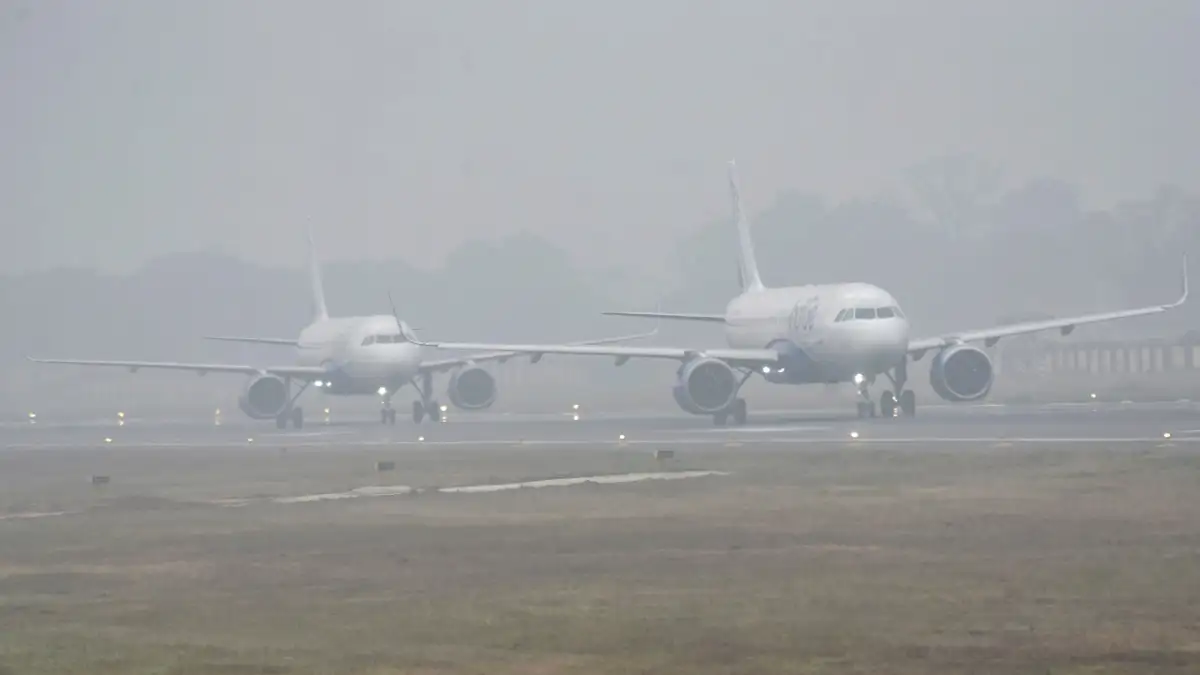
Flight cancellations due to fog are one of the biggest winter travel disruptions in India, especially on routes linked to North Indian hubs. Most travelers notice the problem when airport screens suddenly show delayed departures, rescheduled arrivals, and repeated holding patterns. The root cause is usually low runway visibility that makes takeoff and landing unsafe even when aircraft are ready to operate.
For passengers, the real challenge is not only the cancellation itself but what comes next: rebooking decisions, refund timelines, missed connections, accommodation costs, and uncertainty about rights. This guide explains how fog affects flight operations, which airports are most impacted, what DGCA passenger protection framework says, and the practical steps you should take at the airport and online.
If you are traveling in winter, informed planning can reduce stress significantly. Knowing your options before disruption begins is the fastest way to protect time and money.
2. Why Fog Causes Flight Disruptions
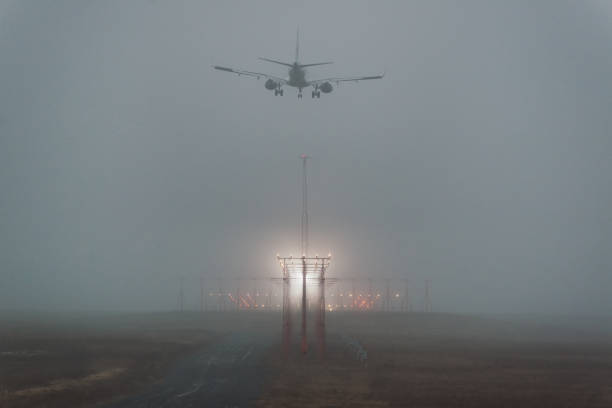
Commercial flights operate under strict visibility and approach minima. When fog lowers runway visual range beyond operating limits, pilots and air traffic control cannot safely continue standard arrival and departure flows. Even where instrument landing systems are available, operations depend on aircraft capability, crew qualification, airport equipment category, and real-time weather conditions.
- Low visibility operations: Require certified systems and trained crews.
- Network impact: One disrupted hub can delay many downstream flights.
- Turnaround loss: Aircraft and crews get mispositioned across routes.
- Safety priority: Airlines and ATC must prioritize safe minima over schedule adherence.
This is why a flight may be delayed first, then cancelled later if weather windows do not improve enough for safe sequencing.
3. Fog Season in India: Typical Timeline
India's main fog season usually builds from mid-December, peaks in late December and January, and gradually eases through February. Morning slots are commonly hit hardest, though evening and late-night operations can also suffer when conditions persist.
| Period | Typical Pattern | Passenger Planning Advice |
|---|---|---|
| Mid-December start | Early visibility drops begin | Add extra transfer buffer to itineraries |
| Late Dec-Jan peak | Frequent delays and occasional cancellations | Prefer flexible tickets and daytime travel |
| February taper | Gradual improvement, still variable | Keep rebooking options ready |
For wider seasonal planning, build weather-sensitive travel days with contingency windows, similar to other winter transport disruptions.
4. Airports Most Affected by Fog
Disruptions vary every year, but North Indian and some eastern airports are usually more vulnerable than coastal southern hubs. Delhi is often the most discussed case because of traffic volume and network connectivity. Secondary impacts then spread across linked domestic rotations.
- High-impact corridors: Delhi region and connected northern routes.
- Commonly affected city pairs: Flights touching dense fog zones in early hours.
- Secondary impact airports: Even clear-weather airports can receive delayed inbound aircraft.
Understanding this network effect helps explain why your flight from a non-foggy city may still be delayed or cancelled.
5. Passenger Rights in Fog Delays and Cancellations
Under India's passenger protection framework, weather is treated as an extraordinary circumstance. That usually means fixed compensation for inconvenience may not apply the same way it does in airline-at-fault disruptions. However, important rights still remain: information, rerouting or reaccommodation options, and refund rights where applicable.
- Right to information: Airline must communicate status updates and options.
- Right to choose: Accept alternate flight or seek refund where eligible.
- Assistance at disruption: Support obligations can apply based on wait duration and operational context.
Always save SMS, email alerts, app notifications, boarding pass details, and disruption screenshots. Documentation is critical for refund tracking and insurance claims.
6. DGCA Guidelines: What Matters Most to Travelers
DGCA Civil Aviation Requirements (CAR) are the key reference for denied boarding, cancellation, and delays. For weather-related disruption, airlines generally classify events as beyond direct airline control, but they must still follow communication and passenger handling procedures under applicable rules.
| Area | Practical Meaning for Passengers | What You Should Do |
|---|---|---|
| Cancellation notice | Airline should notify and offer options | Check app, SMS, email, and counter status |
| Alternate travel | Rebooking options may be offered on next available services | Ask for all available timing choices before accepting |
| Refund process | Timelines depend on payment mode and booking channel | Keep PNR, transaction ID, and request reference |
| Assistance norms | Facilities may apply by delay duration and context | Request written confirmation if support is denied |
If you are uncertain, escalate politely through airline nodal support and preserve written records.
7. Refund Rules and Compensation Reality
A common misunderstanding is that every fog cancellation guarantees cash compensation. In practice, weather-triggered disruption is typically treated differently from preventable operational failure. What passengers usually get is a refund or rebooking choice, not automatic compensation for inconvenience.
What is usually covered
- Refund of unused ticket amount under applicable fare and disruption rules.
- Alternative travel options based on seat availability.
- Tax components and fare elements as per fare and booking terms.
What is often limited
- Flat compensation payout for weather disruption.
- Indirect loss recovery (missed meetings, events, local bookings).
If booked through an online travel agency, processing can take longer because airline and agency systems both get involved. For direct airline bookings, follow-up is generally simpler.
8. What to Do Immediately When Your Flight Is Cancelled
- Confirm cancellation source: Verify in airline app or site and airport display.
- Choose objective first: Fastest rebooking or full refund.
- Get queue-smart: Use digital channels while one traveler stands at counter.
- Capture records: Screenshot status, PNR, and support chat or call reference.
- Review onward risks: Hotels, tours, and onward tickets may need immediate changes.
- Request written note: Helpful for insurance and third-party waiver requests.
For travelers managing multi-leg journeys, this step-by-step flow prevents expensive cascading losses.

9. Rebooking Options: How to Decide Fast
When rebooking is offered, compare options by arrival certainty, not just departure time. A same-day departure that routes through another fog-affected hub may still arrive later than a next-day nonstop with better reliability.
| Option | Pros | Risk |
|---|---|---|
| Same-airline next flight | Simple baggage and PNR handling | May remain weather-sensitive |
| Next-day confirmed seat | Higher certainty | Overnight cost and schedule shift |
| Self-book alternate carrier | Potentially faster in urgent cases | Higher cost, separate refund follow-up |
| Cancel and defer trip | Cost control for non-urgent travel | Plan disruption |
Ask clearly whether fare difference is waived in airline-initiated cancellation scenarios before accepting an alternate itinerary.
10. Travel Insurance and Fog Disruptions
Insurance can reduce financial damage, but only if the policy explicitly includes weather delay and cancellation coverage and you submit proper documentation. Many travelers buy insurance but fail claims due to missing proof.
- Check delay trigger hours and coverage caps.
- Confirm if missed connection and hotel cost are included.
- Obtain disruption proof from airline channels.
- File claim within policy deadline with complete documents.
Essential documents usually include ticket or PNR, cancellation notice, boarding pass (if issued), expense receipts, and claim form details.
11. Smart Travel Tips for Fog Season
- Prefer late-morning or afternoon departures when feasible.
- Avoid zero-buffer same-day event commitments in peak fog weeks.
- Use flexible fares for business-critical itineraries.
- Keep power bank, medicine, and essentials in cabin baggage.
- Track weather and flight status before leaving for airport.
- Set app alerts and monitor official airline social channels.
For broader planning, combine this with international airports in India, Chandigarh airport closure updates guide, and train cancellations due to fog to build a multi-mode winter strategy.
12. Airport Counter vs Online Support: Which Works Better?
During severe fog waves, both channels can be overloaded. Airport counters are useful for complex itineraries and immediate clarification, but queues can become long. Online channels are often faster for simple rebooking and refund initiation because they create instant digital records.
| Channel | Best Use | Limitation |
|---|---|---|
| Airline app or website | Fast self-service rebooking and refund submission | May lag during surge traffic |
| Airport counter | Complex itinerary handling and immediate escalation | Long waiting time in mass cancellations |
| Call center | Helpful when app access fails | High hold time during peak disruption |
| Social support handles | Quick visibility for unresolved cases | Often needs follow-up via formal channel |
The best method is parallel execution: keep one traveler in queue and process digital steps simultaneously. Always ask for a case reference number and keep timestamped records.
13. Frequent Mistakes Passengers Make
- Waiting too long to choose rebooking vs refund.
- Not documenting cancellation proof and support interactions.
- Ignoring onward booking cancellation deadlines.
- Assuming weather disruption means no rights at all.
- Relying only on one communication channel.
A disciplined response in the first 20-30 minutes after cancellation can save substantial cost and time. Most losses happen due to delayed decisions, not because options are unavailable.
14. Final Takeaway
Flight cancellations due to fog are disruptive but manageable when you know your rights and move quickly with a clear decision framework. Treat winter aviation travel as a risk-managed plan: flexible timing, proactive monitoring, documentation discipline, and informed rebooking choices. With this approach, even major fog-season disruptions become a controllable operational issue rather than a trip-ending crisis.
Before every winter-sector departure, do one quick readiness check: confirm live status, save booking records offline, and pre-decide whether your priority is speed of arrival or cost recovery. That single pre-decision reduces confusion when disruption begins.
Location
Frequently Asked Questions
Q1.What are my rights if a flight is cancelled due to fog in India?
Q2.Do airlines pay compensation for fog cancellations?
Q3.How long does a fog cancellation refund take?
Q4.Can I rebook on the next available flight without extra charges?
Q5.Which flights are more affected during fog season?
Q6.Does travel insurance cover fog cancellations?
Q7.What should I do first at the airport after cancellation?
Q8.How can I reduce fog-season flight risk?
Recommended For You

Airports in Kerala: Domestic, International & City Connectivity
List of all airports in Kerala. International airports in Kochi, Trivandrum, Calicut, Kannur with locations, connectivity & travel tips.

Cheapest Flights to Europe from India: Booking Hacks & Best Months
Find the cheapest flight to Europe from India with practical booking windows, route strategies, hidden-cost checks, and fare-saving tactics that actually work.

Vande Bharat Delhi Srinagar: Timings & Fares
Vande Bharat Delhi Srinagar guide with route-status clarity, booking strategy, fare planning, and practical segment-based travel tips for Kashmir-bound travelers.
Never Miss an Adventure
Get the latest trekking guides, travel tips, and exclusive offers delivered straight to your inbox.
