
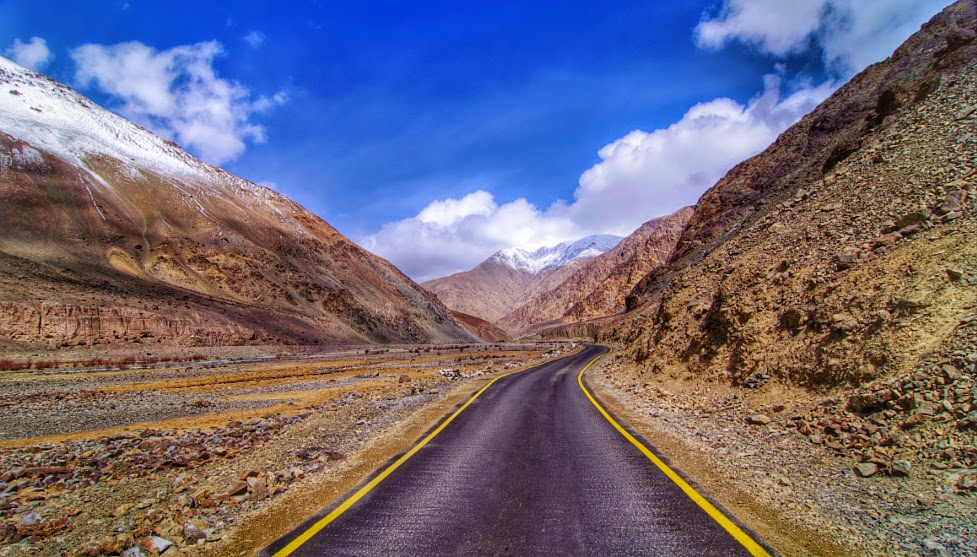
Acute Mountain Sickness in Ladakh: Prevention

Priya Mehta
February 18, 2026
Complete guide to Acute Mountain Sickness in Ladakh. Learn symptoms, prevention, medicines, acclimatization tips & safety measures for high-altitude travel.
Acute Mountain Sickness in Ladakh: Complete Prevention and Response Guide
Acute Mountain Sickness in Ladakh is one of the most searched safety topics for a reason. Leh sits above 3,500 meters, and many travelers arrive by flight within hours from low altitude cities. That rapid gain can stress the body even in fit travelers. Top ranking results for this query typically focus on symptoms and medicines, but many skip practical route planning and escalation rules. This guide combines medical caution with travel execution so you can reduce risk before and during your trip.
If this is your first high altitude journey, do not treat acclimatization as optional. A rushed itinerary is the biggest risk factor. Before finalizing hotels or bike rentals, review your route with our Delhi to Leh road trip framework and check timing with our best time to visit Ladakh guide.
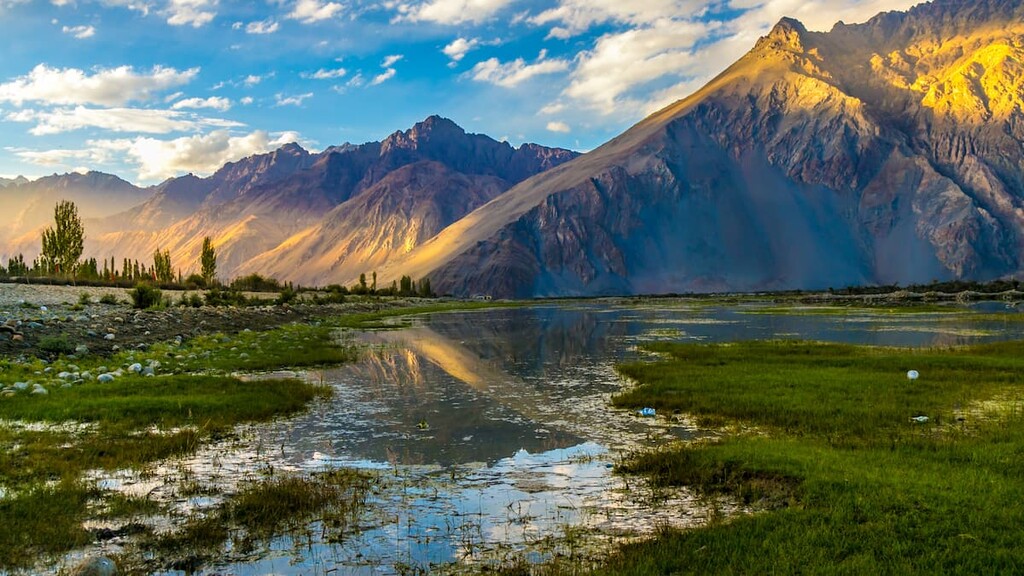
What Acute Mountain Sickness Is
Acute Mountain Sickness, or AMS, is the body response to lower oxygen pressure at high altitude. In Ladakh, oxygen availability is significantly lower than sea level. The body needs time to adapt by adjusting breathing rate, blood chemistry, and circulation. When ascent is too fast, symptoms can appear within six to twenty four hours. AMS can start mild but may become dangerous if ignored.
AMS is not a sign of weakness. Age, fitness level, and travel history do not guarantee protection. Even athletes can develop symptoms if they ascend too quickly or combine altitude with dehydration, alcohol, heavy exertion, and poor sleep.
Early Symptoms You Must Not Ignore
The most common early sign is persistent headache after reaching altitude. Other frequent symptoms include nausea, appetite loss, unusual fatigue, dizziness, disturbed sleep, and mild breathlessness during simple movement. Many travelers mistake these for routine travel tiredness and continue sightseeing. That decision can worsen the condition.
A simple self check at altitude is useful: if headache is increasing, appetite is dropping, and walking feels harder than expected, stop ascent and rest. Do not mask all symptoms with repeated painkillers while continuing to higher passes.
When AMS Becomes an Emergency
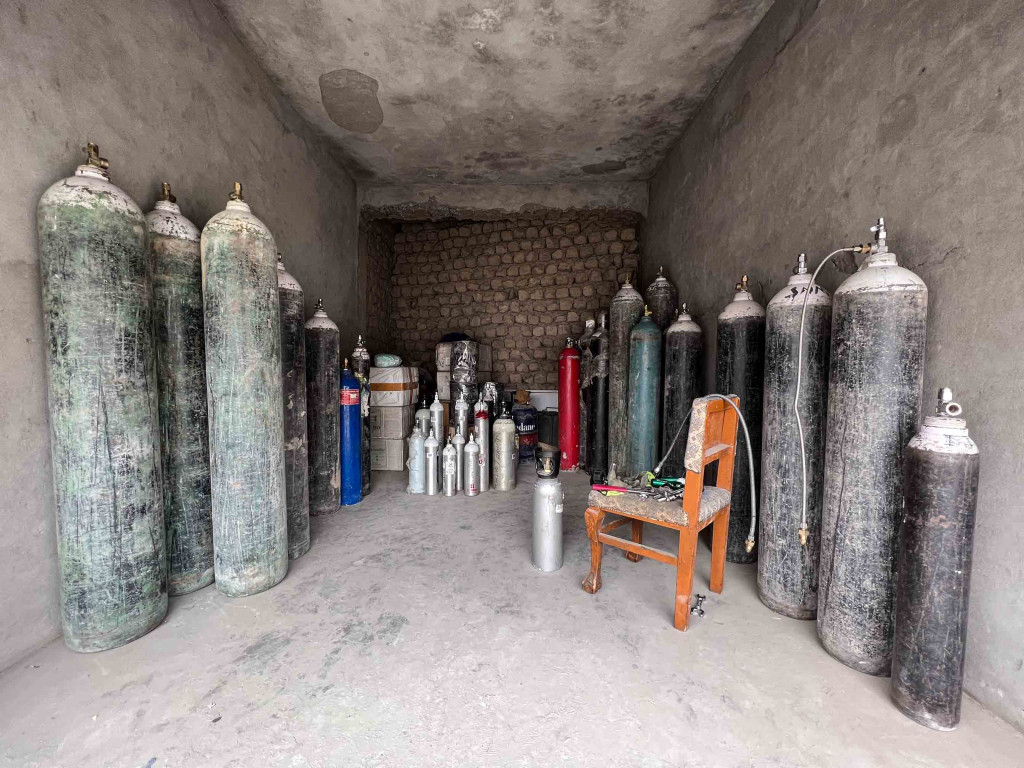
Severe red flags include breathlessness at rest, repeated vomiting, confusion, inability to walk in a straight line, chest tightness, wet cough, or altered awareness. These may indicate progression toward High Altitude Pulmonary Edema or High Altitude Cerebral Edema, both medical emergencies.
If any red flag appears, immediate descent is the priority. Oxygen support and urgent medical contact should happen at once. In high altitude safety, delay can be life threatening. Do not wait overnight hoping symptoms improve.
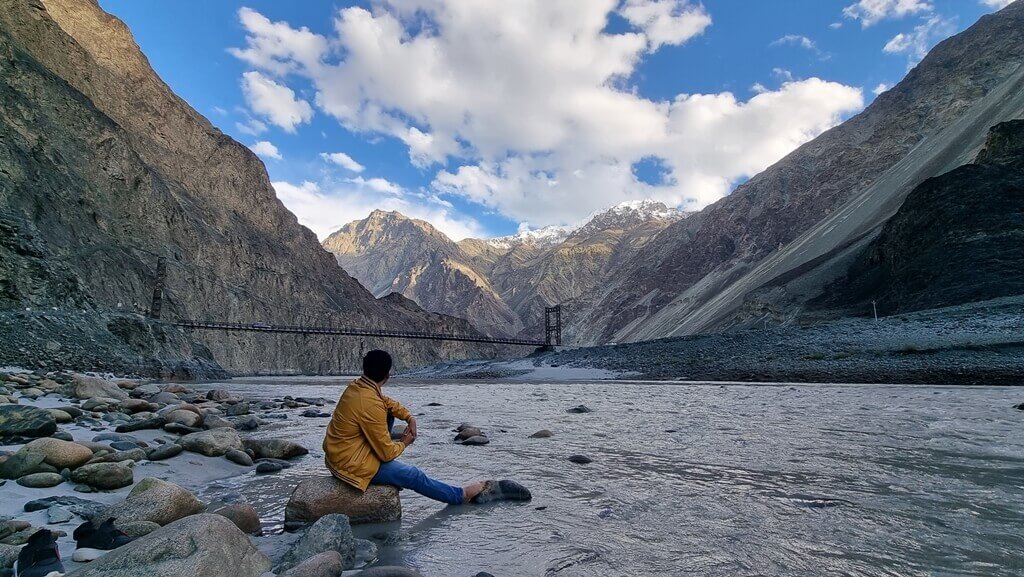
How to Prevent AMS in Ladakh
1) Protect first 48 hours in Leh
On arrival day, keep activity minimal. Light hotel walking is fine, but no steep climbs, no aggressive sightseeing, and no same day pass attempts. Day two can include low intensity local movement only if symptoms are stable.
2) Hydrate consistently
Dry cold air increases fluid loss. Sip water throughout the day, add oral rehydration if needed, and avoid dehydration from excessive tea coffee intake. Balanced hydration improves adaptation and reduces headache triggers.
3) Avoid alcohol and smoking initially
Both can worsen oxygen stress and sleep quality. Skip alcohol completely for the first two to three days in Ladakh.
4) Sleep warm and eat light
Cold stress and heavy meals increase fatigue. Choose warm layered clothing and lighter meals in early acclimatization phase.
5) Ascend gradually
After Leh adaptation, move to higher points with controlled pacing. If symptoms rise, step back in altitude.
Medication and Medical Planning
Preventive medication decisions should be taken only after consulting a qualified physician before travel. Do not self prescribe based on social media discussions. If your doctor provides a preventive protocol, follow dosage timing exactly and still keep acclimatization rules in place. Medicine does not replace safe ascent behavior.
Carry a medical kit with doctor advised AMS medicines, anti nausea support, pain relief, pulse oximeter, and basic first aid items. Keep emergency contacts saved offline and printed. Families and group leaders should assign one person to daily symptom tracking for everyone.
Suggested Acclimatization Friendly Itinerary
Day 1: Arrive Leh, full rest, hydration, early sleep. Day 2: Very light local sites only if stable. Day 3: Moderate local movement, no extreme climbs. Day 4 onward: Move to Nubra or Pangong only if symptom free.
This pattern helps many travelers avoid serious complications. If your trip is short, resist compressing this schedule. A shorter safe trip is better than a longer risky one. For permit planning before moving to restricted sectors, use our Ladakh permit checklist.
Driving and Bike Trip Considerations
Road travelers from Srinagar or Manali may acclimatize more progressively than flight arrivals, but risk still exists. Long riding hours, cold exposure, and dehydration can trigger symptoms even with gradual ascent. Bike riders should pace aggressively on safety, not speed goals. If you are planning a motorcycle route, combine this article with our Leh Ladakh bike trip guide and include acclimatization buffers.
Family groups should be extra conservative because children and older travelers may hide discomfort until symptoms become obvious. For mixed age planning, read our Ladakh family route guide and keep daily drives shorter.
Common Mistakes That Cause AMS Problems
Major mistakes include landing in Leh and directly driving to high passes, poor hydration, alcohol on first evening, sleeping late after exhaustive activity, and ignoring headache progression. Another common mistake is copying aggressive itineraries from social media reels without knowing baseline health limits.
A safer approach is to keep every day reversible. If symptoms increase, you should be able to stop and descend without itinerary collapse. Build flexibility into bookings and prioritize refundable options where possible.
What To Do If Symptoms Start
Stop ascent immediately. Rest, hydrate, stay warm, and monitor symptoms for improvement. If headache and nausea continue or worsen, descend to lower altitude and seek medical support. Never travel alone during symptom episodes. Keep your group informed in real time.
At high altitude, early conservative action is always the right decision. There is no medal for pushing through illness in the mountains.
Quick Daily Monitoring Template
Use a simple morning and evening check for each traveler: headache level, appetite, sleep quality, walking comfort, and oxygen reading trend if available. Write it in notes app so changes are visible day to day. If two or more markers worsen together, avoid higher ascent that day. Group leaders should run this check before departure every morning and after hotel check in every evening.
This template is especially valuable for road trips with multiple stops, where mild symptoms are often overlooked between long drives. Consistent monitoring catches risk earlier and prevents emergency situations later in the route.
Final Safety Verdict
Acute Mountain Sickness in Ladakh is preventable in many cases when travelers respect altitude science and travel slower than social media itineraries suggest. The formula is clear: protect first 48 hours, hydrate consistently, ascend gradually, and descend early when red flags appear. Ladakh is unforgettable when approached responsibly. Plan smart, listen to your body, and keep safety above schedule at every step.
For travelers comparing winter routes where cold stress increases risk complexity, review our Ladakh in December guide before booking. Seasonal awareness and acclimatization discipline together create the safest high altitude experience.
Location
Frequently Asked Questions
Q1.What is acute mountain sickness?
Q2.At what altitude does AMS start?
Q3.How can I prevent AMS in Ladakh?
Q4.Should I take Diamox before going to Ladakh?
Q5.How many days are needed for acclimatization in Leh?
Q6.What are the first signs of altitude sickness?
Q7.When should I descend for AMS?
Q8.Can I get AMS at Leh airport?
Recommended For You

Leh Ladakh Family Trip: Itinerary, Acclimatization & Kid-Friendly Stops
Plan a safe family trip to Leh Ladakh with kids. Best time, itinerary, acclimatization tips & child-friendly activities included.
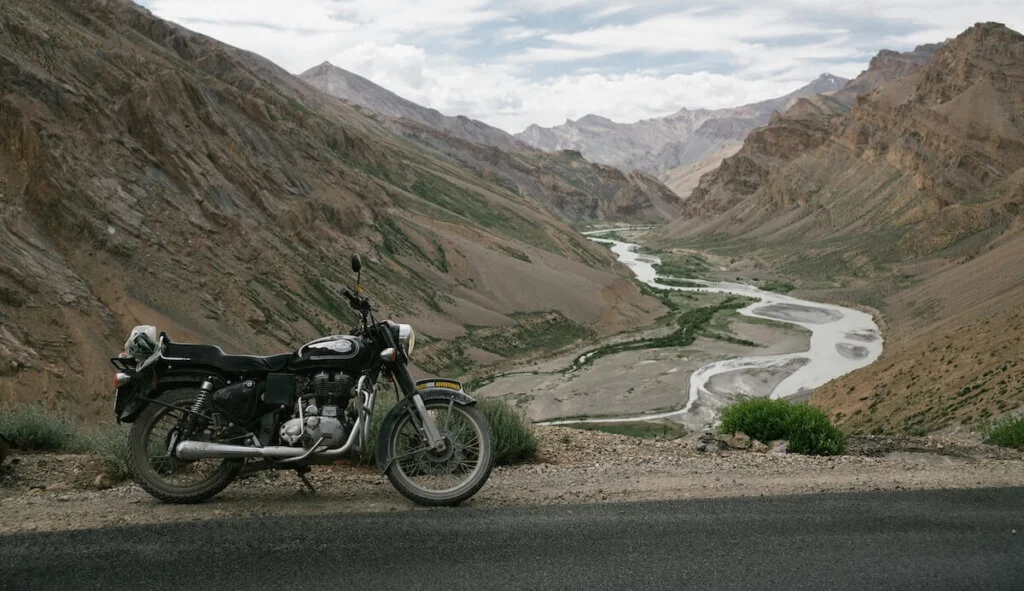
Leh Ladakh Bike Trip: Complete Route And Itinerary Plan
Plan Leh Ladakh bike trip with route choices, itinerary, cost, permits, acclimatization tips, and practical riding prep for a safer high-altitude ride.
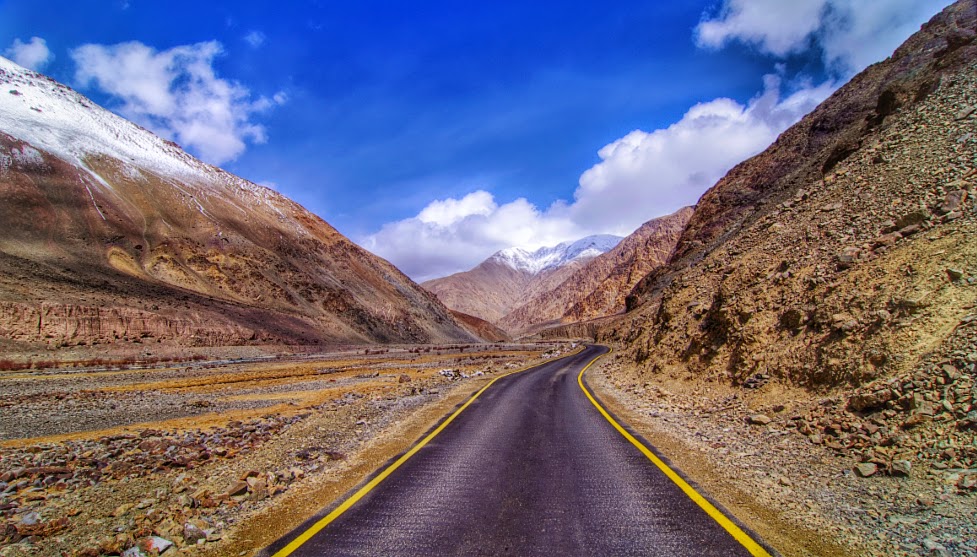
Best Time to Visit Ladakh: Season, Road Openings & Temperature
Find the best time to visit Ladakh with season-wise weather, road opening windows, monthly travel insights, and practical tips for road trips, trekking, and Chadar plans.
Never Miss an Adventure
Get the latest trekking guides, travel tips, and exclusive offers delivered straight to your inbox.
