
Train Cancellations Due to Fog: Status Check, Refund Process & Alternatives

Priya Mehta
January 1, 2026
Know why trains get cancelled in fog. Check real-time updates, affected routes, winter timetable changes & passenger rights during fog season in North India.
Train Cancellations Due to Fog: What Passengers Must Know
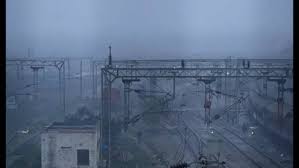
Every winter, train cancellations due to fog disrupt thousands of journeys across North India. The issue is not random. Dense fog reduces visibility, slows operations, affects signaling efficiency, and increases risk at critical sections of the rail network. Most ranking articles cover only headline updates, but travelers need a full decision guide: how to predict disruption, how to book smarter, and what to do if your train gets cancelled at short notice.
This guide is written for practical use and can be shared with family travelers, students, and business commuters who rely on seasonal rail travel.
Why Fog Causes Train Cancellations
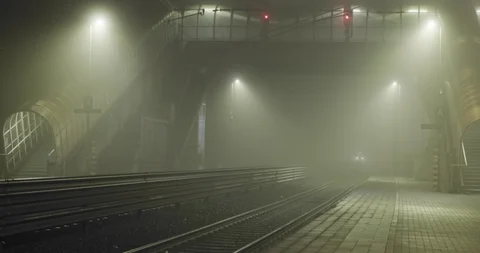
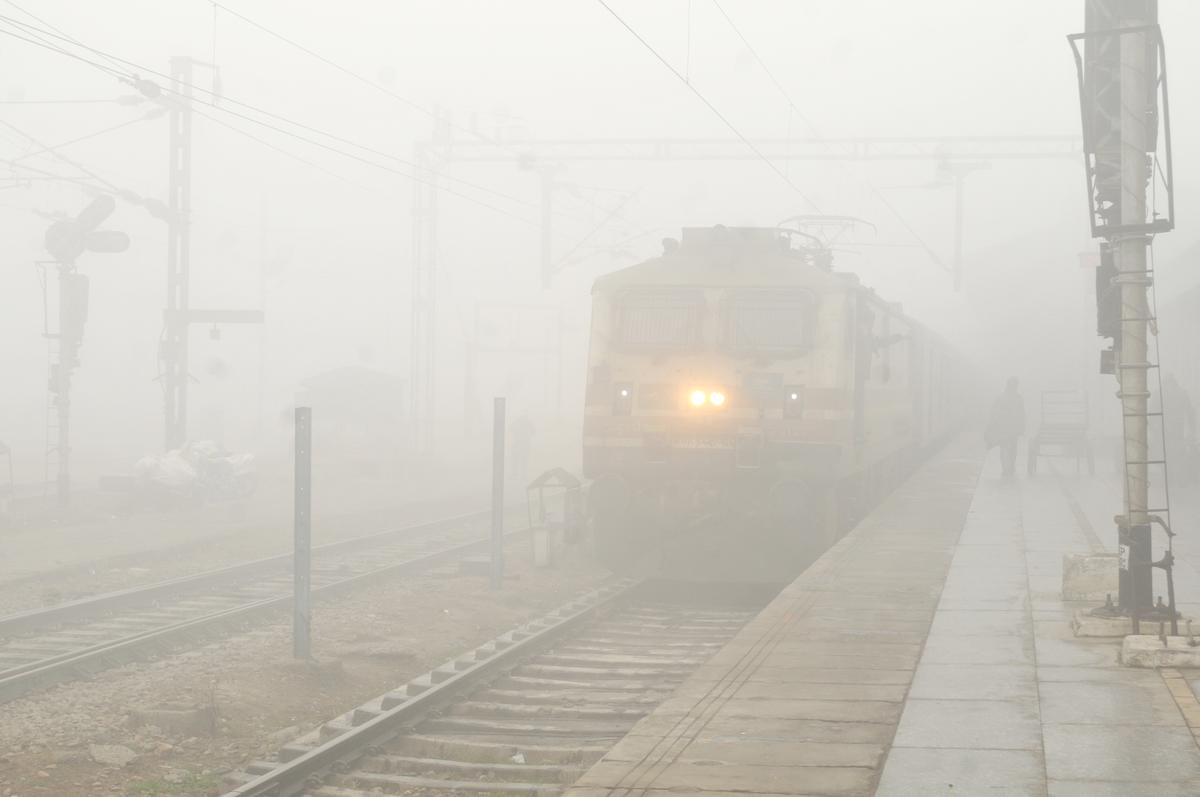
Dense fog lowers locomotive visibility and increases braking uncertainty at signals and crossings. Railways respond by reducing speeds, changing train priorities, and sometimes cancelling selected services to protect network safety. When multiple trains run behind schedule, platform rotations, crew availability, and rake positioning also get affected, creating wider delays and secondary cancellations.
Passengers often assume cancellation means management failure. In reality, many cancellations are proactive safety controls. A delayed trip is frustrating, but controlled operations reduce accident risk in low visibility conditions.
Which Routes See Maximum Fog Impact
Fog disruption is highest on north and northwest corridors where winter inversion conditions are strong. Routes connecting Delhi with Punjab, Haryana, Uttar Pradesh, Bihar, and parts of Rajasthan often face significant delay clusters. Early morning and overnight trains are usually more vulnerable than afternoon services.
If you are planning a northbound rail based trip, keep a backup option ready and avoid rigid same day connections. For destination planning after arrival, consider flexible local stays such as our Varanasi stay guide if your onward movement is uncertain.
When Fog Season Is Most Disruptive
Peak impact commonly occurs from late December to late January, with some disruptions beginning in early December and tapering through February depending on regional weather. The highest risk window is usually around dawn when visibility can drop sharply below safe operational levels.
Do not depend on one weather app reading. Check railway status updates, local weather trends, and station specific alerts before travel day. A three source check improves decision quality.
How to Predict Cancellation Risk Before Booking
Step 1: Prefer trains with afternoon departure where possible. Step 2: Check route history for winter delay patterns. Step 3: Avoid tight transfers under four hours in fog season. Step 4: Keep refundable alternatives in bus or flight category if travel is critical.
Premium trains are not always immune. Operational priority may reduce delays for some services, but severe fog can still cause rescheduling and partial route changes. If your plan depends on high reliability, always hold a contingency.
What To Do If Your Train Is Cancelled
First, verify cancellation through official channels before leaving home. Next, initiate refund or rebooking immediately because alternate seats fill quickly. If you must travel same day, evaluate nearby origin stations, split route options, or short haul flight substitution. Keep identity proofs and booking records ready for faster support at counters.
If your journey is part of a longer holiday, protect downstream bookings by calling hotels and local transport providers as soon as disruption is confirmed. Early communication often helps avoid full no show charges.
Delay and Cancellation Survival Kit for Passengers
Carry warm layers, hydration, power bank, dry snacks, prescription medicines, and basic hygiene essentials. Keep digital and printed tickets. Download entertainment and offline maps in advance because long platform waits are common in severe fog days.
For families with children or older adults, pack an additional comfort layer and keep buffer medicine stock. Choose stations with better waiting facilities where possible, especially during overnight schedules.
Booking Strategy That Reduces Stress
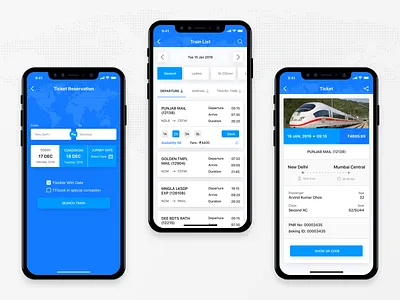
Use a three tier plan: primary train, one alternate train, and one non rail backup if travel is non negotiable. Book cancellable accommodation where possible. Avoid wedding, exam, or business event arrivals on the same morning of your train in peak fog weeks.
If your trip includes Delhi sightseeing during wait windows, you can use stops near curated spots like our railway coach restaurant Delhi guide for practical meal planning while schedules shift.
Are Trains Safer During Fog?
Yes, because railways enforce stricter operational controls in poor visibility. Speed restrictions and selective cancellations are part of safety architecture. Travelers should read these measures as protective actions, not service abandonment. Safety has to outrank punctuality in dense fog operations.
The right passenger mindset during fog season is flexibility with preparedness. Expect delays, track updates, and protect your onward plan with buffers.
Special Advice for Long Distance Tourist Routes
If your winter rail route feeds into another destination plan, avoid same day intercity transfers. Keep at least one overnight buffer at the arrival city. This is especially important when your onward schedule includes ceremonies, safari slots, or fixed activity windows. For example, if your route extends toward Amritsar side experiences, pre review timing with our Wagah ceremony planning note.
Similarly, if your travel arc moves toward city heritage circuits, hold extra flexibility as in our Delhi Srinagar rail corridor travel update style planning where seasonal operations can shift quickly.
Action Checklist Before Every Fog Season Journey
Check weather trend for your route. Book less vulnerable departure slots. Save official helplines. Keep app notifications active. Pack for delays. Inform hotel and pickup drivers about uncertainty. Keep emergency cash and UPI options ready. Have one alternate route in mind before you leave home.
This checklist takes ten minutes but can save hours of confusion on travel day.
Station Side Decision Framework During Long Delays
When delay crosses three hours, decide using a simple matrix: continue waiting only if updated ETA is stable, train category remains confirmed, and onward commitments are flexible. Shift to alternate travel if ETA keeps changing, connecting bookings are nonrefundable, or passengers include children, elderly travelers, or medical needs. The goal is to avoid emotional decision making after fatigue builds.
If you choose to continue, move to a safer waiting area, recharge devices, eat warm food, and maintain frequent status checks. If you choose to exit and rebook, do it immediately before demand spikes. Keep cancellation evidence screenshots and helpline reference numbers for faster refund processing.
During severe fog, station announcements can lag behind app updates or vice versa. Cross verify both and trust whichever source is most recent with clear timestamp. For groups, assign one person to information tracking and one to logistics handling. Role clarity reduces stress and prevents missed updates.
Business travelers should carry a remote work backup: hotspot options, downloaded documents, and priority task list. Students and exam candidates should avoid travel on critical date minus one when dense fog forecasts are active. A one day buffer can protect months of preparation.
Final Word
Train cancellations due to fog are a recurring winter reality, especially on northern corridors. Smart travelers are not the ones who avoid railways completely, but the ones who plan for uncertainty. With time buffers, real time monitoring, and clear alternatives, you can still travel safely and efficiently through fog season.
If your delayed route creates extra city halt time, you can also use nearby flexible visits such as our short heritage stop guide style planning approach to make disrupted days productive instead of stressful.
Location
Frequently Asked Questions
Q1.Why are trains cancelled in fog?
Q2.What time of year is fog worst for trains?
Q3.Which regions are most affected by fog?
Q4.How do I check if my train is cancelled due to fog?
Q5.Is there a fog schedule for trains?
Q6.What is the winter railway timetable?
Q7.How to travel safely during fog season?
Q8.Are trains safer in fog?
Recommended For You
Pataleshwar Cave Temple Pune: Timings, Architecture & Visitor Tips
Visit Pataleshwar Cave Temple Pune with this complete guide to timings, architecture, spiritual significance, nearby attractions, and route planning.
Photography Spots in Varanasi: Ghats, Alleys & Golden Hour Locations
Discover the best photography spots in Varanasi with sunrise, aarti, lane, and river-shooting tips for stronger visual storytelling.
Wagah Border Ceremony: Timings, Seating & Ticket Process
Experience the patriotic Wagah Border Beating Retreat Ceremony. Complete guide to timings, entry tickets, VIP passes, how to reach from Amritsar, and tips for this spectacular India-Pakistan border ritual.
Never Miss an Adventure
Get the latest trekking guides, travel tips, and exclusive offers delivered straight to your inbox.
