
Gujarat International Kite Festival: Dates, Venues & Viewing Tips

Rohan Malhotra
December 7, 2025
Plan Uttarayan with this Gujarat International Kite Festival guide covering dates, Ahmedabad venues, food, safety tips, and the best places to enjoy kite flying.
Introduction to Uttarayan in Gujarat
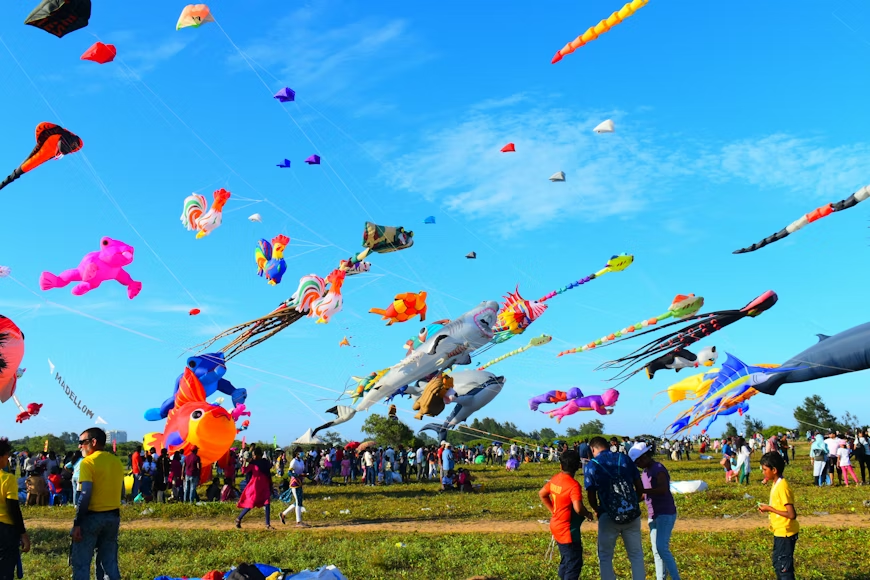
The Gujarat International Kite Festival is one of India's most visual and participatory cultural events. Every January, especially around Makar Sankranti, Ahmedabad's skyline turns into a moving canvas of color, with traditional fighter kites, giant artistic kites, and international designs flying at the same time. Locally, the celebration is known as Uttarayan, and for many families it is not just a one-day event but a season of preparation, terrace gatherings, and community pride.
What makes this festival special is the blend of local tradition and global participation. You can watch expert flyers from multiple countries at organized venues and then step into nearby neighborhoods where local kite battles continue from morning until sunset. Food, music, rooftop hospitality, and evening lantern-style flying add layers to the experience. This guide covers uttarayan dates, major venues, best places for kite festival Ahmedabad viewing, history, safety, food traditions, and practical travel planning so you can enjoy the event with confidence.
Uttarayan Dates and Timings
Uttarayan is celebrated on 14 January every year, aligned with Makar Sankranti, and the next day is commonly observed as Vasi Uttarayan. The larger Gujarat international kite festival programming usually spans multiple days around these core dates, with formal demonstrations, international team participation, and public events concentrated in Ahmedabad.
| Festival Component | Typical Date Window | Best Time to Attend |
|---|---|---|
| Uttarayan (Makar Sankranti) | 14 January | Morning to sunset |
| Vasi Uttarayan | 15 January | Late morning onward |
| International Kite Festival Events | Multi-day schedule around 10-15 January | 10 AM to 4 PM for showcases |
| Night Kite Activity (Tukkal style) | Festival evenings | After sunset |
Peak flying intensity is generally between 10 AM and 4 PM, when wind conditions are favorable and terraces are fully active. Evening hours shift toward social gatherings, food, and selective night flying. Because event schedules can vary year to year, check current notifications from Gujarat Tourism before your travel day.
History and Cultural Significance
The roots of Uttarayan lie in the seasonal transition marked by Makar Sankranti, when the sun is considered to begin its northward movement. In Gujarat, this transition became deeply associated with open-sky celebration, harvest gratitude, and community bonding through kite flying. Over generations, the act of flying kites evolved into a competitive art form, with local techniques around string control, aerial cuts, and kite balance becoming part of neighborhood identity.
The modern international kite festival gujarat format developed as the state began inviting global participants, turning a strong local tradition into an international cultural showcase. Today, the festival supports tourism, local craft markets, hospitality, and food businesses while preserving core customs like terrace hosting and festive meals.
- Agricultural context: Celebrates a harvest-linked seasonal shift.
- Social context: Brings families, friends, and communities together on rooftops.
- Cultural context: Mixes folk practices with modern event design.
- Tourism value: Positions Gujarat as a leading January festival destination.
If you are planning a wider trip, pair the festival with this things to do in Ahmedabad guide to structure daytime and evening plans beyond terrace events.
International Kite Festival Venue Guide
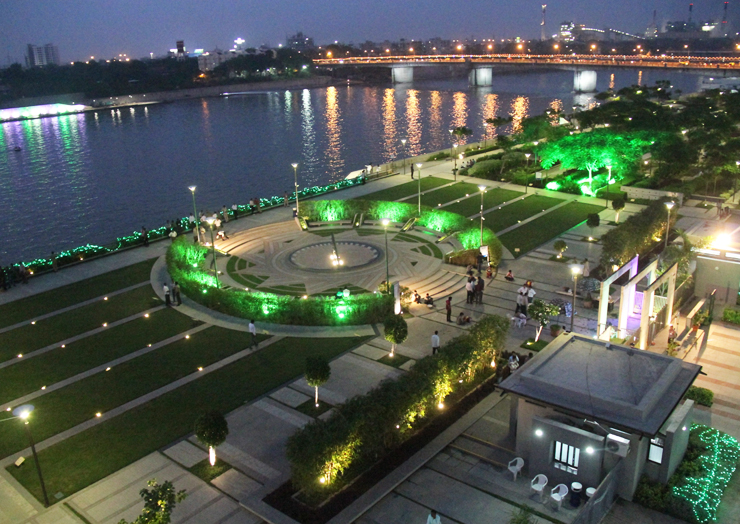
The signature public venue for festival viewing is Sabarmati Riverfront, where open sightlines, organized demonstrations, and high visitor turnout create a strong first-time experience. Depending on annual scheduling, selected activities may also appear at stadium grounds and other large public spaces in Ahmedabad.
Main Venue: Sabarmati Riverfront
- Most recognizable venue for international team displays.
- Good for families and first-time festival travelers.
- Wide promenade views for photography and crowd movement.
Other Active Zones
- Neighborhood terraces: Most authentic local kite-fighting action.
- Community grounds: Easier participation for casual flyers.
- Hotel rooftops: Premium viewing with food and comfort.
For visitors who want both curated and local experiences, a balanced plan works best: attend organized daytime demonstrations first, then shift to a host terrace or neighborhood lane for real community atmosphere.
Best Places for Uttarayan in Ahmedabad
Where you watch matters as much as when you go. Each area offers a different festival mood, from structured public events to organic rooftop celebrations.
| Location | Why Visit | Best For |
|---|---|---|
| Sabarmati Riverfront | Large-scale official displays | First-time visitors, families |
| Old City Pol Areas | Traditional terrace culture | Cultural immersion, photographers |
| Law Garden Side Zones | Easy access and lively crowds | Casual viewing |
| Kankaria Surroundings | Family-friendly movement + local food | Mixed-age groups |
| Private Rooftop Gatherings | Most authentic local participation | Invited travelers, slow-paced experience |
If your itinerary includes more events, include festivals in Gujarat and Kankaria Carnival planning for a broader cultural circuit.
Kite Flying Competition and Festival Activities
Competition is central to the uttarayan celebration in Gujarat. Even outside formal contests, terrace-level kite battles are constant, with flyers trying to cut each other's strings through speed, angle, and tension control. During organized festival sessions, categories often include traditional fighter performance, creative kite design, synchronized team flight, and international demonstration segments.
- Patang baazi: Traditional cutting battles between fighter kites.
- Creative category: Large concept kites and thematic designs.
- International showcase: Country teams with unique techniques.
- Public engagement: Demonstrations, cultural stages, and photo zones.
For spectators, the most exciting moment is often when a cut kite drifts and crowds track it from terrace to lane. For flyers, the challenge lies in balancing aggression with control, especially in high-density skies.
Types of Kites You Will See
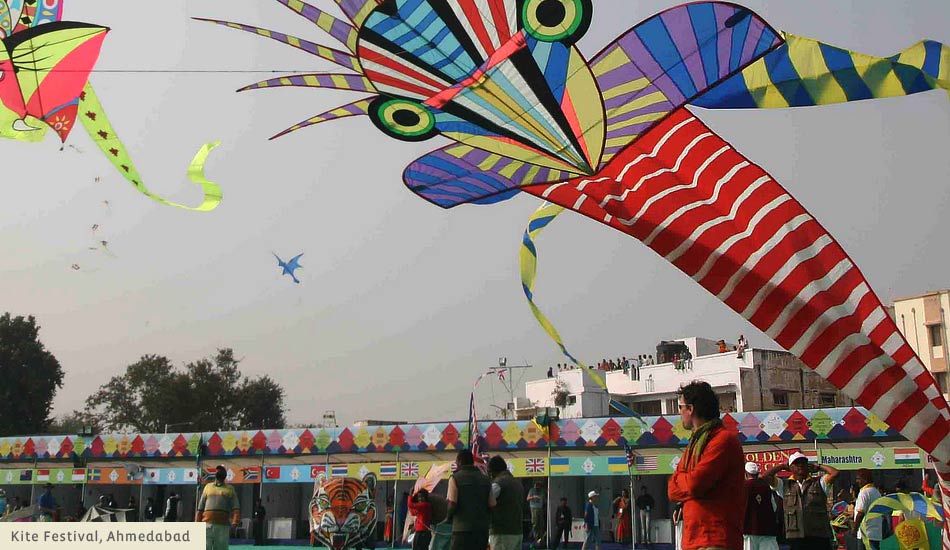
One major attraction of the kite flying festival Gujarat scene is visual variety. Traditional Gujarati patang styles remain dominant in local battles, while curated venues display oversized and artistic international formats.
Traditional Styles
- Patang: Lightweight fighter kite used for aerial cuts.
- Tukkal-linked night format: Kites flown with illuminated visual effect after sunset.
- Small agile variants: Fast response in tight rooftop battles.
International and Modern Formats
- Dragon-style multi-segment kites.
- Box and geometric kites designed for stability.
- Theme and character kites used in display flights.
- LED-accented kites for low-light viewing.
Material choices vary from traditional paper-bamboo combinations to synthetic performance fabrics. Casual flyers usually prefer low-cost local kites, while professional teams use precision-built frames and durable materials for control and visual impact.
Traditional Uttarayan Foods You Should Try
No gujarat international kite festival visit is complete without seasonal food. Uttarayan is deeply associated with winter dishes that are warming, rich, and shared in groups between flying sessions.
- Undhiyu: Mixed seasonal vegetable preparation and the signature Uttarayan dish.
- Jalebi: Often paired with savory dishes for festive contrast.
- Chikki and til sweets: Sesame- and peanut-based seasonal snacks.
- Mamra and laddoo variants: Easy terrace food for long flying hours.
Many families serve lunch on terraces so participants do not leave peak wind windows. If you are a guest, accepting and sharing festival food is an important part of the social experience.
Night Kite Flying and Tukkal Experience
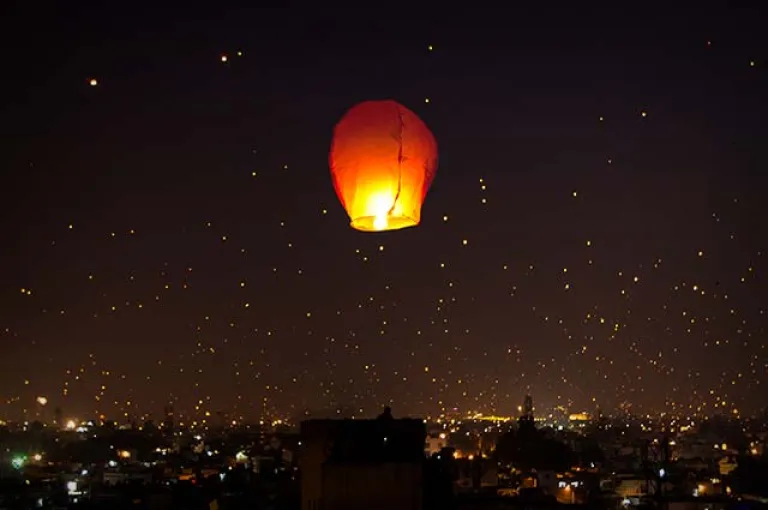
After sunset, certain neighborhoods continue with night flying traditions. Tukkal-style visual elements, illuminated lines, and lantern-inspired effects transform the atmosphere from competitive to celebratory. Not every zone maintains strong night flying each year, but where active, it creates some of the most memorable festival photography opportunities.
For night sessions, safety becomes more important than during day flying. Visibility is lower, rooftops are crowded, and electrical lines are harder to track. Choose open terraces, avoid edge clustering, and follow local host instructions.
How to Reach Ahmedabad for Uttarayan
Ahmedabad is well connected, but festival demand increases sharply in January. Book transport and stay early if your trip is centered on uttarayan festival dates.
By Air
Sardar Vallabhbhai Patel International Airport connects Ahmedabad with major Indian cities and selected international routes. Airport-to-city travel is straightforward by cab and app-based services.
By Train
Ahmedabad Junction and nearby major railway nodes provide strong intercity connectivity. Advance reservation is strongly recommended around the festival week.
By Road
State and private buses connect Ahmedabad with major Gujarat and neighboring state cities. Self-drive travel is possible, but parking and traffic near top event zones can be challenging on peak days.
Travel Tips and Safety for First-Time Visitors
A successful visit depends on small practical decisions. Use this checklist before you head to venues or terraces:
- Wear sunglasses, cap, and comfortable full-sleeve clothing.
- Use finger tape or safety guards if flying kites yourself.
- Avoid hazardous manja products and follow local regulations.
- Stay clear of traffic corridors while watching cut kites.
- Keep children supervised on rooftops at all times.
- Carry hydration and light snacks for long outdoor sessions.
- Respect host homes and neighborhood terrace etiquette.
January sun can still feel intense during long roof exposure, so pace your day. Plan a morning session, midday food break, and sunset return instead of staying continuously in crowded spots.
Final Take
The Gujarat International Kite Festival offers far more than aerial spectacle. It combines heritage, seasonal science, neighborhood competition, food culture, and international creativity in one compact travel window. Whether you attend as a photographer, culture traveler, foodie, or first-time visitor, Uttarayan in Ahmedabad delivers a participatory festival experience that is difficult to replicate elsewhere.
Plan early, choose your viewing zones wisely, and blend official venues with local terrace culture. That mix gives you the best understanding of why kite festival Ahmedabad is one of the most celebrated January events in India.
Location
Frequently Asked Questions
Q1.When is Uttarayan in Gujarat?
Q2.Where is the Gujarat International Kite Festival held?
Q3.What are the best places for kite festival viewing in Ahmedabad?
Q4.How many days does the International Kite Festival in Gujarat run?
Q5.What food is traditionally eaten during Uttarayan?
Q6.Is kite flying safe for beginners during Uttarayan?
Q7.How do I reach Ahmedabad for Uttarayan?
Q8.What is special about night kite flying in Gujarat?
Recommended For You
Garba in Ahmedabad: Navratri Venues, Passes & Event Timings
Plan Garba in Ahmedabad with Navratri dates, venue types, pass booking strategy, dress tips, and first-timer guidance for a smooth cultural experience.
Makar Sankranti: Date, History & Celebrations
Complete Makar Sankranti guide: date, history, kite flying, regional celebrations (Pongal, Lohri), traditional foods, and significance of this harvest festival.
20 Best Places to Visit in Ahmedabad: Heritage & Fun
Explore top places to visit in Ahmedabad with heritage landmarks, food streets, shopping hubs, and practical 1-day/2-day itinerary planning.
Never Miss an Adventure
Get the latest trekking guides, travel tips, and exclusive offers delivered straight to your inbox.
