
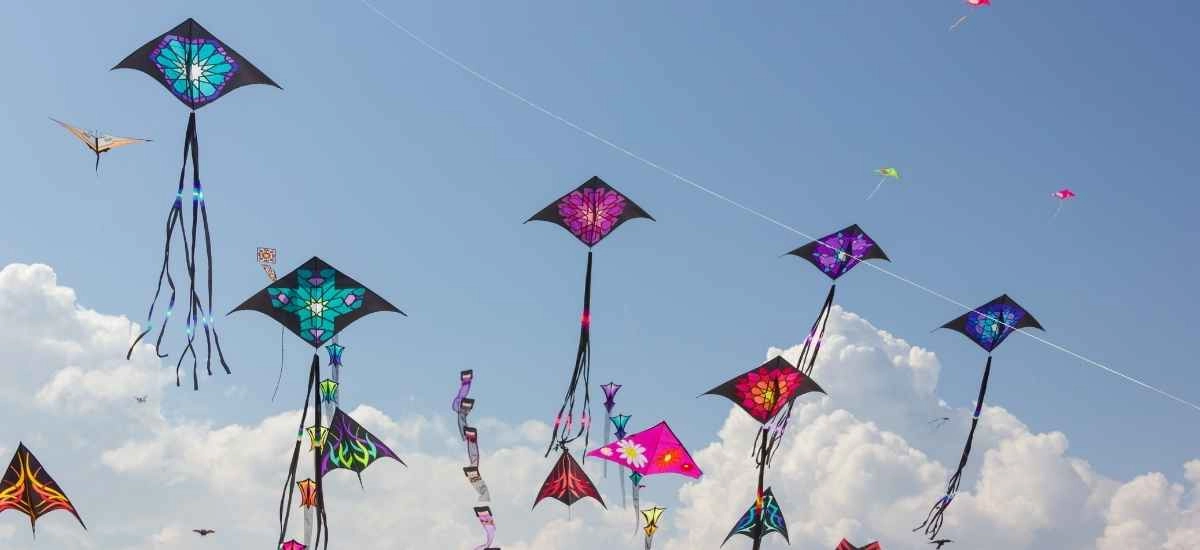
Makar Sankranti: Date, History & Celebrations

Neha Kapoor
January 14, 2026
Complete Makar Sankranti guide: date, history, kite flying, regional celebrations (Pongal, Lohri), traditional foods, and significance of this harvest festival.
Makar Sankranti: Complete Festival Guide for Travelers
Makar Sankranti is one of India's most widely celebrated harvest festivals, marking the Sun's transition into Capricorn. Unlike lunar festivals with shifting uncertainty, this celebration has strong solar-calendar grounding and appears around mid-January each year. It combines ritual bathing, donation, harvest gratitude, kite flying, seasonal foods, and regional traditions across India. For travelers, this is one of the best festivals to understand how one astronomical event can create multiple cultural expressions.
If you are planning a festival-led India itinerary, include Makar Sankranti with goa carnival and ambubachi mela in separate seasons for stronger cultural contrast.

Why Makar Sankranti Is Important
The festival signifies movement toward longer days and is linked to agricultural cycles, spiritual purification, and social giving. In many regions, people take holy river baths, visit temples, and donate food or clothing. The day is seen as auspicious for fresh beginnings and disciplined living. What makes Sankranti special is its pan-Indian spread with local variation.
In Gujarat and Rajasthan, kite flying dominates the skyline. In Maharashtra, sesame sweets symbolize warmth and goodwill. In Tamil Nadu (Pongal period), harvest rituals center around gratitude and community meals.
Regional Celebrations to Know
- Gujarat: Internationally known kite-festival atmosphere.
- Maharashtra: Tilgul sweets and social exchange rituals.
- Uttarakhand/UP: River bathing and temple observances.
- Punjab: Linked harvest celebrations around similar period.
- South India: Pongal-linked agrarian thanksgiving traditions.

Best Places to Experience the Festival
Choose destination based on what you want: ritual spirituality, food culture, or festive visual energy. For high-energy urban celebration, western India city rooftops are ideal. For pilgrimage-focused experience, choose major temple and river cities. For family travel, medium-sized towns offer more manageable crowd levels and local immersion.
Travelers interested in spiritual festival routes can combine planning with ramadan festival india and kumbh mela tent booking to understand large-faith gatherings in India.

How to Plan a Good Makar Sankranti Trip
| Planning Area | Recommendation |
|---|---|
| Arrival Timing | Reach destination at least one day early |
| Stay Choice | Prefer central but not peak-crowd lanes |
| Festival Window | Morning rituals + afternoon community events |
| Essentials | Light woollens, hydration, cash buffer |
| Exit Plan | Avoid same-evening intercity transfers |
Common Mistakes to Avoid
- Treating Sankranti only as a kite event and skipping ritual context.
- Booking transport too close to peak departure windows.
- Ignoring winter-weather needs in early morning ceremonies.
- Expecting identical customs in all states.
- Planning too many cities in one festival cycle.
Final Take
Makar Sankranti is one of the most accessible festivals for travelers because it offers both visual celebration and deep cultural meaning. Visit with preparation, respect local customs, and allow time for both ritual and community moments. This is the best way to experience the festival as living culture, not only as a social-media event.
Deep Cultural Context for Makar Sankranti Travelers
To experience Makar Sankranti meaningfully, travelers should understand that this is both a seasonal marker and a social ritual system. In many homes, the day begins with cleansing baths, sunrise prayers, and simple offerings. Community-level observances include food sharing, intergenerational rituals, and social visits that reinforce ties across neighborhoods and families. When observed closely, the festival reveals how solar transitions are integrated into everyday culture, not only temple ceremonies. This is why even small-town celebrations can feel deeply rooted, even without large event infrastructure.
Regional symbolism is especially important. In western India, the sky itself becomes a participatory festival space through kite traditions. In several northern and central regions, donation and spiritual merit occupy central space. In southern contexts around the same seasonal window, agrarian gratitude and harvest-centered practices dominate. As a traveler, your best approach is to identify one regional lens in advance and follow it in depth rather than trying to compare everything in a single day. This produces better insight and less logistical stress.
How to Build a 2-Day Sankranti Itinerary
Day zero should focus on arrival and local orientation. Check where public gatherings happen, where food streets become active, and which zones are too crowded for smooth movement. Day one should be split into three blocks: morning ritual observation, midday community-food and local-market interaction, and late-afternoon festive activity such as kite zones or neighborhood celebrations. Night can be kept light with local sweets and cultural walk-throughs. This simple design prevents overplanning and helps you stay present.
If you are traveling with family, designate one fixed meetup point and one fallback transport plan. Festival traffic and crowd density can change quickly. Carry essentials like light layers, hydration, and cash for local stalls where digital payments may lag during peak network load. Keep your photography respectful and avoid interfering with ritual moments. Good travel behavior during festivals is less about perfection and more about sensitivity to local rhythm and space.
Food, Ritual, and Social Meaning
Makar Sankranti foods are not random festive snacks; they carry seasonal and symbolic logic. Sesame and jaggery preparations are linked to winter nutrition, warmth, and social goodwill. Grain and harvest references reflect the agricultural timeline. When locals exchange sweets, the act often carries language of reconciliation, gentleness, and mutual respect. This social language is a key part of the festival and worth paying attention to if you want deeper cultural understanding.
Travelers can enrich the experience by attending one local kitchen or community-food segment where possible. Even a simple observation of preparation process reveals regional variation and household culture. Ask before filming or entering private spaces, and keep interactions polite and brief unless invited. These small etiquette details significantly improve trust and authenticity in festival travel.
Photography and Storytelling Framework
A strong Sankranti story can be captured in five frames: sunrise ritual, food preparation, community exchange, public celebration, and evening calm. This sequence gives narrative depth and avoids the common mistake of showing only kite visuals. Capture one contextual wide frame per segment, then one detail frame. This balance creates useful visual documentation for travel writing and helps readers understand the festival as a full cultural cycle.
If you publish or share, include location-specific context and avoid generalized captions. Sankranti differs widely by region, so precise labels improve credibility and respect local identity. The most useful travel content is not the most dramatic; it is the most accurate and culturally grounded.
Final Practical Notes
Book stays early in high-demand zones, especially where rooftop access is part of Sankranti experience. Avoid same-evening long-haul departures after full festival days; fatigue and transport delays are common. Keep one recovery morning after the main day if your itinerary continues to another city. This improves safety and preserves energy for the next segment.
When planned with context and patience, Makar Sankranti becomes one of India's most rewarding winter festivals for travelers. You return with more than photos: you return with a clearer sense of how seasonal astronomy, food traditions, and social values stay alive in contemporary India.
Location
Frequently Asked Questions
Q1.When is Makar Sankranti celebrated?
Q2.Why is Makar Sankranti celebrated?
Q3.What is the significance of kite flying on Makar Sankranti?
Q4.What are the traditional foods of Makar Sankranti?
Q5.What are the regional names of Makar Sankranti?
Q6.How is Pongal different from Makar Sankranti?
Q7.What is Tilgul?
Q8.Why do people take holy baths on Makar Sankranti?
Recommended For You
Bhutan Festivals: Tsechu Dates, Monasteries & Cultural Experiences
Experience Bhutan's vibrant festivals: Tsechu, Paro, Thimphu & Punakha celebrations. Complete guide to dates, masked dances, Cham performances & cultural experiences.
Ramadan Festival India: Traditions, Dates, and Tips
Understand Ramadan festival in India with practical guidance on moon-sighting dates, traditions, etiquette, and travel planning.
Kumbh Mela Tent Booking: Complete Guide & Prices
Kumbh Mela tent booking guide covering categories, pricing logic, online steps, facilities, and practical tips for smooth accommodation planning.
Never Miss an Adventure
Get the latest trekking guides, travel tips, and exclusive offers delivered straight to your inbox.
