

IGRMS Bhopal: Entry Fee, Timings & Open-Air Museum Highlights

Ananya Sharma
January 28, 2026
Visit IGRMS Bhopal! Complete guide to Indira Gandhi Rashtriya Manav Sangrahalaya with timings, entry fee, exhibits, how to reach, and museum highlights.
India's Premier Anthropological Museum
The Indira Gandhi Rashtriya Manav Sangrahalaya (IGRMS), also known as the National Museum of Mankind, stands as India's only national museum dedicated exclusively to anthropology. Spread across 200 acres in Shamla Hills, Bhopal, this unique museum offers an immersive journey into India's rich tribal heritage and cultural diversity. Unlike conventional museums confined within walls, IGRMS innovatively combines indoor galleries with expansive open-air exhibitions, creating an unparalleled experience for visitors.
Established in 1979 and opened to the public in 1993, IGRMS has grown into one of Central India's most significant cultural institutions. The museum's name translates to "National Museum of Man," reflecting its mission to preserve and showcase the anthropological heritage of India's diverse communities. What sets IGRMS apart is its approach to displaying culture—through authentic tribal dwellings, traditional artifacts, and living heritage exhibits that transport visitors across India's varied landscapes without leaving Bhopal.
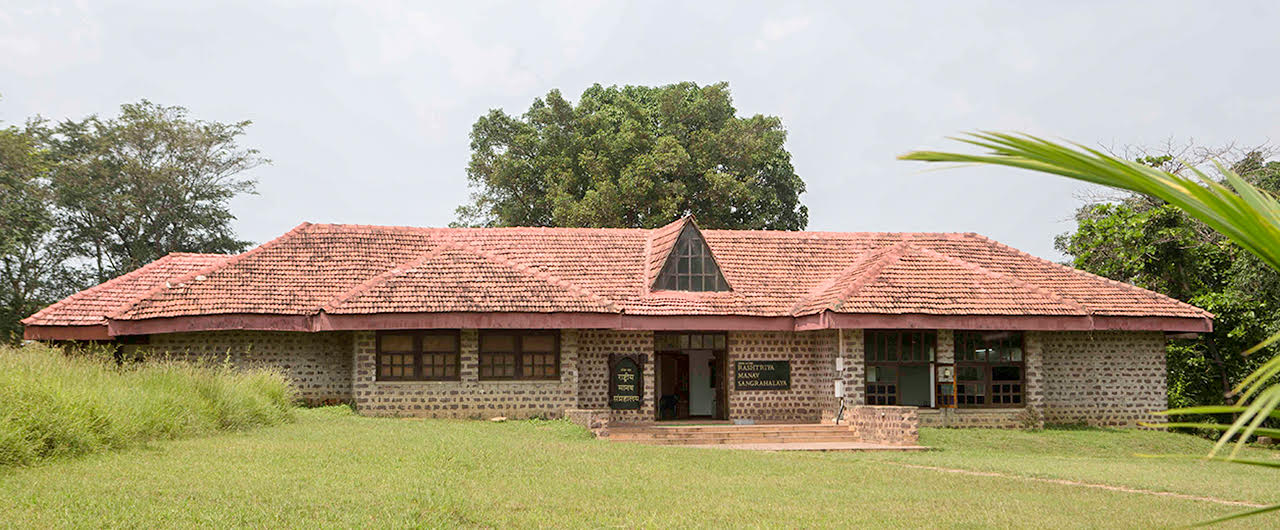
Whether you're a history enthusiast, anthropology student, or curious traveler, IGRMS offers deep insights into the lifestyles, beliefs, and artistic traditions of India's tribal communities. The museum's collection spans prehistoric artifacts to contemporary tribal art, making it a comprehensive resource for understanding human evolution and cultural development in the Indian subcontinent.
IGRMS Timings & Schedule
Regular Museum Hours
IGRMS Bhopal maintains consistent timings throughout the year, making it easy to plan your visit. The museum is open from 10:00 AM to 6:00 PM, Tuesday through Sunday. Monday remains the weekly closure day, following the pattern of most major museums in India.
The last entry is permitted at 5:30 PM, giving visitors adequate time to explore both indoor galleries and open-air exhibits. Most visitors spend 2-3 hours minimum to cover the main highlights, though serious enthusiasts can easily spend half a day here. The museum maintains these timings year-round, regardless of summer or winter seasons.
Best Time During the Day
Choosing the right time within these operating hours can significantly enhance your experience. Early morning visits (10 AM - 12 PM) offer the most peaceful atmosphere with fewer crowds and pleasant lighting for photography. This timing works exceptionally well for exploring the open-air tribal habitat exhibitions before the day heats up.
Afternoon slots (2 PM - 4 PM) tend to be warmer, particularly from March to June, making indoor galleries more comfortable during these hours. Evening visits (4 PM - 6 PM) provide pleasant temperatures, especially in winter, and the golden hour creates beautiful lighting for outdoor exhibits photography. Weekdays generally see fewer visitors compared to weekends, offering a more contemplative museum experience.
Special Days and Holiday Schedule
IGRMS remains open on most national holidays, though it's advisable to check the official website for specific holiday schedules. Festival days may see special exhibitions or cultural programs, making these dates particularly interesting for visitors interested in living cultural displays. The museum occasionally hosts special exhibitions, craft demonstrations, and tribal art festivals that can add significant value to your visit.
| Category | Timings | Notes |
|---|---|---|
| Regular Days | 10:00 AM - 6:00 PM | Tuesday to Sunday |
| Weekly Off | Monday | Closed all day |
| Last Entry | 5:30 PM | No entry after this time |
| Recommended Visit Duration | 2-4 hours | More for detailed exploration |
Entry Fee & Ticket Prices
Museum Admission Rates
IGRMS Bhopal maintains very reasonable entry fees, making it accessible to a wide range of visitors. Indian adults pay just ₹20 for admission, while children (Indian citizens) are charged ₹10. This nominal fee makes it an excellent destination for families and student groups. Foreign visitors pay higher rates—₹500 for adults and ₹300 for children—which is still quite reasonable compared to international museum standards.
Students with valid institutional ID cards receive a special discounted rate of ₹5, making IGRMS an excellent educational destination for school and college field trips. Children below 5 years enjoy free entry. These affordable rates reflect the museum's mission to make India's anthropological heritage accessible to all citizens.
Camera and Photography Fees
Photography enthusiasts should budget for additional camera fees. Still cameras incur a charge of ₹50, while video cameras cost ₹200 for use within the museum. However, mobile photography remains completely free—visitors can capture exhibits using smartphones without any additional charges. This policy makes IGRMS very photographer-friendly for casual visitors using phone cameras.
Professional photographers and those planning extensive coverage should inquire about special permits and commercial photography rates at the ticket counter. Certain galleries and specific artifacts may have photography restrictions to preserve sensitive materials or respect cultural protocols. Always respect signage regarding photography prohibitions in specific areas.
Free Entry Categories
Beyond young children, IGRMS offers free entry to differently-abled visitors, reflecting its commitment to accessibility. School groups can sometimes obtain free entry with prior approval from museum authorities—this requires formal application through educational institutions. Certain special days, particularly National Museum Day and other cultural observances, may offer free entry to all visitors, though these dates should be confirmed in advance.
Online Ticket Booking
While tickets can be purchased at the entrance, IGRMS offers online booking through their official website. Online tickets allow you to skip potential queues at the ticket counter, particularly useful during weekends and holidays. The online system accepts various payment methods including credit cards, debit cards, and net banking. E-tickets can be displayed on mobile devices, reducing paper waste and ensuring you don't lose physical tickets.
Online booking also allows you to check current ticket prices, confirm museum timings, and plan your visit more effectively. The system shows availability for special exhibitions and any temporary changes to regular schedules, helping you avoid disappointment due to unexpected closures.
Best Time to Visit IGRMS Bhopal
Seasonal Guide
Bhopal's climate significantly influences the IGRMS visiting experience. The winter season from October to March represents the ideal time to visit, with pleasant temperatures ranging from 15-25°C. This weather is perfect for exploring the extensive open-air exhibits comfortably, and many visitors rate winter visits at 9/10 for overall experience quality.
Summer months (April-June) bring temperatures reaching 30-40°C, making outdoor exhibits uncomfortable during midday. During these months, focus your visit on indoor galleries where air conditioning provides relief. Summer visitors should plan early morning or late afternoon visits to avoid peak heat. Overall, summer visits rate approximately 6/10 due to weather constraints.
The monsoon season (July-September) brings intermittent rainfall that can limit outdoor exhibit access. However, the lush green surroundings create beautiful scenery, and fewer tourists visit during this period. If you don't mind occasional rain and adjusted outdoor access, monsoon visits rate 7/10 and offer a more peaceful, contemplative museum experience.
Day Selection Strategy
Weekdays (Tuesday-Friday) typically see fewer visitors, allowing for unhurried exploration of exhibits and better photography opportunities without crowds. Weekend visits (Saturday-Sunday) attract more families and tourist groups, creating a livelier atmosphere but potentially crowded viewing conditions.
Holiday periods and school vacation times see increased family visitors, which can be either positive or negative depending on your preference. Families with children might appreciate the vibrant atmosphere, while solo visitors or those seeking quiet contemplation might prefer quieter weekdays. Consider your preference for social atmosphere versus peaceful exploration when choosing your visit day.
How to Reach IGRMS Bhopal
Location Overview
IGRMS is strategically located in Shamla Hills, approximately 5 kilometers from Bhopal's city center. The museum's address is well-known throughout Bhopal, and most auto-rickshaw drivers and taxi operators are familiar with the location. Its proximity to Upper Lake (Bada Talab) makes it easy to combine both attractions in a single trip.
The museum's elevated location in Shamla Hills provides scenic views and pleasant surroundings, though the hilltop location means some uphill travel from the city center. The surrounding area is relatively pollution-free compared to the city center, adding to the pleasant visiting experience.
By Air
Raja Bhoj Airport, Bhopal's primary airport, sits approximately 15 kilometers from IGRMS. Taxis from the airport cost ₹300-500 depending on the vehicle type and time of day. Auto-rickshaws are also available but might be less comfortable with luggage. The airport-to-museum drive typically takes 30-40 minutes depending on traffic conditions.
For international visitors or those arriving from other Indian cities, the air route connects well to the museum. Pre-booked airport taxis or ride-hailing apps provide reliable transportation options. The airport operates domestic flights to major Indian cities, making Bhopal accessible for visitors combining IGRMS with broader tourist places in Bhopal.
By Train
Bhopal Junction, the main railway station, lies approximately 8 kilometers from IGRMS, while Habibganj Railway Station is slightly farther at 10 kilometers. Both stations connect IGRMS to India's extensive rail network. Auto-rickshaws from either station cost ₹100-150, while taxis charge ₹200-300 depending on negotiation and vehicle type.
The train journey works particularly well for visitors from other parts of Madhya Pradesh and neighboring states. Bhopal Junction serves as a major railhead on the Delhi-Chennai and Mumbai-Allahabad main lines, making it easily accessible from across India. Local buses also connect both railway stations to the Shamla Hills area, offering budget transportation options.
By Road and Local Transport
Bhopal's city bus system connects IGRMS to various parts of the city, with direct routes available from major locations including New Market and railway stations. City buses represent the most economical transport option, though they might be crowded during peak hours. App-based cab services (Ola, Uber) operate reliably in Bhopal and provide comfortable door-to-door service to the museum.
Auto-rickshaws offer the most convenient point-to-point transport within Bhopal and are readily available near the museum for return journeys. For self-drivers, IGRMS provides adequate parking space. The drive from Bhopal's city center takes approximately 15-20 minutes depending on traffic conditions. The museum's well-maintained approach road makes access easy for private vehicles.
Museum Exhibits & Galleries
Indoor Gallery Collections
The main museum building houses comprehensive indoor galleries that provide systematic introductions to India's anthropological heritage. The Introduction Gallery sets the context with an overview of India's tribal diversity and the museum's mission. This section helps orient visitors, particularly those unfamiliar with anthropology, before exploring specific exhibits.
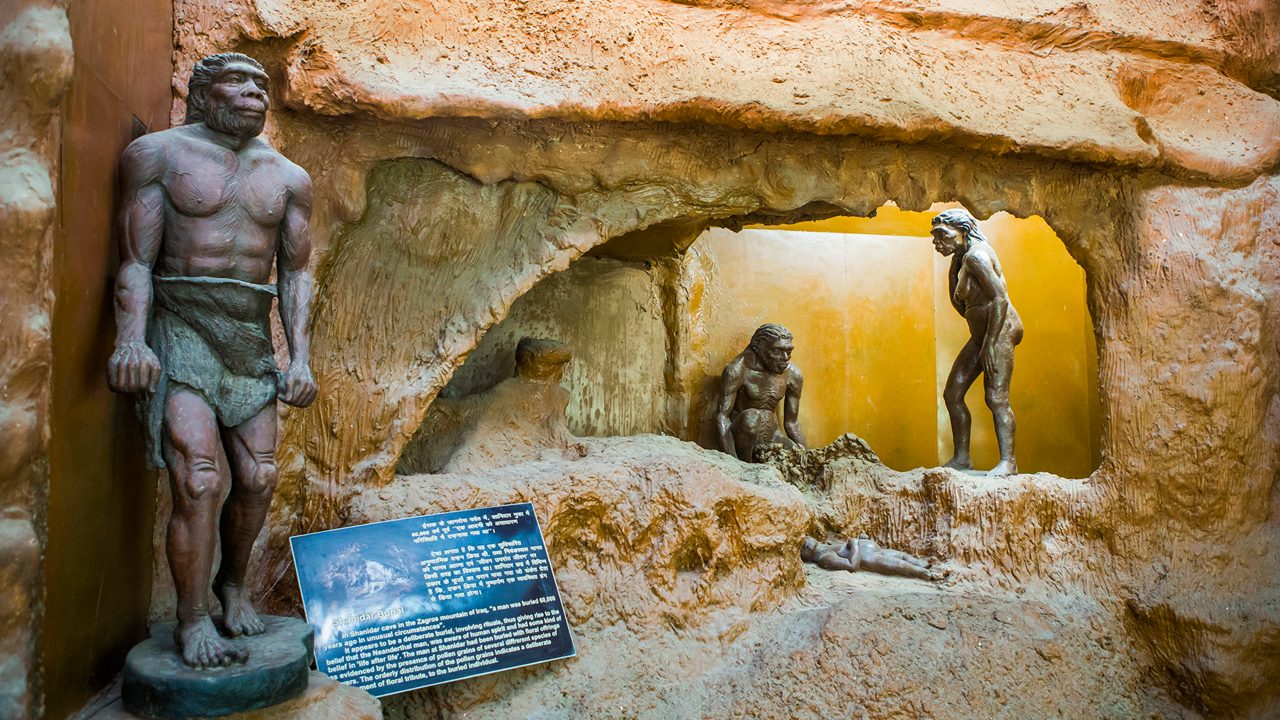
The Human Evolution gallery traces the development of humans from prehistoric times through archaeological findings, fossil remains, and scientific reconstructions. This section appeals particularly to visitors interested in paleoanthropology and early human history. The Physical Anthropology section explores human biology, genetic diversity, and physical adaptations across different populations.
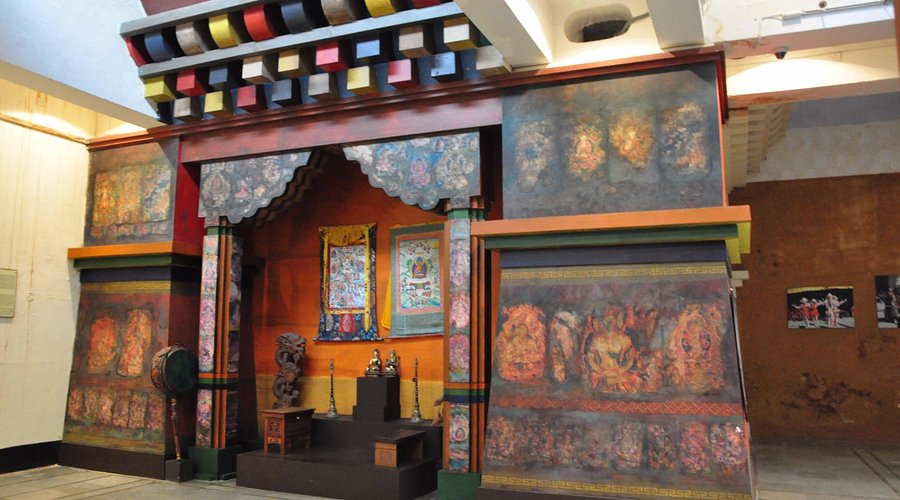
The Cultural Anthropology galleries form the heart of IGRMS indoor collections, showcasing the rich diversity of human societies across India. These galleries feature artifacts related to social organization, economic activities, religious practices, and artistic traditions of various communities. The displays include traditional clothing, jewelry, tools, musical instruments, and ritual objects collected from different regions.
Tribal Habitat Gallery
This specialized gallery provides detailed insights into India's tribal communities, organized by geographical regions. The Andaman & Nicobar section features fascinating artifacts from the Jarawa, Sentinelese, and other island tribes, including traditional hunting tools, baskets, and cultural items rarely seen elsewhere.
The Northeast Tribes section showcases Naga, Mizo, Bodo, and other communities from India's northeastern states, renowned for their vibrant textiles, intricate jewelry, and distinctive cultural objects. The Central Indian Tribes gallery features Gond, Baiga, and Bharia communities with their distinctive art traditions, particularly the famous Gond paintings and metalwork.
Western Tribes representation includes Bhil, Rathwa, and Tadvi communities from Rajasthan, Gujarat, and Maharashtra, known for their colorful embroidery, leather work, and ritual art. The Southern Tribes section displays Toda, Kota, and Irula communities from Tamil Nadu and surrounding regions, featuring their unique temple architecture, silver ornaments, and traditional textiles.
Thematic Collections
IGRMS organizes several galleries by theme rather than geography, offering different perspectives on material culture. The Musical Instruments gallery showcases India's incredible diversity of traditional sound-making devices, from tribal drums to string instruments, many of which are rarely seen in contemporary usage.
The Textiles & Costumes collection features regional dress from across India, including traditional weaving techniques, embroidery styles, and ceremonial attire. This gallery provides excellent visual documentation of India's textile heritage, with some pieces dating back over a century. The Arts & Crafts section highlights tribal art forms including paintings, metalwork, woodcarving, and pottery, representing both utilitarian and ceremonial objects.
Open-Air Exhibits
Tribal Habitat Exhibitions
The open-air section makes IGRMS truly exceptional among Indian museums. Rather than displaying artifacts in glass cases, the museum has reconstructed actual-size tribal dwellings and community spaces, creating an immersive experience of India's vernacular architecture. These structures aren't replicas but authentic buildings brought from their original locations or constructed using traditional methods by artisans from those communities.
Walking through these open-air exhibits feels like journeying across India's diverse landscapes. In the span of a few hours, you can experience Himalayan stone-and-wood houses, desert mud structures from Rajasthan, coastal bamboo dwellings from the northeast, forest treehouses from central India, and plains thatched-roof habitats from the Gangetic region. Each structure is fully furnished with authentic household items, tools, and ritual objects, creating living dioramas of daily life.
Regional Habitat Displays
The Himalayan region exhibit features traditional houses built from stone and wood, adapted to cold mountain climates with thick walls, small windows, and ingenious heating arrangements. The desert region display showcases mud structures with flat roofs designed for extreme heat, featuring cool interiors and courtyards that create comfortable living spaces in arid conditions.
Coastal region exhibits highlight bamboo houses elevated on stilts to protect from flooding and humidity, demonstrating ingenious adaptations to monsoon conditions. Forest region displays include tree dwellings and structures using locally available materials like cane, bamboo, and thatch, showcasing sustainable architecture that exists in harmony with forest ecosystems.
The plains region exhibits feature various thatched-roof structures from different parts of the Gangetic plain, reflecting the diversity within India's most populous region. These include variations from Bengal, Bihar, Uttar Pradesh, and other plains states, each adapted to local climate and available materials.
Community and Performance Spaces
Beyond individual dwellings, the open-air section features reconstructed community spaces that played central roles in traditional village life. Village squares serve as community gathering areas, often featuring platforms for performances, meetings, and festivals. These spaces help visitors understand the social dimensions of traditional communities beyond individual households.
Sacred groves represent the spiritual dimensions of tribal life, showcasing traditional worship spaces with ritual objects, offerings, and symbolic items. These exhibits respect cultural sensitivities while providing educational insights into indigenous belief systems. Agricultural fields demonstrate traditional farming practices with appropriate tools, irrigation methods, and crop varieties, showing the intimate relationship between tribal communities and their agricultural environment.
Performance areas occasionally host folk art demonstrations, dance performances, and craft displays, particularly during special events and festivals. These live performances bring the static exhibits to life, providing dynamic cultural experiences that complement the physical displays.
Special Exhibitions and Programs
IGRMS regularly hosts temporary exhibitions focusing on specific themes, regions, or contemporary issues in anthropology. These special exhibitions might feature traveling exhibits from other museums, international cultural exchanges, or thematic shows exploring aspects of material culture not covered in permanent galleries.
The museum's International Collaboration Program brings exhibitions from museums worldwide, creating cross-cultural dialogues and providing Bhopal residents access to global anthropological collections. These international exhibitions make IGRMS part of a global museum network and expose visitors to diverse world cultures.
Festival special displays during major Indian festivals and tribal celebrations highlight the relationship between material culture and religious practice. These timed exhibitions often feature rare ceremonial objects brought out specifically for the festival period. Cultural exchange programs facilitate artist residencies, craft demonstrations, and educational workshops that enhance the regular museum experience.
Museum Layout & Facilities
Spread over 200 acres, IGRMS requires some planning to navigate efficiently. The campus is divided into the indoor museum building (main galleries), the extensive open-air exhibition area, and supporting facilities. Visitor maps are available at the entrance, and wayfinding signage helps navigate between different sections.
The main museum building houses the indoor galleries, organized thematically across multiple floors. This building also contains the reception, ticket counter, and visitor facilities. The open-air exhibits spread across the surrounding grounds, with pathways connecting different regional habitat displays.
Supporting facilities include a well-stocked library specializing in anthropology and tribal studies, accessible to researchers by appointment. The auditorium hosts regular cultural programs, film screenings, and academic conferences. A souvenir shop near the exit sells handicrafts, books, and memorabilia, with proceeds supporting tribal artisans and museum programs.
Visitor amenities include wheelchair accessibility to most areas, though some open-air exhibits present challenges due to natural terrain. The cafeteria serves refreshments and light meals, providing a resting point during long visits. Drinking water stations and clean restrooms are available throughout the campus. Locker facilities allow visitors to store bags and belongings while exploring.
Photography Guidelines
Permitted Photography
IGRMS maintains photographer-friendly policies for casual visitors. Mobile photography is completely free and encouraged throughout most areas, making it easy to document your visit for social media or personal records. Still cameras require the ₹50 camera ticket, which permits photography in most galleries and outdoor exhibits.
Natural lighting in open-air exhibits creates excellent photography conditions, particularly during morning and late afternoon. Indoor galleries have mixed lighting—some areas allow flash photography while others prohibit it to protect sensitive artifacts. Always follow signage regarding flash restrictions and respect any areas where photography is completely prohibited.
Photography Restrictions
Tripods require special permission from museum authorities and may be prohibited in certain galleries to prevent crowding and potential damage to exhibits. Commercial photography, including professional shoots and filming for commercial purposes, requires advance permission and additional fees beyond regular camera tickets.
Video cameras incur the ₹200 fee and may have additional restrictions in certain galleries. Always respect other visitors' privacy when photographing—avoid including people in your shots without permission, particularly in intimate gallery spaces. Some ritual objects and sacred items may have photography restrictions out of cultural respect.
Nearby Attractions
IGRMS's location in Shamla Hills places it near several other Bhopal attractions, making it easy to combine multiple destinations in a single day. Upper Lake (Bada Talab), Bhopal's largest waterbody, lies immediately adjacent to the museum area. The lake offers boating, sunset views, and pleasant walking paths, providing a relaxing complement to the museum visit.
Van Vihar National Park, located nearby, offers a different experience with its wildlife and natural surroundings. This zoological park features free-ranging animals and well-maintained walking trails. Bharat Bhawan, Bhopal's premier cultural center, showcases contemporary art, cultural performances, and architectural significance, making it an excellent follow-up to IGRMS for culture enthusiasts.
Lal Bagh Palace, approximately 3 kilometers away, represents Bhopal's royal heritage with its European-style architecture and historical exhibits. Taj-ul-Masajid, one of Asia's largest mosques, combines architectural grandeur with religious significance and lies within easy reach of the museum area.
Travel Tips for Visitors
General Visitor Tips
Wear comfortable walking shoes as IGRMS requires considerable walking, particularly in the open-air section with its natural terrain. Carry a water bottle, especially during summer months, though drinking water is available on campus. Allocate at least 3-4 hours for a comprehensive visit that covers both indoor and outdoor exhibits at a reasonable pace.
Hiring a guide can significantly enhance your experience by providing context and stories behind the exhibits. Guides are available at the entrance for reasonable fees, and their expertise helps connect individual artifacts to broader cultural narratives. During summer, prioritize indoor galleries during midday and save open-air exhibits for cooler morning or evening hours.
Check for special exhibitions or events before your visit by checking the official website or calling ahead. These special programs can add unique dimensions to your museum experience. When visiting with family, engage children with the interactive exhibits and outdoor spaces that allow exploration rather than just viewing.
Facilities for Different Visitors
Families with children will find IGRMS educational and engaging, though young children may have limited attention spans in the indoor galleries. The open-air section provides space for children to move around, and the diverse visual displays maintain interest. Picnic areas near the museum allow for family meal breaks.
Researchers and students should contact the museum in advance to access library facilities and arrange special permissions if needed. The museum's documentation center and library provide valuable resources for serious study. Photography enthusiasts should plan adequate time for both indoor and outdoor exhibits, as lighting conditions vary significantly between these spaces.
IGRMS Bhopal offers a unique museum experience that combines scholarly depth with accessible displays, making it valuable for casual tourists and serious students of anthropology alike. Its innovative approach to displaying culture through open-air habitats sets it apart from conventional museums and creates memorable, immersive experiences of India's incredible cultural diversity.
Location
Frequently Asked Questions
Q1.What is IGRMS Bhopal?
Q2.Where is Indira Gandhi Rashtriya Manav Sangrahalaya located?
Q3.What is special about IGRMS?
Q4.What are IGRMS Bhopal timings?
Q5.What is IGRMS entry fee for adults?
Q6.Is IGRMS closed on Monday?
Q7.How to reach IGRMS Bhopal?
Q8.Best time to visit IGRMS Bhopal?
Recommended For You

Sanchi Stupa near Bhopal: UNESCO Site, Timings & History
Explore Sanchi Stupa near Bhopal with UNESCO history, architecture, torana carvings, timings guidance, route planning, and practical tips for a meaningful visit.

Taj-ul-Masajid Bhopal: History, Prayer Timings & Visitor Etiquette
Taj-ul-Masajid Bhopal guide! Asia's largest mosque. History, architecture, timings, how to reach & photography tips.

Upper Lake Bhopal: Boating, Timings & Lakefront Activities
Plan Upper Lake Bhopal with boating options, timings, sunset points, nearby attractions, and practical route tips for a smooth city-lake visit.
Never Miss an Adventure
Get the latest trekking guides, travel tips, and exclusive offers delivered straight to your inbox.
