
Archery in Bhutan: National Sport & Cultural Experience

Neha Kapoor
February 19, 2026
Discover archery in Bhutan, the Kingdom's national sport. Learn about traditional techniques, witness colorful competitions, and try authentic Bhutanese archery experiences.
Archery in Bhutan: Complete Cultural Guide for Travelers
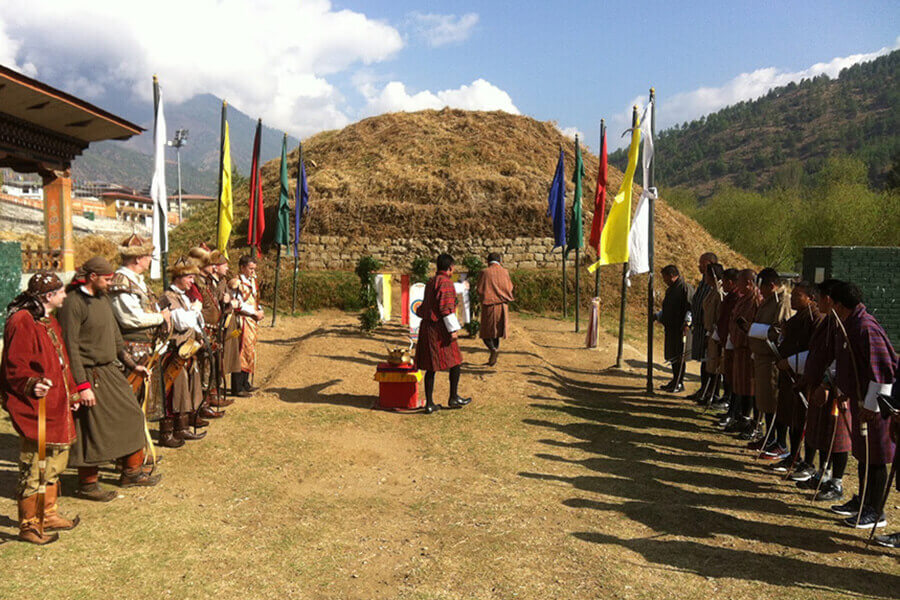
Archery in Bhutan is not just a sport you watch from the side. It is a social performance, a community celebration, and a deep expression of national identity. In many destinations, sports are separated from culture. In Bhutan, archery binds them together. Match days involve traditional dress, songs, humor, food, prayer rituals, and highly emotional team support. For travelers, this creates an experience that feels very different from regular stadium competitions.
This guide is designed for visitors who want to understand archery respectfully and practically. It covers where to watch, what rules make Bhutanese archery unique, what etiquette to follow, and how to plan your trip around local events. For broader route planning, pair this with backpacking in Bhutan and season decisions from best time to visit Bhutan.
Why Archery Matters So Much in Bhutan
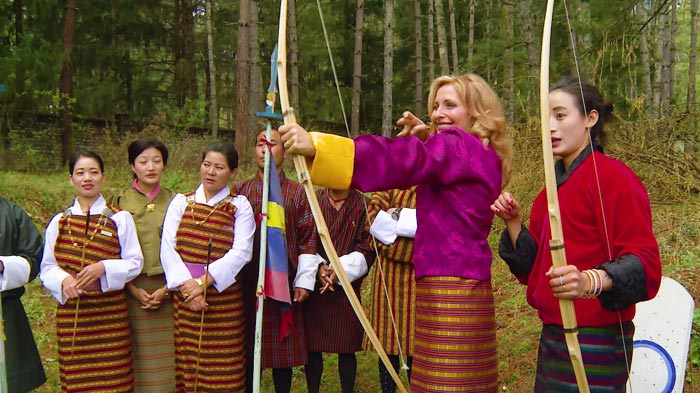
Bhutan recognizes archery as its national sport, but on ground it functions as a social institution. Matches are organized for festivals, local celebrations, public holidays, institutional events, and personal milestones. Communities gather not only to compete but to reinforce relationships and local pride. This is why archery ranges in Bhutan often feel like open cultural spaces rather than strictly athletic venues.
The emotional intensity of matches can surprise first-time visitors. Team members celebrate each hit with dance and chanting. Opposing teams use poetic banter and strategic humor to distract each other. Supporters remain active throughout the game, and the atmosphere shifts quickly with every scoring moment. Watching this dynamic helps travelers understand the living, participatory side of Bhutanese culture.
Traditional vs Modern Archery in Bhutan
You will see two parallel formats in Bhutan today. Traditional archery uses bamboo bows and handcrafted arrows. It highlights heritage techniques and older match culture. Modern competitive archery often uses compound bows and technical equipment, especially in formal tournaments. Both styles are respected, and many events keep separate formats to preserve tradition while supporting contemporary competition standards.
For visitors, traditional format is often more culturally rich because it includes stronger ritual and performance elements. Modern format is useful if you are interested in sport accuracy and technical progression. If your trip includes multiple districts, try to watch at least one event from each format. This gives a complete picture of how Bhutan balances tradition and modernization.
What Makes Bhutanese Matches Unique
The target distance in Bhutanese archery is notably long compared with what many travelers expect. This creates a dramatic rhythm: long pauses, sudden scoring bursts, and strategic emotional pressure. Players, teammates, and supporters all influence momentum. Match flow includes concentration, celebration, and playful psychological tactics that are socially accepted within the local sports culture.
Music and dance are central, not optional. When a team scores, coordinated movement and celebratory vocals become part of the event. This can look theatrical to outsiders, but it is a normal and respected element of competition. Instead of seeing it as distraction, understand it as a cultural layer that defines the sport’s Bhutanese identity.
Where Travelers Can Watch Archery
Thimphu is usually the easiest place for first-time travelers to find accessible matches because city ranges host frequent events and are easier to reach by taxi. Paro and Punakha also offer strong opportunities, especially during local festivals and regional gatherings. If your itinerary is flexible, ask hotel staff or local guides about current match schedules, because timing can change based on community planning and weather conditions.
When planning district movement, combine archery with broader sightseeing to keep travel efficient. For example, if you are in western Bhutan, add local culture days from things to do in Paro. This helps you avoid long transfer days for a single short match and gives your itinerary better balance.
How Tourists Should Behave at Archery Grounds
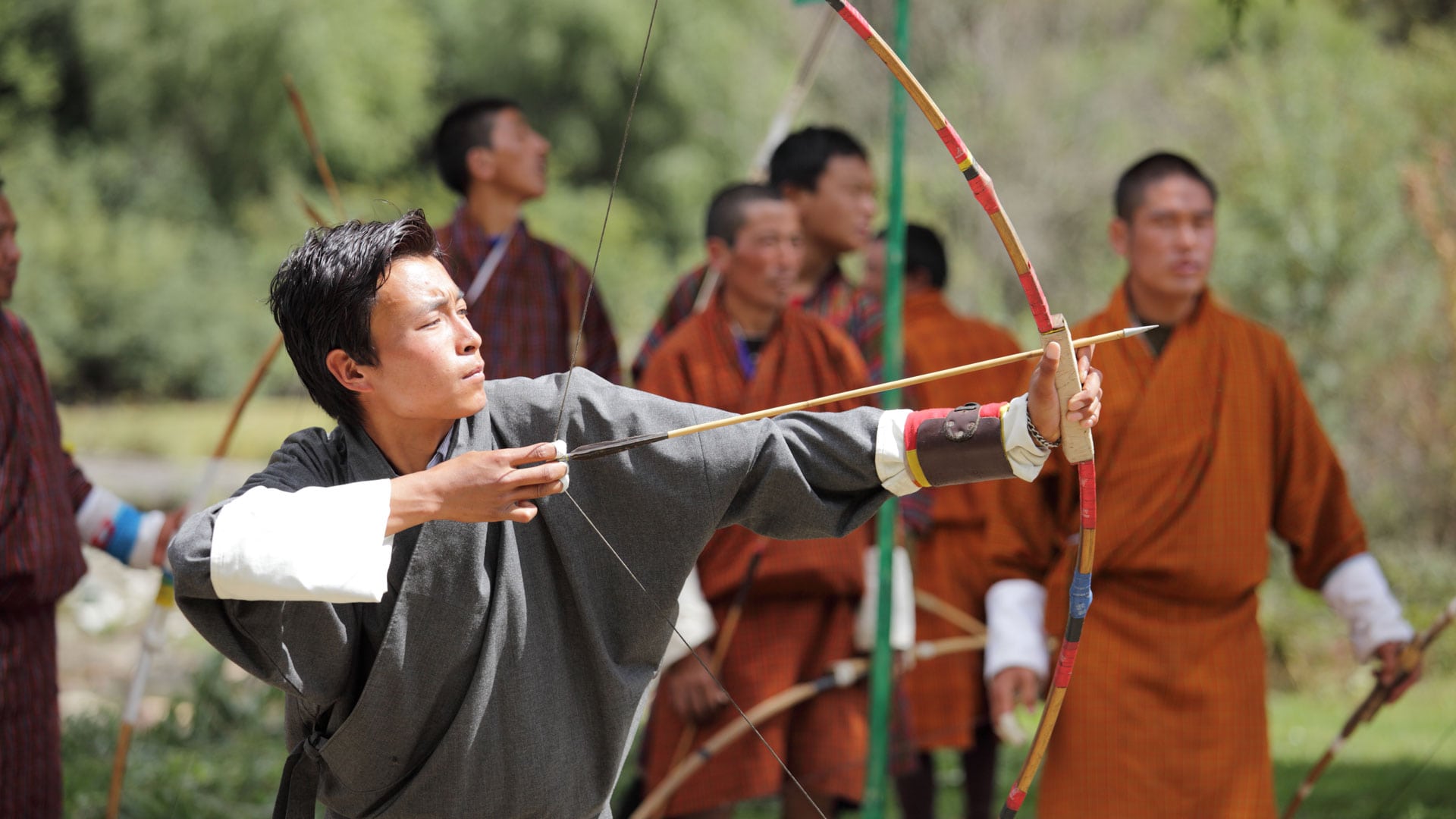
Respect starts with distance and awareness. Never stand near the shooting line unless invited by officials or organizers. Do not cross active range areas for photos. If you are unsure where to stand, ask politely before moving. Safety comes first, and ranges can look informal to outsiders even when strict local awareness is in place.
Photography is usually welcome from safe zones, but always ask before taking close portraits of players, women in support groups, or children. Keep drone use off unless explicit permission is granted. Dress modestly and avoid loud interruptions during key shooting moments. You are welcome as a guest, and respectful behavior improves your access and interaction quality.
Can Visitors Participate in Archery?
Some tourism operators and cultural centers arrange controlled archery sessions for visitors. These are training-style experiences with safety supervision, basic technique guidance, and shorter target setups. They are good for learning context, but they are not equivalent to full local competitive matches. Treat participation as cultural exposure rather than performance challenge.
If you join a trial session, listen carefully to instructor commands and avoid experimenting beyond guidance. Equipment handling discipline matters. Many visitors enjoy these sessions more when they ask questions about ritual, local terminology, and team celebrations rather than only focusing on score attempts.
Festivals and Event Timing
Archery visibility increases around festival periods and public celebrations. Event frequency can also rise around school holidays and district-level gatherings. Since exact schedules are not always centralized for tourists, on-ground confirmation is essential. Ask your hotel, local guide, or driver one day in advance to avoid missed windows.
If your trip is seasonal, align with weather comfort as well. Cold mornings and wet afternoons can affect both spectator comfort and event duration. Keep warm layers and rain protection in your day bag. For cultural travelers combining match days with food and market exploration, include local flavor stops through Bhutan street food.
What to Wear and Carry on Match Day
Wear comfortable layered clothing because mountain weather can shift quickly. Closed footwear is better than open sandals on uneven grounds. Carry water, light snacks, sun protection, and one rain layer. If you plan to stay for long sessions, bring a compact seating sheet or ask if guest seating is available.
Keep camera gear simple and mobile. Large tripods can obstruct movement and attract unnecessary attention in busy community spaces. If you carry long lenses, use them from fixed safe points rather than moving repeatedly across viewing zones.
Cultural Meaning Beyond Sport
Archery reinforces values of patience, composure, collective pride, and ceremonial participation. It also reflects how Bhutan retains local forms while engaging with modern structures. Many travelers come for mountains and monasteries but leave with strong memory of one local match because the atmosphere feels immediate and human.
Understanding this context helps avoid surface-level interpretation. What appears as casual entertainment is often a meaningful community ritual where identity, skill, humor, and social bonds are all on display.
Sample One-Day Archery + Culture Plan
9:00 AM: Reach local range and confirm safe viewing area.
10:00 AM: Watch opening rounds and scoring rhythm.
12:30 PM: Lunch break with local dishes.
2:00 PM: Return for later rounds and celebration sequences.
4:30 PM: Local market walk and evening tea.
This format gives enough time to understand match culture without overloading your day. If no event is active, use the same day for cultural sites and keep the next morning open for alternate match opportunities.
Final Travel Advice for Archery in Bhutan
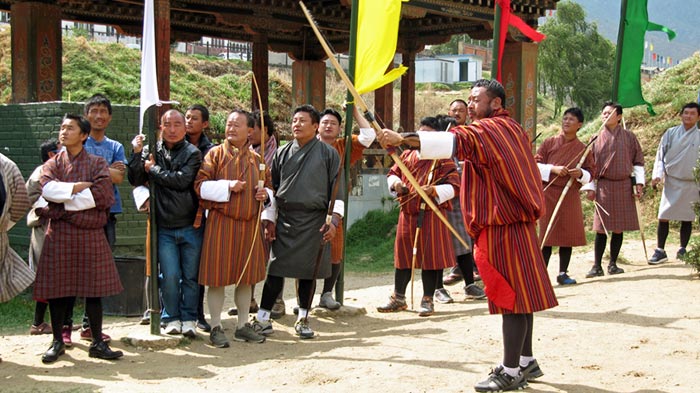
Approach archery in Bhutan with curiosity, patience, and respect. Do not rush for “content capture” only. Spend time observing how people interact, how teams celebrate, and how local humor operates. That is where the real experience lies.
Plan your route with flexible timing, verify matches locally, and combine sports viewing with regional culture stops. If done thoughtfully, archery becomes one of the strongest memory points of your Bhutan journey—because it shows not just how Bhutan competes, but how Bhutan celebrates community life.
Location
Frequently Asked Questions
Q1.Why is archery the national sport of Bhutan?
Q2.What is the distance of archery targets in Bhutan?
Q3.Can tourists try archery in Bhutan?
Q4.When is the best time to see archery competitions in Bhutan?
Q5.What equipment is used in Bhutanese archery?
Q6.Where can I watch archery in Thimphu?
Q7.How are Bhutanese archery tournaments structured?
Q8.What is the cultural significance of archery in Bhutan?
Recommended For You
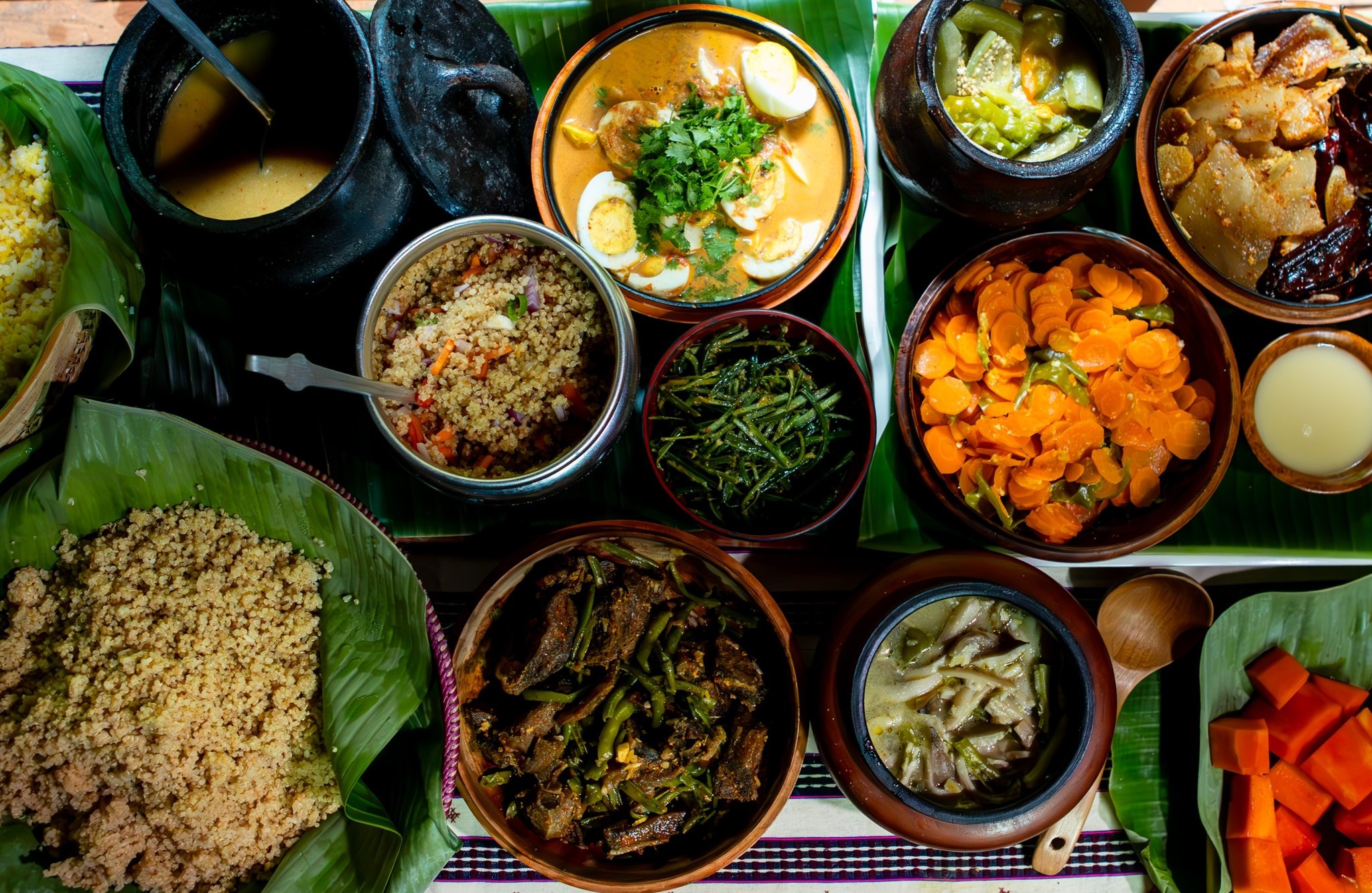
Traditional Cuisine of Bhutan: Signature Dishes & Food Culture
Discover the traditional cuisine of Bhutan with Ema Datshi, regional dishes, beverages, dining etiquette, and practical food tips for first-time travelers.
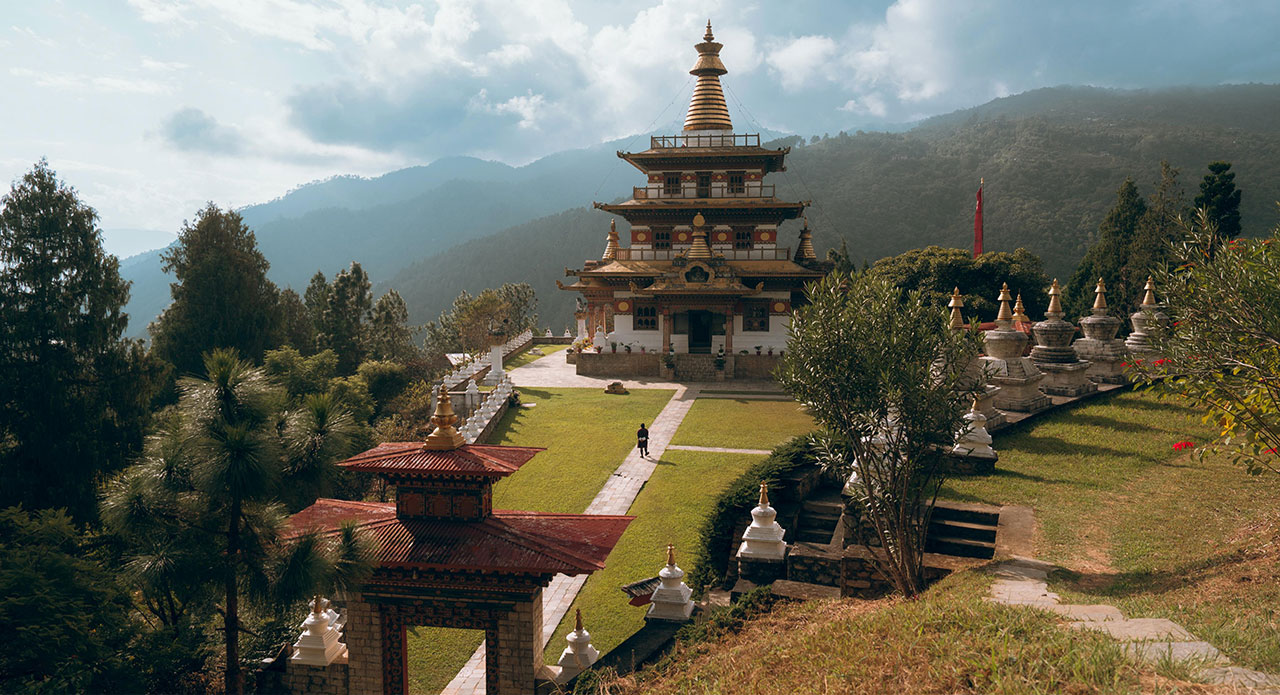
Temples in Bhutan: 15 Sacred Sites
Discover 15 most sacred temples in Bhutan. From Tiger's Nest to Punakha Dzong, explore Buddhist monasteries & spiritual sites.
Treks in Bhutan: Complete Guide & Routes
Complete guide to trekking in Bhutan including Snowman Trek, Jhomolhari, Druk Path, Dagala, and more. Difficulty levels, permits, costs, best season, and tour operators.
Never Miss an Adventure
Get the latest trekking guides, travel tips, and exclusive offers delivered straight to your inbox.
