
Sanchi Stupa near Bhopal: UNESCO Site, Timings & History

Priya Mehta
December 31, 2025
Explore Sanchi Stupa near Bhopal with UNESCO history, architecture, torana carvings, timings guidance, route planning, and practical tips for a meaningful visit.
Sanchi Stupa Bhopal: UNESCO Heritage Guide
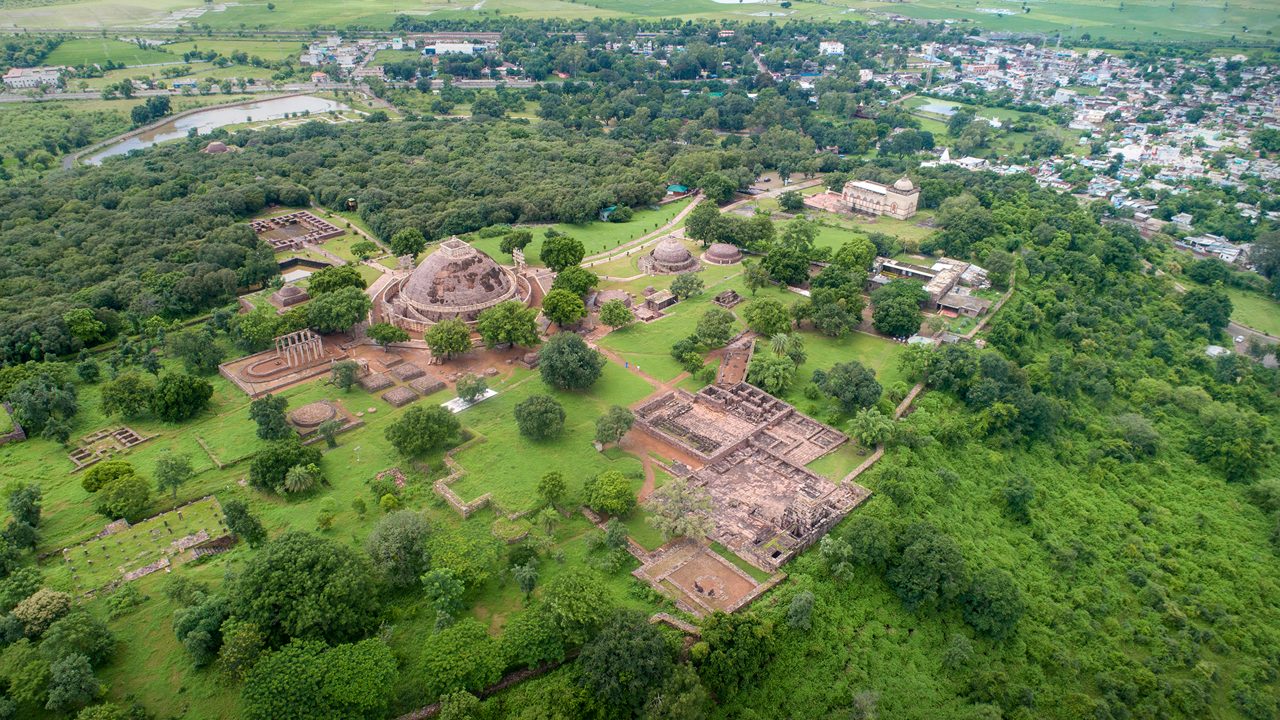
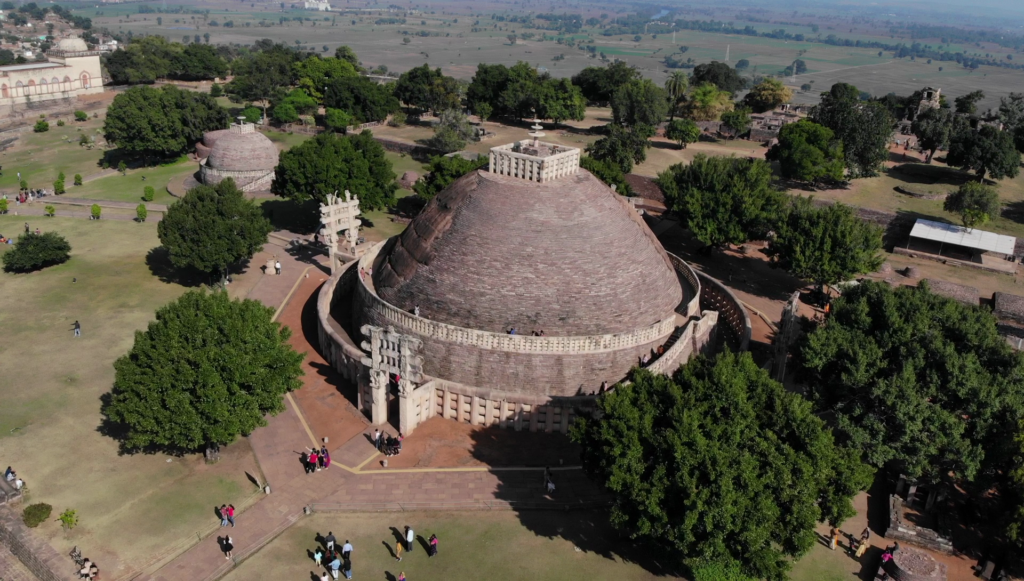
Sanchi Stupa near Bhopal is one of India’s most important Buddhist heritage destinations and a cornerstone for understanding early stone architecture on the subcontinent. Set on a quiet hill in Madhya Pradesh, the Sanchi complex preserves stupas, monasteries, temple remains, pillars, and intricately carved gateways that together document over a millennium of religious and artistic history.
For first-time visitors, Sanchi is often surprising because it does not feel like a single monument. It is a complete sacred archaeological landscape. The Great Stupa (Stupa 1) is the centerpiece, but the full site rewards slow walking, contextual reading, and careful observation of carvings. This guide covers UNESCO significance, historical timeline, architecture, toranas, timings, tickets, route planning from Bhopal, and practical tips for a meaningful visit.
UNESCO World Heritage Status and Global Importance
The Buddhist Monuments at Sanchi are inscribed on the UNESCO World Heritage List and are recognized for exceptional cultural value in documenting Buddhist art, architecture, and religious practice over long historical periods. UNESCO’s framing emphasizes the continuity of the site from early Buddhist phases through later periods, and the integrity of the hilltop ensemble where monuments remain in contextual relationship rather than as isolated pieces.
This status matters for travelers because Sanchi is not only a regional attraction near Bhopal. It is part of a globally protected heritage category where conservation, visitor flow, interpretation, and landscape controls are actively managed. When visiting, you are walking through a protected historical archive in stone.
History and Construction Timeline
The core history of Sanchi begins in the Mauryan era and is closely associated with Emperor Ashoka in the 3rd century BCE. Early structures were modest and evolved significantly through later dynasties and patron communities. What visitors see today is the result of multiple construction and expansion phases, including major additions in the Shunga and Satavahana periods.
| Period | Key Development | Visitor Relevance |
|---|---|---|
| 3rd century BCE | Ashokan origin phase | Foundation of Sanchi as Buddhist monument site |
| 2nd-1st century BCE | Expansion and stone embellishment | Major growth of gateways and sculptural language |
| Early centuries CE onward | Additional monastic and ritual structures | Creates multi-layered complex beyond one stupa |
| Modern period | Archaeological conservation and site presentation | Current visitor route and interpretation framework |
By understanding this timeline, visitors can appreciate why Sanchi contains stylistic variation instead of one uniform design language. It is a living record of adaptation, patronage, and religious continuity.
Architecture of the Great Stupa at Sanchi
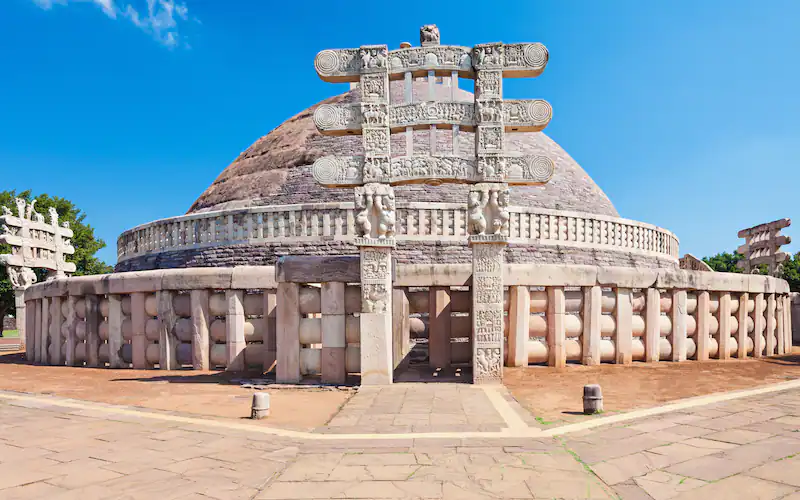
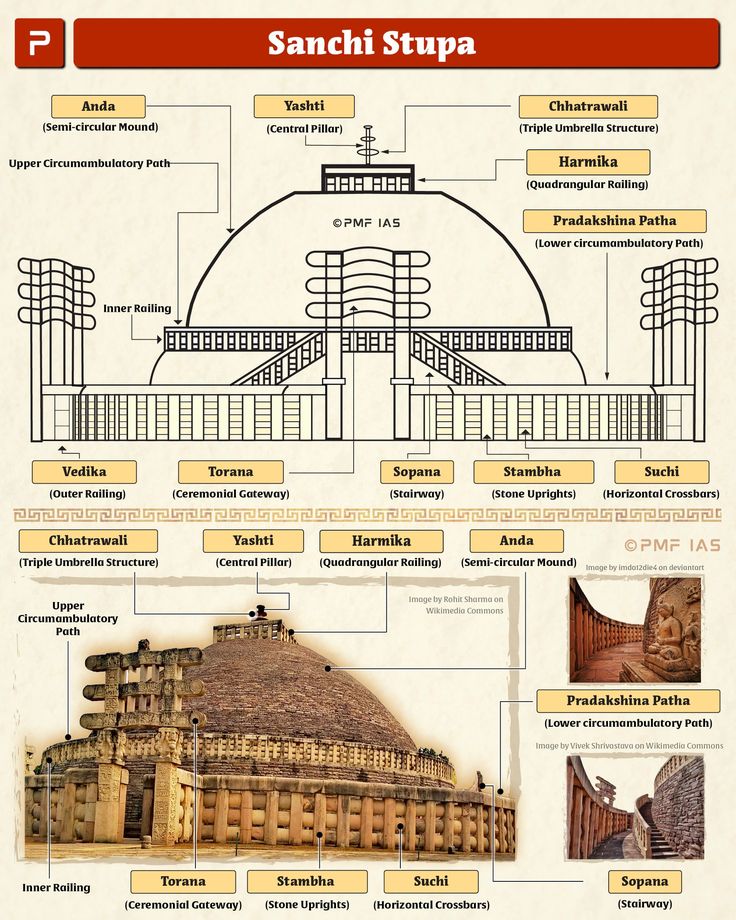
The Great Stupa (Stupa 1) is the most iconic monument at Sanchi and a classic expression of mature Buddhist stupa architecture. Its hemispherical dome, raised circumambulatory paths, stone railing systems, and crowning symbolic elements collectively represent cosmological and devotional concepts rather than purely structural engineering.
Commonly referenced components include the anda (hemispherical mound), harmika (square railing feature at the top), and chatra (umbrella-like superstructure with symbolic meaning). The monument’s form is designed for ritual movement and visual narrative engagement. The experience is dynamic: visitors circle the monument, read reliefs, and interpret symbolism through spatial progression.
- Anda: visual core of the stupa, linked to sacred enclosure symbolism.
- Medhi and pathways: support circumambulation and layered movement.
- Harmika and chatra: vertical symbolic hierarchy over the dome.
- Stone railings: organize sacred boundary and directional flow.
Architecturally, Sanchi is especially significant because it captures the transition from early construction logic to refined sculptural storytelling embedded in built form.
The Four Toranas: Storytelling in Stone
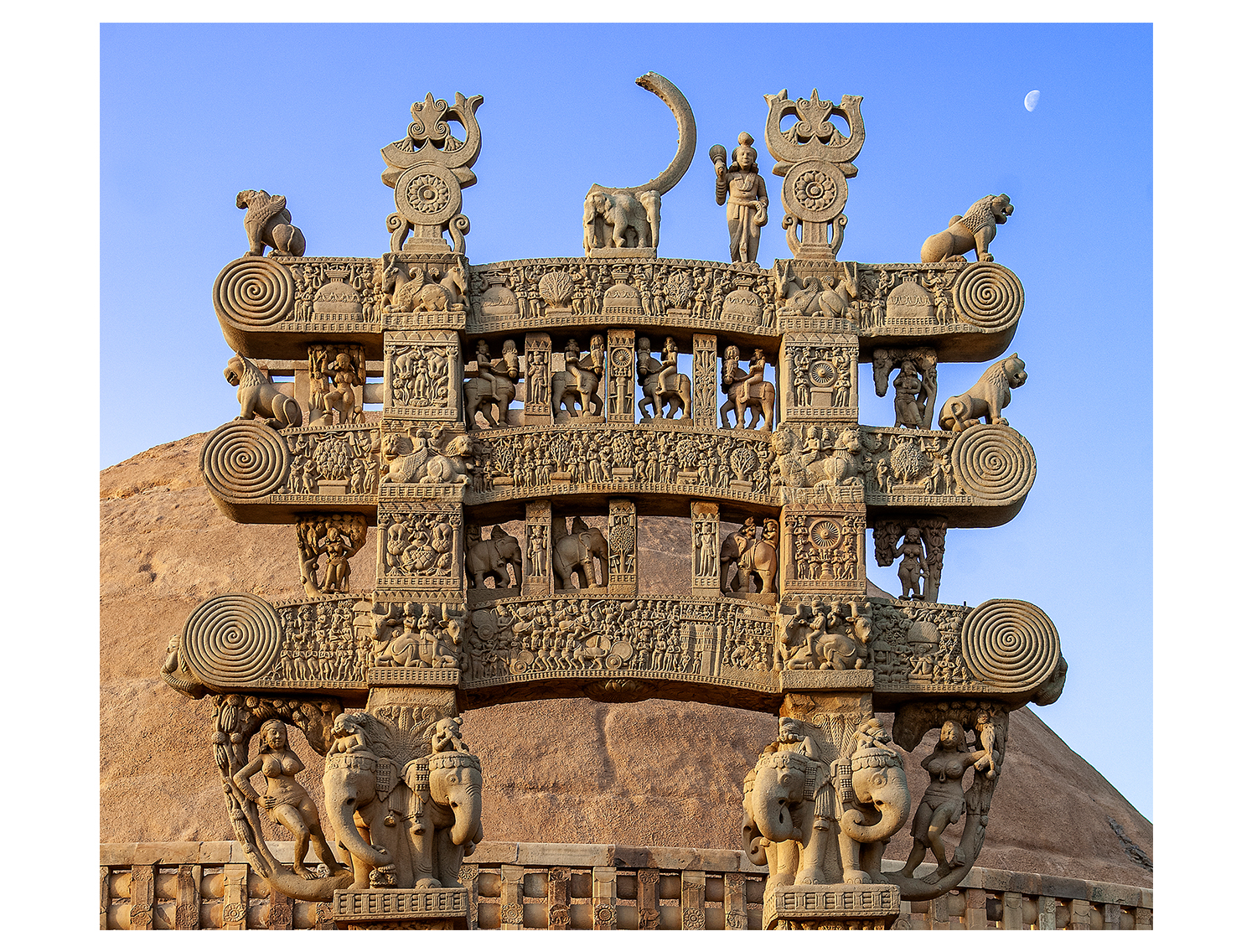
The four ceremonial gateways (toranas) around the Great Stupa are among the most admired sculptural achievements in Indian heritage. They are not decorative add-ons; they function as narrative panels conveying Buddhist themes, Jataka episodes, sacred symbols, and social imagery through dense relief compositions.
Visitors often spend too little time at the gateways. A better approach is to examine each torana slowly and notice repeating motifs, narrative sequencing, and symbolic representation practices from an aniconic phase of Buddhist art where Buddha is often represented through symbols rather than anthropomorphic form.
| Gateway Orientation | Interpretation Focus | What to Observe |
|---|---|---|
| North | Narrative richness and pilgrimage symbolism | Layered scenes and symbolic continuity |
| South | Royal and devotional episodes | Processional and ritual visual language |
| East | Key life-cycle and doctrinal motifs | Dense story panels with directional reading |
| West | Meditative and cosmological elements | Balanced composition and symbolic cues |
Because carvings are detailed and weathered in parts, carrying a basic interpretive reference or using guided explanation significantly improves understanding.
Best Time to Visit Sanchi Stupa
October to March is generally the most comfortable period for visiting Sanchi because daytime weather is easier for open-site exploration. Summer heat in central India can make long heritage walks tiring, while monsoon may affect walking comfort and visibility for detailed study of relief surfaces.
Within the day, early morning and late afternoon offer better light for photography and a calmer site atmosphere. Midday visits are possible but can feel harsher due to direct sun exposure on open stone surfaces.
- Best season: post-monsoon to winter months.
- Best time of day: morning opening window or late afternoon.
- Avoid: peak midday heat in late spring and summer.
How to Reach Sanchi Stupa from Bhopal
Sanchi is located near Bhopal and is usually reached by road in a manageable day-trip format. Travel time depends on departure point, city traffic at exit, and road conditions. Many visitors plan Sanchi as a half-day to full-day heritage excursion from Bhopal.
| Mode | Typical Pattern | Planning Note |
|---|---|---|
| Private cab/taxi | Most convenient for flexible timing | Useful for combined nearby heritage stops |
| Bus + local transfer | Budget option with variable schedules | Keep buffer for return timing |
| Rail-linked approach | Possible via nearby station networks | Check onward local transport availability |
For broader regional planning, combine this guide with places to visit in Bhopal and places to visit in Madhya Pradesh before finalizing hotel and transport sequence.
Visitor Information: Timings, Entry, Duration and Facilities
Public listings for timings and fee structures can show variations depending on source and update cycle. As a working rule, Sanchi is usually operated in daytime windows, with periodic weekly closure and separate timing logic for associated museum facilities. Because these details can change, verify current timings and ticket rates at official counters or updated official channels before your trip.
A practical visit duration is 2 to 3 hours for the Great Stupa and principal gateways, and longer if you include detailed photography, interpretation pauses, and site museum exploration.
- Carry water, hat/cap, and comfortable walking footwear.
- Check photography rules and restricted zones at entry.
- Use guided interpretation or notes for gateway narratives.
- Keep additional time if visiting museum on same day.
Suggested Half-Day Itinerary
| Time Slot | Plan | Outcome |
|---|---|---|
| 8:30 AM - 9:00 AM | Arrival and orientation walk | Context before deep site exploration |
| 9:00 AM - 10:30 AM | Great Stupa and four toranas | Core architectural and narrative experience |
| 10:30 AM - 11:30 AM | Other monuments + optional museum shift | Balanced historical understanding |
Common Mistakes to Avoid at Sanchi
The most common mistake is treating Sanchi as a quick photo stop. This approach misses the layered storytelling in toranas and the historical spread of the hill complex. Another mistake is arriving without reading basic context; reliefs become far more meaningful once you know what to look for.
Visitors also sometimes rely on old timing screenshots and face closure surprises. Always verify latest entry windows and museum schedules before departure. In summer, underestimating heat and hydration is another avoidable issue.
Why Sanchi Still Feels Relevant Today
Sanchi is more than an ancient site. It remains relevant as a model of how architecture can communicate ethical, philosophical, and social ideas across centuries without losing interpretive power. For students of heritage, religion, design, and visual narrative, Sanchi offers rare continuity between historical intent and present-day legibility.
If you are curating a heritage circuit, pair Sanchi with Bhojpur Temple Bhopal for a strong comparative lens on sacred architecture in central India.
Final Take
Sanchi Stupa near Bhopal is one of India’s most rewarding heritage visits when explored with time, context, and attention to detail. Its UNESCO recognition is justified not only by age but by the depth of artistic and spiritual narratives preserved in stone. Plan your trip with updated practical checks, arrive early, and walk the site slowly. The experience is richer when you treat Sanchi as a complete cultural landscape rather than a single monument.
Sanchi Site Museum and Preservation Context
The on-site museum layer is important for visitors who want deeper context beyond open-air architecture. Sculptural fragments, inscriptions, and curated displays help explain chronology and artistic transitions that are not immediately obvious on a quick hill walk. If museum timing aligns with your schedule, include at least 45 minutes for this section.
Preservation at Sanchi is an ongoing process. Stone monuments in open environments face weathering, biological growth, visitor pressure, and micro-damage risks. Responsible tourism practices directly support conservation goals: do not touch carvings unnecessarily, avoid climbing restricted structures, and follow designated pathways. Heritage photography is valuable, but physical integrity matters more than close-contact shots.
For education groups, Sanchi works best when visited with pre-read material and guided observation tasks. This transforms the trip from passive sightseeing into interpretive learning and helps visitors understand why the site is globally recognized.
If you have an extra evening in the city after your Sanchi excursion, a relaxed walk around Upper Lake Bhopal is a good way to unwind and contrast the day's ancient stone architecture with Bhopal's open waterfront setting.
Location
Frequently Asked Questions
Q1.Where is Sanchi Stupa located?
Q2.How far is Sanchi from Bhopal?
Q3.Who built the Great Stupa at Sanchi?
Q4.What is the significance of Sanchi Stupa?
Q5.What are the four gateways at Sanchi called?
Q6.When was Sanchi Stupa built?
Q7.What are the visiting timings for Sanchi Stupa?
Q8.What is the entry fee for Sanchi Stupa?
Recommended For You
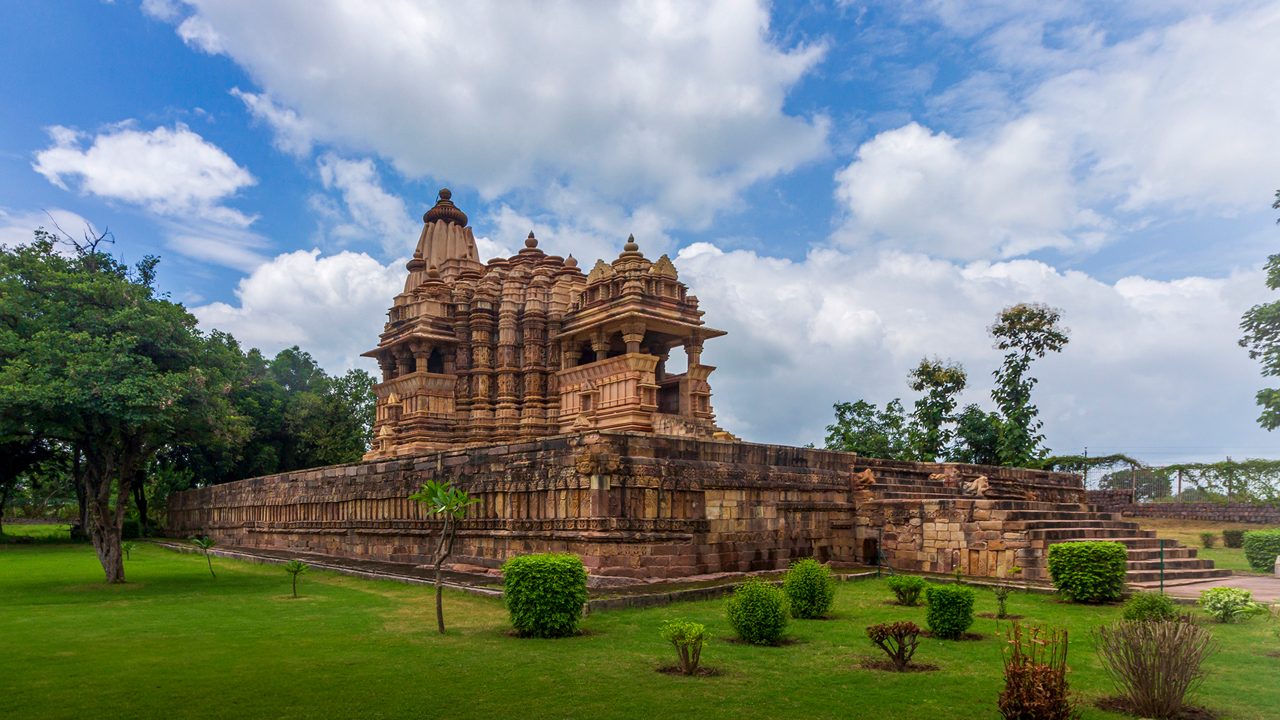
Khajuraho Temples: Complete Guide to India's Erotic Sculptures
Discover Khajuraho Temples, UNESCO World Heritage site famous for stunning architecture & erotic sculptures. Complete guide with timings, history, and travel tips.
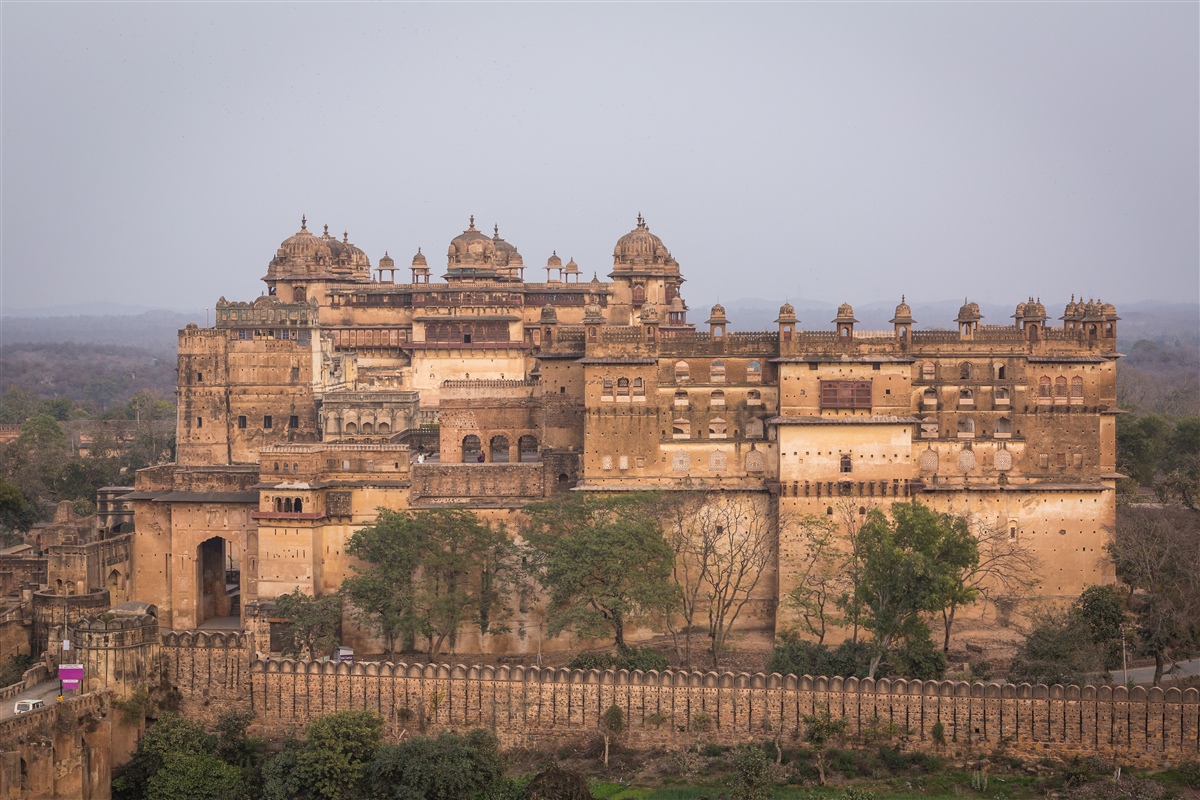
Orchha Fort: Ticket Price, Timings & Fort Complex Highlights
Plan your Orchha Fort visit with practical timing windows, route sequencing, ticket awareness, and nearby heritage combinations.
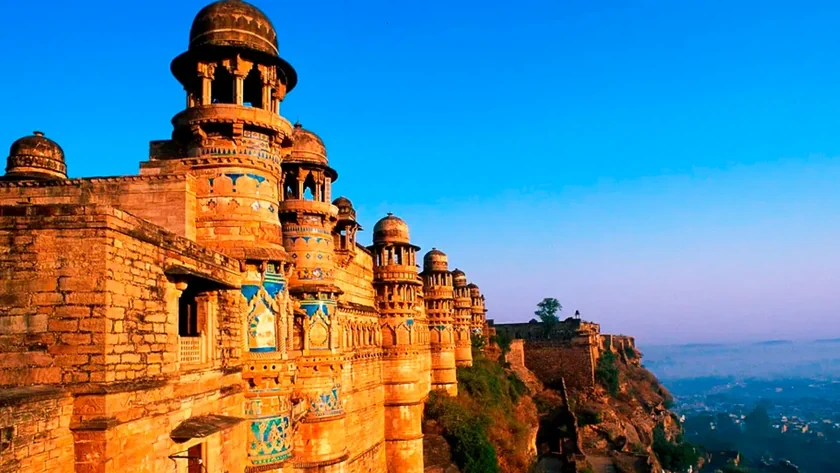
Places to Visit in Madhya Pradesh: Heritage, Wildlife & Pilgrimage
Explore the best places to visit in Madhya Pradesh, from Khajuraho and Ujjain to Kanha and Sanchi, with practical route planning and season tips.
Never Miss an Adventure
Get the latest trekking guides, travel tips, and exclusive offers delivered straight to your inbox.
