
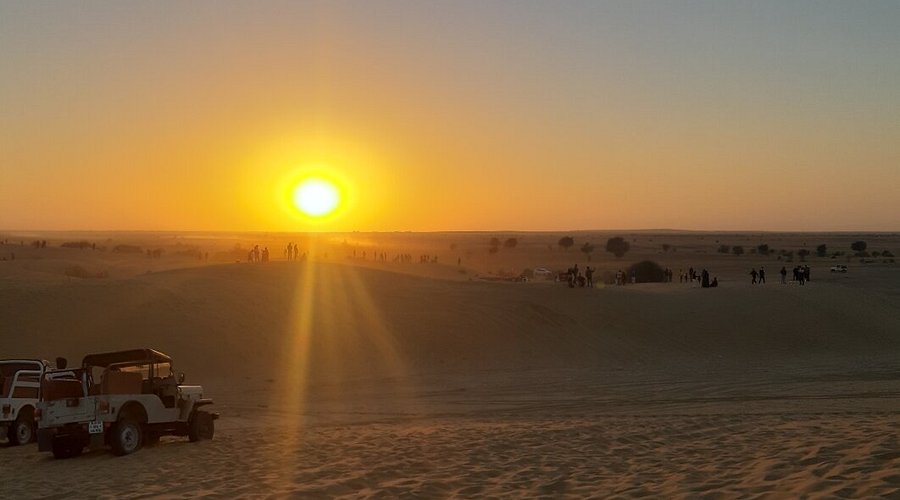
Jaisalmer Desert Safari: Complete Guide 2026

Ananya Sharma
February 18, 2026
Complete guide to Jaisalmer desert safari with camel rides, jeep safaris, camping options, prices, best time, and location comparison between Sam and Khuri dunes.
Introduction
A desert safari in Jaisalmer is one of Rajasthan's most iconic experiences, offering a unique blend of golden landscapes, cultural immersion, and adventure activities. The Thar Desert stretches endlessly around the Golden City, creating the perfect backdrop for jeep safaris, camel treks, and overnight camping under starlit skies. Whether you're a thrill-seeker looking for dune bashing or a traveler seeking peaceful sunsets, Jaisalmer's desert safaris cater to all preferences.
Many travelers treat desert safaris as a simple add-on, but proper planning makes a significant difference in experience quality. The Sam Sand Dunes and Khuri Desert offer distinct atmospheres, different crowd levels, and varying price structures. This guide covers safari types, realistic costs, best timing, safety considerations, and how to choose between locations. For a complete Rajasthan experience, combine your safari with visits to Jaisalmer Fort and Patwon Ki Haveli.
Top Desert Safari Locations in Jaisalmer
Sam Sand Dunes
Sam Sand Dunes is the most popular desert safari destination, located approximately 40-45 kilometers from Jaisalmer city. The area features organized campsites, consistent dune formation, and easy road access. Most travelers choose Sam for its established infrastructure, variety of safari operators, and proximity to the city. Key Characteristics:- Higher tourist footfall, especially during peak season
- Multiple campsite options ranging from budget to luxury
- Evening cultural programs with Rajasthani folk performances
- Well-connected by road from Jaisalmer city
Khuri Desert
Khuri offers a quieter and more authentic desert experience, situated around 50 kilometers from Jaisalmer. The dunes here are less commercialized, and the setting feels more peaceful compared to Sam. Travelers who prefer smaller crowds and a closer connection to local village life often favor Khuri. Best For:- Travelers seeking a less commercialized experience
- Photography enthusiasts looking for undisturbed landscapes
- Couples and families wanting calmer evenings
- Those interested in village visits and cultural interactions
Lodhruva and Other Offbeat Options
For experienced travelers or repeat visitors, locations like Lodhruva provide alternatives to the main tourist circuits. These spots often require more planning but reward with fewer crowds and different desert perspectives.Types of Desert Safaris Available
| Safari Type | Duration | Best For | Difficulty Level |
|---|---|---|---|
| Camel Safari | 1-3 hours typical | Traditional experience seekers | Easy to moderate |
| Jeep Safari | 30-60 minutes | Adventure enthusiasts | Moderate |
| Overnight Camping | Full evening to morning | Immersive desert experience | Easy (with proper camp setup) |
| Combined Jeep & Camel | Evening to night | Complete desert package | Moderate |
| Multi-Day Desert Trek | 2-5 days | Adventure travelers | Challenging |
Camel Safari Experience in Detail
Camel safaris remain the most traditional way to explore the Thar Desert. The gentle swaying motion, elevated perspective, and connection to historic trade routes create an atmosphere that vehicles cannot replicate.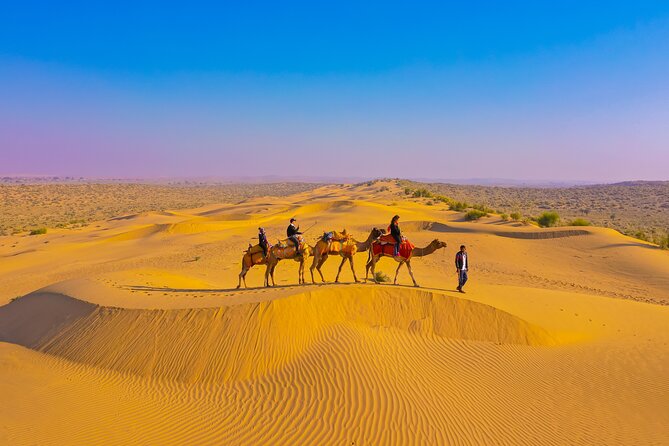 What to Expect:
- Slow-paced journey allowing photography and observation
- Stops at scenic dunes for sunset viewing
- Interaction with camel handlers who often share local stories
- Potential discomfort for those not used to camel riding
- Short Ride: 30-45 minutes, suitable for children and first-timers
- Standard Safari: 1.5-2 hours, covering reasonable distance and sunset point
- Extended Trek: Half-day or longer, including village visits
Jeep Safari: Dune Bashing and Exploration
Jeep safaris cover more ground quickly and access dunes that are farther from the main campsites. Experienced drivers navigate sandy terrain, creating an adventurous ride with climbs, descents, and sudden turns. Highlights:- Cover larger desert areas in shorter time
- Access remote dune formations away from crowds
- Combine with camel rides for a complete experience
- Suitable for those with limited time or mobility concerns
Overnight Desert Camping
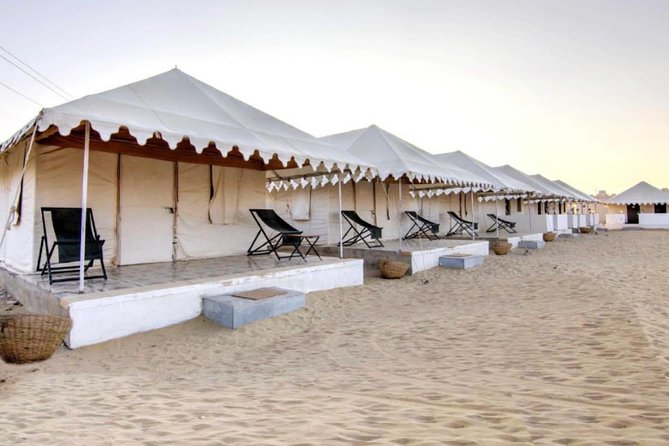
Overnight camping transforms the desert experience from a sightseeing activity into an immersive adventure. Evening cultural programs, buffet dinners, and sleeping under clear skies create memories that travelers often describe as trip highlights.| Experience Element | What's Typically Included |
|---|---|
| Arrival & Welcome | Welcome drink, camp orientation, tent assignment |
| Sunset Activity | Camel or jeep safari to dunes for sunset |
| Cultural Evening | Folk music, dance performances, fire shows |
| Dinner | Rajasthani buffet with local and continental options |
| Overnight Stay | Tented accommodation with bedding |
| Morning | Breakfast and sunrise viewing |
Price Guide: What to Expect in 2026
Desert safari pricing varies significantly based on location, season, and package inclusions. The following ranges reflect typical market rates for planning purposes:| Package Type | Price Range (per person) | Usually Includes |
|---|---|---|
| Camel Safari (Short) | INR 300 - 600 | 30-45 minute ride |
| Camel Safari (Standard) | INR 600 - 1,200 | 1.5-2 hour safari with sunset |
| Jeep Safari | INR 800 - 1,500 | 30-60 minute dune exploration |
| Budget Overnight Camp | INR 1,500 - 2,500 | Basic tent, dinner, breakfast, cultural program |
| Mid-Range Camp | INR 2,500 - 4,500 | Better tents, attached toilets, cultural evening, meals |
| Luxury Desert Camp | INR 5,000 - 10,000+ | Swiss tents, premium amenities, private safari, exclusive dining |
- Seasonality (December-January rates are highest)
- Distance from Jaisalmer city
- Camp quality and tent type
- Inclusions like cultural programs and safari type
- Group size and booking channel
Best Time for Desert Safari in Jaisalmer
October to March (Peak Season)
This period offers the most comfortable desert temperatures, with daytime highs ranging from 25-35°C and cooler nights. October and November see moderate crowds, while December and January attract maximum tourist flow. Pros:- Comfortable weather for all activities
- Clear skies for stargazing
- Full camp operations with cultural programs
- Higher prices across the board
- Larger crowds at popular dunes
- Advanced booking essential
April to June (Hot Season)
Daytime temperatures climb significantly, making afternoon activities uncomfortable. However, sunset and night experiences remain feasible, and operators may offer off-season discounts.July to September (Monsoon)
Rainfall is unpredictable in the Thar Desert. Some years see minimal rain, while others experience occasional showers that can dampen dune quality. This is low season with limited operations and lower prices.How to Choose Between Sam and Khuri
| Factor | Sam Sand Dunes | Khuri Desert |
|---|---|---|
| Crowd Level | High, especially peak season | Moderate to low |
| Camp Options | Wide range, budget to luxury | Limited, mostly mid-range |
| Distance from City | 40-45 km | Around 50 km |
| Vibe | Festival-like, energetic | Peaceful, authentic |
| Suitable For | First-time visitors, groups | Couples, repeat visitors |
What to Pack for Desert Safari
Proper packing ensures comfort during both day and night desert conditions:- Clothing: Loose, breathable fabrics for day; warm layers for night
- Footwear: Closed shoes or sandals with straps (flip-flops can fill with sand)
- Sun Protection: Hat, sunglasses, sunscreen with high SPF
- Lip Balm: Desert air is dry and chapping is common
- Scarf or Dupatta: Useful for wind protection and dust
- Torch: Campsites may have limited lighting
- Personal Medications: Basic first aid and any prescribed medicines
- Camera: Extra batteries (cold nights drain battery faster)
- Cash: Some camps have limited card payment options
Safety and Health Considerations
Dehydration Prevention
Desert environments are deceptively drying. Even when temperatures feel moderate, low humidity accelerates fluid loss.- Drink water consistently throughout the day
- Avoid excessive caffeine and alcohol before overnight stays
- Carry oral rehydration solution for longer safaris
Sun and Heat Management
- Apply sunscreen 30 minutes before sun exposure
- Take shaded breaks during afternoon activities
- Recognize heat exhaustion symptoms: dizziness, nausea, excessive sweating
Camel Riding Comfort
- Wear long pants to avoid thigh friction
- Follow the handler's mounting and dismounting instructions
- Communicate discomfort immediately; riding position can often be adjusted
- Consider shorter rides for children or elderly travelers
Photography Tips for Desert Safaris
The Thar Desert offers exceptional photographic opportunities, especially during golden hours:- Best Timing: One hour before and after sunset yields the most dramatic light
- Equipment Protection: Keep cameras covered when not in use; fine sand is damaging
- Compositions: Use camel silhouettes, dune patterns, and shadow play
- Night Photography: Campsites with low light pollution are ideal for astrophotography
- Portrait Opportunities: Cultural performers, camel handlers, and local guides make compelling subjects (always ask permission)
Cultural Evening Programs
Most overnight camps include cultural performances that showcase Rajasthan's rich artistic heritage: Common Elements:- Traditional folk music with instruments like the algoza and khartal
- Kalbeliya dance performances by local artists
- Fire shows and puppetry demonstrations
- Opportunities for guests to join dancing
Responsible Desert Tourism
The desert ecosystem is fragile, and increasing tourist traffic poses environmental challenges. Responsible behavior helps preserve the Thar for future generations:- Avoid plastic waste; carry trash back to the city for proper disposal
- Respect local customs and dress modestly, especially near villages
- Do not harass wildlife, including desert foxes and bird species
- Choose camps that employ local staff and support village communities
- Minimize noise pollution after 10 PM to respect desert tranquility
Combining Desert Safari with Other Jaisalmer Attractions
Recommended 2-Day Itinerary: Day 1: Morning arrival in Jaisalmer, visit Jaisalmer Fort and Patwon Ki Haveli, evening departure for desert camp, overnight stay Day 2: Sunrise at camp, breakfast and checkout, return to Jaisalmer city, visit Gadisar Lake and local markets, departure This sequence balances city sightseeing with desert experience without feeling rushed. For a deeper Rajasthan exploration, connect your Jaisalmer visit with Jodhpur and Udaipur.Booking Tips and Common Mistakes
Booking Recommendations:
- Research camps through multiple platforms before deciding
- Read recent reviews, especially regarding cleanliness and food quality
- Confirm exactly what's included in the package (safari type, meals, transfers)
- Book directly with camps when possible for better pricing
- Request specific tent location if quietness is a priority
Common Mistakes to Avoid:
- Choosing purely based on lowest price without checking reviews
- Ignoring night temperature drops and packing inadequate warm clothing
- Overbooking activities and arriving exhausted at the camp
- Expecting luxury facilities at budget camps
- Skipping sunscreen on cloudy days (UV penetrates haze)
- Booking huge group camps when privacy is preferred
Private vs. Shared Safari Experience
Private safaris cost more but offer personalized timing, route flexibility, and privacy. Shared experiences are economical and provide opportunities to meet other travelers but follow fixed schedules and crowded dunes.- Private Recommended For: Honeymooners, families with young children, photographers, those celebrating special occasions
- Shared Suitable For: Solo travelers, budget-conscious groups, those who enjoy social travel
Conclusion
A desert safari in Jaisalmer is more than a tourist activity; it's an entry point into Rajasthan's landscape, culture, and traditional way of life. The combination of golden dunes, traditional camel caravans, starlit nights, and Rajasthani hospitality creates an experience that remains vivid in memory long after returning home. Success comes down to choosing the right location, selecting a camp that matches your comfort expectations, packing appropriately for desert conditions, and approaching the experience with respect for both the environment and local communities. Whether you choose the vibrant energy of Sam or the peaceful authenticity of Khuri, the Thar Desert offers a perspective on Rajasthan that forts and palaces alone cannot provide.Location
Frequently Asked Questions
Q1.What is the best time to visit Jaisalmer for desert safari?
Q2.How much does a desert safari cost in Jaisalmer?
Q3.Which is better: Sam Sand Dunes or Khuri Desert?
Q4.Is desert safari safe for children and elderly travelers?
Q5.What should I wear for a desert safari in Jaisalmer?
Q6.How far are the desert dunes from Jaisalmer city?
Q7.Are overnight desert camps safe?
Q8.Can I do a desert safari during monsoon?
Q9.What is included in overnight desert camping packages?
Q10.How long does a camel safari usually last?
Recommended For You
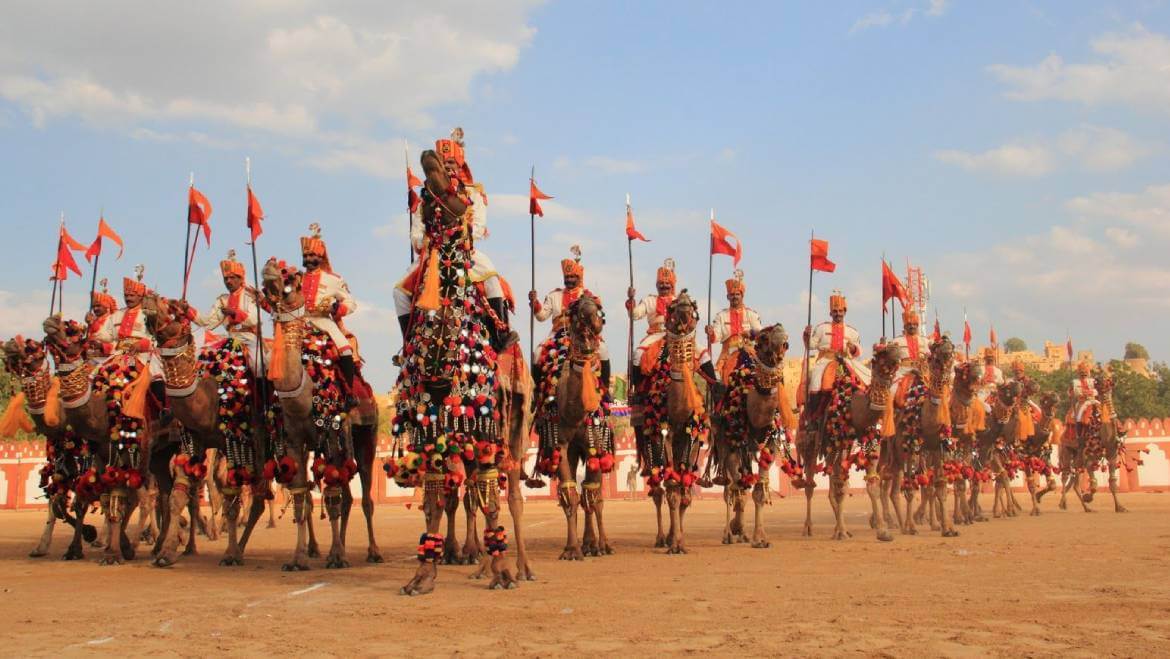
Desert Festival Jaisalmer 2025: Complete Guide to Rajasthan's Most Vibrant Celebration
Experience Rajasthan's vibrant Desert Festival Jaisalmer 2025. Discover dates, events, camel competitions, cultural performances, tickets & travel tips for this spectacular celebration.
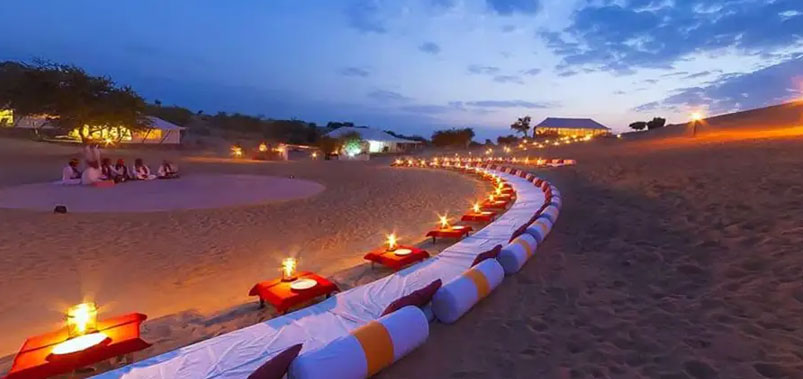
New Year in Jaisalmer: Desert Camps, Gala Nights & Folk Shows
Celebrate New Year in Jaisalmer's golden desert. Discover luxury camps, desert safaris, cultural parties, and complete planning guide for a magical desert New Year celebration.
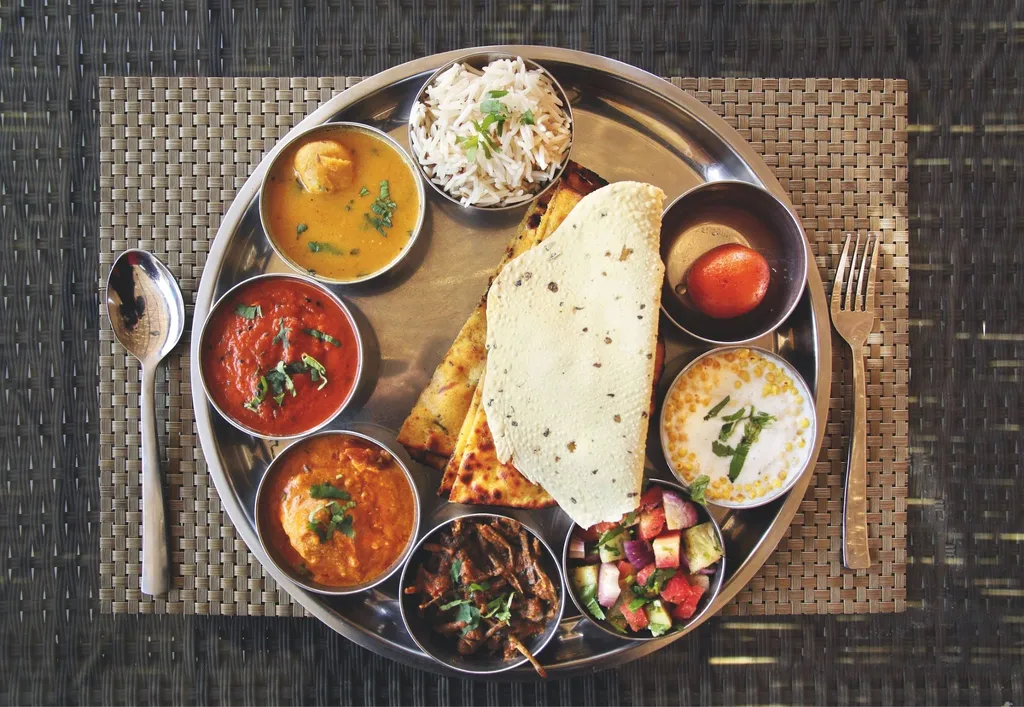
Places to Eat in Jaisalmer: Desert Dining, Rooftops & Local Thalis
Explore places to eat in Jaisalmer with desert cuisine, rooftop restaurants, haveli dining, camp food, local eateries, and practical meal-planning tips.
Never Miss an Adventure
Get the latest trekking guides, travel tips, and exclusive offers delivered straight to your inbox.
