
Patwon Ki Haveli Jaisalmer: History, Ticket Info & Best Time to Visit

Neha Kapoor
February 18, 2026
Explore Patwon Ki Haveli, Jaisalmer's architectural marvel. Discover history, timings, entry fee, architecture & travel tips for this 19th-century masterpiece.
Patwon Ki Haveli Jaisalmer: Complete Visitor Guide
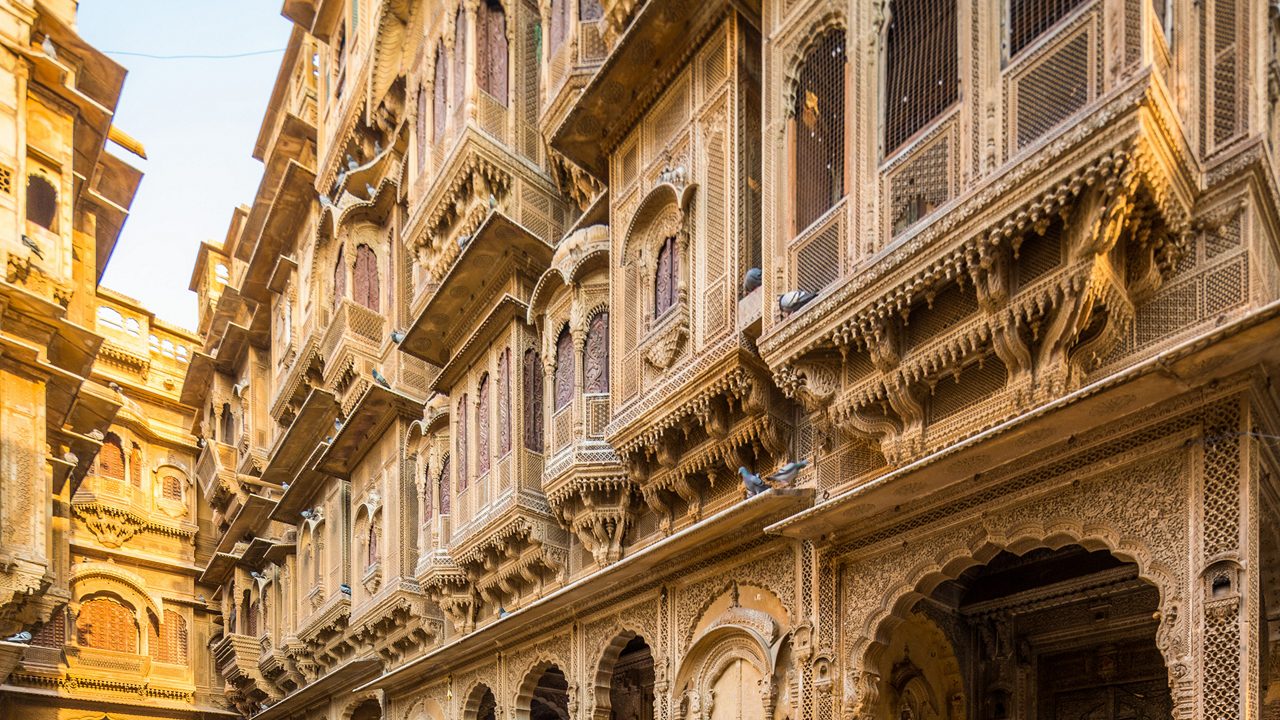
Patwon Ki Haveli is one of the most iconic heritage landmarks in Jaisalmer and among the finest examples of merchant-era mansion architecture in Rajasthan. Despite its popular name, it is not a single haveli but a cluster of five intricately built mansions commissioned by a wealthy Jain trader family. The complex is celebrated for carved facades, jharokhas, interior detailing, and historical insight into trade-era prosperity in the desert city.
Many travelers visit quickly for facade photos and move on. A better approach is to explore it as a social and architectural document of mercantile Jaisalmer. If your route already includes jaisalmer fort rajasthan, Patwon Ki Haveli is the perfect complementary stop because it shifts the story from royal defense to merchant wealth and urban lifestyle.
Historical Background
The haveli complex was commissioned in the 19th century by the Patwa family, whose business influence and resources shaped some of Jaisalmer’s most ornate urban architecture. Built as a row of mansions for different family branches, the structures demonstrate how commercial success translated into visual and social prestige in desert trade towns.
Unlike military monuments, havelis reveal domestic and social history: room planning, decorative choices, and symbolic display of status. This is why Patwon Ki Haveli is essential for anyone trying to understand the full character of old Jaisalmer.
Architecture Highlights
Facade and Jharokha Work
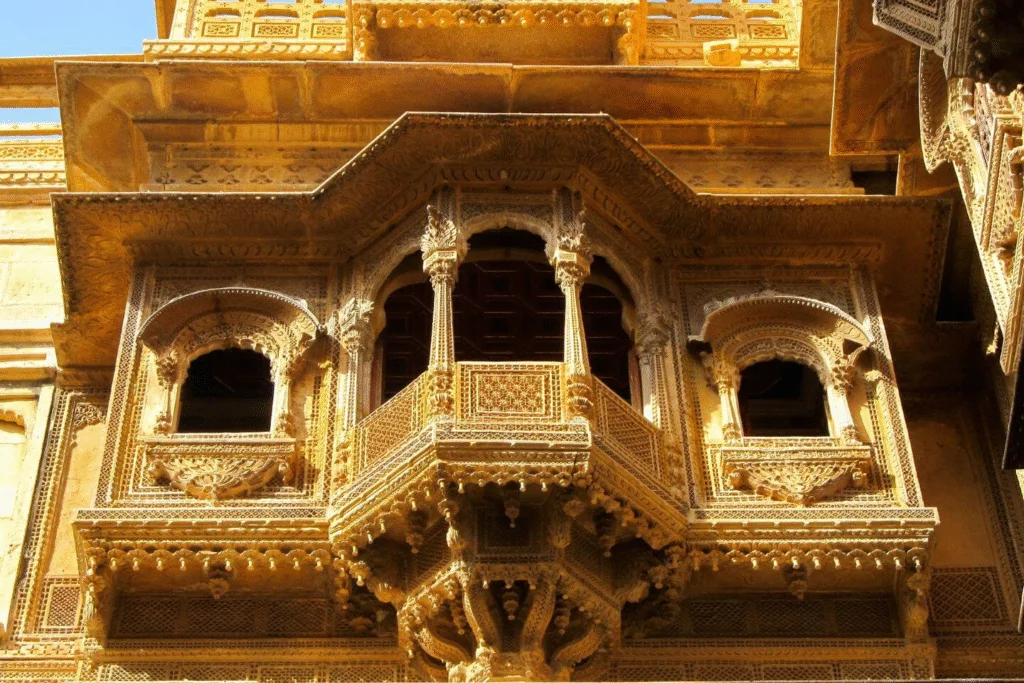
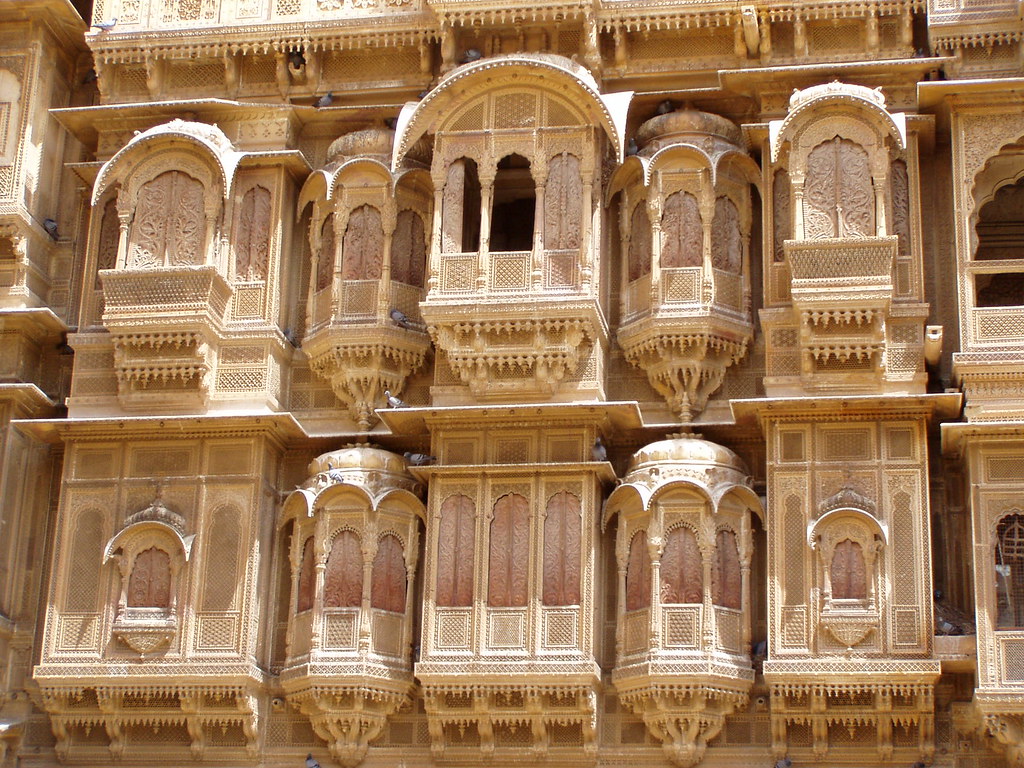
The facade is known for dense stone carving, projecting balconies, perforated screens, and layered ornamentation. Morning and late-afternoon light reveal texture best.
Interior Rooms and Decorative Surfaces
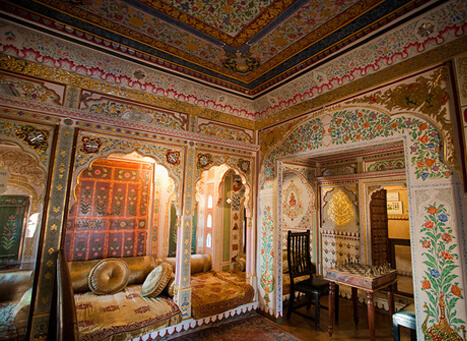
Inside sections often include painted surfaces, mirror work, and period detailing that reflect elite domestic taste of the time.
Clustered Mansion Layout
The multi-haveli formation itself is unique and helps visitors compare architectural continuity with subtle variations between buildings.
Travelers extending heritage exploration can combine this with desert festival jaisalmer during seasonal visits for cultural context.
Best Time to Visit Patwon Ki Haveli
October to March is ideal for comfortable walking in Jaisalmer. During summer, early morning visits are strongly recommended because heat rises quickly in old city lanes. Winter light is excellent for photography, especially during golden hour when yellow sandstone tones become warmer and richer.
Weekday mornings typically offer better movement and lower crowd pressure than weekend peak slots.
How to Reach
Patwon Ki Haveli is located in Jaisalmer’s old city zone and is accessible by auto, cab, and short walking approaches from nearby drop points. Streets can be narrow and crowded, so keep extra buffer time, especially during festival periods and high season.
If you are planning broader city movement, jaisalmer desert safari and places to eat jaisalmer can be integrated after heritage hours for a balanced day.
Suggested Half-Day Itinerary
| Time Block | Recommended Focus |
|---|---|
| 09:00-09:30 AM | Arrival and facade orientation |
| 09:30-10:30 AM | Interior sections and architectural reading |
| 10:30-11:00 AM | Balcony and carving detail photography |
| 11:00-11:30 AM | Old city lane walk and local context |
| Post 11:30 AM | Move to lunch or next heritage stop |
This flow keeps the visit efficient while allowing enough detail study.
Photography and Visitor Etiquette
- Use side angles for facade depth and balcony layering.
- Check photography rules for interior sections before shooting.
- Do not touch delicate carved panels and painted surfaces.
- Keep pathways clear in narrow movement areas.
- Dress comfortably and carry water for warm weather.
Respectful behavior helps preserve fragile heritage textures and improves visitor flow for everyone.
Common Mistakes to Avoid
- Treating the site as a quick roadside photo point.
- Ignoring interior sections and only photographing exteriors.
- Visiting in late noon heat without planning breaks.
- Skipping nearby heritage context in old Jaisalmer.
- Overloading one day with fort, haveli, dunes, and shopping at peak hours.
For wider Rajasthan planning, include best time to visit rajasthan and new year rajasthan based on your travel season.
Why Patwon Ki Haveli Is Essential in Jaisalmer
Patwon Ki Haveli gives travelers an architectural and social counterpoint to Jaisalmer Fort. It reveals how merchant communities shaped urban identity through craftsmanship, wealth display, and domestic design. The level of stone work alone makes it one of the finest haveli experiences in Rajasthan.
Visit with time and attention to detail. That approach turns Patwon Ki Haveli from a popular photo stop into one of the most meaningful heritage experiences in the city.
Before you leave, step back for one final wide view of the full facade row. This perspective captures the scale and continuity that close-up shots often miss.
How to Read Haveli Spaces Better
To fully appreciate Patwon Ki Haveli, observe it in sequence: first the street-facing facade, then entrance thresholds, then interior decorative zones. This progression shows how public display gradually transitions into private elite space. Merchant mansions used architecture as social signaling, and this layered movement reveals that logic clearly.
Pay close attention to jali screens and balcony projections. These elements are both aesthetic and functional, helping manage light, privacy, and airflow in desert conditions.
Shopping and Old City Integration
After visiting the haveli, explore nearby old city lanes for crafts and local food, but avoid overpacking your schedule. A relaxed transition from heritage visit to market walk gives better results than rushing to dunes or distant stops immediately. Keep hydration and rest breaks planned, especially in warmer months.
If you are on a short trip, prioritize quality over quantity: one fort segment, one haveli segment, and one evening cultural segment. This structure keeps the Jaisalmer experience enjoyable and memorable.
Final Takeaway
Patwon Ki Haveli is a masterclass in merchant-era desert architecture. It deserves slow attention and careful observation, not just quick facade shots. When visited properly, it becomes one of the strongest cultural highlights of Jaisalmer.
Deep-Dive Tips for Architecture Lovers
If you enjoy built-heritage analysis, spend extra time observing repeating and non-repeating motifs across the five mansions. Even where facade language appears similar, close study often reveals differences in carving density, balcony projection, and ornamental rhythm. These differences can indicate distinct phases, artisans, or family preference.
Interior circulation also matters. Track how narrow passages open into decorated rooms and semi-private zones. This progression reflects social structure and climate response in desert urban houses.
Try visiting once in morning light and once in late afternoon if your schedule allows. The same facade can look dramatically different across the day, and this helps you appreciate stone texture more accurately.
Patwon Ki Haveli rewards repeat observation. A second pass almost always reveals details missed in the first walkthrough.
When concluding your haveli visit, step into the surrounding lane network and observe how mansion architecture relates to street width, shade, and movement. This neighborhood context explains why Patwon Ki Haveli was both a residence and a status statement within the old city fabric. A final context walk completes the experience and helps you appreciate the haveli as part of an urban heritage system, not an isolated monument.
For the best takeaway, compare one exterior carving motif with one interior decorative pattern before you exit; this quick contrast captures the haveli’s design intelligence beautifully.
Leave with a final street-level look at the full facade row to appreciate its urban scale.
Take one final slow walk through the lane.
This last look often becomes the most memorable frame.
It rewards patient visitors every single time.
Location
Frequently Asked Questions
Q1.What are Patwon Ki Haveli visiting hours?
Q2.How much time is needed to explore Patwon Ki Haveli?
Q3.What is the best time to visit Jaisalmer?
Q4.Who built Patwon Ki Haveli?
Q5.Why is it called Patwon Ki Haveli?
Q6.What is the entry fee for Patwon Ki Haveli?
Q7.Is photography allowed inside the haveli?
Q8.Are guides available at Patwon Ki Haveli?
Recommended For You
Desert Festival Jaisalmer 2025: Complete Guide to Rajasthan's Most Vibrant Celebration
Experience Rajasthan's vibrant Desert Festival Jaisalmer 2025. Discover dates, events, camel competitions, cultural performances, tickets & travel tips for this spectacular celebration.

New Year Rajasthan: Best Destinations & Celebrations
Discover best New Year destinations in Rajasthan! Udaipur lakes, Jaisalmer desert, Jaipur parties, royal palaces & cultural celebrations.
Jaisalmer Fort Rajasthan: Timings, Entry Fee & History
Visit Jaisalmer Fort (Sonar Quila). Discover timings, entry fee, history, Jain temples, and inside guide to Rajasthan's only living fort.
Never Miss an Adventure
Get the latest trekking guides, travel tips, and exclusive offers delivered straight to your inbox.
