
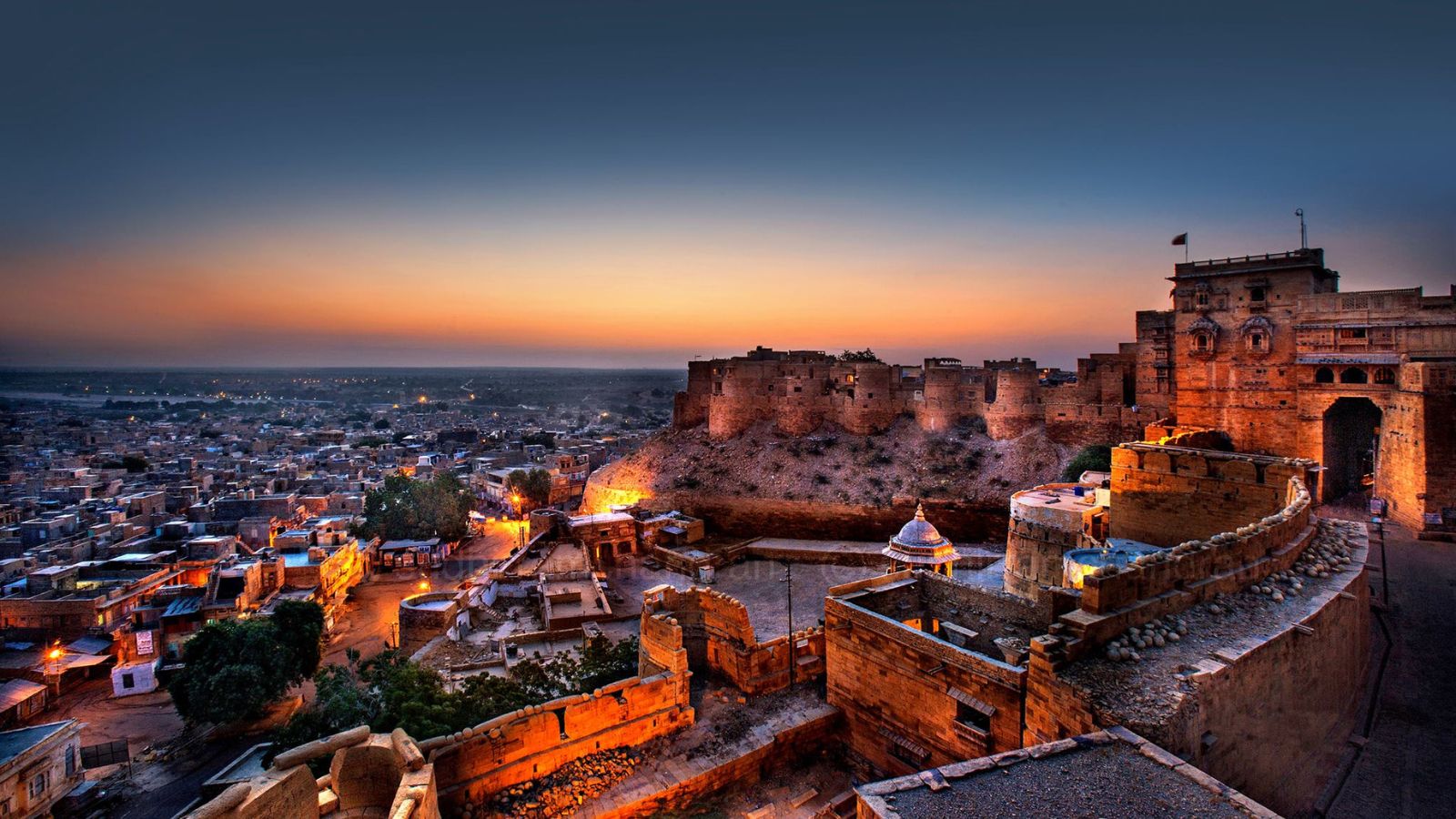
Jaisalmer Fort Rajasthan: Timings, Entry Fee & History

Rahul Garg
November 28, 2025
Visit Jaisalmer Fort (Sonar Quila). Discover timings, entry fee, history, Jain temples, and inside guide to Rajasthan's only living fort.
Jaisalmer Fort Rajasthan: Complete Visitor Guide
Jaisalmer Fort is not just another monument in Rajasthan. It is a working neighborhood, a military masterpiece, and a storytelling space where daily life still continues inside medieval walls. Built in 1156 CE by Rawal Jaisal, the fort rises above the Thar Desert on Trikuta Hill and glows golden through most of the day, which is why travelers call it Sonar Quila. If your Rajasthan circuit includes forts, add this one early in the route so you can understand how desert cities grew around trade, defense, and water management.
Many visitors combine it with a broader heritage route that includes patwon ki haveli jaisalmer and the old bazaar lanes nearby. That pairing gives a better picture of how elite merchant wealth and royal military strategy shaped Jaisalmer together. The fort rewards slow walking, not rushed sightseeing. Set aside at least half a day, because the lanes, temples, palace zones, and viewpoints all need time.

Why Jaisalmer Fort Is Historically Important
Jaisalmer once sat on major overland trade routes connecting India with Central Asia. Caravans carrying spices, silk, opium, and textiles moved across this region, and the fort controlled a strategic point in that network. Revenue from trade helped local rulers strengthen fortifications and patronize architecture. The fort also witnessed repeated sieges, political realignments, and desert warfare, yet remained occupied over centuries.
Its UNESCO recognition under the Hill Forts of Rajasthan strengthened global awareness, but the local relevance has always been strong. Families still live in the fort area, shops still open each morning, and religious sites still host worship. That “living fort” status is not a slogan. It directly changes your experience: you are not entering a dead museum, but a layered residential heritage zone that needs respectful behavior.
Architecture: What Makes Sonar Quila Different
The yellow sandstone construction gives the fort its signature tone, but the engineering is equally interesting. Jaisalmer Fort has massive defensive walls and a sequence of gateways designed to slow invaders. The approach path curves upward, reducing direct assault momentum. Bastions provide surveillance and cross-angle defense, while elevated platforms gave archers and artillery tactical advantage.
Inside, the built form shifts from military utility to fine craft. You will notice carved jharokhas, lattice screens, detailed balconies, and temple facades that show high artisan skill. The dense urban fabric of lanes and clustered homes also demonstrates climate adaptation. Thick walls, small openings, and narrow shaded streets reduce heat load in a harsh desert environment.
Travelers interested in the wider Jaipur-Jaisalmer military architecture contrast can read tanot mata mandir as a complementary story of desert defense memory in a different context.
Key Places to Explore Inside the Fort
1. Raj Mahal (Royal Palace Complex)
The palace area reveals governance, courtly life, and aesthetic preferences of Bhati rulers. Expect layered courtyards, carved facades, and elevated points with city views. If you take a guide, ask specifically about administrative halls versus private royal spaces so you can map function to design instead of only seeing decoration.
2. Jain Temples
The cluster of Jain temples inside the fort is among the most refined heritage zones in Jaisalmer. Intricate columns, sculpted ceilings, and sacred iconography reflect both craftsmanship and patronage networks. Maintain decorum: remove footwear where required, dress appropriately, and avoid intrusive photography in worship areas.
3. Fort Lanes and Living Neighborhoods
The streets themselves are part of the monument. You will pass craft shops, homes, guesthouses, and small eateries in restored historic structures. Avoid blocking entryways, and keep noise low in residential stretches. Responsible movement matters because conservation and community life share the same space.

Timings, Entry, and Practical Costs
One reason this site ranks high on most Rajasthan itineraries is flexibility. General fort access is usually open through the day because residents live inside, but museums, palace sections, and temple access points follow specific hours. Check counters on arrival for updated window times. Carry small cash for local fees, camera permissions, and guide support where applicable.
| Item | Typical Info for Visitors |
|---|---|
| Main Fort Access | Open area with no single gate-style closing like a conventional monument |
| Palace/Museum Timings | Usually daytime slots; verify locally before planning sequence |
| Temple Access | Morning to evening windows, may vary on festival days |
| Best Visit Duration | 3-5 hours for meaningful exploration |
Pairing this stop with jaisalmer shopping spots helps you plan your second half of the day efficiently without duplicating walking routes.
Best Time to Visit Jaisalmer Fort
October to March is the best season for comfort, clear light, and stable walking conditions. Day temperatures are manageable, and evening views from the fort are excellent. In summer, heat becomes extreme by late morning, so start early and avoid overpacked midday plans. Monsoon visits are possible, but occasional humidity and slippery stretches in old lanes can slow movement.
For photography, golden hour before sunset is ideal because sandstone surfaces pick up warm tones and texture definition. Morning visits are better for quieter lane exploration and temple access with lower crowd pressure.
How to Reach and Move Around
Jaisalmer city connectivity works well by train and road. From the railway station, autos and cabs can drop you near the fort entrance points. Inside the fort, you will mostly walk, so wear stable footwear with grip. If you are on a Rajasthan loop, combine transport planning with nearby Bikaner and Jodhpur segments to reduce backtracking.
Travelers building a longer region itinerary can use junagarh fort bikaner to compare structural planning between a desert hill fort and a major plain-ground fort system.
Suggested Half-Day Itinerary
- 08:30-09:00 AM: Reach the fort, quick orientation walk and gateway sequence.
- 09:00-10:30 AM: Palace and museum sections with guide-supported interpretation.
- 10:30-11:30 AM: Jain temple cluster and carved lane observations.
- 11:30 AM-12:15 PM: Local rooftop break and viewpoint photography.
- 12:15-01:00 PM: Exit toward old market or haveli circuit.
This structure keeps your energy balanced and avoids the common mistake of spending too long in one zone while missing key architectural contrasts.

Conservation, Etiquette, and Responsible Travel
Because Jaisalmer Fort is inhabited, tourism pressure directly affects drainage, waste handling, and structural stress. Responsible behavior is not optional here. Do not litter, avoid loud music, and do not lean on fragile carved edges for photos. Use authorized guides and registered shops when possible, since that supports local livelihoods linked to heritage maintenance.
Avoid drone use unless clearly permitted by current local rules. Respect restricted zones, especially around temples and private residences. If you stay in a heritage guesthouse inside the fort, confirm water-use protocols and waste practices. Small choices from each visitor reduce cumulative stress on this vulnerable ecosystem.
Common Planning Mistakes to Avoid
- Arriving at noon in peak summer and trying to cover the full fort in one stretch.
- Skipping palace or temple interpretation and treating the visit as only a photo stop.
- Ignoring local timing windows for museum and worship areas.
- Not carrying water, cap, and comfortable footwear for stone-lane walking.
- Overloading itinerary with dunes, shopping, and fort in a single rushed evening.
Jaisalmer Fort is best experienced at a deliberate pace. Give it the time it deserves, and it will become the highlight of your Rajasthan journey.
Before leaving, spend ten quiet minutes at a high viewpoint to observe color changes on the fort walls. That final pause helps you understand why this desert citadel remains one of India’s most unforgettable heritage experiences.
Location
Frequently Asked Questions
Q1.Why is Jaisalmer Fort called the Golden Fort?
Q2.Is Jaisalmer Fort the only living fort in India?
Q3.What is the entry fee for Jaisalmer Fort?
Q4.How much time is needed to explore Jaisalmer Fort?
Q5.Are cars allowed inside Jaisalmer Fort?
Q6.What are the main attractions inside Jaisalmer Fort?
Q7.Is it safe to stay inside Jaisalmer Fort?
Q8.What is the best time to visit Jaisalmer Fort?
Recommended For You
50 Amazing Facts About Rajasthan India
Discover 50 fascinating facts about Rajasthan: history, culture, forts, palaces & geography. Unknown stories about India's royal state.
Best Festivals of Rajasthan: Month-Wise Calendar & Cultural Highlights
Discover Rajasthan festivals with month-wise planning, cultural context, and practical travel tips for better event-focused routes.
Junagarh Fort Bikaner: Entry Fee, Timings & Palace Highlights
Explore Junagarh Fort Bikaner! Discover timings, entry fee, history, museum, architecture & complete travel guide to this unconquered fort.
Never Miss an Adventure
Get the latest trekking guides, travel tips, and exclusive offers delivered straight to your inbox.
