
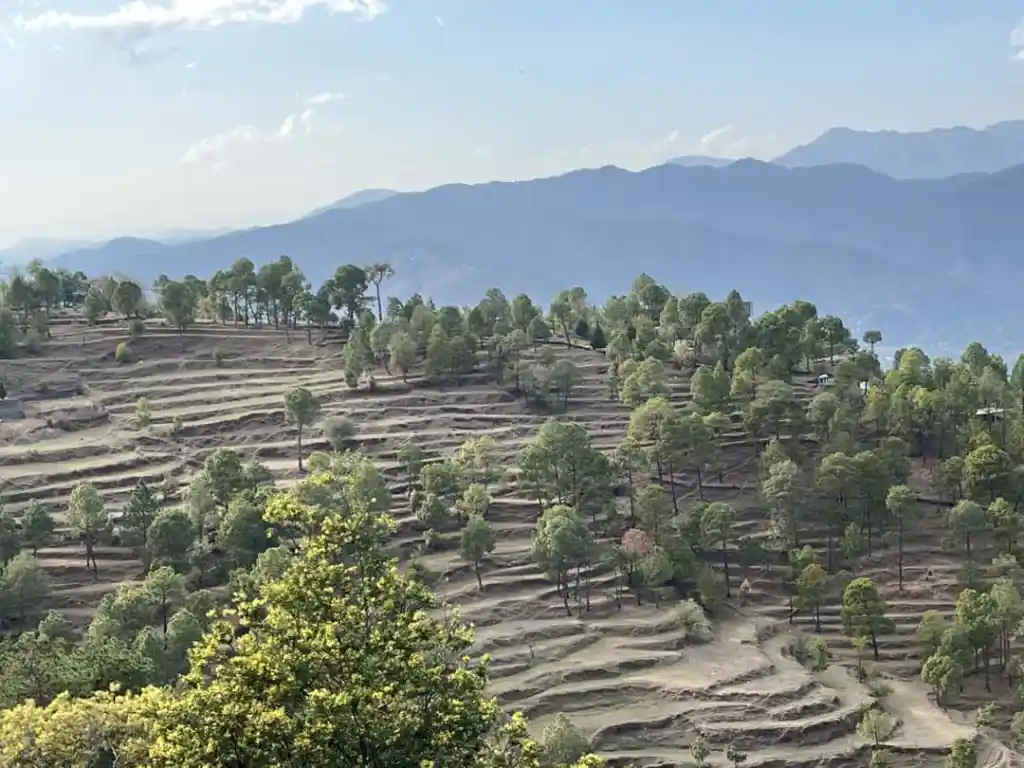
Kasar Devi: How To Reach Best Time And Attractions

Priya Mehta
January 14, 2026
Visit Kasar Devi temple in Almora! Discover travel tips, how to reach, best time, homestays, things to do & complete guide for this mystical Himalayan destination.
Kasar Devi Travel Tips: Complete Practical Guide
Kasar Devi is one of the most compelling hill experiences in Kumaon because it combines spiritual history, Himalayan views, and a slow-travel village rhythm. Travelers searching this keyword usually want clear planning answers: how to reach, where to stay, best season, what to do beyond the temple, and how many days are enough. This guide gives those answers in a practical format designed for real itineraries.
Most ranking pages focus on the “energy point” legend and stop there. A better approach is to treat Kasar Devi as a complete micro-destination: temple, ridge walks, village life, cafe culture, and nearby Almora extensions. For broader route planning, compare with best places to visit Kashmir and offbeat places in India to decide if you prefer meditative travel over activity-heavy travel.

Why Kasar Devi Stands Out
Kasar Devi is known for its peaceful atmosphere and long connection with seekers, writers, and independent travelers. The location gives wide mountain horizons and a sense of mental quiet that is increasingly rare in popular hill stations. Unlike commercial hubs, Kasar Devi rewards unhurried travel. You do not need ten attractions a day here. You need good timing, weather awareness, and intention.
The temple itself is important, but the surrounding ridges and village roads are equally meaningful. Morning and sunset windows shape the best experiences, so plan your day around light and weather instead of fixed checklists.
How to Reach Kasar Devi
The nearest major railhead is Kathgodam, and from there road transfer to Almora-Kasar Devi is the most common route. Road travel is scenic but winding, so keep buffer time. If you are arriving from Delhi, an overnight train to Kathgodam plus morning cab works well for a smooth transition.
Self-drive is possible for confident mountain drivers, but first-time visitors often prefer local cabs due to narrow curves and changing visibility in rain or fog. Keep arrival before dusk if possible, especially in monsoon or winter.
Best Time to Visit Kasar Devi
Spring (March-April): clear weather, pleasant walks, and balanced crowd levels. Summer (May-June): cooler than plains with active cafes and longer daylight. Monsoon (July-September): lush landscapes but occasional road disruptions. Autumn (October-November): excellent mountain views and quieter ambiance. Winter (December-February): cold mornings and serene low-crowd sessions.
If your trip priority is long ridge walks and viewpoints, autumn is usually the most reliable. If you want social-cafe energy and easier transport flow, late spring works well.

How Many Days Are Enough
Two nights is a practical minimum. One night feels rushed because arrival roads take time and weather can compress your activity window. With two nights, you can cover temple visit, sunrise viewpoint, village walking loops, and one nearby Almora extension comfortably. Three nights are ideal if you want slow reading/writing time, cafe sessions, and low-screen restoration.
Things to Do in and Around Kasar Devi
Temple visit and meditative pause
Visit the temple in quieter windows and keep enough time for stillness. The value here is not speed but presence. Early morning is best for lower crowd and cleaner light.
Sunrise and sunset ridge points
Carry layers and arrive early for best positioning. Sunrise gives sharper mountain contrast, while sunset adds warmer gradient tones.
Village and forest walks
Short trails around Kasar-Devi-Crank's Ridge belts are excellent for low-intensity exploration. Use sturdy shoes and avoid isolated paths after dark.
Cafe and creative time
Kasar Devi is known for long cafe sessions with books, journals, and mountain views. This is where the destination’s personality becomes most visible.

Where to Stay
Accommodation ranges from homestays and guesthouses to boutique stays around the ridge belt. Choose based on your trip style. For mountain view mornings, prioritize room orientation. For movement convenience, pick properties near main road access. Budget travelers should confirm heating options in winter months.
If you prefer longer wellness-style stays, choose quieter properties slightly away from the busiest cafe cluster and keep one day with no transport movement.
Food and Daily Comfort Tips
Food options include local meals, simple cafe menus, and mixed Indian-continental plates. Keep hydration steady due to elevation and dry air phases. In colder months, plan early dinners because some kitchens wind down sooner than city schedules.
Carry essentials: personal medicines, cash backup, offline maps, torchlight, and layered clothing. Network quality can vary by micro-location.
Budget Planning
Budget trip: basic stay plus local meals and shared transport. Mid-range trip: better view stays, private transfers, and cafe-heavy food plan. Comfort trip: boutique stay, flexible cabs, and longer relaxation windows. The key cost variable is transport, so optimize by clubbing nearby activities in one route.
Responsible Travel Notes
Kasar Devi is ecologically sensitive and culturally meaningful. Avoid loud music in temple zones, carry back all plastic waste, and support local businesses where possible. Respect resident privacy and avoid intrusive photography in village spaces.
Slow destinations survive only when visitors travel responsibly. Keep your footprint low and your time quality high.
Sample 2-Night Kasar Devi Plan
Day 1: arrive, sunset viewpoint, early dinner. Day 2: sunrise, temple, village walk, cafe session, evening ridge. Day 3: relaxed breakfast, short local stop, departure. This structure avoids rush and protects the core mood of Kasar Devi.
Final Verdict
Kasar Devi is best experienced as a restorative hill retreat, not a checklist destination. Plan for at least two nights, align your day with sunrise-sunset cycles, and keep buffer for weather. That approach delivers the real value of this place: clarity, calm, and deep mountain presence.
For travelers building a longer Uttarakhand route, you can also compare accommodation logic with Airbnbs in Rishikesh and extend your journey through other low-crowd destinations with similar pace.
Also see airbnbs in rishikesh uttarakhand for trip planning depth.
Detailed Itinerary Optimization
A stronger trip comes from sequencing, not just destination count. Keep each day focused on one core movement axis and one flexible backup option. For example, in mountain routes, start with viewpoint windows in the morning and keep denser transfers for later only if weather remains stable. This pattern protects both safety and travel satisfaction while reducing rushed decision-making.
Meal and rest planning also influence experience quality more than most travelers expect. Schedule one stable meal stop and one lighter break in every active day. Hydration and temperature management are especially important in high-altitude or coastal humidity conditions. These small decisions improve energy, photography outcomes, and your ability to adapt when plans shift.
Accommodation selection should be based on route logic, not only visuals. A scenic stay that adds two hours of daily commute can reduce overall trip quality. Prioritize location, access reliability, and essential comfort features. If remote work or calls are needed, confirm network consistency before booking. For family travel, check meal timing and heating or cooling support in advance.
When weather uncertainty is high, build a layered plan: primary route, secondary route, and local fallback loop. This avoids day loss and keeps momentum during unpredictable windows. Keep offline maps, cash backup, and emergency essentials ready. Experienced travelers treat these as standard planning, not optional extras.
If you are extending the journey, useful related reading includes best places to visit kashmir, offbeat places to visit india, airbnbs in rishikesh uttarakhand.
Local Culture and Responsible Travel
Respect for local culture improves both safety and hospitality outcomes. Dress appropriately in spiritual spaces, ask before close-up photography, and avoid high-noise behavior in quiet settlements. In sensitive ecological zones, follow no-litter discipline and avoid single-use plastics where possible. Responsible behavior helps preserve destinations and keeps local communities supportive of tourism.
Support local businesses where feasible: guides, homestays, regional eateries, and small handicraft sellers. This gives your trip stronger local value and often produces better insight than standardized tourist circuits. Authentic recommendations usually come from people who live in the destination, so leave time for conversation and flexible discovery.
Finally, maintain realistic pace. High-output itineraries look impressive on paper but often reduce enjoyment in real conditions. A good trip is not measured by maximum check-ins, but by quality of experience, safety, and meaningful memory retention. Plan smart, stay flexible, and let the destination unfold with its natural rhythm.
Location
Frequently Asked Questions
Q1.How many days are enough for Kasar Devi?
Q2.What is the best time to visit Kasar Devi?
Q3.How do I reach Kasar Devi from Delhi?
Q4.Where to stay near Kasar Devi?
Q5.Are there homestays available in Kasar Devi?
Q6.Is camping allowed at Kasar Devi?
Q7.What is special about Kasar Devi temple?
Q8.What are the things to do at Kasar Devi?
Recommended For You
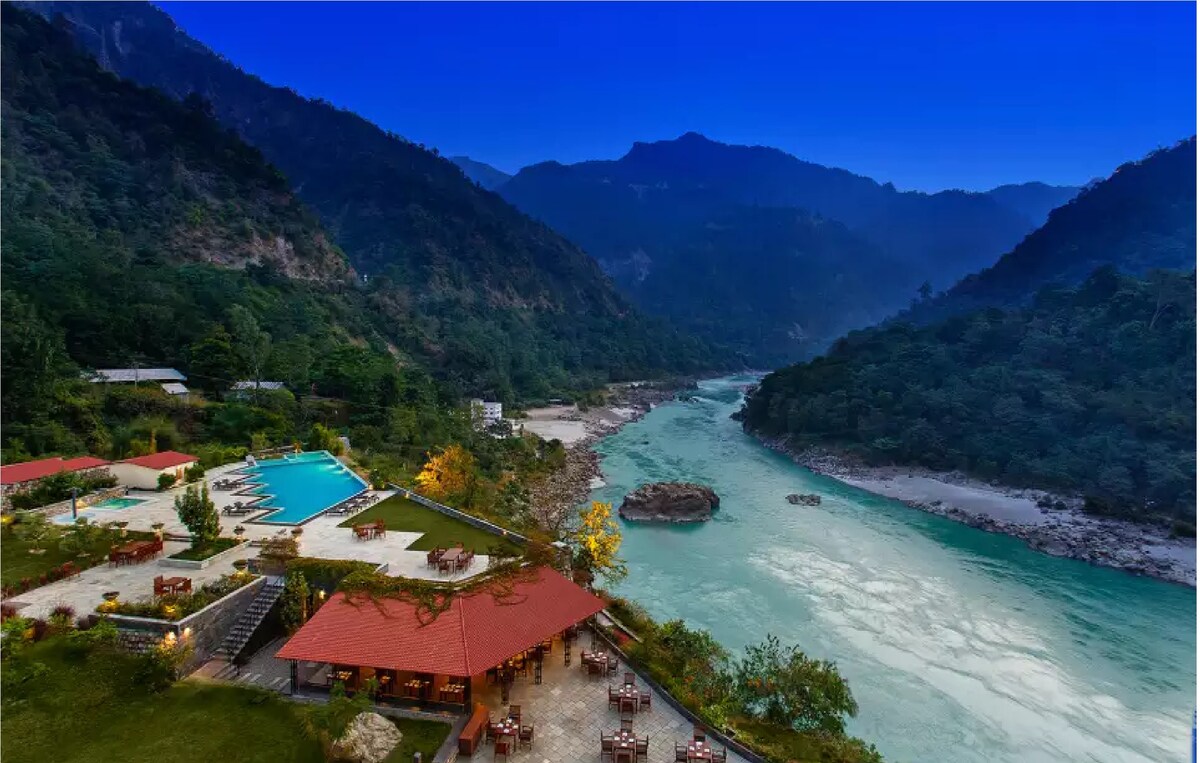
Best Airbnbs in Rishikesh: Yoga Retreats and Rafting Camps
Find the best Airbnbs in Rishikesh for yoga retreats, rafting camps, and spiritual stays with location-wise guide, pricing tips, and booking advice.
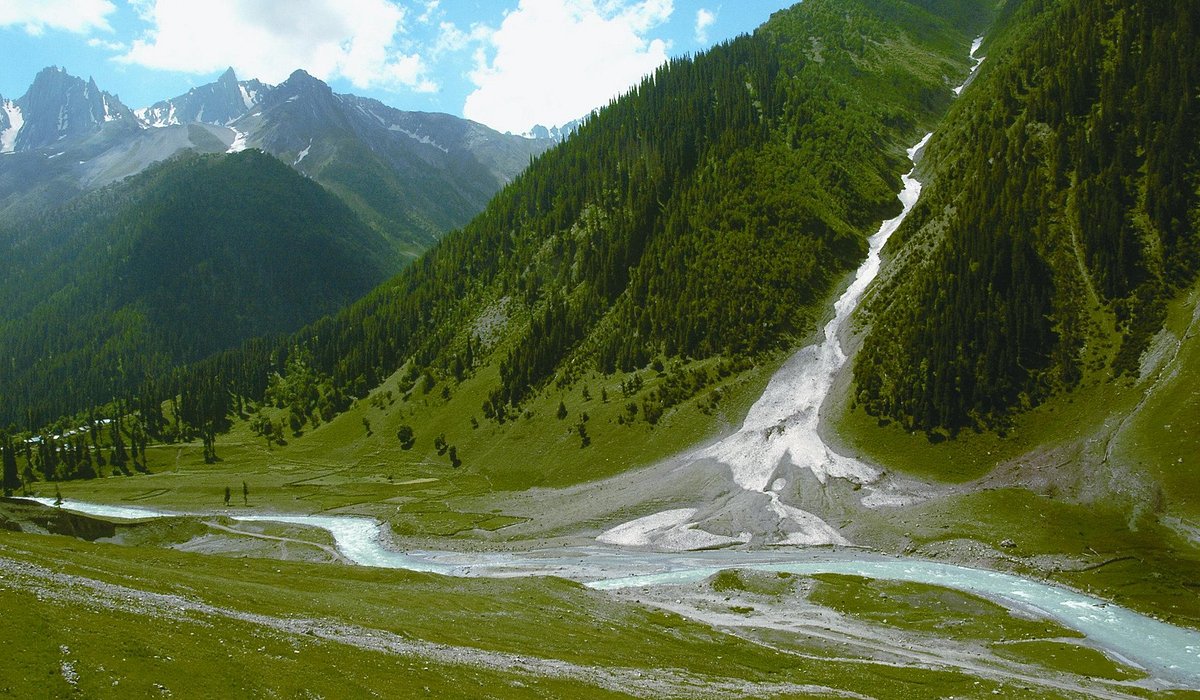
Best Places to Visit Kashmir: Complete Travel Guide 2026
Explore the best places to visit Kashmir including Srinagar Dal Lake, Gulmarg skiing, Pahalgam valleys, and complete travel guide.
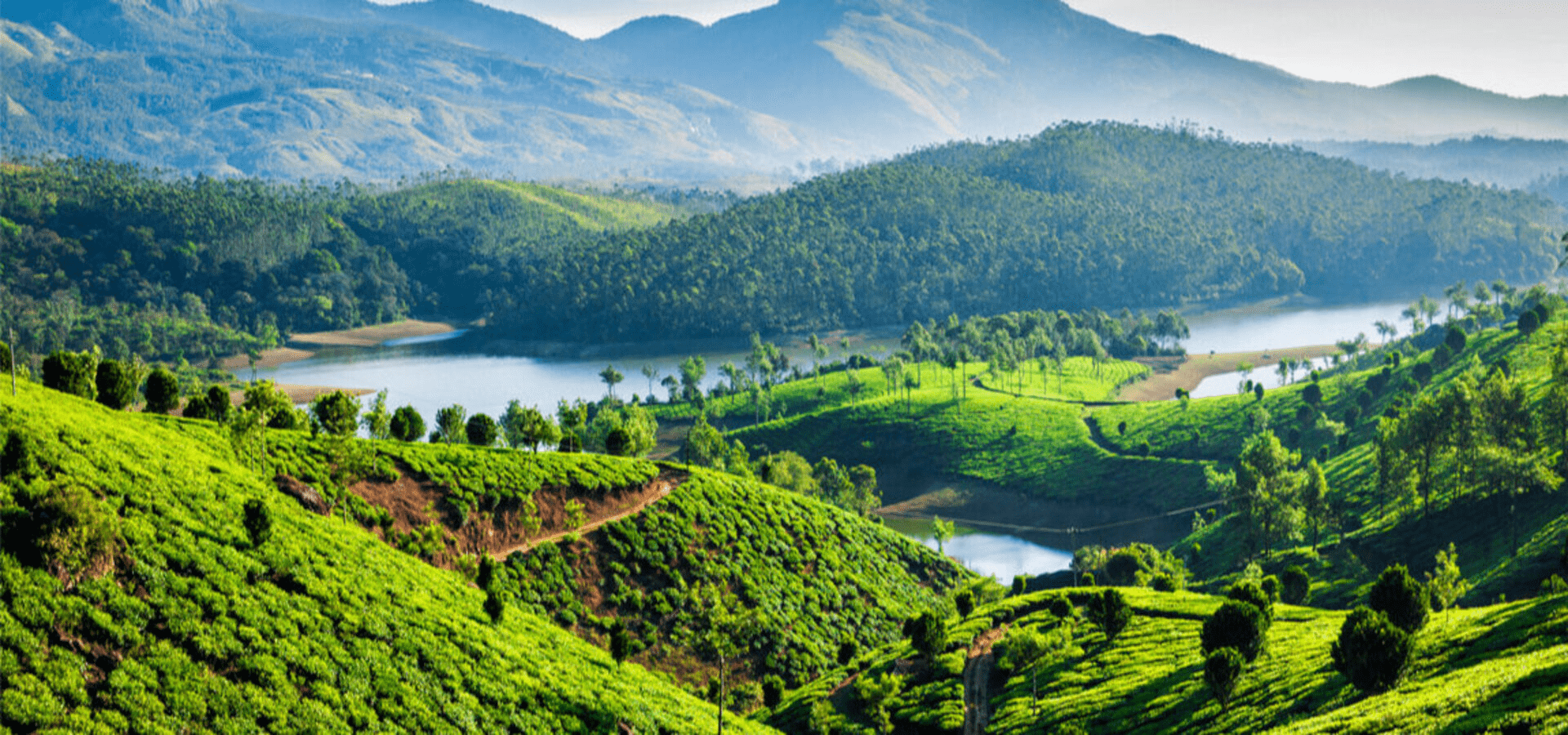
Offbeat Places to Visit in India: 50 Hidden Gems by Region
Explore 50 offbeat places to visit in India with a regional breakdown of hidden gems, less-crowded destinations, and practical travel planning tips.
Never Miss an Adventure
Get the latest trekking guides, travel tips, and exclusive offers delivered straight to your inbox.
