
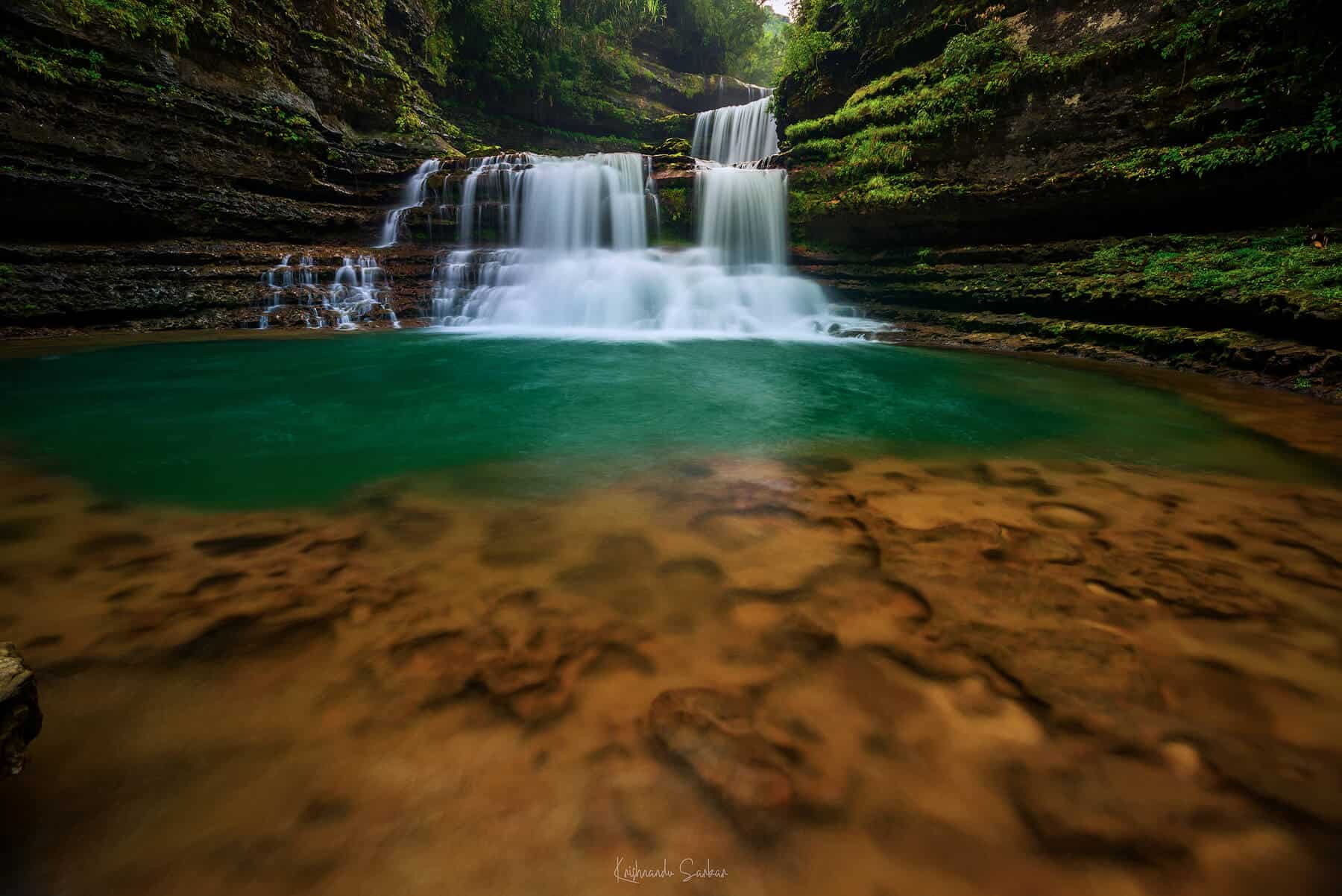
Meghalaya Hill Stations: Top 7 Places To Visit

Rahul Garg
February 18, 2026
Explore 7 spectacular hill stations in Meghalaya including Shillong, Cherrapunji, Mawsynram, Tura, Jowai, Mawlynnong, and Baghmara. Complete travel guide with attractions, best time to visit, stay options, and practical tips.
Introduction: Exploring Meghalaya's Enchanting Hill Stations
Nestled in the northeastern corner of India, Meghalaya aptly earns its name as the "Abode of Clouds." This pristine state, often called the Scotland of the East, is home to some of India's most captivating hill stations. From the wettest places on Earth to pristine villages and panoramic peaks, Meghalaya's hill stations offer a perfect blend of natural beauty, unique culture, and adventure.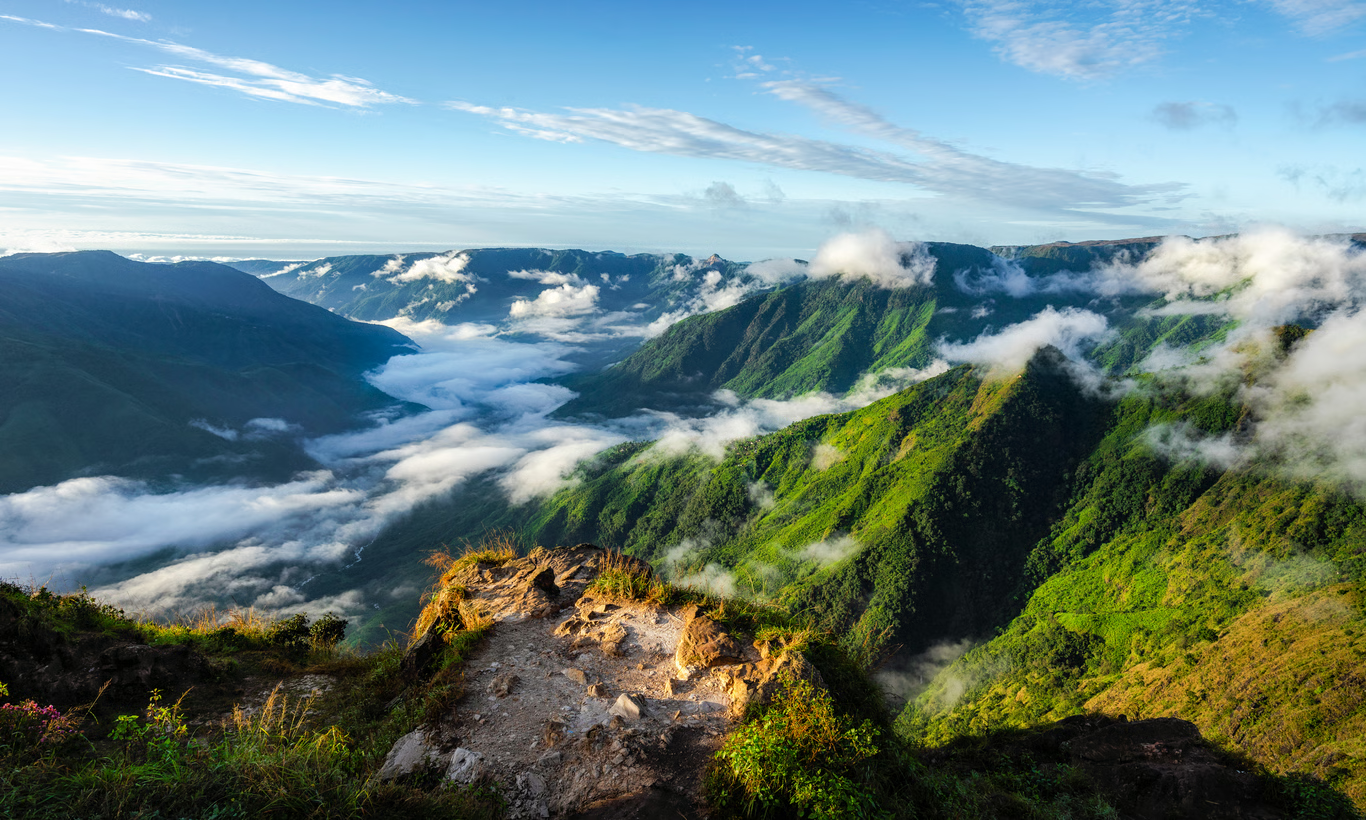 What sets Meghalaya apart is its remarkable diversity in hill station experiences. Within a single state, you'll find everything from bustling colonial-era towns to remote villages that seem frozen in time. The living root bridges, cascading waterfalls, and unique Khasi culture add layers of fascination to every destination.
The best time to visit Meghalaya is during the winter months (October to April) when the weather is pleasant and ideal for exploration. However, each season brings its own charm – monsoons transform the region into a lush green paradise, though travel can be challenging due to heavy rainfall.
This comprehensive guide covers seven spectacular hill stations that showcase Meghalaya's incredible diversity. Whether you're a nature enthusiast, adventure seeker, or cultural explorer, these destinations promise unforgettable experiences.
What sets Meghalaya apart is its remarkable diversity in hill station experiences. Within a single state, you'll find everything from bustling colonial-era towns to remote villages that seem frozen in time. The living root bridges, cascading waterfalls, and unique Khasi culture add layers of fascination to every destination.
The best time to visit Meghalaya is during the winter months (October to April) when the weather is pleasant and ideal for exploration. However, each season brings its own charm – monsoons transform the region into a lush green paradise, though travel can be challenging due to heavy rainfall.
This comprehensive guide covers seven spectacular hill stations that showcase Meghalaya's incredible diversity. Whether you're a nature enthusiast, adventure seeker, or cultural explorer, these destinations promise unforgettable experiences.
1. Shillong - Scotland of the East
As Meghalaya's capital and largest hill station, Shillong perfectly encapsulates the state's unique charm. Perched at an altitude of 1,496 meters, this cosmopolitan town served as the capital of Assam during the British era and retains much of its colonial character.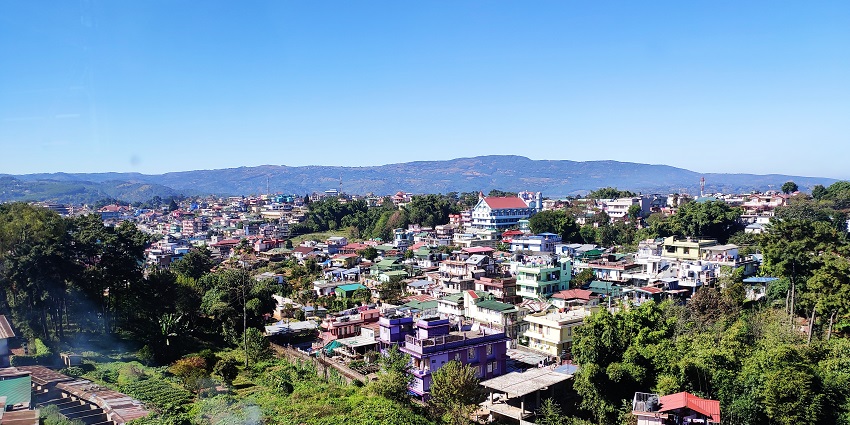
Why Visit Shillong
Shillong offers the perfect introduction to Meghalaya's hill station experience. The town boasts excellent infrastructure, diverse accommodation options, and a vibrant cultural scene. Its pleasant year-round climate makes it an ideal escape from India's sweltering plains. The town's unique location creates a captivating atmosphere where rolling hills meet urban sophistication. The vibrant Police Bazar offers shopping and dining experiences that blend Khasi traditions with modern influences.Top Attractions in Shillong
Ward's Lake: This charming artificial lake in the heart of town is perfect for leisurely boat rides. The surrounding gardens offer a peaceful retreat from the bustling streets, with colorful flowers and well-maintained walking paths. Shillong Peak: At 1,965 meters, this is the highest point in Shillong. On clear days, the peak offers panoramic views of the entire city and surrounding hills. The viewpoint is particularly stunning at sunset. Elephant Falls: Located just outside the city, these three-tiered waterfalls cascade through lush greenery. The falls are easily accessible and provide excellent photo opportunities. A must-visit for nature lovers. Don Bosco Museum: For those interested in Northeast India's rich culture, this museum houses an impressive collection of artifacts from across the region's tribes. The seven-story building showcases traditional costumes, weapons, and musical instruments. Laitlum Canyons: Just outside Shillong, these breathtaking canyons offer some of the most spectacular views in Meghalaya. The rolling hills extending to the horizon create a mesmerizing landscape perfect for photography enthusiasts.Best Time to Visit Shillong
October to April offers the most pleasant weather, with clear skies and comfortable temperatures. March and April are particularly beautiful when the cherry blossoms bloom across the town.| Season | Months | Temperature | Highlights |
|---|---|---|---|
| Winter | Oct - Mar | 10°C - 20°C | Pleasant weather, clear skies, perfect for sightseeing |
| Summer | Apr - Jun | 15°C - 25°C | Cherry blossoms, moderate climate, ideal for outdoor activities |
| Monsoon | Jul - Sep | 18°C - 23°C | Lush greenery, heavy rainfall, challenging travel conditions |
Things to Do in Shillong
• Explore the vibrant Police Bazar market for local handicrafts and souvenirs • Enjoy boating at Ward's Lake during golden hour • Trek to Shillong Peak for panoramic city views • Visit the Butterfly Museum to see rare species • Play golf at one of India's oldest golf courses • Sample Khasi cuisine at local restaurants • Day trip to Cherrapunji for waterfall exploration • Experience Shillong's growing nightlife sceneStay Options in Shillong
Shillong offers accommodation ranging from luxury heritage properties to budget guesthouses. The homestays in Shillong provide authentic Khasi hospitality and cultural experiences. For luxury seekers, several colonial-era hotels offer period charm with modern amenities.How to Reach Shillong
By Air: The nearest airport is Guwahati (120 km away). Regular taxis and shared cabs connect Guwahati to Shillong in approximately 3-4 hours. The road trip from Guwahati to Shillong offers scenic views of the hills. By Road: Excellent road connectivity connects Shillong to Guwahati via NH 40. State transport buses and private taxis operate regularly on this route.2. Cherrapunji - The Wettest Place on Earth
Located just 54 kilometers from Shillong, Cherrapunji (locally known as Sohra) holds the record for being one of the wettest places on Earth. This small town receives an average annual rainfall of 11,777 millimeters, creating a landscape of extraordinary beauty.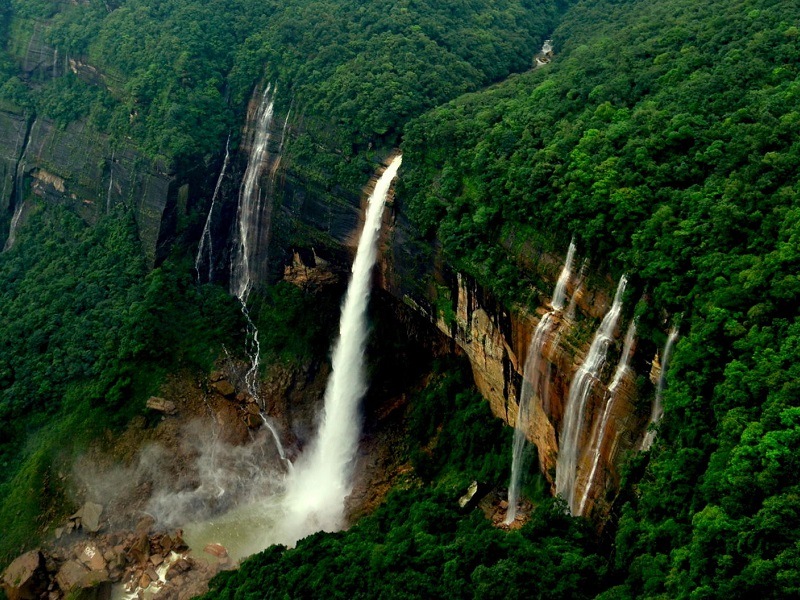
Why Visit Cherrapunji
Cherrapunji's unique climate has created a landscape unlike anywhere else on Earth. The constant rainfall has carved spectacular gorges, created countless waterfalls, and nurtured lush subtropical forests. Despite the rainfall, Cherrapunji often faces water shortages – a fascinating paradox that makes this place even more intriguing. The town is also famous for its living root bridges – extraordinary bioengineering marvels created by the Khasi people using the roots of the rubber fig tree. These bridges, some over 500 years old, strengthen over time and can withstand the monsoon's fury.Top Attractions in Cherrapunji
Nohkalikai Falls: Plunging 335 meters, this is India's tallest waterfall. The falls create a spectacular sight, especially during monsoon when the water volume increases dramatically. The pool below has developed an intriguing green color due to minerals in the water. Seven Sisters Falls (Nohsngithiang Falls): These seven segmented cascades create a mesmerizing spectacle during the monsoon. The falls are best viewed from a viewpoint that offers a panoramic perspective of all seven streams. Mawsmai Cave: One of Meghalaya's most accessible caves, Mawsmai offers a fascinating underground adventure. The limestone formations, stalactites, and stalagmites create otherworldly patterns that captivate visitors. The cave is well-lit and suitable for beginners. Double Decker Living Root Bridge: Located in Nongriat village, this incredible bridge is actually two bridges stacked one above the other. The trek to reach it involves 3,000 steep steps through lush valleys, but the reward is worth every effort. This is perhaps Meghalaya's most iconic attraction. Dainthlen Falls: Less crowded than other falls, Dainthlen offers a serene experience. A short trek leads to the falls, where you can also see ancient rock carvings and enjoy the peaceful surroundings.Best Time to Visit Cherrapunji
While Cherrapunji is spectacular during monsoon, travel can be challenging due to landslides. The post-monsoon months (October to November) offer lush greenery with more manageable conditions. Winter (December to February) provides clear skies for unobstructed views.Things to Do in Cherrapunji
• Trek to the famous Double Decker Root Bridge in Nongriat • Explore the fascinating Mawsmai Cave system • Witness the majestic Nohkalikai Falls from various viewpoints • Visit the Ramakrishna Mission for spiritual solace and stunning views • Trek to the waterfalls of Cherrapunji including Seven Sisters Falls • Experience the unique Eco Park for panoramic landscapes • Shop for local handicrafts and bamboo products • Stay in a traditional Khasi homestay • Visit the beautiful Mawkdok Dympep Valley viewpoint • Explore the living root bridges in surrounding villagesStay Options in Cherrapunji
Accommodation ranges from comfortable hotels to basic guesthouses. For an authentic experience, consider staying in a village homestay. Some properties offer stunning views of the plains of Bangladesh, visible on clear days.Distance from Shillong
54 kilometers via NH 206. The drive takes approximately 1.5 to 2 hours, offering scenic views of rolling hills and waterfalls along the way. Shared taxis and private cabs are readily available from Shillong.3. Mawsynram - Wettest Place on Earth
Just 15 kilometers from Cherrapunji lies Mawsynram, which holds the Guinness World Record for being the wettest place on Earth. This small village receives an average annual rainfall of 11,872 millimeters, creating an otherworldly atmosphere of perpetual mist and greenery.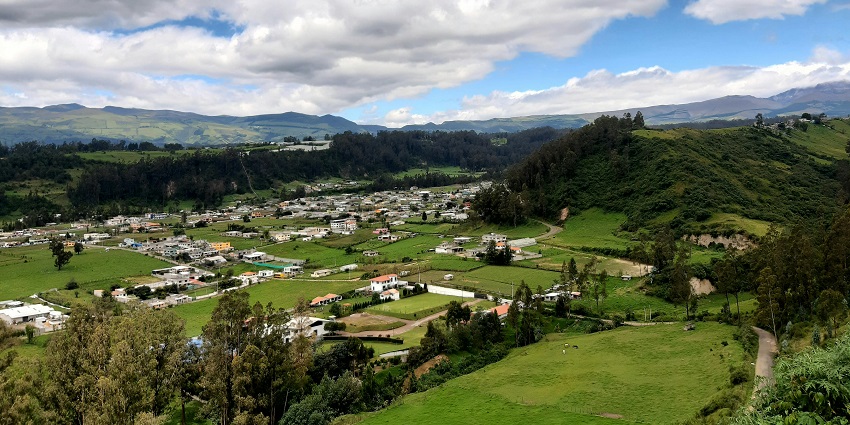
Why Visit Mawsynram
Mawsynram offers a raw, unspoiled experience of nature's power. The constant rainfall has created a unique ecosystem where moss-covered boulders, subtropical forests, and cascading streams create a mystical atmosphere. Unlike more developed tourist destinations, Mawsynram retains its authentic village character. The village's remote location and challenging weather conditions have kept mass tourism at bay, making it perfect for travelers seeking off-the-beaten-path experiences. The Khasi people here maintain traditional lifestyles, offering visitors genuine cultural encounters.Top Attractions in Mawsynram
Mawjymbuin Cave: This sacred cave contains a stalagmite shaped like a Shivalinga, making it an important pilgrimage site for Hindus. The cave's geological formations are fascinating, and the local legends add to its mystical appeal. Mawsynram Village: Simply walking through this village is an experience. The traditional Khasi houses, slate roofs, and perpetual mist create an atmosphere unlike anywhere else. The village offers insights into how people adapt to extreme rainfall conditions. Scenic Viewpoints: Several viewpoints around Mawsynram offer breathtaking views of the surrounding hills and valleys. On rare clear days, you can see for miles across the rolling landscape.Best Time to Visit Mawsynram
The post-monsoon months (October to November) and winter (December to February) offer the most accessible conditions. However, be prepared for rain at any time of year – it's the wettest place on Earth, after all!Things to Do in Mawsynram
• Explore the sacred Mawjymbuin Cave • Walk through the traditional village and observe Khasi architecture • Experience the unique climate of the world's wettest place • Trek through the surrounding subtropical forests • Visit local markets selling traditional Khasi handicrafts • Photograph the moss-covered landscapes and unique rock formations • Interact with local Khasi families and learn about their culture • Enjoy the peaceful, misty atmosphereStay Options in Mawsynram
Accommodation is basic but authentic. Homestays with local Khasi families offer the best experience, providing simple meals and warm hospitality. Alternatively, many travelers base themselves in Cherrapunji and make a day trip to Mawsynram.Distance from Shillong
Approximately 65 kilometers from Shillong, the journey takes about 2-2.5 hours by road. The route passes through Cherrapunji, making it convenient to combine both destinations in a single trip.4. Tura - Garo Hills Gem
Located in the West Garo Hills district, Tura offers a different perspective on Meghalaya's hill station experience. At an elevation of 1,200 meters, this town serves as the gateway to exploring the Garo Hills region and its unique culture.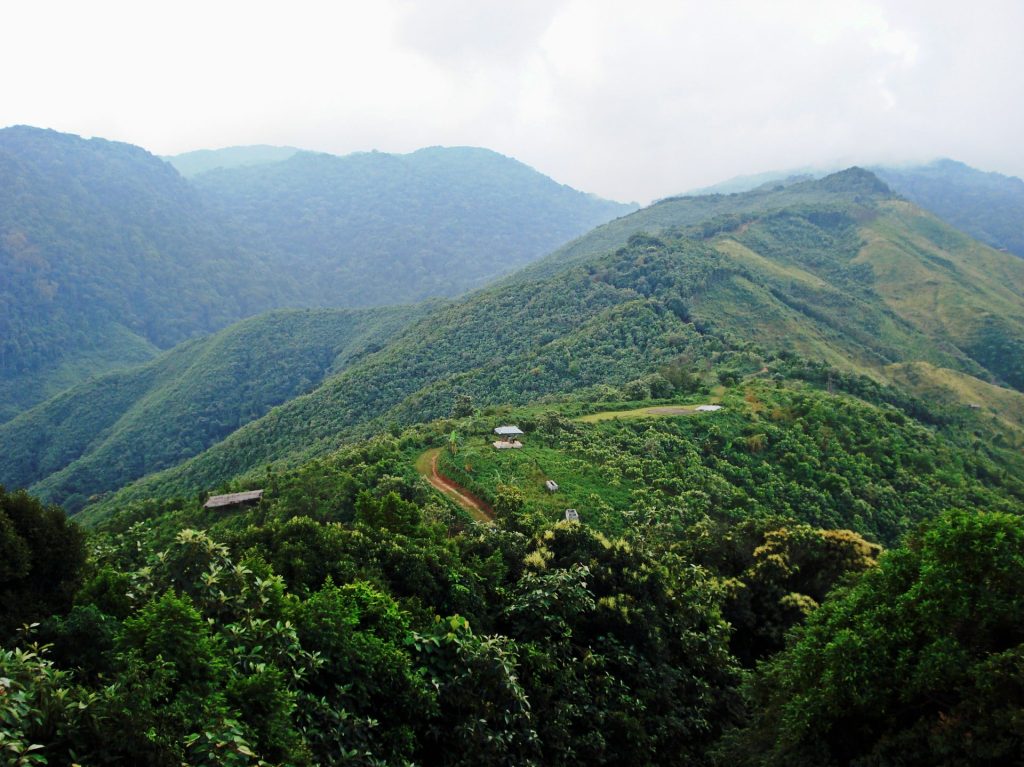
Why Visit Tura
Tura provides a quieter, less touristy alternative to Meghalaya's more popular destinations. The Garo Hills region boasts distinct traditions, language, and customs from the Khasi-dominated areas around Shillong. The town's relaxed pace and friendly locals create a welcoming atmosphere for cultural immersion. The surrounding area offers exceptional natural beauty, including sacred groves, wildlife sanctuaries, and panoramic mountain viewpoints. Tura serves as an excellent base for exploring the Balpakram National Park, known as the "land of eternal wind."Top Attractions in Tura
Tura Peak: At 872 meters, this peak offers stunning 360-degree views of the Garo Hills. The trek to the summit passes through lush forests and is moderately challenging. On clear days, you can see the plains of Bangladesh shimmering in the distance. Nokrek National Park: A UNESCO Biosphere Reserve, this park protects the endangered red panda and other rare species. The park's pristine forests and diverse wildlife make it a must-visit for nature enthusiasts and trekkers. Rongbang Dare Waterfall: Located approximately 25 kilometers from Tura, this picturesque waterfall is especially spectacular during monsoon. The surrounding area offers excellent picnic spots and opportunities for nature photography.Best Time to Visit Tura
October to May offers the most pleasant weather. Winter months (December to February) can be cool but comfortable. Avoid the monsoon season (June to September) when heavy rains can disrupt travel plans.Things to Do in Tura
• Trek to Tura Peak for panoramic Garo Hills views • Explore Balpakram National Park and its wildlife • Visit the Rongbang Dare Waterfall • Experience Garo tribal culture and traditions • Explore the local markets for unique handicrafts • Visit traditional Garo villages in the surrounding area • Birdwatching in the lush forests • Photography of the stunning landscapesStay Options in Tura
Accommodation includes government guesthouses, mid-range hotels, and basic homestays. Options are more limited compared to Shillong, but hospitality is warm and genuine.How to Reach Tura
By Road: Tura is approximately 320 kilometers from Shillong. The journey takes 7-8 hours by road through scenic hill terrain. Alternatively, regular buses connect Tura to Guwahati (about 220 kilometers away). The nearest railway station is Guwahati, and the nearest airport is Lokpriya Gopinath Bordoloi International Airport in Guwahati.5. Jowai - Hidden Paradise
Located in the Jaintia Hills district, Jowai serves as the headquarters of this culturally rich region. At an elevation of 1,380 meters, this picturesque town offers stunning landscapes, unique caves, and authentic Jaintia culture.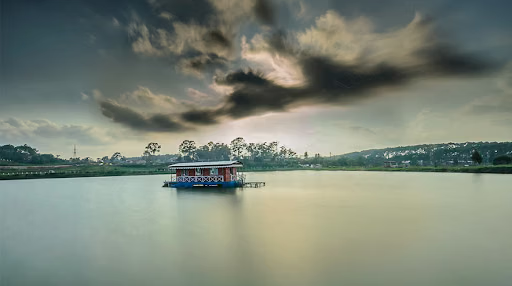
Why Visit Jowai
Jowai represents the lesser-explored side of Meghalaya, perfect for travelers seeking authentic experiences away from tourist crowds. The Jaintia Hills region boasts distinctive traditions, including ancient megaliths, sacred groves, and fascinating cave systems. The town's setting around the beautiful Myntdu River creates a serene atmosphere. The surrounding hills offer numerous trekking opportunities, and the region's unique geology has created some of India's most interesting cave formations.Top Attractions in Jowai
Thadlaskein Lake: This sacred artificial lake was traditionally believed to have been created with the tips of bows by Jaintia warriors. The tranquil waters reflect the surrounding hills, creating a peaceful setting perfect for relaxation and contemplation. Syntu Ksiar: A beautiful garden and picnic spot on the banks of the Myntdu River. The area offers excellent views of the river and surrounding valleys. It's particularly beautiful during spring when flowers are in bloom. Nartiang Monoliths: This collection of ancient monoliths represents one of Meghalaya's most important archaeological sites. Some monoliths date back over 600 years and stand as silent witnesses to the region's rich history.Best Time to Visit Jowai
October to April offers the best conditions for exploring Jowai and its surroundings. The weather is pleasant, and clear skies provide excellent visibility for sightseeing and photography.Things to Do in Jowai
• Explore the ancient Nartiang Monoliths • Enjoy peaceful moments at Thadlaskein Lake • Visit local Jaintia villages and experience traditional culture • Trek through the surrounding Jaintia Hills • Explore cave systems in the region • Photography of the stunning landscapes • Visit the local market for unique Jaintia handicraftsStay Options in Jowai
Accommodation options include guesthouses and homestays that offer basic but comfortable facilities. For a more authentic experience, consider arranging a village homestay through local contacts.Distance from Shillong
Approximately 60 kilometers from Shillong, the journey takes about 1.5 to 2 hours by road. The route offers scenic views of rolling hills and traditional villages.6. Mawlynnong - Cleanest Village in Asia
Nestled in the East Khasi Hills, Mawlynnong has earned international recognition as the cleanest village in Asia. This remarkable village demonstrates how community initiative can create something truly extraordinary.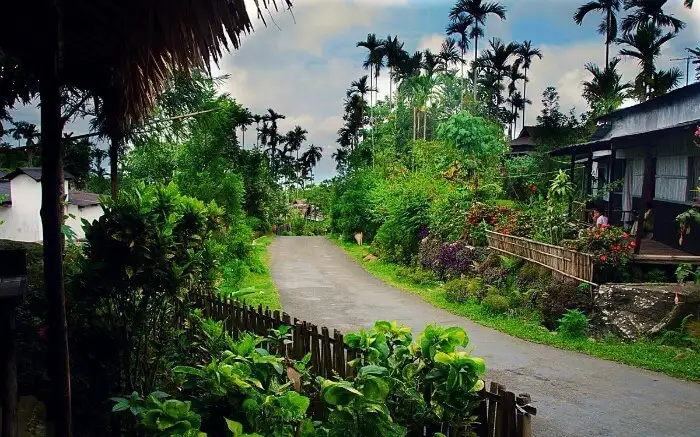
Why Visit Mawlynnong
Mawlynnong offers more than just cleanliness – it provides a window into a community that has successfully combined traditional Khasi values with modern environmental consciousness. The village's streets are spotless, gardens beautifully maintained, and every home features colorful flowers. What makes Mawlynnong truly special is that this cleanliness isn't for tourists – it's a way of life. The village community takes pride in maintaining their surroundings, making it a model for sustainable living that the world can learn from.Top Attractions in Mawlynnong
Living Root Bridge: Just outside the village, this impressive root bridge showcases the Khasi people's bioengineering genius. Unlike the more famous bridges in Cherrapunji, this one is easily accessible and less crowded. Sky Walk: A bamboo structure elevated high in the trees offers panoramic views of the surrounding villages and Bangladesh plains. On clear days, you can see for miles across the landscape. Balancing Rock: This fascinating geological formation features a large boulder balanced precariously on a smaller rock base. It has remained in this position for centuries, defying gravity and explanation. Waterfalls: Several small waterfalls in the surrounding area offer beautiful settings for nature walks and picnics. The falls are most impressive during and after the monsoon season.Best Time to Visit Mawlynnong
October to April offers pleasant weather for exploring the village and surrounding attractions. The village is beautiful year-round, but monsoon season can make trekking challenging.Things to Do in Mawlynnong
• Walk through the immaculate village streets • Visit the famous living root bridge • Climb the Sky Walk for panoramic views • See the mysterious Balancing Rock • Interact with friendly villagers and learn about their community • Enjoy nature walks to nearby waterfalls • Experience traditional Khasi hospitality • Buy handmade crafts and bamboo products • Learn about the village's waste management system • Enjoy a picnic in the beautiful surroundingsStay Options in Mawlynnong
Homestays with local families offer the most authentic experience. These are basic but clean, with home-cooked Khasi meals included. Some guesthouses provide more modern amenities for those who prefer greater comfort.Distance from Shillong
Approximately 90 kilometers from Shillong, the journey takes about 2.5 to 3 hours by road. Many travelers combine Mawlynnong with a visit to Dawki, which is en route.7. Baghmara - South Garo Hills Gateway
Located near the Bangladesh border in the South Garo Hills district, Baghmara serves as the headquarters of this remote but beautiful region. At an elevation of approximately 300 meters, it offers a different, more tropical hill station experience.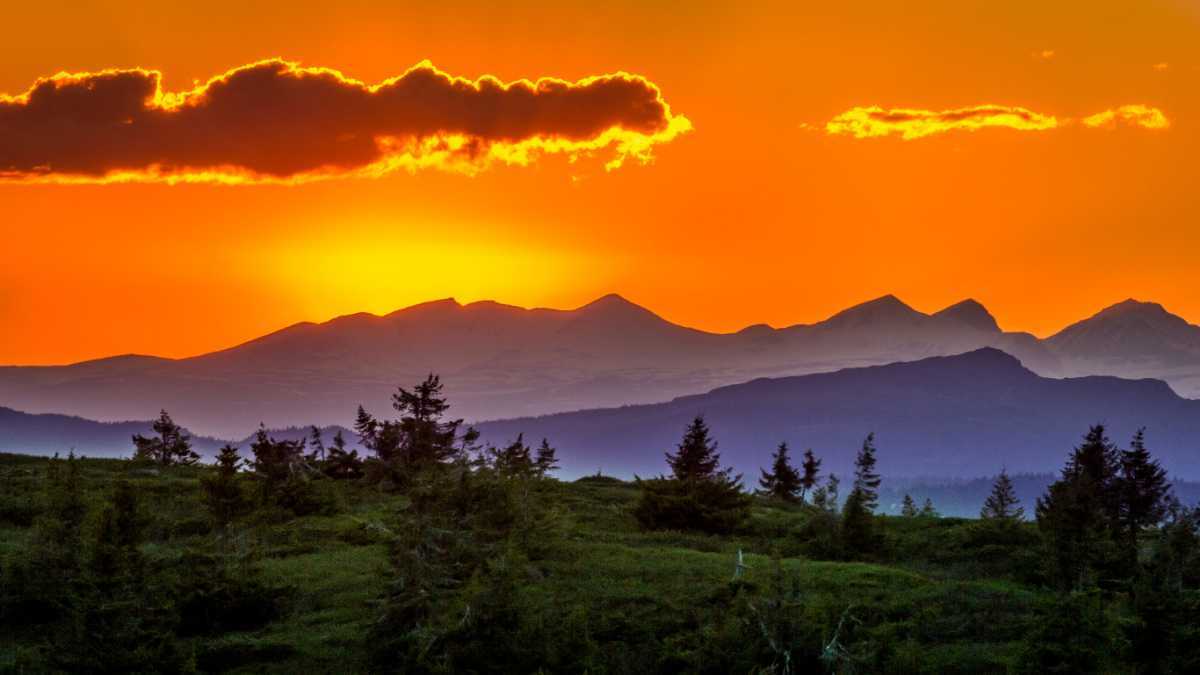
Why Visit Baghmara
Baghmara provides access to some of Meghalaya's most unique natural attractions, including the Balpakram National Park and the Siju Cave system. The town's remote location means fewer tourists and more authentic cultural experiences. The region's unique geography creates a distinct ecosystem where subtropical forests meet rocky outcrops. The area is particularly rich in wildlife, making it a paradise for nature enthusiasts and wildlife photographers.Top Attractions in Baghmara
Siju Cave: Known as the "cave of bats," this limestone cave system is one of India's longest. The caves feature stunning stalactite and stalagmite formations, underground streams, and thousands of bats. Exploring Siju is a genuine adventure. Baghmara Reserve Forest: This protected area near the town is home to elephants, langurs, and numerous bird species. Guided treks offer opportunities for wildlife spotting and nature photography. Simsang River: This beautiful river flows near Baghmara, offering opportunities for fishing, boating, and riverside picnics. The riverbanks are perfect for relaxing and enjoying the natural surroundings.Best Time to Visit Baghmara
November to May offers the best conditions for exploring Baghmara and its surroundings. Winter months are pleasant, though nights can be cool. Avoid the monsoon season when heavy rains make travel difficult.Things to Do in Baghmara
• Explore the fascinating Siju Cave system • Visit Balpakram National Park for wildlife viewing • Trek through the Baghmara Reserve Forest • Enjoy fishing and boating on the Simsang River • Experience traditional Garo culture • Visit local markets for unique handicrafts • Birdwatching in the lush forests • Photography of the unique landscapes and wildlifeStay Options in Baghmara
Accommodation is limited but adequate. Government guesthouses, small hotels, and homestays provide basic facilities. For the best experience, arrange accommodation through local tourism offices or contacts.How to Reach Baghmara
By Road: Baghmara is approximately 460 kilometers from Shillong. The journey takes about 10-11 hours by road through challenging terrain. Alternatively, it's about 170 kilometers from Guwahati, though the roads can be rough. The nearest airport is in Guwahati, and the nearest railway station is also in Guwahati. From there, you'll need to travel by road to reach Baghmara.Best Time to Visit Meghalaya Hill Stations
Meghalaya's hill stations can be visited year-round, but each season offers a different experience. Understanding the seasonal variations will help you plan the perfect trip.Winter (October to March)
Winter is undoubtedly the best time to visit Meghalaya's hill stations. The weather is pleasant, with clear skies offering excellent visibility for sightseeing and photography. Daytime temperatures range from 10°C to 20°C, perfect for outdoor activities and exploration. Winter is ideal for trekking to remote areas, exploring caves, and visiting viewpoints. The post-monsoon landscape remains lush and green, while the lack of rainfall makes roads more accessible and travel safer.Summer (April to June)
Summer brings moderate temperatures (15°C to 25°C) and occasional showers. The landscape remains relatively green, and tourist crowds are thinner compared to winter. This is an excellent time for budget travelers as accommodation prices are often lower. March and April are particularly beautiful in Shillong when cherry blossoms bloom across the town, creating a spectacular pink canopy.Monsoon (July to September)
The monsoon season transforms Meghalaya into a lush green paradise, but travel becomes challenging. Heavy rainfall can cause landslides, road closures, and difficult trekking conditions. However, waterfalls reach their full glory during this time, creating spectacular scenes. If you visit during monsoon, be prepared for travel disruptions, pack appropriate rain gear, and build flexibility into your itinerary. Some remote areas may be inaccessible.Recommended Trip Duration
For a comprehensive Meghalaya hill station experience, plan 7-10 days. This allows you to explore Shillong, Cherrapunji, and Mawlynnong at a comfortable pace. If you're including Tura or Baghmara, extend your trip to 12-14 days.How to Plan Your Meghalaya Hill Stations Trip
Route Option 1: Classic Circuit (7 Days)
Days 1-3: ShillongArrive in Shillong and explore its attractions including Ward's Lake, Shillong Peak, Elephant Falls, and the Don Bosco Museum. Experience the vibrant Police Bazar and enjoy Khasi cuisine. Days 4-5: Cherrapunji
Drive to Cherrapunji and explore Nohkalikai Falls, Seven Sisters Falls, and Mawsmai Cave. Trek to the Double Decker Root Bridge (requires a full day). Day 6: Mawlynnong
Visit Mawlynnong village, see the living root bridge, and experience Asia's cleanest village. Continue to Dawki if time permits. Day 7: Return to Shillong
Return to Shillong for departure or extend your stay to explore more of Shillong's attractions.
Route Option 2: Extended Exploration (10 Days)
This route includes the Classic Circuit plus additional exploration: Days 1-3: Shillong – As aboveDays 4-6: Cherrapunji – Extended exploration including Mawsynram
Days 7-8: Mawlynnong and Dawki – Visit the cleanest village and the crystal-clear Umngot River
Days 9-10: Jowai – Explore the Jaintia Hills and Nartiang Monoliths
Route Option 3: Quick Weekend (3-4 Days)
Day 1: Arrive in ShillongDay 2: Shillong sightseeing
Day 3: Day trip to Cherrapunji
Day 4: Return
Practical Travel Tips
Transportation: Hire a private car with driver for the most flexibility. Shared taxis are available between major towns but operate on fixed schedules. Self-driving is possible but challenging due to hilly terrain and weather conditions. Permits: Indian nationals do not require Inner Line Permits (ILP) to visit Meghalaya. However, foreign nationals must register with the Foreigner's Registration Office (FRO) within 24 hours of arrival. Packing: Pack layers as temperatures can vary significantly between day and night. Rain gear is essential year-round, even in winter. Comfortable walking shoes with good grip are crucial for trekking and exploring caves. Connectivity: Mobile connectivity is available in major towns but can be unreliable in remote areas. Airtel and Jio have the best coverage. Download offline maps and carry physical copies of important information. Cash: ATMs are available in Shillong and major towns but can be unreliable in remote areas. Carry sufficient cash, especially when visiting villages. Respect Local Culture: Meghalaya has a matrilineal society where women inherit property. Dress modestly, especially when visiting villages and religious sites. Always ask permission before photographing people. Sustainable Tourism: Help maintain Meghalaya's pristine environment by avoiding single-use plastics, disposing of waste properly, and supporting local businesses and homestays.Conclusion: Discover Meghalaya's Hill Station Magic
Meghalaya's seven hill stations offer an incredible diversity of experiences that cater to every type of traveler. From the cosmopolitan charm of Shillong to the pristine beauty of Mawlynnong, from the record-breaking rainfall of Cherrapunji and Mawsynram to the cultural richness of Jowai and the Garo Hills – each destination has something unique to offer. What makes Meghalaya truly special is not just its natural beauty but the warmth of its people, the richness of its culture, and the sustainability of its traditional practices. The living root bridges symbolize the harmony between humans and nature that defines this remarkable state. Whether you're seeking adventure, cultural immersion, or simply a peaceful escape into nature, Meghalaya's hill stations promise experiences that will stay with you long after you've returned home. The state's unique blend of natural wonders, traditional wisdom, and genuine hospitality creates travel memories unlike anywhere else in India. Plan your visit carefully, respect local customs, and embrace the magic of the "Abode of Clouds." Meghalaya's hill stations are waiting to show you why this corner of Northeast India is one of the country's most enchanting destinations.Location
Frequently Asked Questions
Q1.How many days are required to visit all Meghalaya hill stations?
Q2.What is the best time to visit Meghalaya hill stations?
Q3.How to reach Meghalaya hill stations from major Indian cities?
Q4.Do Indians need Inner Line Permit (ILP) for Meghalaya?
Q5.Which is the best hill station in Meghalaya for first-time visitors?
Q6.Why is Cherrapunji famous among tourists?
Q7.What is special about Mawlynnong village?
Q8.What activities can we do in Meghalaya hill stations?
Recommended For You
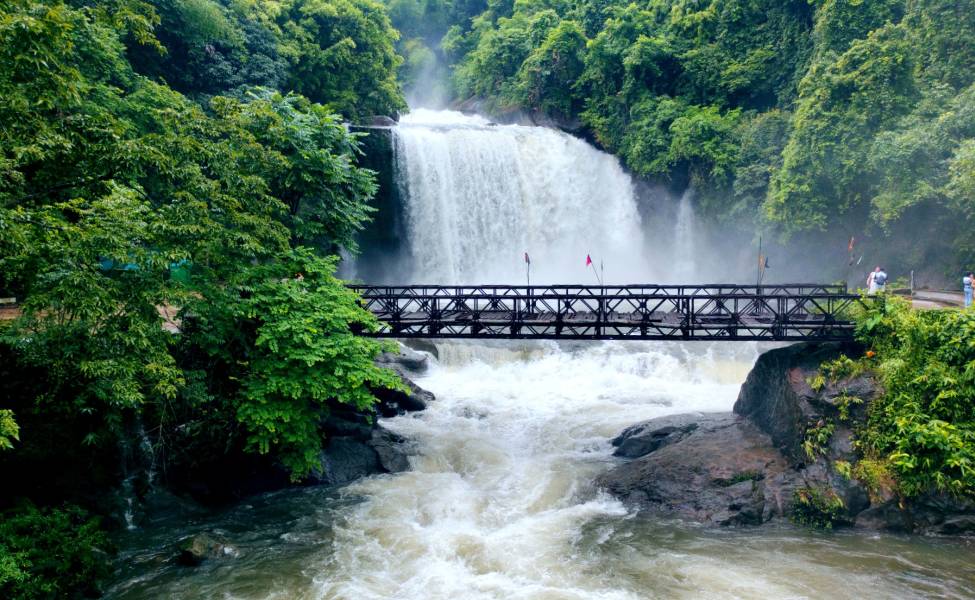
Tourist Places in Shillong: Sightseeing Route, Timings & Best Views
Discover the top tourist places in Shillong with waterfalls, lakes, viewpoints, museums, markets, and practical day-trip planning for Cherrapunji and Dawki.
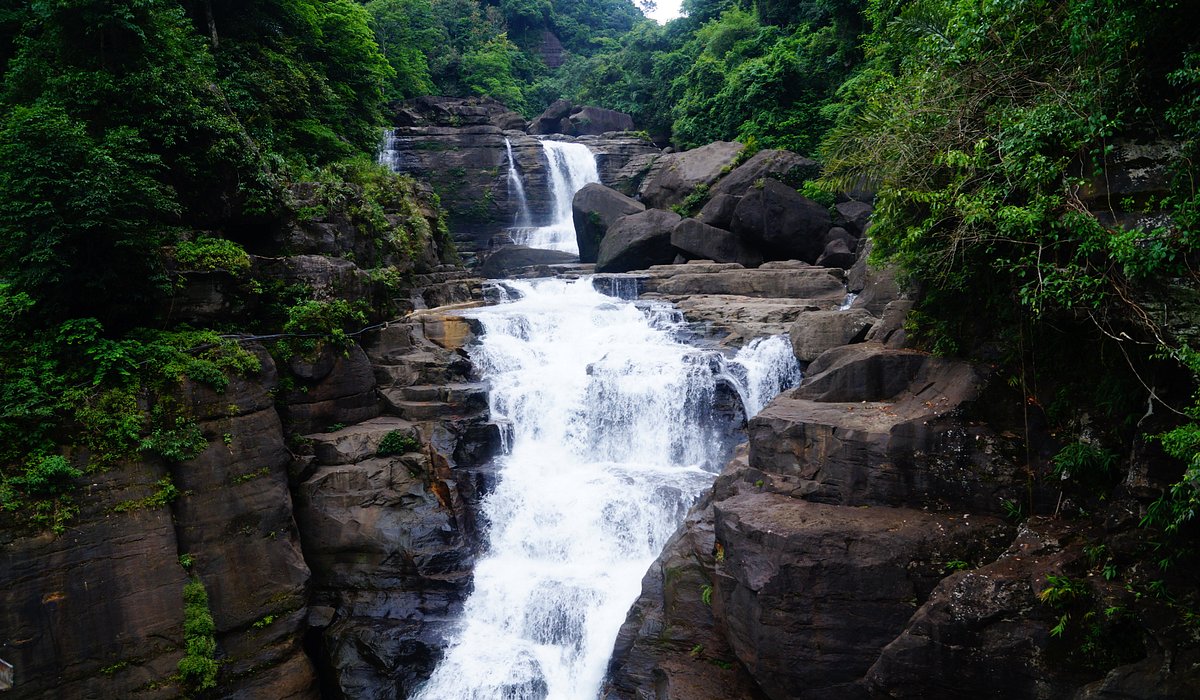
Best Places to Visit in Meghalaya: Waterfalls, Caves & Villages
Explore top places to visit in Meghalaya including Shillong, Cherrapunji, Dawki, Living Root Bridges, and practical route planning tips for travelers.
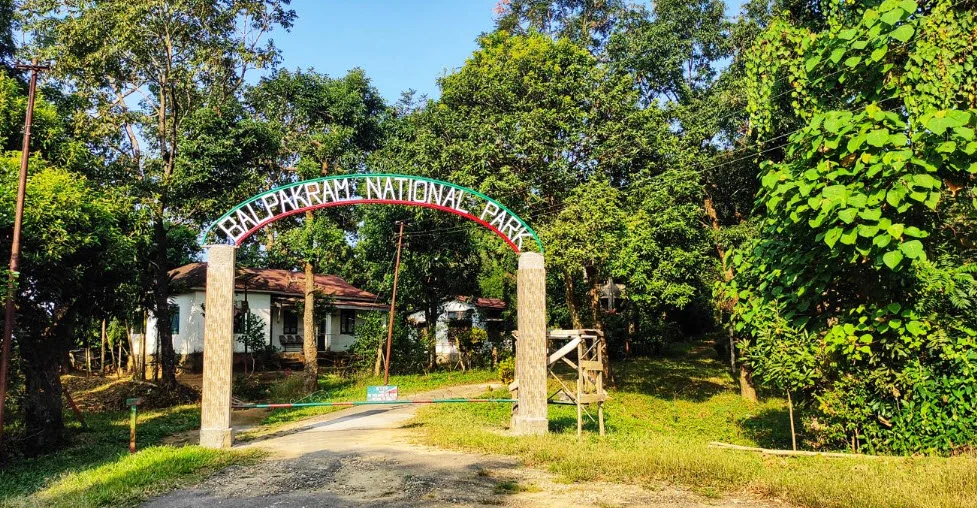
Balpakram National Park Meghalaya: Wildlife Planner
Plan Balpakram National Park Meghalaya with practical wildlife, route, and season guidance for responsible offbeat travel.
Never Miss an Adventure
Get the latest trekking guides, travel tips, and exclusive offers delivered straight to your inbox.
