
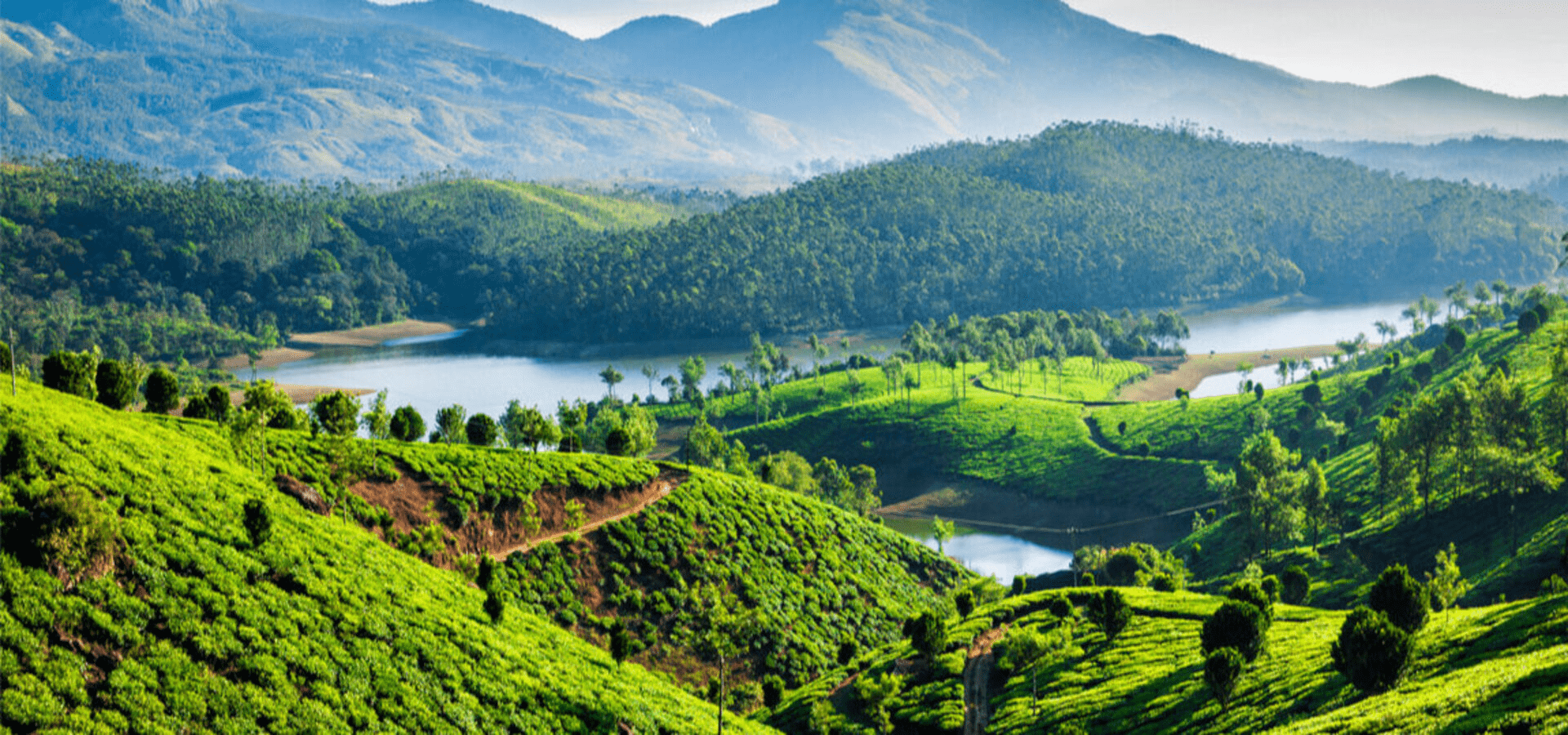
Offbeat Places to Visit in India: 50 Hidden Gems by Region
Rohit Verma
November 15, 2025
Explore 50 offbeat places to visit in India with a regional breakdown of hidden gems, less-crowded destinations, and practical travel planning tips.
Introduction: Beyond India's Usual Tourist Trail
When travelers search for offbeat places to visit in India, they usually want three things: fewer crowds, stronger local culture, and landscapes that feel fresh even in a country they have already explored. India delivers all three, but only if you move beyond the standard circuit of Goa, Manali, Jaipur, and mainstream hill stations. From remote Himalayan valleys to quiet coastal villages, from tribal plateaus to forgotten temple towns, the country has hundreds of lesser-known destinations with deep character and lower tourist pressure.
This guide is built for practical trip planning, not just inspiration. You get a curated list of 50 offbeat places across North, South, East, West, Central India, and Islands/Northeast, plus region-wise planning advice, safety notes, and seasonal guidance. The list is based on places that consistently appear in top travel discovery searches while still offering relatively less-crowded travel experiences compared with India's mainstream hotspots.
How We Define Offbeat Destinations
Offbeat does not always mean completely unknown. It usually means one of the following: fewer tourists than nearby famous alternatives, stronger place identity, limited commercialization, slower travel pace, and meaningful local interactions. Some places in this list are growing in popularity, but still remain far less crowded than the mainstream options they are often compared with.
| Offbeat Signal | What It Means for Travelers |
|---|---|
| Lower crowd density | Better stay experience, cleaner viewpoints, calmer routes |
| Distinct local culture | Authentic food, language, festivals, and crafts |
| Landscape uniqueness | Unusual terrain, biodiversity, or heritage profile |
| Slower tourism economy | Fewer chain properties, more local guesthouses |
| Regional depth | Works well for 3-7 day thematic travel circuits |
50 Offbeat Places to Visit in India (Regional List)
| Region | Offbeat Places |
|---|---|
| North India (10) | Spiti Valley, Munsiyari, Chopta, Tirthan Valley, Kalpa, Chitkul, Gurez Valley, Landour, Orchha, Mukteshwar |
| South India (10) | Agumbe, Araku Valley, Meghamalai, Varkala hinterland, Yercaud, Hogenakkal backroutes, Maravanthe, Dandeli outskirts, Chikmagalur backroads, Thenmala |
| East India (10) | Majuli, Ziro Valley, Tawang beyond town, Mawlynnong belt, Daringbadi, Pelling outskirts, Dzongu, Sandakphu route villages, Jampui Hills, Netarhat |
| West India (10) | Bhandardara, Jawhar, Velas, Amboli, Polo Forest, Kumbhalgarh rural belt, Mandawa backstreets, Saputara edge trails, Tarkarli hinterland, Dang district |
| Central India (5) | Pachmarhi outer trails, Bhedaghat beyond viewpoints, Mandu, Amarkantak, Chitrakote surroundings |
| Islands & Northeast (5) | Longwa, Mechuka, Tawang high-altitude lakes, Neil Island interior routes, Little Andaman (permit-dependent) |
This list gives national coverage while remaining practical for route building. Below, each region includes high-value picks with planning context.
Offbeat Places in North India
North India has the highest concentration of dramatic offbeat terrain, especially in Uttarakhand, Himachal, Jammu & Kashmir, and Bundelkhand. The key is to avoid overpacked routes and plan for altitude, road quality, and weather buffers.
Spiti Valley, Himachal Pradesh
Spiti remains one of India's best offbeat destinations for high-altitude desert landscapes, monasteries, and stark mountain villages. It is no longer unknown, but still far less commercial than many mainstream Himalayan circuits. Route planning is everything here: acclimatization days, fuel planning, and weather-driven flexibility are mandatory.
Munsiyari, Uttarakhand
Munsiyari offers grand Himalayan views without the volume pressure of popular Kumaon gateways. It works well for travelers looking for quiet ridge stays, local food, and mountain walks with lower commercialization. If you enjoy slower mountain travel, this is one of the best unexplored-feel places in North India.
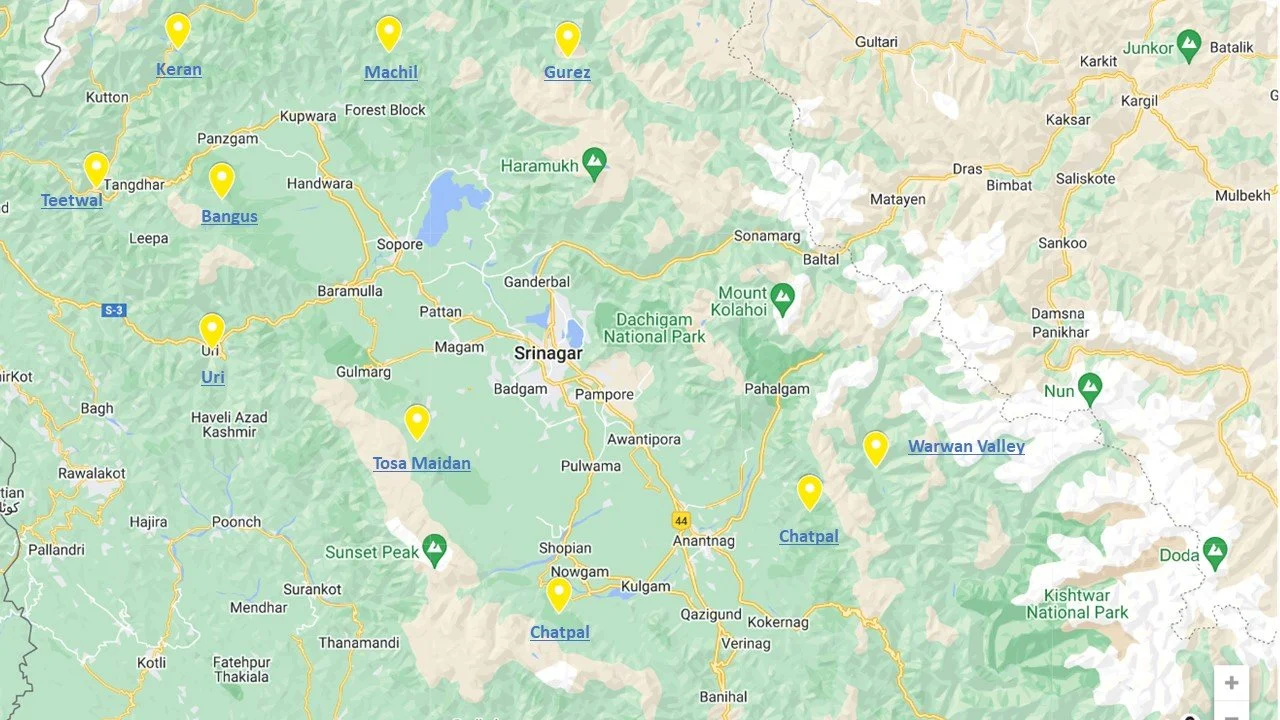
Gurez Valley, Jammu & Kashmir
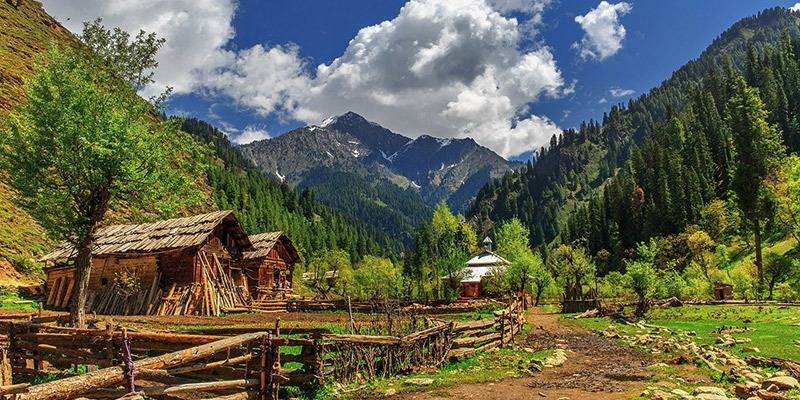
Gurez is frequently cited among hidden gems in India because of its remote valley setting, wooden mountain architecture, and powerful landscape character. Access can be seasonal and road conditions shift fast, so travel here requires buffer days and responsible local coordination.
Orchha, Madhya Pradesh (North-Central crossover)
Orchha is a heritage-rich alternative to crowded monument cities. Riverside cenotaphs, palace architecture, and calmer town rhythm make it ideal for cultural offbeat itineraries. It is one of the easiest less-crowded heritage escapes for travelers who want architecture without heavy urban crowd intensity.
For region-specific ideas, also explore offbeat places in Rishikesh and offbeat places in Kangra.
Hidden Gems in South India
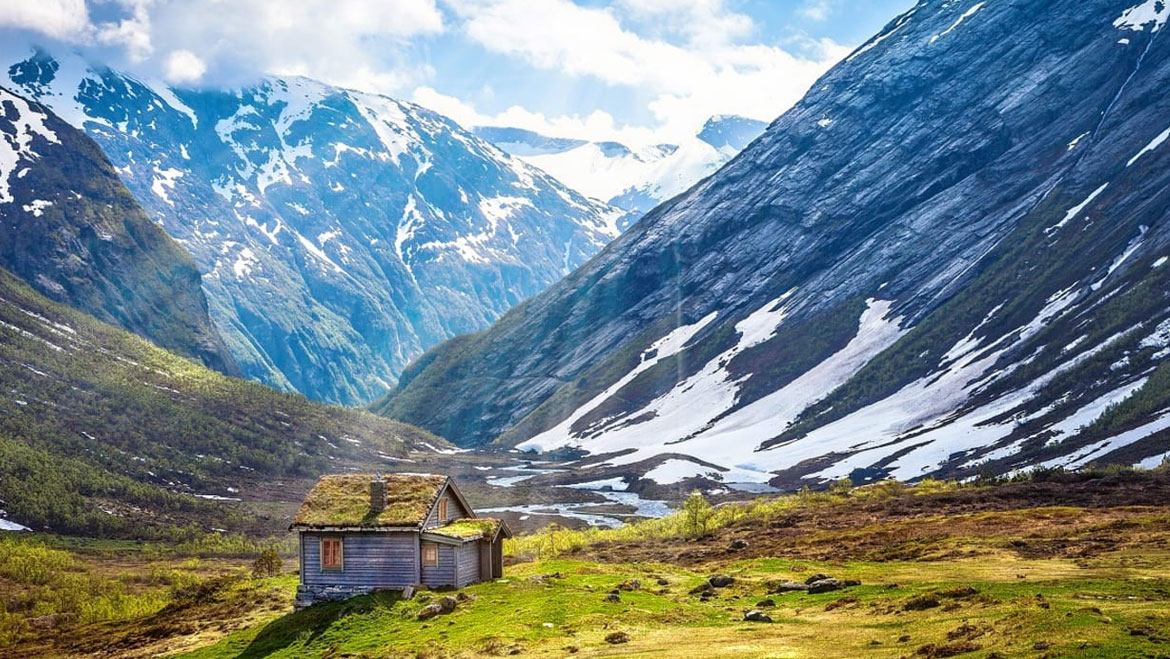
South India offbeat travel works best through micro-regional circuits: Western Ghats escapes, lesser-known Tamil Nadu hill routes, and coastal belts beyond major beach towns. Roads are generally easier than high Himalaya routes, but heat and monsoon timing still matter.
Araku Valley, Andhra Pradesh
Araku combines tribal culture, coffee landscapes, and hill-station mood without the density of mainstream mountain destinations. It is especially good for weekend-plus itineraries from eastern and southern metros.
Meghamalai, Tamil Nadu
Meghamalai (High Wavys) is one of the strongest offbeat places in South India for tea slopes, cloud forests, and low-noise nature stays. Unlike saturated hill stations, it still feels relatively untouched when planned in non-peak windows.
Agumbe, Karnataka
Agumbe is known for rainforest ecology, monsoon drama, and sunset points. It is ideal for biodiversity-focused travelers and photographers looking for dense green textures instead of crowded boardwalk tourism.
Thenmala, Kerala
Thenmala offers eco-tourism style planning with forest context and low-key adventure activities. If you want quieter Kerala travel outside the usual backwater and mainstream hill circuits, this is a strong option.
Continue deeper with offbeat places in Kerala and offbeat places in Coorg.
Unexplored East India Destinations
East India and the eastern Himalayan belt offer some of India's most rewarding low-density travel experiences. The region is ideal for travelers who value cultural uniqueness and landscape variety over urban tourism convenience.
Majuli, Assam
Majuli, one of the world's largest river islands, is a cultural landmark with Vaishnavite monastery traditions and a unique riverine lifestyle. It rewards slow travel, not rushed checklists. Seasonal river conditions influence logistics, so always confirm current transport operations.
Ziro Valley, Arunachal Pradesh
Ziro is one of India's most discussed offbeat valleys for pine-covered terrain, rice-field patterns, and Apatani cultural heritage. It combines nature and community life in a way few destinations do.
Mawlynnong and nearby Meghalaya belts
The wider Meghalaya rural circuit beyond single-point attractions remains an excellent choice for green landscapes, village-led tourism, and high-rainfall ecosystem travel. Route quality is improving, but weather responsiveness remains essential.
Dzongu, North Sikkim region
Dzongu is ideal for travelers seeking quieter Sikkim experiences with strong local community context. It requires respectful behavior and realistic pacing rather than rapid multi-stop itineraries.
Secret Spots in West India
West India is often associated with beaches, deserts, and city breaks, but it also has many less-crowded places that work for short getaways and road-based exploration.
Bhandardara, Maharashtra
A practical offbeat alternative for those wanting lake views, village stays, and monsoon-season greenery without high commercial saturation. Best for two- to three-day slow trips.
Velas, Maharashtra
Velas is known for eco-sensitive seasonal travel linked to turtle conservation windows. It is a reminder that offbeat travel should support local ecological stewardship, not just scenic consumption.
Polo Forest, Gujarat
Polo Forest offers a blend of woodland drives, heritage traces, and soft-adventure movement. It is ideal for travelers wanting a nature-plus-history format near urban western India corridors.
Amboli, Maharashtra
Amboli is one of the best less-crowded monsoon destinations in the western belt, with waterfalls and forest roads that still feel calmer than mainstream rainy-season hotspots.
Offbeat Central India
Central India is often overlooked in mainstream itineraries, but it offers strong value for travelers interested in geological landscapes, river systems, heritage hill settlements, and mixed nature-cultural routes.
Mandu, Madhya Pradesh
Mandu is a compelling offbeat heritage destination with atmospheric architecture, plateau views, and a slower pace than many major monument circuits.
Amarkantak
Amarkantak combines spiritual geography and natural landscapes, making it useful for travelers who want a hybrid pilgrimage-nature experience in a less crowded setting.
Pachmarhi outer trails
Pachmarhi itself is known, but peripheral routes and nature sections still offer calmer segments when planned outside high-demand dates.
Offbeat Islands and Northeast Extensions
If you want maximum uniqueness, Northeast and island circuits are high-reward but logistics-heavy. These regions need longer trip windows, permit awareness where required, and reliable local coordination.
Mechuka, Arunachal Pradesh
Remote valley geography, river landscapes, and cultural depth make Mechuka one of India's strongest true offbeat experiences. Access is improving, but it still demands serious planning.
Longwa, Nagaland
Longwa is one of the most culturally distinctive village experiences in India. It is best approached with sensitivity, local guidance, and respect for community norms.
Neil Island interior routes, Andaman
Beyond standard beach checklists, interior village roads and slower movement windows give Neil Island a quieter and more immersive character.
Best Time to Visit Offbeat Places in India
| Region Type | Best Window | Why |
|---|---|---|
| High Himalaya and trans-Himalaya | May to October | Road access and stable weather windows |
| Western Ghats and rainforest belts | October to February; monsoon for specific trips | Pleasant weather or lush monsoon mood |
| Northeast hill valleys | October to April | Better visibility and route reliability |
| Desert and semi-arid west | November to February | Comfortable day temperatures |
| Central India mixed routes | October to March | Balanced climate for multi-stop travel |
Sample Offbeat Circuits by Travel Style
6-Day Mountain Slow Circuit
Choose one compact mountain belt instead of crossing states rapidly. For example, pair two valleys with one heritage stop and keep one weather buffer day. This structure reduces fatigue and improves safety in road-sensitive terrain.
5-Day Culture Plus Nature Circuit
Combine one offbeat heritage town, one landscape destination, and one local market or craft village. This gives both visual variety and deeper cultural context without overloading logistics.
7-Day Northeast Immersion Circuit
Pick one state cluster and move slowly. Keep permit checks, network backup, and transport confirmation as daily discipline. Northeast rewards patience far more than checklist speed.
| Traveler Type | Best Offbeat Format | Pace Advice |
|---|---|---|
| First-time offbeat traveler | One region, two primary stays | Avoid daily hotel switching |
| Photographers | Sunrise-sunset base stays | Keep mobility day in reserve |
| Families | Road-light itineraries | Limit long transfers |
| Solo travelers | Community-run stays and known routes | Share route plans daily |
Budget Planning for Offbeat India
Offbeat trips are not always cheaper than mainstream destinations. Lower crowd density may mean limited transport frequency, which can increase costs if planning is last-minute. A better strategy is to separate fixed and flexible expenses.
- Fixed: intercity transfers, first two stays, permits where applicable.
- Flexible: local rides, guide support, activity choices, extra weather day.
- Emergency buffer: always keep one-day contingency budget.
If you are traveling in shoulder season, this approach prevents route stress and pricing surprises.
How to Plan an Offbeat India Trip (Without Burnout)
- Pick one region per trip instead of all-India hopping.
- Keep buffer days for weather, permits, and road delays.
- Book first two nights; keep later nights semi-flexible.
- Prioritize local stays and local guides where available.
- Avoid overloading itinerary with more than 2 key moves per day.
- Carry cash backup, network fallback, and offline maps.
For city add-ons and transit planning, these guides can help: Goa offbeat places, hidden gems in Kolkata, and hidden gems of Visakhapatnam.
Common Mistakes to Avoid
- Treating offbeat routes like mainstream highway itineraries.
- Ignoring seasonal road and weather behavior.
- No permit check for restricted or border-sensitive regions.
- Packing too many destinations into one short trip.
- Skipping local guide input in culturally sensitive villages.
Is Offbeat Travel in India Safe?
Generally yes, when planned responsibly. The biggest risks are usually logistical, not criminal: weather disruptions, long drives, weak network coverage, and poor route timing. Travel safety improves with early starts, verified local transport, and realistic day distances. Solo travelers should share route plans and avoid night transfers in unfamiliar stretches.
What Makes an Offbeat Trip Truly Memorable?
The strongest offbeat journeys usually come from depth, not distance. Spend more time in fewer places. Join one local walk, one food interaction, and one cultural site instead of chasing only viewpoints. This approach improves community connection, reduces travel fatigue, and gives more original stories than checklist tourism. In practical terms, a slower three-stop itinerary often creates better memories than a rushed eight-stop plan.
Conclusion
India's offbeat destinations are not a backup to mainstream tourism; they are often the richer experience. They offer real landscape variety, deeper local interaction, and space to travel at a human pace. Use this 50-place framework to choose one region, travel slower, and build itineraries around culture and ecology rather than checklists. Done right, offbeat India travel delivers the kind of journeys people remember for years.
Location
Frequently Asked Questions
Q1.What are the best offbeat places in India?
Q2.Which are the least crowded tourist places in India?
Q3.Where can I find unexplored destinations in India?
Q4.What are hidden gems in South India?
Q5.Which offbeat places in North India are worth visiting?
Q6.Are there unexplored beaches in India?
Q7.Is it safe to visit offbeat places in India?
Q8.What is the best time to visit offbeat places in India?
Recommended For You
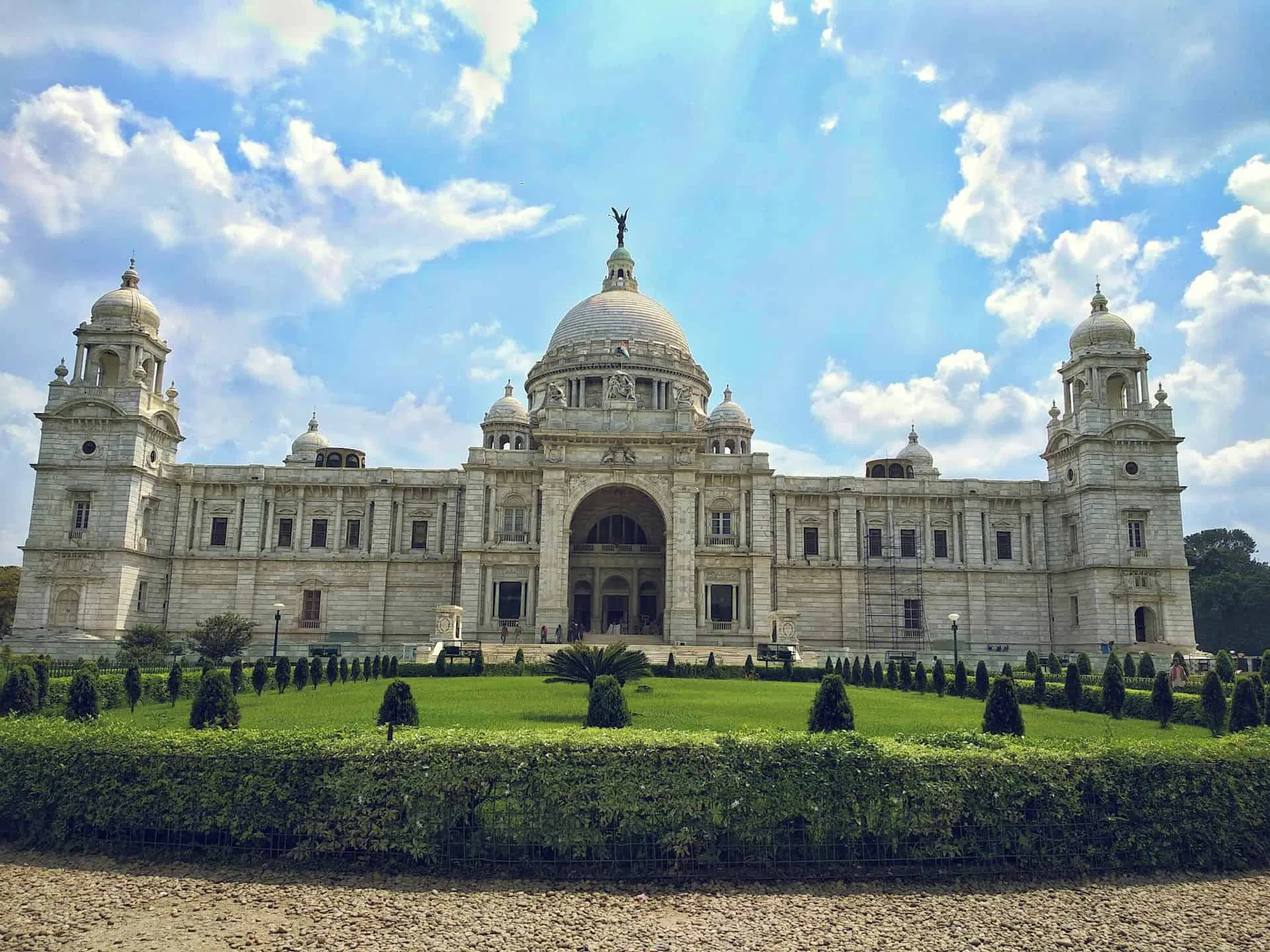
Hidden Gems in Kolkata: Offbeat Lanes, Culture & Local Eats
Explore hidden gems in Kolkata with practical offbeat routes across heritage lanes, local markets, and less-touristy neighborhoods.
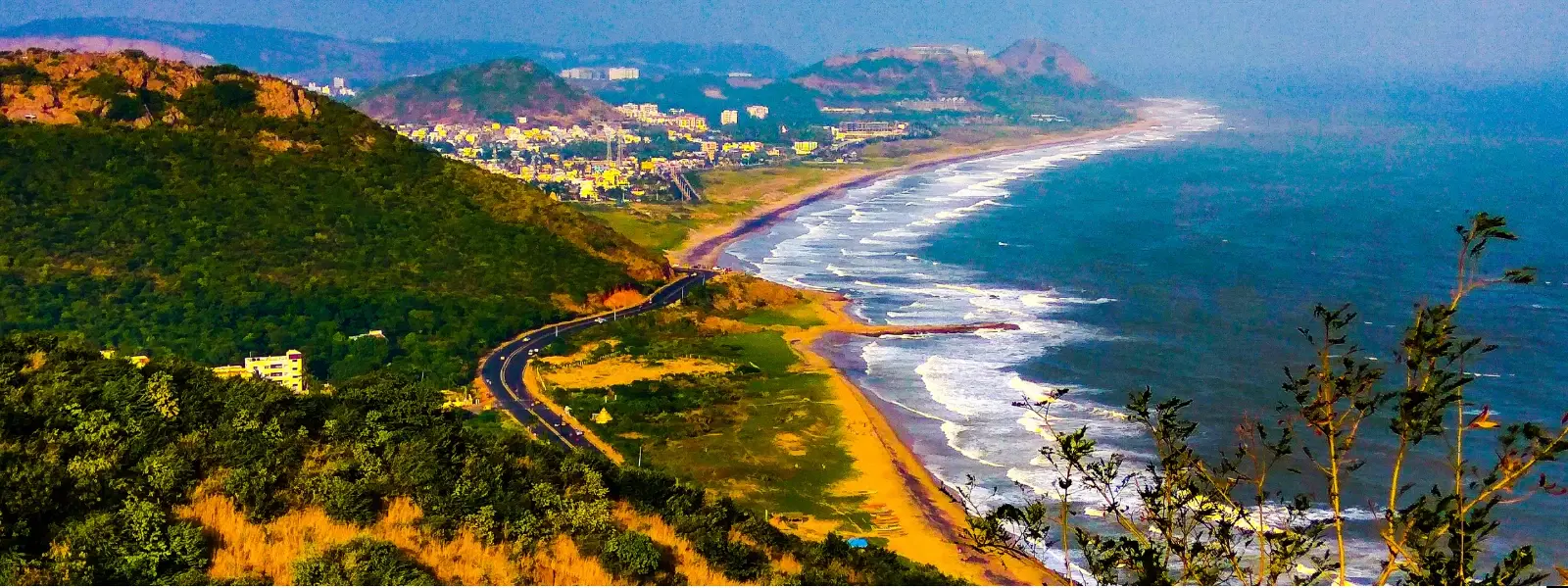
Hidden Gems of Visakhapatnam: 15 Offbeat Places You Must Visit in 2026
Explore 15 hidden gems of Visakhapatnam - Borra Caves, Yarada Beach, Buddhist complexes & more. Offbeat Vizag guide with locations & tips.
15 Offbeat Places in Goa Beyond Beaches & Parties
Discover 15 offbeat places in Goa beyond beaches and parties. Hidden waterfalls, spice plantations, ancient caves, serene islands, and heritage villages for an authentic Goan experience.
Never Miss an Adventure
Get the latest trekking guides, travel tips, and exclusive offers delivered straight to your inbox.
