
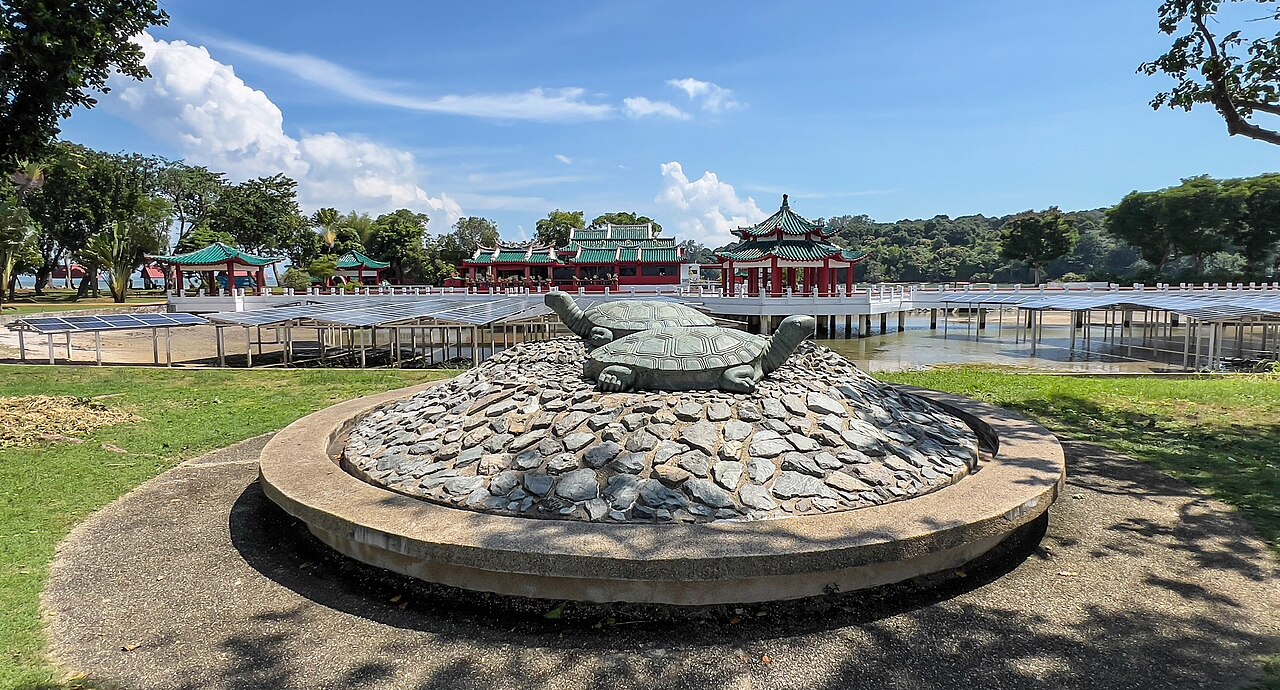
Kusu Island Singapore: Ferry Timings, Temple Visit & Island Tips

Rahul Garg
November 11, 2025
Visit Kusu Island Singapore. Ferry timings, temples, tortoise sanctuary, hiking trails & complete travel guide to this sacred island.
Introduction: Sacred Island of Singapore
Kusu Island, meaning 'Turtle Island' in Malay, is one of Singapore's most fascinating southern islands. This small island of just 85 hectares holds special significance for Singapore's Chinese, Malay, and Indian communities, who have made pilgrimages here for generations. Despite its small size, Kusu Island packs remarkable diversity - from a Chinese temple to a Malay shrine, from a tortoise sanctuary to pristine beaches, all surrounded by the sparkling waters of the Singapore Strait.
Located just 5.6 kilometers south of mainland Singapore, Kusu Island feels worlds away from the city-state's urban landscape. For a broader exploration of Singapore's islands, this peaceful getaway offers a perfect complement to more developed attractions. Accessible only by ferry, the island receives far fewer visitors than Sentosa or even Lazarus Island, making it a peaceful escape where time seems to slow down. Whether you're drawn by religious devotion, curiosity about local culture, or simply seeking a quiet day away from the city, Kusu Island offers a unique Singapore experience.
About Kusu Island
Kusu Island's history and meaning are as layered as Singapore's multicultural society. The island's transformation from two small outcrops to its current form, and its evolution from a sacred pilgrimage site to a managed tourist attraction, tells stories of land reclamation, religious harmony, and changing Singaporean identity.
Location and Geography
Kusu Island is located in the Singapore Strait, approximately 5.6 kilometers south of the mainland. The island is part of the Southern Islands group, which includes Sentosa, Lazarus, St. John's, and several smaller islands. In its current form, Kusu Island covers approximately 85 hectares, though this expands significantly during low tide when exposed mudflats increase the island's area.
Geographically, the island has two distinct sections connected by land reclamation. The northern section is hilly, rising to a high point where the Malay shrine (Keramat) sits. The southern section is flatter and houses the Chinese temple and tortoise sanctuary. The coastline features sandy beaches and rocky areas, with lagoons created between the two original islands.
Historical Background
Historically, Kusu consisted of two separate islands. According to local history, the islands were merged through land reclamation in 1975 as part of broader development of Singapore's southern islands. The original two islands can still be distinguished as the northern and southern sections of the current island.
The island's name comes from a legend about a giant turtle that transformed itself into an island to save two shipwrecked sailors - one Malay and one Chinese. This legend symbolizes the harmony between Singapore's different ethnic communities and explains the island's religious significance to multiple faiths.
Religious Significance
Kusu Island holds deep religious meaning, particularly for Singapore's Chinese and Malay Muslim communities. The island becomes especially important during the ninth lunar month (usually October or November), when thousands of devotees make pilgrimages to pray for prosperity, good health, and answered prayers.
This annual pilgrimage tradition dates back generations and represents one of Singapore's most enduring multicultural religious practices. The sight of devotees climbing the 152 steps to the hilltop shrine while others pray at the Chinese temple below exemplifies Singapore's unique brand of religious harmony.
How to Reach
Reaching Kusu Island requires planning as the only access is by ferry. There's no bridge connection to mainland Singapore, and private boats are not permitted for landing.
Ferry Services
Ferry services to Kusu Island are operated by Singapore Island Cruise & Ferry Services. If you're also planning to visit Lazarus Island, you might find combination ferry packages available. Ferries depart from Marina South Pier, the main terminal serving the Southern Islands. During peak periods and pilgrimage season, additional ferries may operate from Sentosa Island.
The ferry journey takes approximately 30 minutes each way. Ferries are basic but comfortable, with open-air seating offering views of Singapore's skyline and the passing islands. The vessels can be affected by weather - services may be cancelled during rough seas or heavy rain.
Ferry Schedule
Ferry schedules vary by season and demand. Generally, ferries operate two times daily on weekdays and more frequently on weekends and public holidays. Typical departure times from Marina South Pier are 10:00 AM and 2:00 PM, with return ferries from Kusu Island at 12:00 PM and 4:00 PM. However, these times change seasonally, and during the pilgrimage month (ninth lunar month), additional sailings are added.
It's essential to check the current schedule before planning your visit as timings can change. The ferry company's website has updated schedules, or you can call ahead. Don't miss the last ferry back - there's no accommodation on Kusu Island, and being stranded would be problematic.
Ferry Ticket Prices
Ferry tickets to Kusu Island are reasonably priced. As of current pricing, adult return tickets cost approximately SGD $18-20, while children's tickets (ages 3-12) cost around SGD $12-14. Seniors may qualify for discounted rates. Tickets can be purchased online in advance or at the Marina South Pier terminal, subject to availability.
Some tour packages include stops at other Southern Islands like St. John's or Lazarus. These combination tickets cost more but offer value if you want to see multiple islands. Check what's included in your ticket - some packages include meals or activities. For more Singapore travel ideas, consider extending your trip to include other Southern Islands.
Booking and Practical Tips
Booking ferry tickets in advance is highly recommended, especially for weekend visits or during the pilgrimage season. Online booking through the Singapore Island Cruise website is the easiest method. When booking, you'll need to select your travel date and preferred departure time.
Arrive at Marina South Pier at least 30 minutes before your scheduled departure. The terminal has basic facilities including restrooms, a small shop, and waiting areas. The pier is accessible by MRT (Marina South Pier station on the North South Line), bus, taxi, or ride-hailing apps.
Best Time to Visit
The timing of your visit to Kusu Island significantly affects your experience, with different seasons offering very different atmospheres.
Pilgrimage Season (Ninth Lunar Month)
The ninth lunar month, typically falling in October or November, sees Kusu Island at its most vibrant and crowded. Thousands of devotees make the pilgrimage during this month, creating an intense atmosphere of devotion and festivity. The island is decorated, additional food stalls operate, and special events may be held.
While this is the most culturally interesting time to visit, it's also the most crowded. Ferries are packed, the temples are busy, and quiet contemplation may be difficult. However, if you want to witness the authentic religious significance of Kusu Island, this is the time to come.
Weekdays vs. Weekends
Weekdays (Tuesday-Friday) generally see fewer visitors, making for a more peaceful experience. You'll have more space at the temples, the beaches will be quieter, and you can explore at your own pace. However, ferry schedules are more limited on weekdays.
Weekends are busier with more tourists and day-trippers. The atmosphere is livelier, and there are more ferry options, but you'll share the island with more people. If you prefer quiet, visit on a weekday.
Weather Considerations
Singapore's tropical climate means warm temperatures and high humidity year-round. However, there are seasonal variations to consider. The Northeast Monsoon (November-January) brings more rain and rougher seas - ferry services may be disrupted. The Southwest Monsoon (June-September) is generally drier but afternoons can be stormy.
The best months for weather are generally February-April, when rainfall is lower and seas are calmer. However, Singapore is tropical and rain can occur any day, so always check the forecast and be prepared.
Attractions
Despite its small size, Kusu Island offers several attractions that make the ferry journey worthwhile.
Keramat Kusu Island (Malay Shrine)
Located on the island's highest point, the Keramat (shrine) sits atop a hill and requires climbing 152 steps to reach. The shrine is dedicated to Syed Abdul Rahman, a 19th-century religious figure, and his mother. The climb, while moderately steep, is manageable for most people and offers nice views of the island and surrounding sea.
The shrine complex includes the main tomb, prayer areas, and spaces for devotees to make offerings. During the pilgrimage season, this area is especially active with worshippers. The walkway is covered, providing shade, and there are resting areas along the steps.
Da Bo Gong Temple (Chinese Temple)
Built in 1923 and subsequently expanded, the Da Bo Gong Temple is dedicated to the God of Prosperity (Da Bo Gong) and the Goddess of Mercy (Guan Yin). The temple complex is well-maintained, with traditional Chinese architecture featuring curved roofs, colorful decorations, and intricate carvings.
The temple consists of a main prayer hall and several smaller shrines. Devotees come to pray for various blessings - prosperity, fertility, health, and protection. Incense fills the air, and the atmosphere is one of devotion. The temple is active year-round but especially busy during the pilgrimage season.
Tortoise Sanctuary
One of Kusu Island's most unique attractions is its tortoise sanctuary, home to hundreds of tortoises. The sanctuary reflects the island's name (Kusu means turtle) and the cultural reverence these creatures hold in Chinese culture, where they symbolize longevity.
Visitors can observe the tortoises in several ponds and enclosures. The sanctuary includes various species of tortoises, from small specimens to large adults. Feeding is sometimes allowed for a small fee - lettuce and vegetables are provided. The sanctuary also has an information area explaining the life cycle of tortoises and conservation efforts.
Viewing Points and Beaches
Kusu Island has several nice viewpoints. The hilltop near the Keramat offers panoramic views of the Singapore Strait, the other Southern Islands, and even mainland Singapore's skyline in the distance. There are also lagoons between the original islands that are picturesque.
The island has beaches, though they're not extensive. The sandy areas are suitable for relaxing and picnicking. Swimming is possible in designated areas, though the water can be murky at times. Beach facilities are basic - there are no showers or changing rooms, so come prepared.
Things to Do
Religious Activities
Visitors of all faiths are welcome to participate in or respectfully observe religious activities. At the Chinese temple, you can light incense (available for purchase), make offerings of fruit or flowers, and observe devotees at prayer. At the Malay shrine, visitors can climb the steps, view the tomb, and enjoy the peaceful atmosphere.
Nature Activities
The island's small size makes it perfect for leisurely exploration. Walk around the coastal path, enjoy views from various points, and appreciate the absence of urban noise. Beach picnicking is popular - bring your own food and find a shaded spot. Swimming is possible, though check the designated safe areas.
Photography
Kusu Island offers excellent photography opportunities. The temples and shrine provide cultural and architectural subjects. The views from the hilltop are impressive. The tortoise sanctuary is fun to photograph. Early morning or late afternoon light is best, and visiting on weekdays means fewer people in your shots.
Relaxation
Sometimes the best thing to do on Kusu Island is simply relax. Find a shady bench, enjoy the sea breeze, and appreciate being away from the city. The slower pace and relative quiet make the island ideal for unwinding, reading, or meditating.
Facilities and Amenities
Facilities on Kusu Island are basic but adequate for day visits.
Food and Drinks
There's a small cafeteria near the Chinese temple offering simple meals, snacks, and drinks. Options are limited and prices are higher than mainland Singapore. The cafeteria may not be open on weekdays outside peak seasons. It's highly recommended to bring your own food and water - there are plenty of nice spots for a picnic.
Toilets and Facilities
Basic toilet facilities are available near the temple area. They're clean but simple - don't expect modern facilities. There are no showers or changing rooms, so if you plan to swim, come prepared to change in the toilets or bring a change of clothes.
Shelter and Rest Areas
The island has covered pavilions and shaded rest areas, particularly near the temple complex and along the coastal path. These provide relief from the tropical sun and rain. Benches are scattered around the island for resting.
Travel Tips
Come prepared as facilities are limited. Bring water, snacks, sunscreen, insect repellent, and a hat. Wear comfortable walking shoes and modest clothing for temple visits. Carry cash for ferry tickets and small purchases. Don't forget your camera but be respectful when photographing religious activities. Check ferry schedules carefully and don't miss the last boat back!
Kusu Island offers a unique perspective on Singapore - one where tradition meets tranquility, and where the city's frenetic energy feels worlds away. Whether you're seeking spiritual connection, cultural insight, or simply a quiet day in nature, this small island delivers an experience that's distinctly and memorably Singaporean.
Location
Frequently Asked Questions
Q1.How do I get to Kusu Island?
Q2.Where does the ferry to Kusu Island depart from?
Q3.What are Kusu Island ferry timings?
Q4.What can we see at Kusu Island?
Q5.Is there food available on Kusu Island?
Q6.How long should I spend at Kusu Island?
Q7.Is Kusu Island open on weekdays?
Q8.Can we stay overnight on Kusu Island?
Recommended For You
Esplanade Singapore: Theatre Shows, Events & Waterfront Experience
Comprehensive guide to esplanade singapore: theatre shows & guide with practical planning, routes, and on-ground tips.
Pagoda Street Singapore: Walking Route, Shopping & Local Tips
Plan your Pagoda Street Singapore visit with practical walking-route ideas, food and shopping tips, and timing strategy for a smooth Chinatown experience.
Shopping Places in Singapore: Orchard, Bugis & Budget Shopping Zones
Explore the best shopping places in Singapore with area-wise tips for Orchard, Bugis, and premium mall districts.
Never Miss an Adventure
Get the latest trekking guides, travel tips, and exclusive offers delivered straight to your inbox.
