
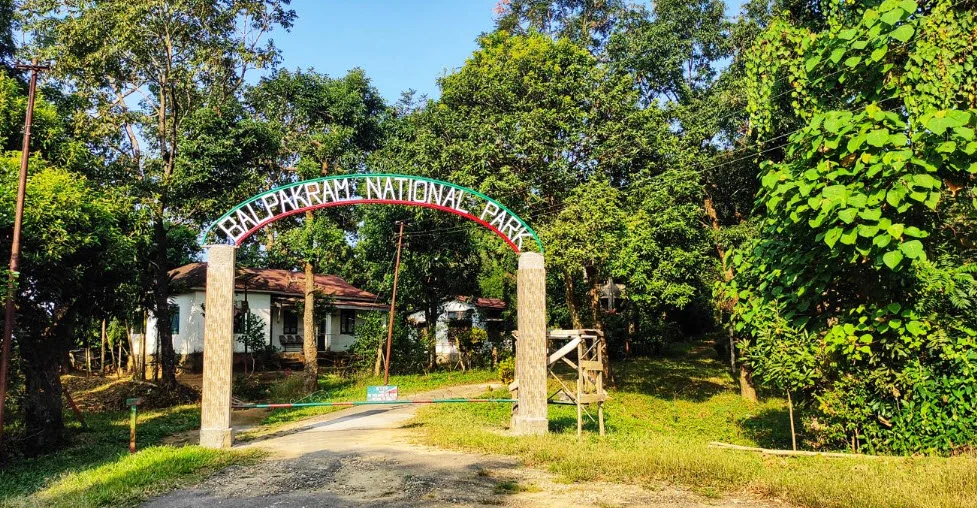
Balpakram National Park Meghalaya: Wildlife Planner

Priya Mehta
February 18, 2026
Plan Balpakram National Park Meghalaya with practical wildlife, route, and season guidance for responsible offbeat travel.
Balpakram National Park Meghalaya: Wildlife, Culture, and Route Planning Guide
Balpakram National Park Meghalaya is one of the most distinctive wilderness zones in the state, especially for travelers who want offbeat landscapes and low-crowd nature routes. Located in the South Garo Hills region, the park is known for deep gorges, rugged plateau edges, forested zones, and rich ecological character. Unlike quick tourist stops, Balpakram needs planning, travel patience, and realistic expectations about remote-area logistics.
Many visitors are drawn by the park's biodiversity, while others come for its cultural depth and local legends associated with the land. If you are planning a Meghalaya wildlife circuit, connect this with national-parks-meghalaya, places-to-visit-garo-hills-meghalaya, and places-to-visit-meghalaya for a better regional plan.
Why Balpakram Is Special
Balpakram stands out because it combines ecological and cultural significance. The terrain feels dramatic and relatively untouched, with canyon-like drops, grassland sections, forest corridors, and river-linked zones. This mix creates strong habitat diversity and gives the park a very different character from city-adjacent wildlife spots.
The region is also deeply connected with local Garo beliefs, and many travelers describe Balpakram as a place where nature and local identity are closely intertwined. This means visitors should approach with respectful behavior, not just as a photography checkpoint.
| Park Character | What It Means for Travelers | Planning Priority |
|---|---|---|
| Remote location | Low crowd and deeper wilderness feel | Pre-arranged transport and time buffer |
| Mixed terrain | Good for scenic and ecological observation | Proper footwear and pacing |
| Cultural relevance | Meaningful local context | Respect local guidance and customs |
Wildlife and Birding Expectations
Balpakram is valuable for biodiversity, but sightings are never guaranteed. Wildlife viewing depends on season, weather, time of day, and your field behavior. This is not a zoo-style destination; it rewards patient observation. Birding, habitat study, and landscape interpretation are often the most consistent outcomes for visitors.
For better results:
- Start early and keep movement quiet.
- Use local guides familiar with current field conditions.
- Avoid loud groups and unnecessary trail disturbance.
- Focus on habitat edges where activity often increases.
If your goal is wildlife photography, carry realistic expectations and prepare for long waiting windows. Quick movement between points usually reduces sightings.

Best Time to Visit Balpakram National Park
Season choice strongly affects route comfort. Moderate weather windows are generally preferred for safer movement and better road reliability. Heavy rain can make sections slower or unpredictable, so monsoon travel requires extra caution and backup planning.
Most travelers choose clearer months for smoother access and broader exploration. Even in better seasons, keep one flexible buffer in your itinerary for weather shifts or route delays.
If you are covering multiple Meghalaya regions, pace your trip by geography instead of trying to combine distant zones in a single rushed loop.
How to Reach and Route Planning
Balpakram access usually involves long road segments, and journey time can vary with weather and local conditions. Because of the remoteness, day-return plans are often impractical from far bases. A more reliable format is at least one overnight halt near your park approach route.
Transport basics to plan in advance:
- Fuel and food stops before remote stretches.
- Driver familiarity with South Garo Hills routes.
- Offline maps and pre-shared itinerary with contacts.
- Basic medical and emergency kit for long drives.
Network availability can be weak in parts of the region, so do not depend entirely on live navigation.

Suggested Itinerary Structure
A balanced route is better than an overpacked checklist. You can structure the trip as:
- Day 1: Travel and local orientation near the park region.
- Day 2: Early park session, habitat observation, and guided movement.
- Day 3: Optional secondary nature stop and return travel.
This format gives enough time to experience Balpakram properly while maintaining safety and road comfort. Compressed same-day attempts usually reduce both experience quality and field productivity.
Responsible Travel and Safety Tips
- Carry reusable water bottles and avoid plastic disposal in nature zones.
- Do not pressure guides to enter risky or restricted sections.
- Respect local communities, sacred narratives, and site boundaries.
- Wear weather-ready layers and grip shoes for uneven surfaces.
- Keep first-aid essentials and basic medicines accessible.
Responsible behavior is especially important in ecologically sensitive areas with limited infrastructure. Low-impact travel helps preserve both wildlife habitat and visitor access quality.
Operational Checklist Before Departure
Before leaving for Balpakram, confirm local transport reliability, accommodation options near the route, and basic food availability for the travel window. Carry emergency cash, keep offline route notes, and share your complete schedule with at least one contact before entering low-network stretches. These practical checks look small, but they reduce stress significantly in remote circuits.
It also helps to keep expectations realistic: Balpakram is about immersion, not speed. Slow observation, patient movement, and low-noise travel usually produce a much better experience than rushed attempts to cover every point in one day.
Conservation and Local Respect
Balpakram should be approached as a sensitive landscape, not a fast-adventure product. Stick to approved trails, avoid collecting natural objects, and keep a strict no-litter policy throughout your visit. If you work with local guides and stay providers, choose services that value low-impact tourism and fair local participation.
Small choices matter here: reducing noise, avoiding trail shortcuts, and respecting local narratives about sacred areas help preserve both biodiversity and community trust. Responsible behavior is part of the travel experience, not an optional add-on.
Route Pacing for Better Experience
Keep one dedicated low-speed nature block during your park day where the group focuses only on observation and not movement targets. This improves wildlife chance and lowers fatigue. Many travelers rush too much in remote parks; slowing down is often the difference between a generic visit and a meaningful wilderness session.
Plan your return leg before dusk whenever possible. Early return windows reduce road stress and help keep the trip safer in variable hill conditions.
Final Takeaway
Balpakram National Park Meghalaya is ideal for travelers who want a deeper nature experience beyond mainstream circuits. It offers strong landscape drama, meaningful biodiversity value, and rich cultural context when approached with preparation and respect. Plan conservatively, start early, work with local guidance, and keep your itinerary flexible. With that approach, Balpakram can become one of the most memorable wilderness experiences in Meghalaya.
Location
Frequently Asked Questions
Q1.Where is Balpakram National Park located?
Q2.Is Balpakram good for wildlife travel?
Q3.When is best to visit Balpakram?
Q4.Can Balpakram be done in one day?
Q5.Do I need a guide for Balpakram?
Q6.Is network available inside the park area?
Q7.What should I carry?
Q8.Is Balpakram family-friendly?
Recommended For You
How to Reach Meghalaya: Flight, Train, Road & Entry Points
Complete guide on how to reach Meghalaya by flight, train & road. Routes from Guwahati, Kolkata, Delhi with timings, distances & travel tips.
7 Enchanting Valleys in Meghalaya You Must Visit
Explore the most beautiful valleys in Meghalaya with route planning, best seasons, and practical tips for Laitlum, Sohra, Mawsynram, Mawphlang, and more.
Best Places to Visit in Meghalaya: Waterfalls, Caves & Villages
Explore top places to visit in Meghalaya including Shillong, Cherrapunji, Dawki, Living Root Bridges, and practical route planning tips for travelers.
Never Miss an Adventure
Get the latest trekking guides, travel tips, and exclusive offers delivered straight to your inbox.
