
Asola Bhatti Wildlife Sanctuary Delhi: Birding Trails & Entry Details

Priya Mehta
January 31, 2026
Discover Asola Bhatti Wildlife Sanctuary, Delhi's hidden gem with 193+ bird species, leopards, and pristine nature trails. Perfect for birdwatching and weekend escapes from the city.
Discovering Delhi's Green Lung: Asola Bhatti Wildlife Sanctuary
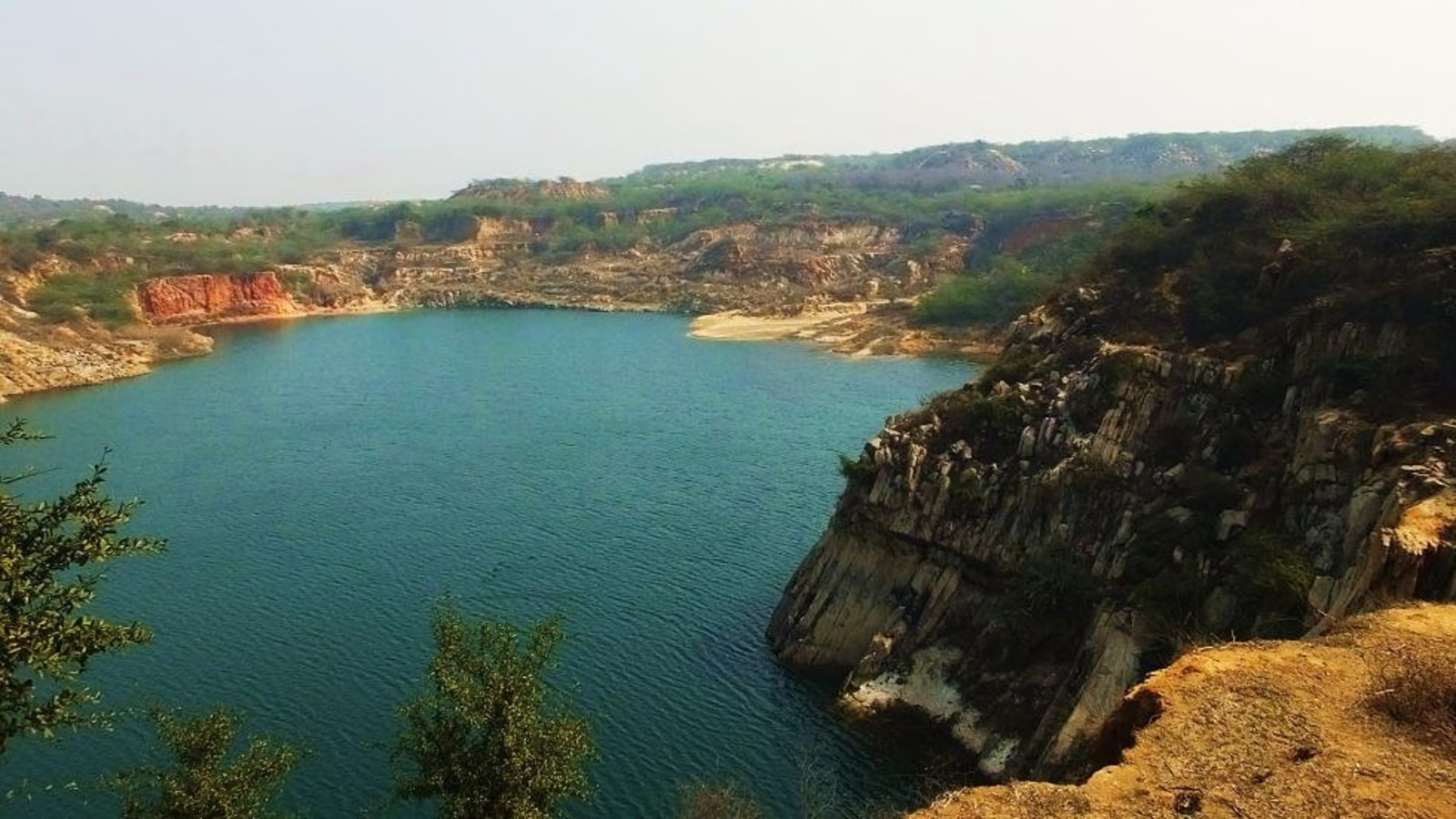
Imagine standing on the southern edge of India's bustling capital, where the chaos of city life suddenly gives way to serene forests teeming with wildlife. This is the magic of Asola Bhatti Wildlife Sanctuary, Delhi's best-kept secret and a testament to urban conservation. Spread over 32.71 square kilometers, this protected area represents the Northern Aravalli leopard wildlife corridor and serves as a crucial green lung for the National Capital Region. Located just 20 kilometers from Connaught Place, Asola Bhatti Wildlife Sanctuary offers Delhiites and visitors a unique opportunity to experience wilderness without leaving the city limits. The sanctuary encompasses the Asola village area near Tughlaqabad in Delhi and extends into the Bhatti mines area in Haryana, creating a contiguous protected ecosystem that supports remarkable biodiversity despite its urban location. What makes Asola Bhatti truly special is its transformation from abandoned mining pits to a thriving wildlife habitat. Once ravaged by extensive mining operations, this area has been regenerated through dedicated conservation efforts, becoming home to over 193 bird species, 80 butterfly species, and numerous mammals including leopards, nilgai, jackals, and civets. Whether you're a passionate birdwatcher, nature photographer, or simply seeking respite from city life, this sanctuary offers an unforgettable wilderness experience. The sanctuary's location in the Aravalli Hill range, one of the oldest mountain systems in the world, adds geological significance to its ecological value. These ancient hills have shaped the sanctuary's unique terrain, creating a mosaic of rocky outcrops, thorn forest, scrubland, and seasonal water bodies that support diverse ecosystems. As you explore its trails, you're not just walking through a park - you're traversing millions of years of natural history and witnessing a remarkable story of ecological restoration.Location and Sanctuary Overview
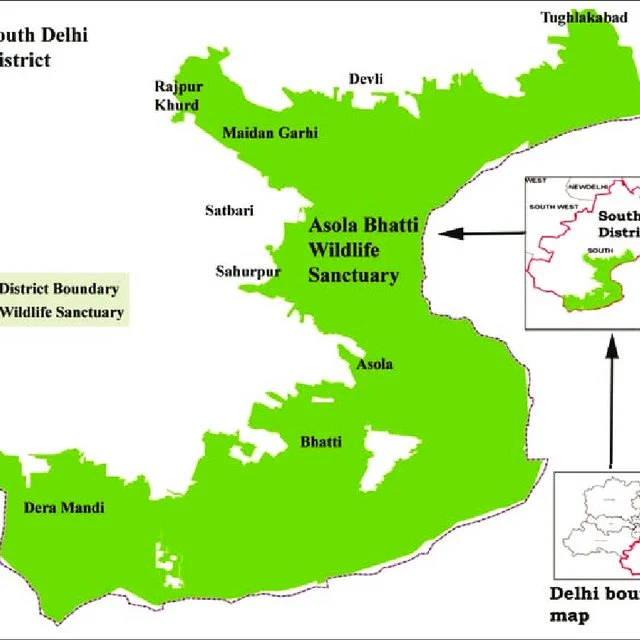 Asola Bhatti Wildlife Sanctuary is strategically located in the southern part of Delhi, bordering the states of Haryana. The sanctuary's core area begins near the ancient Tughlaqabad Fort and extends southward, encompassing the abandoned mining pits of Bhatti that have now become wetlands attracting diverse birdlife. This unique positioning makes it easily accessible from various parts of Delhi and the National Capital Region.
The sanctuary spans two distinct areas: the Asola Wildlife Sanctuary on the Delhi side (approximately 6.8 square kilometers) and the Bhatti Wildlife Sanctuary in Haryana (approximately 25.9 square kilometers). Together, they form a continuous protected area that serves as a crucial wildlife corridor connecting fragmented habitats in the Aravalli range. The sanctuary's elevation ranges from 200 to 300 meters above sea level, creating varied microhabitats that support different species.
Key Geographic Features:
The sanctuary's terrain is characterized by the typical Aravalli landscape - rocky hills with gentle slopes, deep valleys, and seasonal streams that flow during monsoon. The abandoned mining pits have transformed into artificial lakes that now attract migratory birds and support aquatic ecosystems. These water bodies, known as 'bunds,' have become some of the best spots for birdwatching within the sanctuary.
The sanctuary's location in the Aravalli range is ecologically significant because these hills act as a barrier against desertification from the west and help moderate Delhi's climate. The protected status of this area helps maintain the region's water table, with several check dams and rainwater harvesting structures contributing to groundwater recharge - a crucial function in water-stressed Delhi. For more wildlife experiences, visit the Rajaji National Park in Haridwar.
Accessibility from South Delhi:
One of the sanctuary's biggest advantages is its excellent connectivity. Located just off the Mehrauli-Badarpur Road, it's easily accessible by private vehicle, taxi, or even public transport. The nearest metro station is Tughlaqabad Railway Station on the Violet Line, from where autos and taxis are readily available to the sanctuary entrance. This accessibility makes it perfect for morning birdwatching trips before work or weekend nature walks with family.
The sanctuary's proximity to other major attractions like Tughlaqabad Fort, Qutub Minar, and the Mehrauli Archaeological Park allows visitors to combine wildlife experiences with cultural exploration, creating comprehensive day itineraries that showcase Delhi's natural and historical heritage. Explore more places to visit in Delhi to plan your itinerary.
Asola Bhatti Wildlife Sanctuary is strategically located in the southern part of Delhi, bordering the states of Haryana. The sanctuary's core area begins near the ancient Tughlaqabad Fort and extends southward, encompassing the abandoned mining pits of Bhatti that have now become wetlands attracting diverse birdlife. This unique positioning makes it easily accessible from various parts of Delhi and the National Capital Region.
The sanctuary spans two distinct areas: the Asola Wildlife Sanctuary on the Delhi side (approximately 6.8 square kilometers) and the Bhatti Wildlife Sanctuary in Haryana (approximately 25.9 square kilometers). Together, they form a continuous protected area that serves as a crucial wildlife corridor connecting fragmented habitats in the Aravalli range. The sanctuary's elevation ranges from 200 to 300 meters above sea level, creating varied microhabitats that support different species.
Key Geographic Features:
The sanctuary's terrain is characterized by the typical Aravalli landscape - rocky hills with gentle slopes, deep valleys, and seasonal streams that flow during monsoon. The abandoned mining pits have transformed into artificial lakes that now attract migratory birds and support aquatic ecosystems. These water bodies, known as 'bunds,' have become some of the best spots for birdwatching within the sanctuary.
The sanctuary's location in the Aravalli range is ecologically significant because these hills act as a barrier against desertification from the west and help moderate Delhi's climate. The protected status of this area helps maintain the region's water table, with several check dams and rainwater harvesting structures contributing to groundwater recharge - a crucial function in water-stressed Delhi. For more wildlife experiences, visit the Rajaji National Park in Haridwar.
Accessibility from South Delhi:
One of the sanctuary's biggest advantages is its excellent connectivity. Located just off the Mehrauli-Badarpur Road, it's easily accessible by private vehicle, taxi, or even public transport. The nearest metro station is Tughlaqabad Railway Station on the Violet Line, from where autos and taxis are readily available to the sanctuary entrance. This accessibility makes it perfect for morning birdwatching trips before work or weekend nature walks with family.
The sanctuary's proximity to other major attractions like Tughlaqabad Fort, Qutub Minar, and the Mehrauli Archaeological Park allows visitors to combine wildlife experiences with cultural exploration, creating comprehensive day itineraries that showcase Delhi's natural and historical heritage. Explore more places to visit in Delhi to plan your itinerary.
Wildlife: Mammals, Reptiles and More
 Asola Bhatti Wildlife Sanctuary supports an astonishing diversity of wildlife, considering its urban location. The sanctuary is part of the Northern Aravalli leopard wildlife corridor, and while leopard sightings are extremely rare and usually occur at night, the presence of these apex predators indicates a healthy ecosystem. The sanctuary's mammal population includes several species that have adapted remarkably well to the urban-wildland interface.
Major Mammal Species:
The nilgai or blue bull, India's largest antelope, is commonly sighted grazing in the sanctuary's open areas. These majestic animals, weighing up to 300 kilograms, are a spectacular sight as they move through the grasslands. Another frequently spotted species is the Indian hare, which dashes across trails in the early morning and late afternoon. Jackals, though shy and more often heard than seen, maintain territories within the sanctuary and their distinctive calls often echo through the hills at dusk.
The sanctuary also supports small carnivores including the jungle cat, Indian civet, and Indian fox. These elusive species are primarily nocturnal and require patience and luck to spot. Recent camera trap studies have confirmed the occasional presence of leopards, though these magnificent cats are rarely encountered during daytime visits. The sanctuary's rocky terrain and abundant prey base make it suitable habitat for leopards, serving as a critical corridor for their movement between Aravalli patches.
Reptile Diversity:Bird Paradise: Species and Birdwatching Hotspots
Asola Bhatti Wildlife Sanctuary is nothing short of a paradise for birdwatchers, with over 193 bird species recorded within its boundaries. This remarkable diversity includes resident species, winter migrants, and passage migrants, making the sanctuary a year-round birding destination. The sanctuary's location along the Central Asian flyway makes it an important stopover for migratory birds traveling between their breeding and wintering grounds.
Resident Bird Species:
The sanctuary's resident birds include several spectacular species that can be observed throughout the year. The crestless serpent eagle, a raptor endemic to the Indian subcontinent, is regularly seen soaring above the hills. Other raptors including the shikra, white-eyed buzzard, and honey buzzard hunt in the sanctuary's grasslands and scrub areas. The striking Indian roller, with its brilliant blue plumage, is commonly spotted perched on exposed branches or utility wires along the sanctuary entrance.
The sanctuary's thorn forests and scrubland support numerous smaller birds including the purple sunbird, which is frequently seen visiting flowering plants. The weaver bird community includes the baya weaver, whose intricate hanging nests are a common sight during breeding season. Parakeets, including the rose-ringed and alexandrine parakeets, fill the air with their screeching calls as they fly in noisy flocks between feeding grounds.
Winter Migrants:
The period from October to March transforms the sanctuary as winter migrants arrive. The water bodies attract several species of ducks including garganey, northern shoveler, and common teal. Waders such as sandpipers, plovers, and stilts forage in the shallow waters. The sanctuary's grasslands host wintering harriers including the pallid harrier and montagu's harrier, which can be seen gracefully quartering over open areas in search of prey.
One of the most sought-after winter visitors is the blue-tailed bee-eater, which replaces the resident green bee-eater during winter months. Warblers, flycatchers, and thrushes also arrive from the Himalayas and further north, using the sanctuary as a wintering ground. The sanctuary's location makes it an important refuge for these migrants, providing food and shelter in an increasingly urbanized landscape.
Best Birding Hotspots:
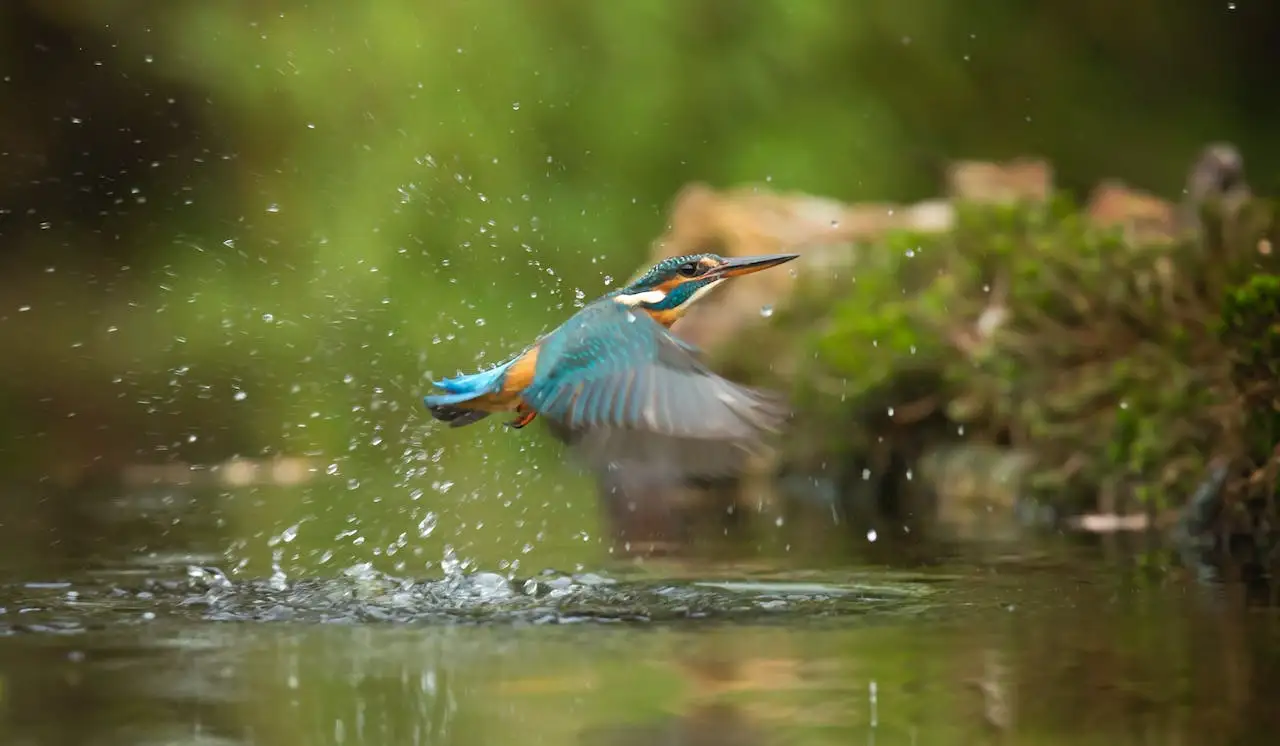
The abandoned mining pits that have become wetlands are undoubtedly the best birding locations within the sanctuary. These water bodies, particularly during winter, attract waterfowl, waders, and kingfishers. The areas around these bunds are excellent for setting up with binoculars and cameras, waiting for birds to come to drink or feed. Early mornings are particularly productive, with birds most active during the first few hours after sunrise.
The sanctuary's entrance area and the trails leading into the interior offer good birding opportunities, especially for passerines and ground-dwelling species. The watchtowers located at strategic vantage points provide elevated perspectives of the sanctuary and are excellent for raptor watching. The area around the interpretation center often hosts several bird species, making it a good starting point for birdwatching sessions.
Asola Bhatti Wildlife Sanctuary supports an astonishing diversity of wildlife, considering its urban location. The sanctuary is part of the Northern Aravalli leopard wildlife corridor, and while leopard sightings are extremely rare and usually occur at night, the presence of these apex predators indicates a healthy ecosystem. The sanctuary's mammal population includes several species that have adapted remarkably well to the urban-wildland interface.
Major Mammal Species:
The nilgai or blue bull, India's largest antelope, is commonly sighted grazing in the sanctuary's open areas. These majestic animals, weighing up to 300 kilograms, are a spectacular sight as they move through the grasslands. Another frequently spotted species is the Indian hare, which dashes across trails in the early morning and late afternoon. Jackals, though shy and more often heard than seen, maintain territories within the sanctuary and their distinctive calls often echo through the hills at dusk.
The sanctuary also supports small carnivores including the jungle cat, Indian civet, and Indian fox. These elusive species are primarily nocturnal and require patience and luck to spot. Recent camera trap studies have confirmed the occasional presence of leopards, though these magnificent cats are rarely encountered during daytime visits. The sanctuary's rocky terrain and abundant prey base make it suitable habitat for leopards, serving as a critical corridor for their movement between Aravalli patches.
Reptile Diversity:Bird Paradise: Species and Birdwatching Hotspots
Asola Bhatti Wildlife Sanctuary is nothing short of a paradise for birdwatchers, with over 193 bird species recorded within its boundaries. This remarkable diversity includes resident species, winter migrants, and passage migrants, making the sanctuary a year-round birding destination. The sanctuary's location along the Central Asian flyway makes it an important stopover for migratory birds traveling between their breeding and wintering grounds.
Resident Bird Species:
The sanctuary's resident birds include several spectacular species that can be observed throughout the year. The crestless serpent eagle, a raptor endemic to the Indian subcontinent, is regularly seen soaring above the hills. Other raptors including the shikra, white-eyed buzzard, and honey buzzard hunt in the sanctuary's grasslands and scrub areas. The striking Indian roller, with its brilliant blue plumage, is commonly spotted perched on exposed branches or utility wires along the sanctuary entrance.
The sanctuary's thorn forests and scrubland support numerous smaller birds including the purple sunbird, which is frequently seen visiting flowering plants. The weaver bird community includes the baya weaver, whose intricate hanging nests are a common sight during breeding season. Parakeets, including the rose-ringed and alexandrine parakeets, fill the air with their screeching calls as they fly in noisy flocks between feeding grounds.
Winter Migrants:
The period from October to March transforms the sanctuary as winter migrants arrive. The water bodies attract several species of ducks including garganey, northern shoveler, and common teal. Waders such as sandpipers, plovers, and stilts forage in the shallow waters. The sanctuary's grasslands host wintering harriers including the pallid harrier and montagu's harrier, which can be seen gracefully quartering over open areas in search of prey.
One of the most sought-after winter visitors is the blue-tailed bee-eater, which replaces the resident green bee-eater during winter months. Warblers, flycatchers, and thrushes also arrive from the Himalayas and further north, using the sanctuary as a wintering ground. The sanctuary's location makes it an important refuge for these migrants, providing food and shelter in an increasingly urbanized landscape.
Best Birding Hotspots:
The abandoned mining pits that have become wetlands are undoubtedly the best birding locations within the sanctuary. These water bodies, particularly during winter, attract waterfowl, waders, and kingfishers. The areas around these bunds are excellent for setting up with binoculars and cameras, waiting for birds to come to drink or feed. Early mornings are particularly productive, with birds most active during the first few hours after sunrise.
The sanctuary's entrance area and the trails leading into the interior offer good birding opportunities, especially for passerines and ground-dwelling species. The watchtowers located at strategic vantage points provide elevated perspectives of the sanctuary and are excellent for raptor watching. The area around the interpretation center often hosts several bird species, making it a good starting point for birdwatching sessions.
Nature Trails and Trekking Routes
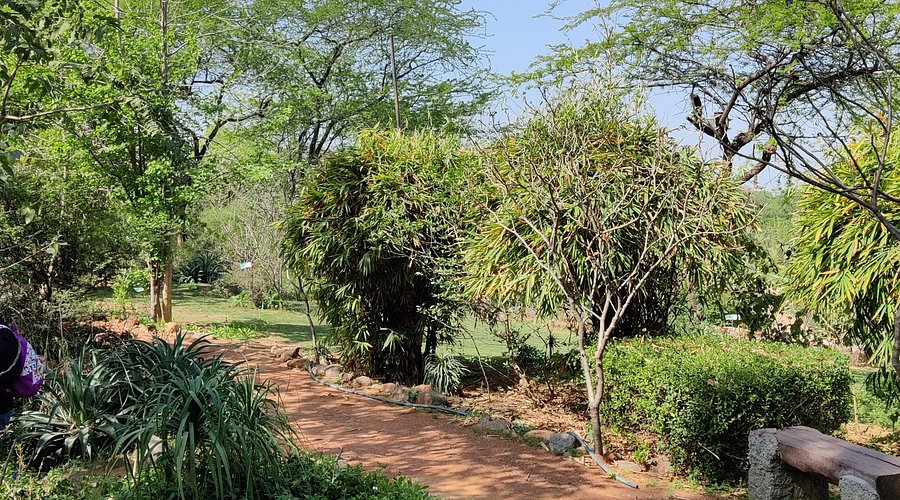 Asola Bhatti Wildlife Sanctuary offers several well-defined nature trails that cater to different fitness levels and interests. These trails provide opportunities to explore the sanctuary's diverse habitats, from rocky outcrops to thorn forests and wetlands. Each trail offers unique experiences and wildlife viewing opportunities, making multiple visits rewarding throughout different seasons.
Interpretation Trail:
The trail starting near the interpretation center is perfect for beginners and families with children. This relatively easy trail covers approximately 2-3 kilometers and takes visitors through representative habitats of the sanctuary. Information boards along the way provide details about the sanctuary's ecology, wildlife, and conservation efforts. This trail is ideal for first-time visitors who want to understand the sanctuary's ecosystem before exploring deeper areas.
The interpretation trail is particularly good for butterfly watching, as the flowering plants along the path attract numerous species. During winter, the grasslands along this trail host various warblers and buntings. The trail also passes near several water bodies where waterfowl can be observed from safe distances. Most visitors complete this trail in 1.5 to 2 hours at a leisurely pace with frequent stops for wildlife viewing.
Bundi Trail:
The Bundi trail, named after the water bodies (bundis) it passes, is approximately 4-5 kilometers long and considered moderate in difficulty. This trail takes visitors deeper into the sanctuary, offering better wildlife viewing opportunities. The trail winds through varied terrain including rocky sections, thorn forests, and grasslands, requiring reasonable fitness and proper footwear.
This trail is particularly rewarding for birdwatchers, as it passes several water bodies that attract diverse bird species. The trail also offers good opportunities to spot nilgai, blackbuck, and various reptiles. Early morning walks on the Bundi trail are often rewarded with sightings of golden jackals and various raptors. The trail typically takes 2.5 to 3 hours to complete, making it perfect for a half-day excursion.
Aravalli Biodiversity Park Trail:
For experienced trekkers and those seeking longer hikes, the trail connecting to the Aravalli Biodiversity Park offers extended exploration opportunities. This trail is approximately 6-7 kilometers long and involves some steep ascents and descents. The trail rewards hikers with panoramic views of the sanctuary and distant glimpses of Delhi's skyline from elevated vantage points.
This trail passes through some of the sanctuary's least disturbed areas, offering the best chances for wildlife sightings. The rocky sections along this trail are excellent for spotting rock agamas and other reptiles. The trail also passes through dense thorn forest where various forest birds can be observed. Due to its length and difficulty, this trail is recommended for fit individuals and should be attempted early in the morning, especially during summer.
Trekking Tips:
Regardless of which trail you choose, carrying adequate water (at least 2 liters per person) is essential, especially during summer months. The sanctuary has limited facilities inside, so visitors should be self-sufficient. Wearing neutral-colored clothing helps in wildlife observation, as bright colors can disturb animals. Early morning visits (6:30-8:30 AM) are most productive for wildlife viewing, as animals are most active during these cooler hours.
Asola Bhatti Wildlife Sanctuary offers several well-defined nature trails that cater to different fitness levels and interests. These trails provide opportunities to explore the sanctuary's diverse habitats, from rocky outcrops to thorn forests and wetlands. Each trail offers unique experiences and wildlife viewing opportunities, making multiple visits rewarding throughout different seasons.
Interpretation Trail:
The trail starting near the interpretation center is perfect for beginners and families with children. This relatively easy trail covers approximately 2-3 kilometers and takes visitors through representative habitats of the sanctuary. Information boards along the way provide details about the sanctuary's ecology, wildlife, and conservation efforts. This trail is ideal for first-time visitors who want to understand the sanctuary's ecosystem before exploring deeper areas.
The interpretation trail is particularly good for butterfly watching, as the flowering plants along the path attract numerous species. During winter, the grasslands along this trail host various warblers and buntings. The trail also passes near several water bodies where waterfowl can be observed from safe distances. Most visitors complete this trail in 1.5 to 2 hours at a leisurely pace with frequent stops for wildlife viewing.
Bundi Trail:
The Bundi trail, named after the water bodies (bundis) it passes, is approximately 4-5 kilometers long and considered moderate in difficulty. This trail takes visitors deeper into the sanctuary, offering better wildlife viewing opportunities. The trail winds through varied terrain including rocky sections, thorn forests, and grasslands, requiring reasonable fitness and proper footwear.
This trail is particularly rewarding for birdwatchers, as it passes several water bodies that attract diverse bird species. The trail also offers good opportunities to spot nilgai, blackbuck, and various reptiles. Early morning walks on the Bundi trail are often rewarded with sightings of golden jackals and various raptors. The trail typically takes 2.5 to 3 hours to complete, making it perfect for a half-day excursion.
Aravalli Biodiversity Park Trail:
For experienced trekkers and those seeking longer hikes, the trail connecting to the Aravalli Biodiversity Park offers extended exploration opportunities. This trail is approximately 6-7 kilometers long and involves some steep ascents and descents. The trail rewards hikers with panoramic views of the sanctuary and distant glimpses of Delhi's skyline from elevated vantage points.
This trail passes through some of the sanctuary's least disturbed areas, offering the best chances for wildlife sightings. The rocky sections along this trail are excellent for spotting rock agamas and other reptiles. The trail also passes through dense thorn forest where various forest birds can be observed. Due to its length and difficulty, this trail is recommended for fit individuals and should be attempted early in the morning, especially during summer.
Trekking Tips:
Regardless of which trail you choose, carrying adequate water (at least 2 liters per person) is essential, especially during summer months. The sanctuary has limited facilities inside, so visitors should be self-sufficient. Wearing neutral-colored clothing helps in wildlife observation, as bright colors can disturb animals. Early morning visits (6:30-8:30 AM) are most productive for wildlife viewing, as animals are most active during these cooler hours.
Best Time for Birdwatching and Seasonal Guide
Timing your visit to Asola Bhatti Wildlife Sanctuary can significantly enhance your wildlife viewing experience. Each season brings different species and behaviors, making the sanctuary rewarding to visit throughout the year. Understanding seasonal patterns will help you plan your visit according to your specific interests, whether it's migratory birds, breeding residents, or specific wildlife sightings. Winter (October to March): Birdwatching Peak Season Winter is undoubtedly the best season for birdwatching at Asola Bhatti. From October onwards, winter migrants start arriving, and by December, the sanctuary teems with migratory species. The water bodies attract various ducks, waders, and other water-dependent birds. Raptor enthusiasts will find winter particularly rewarding, with several species of harriers, falcons, and eagles present in the sanctuary. The winter weather is pleasant for trekking, with cool mornings making early morning visits comfortable. December and January can get quite foggy in the early hours, sometimes delaying bird activity until the sun burns through the mist. The period from February to March is excellent as winter birds prepare to depart and resident birds begin breeding activities, creating maximum bird diversity. Spring (March to April): Breeding Season Spring brings breeding activities among resident birds, making it an exciting time for birdwatchers interested in avian behavior. Many birds establish territories, engage in courtship displays, and build nests during this period. The sanctuary comes alive with bird songs as males sing to establish and maintain territories. Weaver birds are particularly active, with males constructing elaborate nests to attract females. The weather during spring is warm but not excessively hot, making it comfortable for walking trails. March and April also see butterfly activity peak, with numerous species fluttering around flowering plants. This is also the time when many trees flower, attracting nectar-feeding birds like sunbirds and flowerpeckers. Migrant birds begin departing during April, but their presence can still be noted in early parts of the month. Summer (May to June): Early Mornings Essential Summer in Delhi is harsh, with temperatures often exceeding 40°C. However, dedicated wildlife enthusiasts can still enjoy productive visits by starting very early in the morning. The first hour after sunrise (6:00-7:00 AM) is when animals are most active, and many birds can be seen before the heat drives them to shelter. Summer mornings are excellent for bird photography, as the soft golden light creates beautiful conditions. Despite the heat, summer offers unique opportunities. Many reptiles, including monitor lizards and various snake species, are more easily observed during warmer months. The sanctuary's mammal population, including nilgai and jackals, is often seen in early mornings before they retreat to shade. Water sources become important gathering points, increasing wildlife sightings around these areas. Monsoon (July to September): Lush Transformation The monsoon transforms Asola Bhatti into a lush green landscape. The arid terrain springs to life with vegetation, and the sanctuary becomes a different world altogether. This is the breeding season for many species, and the forest echoes with the calls of breeding birds. The monsoon is also the best time for amphibian enthusiasts, with frogs and toads breeding in the seasonal water bodies. While trekking during monsoon can be challenging due to mud and slippery trails, the sanctuary offers unique rewards. Many plants flower during this season, attracting butterflies and other pollinators. The post-monsoon period (September) is particularly beautiful, with fresh greenery and active wildlife. However, visitors should check for sanctuary closures during heavy rain days and exercise caution on wet trails.Flora and Vegetation Types
Asola Bhatti Wildlife Sanctuary showcases the unique vegetation of the Aravalli hill range, adapted to survive in harsh conditions with minimal water. The sanctuary's flora represents a mix of tropical thorn forest, dry deciduous forest, and scrubland, creating a unique ecosystem that has evolved to thrive in the region's semi-arid climate. This vegetation not only provides habitat for wildlife but also plays a crucial role in maintaining Delhi's ecological balance. Dominant Tree Species: The sanctuary's tree cover is dominated by drought-resistant species that have adapted to the Aravalli's dry conditions. The dhau (Anogeissus pendula) is the most prominent tree species, forming extensive pure stands in many areas. This small, hardy tree is characteristic of the Aravalli range and plays a crucial role in stabilizing the rocky slopes. Its leaves provide fodder for herbivores, and its twisted trunks create interesting silhouettes against the sky. Other important tree species include the salar (Boswellia serrata), known for its aromatic resin; the palas (Butea monosperma), commonly called flame of the forest for its brilliant orange-red flowers; and the kumbhi (Careya arborea). These trees are adapted to lose leaves during the dry season, conserving water, and putting out fresh leaves with the arrival of monsoon rains. The flowering trees attract numerous birds and butterflies, creating vibrant ecosystems during flowering seasons. Shrub and Understory Vegetation: The sanctuary's shrub layer is diverse and ecologically important, providing food and shelter for numerous small animals and birds. Species like adusa (Adhatoda vasica), gurhal (Hibiscus rosa-sinensis), and kair (Capparis decidua) form dense thickets that offer protection to small birds and mammals. These shrubs also produce flowers and fruits that support diverse wildlife, including nectar-feeding birds and frugivores. The ground layer includes various grasses and herbs that complete the ecosystem structure. During monsoon, the ground comes alive with seasonal herbs and wildflowers, many of which have medicinal value. This ground vegetation is crucial for soil conservation, preventing erosion on the sanctuary's slopes, and providing grazing for herbivores like nilgai and blackbuck. Aquatic Vegetation: The water bodies created by abandoned mining pits support specialized aquatic vegetation. Though these are artificial wetlands, they have naturally developed plant communities typical of shallow wetlands in the region. Species like lotus, water lily, and various submerged and emergent aquatic plants create habitats for fish, amphibians, and water-dependent birds. These wetlands are crucial for maintaining the sanctuary's biodiversity, especially during dry periods when natural water sources are scarce. The presence of diverse vegetation types, from thorn forests to wetlands, within a relatively small area is what makes Asola Bhatti particularly biodiverse. This habitat diversity supports various species with different ecological requirements, explaining the sanctuary's remarkable species richness despite its urban location.Conservation Efforts and Ecological Importance
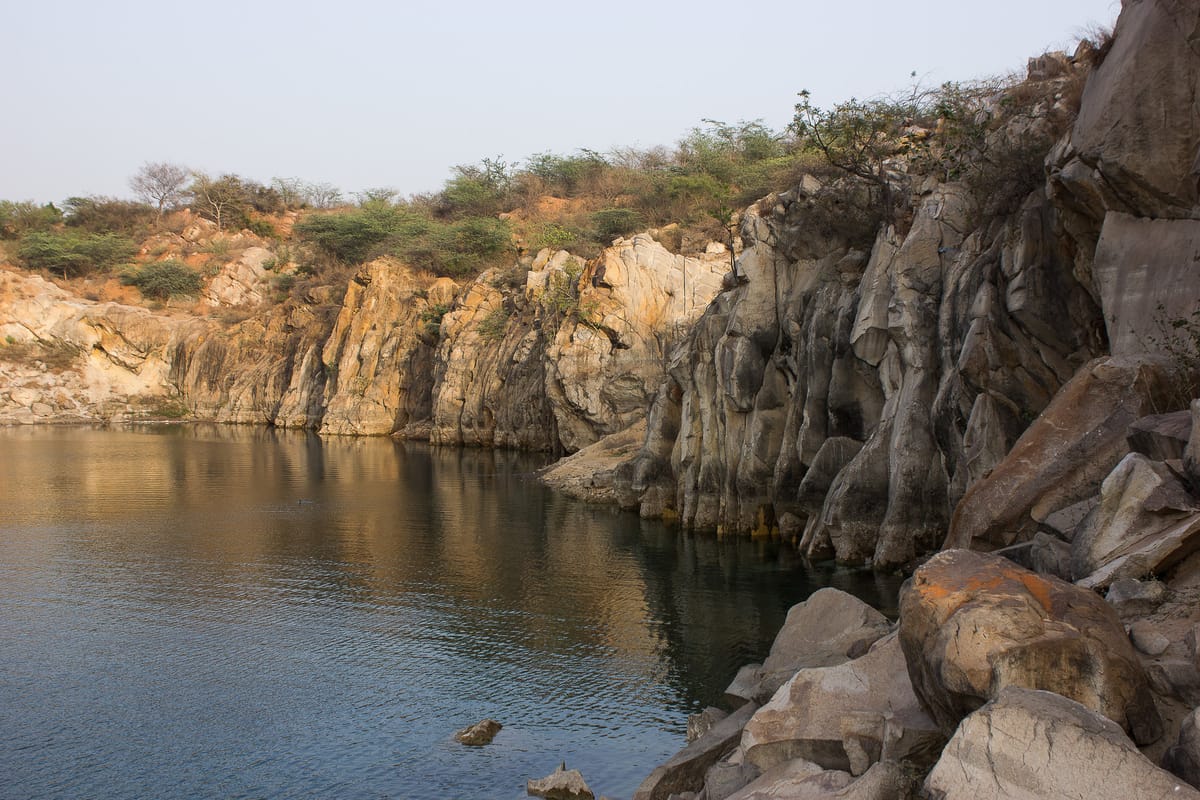 The story of Asola Bhatti Wildlife Sanctuary is one of remarkable ecological restoration and dedicated conservation efforts. What was once a severely degraded landscape due to extensive mining activities has been transformed into a thriving ecosystem through systematic conservation initiatives. This transformation represents one of India's most successful urban conservation stories and offers valuable lessons for ecological restoration in metropolitan areas.
From Mining Pits to Wildlife Haven:
The area that now constitutes the sanctuary was extensively mined for quartzite and silica sand until the 1980s. These mining activities left deep pits, degraded soil, and destroyed vegetation across large areas. When mining ceased, the abandoned pits began filling with rainwater, creating artificial lakes. Recognizing the potential of these water bodies and surrounding areas for wildlife conservation, the Delhi government notified the Asola area as a wildlife sanctuary in 1991, followed by the Bhatti area in 1996.
The transformation began with natural regeneration supplemented by active restoration efforts. Soil conservation measures, including check dams and contour trenches, helped arrest erosion and create conditions for plant growth. Native tree species were planted to accelerate forest regeneration, and invasive species were systematically removed. Over three decades, these efforts have resulted in the establishment of a self-sustaining ecosystem that continues to evolve and improve.
Wildlife Conservation Programs:
The sanctuary runs several focused conservation programs for different species. The leopard conservation program, though not widely publicized, monitors leopard movement through camera traps and works to minimize human-leopard conflict. The sanctuary also participates in the annual Asian Waterbird Census, contributing valuable data about migratory bird populations and wetland health.
Butterfly conservation is another key focus area, with the sanctuary documenting over 80 butterfly species. Regular butterfly walks and monitoring programs help track butterfly populations, which serve as indicators of ecosystem health. The sanctuary also runs programs for reptile conservation, including monitoring of snake populations and creating awareness about their ecological role.
Community Engagement and Education:
Conservation at Asola Bhatti extends beyond the sanctuary's boundaries through active community engagement programs. The interpretation center serves as an education hub, conducting regular nature walks, birdwatching sessions, and awareness programs for schools and colleges. These programs aim to create awareness about urban biodiversity and foster conservation consciousness among the younger generation.
The sanctuary also works with local communities, promoting sustainable livelihood options that reduce pressure on forest resources. Eco-tourism initiatives provide alternative income while creating stakeholders in conservation. Volunteer programs allow citizens to participate in conservation activities, from tree planting to wildlife monitoring, building a community invested in the sanctuary's protection.
Urban Conservation Significance:
Asola Bhatti Wildlife Sanctuary is crucial for Delhi's ecological security in multiple ways. It serves as a carbon sink, helping mitigate the city's air pollution. The sanctuary helps recharge groundwater through its numerous check dams and water bodies, crucial in a city facing declining water tables. It also acts as a heat island mitigator, cooling surrounding areas through evapotranspiration from vegetation.
Perhaps most importantly, the sanctuary serves as a wildlife corridor connecting fragmented Aravalli habitats. This connectivity is essential for maintaining viable populations of wide-ranging species like leopards and ensuring genetic exchange between isolated populations. In an increasingly urbanized landscape, such corridors are critical for long-term species survival.
The story of Asola Bhatti Wildlife Sanctuary is one of remarkable ecological restoration and dedicated conservation efforts. What was once a severely degraded landscape due to extensive mining activities has been transformed into a thriving ecosystem through systematic conservation initiatives. This transformation represents one of India's most successful urban conservation stories and offers valuable lessons for ecological restoration in metropolitan areas.
From Mining Pits to Wildlife Haven:
The area that now constitutes the sanctuary was extensively mined for quartzite and silica sand until the 1980s. These mining activities left deep pits, degraded soil, and destroyed vegetation across large areas. When mining ceased, the abandoned pits began filling with rainwater, creating artificial lakes. Recognizing the potential of these water bodies and surrounding areas for wildlife conservation, the Delhi government notified the Asola area as a wildlife sanctuary in 1991, followed by the Bhatti area in 1996.
The transformation began with natural regeneration supplemented by active restoration efforts. Soil conservation measures, including check dams and contour trenches, helped arrest erosion and create conditions for plant growth. Native tree species were planted to accelerate forest regeneration, and invasive species were systematically removed. Over three decades, these efforts have resulted in the establishment of a self-sustaining ecosystem that continues to evolve and improve.
Wildlife Conservation Programs:
The sanctuary runs several focused conservation programs for different species. The leopard conservation program, though not widely publicized, monitors leopard movement through camera traps and works to minimize human-leopard conflict. The sanctuary also participates in the annual Asian Waterbird Census, contributing valuable data about migratory bird populations and wetland health.
Butterfly conservation is another key focus area, with the sanctuary documenting over 80 butterfly species. Regular butterfly walks and monitoring programs help track butterfly populations, which serve as indicators of ecosystem health. The sanctuary also runs programs for reptile conservation, including monitoring of snake populations and creating awareness about their ecological role.
Community Engagement and Education:
Conservation at Asola Bhatti extends beyond the sanctuary's boundaries through active community engagement programs. The interpretation center serves as an education hub, conducting regular nature walks, birdwatching sessions, and awareness programs for schools and colleges. These programs aim to create awareness about urban biodiversity and foster conservation consciousness among the younger generation.
The sanctuary also works with local communities, promoting sustainable livelihood options that reduce pressure on forest resources. Eco-tourism initiatives provide alternative income while creating stakeholders in conservation. Volunteer programs allow citizens to participate in conservation activities, from tree planting to wildlife monitoring, building a community invested in the sanctuary's protection.
Urban Conservation Significance:
Asola Bhatti Wildlife Sanctuary is crucial for Delhi's ecological security in multiple ways. It serves as a carbon sink, helping mitigate the city's air pollution. The sanctuary helps recharge groundwater through its numerous check dams and water bodies, crucial in a city facing declining water tables. It also acts as a heat island mitigator, cooling surrounding areas through evapotranspiration from vegetation.
Perhaps most importantly, the sanctuary serves as a wildlife corridor connecting fragmented Aravalli habitats. This connectivity is essential for maintaining viable populations of wide-ranging species like leopards and ensuring genetic exchange between isolated populations. In an increasingly urbanized landscape, such corridors are critical for long-term species survival.
Safari Experience and Guided Tours
Unlike many national parks and tiger reserves in India, Asola Bhatti Wildlife Sanctuary does not offer traditional jeep safaris. Instead, it provides a more intimate, ground-level wildlife experience through guided nature walks and educational programs. This approach aligns with the sanctuary's conservation philosophy and creates opportunities for deeper engagement with nature. Guided Nature Walks: The sanctuary organizes guided nature walks on weekends and holidays, conducted by experienced naturalists and forest department staff. These walks typically start early in the morning, when wildlife is most active, and last 2-3 hours. The guides are knowledgeable about the sanctuary's flora and fauna and help visitors spot and identify wildlife that they might miss on their own. These guided walks are excellent for beginners and those unfamiliar with the sanctuary. The guides not only help with species identification but also share fascinating information about animal behavior, ecological relationships, and conservation challenges. They're trained to find birds through their calls, spot camouflaged reptiles, and read animal signs like tracks and scat, enhancing the wildlife viewing experience significantly. Birdwatching Tours: For bird enthusiasts, the sanctuary offers specialized birdwatching tours, especially during the winter migration season. These tours are led by expert birders who know the best locations for different species and can help identify birds by their calls and plumage. The tours typically cover multiple habitats within the sanctuary, maximizing the number of species that can be observed in a single visit. Discover more birdwatching spots at Nalsarovar Bird Sanctuary in Gujarat. Some tours focus specifically on raptor watching, taking participants to elevated vantage points where eagles, hawks, and falcons can be observed. Others concentrate on water birds around the bundis or forest birds in the thorn forest areas. These specialized tours are excellent opportunities for photographers and serious birders to add to their species lists while learning from experts. Photography Tours: The sanctuary occasionally organizes wildlife photography tours, led by professional wildlife photographers. These tours focus on techniques for wildlife and nature photography, including field craft for approaching wildlife without disturbance, understanding light and composition in natural settings, and ethical photography practices. Participants get hands-on guidance and opportunities to photograph the sanctuary's diverse wildlife and landscapes. Photography tours are typically kept small to ensure personalized attention and minimize disturbance to wildlife. They're suitable for photographers of all levels, from beginners wanting to learn the basics to experienced photographers seeking new subjects and techniques. The sanctuary's diverse subjects, from birds and butterflies to landscapes and reptiles, offer excellent opportunities for photography throughout the year. Self-Guided Exploration: For independent visitors, the sanctuary offers well-marked trails and interpretive signage. The interpretation center provides brochures and trail maps, allowing visitors to explore at their own pace. While self-guided exploration can be rewarding, especially for those with some wildlife watching experience, first-time visitors might benefit from starting with a guided walk to familiarize themselves with the sanctuary and its wildlife. Regardless of whether you choose guided tours or self-exploration, maintaining silence, moving slowly, and being patient are key to wildlife sightings. Wildlife watching is about being present in the moment and connecting with nature at its own pace - something Asola Bhatti's serene environment encourages naturally.How to Reach from South Delhi
Asola Bhatti Wildlife Sanctuary's strategic location in South Delhi makes it easily accessible from various parts of the National Capital Region. Whether you're driving, taking public transport, or using a combination of both, reaching the sanctuary is straightforward and convenient. Here's a comprehensive guide on how to reach the sanctuary from different parts of South Delhi. By Private Vehicle/Taxi: The most convenient way to reach the sanctuary is by private vehicle or taxi. From South Delhi locations like Nehru Place, Lajpat Nagar, or Greater Kailash, take the Outer Ring Road toward Badarpur. Exit at the Tughlaqabad intersection and take the Mehrauli-Badarpur Road (MB Road) toward Badarpur. The sanctuary entrance is approximately 2 kilometers from the Tughlaqabad Fort on the right side. The journey takes approximately 30-45 minutes from most South Delhi locations, depending on traffic. The sanctuary has a parking area near the entrance, and parking is generally available on weekdays. Weekends can see more visitors, so arriving early ensures parking space and better wildlife viewing. App-based taxi services like Uber and Ola operate in this area, making it convenient for those without personal vehicles. By Metro: The Delhi Metro provides an excellent public transport option for reaching the sanctuary. The nearest metro station is Tughlaqabad Railway Station on the Violet Line, which connects directly to important stations like Central Secretariat, Kalkaji Mandir, and Nehru Enclave. From the metro station, the sanctuary is approximately 4 kilometers away. From Tughlaqabad metro station, you can hire an auto-rickshaw or taxi to the sanctuary entrance. Autos are readily available outside the station and the fare typically ranges from INR 50-80. The auto ride takes about 10-15 minutes. Alternatively, you can walk to the sanctuary in approximately 30-40 minutes, passing through interesting areas including Tughlaqabad Fort. By Bus: DTC buses connect various parts of South Delhi to the Mehrauli-Badarpur Road area. Bus routes from Nehru Place, Okhla, and other South Delhi locations pass near the sanctuary entrance. However, buses may not drop you exactly at the sanctuary gate, and you might need to walk 500 meters to 1 kilometer from the main road. Checking current bus routes and schedules is advisable, as they may change. The Delhi Transport Corporation's website and mobile app provide updated route information. Bus travel is economical but less convenient than direct options, making it more suitable for budget travelers willing to walk some distance. From Specific South Delhi Locations: From Nehru Place: Distance approximately 12 kilometers. Take the Outer Ring Road toward Sarita Vihar, then turn onto MB Road. Journey time: 30-40 minutes by car. From Saket: Distance approximately 15 kilometers. Take the Press Enclave Road toward Malviya Nagar, then connect to MB Road via Chhatarpur. Journey time: 35-45 minutes by car. From Vasant Kunj: Distance approximately 20 kilometers. Take the MG Road toward Mahipalpur, then connect to MB Road. Journey time: 40-50 minutes by car. Timing Recommendations: Regardless of your starting point, plan to reach the sanctuary as early as possible, ideally by 6:30 AM in summer and 7:00 AM in winter. Early morning offers the best wildlife viewing opportunities and cooler temperatures for walking. Weekdays are generally less crowded than weekends, providing a more peaceful experience. However, weekends have the advantage of guided nature walks being available.Visitor Facilities and Practical Information
When planning a visit to Asola Bhatti Wildlife Sanctuary, knowing about available facilities and practical information helps ensure a comfortable and enjoyable experience. While the sanctuary maintains a relatively natural character without overdevelopment, basic facilities are available for visitors' convenience. Understanding what to expect and how to prepare will help you make the most of your visit. Visitor Facilities: The sanctuary's interpretation center near the entrance serves as the primary visitor facility. It houses informative displays about the sanctuary's wildlife, ecosystems, and conservation efforts. The center also has restrooms and drinking water facilities, though it's advisable to carry your own water for the trails. Basic first aid is available, but carrying a personal first aid kit is recommended for longer trails. There are designated picnic areas near the interpretation center where families can rest and enjoy packed meals. However, consuming food inside the sanctuary's core areas is not permitted, and visitors are expected to carry back all waste. The sanctuary has watchtowers and hideouts at strategic locations that provide shelter from sun and rain while offering good wildlife viewing opportunities. Timing and Entry Fees: The sanctuary is open every day of the week, typically from 6:30 AM to 5:30 PM in summer and 7:00 AM to 5:00 PM in winter. However, these timings can vary seasonally, and it's advisable to check current timings before planning your visit. The sanctuary may close on days with heavy rain or during extreme weather conditions for visitor safety. Entry fees are nominal, approximately INR 20-30 for Indian citizens and INR 200-300 for foreign nationals, though fees are subject to change. Camera fees may apply for professional photography equipment. Students carrying valid ID cards often receive concessions. Children below a certain age (usually 5 years) typically have free entry. These fees contribute to the sanctuary's conservation and maintenance efforts. What to Carry: Essential items for a sanctuary visit include binoculars for bird and wildlife viewing, a camera if you're interested in photography, and adequate water (at least 2 liters per person). Comfortable walking shoes with good grip are essential, as the trails can be rocky and uneven. Wearing neutral-colored clothing (khaki, olive, brown) helps in wildlife observation, as bright colors can disturb animals. Sun protection including a hat, sunglasses, and sunscreen is crucial, as shade is limited on many trails. Insect repellent is recommended, especially during and after monsoon. Carrying a small backpack allows you to carry these items comfortably while walking. A field guide to birds or wildlife can enhance your experience, though many guides are now available as mobile apps. Rules and Regulations: Visitors are expected to follow sanctuary rules designed to minimize disturbance to wildlife and protect the ecosystem. Staying on designated trails is mandatory, as straying can damage fragile vegetation and disturb wildlife. Littering is strictly prohibited, and visitors must carry back all waste. Playing music or making loud noises disturbs animals and is not permitted. Photography is allowed, but the use of drones or flash photography is prohibited. Feeding wildlife is strictly forbidden, as human food is harmful to animals and alters natural behavior. Visitors should not pluck flowers, collect specimens, or damage any part of the sanctuary. These rules are enforced by forest staff, and violations can result in fines or eviction from the sanctuary. Best Practices for Wildlife Viewing: Successful wildlife viewing requires patience, silence, and respect for wildlife. Move slowly and quietly, avoiding sudden movements or loud conversations. If you encounter wildlife, maintain a respectful distance and never attempt to touch or feed animals. Use binoculars or camera zoom to observe animals from a distance without disturbing them. The best wildlife sightings often come to those who wait. Find a good location near a water body or fruiting tree, sit quietly, and let wildlife come to you. Early mornings and late afternoons are typically most productive. Remember that wildlife viewing is about the experience of being in nature, not just ticking off species sightings. Respect the sanctuary's wild character and leave only footprints, taking only memories and photographs.Why Asola Bhatti Sanctuary is Delhi's Green Treasure
Asola Bhatti Wildlife Sanctuary represents much more than just a protected area - it's a symbol of hope for urban conservation and a living testament to nature's resilience. In a megacity bursting at the seams with 20 million people, this 32.71 square kilometer sanctuary stands as a refuge for wildlife and a retreat for humans seeking connection with nature. Its existence and flourishing state demonstrate that urban development and wildlife conservation can coexist with proper planning and commitment. An Urban Conservation Success Story: The transformation of Asola Bhatti from degraded mining land to thriving wildlife habitat offers valuable lessons in ecological restoration. It proves that even severely damaged ecosystems can recover with dedicated conservation efforts and natural regeneration processes. This success story is particularly important in an era of rapid urbanization, offering hope and methodology for restoring degraded landscapes in metropolitan areas worldwide. The sanctuary's existence also challenges common misconceptions that wildlife conservation requires vast, remote areas. Asola Bhatti demonstrates that meaningful conservation can happen in urban contexts, bringing nature to people's doorsteps rather than requiring them to travel great distances. This model is crucial for building urban populations that value and support conservation, as it creates direct personal connections with nature. Beyond Wildlife: Ecosystem Services The sanctuary's value extends far beyond its wildlife conservation function. It serves as a crucial carbon sink in one of the world's most polluted cities, helping mitigate air pollution and sequestering carbon. The water bodies and vegetation help recharge groundwater aquifers, essential in a city facing declining water tables. The sanctuary's vegetation helps reduce the urban heat island effect, cooling surrounding areas and making nearby settlements more livable. These ecosystem services, often overlooked, have enormous economic value. If one were to calculate the cost of providing equivalent services through technological solutions, the sanctuary would be worth billions of rupees. However, its true value is immeasurable, as it represents investments in ecological security that money cannot buy - clean air, water security, and climate resilience for current and future generations. Education and Research Hub: Asola Bhatti serves as an invaluable educational resource, especially for Delhi's students and researchers. Schools and universities regularly use the sanctuary for field visits, environmental education programs, and research projects. Students who might never visit remote national parks get their first exposure to wildlife ecology and conservation principles here, potentially inspiring future conservationists. The sanctuary also supports scientific research, with studies on wildlife populations, vegetation dynamics, and ecological restoration providing valuable data. This research contributes to our understanding of urban ecology and informs conservation strategies. The sanctuary's proximity to academic institutions in Delhi and NCR makes it an accessible research site, contributing to scientific knowledge while being used for training future ecologists and conservationists. Community Well-being and Recreation: Beyond its ecological functions, the sanctuary provides immense value to local communities as a space for recreation, mental well-being, and connection with nature. In stressful urban environments, access to green spaces has documented benefits for mental and physical health. Morning walkers, families on outings, and nature enthusiasts all find respite within the sanctuary's peaceful boundaries. This recreational value is not trivial - access to nature is increasingly recognized as a basic human right and essential for quality of life in cities. Asola Bhatti provides this access free of cost, making it available to all sections of society regardless of economic status. In a city where most recreational spaces are commercialized and gated, the sanctuary's accessibility and public nature are particularly valuable. A Legacy for Future Generations: Perhaps most importantly, Asola Bhatti Wildlife Sanctuary represents a legacy we're creating for future generations. Protecting and enhancing this sanctuary today ensures that Delhi's future residents will have access to wilderness, wildlife, and the numerous benefits of urban green spaces. In an era of climate change and biodiversity loss, such investments in ecological security are perhaps the most important legacy we can leave. Every visit to the sanctuary, every student who learns about conservation here, every child who sees wild animals for the first time within its boundaries - these experiences build constituencies for conservation that will protect wildlife and wild spaces long into the future. Asola Bhatti is not just a sanctuary for animals; it's a sanctuary for the human spirit, keeping alive our connection to the natural world in the heart of one of Earth's largest cities. Whether you're a dedicated wildlife enthusiast, a casual nature lover, or simply seeking escape from urban chaos, Asola Bhatti Wildlife Sanctuary welcomes you with its serene landscapes and remarkable biodiversity. It stands as proof that wilderness and cities can coexist, that damaged ecosystems can recover, and that protecting nature ultimately protects ourselves. For more nature experiences in Delhi, explore the Deer Park in Delhi. As you plan your next escape from Delhi's concrete confines, consider this hidden gem in the city's southern reaches. Asola Bhatti Wildlife Sanctuary may not have the fame of India's tiger reserves or the grandeur of its national parks, but it offers something equally valuable - a chance to witness nature's resilience and experience wild tranquility without leaving the city. In doing so, it reminds us that wilderness is not always distant, sometimes it's right in our backyard, waiting to be discovered, appreciated, and protected.Location
Frequently Asked Questions
Q1.Where is Asola Bhatti Wildlife Sanctuary located?
Q2.What is the best time to visit Asola Bhatti Wildlife Sanctuary?
Q3.What wildlife can be seen at Asola Bhatti Wildlife Sanctuary?
Q4.Are safaris available at Asola Bhatti Wildlife Sanctuary?
Q5.What are the Asola Bhatti Wildlife Sanctuary timings?
Q6.What is the entry fee for Asola Bhatti Wildlife Sanctuary?
Q7.How to reach Asola Bhatti Wildlife Sanctuary from South Delhi?
Q8.Are there nature trails for trekking at Asola Bhatti?
Recommended For You
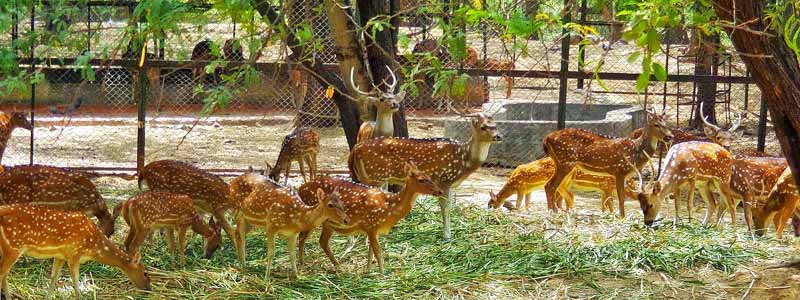
Deer Park Delhi: Timings, Walking Trails & Hauz Khas Access
Explore Deer Park Delhi near Hauz Khas with wildlife highlights, timings, access tips, best visit windows, and nearby South Delhi attractions.
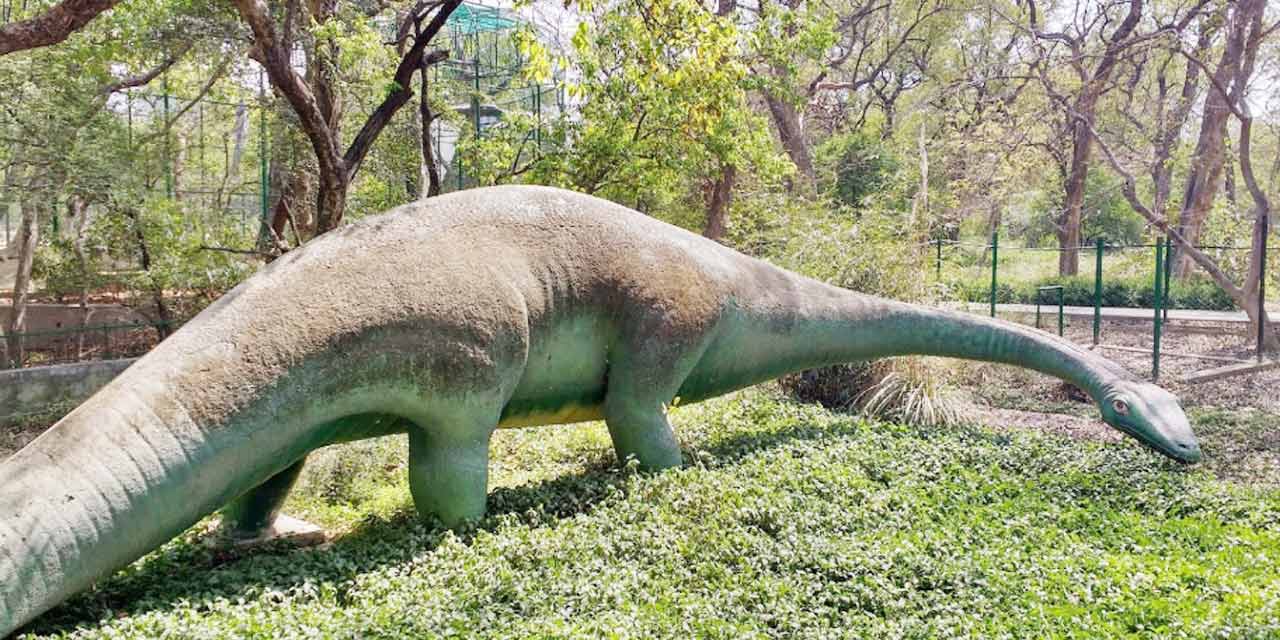
Kanpur Zoological Park: Timings, Entry Fee & Animal Highlights
Visit Kanpur Zoological Park (Allen Forest Zoo)! Discover timings, entry fees, 200+ animal species, battery safari, botanical garden & complete travel guide for UP's largest zoo.
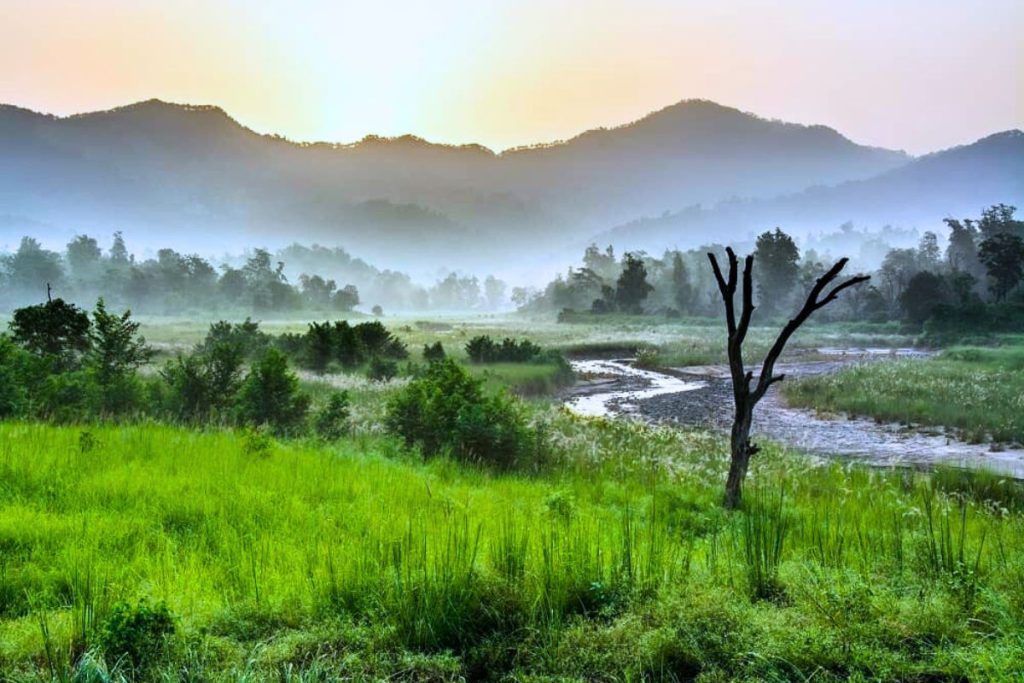
Rajaji National Park: Elephant Safari, Zones & Visitor Information
Explore Rajaji National Park in Uttarakhand. Complete guide to elephant safaris, best time to visit, zones, wildlife, booking tips & accommodation near Haridwar.
Never Miss an Adventure
Get the latest trekking guides, travel tips, and exclusive offers delivered straight to your inbox.
