
Local Food of Aizawl: Mizo Dishes, Ingredients & Best Places to Eat

Rohan Malhotra
January 24, 2026
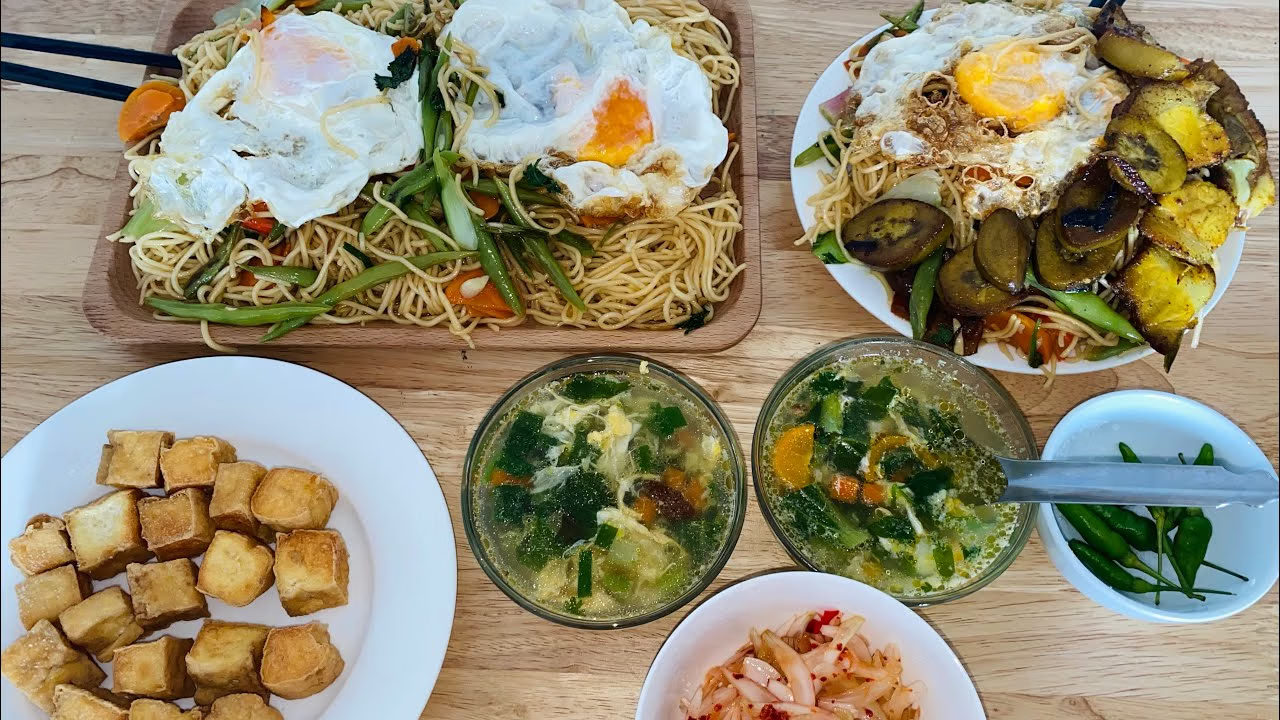
Discover authentic Mizo cuisine in Aizawl, Mizoram. Explore traditional dishes like Bai, Vawksa Rep (smoked pork), Sawhchiar, and must-try local delicacies with our complete food guide.
Introduction: Flavors of Mizoram
Welcome to Aizawl, where the culinary landscape tells the story of Mizoram's rich cultural heritage, simple living, and deep connection with nature. The local food of Aizawl offers a unique gastronomic experience that sets it apart from other Indian cuisines. Characterized by minimal use of spices, emphasis on fresh organic ingredients, and innovative cooking techniques like smoking and fermenting, Mizo cuisine is a testament to the state's philosophy of living close to the land. What makes Aizawl's food scene truly special is its authenticity and preservation of traditional cooking methods. In an era of processed foods and complex recipes, Mizo cuisine embraces simplicity while delivering incredible flavors through techniques passed down through generations. From the smoky aroma of traditional pork dishes to the subtle flavors of vegetable stews, every meal tells a story of the Mizo people's relationship with their environment. Whether you're a visitor exploring Aizawl or a food enthusiast seeking new culinary experiences, the local cuisine promises flavors that will surprise and delight your palate.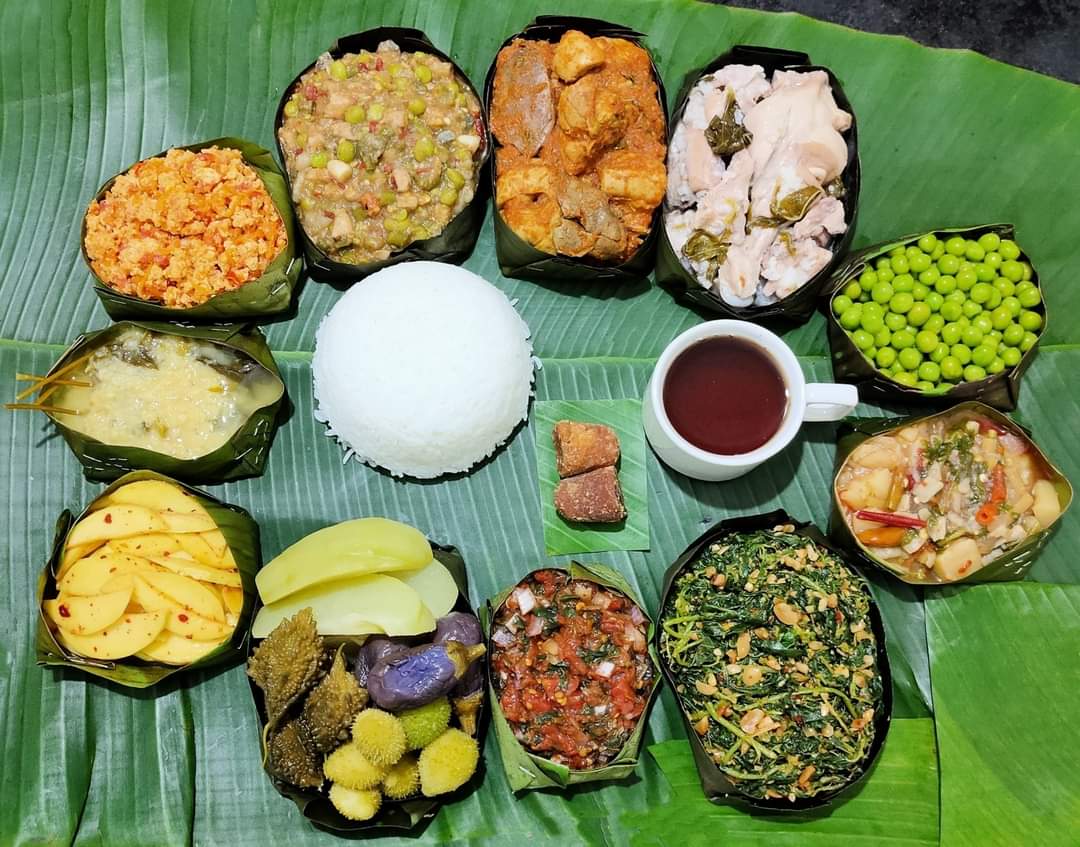
About Mizo Cuisine
Mizo cuisine is a beautiful reflection of the state's geography, culture, and agricultural practices. The food philosophy centers on simplicity, nutrition, and making the most of available ingredients. Unlike many Indian cuisines that rely heavily on spices, Mizo cooking uses minimal spices, allowing the natural flavors of ingredients to shine through.Key Characteristics
Minimal Spices: Mizo cuisine uses very few spices, primarily relying on salt, chili, ginger, garlic, and local herbs. This simplicity allows the true flavors of the main ingredients - whether meat, fish, or vegetables - to dominate the dish.
Smoked and Fermented Foods: The smoking technique is central to Mizo cooking, especially for meats and fish. Traditional smoking over wood fire imparts a distinctive flavor that's become synonymous with Mizo cuisine. Fermented foods, particularly bamboo shoots and soybeans, are also essential components that add depth and complexity to dishes.
Rice as Staple: Rice is the staple food of Mizoram, served with every meal. The state grows several varieties of rice, and rice preparations form the foundation of most Mizo meals.
Non-Vegetarian Dominance: While vegetarian dishes exist, Mizo cuisine predominantly features non-vegetarian dishes. Pork, fish, and chicken are particularly popular, prepared using various traditional methods.
Organic and Fresh: Most ingredients used in Mizo cooking are organic, sourced from local farms or forests. The emphasis on fresh, seasonal ingredients ensures dishes are nutritious and flavorful.
Must-Try Traditional Dishes
Exploring Aizawl's food scene means discovering these incredible traditional dishes that represent the heart of Mizo cuisine.Bai
Bai is perhaps the most iconic Mizo dish, a simple yet flavorful vegetable stew. What makes Bai special is the combination of various local vegetables, herbs, and sometimes meat or fish. The dish typically includes spinach, pumpkin, beans, eggplant, and other seasonal vegetables cooked together. The addition of local herbs like sawhchuan (a type of aromatic herb) gives Bai its distinctive flavor. Bai is nutritious, light, and perfect for experiencing the authentic taste of Mizo cuisine.
Vawksa Rep
Vawksa Rep (smoked pork) is a Mizo delicacy that you must try. The pork is traditionally smoked over wood fire, giving it a distinctive flavor and aroma that's impossible to replicate with modern cooking methods. The smoking process preserves the meat while infusing it with a smoky essence that Mizo cuisine is famous for. Vawksa Rep is often cooked with bamboo shoots, local herbs, and sometimes chili for those who enjoy heat. It's typically served with rice and makes for a hearty, satisfying meal.
Sawhchiar
Sawhchiar is a special dish reserved for important occasions and celebrations. It's essentially a rice and meat dish where the rice is cooked together with meat (usually pork or chicken) and local herbs. The slow cooking process allows the flavors to meld together, creating a dish that's rich, aromatic, and deeply satisfying. Sawhchiar represents Mizo hospitality at its best and is often served to guests during festivals and special gatherings.
Misa Mach Poora
For seafood lovers, Misa Mach Poora is a must-try. This dish consists of roasted fish marinated with local spices and herbs, then grilled to perfection. The fish is typically wrapped in banana leaves before roasting, which keeps it moist while imparting a subtle earthy flavor. The result is tender, flavorful fish that showcases Mizo cooking's ability to create delicious dishes with simple techniques and minimal ingredients.
Chhum Han
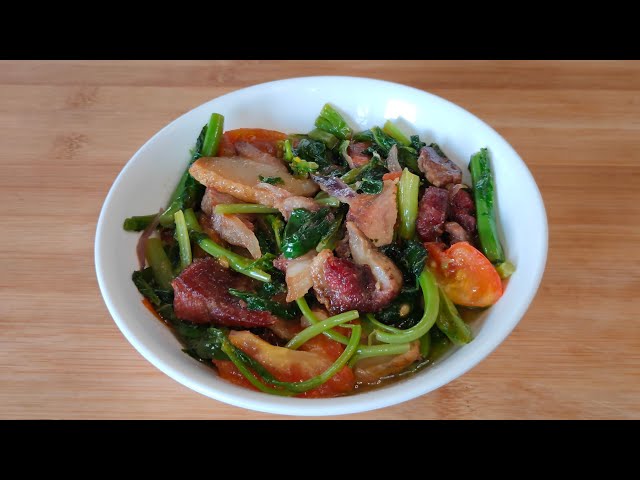
Chhum Han refers to preparations of various green leafy vegetables, an essential part of Mizo cuisine. Different types of local greens are cooked simply, often with minimal seasoning - just salt, maybe some onion or garlic, and occasionally fermented soybean for added flavor. These dishes are nutritious, light, and perfect for balancing heavier meat dishes. The variety of greens used in Mizo cooking is impressive, each with its unique flavor and nutritional profile.
Panchan Phor
Panchan Phor is steamed fish wrapped in leaves, a cooking technique that's both healthy and flavorful. The fish - often river fish - is marinated with local spices, wrapped in banana or other local leaves, and steamed until perfectly cooked. The steaming process keeps the fish moist while the leaves impart a subtle earthy flavor. This gentle cooking method preserves the fish's natural flavor while enhancing it with the aromatic qualities of the wrapping leaves.
Koat Pitha
For those with a sweet tooth, Koat Pitha is a traditional Mizo sweet snack. These are essentially rice flour fritters, sweetened with jaggery or sugar, and deep-fried to golden perfection. Crispy on the outside and soft on the inside, Koat Pitha makes for a perfect dessert or snack with tea. They represent the sweet side of Mizo cuisine and are often prepared during festivals and special occasions.
Street Food & Snacks
Aizawl's street food scene offers quick bites that are perfect for experiencing local flavors on the go.Sanpiau
Sanpiau is a popular rice porridge dish that's comfort food at its finest. Similar to congee but with distinct Mizo flavors, Sanpiau is rice cooked with plenty of water until it breaks down into a smooth, creamy consistency. It's typically seasoned with salt, sometimes with the addition of onions, herbs, or even meat. Sanpiau is light, easy to digest, and perfect for breakfast or as a comforting meal when you're not feeling well.
Chhangban
Chhangban refers to dishes made with fermented soybeans, an essential ingredient in Mizo cuisine. The fermented soybeans add a depth of flavor - umami, slightly funky, and distinctly aromatic. Chhangban can be prepared in various ways, often as a side dish or as part of a larger preparation. It's an acquired taste for some but beloved by locals and essential for understanding the complexity of Mizo flavors.
Vawkchhar
Vawkchhar is a pork dish often found in street food stalls and local eateries. It's typically pork cooked with spices and sometimes vegetables, offering a quick, flavorful meal for those on the go. The exact preparation can vary by vendor, with each adding their own twist to this popular dish. It's usually served with rice and makes for a satisfying lunch or dinner.
Puan Lusei
Puan Lusei is traditional Mizo bread, though different from the leavened breads you might be used to. It's typically made from rice flour or other local grains, then cooked on a griddle. The result is a flatbread that's perfect for scooping up curries or eating on its own. Puan Lusei represents the bread tradition of Mizo cuisine and is an essential component of a traditional Mizo meal.
Best Restaurants in Aizawl
Aizawl offers various dining options where you can experience authentic Mizo cuisine.Chawlnu Restaurant
Chawlnu Restaurant is renowned for serving authentic Mizo cuisine in a traditional setting. The restaurant specializes in traditional dishes, using time-honored recipes and cooking methods. Here you can try dishes like Vawksa Rep, Bai, and Sawhchiar prepared as they have been for generations. The ambiance is simple and unpretentious, letting the food be the main attraction. It's an excellent place for experiencing authentic Mizo flavors.
Hotel Ritz
For those seeking a more upscale dining experience, Hotel Ritz offers fine dining with a focus on Mizo cuisine alongside other Indian and international options. The restaurant provides a more polished version of traditional dishes, perfect for those who want to explore Mizo flavors in comfortable, modern surroundings. The service is excellent, and the menu offers a good introduction to Mizo cuisine for newcomers.
J Restaurant
J Restaurant is known for its multi-cuisine menu, but it's particularly praised for its Mizo dishes. The restaurant strikes a balance between traditional flavors and modern presentation, making it popular with both locals and tourists. The menu is extensive, offering various Mizo dishes alongside Indian, Chinese, and Continental options, making it perfect for groups with diverse preferences.
Local Eateries
Some of the best food in Aizawl is found in small, family-run eateries scattered throughout the city. These no-frills establishments serve home-style Mizo food at affordable prices. The menus might be limited, but what they serve is prepared with care and authenticity. These eateries are perfect for experiencing how locals eat daily, with dishes changing based on what's fresh and seasonal.
Food Culture & Dining Etiquette
Understanding Mizo food culture enhances your dining experience in Aizawl.Communal Dining
Mizo culture places great value on communal dining. Meals are often served family-style, with dishes placed in the center for everyone to share. This practice fosters community and makes meals a social, bonding experience. When dining with locals, don't be surprised if everyone eats from the same dishes - it's a sign of trust and friendship.
Eating with Hands
Traditional Mizo dining often involves eating with the hands, specifically the right hand. Utensils are used, particularly for liquid dishes, but many locals prefer the tactile experience of eating with their hands. This practice is considered more intimate and allows for better appreciation of food textures. If you're not comfortable eating with your hands, utensils are always available, but trying the traditional way can enhance your cultural experience.
Respect for Food
Food is treated with great respect in Mizo culture. Wasting food is frowned upon, so take only what you can finish. Meals often begin with a moment of acknowledgment or thanks, reflecting the cultural value placed on the sustenance food provides. Showing respect for the food and the person who prepared it is an important part of Mizo dining etiquette.
Dining Times
Breakfast is typically eaten early, around 7-8 AM. Lunch is the main meal of the day, usually between 12-2 PM. Dinner is lighter and eaten earlier than in many other parts of India, typically between 6-8 PM. These dining times align with the state's agricultural heritage and the practicalities of daily work routines.
Where to Eat
Finding great food in Aizawl involves knowing where to look.Local Markets
Aizawl's local markets are treasure troves for food enthusiasts. The main markets like Bara Bazar and Luangmual have sections dedicated to prepared foods, snacks, and ingredients. Here you'll find street food vendors selling everything from quick snacks to full meals. It's also the perfect place to try local fruits, vegetables, and prepared foods that you might not find in restaurants.
Hotel Restaurants
Most hotels in Aizawl have in-house restaurants that serve both Mizo and other cuisines. These restaurants offer convenience and consistency, making them good options for those unsure about trying street food or smaller local eateries. The quality is generally reliable, and the menus provide descriptions that help newcomers understand what they're ordering.
Food Festivals
Timing your visit with local food festivals can provide an unparalleled culinary experience. Mizoram celebrates several festivals throughout the year, and many feature food as a central component. The Chapchar Kut festival in March is particularly good for experiencing traditional Mizo foods in a festive, celebratory atmosphere.
Food Experiences
Certain food experiences define a culinary journey through Aizawl.Trying Smoked Meats
No visit to Aizawl is complete without trying smoked meats. The smoking process is fundamental to Mizo cuisine, creating flavors that are distinctive and delicious. Whether it's Vawksa Rep or other smoked meat preparations, this technique represents Mizo culinary innovation at its finest.
Bamboo Shoot Dishes
Bamboo shoots feature prominently in Mizo cooking, adding a unique texture and flavor to dishes. Whether fermented, fresh, or dried, bamboo shoots are an essential ingredient that defines much of Mizo cuisine. Trying various bamboo shoot preparations gives insight into this versatile ingredient.
Fermented Soybean
Fermented soybean (Chhangban) is an acquired taste but essential for understanding Mizo cuisine's complexity. Its pungent aroma and deep umami flavor add depth to dishes in ways no other ingredient can. Trying it in various preparations helps appreciate its role in Mizo cooking.
Local Beverages (Zu)
Zu is the traditional Mizo rice beer, often consumed during festivals and special occasions. While not always available commercially, asking locals about Zu can lead to authentic cultural experiences. If rice beer isn't available, trying local teas and other non-alcoholic beverages provides insight into Mizo beverage culture.
Location
Frequently Asked Questions
Q1.What is the famous food of Mizoram?
Q2.Is Mizo food spicy?
Q3.What is Bai in Mizo cuisine?
Q4.Where can I try authentic Mizo food?
Q5.Are there good restaurants in Aizawl?
Q6.What is the cost of food in Aizawl?
Q7.What must I eat in Aizawl?
Q8.Is non-vegetarian food popular in Mizoram?
Q9.What are Mizo beverages?
Q10.Are there food festivals in Aizawl?
Recommended For You
Local Food of Leh-Ladakh: Traditional Dishes, Cafes & Budget Meals
Discover authentic Ladakhi cuisine in Leh Ladakh. Explore traditional dishes like Skyu, Thukpa, Momos, butter tea, and must-try local delicacies with our complete food guide.
Local Food of Bhubaneswar: Odia Specialties & Popular Food Stops
Discover authentic Odia cuisine in Bhubaneswar. Explore traditional dishes like Dalma, Chhena Poda, Macha Ghanta, and must-try local delicacies with our complete food guide.
Taste of Tibet Gangtok: Menu, Ambience & Signature Dishes
Visit Taste of Tibet restaurant in Gangtok Sikkim. Guide to menu, timings, location, what to eat & authentic Tibetan food in MG Marg.
Never Miss an Adventure
Get the latest trekking guides, travel tips, and exclusive offers delivered straight to your inbox.
