
Things to Do in Aizawl: Local Culture, Viewpoints & Day Activities

Neha Kapoor
February 20, 2026
Discover top things to do in Aizawl with viewpoints, cultural experiences, market walks, local food, practical itineraries, and travel logistics.
Introduction
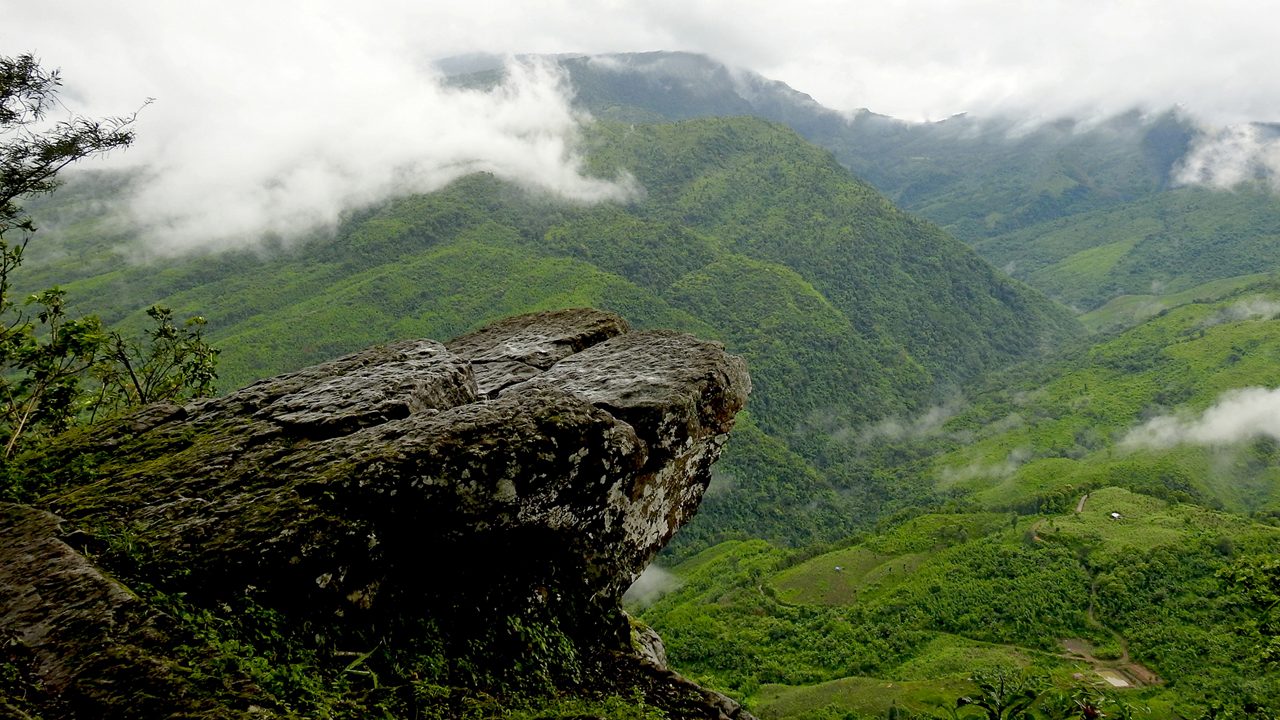
Aizawl, the hill capital of Mizoram, offers a different travel rhythm from mainstream Indian city breaks. It is quieter, community-oriented, and visually striking, with layered hills, winding roads, and neighborhoods that open into dramatic viewpoints. If you are looking for things to do in Aizawl, the most rewarding plan combines scenic points, cultural spaces, local markets, and food experiences over two or three days.
This guide focuses on practical choices for first-time visitors: what to prioritize, how to pace your days, and which experiences offer real cultural depth. Instead of checklist tourism, Aizawl works best with slower observation and respectful engagement with local life. For regional context, pair this with Aizawl travel ideas and planning notes around hotels in Aizawl.
Why Aizawl Feels Unique
Aizawl’s character comes from topography and culture together. Urban life unfolds on steep slopes, creating changing city views at almost every turn. At the same time, strong local identity, clean civic habits, and community etiquette shape visitor experience. Travelers who respect local pace and social norms usually have a richer time here than those expecting fast, high-volume sightseeing.
The city is also a good base for exploring Mizoram’s broader landscapes. Even if your itinerary is short, Aizawl gives you access to culture, food, and short scenic drives without requiring heavy logistics.
Top Viewpoints and Scenic Stops
Start mornings with panoramic viewpoints around Durtlang and other elevated parts of the city. Early hours give clearer visibility, better light for photography, and smoother road movement. Keep one long scenic block each day instead of jumping between many points.
Berawtlang and nearby leisure spaces are useful for sunset sessions. These are good low-intensity activities for families and couples, especially after day-time city exploration. If you are interested in visual storytelling, carry a short route plan to capture both urban texture and distant hill horizons.
For photography-focused travelers, overcast weather can actually improve contrast in Aizawl landscapes. Use cloud windows and avoid strictly blue-sky dependency while planning shoots.
Cultural Experiences and Local Life
Aizawl is one of the best places to understand Mizo culture through daily life, music, crafts, and community values. Look for cultural centers, curated events, and local interaction opportunities where visitors are welcome. A respectful and curious approach opens doors to more meaningful conversations and insights.
Festive periods can add energy to your visit, but even normal days offer rich learning through markets, churches, community spaces, and local food. If you choose homestay-style accommodations, you may get better context than standard hotel-only stays.
When attending cultural spaces, keep dress and behavior modest, ask before photographing people, and avoid loud conduct in quiet neighborhoods.
Markets and Shopping in Aizawl
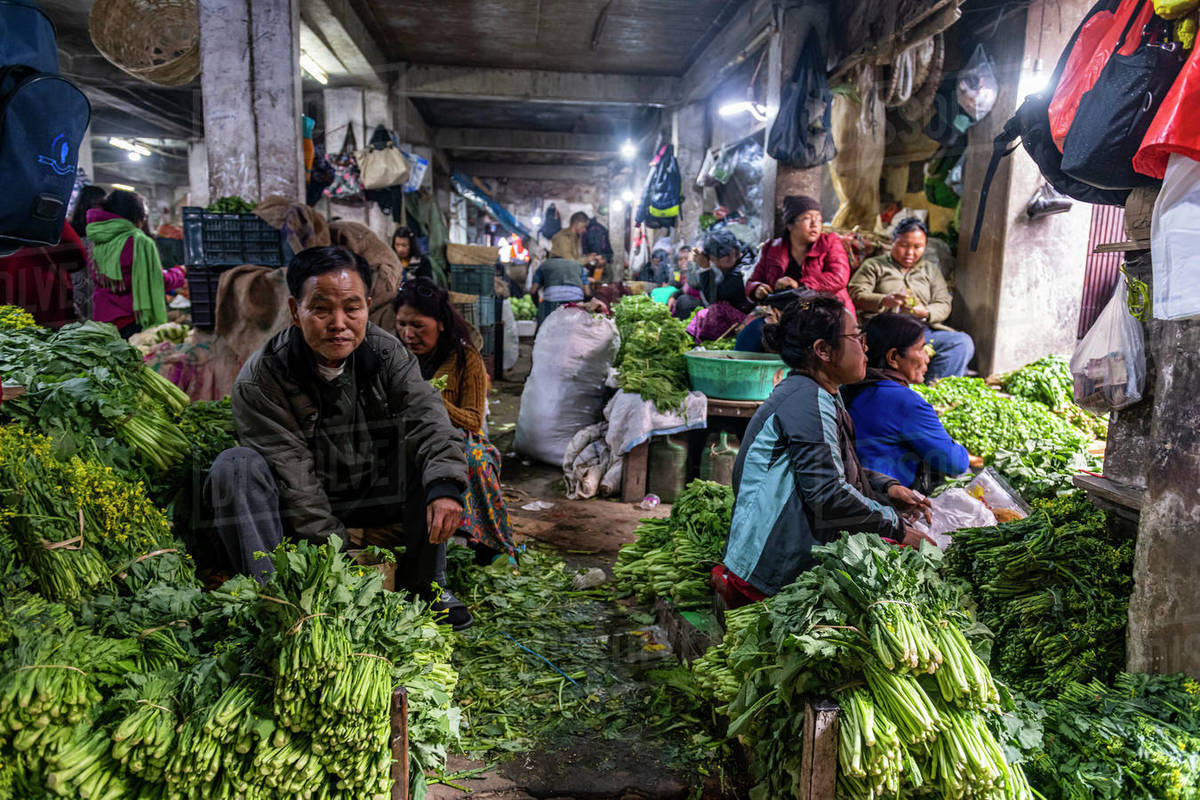
Bara Bazaar remains one of the most active market experiences in the city. It is practical for observing local produce, textiles, daily trade patterns, and regional products. Instead of rushing purchases, walk through once to understand quality and pricing before buying.
Handloom and bamboo products are often strong souvenir choices. Prioritize utility-based items or authentic crafts over generic tourist products. If you are buying gifts, keep packaging and transport in mind because hill travel can involve multiple transfers.
Crowded market lanes require light packing and secure cash handling. Small-denomination cash helps with faster transactions.
Museums, Heritage, and Learning Stops
The Mizoram State Museum and similar heritage-focused venues are valuable for understanding local history, tribes, lifestyle patterns, and material culture. These indoor stops are also ideal during rainy periods or mid-day heat.
Allocate at least 60 minutes per museum to avoid superficial visits. Read section summaries and compare themes across exhibits; it gives context that makes later city exploration more meaningful. Students and researchers should keep a note checklist for architecture, costume traditions, and social history markers.
Nature and Trekking Around Aizawl
While Aizawl itself is urban, it is surrounded by terrain suitable for short nature walks and hill routes. Pick easy-to-moderate trails based on weather and fitness, and avoid overly ambitious plans in wet conditions. Good shoes and hydration are essential due to slopes and variable surfaces.
If you want a stronger nature day, plan a controlled excursion toward lake or waterfall routes in the wider region with local transport support. Keep return buffers because road travel in hill states can take longer than map estimates.
Food Experiences in Aizawl
Food is one of the most memorable things to do in Aizawl. Try local Mizo dishes in clean, well-reviewed outlets and balance experimentation with comfort meals. A practical first-day plan is to sample two local items and one familiar dish, then expand on day two.
For focused culinary exploration, refer to local food in Aizawl and shortlist places by timing and location cluster. This avoids excessive commuting between meals and keeps your itinerary efficient.
Morning tea spots and modest local cafes often provide better cultural texture than chain-style dining. Keep meal windows flexible, as smaller outlets may close earlier than metro-city norms.
2-Day and 3-Day Itinerary Ideas
| Duration | Best Structure |
|---|---|
| 2 Days | Day 1 viewpoints + museum + market, Day 2 culture + food + sunset stop |
| 3 Days | Add nature excursion and deeper market/cultural interactions |
Keep half-day flexibility for weather-driven adjustments, especially during monsoon-influenced months.
Best Time to Visit Aizawl
October to April is generally comfortable for city exploration and scenic movement. Monsoon months bring lush visuals but can create transport delays and slippery conditions. If you enjoy misty landscapes and slower travel, rainy periods can still be rewarding with strong planning discipline.
Winter mornings and evenings can be cool, so layer-based clothing is practical. Festival calendars can enhance travel experience but should be matched with advance stay bookings.
Budget and Practical Logistics
- Budget day: INR 1,500-2,300 with basic stays and local food
- Mid-range day: INR 2,800-4,500 with cabs and curated food/experience blocks
- Comfort day: INR 5,000+ with premium stays and guided excursions
Use local transport intelligently, avoid back-and-forth across hills, and group activities by area. Mobile connectivity can vary on outskirts, so offline essentials are useful.
Common Mistakes to Avoid
Do not overpack one day with long inter-neighborhood movement. Hill city travel takes time and energy. Another common mistake is skipping cultural context and treating Aizawl only as a viewpoint destination. The city’s strength is in its people, traditions, and everyday rhythm.
Also avoid disrespectful behavior in quiet community areas. Responsible conduct is essential for maintaining positive tourism relationships.
Slow-Travel Framework for Aizawl
Aizawl rewards travelers who choose depth over speed. Instead of trying to cover every viewpoint and market in one day, assign a clear theme to each day: scenic viewpoints and city orientation on day one, culture and museum immersion on day two, and food plus neighborhood exploration on day three. This theme-based flow reduces travel fatigue on hilly roads and keeps your experience reflective rather than rushed. The city is less about ticking landmarks and more about absorbing atmosphere, people, and terrain.
Morning windows are ideal for viewpoint sessions and urban landscape photography. Midday can be used for museums, local eateries, or short breaks. Evenings work well for market walks and local food trails, but keep transport coordination ready because some routes may slow down in specific hour bands. If you are traveling with elderly family members, choose accommodations with easy approach roads and avoid steep late-night movement.
Travelers often underestimate weather variability in hill cities. Keep light rain protection and non-slip footwear in all seasons. During wet periods, reduce aggressive walking plans and prioritize indoor cultural stops. This flexibility preserves energy and helps you maintain trip quality even when conditions change.
Community Etiquette and Responsible Tourism
Respectful conduct is central to positive travel in Aizawl. Keep noise low in residential stretches, avoid littering, and seek consent before photographing people in close range. If you visit churches or community institutions, follow local guidelines on dress and behavior. Small acts of respect create better interactions and often lead to warmer local conversations.
Support local businesses where possible, especially handloom and food outlets with regional identity. Buying thoughtfully from local makers strengthens community-linked tourism and gives you more authentic souvenirs than generic products.
Practical 3-Day Allocation by Interest
Cultural travelers: museum deep-dive, market observation, local cuisine walk.
Scenic travelers: multi-viewpoint day, sunset sessions, short hill walks.
Balanced travelers: one viewpoint block, one museum block, one market and food block per day.
This allocation approach helps mixed-interest groups avoid conflict and keeps each traveler type engaged.
First-Time Visitor Checklist
Confirm transport contacts before sunset, keep rain-ready layers in your daypack, and pre-select dinner options near your stay. This simple checklist reduces friction in hill-city evenings and helps first-time visitors move confidently across Aizawl’s terrain.
Short Closing Note for Route Efficiency
Group nearby stops in one direction each day to minimize uphill-downhill repetition and keep energy stable.
Conclusion
The best things to do in Aizawl come from combining scenic planning with cultural curiosity and realistic pace. With two or three thoughtfully designed days, Aizawl can deliver one of the most distinctive urban-hill experiences in India.
Prioritize viewpoint timing, local market exploration, heritage learning, and regional food, and you will leave with a deeper understanding of Mizoram beyond standard sightseeing.
Location
Frequently Asked Questions
Q1.How many days are enough for Aizawl?
Q2.What is Aizawl famous for?
Q3.What are the best things to do in Aizawl?
Q4.Is Aizawl good for family travel?
Q5.What is the best time to visit Aizawl?
Q6.Can I explore Aizawl in 2 days?
Q7.How do I get around in Aizawl?
Q8.Are there local markets in Aizawl worth visiting?
Recommended For You
Things to Do in Gurugram: Urban Attractions, Food & Nightlife
Discover the best things to do in Gurugram with curated plans for culture, adventure, shopping, food, nightlife, and practical 2-day itinerary ideas.
Things to Do in Patna: Heritage Walks, Museums & Riverfront
Explore top things to do in Patna with historical landmarks, museum stops, Sikh heritage sites, and practical one-day or two-day planning tips.
Things to Do in Guwahati One Day: Smart City Plan
Plan one perfect day in Guwahati with a practical 24-hour itinerary covering temples, ferry rides, food, and sunset river experiences.
Never Miss an Adventure
Get the latest trekking guides, travel tips, and exclusive offers delivered straight to your inbox.
