
Local Food of Leh-Ladakh: Traditional Dishes, Cafes & Budget Meals

Ananya Sharma
November 22, 2025
Discover authentic Ladakhi cuisine in Leh Ladakh. Explore traditional dishes like Skyu, Thukpa, Momos, butter tea, and must-try local delicacies with our complete food guide.
Introduction: Flavors of the Himalayas
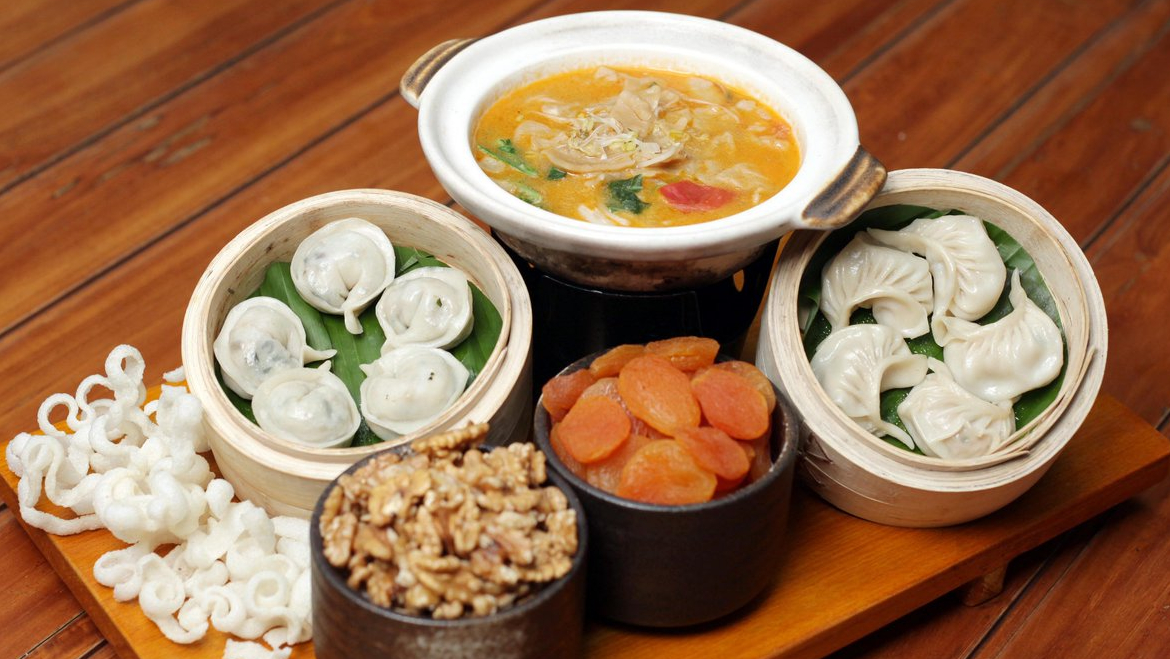
Welcome to Leh Ladakh, where the rugged Himalayan landscape has shaped a unique culinary tradition that's as fascinating as the region itself. At over 3,500 meters above sea level, Ladakhi cuisine evolved from the practical needs of people living in one of the world's harshest environments. The food here is hearty, warming, and designed to sustain you through cold winters and high-altitude living. Each dish tells a story of survival, adaptation, and the remarkable ability of Ladakhi people to create delicious food from limited resources. What makes Ladakhi cuisine special is its blend of indigenous Himalayan cooking with strong Tibetan influences. Over centuries, trade routes and cultural exchanges created a unique food culture that's unlike anything else in India. From warming noodle soups to hearty meat dishes, from butter tea to chang (local beer), Leh's food scene offers adventurous eaters a chance to experience flavors that have sustained mountain communities for generations.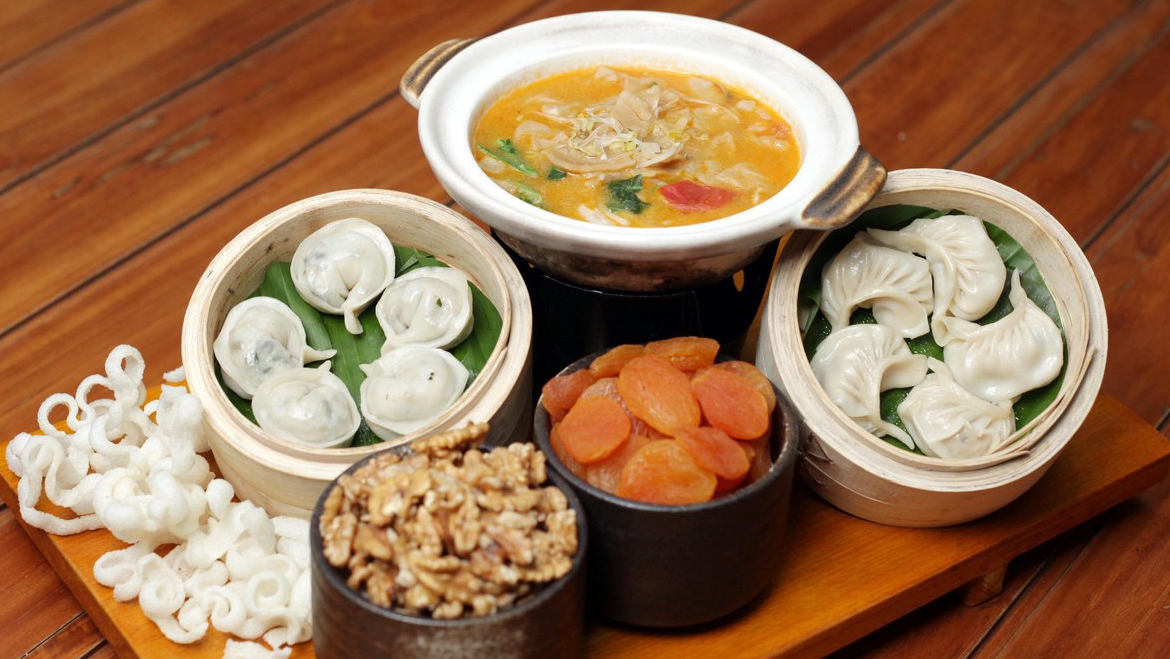
About Ladakhi Cuisine
Ladakhi cuisine is shaped by the region's geography, climate, and cultural history. The harsh high-altitude environment with short growing seasons influenced food preservation techniques and ingredient choices.Key Characteristics
Hearty and Warming: Food in Ladakh is designed to warm you from within. Winters are long and cold, so dishes are calorie-dense and warming. Noodle soups, stews, and breads feature prominently, providing sustenance and comfort in equal measure.
Meat-Based: Ladakhi cuisine prominently features meat, particularly yak, sheep, and goat. These animals are well-suited to the high-altitude environment and provide essential protein in a region where vegetable cultivation is limited.
Dairy Products: Milk and dairy products from yak and cows are essential. Cheese, butter, and yogurt feature prominently in many dishes and are crucial for nutrition in this harsh environment.
Barley as Staple: While rice is eaten, barley (tsampa) is the traditional staple. It's ground into flour and used to make various dishes, particularly breads and porridge.
Tibetan Influence: Strong Tibetan influence is evident in dishes like momos, thukpa, and various noodle preparations. These came with Tibetan settlers and have become integral to Ladakhi cuisine.
Must-Try Traditional Dishes
Skyu
Skyu is perhaps the most iconic Ladakhi dish, a hearty soup with handmade wheat pasta and vegetables. The pasta pieces are irregular and thick, perfect for soaking up the flavorful broth. Root vegetables like potatoes, turnips, and carrots are commonly added. Sometimes meat is included for extra protein. Skyu is comfort food at its finest - warming, filling, and incredibly satisfying after a day of trekking or exploring.
Chutagi
Chutagi consists of bow-tie shaped pasta pieces cooked in a thick, flavorful broth with vegetables and sometimes meat. The pasta is handmade and has a unique texture that holds sauce beautifully. The broth is rich and aromatic, often flavored with local spices and herbs. Chutagi is similar to Skyu but with different pasta shapes, making it a variation on the same warming theme.
Pava
Pava is a traditional Ladakhi bread made from barley flour. It's dense, nutritious, and perfect for dipping into soups or eating with tea. The bread is typically round and flat, baked until it develops a slightly crispy exterior while remaining soft inside. Pava represents the barley-based tradition of Ladakhi cuisine and is an essential part of many meals.
Thukpa
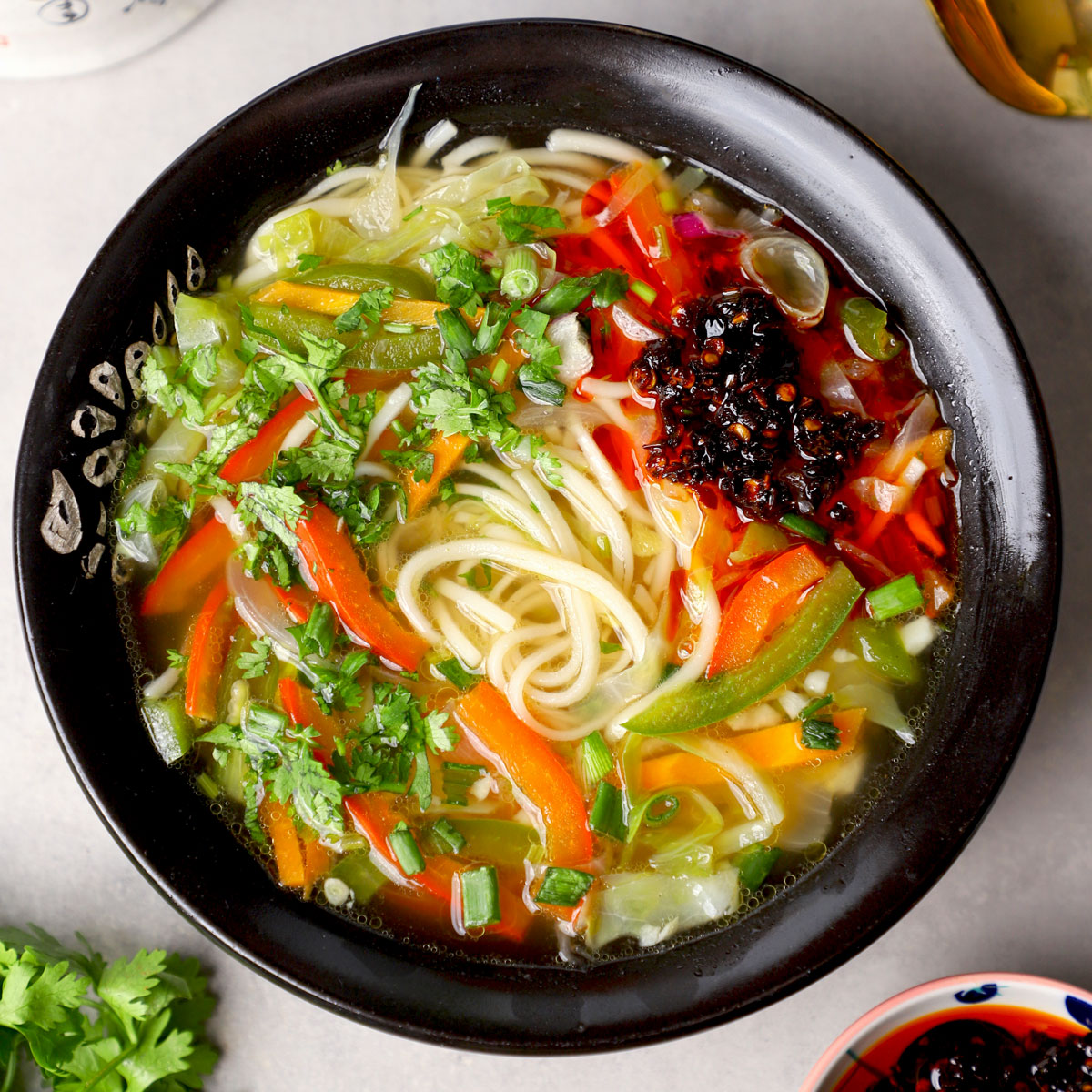
While originally Tibetan, Thukpa has become integral to Ladakhi cuisine. This noodle soup comes in many variations - vegetarian, with chicken, or with mutton. The broth is flavorful, often enhanced with garlic, ginger, and local spices. Vegetables like onions, carrots, and spinach add nutrition and color. Thukpa is the ultimate comfort food - warming, hydrating, and satisfying.
Momos
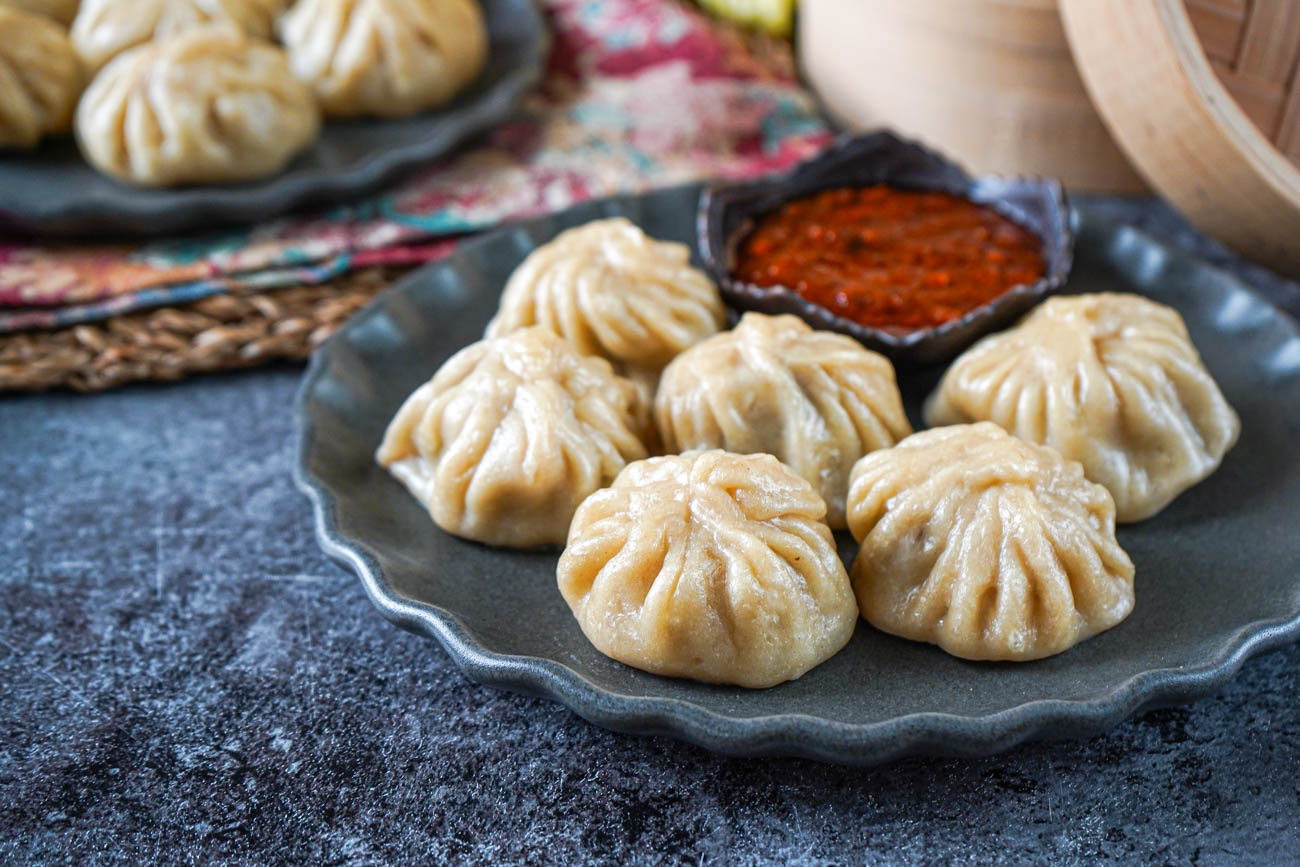
Momos need no introduction to most Indian food lovers. These Tibetan dumplings have become beloved across India and are particularly popular in Ladakh. Steamed or fried, momos are filled with meat or vegetables and served with spicy chutney. In Leh, you'll find some of the best momos outside of Tibet, with many restaurants having perfected the art of these delightful dumplings.
Yak Meat Dishes
Yak meat is a Ladakhi specialty. The meat is lean, flavorful, and perfectly adapted to high-altitude living. Yak meat curries, steaks, and roasts are all popular. The meat has a distinctive taste - slightly gamey but delicious. If you're adventurous, trying yak meat is essential for understanding Ladakhi cuisine.
Best Restaurants in Leh
Namza Dining
Namza Dining offers a refined dining experience focusing on Ladakhi and Tibetan cuisine. The restaurant combines traditional flavors with modern presentation, making it perfect for those wanting to explore local cuisine in comfortable surroundings. Their thukpa and momos are excellent, and they offer various traditional Ladakhi dishes you might not find elsewhere.
Gesmo Restaurant
A Leh institution, Gesmo has been serving locals and tourists for decades. The restaurant offers a mix of Ladakhi, Tibetan, and continental cuisine. Their thukpa is legendary, and they serve excellent momos, Skyu, and other local specialties. The casual atmosphere and reasonable prices make it a favorite.
Tsas by Dolkhar
For upscale dining, Tsas by Dolkhar offers sophisticated interpretations of Ladakhi cuisine. The restaurant uses local ingredients to create innovative dishes that honor tradition while embracing modern culinary techniques. It's perfect for a special dinner or to experience Ladakhi flavors in a new way.
Lehvenda Cafe
Lehvenda Cafe combines great food with a relaxed atmosphere. They serve excellent coffee alongside Ladakhi and international dishes. It's perfect for breakfast or a lazy afternoon meal. Their presentation of traditional dishes is excellent, and the cafe's ambiance makes for a pleasant dining experience.
Beverages & Drinks
Butter Tea
Butter tea (gur gur cha) is Ladakh's most famous beverage. Made with tea leaves, butter, salt, and sometimes milk, it's an acquired taste but essential for understanding local culture. The butter provides essential calories for cold weather, while the tea offers hydration and caffeine. Locals drink it throughout the day, often offering it to guests as a sign of hospitality.
Chang
Chang is the traditional local beer made from barley. It's slightly sour and refreshing, perfect after a day of trekking. Chang is often served during festivals and celebrations. The alcohol content is relatively low, making it more of a social drink than something to get intoxicated on. Trying Chang gives insight into local brewing traditions.
Apricot Juice
Ladakh is famous for its apricots, and fresh apricot juice is widely available in season. The juice is sweet, tangy, and incredibly refreshing. Dried apricots are also popular and make for great snacks. Apricot products represent one of Ladakh's few agricultural exports and are definitely worth trying.
Location
Frequently Asked Questions
Q1.What is the famous food of Ladakh?
Q2.Is Ladakhi food similar to Tibetan food?
Q3.What is Thukpa in Ladakhi cuisine?
Q4.Where can I try authentic Ladakhi food?
Q5.Are there good vegetarian options in Leh?
Q6.What is the cost of food in Leh?
Q7.What must I eat in Leh Ladakh?
Q8.Is butter tea really worth trying?
Q9.What are popular Ladakhi breakfast dishes?
Q10.Are there food restrictions to consider?
Recommended For You
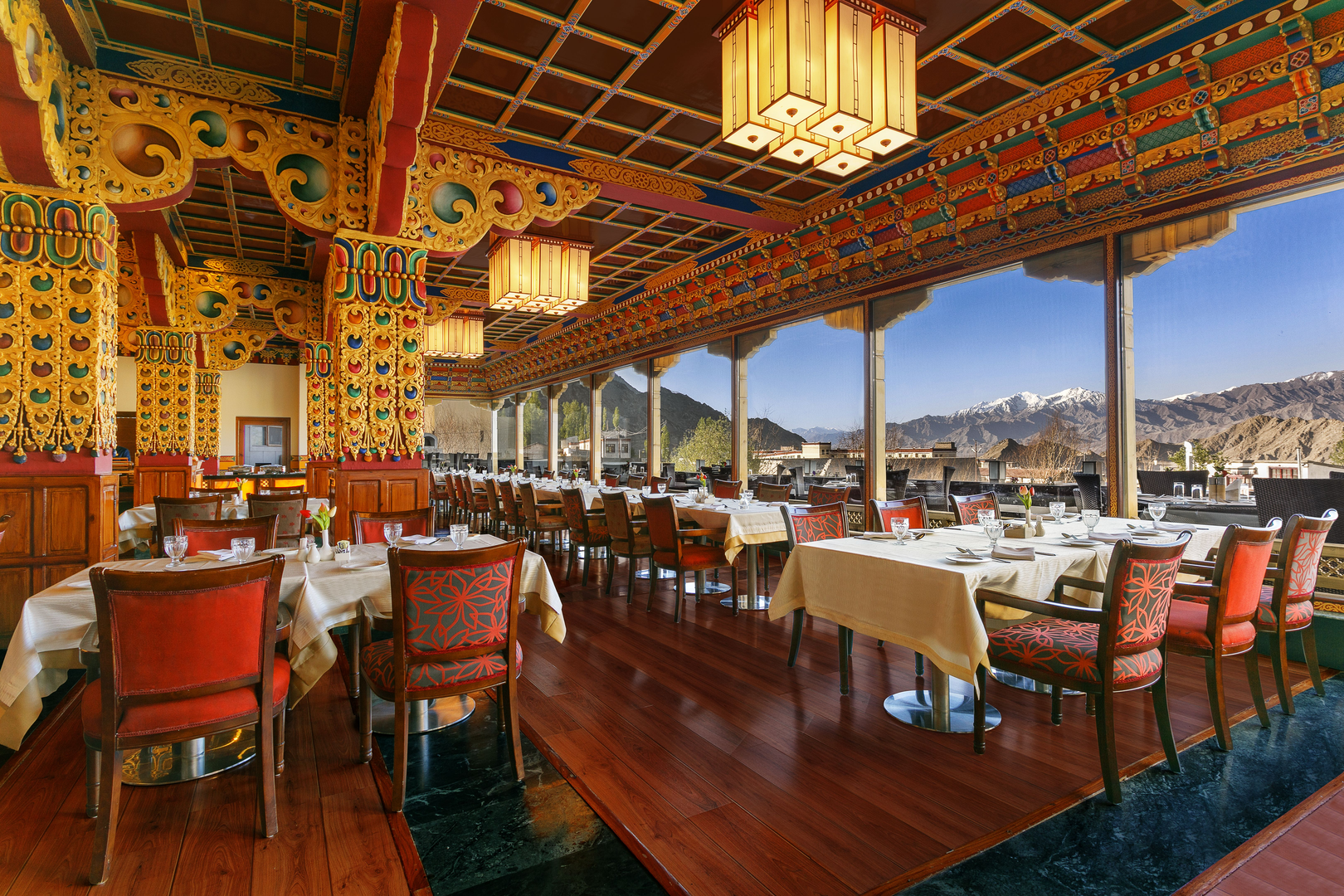
Lehvenda Cafe Ladakh: Menu, Prices, Timings & Reviews
Lehvenda Cafe Ladakh guide covering menu highlights, pricing, timings, must-try dishes, ambiance, and practical review insights for travelers in Leh.
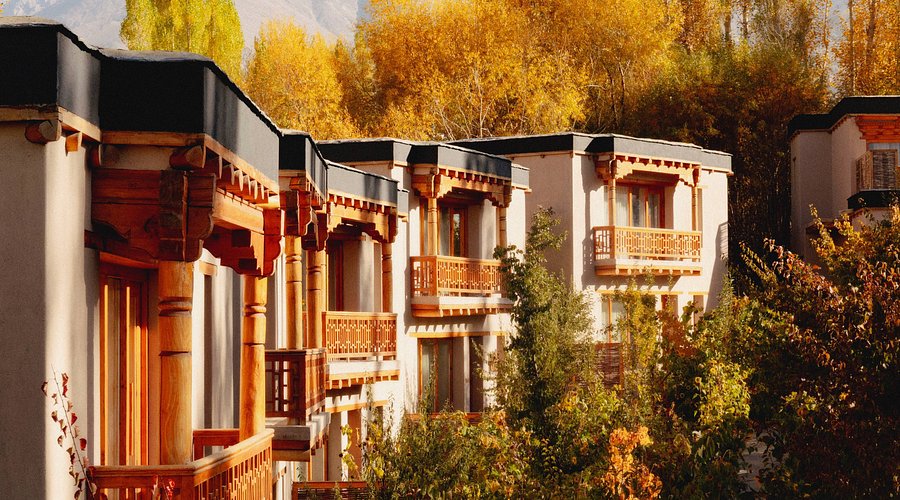
Tsas by Dolkhar Ladakh: Menu, Ambience, and Visit Tips
Tsas by Dolkhar Ladakh guide with reservation strategy, meal pacing, and itinerary fit for a calm premium dining evening in Leh.
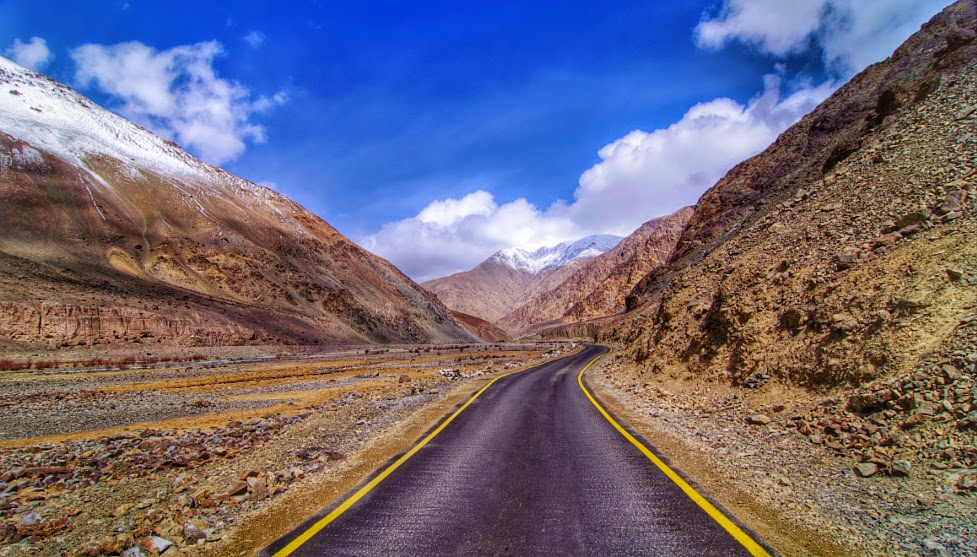
Acute Mountain Sickness in Ladakh: Prevention
Complete guide to Acute Mountain Sickness in Ladakh. Learn symptoms, prevention, medicines, acclimatization tips & safety measures for high-altitude travel.
Never Miss an Adventure
Get the latest trekking guides, travel tips, and exclusive offers delivered straight to your inbox.
