
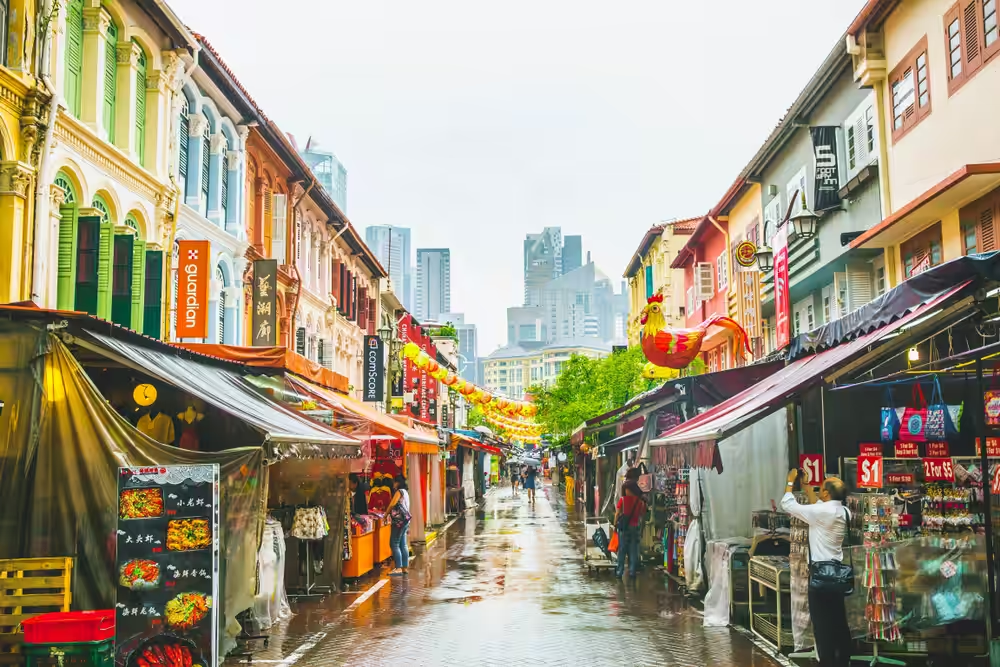
Local Markets in Singapore: Street Shopping, Souvenirs & Food Picks

Rohit Verma
February 9, 2026
Discover Singapore's best local markets. From Chinatown to Little India, explore street markets, night markets & shopping tips.
Local Markets Singapore: Complete Guide to Street Shopping, Souvenirs, and Food Streets
Local markets in Singapore offer a very different experience from the city’s polished malls. They are where you find neighborhood character, cultural districts, practical souvenirs, budget shopping opportunities, and street-level food experiences that reflect the city’s multicultural identity. Travelers who visit only premium retail zones often miss this side of Singapore.
This guide helps you plan market shopping efficiently: what to buy, how to divide markets by theme, best times to visit, and how to balance shopping with food and sightseeing. If you are planning your full trip route, pair this with places to visit in Singapore and shopping in Singapore.
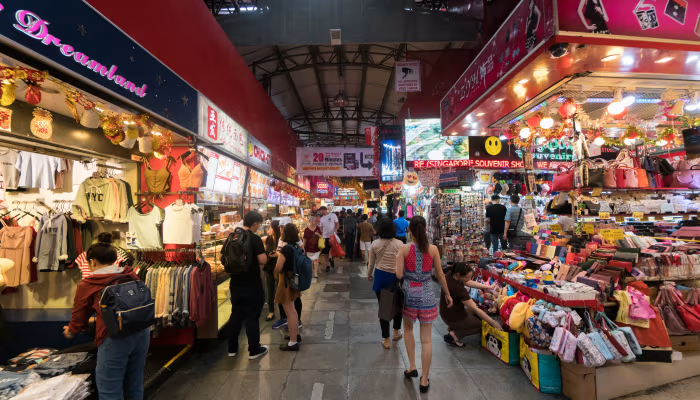
Why Explore Local Markets in Singapore?
Singapore’s markets offer value and cultural texture that large malls cannot replicate. You can shop for niche gifts, crafts, apparel, snacks, and specialty goods while experiencing neighborhood stories through architecture and food stalls. Markets are also ideal for travelers with limited budgets who still want high-variety shopping.
The city is highly organized, so even local markets are comparatively easy to navigate if you plan by district and time slot.
Best Local Market Zones to Include
A practical market-focused itinerary should include three district styles: heritage market streets, lifestyle-art lanes, and value-driven shopping clusters. This gives diversity without repeating the same product types. For example, pairing Haji Lane Singapore with Pagoda Street Singapore creates a strong contrast between boutique and souvenir-heavy shopping.
If you are staying for multiple days, spread market visits across mornings and evenings instead of one long shopping day.
What to Buy from Singapore Local Markets
Popular categories include accessories, design-led souvenirs, local snacks, textiles, and small decor items. Focus on travel-safe and lightweight products if you have onward flights. Keep fragile buys for your final shopping day to reduce damage risk during city movement.
For best results, do a first walk-through without buying, shortlist stalls, then return for final purchases after price comparison.
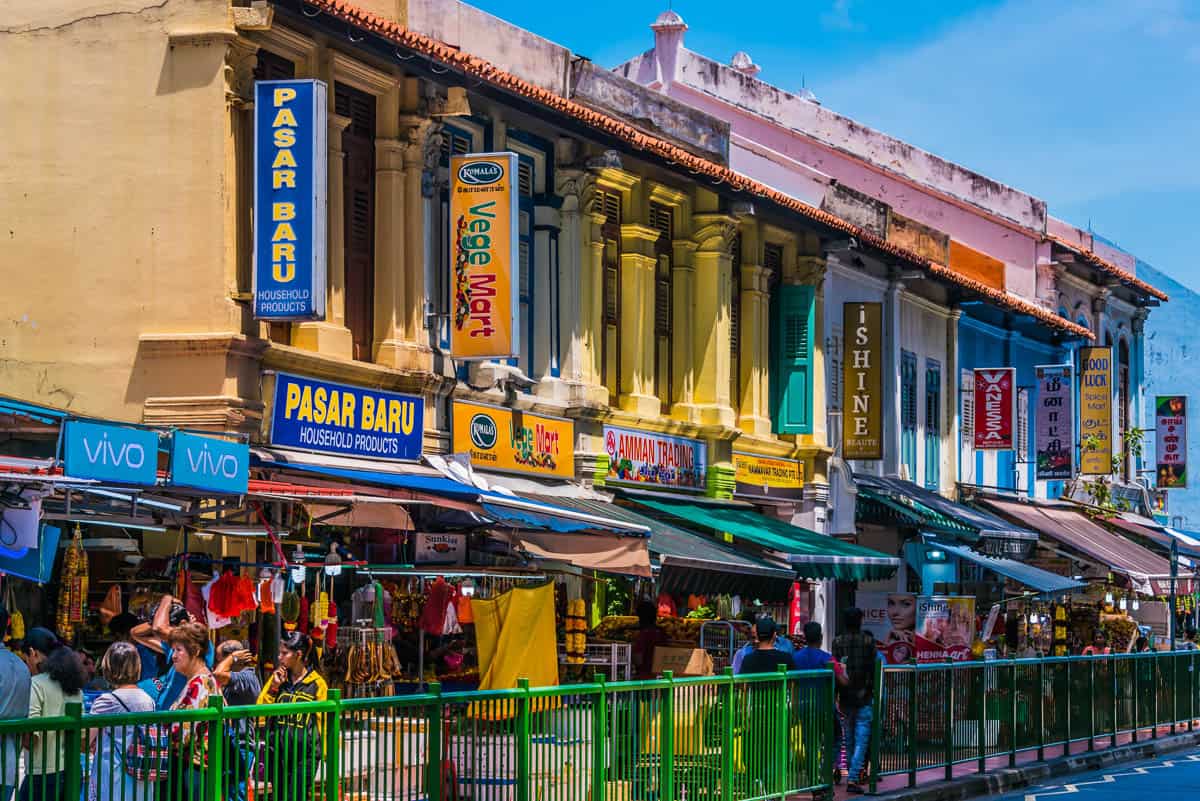
Best Time to Visit for Shopping and Photos
Morning is ideal for comfortable browsing, lower crowd pressure, and clean photo framing. Evenings bring better ambience and food activity but can be busier. A split schedule works best: morning for shopping decisions, evening for food and atmosphere capture.
Weekend crowds can be heavy in popular districts, so weekday slots are better for focused buying.
Food + Market Planning
Local markets in Singapore often overlap with excellent casual food options. Keep one structured food break in each market block instead of random snacking at every stop. This helps energy balance and budget control. For food-led market evenings, pair with food in Singapore if available in your itinerary planning stack.
A market outing becomes much better when shopping and meal windows are intentionally sequenced.
Budget Strategy for Market Shopping
Set category budgets before entering: souvenirs, apparel, food, and optional extras. Markets feel inexpensive at item level, but cumulative small purchases can exceed plans quickly. Track each purchase in notes as you move between zones.
If you are traveling in a group, combine souvenir buying into one consolidated round to reduce duplicated spending.
How to Combine Markets with Major Attractions
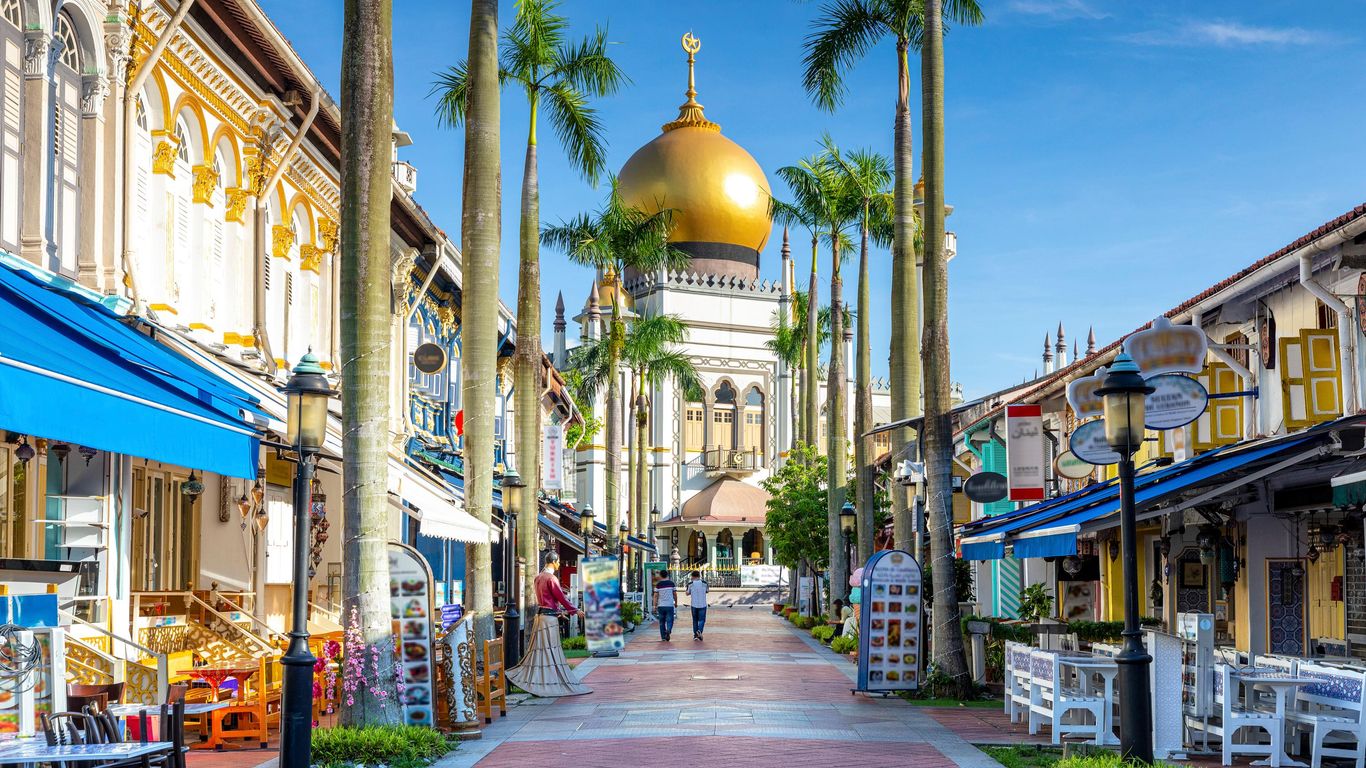
Markets work well as transition blocks between major sightseeing points. For example, heritage sightseeing in the day and local market exploration in evening gives strong variety without long transfer gaps. You can combine with Arab Street Singapore and nearby urban landmarks based on your route.
This method helps travelers cover both iconic and local sides of the city in one day.
Common Mistakes to Avoid
The most common mistake is spending all shopping time in one market and missing district diversity. Another issue is impulse buying without product comparison. Travelers also skip market-food planning and end up rushing meals in crowded windows.
Fix this with three rules: compare first, buy second, and schedule one proper break per market block.
Who Should Prioritize Local Markets?
Budget travelers, culture-focused visitors, creators, and repeat Singapore tourists should prioritize local markets. Even first-timers benefit if they want more than standard mall experiences. Markets reveal neighborhood personality and often deliver better story value for travel content.
If your trip is short, select two markets with different vibes rather than trying to cover all in one day.
Detailed 2-Day Local Market Plan in Singapore
Day 1 morning: Begin with a heritage market district and focus on textiles, cultural souvenirs, and local snack products. Keep your first loop strictly exploratory. Day 1 evening: Return for atmosphere, food, and selective purchases once you know market pricing better. Day 2 afternoon: Cover a second market zone with boutique-style stores and curated lifestyle items. Day 2 night: Finish with one street-food-friendly market lane for gifts and last-minute takeaways.
This two-day structure gives better outcomes than rushing all markets in one long day. It also reduces decision fatigue and helps you compare product quality across neighborhoods instead of depending on one district.
How to Build a Smart Souvenir Basket
Create a mix of categories: one food item, one design item, one practical travel gift, and one cultural keepsake. This keeps your souvenir shopping meaningful and budget-balanced. Avoid buying ten similar low-value trinkets from one stall. A small, curated basket is easier to pack and more useful for gifting.
Before checkout, inspect label details, packaging durability, and airport-carry suitability. Travelers who do these checks avoid last-day replacement shopping.
High-Value Market Planning Tips for Repeat Visitors
Repeat visitors to Singapore can use local markets more strategically by dividing visits by purchase intent: gifts, apparel, home decor, and specialty foods. Instead of browsing everything every time, choose one category per market and complete it fully. This improves focus and prevents repetitive shopping patterns that add little value.
Another effective method is pre-tagging potential stalls on your map app during first visit, then returning only to top performers. Over two days, this method gives a much stronger quality-to-budget outcome than spontaneous buying.
For content creators, document price ranges and product uniqueness by district. This adds practical utility for readers and makes your market guides stand out from generic city shopping lists.
Final Optimization Notes
Use day one to understand price bands and product quality, then finalize purchases on day two. This two-step approach reduces poor buys.
Keep a small purchase log with stall name and item details so exchanges and repeat buys are easier.
Final Takeaway
Local markets in Singapore are essential for travelers who want authentic shopping variety, cultural context, and better value than mall-only routes. They are easy to enjoy when planned by district, time, and purchase category.
Use split visits, compare smartly, and combine with nearby food zones. With this approach, Singapore’s markets become a highlight, not an afterthought.
Location
Frequently Asked Questions
Q1.What are the best markets in Singapore?
Q2.Which market is best for souvenirs?
Q3.Are Singapore markets expensive?
Q4.Can we bargain in Singapore markets?
Q5.What can I buy in Singapore markets?
Q6.Are markets open on Sundays?
Q7.What is the best time to visit Singapore markets?
Q8.Which market is best for clothes?
Recommended For You
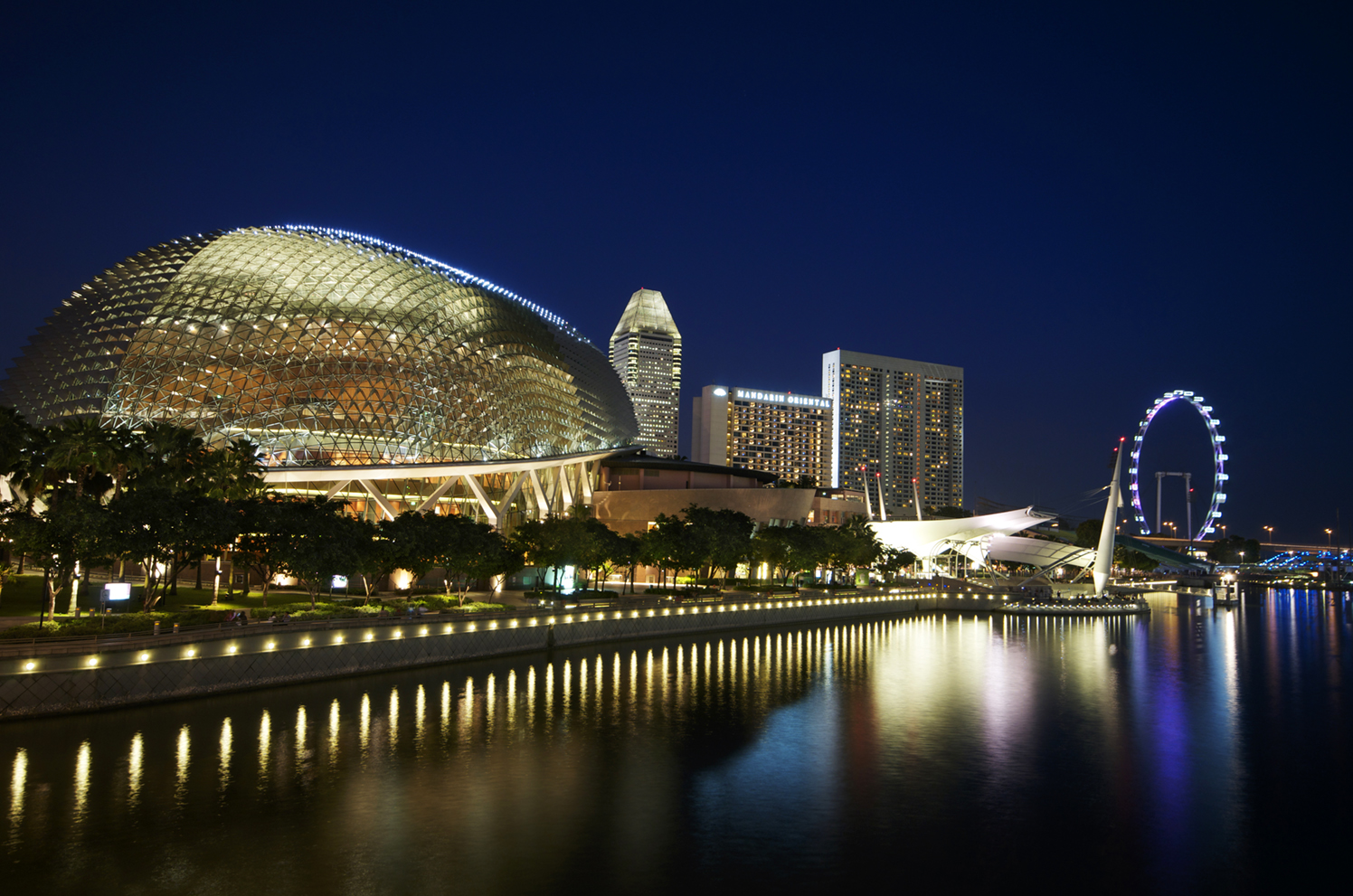
Esplanade Singapore: Theatre Shows, Events & Waterfront Experience
Comprehensive guide to esplanade singapore: theatre shows & guide with practical planning, routes, and on-ground tips.

S.E.A. Aquarium Singapore: Tickets, Timing and Tips
Visit S.E.A. Aquarium Singapore with practical ticket, timing, and route-pairing guidance for smoother family travel.
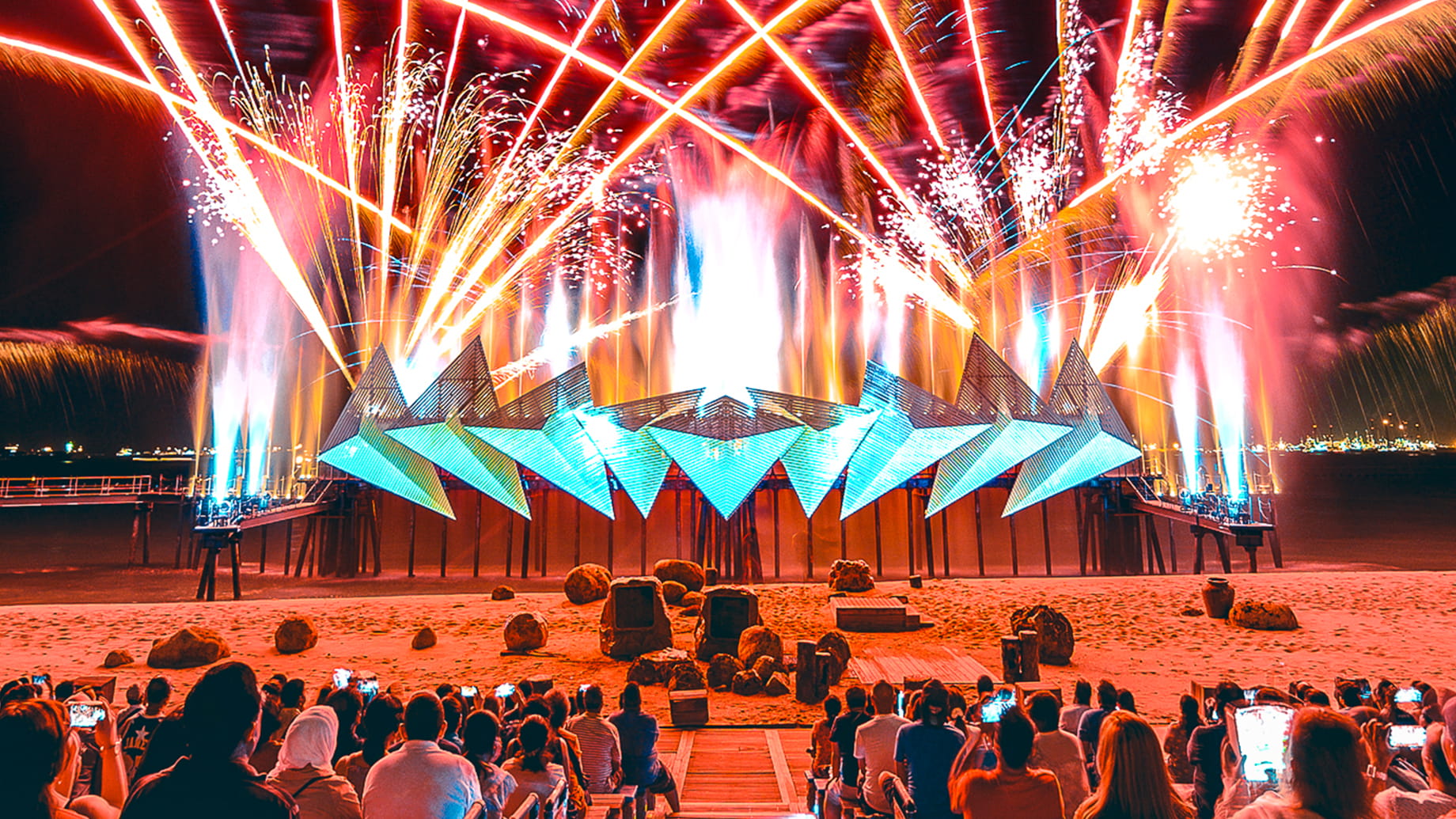
Wings of Time Singapore: Ticket Types, Show Timings & Seating Tips
A complete Wings of Time Singapore guide covering tickets, seat options, timings, how to reach Sentosa, weather tips, and best evening itinerary.
Never Miss an Adventure
Get the latest trekking guides, travel tips, and exclusive offers delivered straight to your inbox.
