
Arab Street Singapore: Shopping, Cafes, Murals & Walking Route

Rohit Verma
January 23, 2026
Discover Arab Street Singapore: A vibrant cultural district offering shopping for Persian carpets, textiles, Middle Eastern cuisine, and the magnificent Sultan Mosque in Kampong Glam.
Introduction: Singapore's Vibrant Arab Quarter
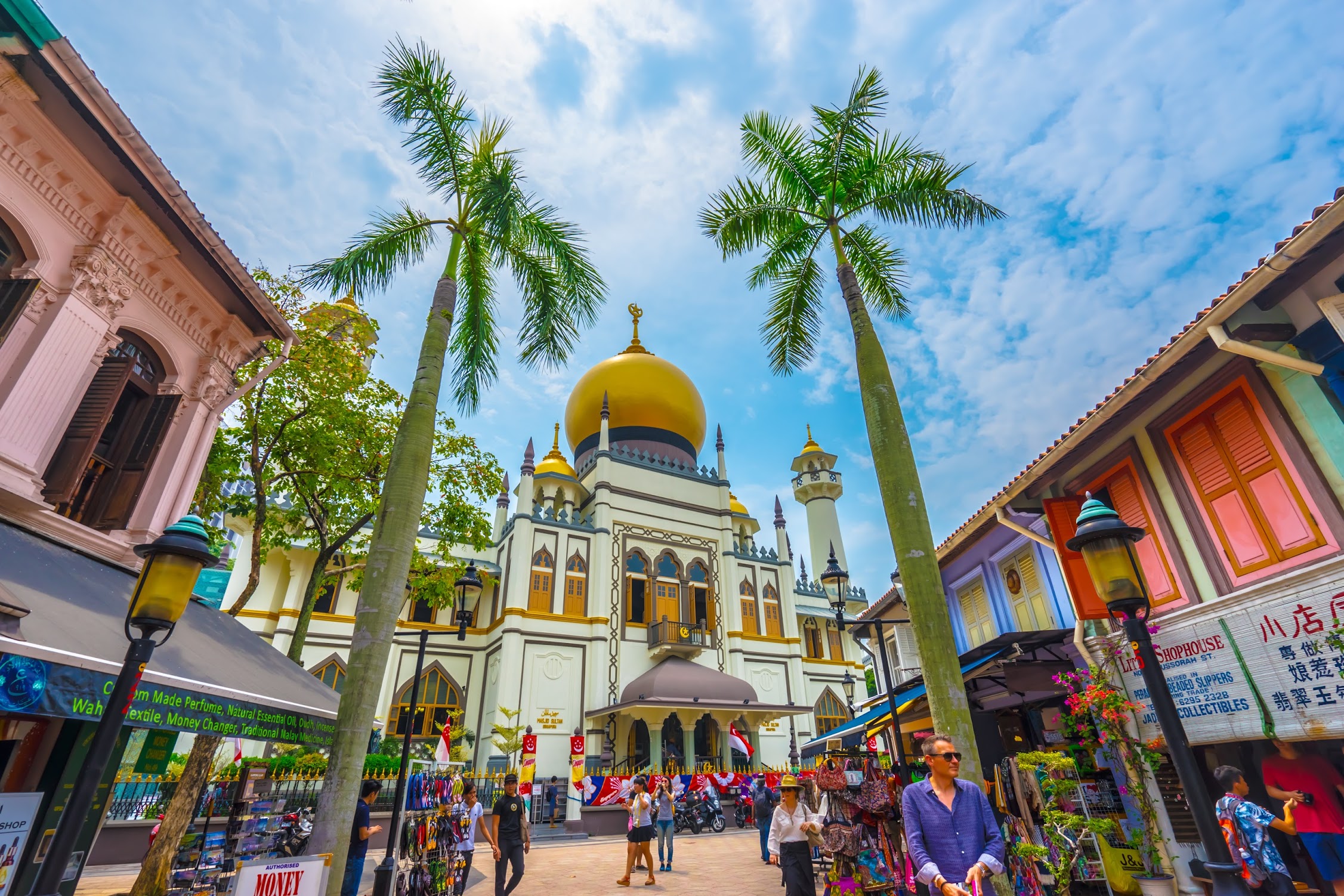
Nestled in the heart of Singapore's Kampong Glam district, Arab Street stands as a testament to the city-state's rich multicultural heritage. This historic Muslim quarter offers visitors a captivating blend of Arab, Malay, and Indonesian cultures, creating an atmosphere that's both exotic and familiar. Walking through the colorful streets, you'll be greeted by the scent of Middle Eastern spices, the sight of vibrant textiles, and the sound of diverse languages mingling together.Arab Street is more than just a shopping destination; it's a cultural experience that transports you to another world without ever leaving Singapore. The area has been carefully preserved as a heritage site, maintaining its traditional shophouses and authentic character while embracing modern influences. Whether you're a serious shopper looking for Persian carpets and silk fabrics, a food enthusiast eager to try authentic Middle Eastern cuisine, or simply a traveler seeking to understand Singapore's diverse cultural tapestry, Arab Street offers something special for everyone.
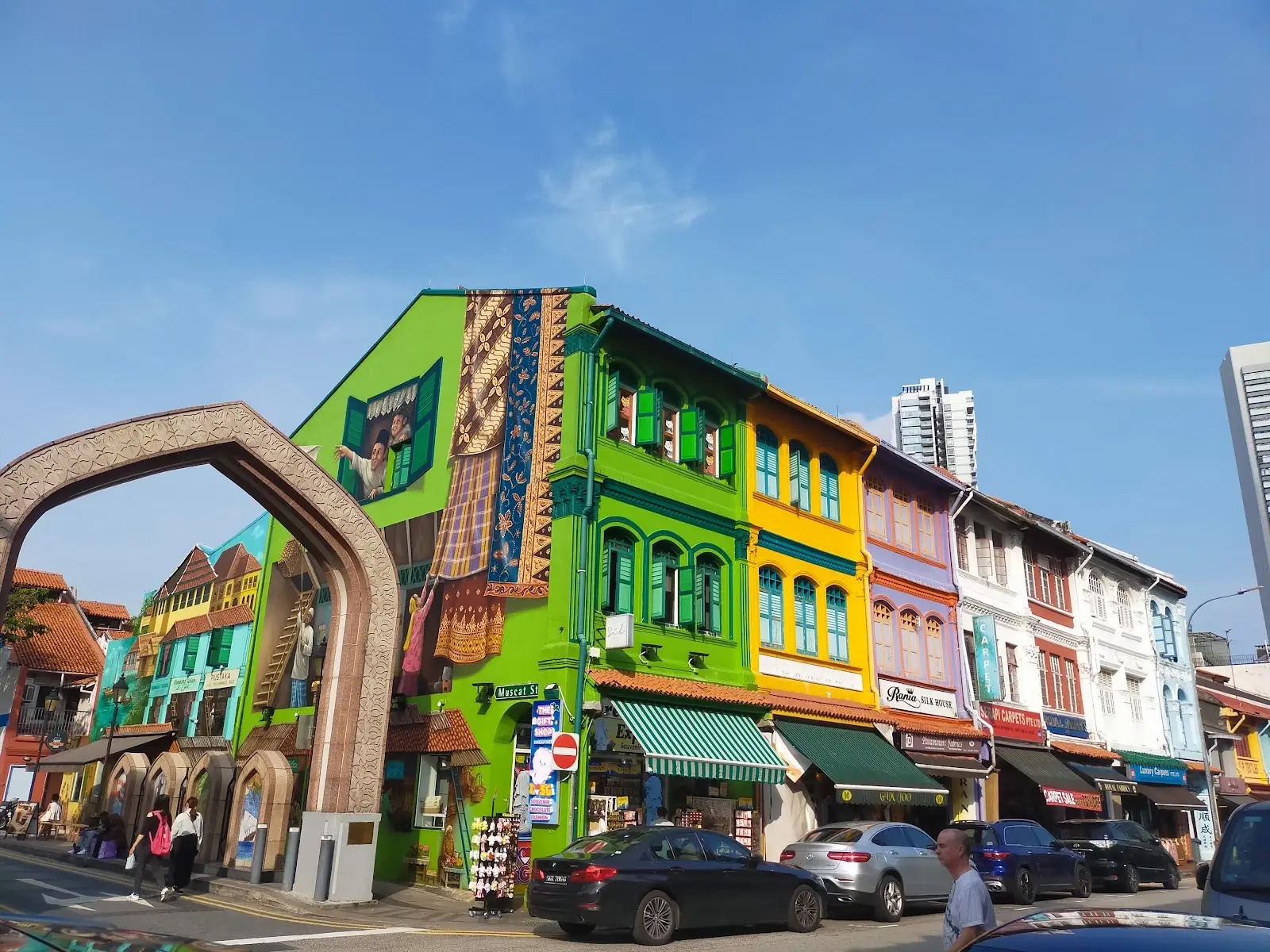
Vibrant traditional shophouses line the streets of Arab Street, showcasing the area's rich architectural heritage
The Rich History of Kampong Glam
The story of Kampong Glam dates back to the early 19th century when Sir Stamford Raffles, the founder of modern Singapore, allocated this area to Sultan Hussein Shah of Johor and the Malay community. The name "Kampong Glam" itself carries historical significance – "Kampong" means village in Malay, while "Glam" refers to the gelam tree (Melaleuca leucadendra), which once grew abundantly in the area and was traditionally used for boat-building and medicinal purposes.
Throughout the 1800s and early 1900s, Kampong Glam flourished as the commercial and residential heart of Singapore's Malay and Arab communities. Wealthy Arab traders established their businesses here, while Malay nobility built their homes in the surrounding areas. The district became known for its spice trade, textile shops, and as a center of Islamic learning and culture in Southeast Asia.
In 1989, the Singapore government recognized the historical and cultural significance of Kampong Glam by designating it as a conservation area. This protection ensured that the traditional shophouses, with their distinctive architectural features, would be preserved for future generations. Today, the area continues to evolve while maintaining its cultural identity, blending traditional businesses with trendy cafes and boutiques that appeal to modern visitors.
Sultan Mosque: The Crown Jewel
At the heart of Arab Street stands the magnificent Sultan Mosque (Masjid Sultan), Singapore's most important mosque and a national monument. Built originally in 1824 and reconstructed in 1932, this stunning architectural masterpiece serves as the spiritual center of Singapore's Muslim community and a must-visit attraction for tourists from around the world.
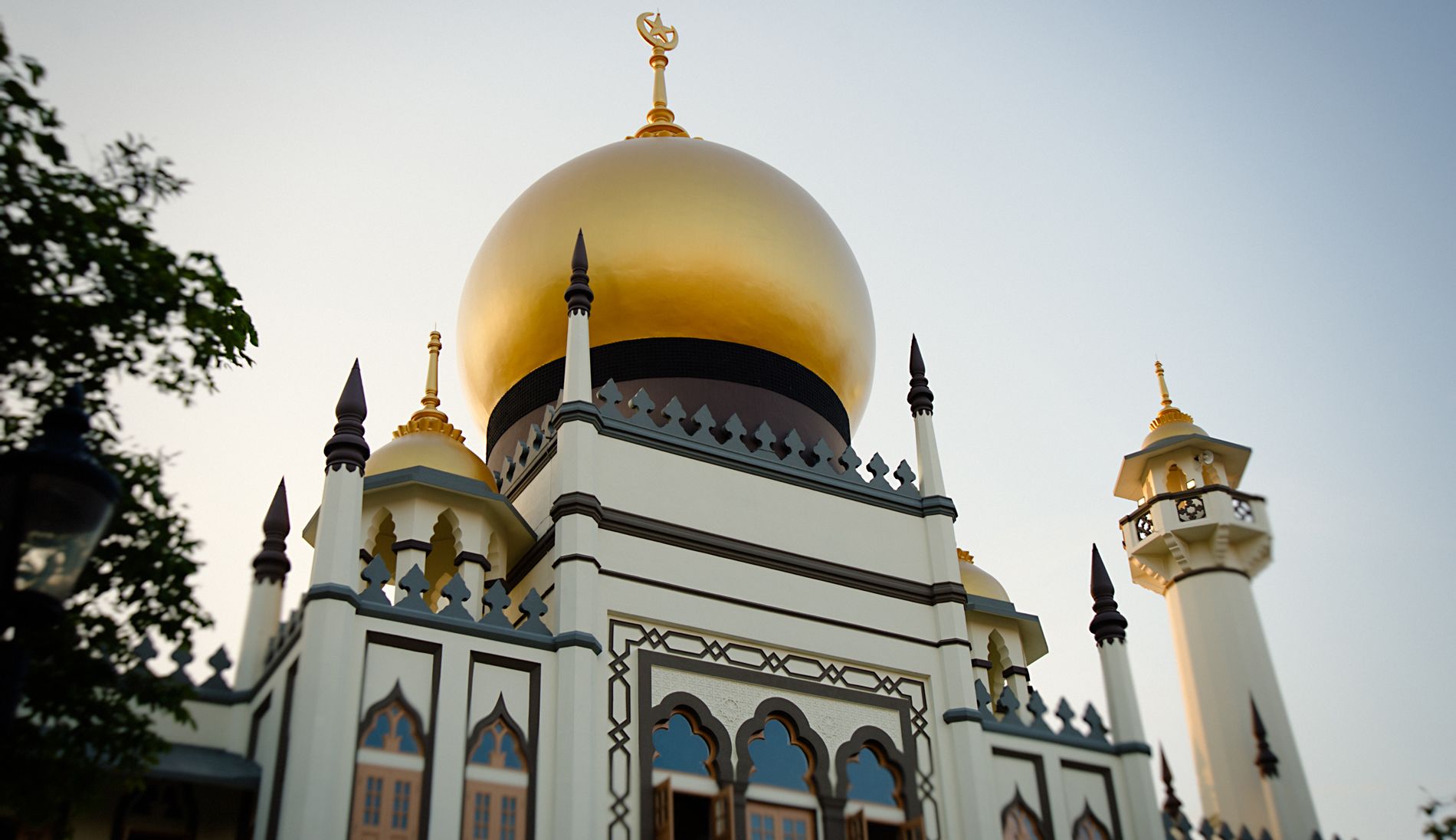
The iconic Sultan Mosque dominates the skyline with its massive golden domes and towering minarets
The mosque's most distinctive feature is its massive golden dome, but look closer and you'll notice the unique base of the dome – it's adorned with glass bottle ends donated by poor Muslims during the construction period, allowing everyone to contribute to the mosque's creation regardless of their financial status. This beautiful tradition symbolizes the inclusive nature of Islam and remains one of the mosque's most beloved features.
The prayer hall is equally impressive, with its massive prayer capacity of up to 5,000 worshippers. The interior features beautiful Arabic calligraphy, intricate floral patterns, and stunning chandeliers that create a serene atmosphere for prayer and reflection. Visitors are welcome to explore the mosque outside of prayer times, making it one of the most accessible religious sites in Singapore.
When visiting Sultan Mosque, remember to dress modestly – both men and women should cover their shoulders and knees. Women are also required to cover their hair, but don't worry if you forget your scarf – the mosque provides free loaner cloaks at the entrance. Remove your shoes before entering the prayer hall, and maintain a respectful demeanor throughout your visit. The mosque is open daily from 10 AM to 12 PM and 2 PM to 4 PM for tourists, with prayer times taking priority. Admission is free, though donations are welcome and help support the mosque's maintenance and community programs.
Arab Street Shopping: A Paradise for Textile Lovers
The shopping experience along Arab Street is unlike anywhere else in Singapore. This is where you'll find some of the finest textiles, carpets, and handicrafts in Southeast Asia, all offered in a setting that feels more like a traditional Middle Eastern souk than a modern shopping mall. The street is lined with specialized shops that have been family-owned for generations, each offering unique products and expertise.
Textiles and Fabrics
Arab Street is famous for its incredible selection of textiles. You'll find shops filled with rolls of silk, cotton, velvet, and traditional batik fabrics from Indonesia and Malaysia. These stores cater to everyone from fashion designers looking for premium materials to casual visitors wanting to buy a beautiful scarf or fabric for a special occasion. The variety is staggering – from delicate chiffons perfect for summer dresses to heavy brocades suitable for formal wear. Many shops also offer custom tailoring services, so you can purchase fabric and have it made into a garment while you wait.
Persian and Oriental Carpets
The carpet shops along Arab Street are legendary among collectors and interior designers. Here you'll find authentic Persian, Turkish, and Afghan handwoven carpets that represent centuries of artistic tradition. These aren't just floor coverings – they're works of art that can appreciate in value over time. Knowledgeable shop owners can explain the differences between regional weaving styles, the significance of traditional patterns, and how to care for these precious textiles. Whether you're looking for a small prayer rug or a large statement piece for your living room, you'll find options ranging from antique museum-quality pieces to more affordable contemporary designs.
Handicrafts and Traditional Items
Beyond textiles and carpets, Arab Street offers an array of beautiful handicrafts. You'll find intricate brassware from Morocco, Turkish ceramic tiles, perfumes and essential oils from the Middle East, and traditional Arabic clothing including abayas and kaftans. Many shops also sell prayer rugs, prayer beads, and other Islamic religious items that make meaningful souvenirs or gifts.
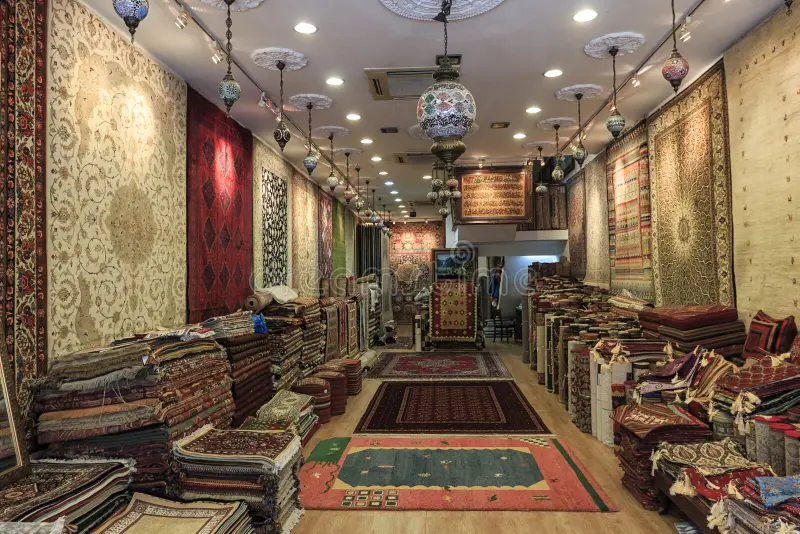
Carpet shops along Arab Street display stunning handwoven Persian and Turkish rugs
Shopping Tips
Bargaining is expected and accepted in most shops along Arab Street, especially in carpet stores and when making larger purchases. Don't be afraid to negotiate – it's all part of the experience. However, be respectful and remember that shop owners are knowledgeable professionals who deserve fair compensation for their expertise. Most shops prefer cash, though many now accept credit cards. Prices can range from SGD $20 for small items to several thousand dollars for antique carpets, so there's something for every budget. The best time to shop is in the morning or early afternoon when shops are less crowded and shop owners have more time to assist you.
Bussorah Street and Haji Lane: Hip Meets Traditional
While Arab Street itself maintains a more traditional atmosphere, the surrounding streets of Bussorah and Haji Lane offer a different but equally captivating experience. These pedestrian-friendly areas showcase how Kampong Glam has evolved while respecting its heritage.
Bussorah Street
Bussorah Street, formerly known as Kampong Glam Road, has been transformed into a pedestrian mall that leads directly to Sultan Mosque. This street is lined with charming cafes, restaurants, and shops that cater to both locals and tourists. The outdoor seating areas create a relaxed, European-style atmosphere where you can enjoy a meal or coffee while watching the world go by. In the evening, the street comes alive with diners and creates a magical ambiance with the illuminated mosque as a backdrop.
Haji Lane
Haji Lane represents the modern, hip side of Kampong Glam. This narrow street is famous for its vibrant street art, colorful murals, and indie boutiques. What was once a traditional residential street has become one of Singapore's most Instagram-worthy locations. The walls are covered in ever-changing graffiti and street art that attracts photographers and social media enthusiasts from around the world.
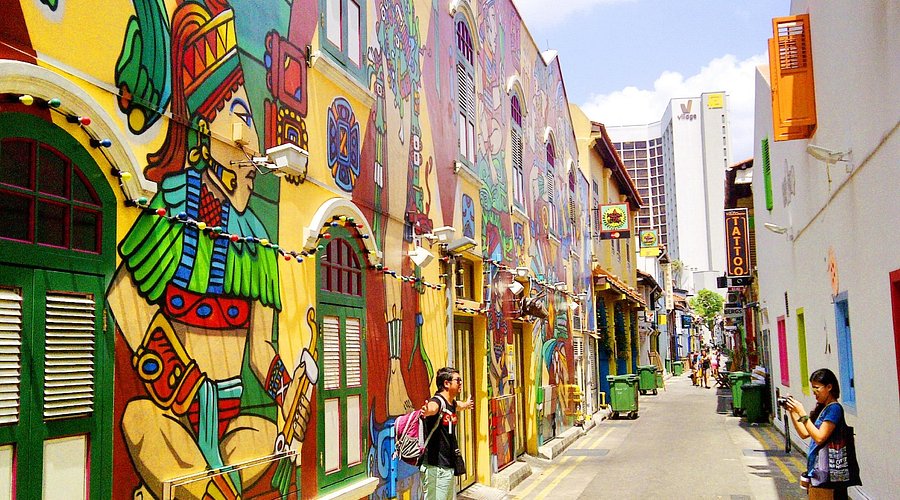
Haji Lane's vibrant street art and colorful buildings make it Singapore's most Instagrammable street
The shops along Haji Lane are equally unique – you'll find independent boutiques selling vintage clothing, local designer fashion, quirky accessories, and handmade crafts. It's the perfect place to find one-of-a-kind items that you won't see anywhere else. The lane is also home to several trendy cafes and bars where you can take a break from shopping and enjoy the youthful, artistic energy of the area.
The contrast between traditional Arab Street and hip Haji Lane perfectly encapsulates modern Singapore – a place where heritage and innovation coexist harmoniously. Both streets are worth exploring, and they're just a few minutes' walk from each other.
Food and Dining: A Culinary Journey Through the Middle East
The food scene around Arab Street is a major draw for visitors, offering an incredible variety of authentic Middle Eastern, Malay, and Indonesian cuisines. From casual street food to upscale restaurants, there's something to satisfy every palate and budget.
Middle Eastern Cuisine
The Arab Street area is famous for its Middle Eastern restaurants, which serve some of the most authentic Lebanese, Syrian, Turkish, and Persian food outside of the Middle East. You'll find all the classics – creamy hummus, smoky baba ganoush, fresh falafel, tender lamb kebabs, and fluffy pita bread hot from traditional ovens. Many restaurants also offer mixed grills featuring an assortment of skewers, and hearty meat dishes that are perfect for sharing.
Malay and Indonesian Specialties
Given Kampong Glam's Malay heritage, you'll also find excellent Malay and Indonesian food in the area. Try nasi goreng (fried rice), satay (grilled meat skewers with peanut sauce), rendang (slow-cooked beef in coconut milk), or mee goreng (fried noodles). These dishes represent the melting pot of cultures that has shaped Singapore's culinary landscape.
Cafes and Sweet Treats
The cafe culture in Kampong Glam is thriving. You'll find establishments serving traditional Middle Eastern coffee and Turkish tea, alongside modern specialty coffee shops that would fit in in any major cosmopolitan city. Don't miss trying Middle Eastern desserts like baklava (sweet phyllo pastry with nuts and honey), kunafe (cheese-based dessert soaked in syrup), or Turkish delight.
Most restaurants in the area are Halal-certified, making Arab Street a popular dining destination for Muslim visitors. Prices are generally reasonable, with a typical meal costing between SGD $10-30 per person depending on the restaurant and what you order. Popular spots like Zam Zam and Victory Restaurant have been serving customers for generations and are local institutions worth trying.
If you're interested in exploring more of Singapore's incredible food scene, you might want to check out Street Food Guide to Mumbai for another perspective on Asian street food culture, or read about Singapore's Best Shopping Districts to discover more retail experiences beyond Arab Street.
Things to Do and See in Arab Street
Beyond shopping and dining, Arab Street and its surroundings offer plenty of activities and attractions to keep visitors engaged:
- Visit Sultan Mosque: No trip to Arab Street is complete without exploring this magnificent mosque. Take your time to appreciate the architecture and learn about Islamic culture in Singapore.
- Shop for Persian Carpets: Even if you're not planning to buy, browsing the carpet shops is a fascinating experience. The shop owners are often happy to share stories about the history and craftsmanship of their pieces.
- Explore Haji Lane's Street Art: Walk down Haji Lane and photograph the incredible murals. The art changes regularly, so there's always something new to see.
- Try Middle Eastern Cuisine: Be adventurous and order dishes you've never tried before. The food in this area is as authentic as it gets outside of the Middle East.
- Visit the Malay Heritage Centre: Located just a short walk away, this museum provides excellent context about the history and culture of the Malay community in Singapore.
- Photograph the Colorful Shophouses: The traditional architecture in Kampong Glam is incredibly photogenic, with colorful facades and intricate details. Early morning or late afternoon provides the best lighting.
- Enjoy Shisha at a Cafe: Many cafes along Bussorah Street offer shisha (hookah) in various flavors. It's a popular way to relax and socialize, especially in the evening.
- Shop for Unique Fashion: The boutiques in the area, especially along Haji Lane, offer unique clothing and accessories you won't find in mainstream malls.
Best Time to Visit Arab Street
The timing of your visit can significantly impact your experience in Arab Street. Here's what you need to know:
Time of Day
Early Morning (9-11 AM): This is the best time for serious shoppers who want personalized attention from shop owners. The streets are quiet, the temperature is relatively cool, and you'll have the place mostly to yourself. Most shops open around 10 AM, so you can start browsing as soon as they open.
Late Afternoon (4-6 PM): The golden hour before sunset provides beautiful lighting for photography. The shophouses look especially stunning in the warm afternoon light. This is also when many cafes start filling up with locals and tourists taking a break.
Evening (7-9 PM): This is when the area comes alive with diners. The restaurants are bustling, the street lights create a magical atmosphere, and there's an energy that's perfect for a leisurely dinner and evening stroll. Sultan Mosque is beautifully illuminated at night.
Avoid Midday (12-2 PM): Singapore's heat and humidity can be intense, especially around midday. If you must visit during these hours, plan for indoor activities like shopping or dining in air-conditioned establishments.
Best Seasons
February-April: These months are generally cooler and less humid, making outdoor exploration more comfortable. This is considered the best time to visit Singapore overall.
Ramadan: If you visit during the Muslim holy month of Ramadan, you'll experience a special atmosphere. The area is decorated for the occasion, and there's a festive energy, especially in the evenings when Muslims break their fast. However, some shops may have limited hours during the day, and eating or drinking in public during daylight hours should be done discreetly out of respect.
Weekdays vs. Weekends: Weekdays are generally less crowded than weekends, especially during the day. However, weekends have a livelier atmosphere with more street performers and a bustling energy that many visitors enjoy.
How to Reach Arab Street and Getting Around
Getting to Arab Street is straightforward, thanks to Singapore's excellent public transportation system:
By MRT (Mass Rapid Transit)
The most convenient way to reach Arab Street is by MRT. Alight at Bugis MRT Station (EW12/DT14), which serves both the East-West Line and Downtown Line. From there, it's approximately a 5-minute walk to Arab Street. Just follow the signs to Kampong Glam or use a mapping app – the area is well-known and easy to find.
By Bus
Multiple bus routes serve the Arab Street area, including buses 2, 12, 33, 51, 61, 63, 80, 100, 130, 133, 145, 154, 155, 175, and 980. Check the TransitLink website or use Google Maps for the most current routes and schedules. Bus stops are conveniently located along Arab Street and nearby roads.
By Taxi or Ride-Hailing Services
Taxis and ride-hailing services like Grab are widely available in Singapore and can drop you off directly on Arab Street or nearby streets. This is a convenient option if you're traveling with shopping bags or during rainy weather. Note that traffic can be heavy during peak hours, so factor in extra time.
From Nearby Attractions
Arab Street is centrally located and easily accessible from other popular Singapore attractions:
- From Bugis Street: Approximately 10 minutes on foot – just walk north along Victoria Street.
- From Little India: About 15 minutes by foot or 5 minutes by taxi/bus.
- From Orchard Road: Approximately 15 minutes by MRT or taxi.
- From Marina Bay: About 15-20 minutes by MRT or taxi.
Parking
If you're driving, limited street parking is available, but it can be difficult to find spots, especially on weekends. There are several paid parking lots in the area, including the one at Bugis Junction shopping mall. Parking rates vary but generally range from SGD $2-4 per hour.
Practical Tips for Visiting Arab Street
Here are some practical tips to help you make the most of your visit to Arab Street:
Dress Code and Etiquette
Dress Modestly: While Arab Street is a shopping and dining area, it's also a religious and cultural site. Both men and women should dress modestly – cover your shoulders and knees. This is especially important if you plan to visit Sultan Mosque.
Mosque Etiquette: When visiting Sultan Mosque, remove your shoes before entering the prayer hall. Women must cover their hair (free loaner cloaks are available). Keep your voice low and avoid taking photos during prayer times.
Respect Prayer Times: Be aware of Muslim prayer times, and avoid interrupting worshippers. Some shops may close briefly during prayer times, especially on Fridays.
Shopping Tips
Bargaining: Don't hesitate to negotiate, especially in carpet shops and for larger purchases. It's expected and part of the experience. However, be respectful and fair – shop owners are knowledgeable professionals.
Cash vs. Card: While most establishments now accept credit cards, smaller vendors and some carpet shops still prefer cash. It's always good to have some Singapore Dollars on hand.
Quality Checks: When buying textiles or carpets, examine the quality carefully. Feel the fabric, check the weave, and ask about care instructions. Reputable shops will be happy to educate you about their products.
General Comfort
Stay Hydrated: Singapore's heat and humidity can be intense. Carry water with you and take breaks in air-conditioned cafes or shops.
Wear Comfortable Shoes: You'll be doing a lot of walking, and the streets can be uneven in some areas. Comfortable footwear is essential.
Sun Protection: Use sunscreen, wear a hat, and seek shade during the hottest part of the day (12-2 PM).
Photography: Photography is generally welcomed, but always ask permission before taking photos of people or inside religious buildings. Avoid photographing worshippers during prayer times.
Combine Your Visit: Arab Street is conveniently located near other attractions like Bugis Street, Little India, and the Civic District. Consider combining multiple areas in a single day to make the most of your time.
Why Arab Street Should Be on Your Singapore Itinerary
Arab Street offers a unique Singaporean experience that you won't find in the gleaming malls or touristy areas of the city. It's a place where tradition meets modernity, where local culture is preserved while embracing global influences. Whether you're a serious shopper, a food enthusiast, a history buff, or simply a curious traveler, Arab Street has something to offer.
The area's authenticity sets it apart from many other tourist attractions. These aren't recreated cultural experiences designed for visitors – they're real, living communities where people work, worship, and live. When you walk down Arab Street or Haji Lane, you're experiencing Singapore's multicultural heritage in its most genuine form.
For shoppers, the quality and variety of products available – from premium Persian carpets to unique local fashion – make Arab Street a retail destination unlike any other in Southeast Asia. For food lovers, the concentration of authentic Middle Eastern and Malay restaurants creates an unparalleled culinary journey. And for culture seekers, the architecture, the mosque, and the street art provide endless opportunities for exploration and discovery.
Whether you spend a few hours or a full day exploring, Arab Street will leave you with lasting memories of Singapore's rich cultural tapestry. It's a reminder of what makes this city-state so special – the harmonious blending of diverse cultures, traditions, and influences into something uniquely and beautifully Singaporean.
If you're planning a broader Singapore adventure, you might also be interested in reading about Gardens by the Bay for a completely different side of Singapore, or check out our guide to Wings of Time Show for evening entertainment options.
Location
Frequently Asked Questions
Q1.What are Arab Street opening hours?
Q2.Is Arab Street Singapore free to visit?
Q3.How much time to spend in Kampong Glam?
Q4.What can you buy in Arab Street?
Q5.Is Kampong Glam worth visiting?
Q6.Can you visit Sultan Mosque as a tourist?
Q7.How to get to Arab Street by MRT?
Q8.Is Arab Street open on Sundays?
Recommended For You
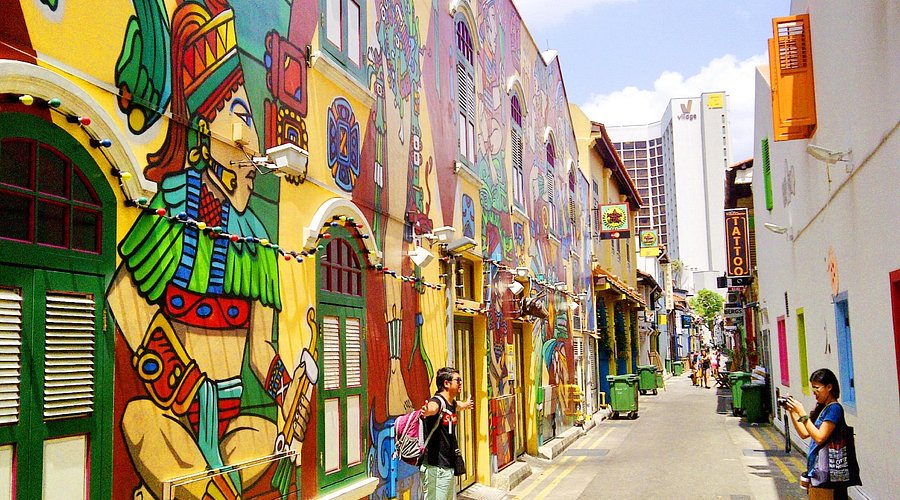
Haji Lane Singapore: Shopping, Cafes & Art
Explore vibrant Haji Lane in Singapore! Discover street art, boutique shops, hip cafes & bars. Complete guide to Kampong Glam's coolest lane.
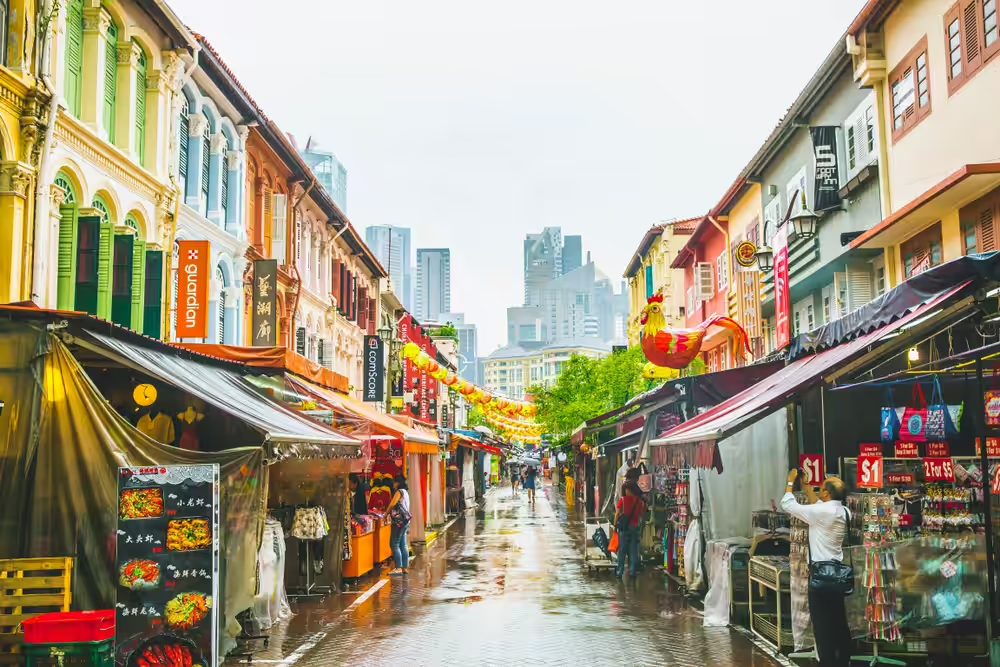
Local Markets in Singapore: Street Shopping, Souvenirs & Food Picks
Discover Singapore's best local markets. From Chinatown to Little India, explore street markets, night markets & shopping tips.
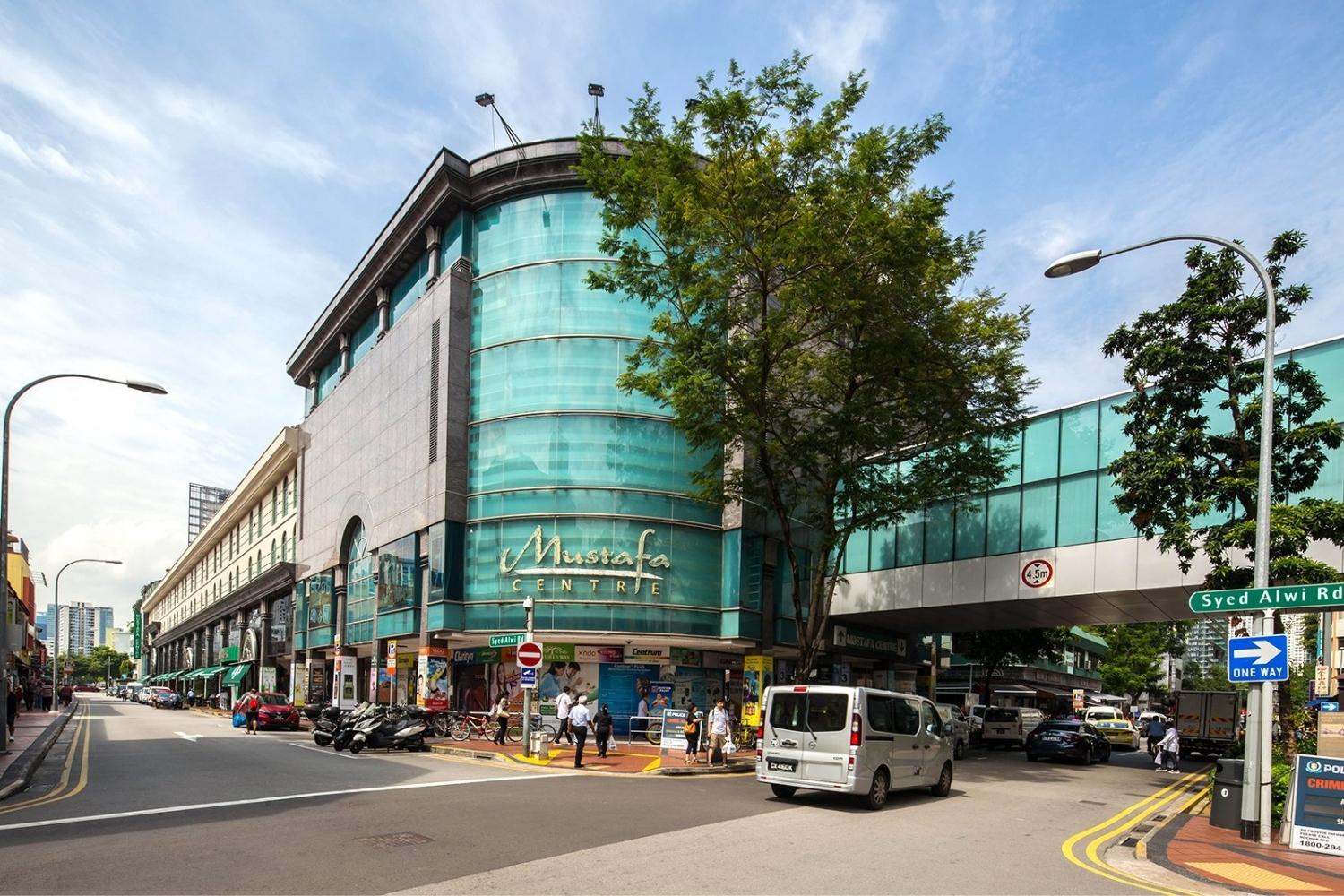
Mustafa Centre Singapore: 24x7 Shopping, Floors & Best Purchase Categories
Shop at Mustafa Centre Singapore - the iconic 24-hour shopping mall in Little India. Electronics, gold, fashion, food & complete shopping guide.
Never Miss an Adventure
Get the latest trekking guides, travel tips, and exclusive offers delivered straight to your inbox.
