
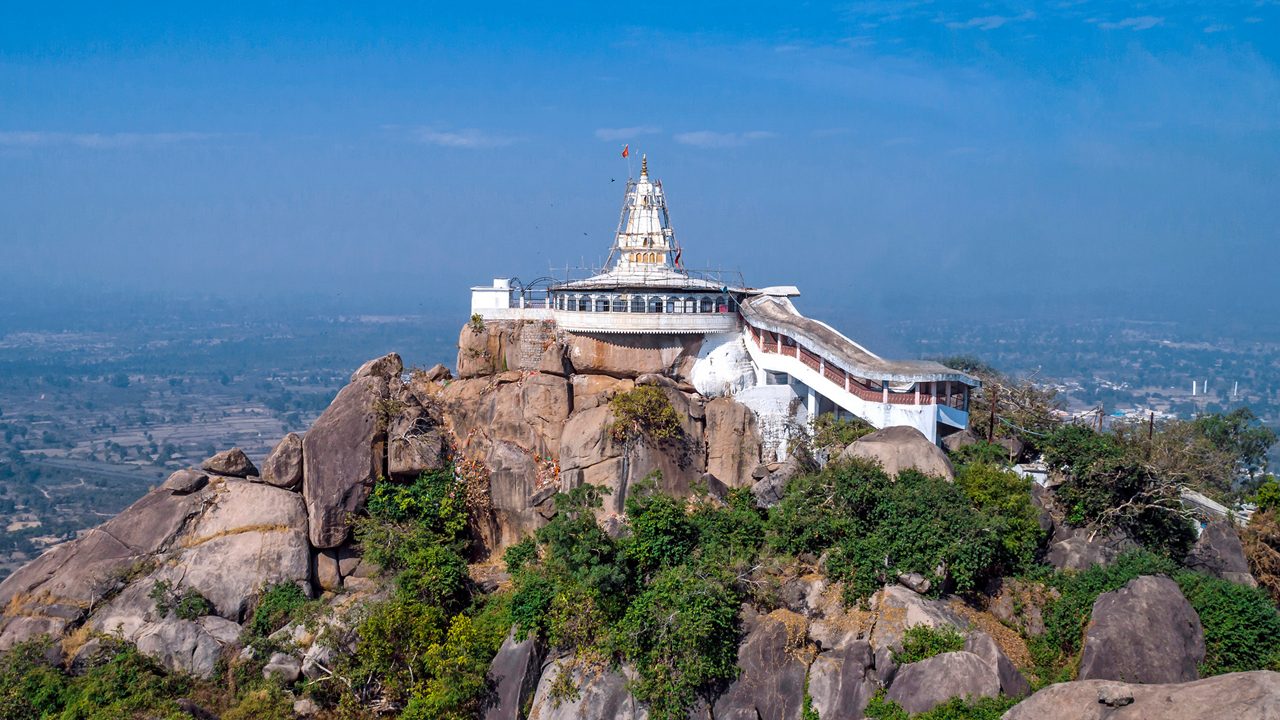
Maa Bamleshwari Temple Dongargarh: Ropeway, Darshan Timings & Route

Neha Kapoor
November 12, 2025
Complete guide to Maa Bamleshwari Temple Dongargarh with ropeway details, darshan planning, timings, best season, and pilgrimage tips for devotees.
Introduction: Chhattisgarh's Sacred Hilltop Shrine
Maa Bamleshwari Temple in Dongargarh is one of the most revered Shakti pilgrimage destinations in Chhattisgarh. Perched on a hill and associated with deep devotional traditions, the shrine draws devotees from across the state and neighboring regions throughout the year. For many pilgrims, this visit is not only about darshan but also about spiritual discipline, patience, and gratitude as they climb the hill or take the ropeway to the temple complex.
What makes Bamleshwari special is its blend of faith, landscape, and living ritual culture. The twin-temple setting of Badi Bamleshwari and Chhoti Bamleshwari, the festive energy during Navratri, and the practical convenience for families make it suitable for both first-time pilgrims and regular devotees. If you are planning a wider regional itinerary, pair this with temples in Chhattisgarh, temples in Raipur, and Chhattisgarh attractions for a balanced spiritual route.
About Maa Bamleshwari Temple, Dongargarh
The temple is located in Dongargarh in Rajnandgaon district and is dedicated to Goddess Bamleshwari, regarded as a powerful form of Maa Durga. The main shrine, often called Badi Bamleshwari, is situated on a hilltop at an elevation that offers wide views of the surrounding region. The lower shrine, Chhoti Bamleshwari, allows devotees to continue worship even when they are unable to make the full climb.
This dual structure has made the pilgrimage more inclusive for elderly devotees, children, and those with limited mobility. The temple complex is managed to accommodate both regular darshan flow and high-footfall festival periods. During Navratri, the atmosphere transforms into a large devotional gathering with extended queues, additional security, and organized crowd movement.
| Aspect | Details | Why It Matters |
|---|---|---|
| Location | Dongargarh, Rajnandgaon district | Easy pilgrimage hub in central India |
| Main Deity | Maa Bamleshwari (Durga form) | Important Shakti worship center |
| Temple Setup | Badi and Chhoti Bamleshwari | Accessible worship options for all |
| Festival Peak | Navratri and Dussehra period | Major spiritual and cultural gatherings |
Temple History and Local Beliefs
Local narratives connect Bamleshwari Temple to centuries-old worship practices and regional royal patronage. While exact historical timelines vary across oral and written sources, the core belief remains consistent: this hill shrine has long served as a center of faith where devotees seek blessings for health, protection, and fulfillment of wishes. Many families in Chhattisgarh consider at least one visit in their life a spiritual milestone.
The temple's continued relevance comes from living tradition rather than only historical architecture. Devotees visit with vows, perform ritual offerings, and return with thanksgiving after wishes are fulfilled. During major festival days, chants, aarti rituals, and community participation create an atmosphere that many pilgrims describe as deeply energizing and emotionally grounding.
Even for non-local visitors, the place offers insight into Chhattisgarh's devotional culture. Respectful participation, modest attire, and patience in queues help maintain the sanctity of the experience.
Best Time to Visit Maa Bamleshwari Temple
You can visit throughout the year, but weather and crowd levels significantly shape comfort and waiting time.
- Navratri (Sep-Oct or Oct-Nov): most auspicious period with intense devotional atmosphere.
- Winter (Oct-Mar): pleasant weather for climbing steps and exploring nearby points.
- Weekdays: typically easier darshan compared to weekends and festival peaks.
- Early morning: smoother queue movement and calmer temple environment.
Summer visits are possible, but daytime heat can make the climb tiring. If traveling in warmer months, start early, carry water, and avoid the noon window. During Navratri, expect longer waiting times and plan buffers accordingly.
How to Reach Dongargarh and the Temple Base
By Road
Dongargarh is well connected by road, including routes from Raipur and nearby urban centers in Chhattisgarh. Private taxis, self-drive cars, and bus options are available. Families often prefer private road travel for flexibility in darshan timing and return plans.
By Train
Dongargarh railway station is a practical option for many pilgrims. From the station, local transport can take you to the temple base area. For large groups, pre-booking local vehicles reduces last-minute delays.
By Air
The nearest major airport is in Raipur. From there, road or rail transfer to Dongargarh is straightforward. This route is common for out-of-state visitors combining spiritual and regional sightseeing.
| Route Type | Common Option | Planning Tip |
|---|---|---|
| From Raipur | Road/rail transfer to Dongargarh | Start early to avoid peak traffic |
| From station | Auto/taxi to temple base | Keep small cash for local rides |
| By bus | State/private intercity services | Check latest departure schedules |
| Own vehicle | Direct temple town access | Use designated parking zones |
Ropeway Experience and Step Climb Options
One of the defining features of this pilgrimage is the choice between ropeway access and step climb. Both have spiritual and practical value depending on age, health, and available time.
Ropeway
The ropeway is preferred by elderly devotees, families with children, and visitors with limited stamina. It saves time and energy while offering scenic views during ascent. Ticket rates and operating windows can change over time, especially during festivals, so verify current details at official counters.
Steps Route
Traditional pilgrims often choose the steps as an act of devotion. The climb can be physically demanding for some, so it is best done with proper pacing, hydration, and short breaks. Comfortable footwear and early start improve the experience significantly.
- Choose ropeway if: traveling with seniors, limited time, or avoiding heat.
- Choose steps if: you want a traditional vow-based pilgrimage effort.
- Festival days: expect waiting time in both routes.
Many families choose a hybrid plan: one-way ropeway and one-way descent by steps or vice versa, depending on comfort.

Darshan, Aarti, and Pooja Planning
Temple timings can vary by season, festival schedule, and administrative updates, but most pilgrims follow a simple strategy: reach early, complete darshan before major crowd buildup, and keep extra buffer if planning special pooja. During Navratri and Dussehra, temple authorities may extend or adjust timings to manage heavy footfall.
General Planning Approach
- Arrive early morning for relatively shorter lines.
- Carry only essentials and follow security instructions.
- Ask counter staff for current aarti and pooja slots.
- Use queue discipline and avoid peak rush windows when possible.
If your visit includes senior citizens, prioritize comfort over speed. Light snacks, hydration, and planned rest points help maintain a peaceful pilgrimage mood.
Nearby Attractions and Essential Facilities
After darshan, many pilgrims spend additional time in Dongargarh for local temple visits, market walks, or rest before return travel. The area around the temple usually has prasad counters, basic refreshments, and essential services for pilgrims.
Nearby Spiritual and Local Points
- Chhoti Bamleshwari Temple: important companion shrine in the pilgrimage circuit.
- Local temple circuit: small shrines in and around town for brief worship stops.
- Town market lanes: offerings, prasad, and local devotional items.
Common Facilities
- Parking areas near base zones.
- Drinking water points and basic sanitation facilities.
- Shoe stands and prasad shops near approach routes.
- Stay options in Dongargarh and nearby towns depending on season.
For broader regional exploration, you can add famous places to visit Rajnandgaon and heritage sites Chhattisgarh to your post-darshan travel plan.

Pilgrimage Logistics for Families and Senior Devotees
Families traveling with elders can make the visit easier by splitting the day into clear phases: base arrival, darshan route, rest interval, and return transfer. This simple structure prevents fatigue and keeps the spiritual mood intact. If your group includes children, keep hydration, light snacks, and caps handy, and avoid very crowded windows whenever possible.
During festivals, queue waiting can be longer than expected, so set realistic timelines and avoid tightly packed onward bookings. Pilgrims arriving by train should pre-arrange local transport from station to temple base, especially for evening returns. If you are driving, identify parking and pickup points in advance to avoid confusion after darshan. A calm, well-paced plan is usually the difference between a tiring trip and a fulfilling pilgrimage day.
Navratri Darshan Checklist
Navratri is the most spiritually charged time at Bamleshwari Temple, but it also demands better planning. Try to arrive before peak evening rush, keep your group together with a fixed meeting point, and carry only essentials to speed up security checks. Elderly devotees should prefer ropeway access and avoid long standing hours in dense queue periods. If you are traveling from outside Chhattisgarh, keep accommodation and return transport confirmed in advance, as festival demand can increase quickly. A patient approach, respectful behavior, and realistic timelines make Navratri darshan much more peaceful.
Practical Visitor Tips for a Smooth Pilgrimage
- Dress modestly: maintain respectful temple attire.
- Carry water: especially if attempting the steps route.
- Travel light: fewer belongings make queue movement easier.
- Plan buffers: festival queues may be longer than expected.
- Verify timings: ropeway and aarti schedules can change.
- Respect local rules: follow signage and volunteer guidance.
If visiting with children, explain queue behavior beforehand and keep the schedule unhurried. For group visits, assign clear meeting points at base and top areas to avoid confusion.
Final Takeaway
Maa Bamleshwari Temple in Dongargarh is a complete pilgrimage experience that combines devotion, hilltop serenity, and practical accessibility. Whether you choose the ropeway or the steps, the visit can be deeply meaningful with thoughtful preparation. Start early, follow a respectful pace, and keep your plan flexible around crowd conditions. With the right approach, darshan at this sacred Chhattisgarh shrine becomes both spiritually fulfilling and logistically smooth.
Location
Frequently Asked Questions
Q1.Where is Maa Bamleshwari Temple located?
Q2.How far is Dongargarh from Raipur?
Q3.What is the best time to visit Bamleshwari Temple?
Q4.Is ropeway available at Maa Bamleshwari Temple?
Q5.Can devotees climb by steps instead of ropeway?
Q6.Are darshan and aarti timings fixed throughout the year?
Q7.Are facilities available near the temple base?
Q8.Is the temple crowded during Navratri?
Recommended For You
Heritage Sites in Chhattisgarh: Historical Places & Cultural Landmarks
Explore heritage sites in Chhattisgarh with practical circuit templates, seasonal guidance, and route-first cultural travel planning.
Chhattisgarh Attractions: Top Places, Route Plan & Itinerary
Plan Chhattisgarh attractions with route-based itineraries, seasonal strategy, and practical budget and transport tips for first-time travelers.
Famous Places to Visit in Rajnandgaon: Top 15 Attractions
Explore famous places to visit in Rajnandgaon with Dongargarh temple circuit, heritage points, nature routes, and practical travel planning tips.
Never Miss an Adventure
Get the latest trekking guides, travel tips, and exclusive offers delivered straight to your inbox.
