
Alagar Koil Madurai Guide: Timings, Route, Tips

Rohan Malhotra
February 20, 2026
Visit Alagar Koil Madurai with practical guidance on darshan timings, route planning, nearby temple pairing, and respectful on-ground travel tips.
Introduction
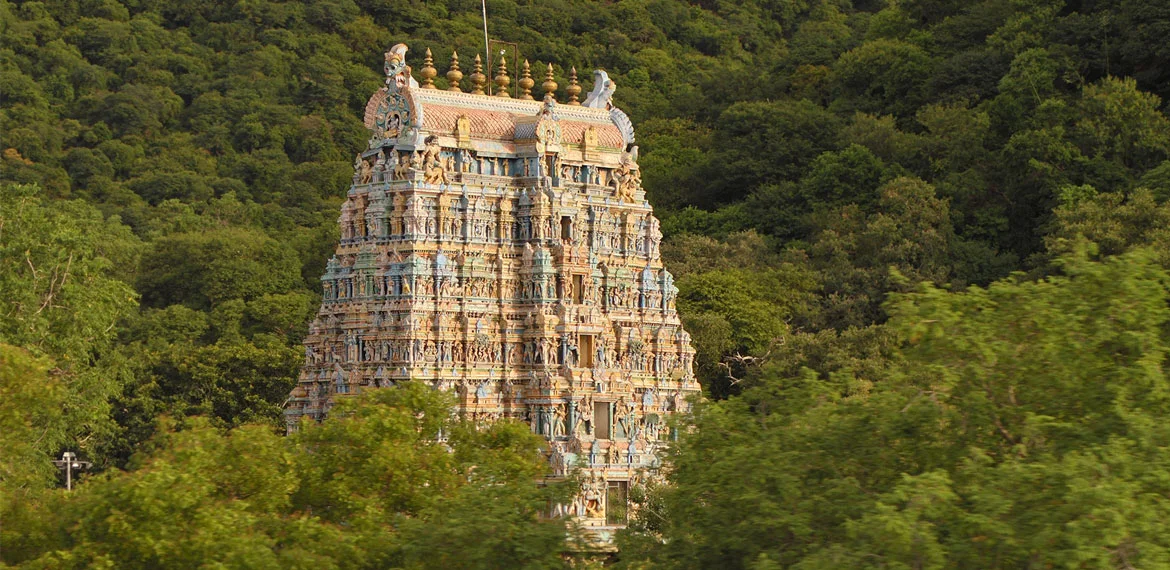
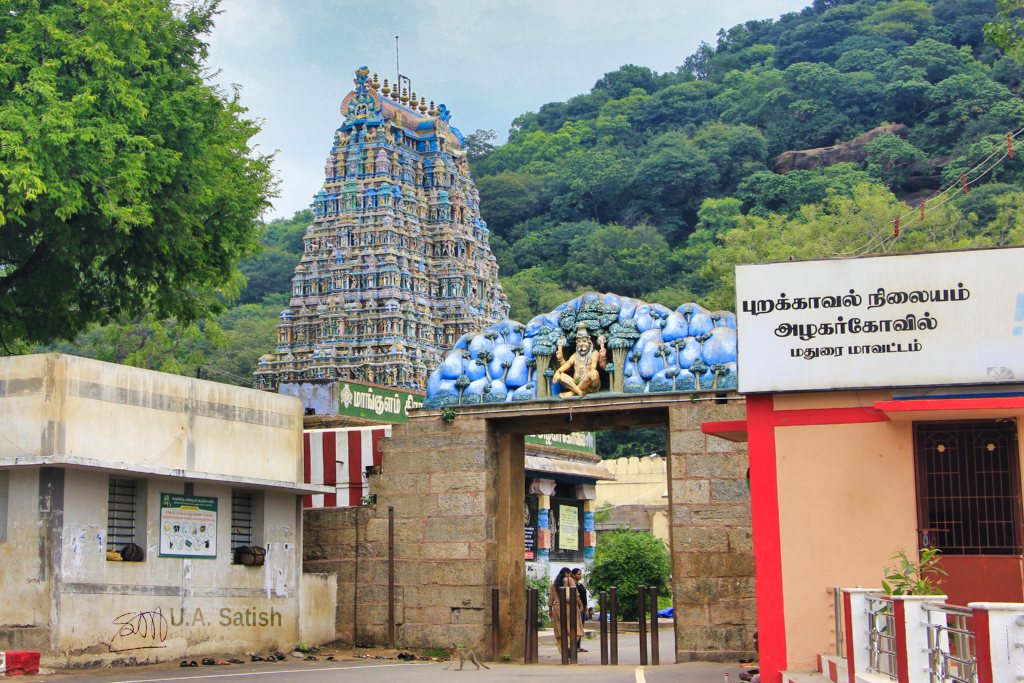
Alagar Koil Madurai is one of the most meaningful temple excursions around the city, especially for travelers who want devotion, architecture, and a quieter setting than central urban shrines. Dedicated to Lord Vishnu as Kallazhagar, this historic temple sits near the hill edge and is deeply tied to Madurai’s ritual traditions. Many first-time visitors arrive expecting only a short stop, but the site rewards slower observation: entrance gateways, carved mandapam spaces, and layered temple movement all tell a larger story of Tamil sacred geography.
This guide focuses on planning clarity. You will find a practical structure for alagar kovil temple timing checks, darshan flow, travel route choices from the city, and realistic pairing with nearby shrines. If your itinerary already includes Meenakshi Temple Madurai or wider circuits through places to visit in Tamil Nadu, this page helps you sequence Alagar Koil without unnecessary backtracking.
Temple History and Religious Significance
Alagar Koil has longstanding importance in regional Vaishnavite worship. Local tradition connects the temple strongly with Kallazhagar processional narratives and major festival cycles, especially around the Chithirai period when spiritual and cultural participation scales up across the Madurai region. This is why search queries often include both temple history and darshan timing details: visitors are trying to align religious value with practical movement.
Even outside major festival dates, daily worship routines keep the site active and meaningful. The temple functions as a living place of prayer, not only a heritage monument. If you visit on a weekday morning, you can usually observe ritual rhythm with less crowd pressure, making it easier to understand spatial details and local practices. Respectful conduct matters throughout the visit, especially near sanctum-adjacent areas where movement can become tight during puja windows.
Architecture and Key Shrines
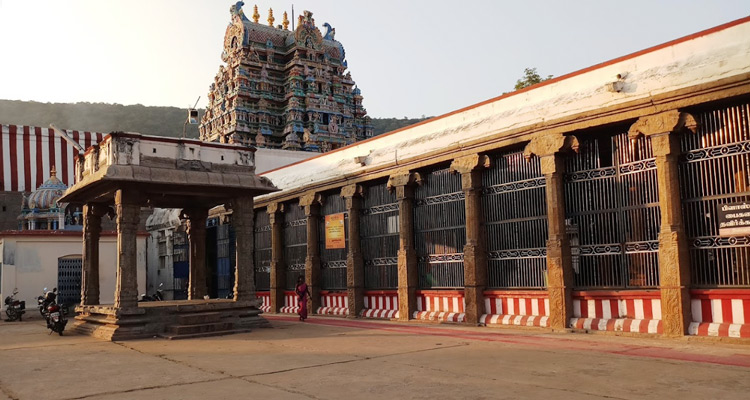
Architecturally, Alagar Koil reflects layered Dravidian temple design: prominent entrance structures, stone-pillared halls, and sculptural detailing that reveals both devotional and artistic intent. The built form encourages gradual progression, with each threshold signaling a change in ritual space. Travelers interested in heritage interpretation should avoid rushing directly to darshan and spend a few minutes reading the visual grammar of pillars, motifs, and shrine hierarchy.
The surrounding natural character gives Alagar Koil a distinct emotional quality compared with dense urban temple zones. Green edges and gentle elevation transitions support a quieter, more reflective experience. This combination of sacred structure and landscape context is one reason the temple remains a frequent recommendation among temples near Madurai.
| Section | Why It Matters | Suggested Time |
|---|---|---|
| Main Sanctum Area | Primary darshan and ritual observation | 20-35 min |
| Mandapam Corridors | Stone carvings and iconographic detail | 15-25 min |
| Peripheral Shrines | Local worship patterns and offerings | 20-30 min |
Timings, Darshan, and Ritual Windows
Kallazhagar temple timing can vary by festival day, local temple administration updates, and special puja schedules. Always verify active darshan windows before you leave Madurai, especially if your day has multiple stops. A flexible start is better than a fixed late departure because ceremony-led pauses can increase queue time.
Early slots usually give smoother entry and better climate comfort. If traveling with elders or children, choose lower-crowd windows and keep hydration breaks planned. Dress modestly and follow instructions from on-site staff regarding footwear, queue discipline, and photography permissions. Avoid assuming that all temple zones allow photos.
How to Reach Alagar Koil from Madurai
Road travel from Madurai city is the standard approach. You can use taxi, auto for part-route transfers, local bus, or a pre-booked vehicle for better timing control. Private cab remains the easiest option for travelers combining Alagar Koil with additional temple points in the same circuit.
Use a clustered route strategy: complete outskirt shrines first, then return to city-core stops. This avoids repeated crossing of traffic-heavy zones. If your wider plan includes temples in Thanjavur or coastal devotion routes like Thiruchendur Murugan Temple, keep those for separate days to avoid itinerary fatigue.
Best Time to Visit
Cooler months are generally easier for temple travel comfort, especially when the day includes outdoor waiting and route transitions. Morning remains the best slot across most seasons. Midday heat can reduce stamina, shorten observation quality, and make return travel less comfortable.
Festival periods deliver strong cultural immersion but come with high crowd volume and longer queues. Choose these dates if you value ritual intensity and community participation. Choose regular weekdays if you prefer architecture-focused, calmer exploration.
Nearby Places and Circuit Planning
Many travelers pair Alagar Koil with nearby sacred points such as Pazhamudircholai. This can work well if you define one anchor temple and limit secondary stops. Overloading the day with too many check-ins often weakens both spiritual engagement and practical comfort.
A workable model is simple: primary darshan first, meal break, then one optional nearby site based on energy and timing. Keep buffer time for unexpected crowd surges. If your Tamil Nadu pilgrimage includes longer-distance shrines such as Rameshwaram Temple, allocate dedicated travel days rather than stacking everything into one schedule block.
The Chithirai Festival Connection
Alagar Koil's biggest annual moment arrives during the Chithirai festival, usually falling in April or early May, when the deity Kallazhagar is taken in a grand procession toward the Vaigai river as part of a centuries-old narrative involving his sister Meenakshi's wedding to Lord Sundareswarar. On the appointed night, thousands gather on the riverbank to watch Kallazhagar step into the Vaigai waters, an event that draws devotees from across Tamil Nadu and turns the otherwise quiet temple town into a sea of pilgrims and vendors. If you plan a visit specifically around this festival, expect significantly longer queues, limited parking near the temple, and a festive but crowded atmosphere quite different from a regular weekday darshan. Booking accommodation in Madurai well in advance is essential during this window, since hotels fill up quickly with both pilgrims and curious travelers wanting to witness the river procession.
Outside the main Chithirai dates, the temple also observes smaller monthly and weekly ritual cycles tied to the Vaishnavite calendar, including Ekadashi observances that bring a noticeably higher number of devotees than an ordinary weekday. Checking the local panchangam or asking your hotel concierge in Madurai about upcoming ritual dates can help you decide whether you want a quieter architectural visit or a livelier devotional one.
Pazhamudircholai and the Hill Circuit
Pazhamudircholai, one of the six abodes of Lord Murugan in Tamil Nadu, sits close to Alagar Koil on a forested hill slope and is a natural pairing for travelers who want to combine Vaishnavite and Shaivite-Murugan devotion in a single outing. The approach road climbs gently through green hill terrain, a welcome contrast to the flatter city temple circuits, and the site includes a small waterfall area that is especially attractive during the monsoon and immediately after. Because the hill road can be narrow and shared with local traffic, it is worth allocating extra buffer time here rather than treating it as a quick five-minute stop. Many travelers combine a sunrise visit to Alagar Koil with a mid-morning walk up to Pazhamudircholai before heading back into Madurai for lunch, which keeps the day's pace comfortable without feeling rushed.
Practical Tips for a Smooth Visit
- Confirm timings: verify darshan windows on the same day of travel.
- Start early: morning departure improves both queue and climate comfort.
- Carry essentials: water, light snacks, small cash, and sun protection.
- Respect etiquette: modest attire, low-noise movement, and staff guidance.
- Plan buffers: keep flexibility for ritual pauses and traffic delays.
Alagar Koil Madurai is best experienced as a mindful half-day temple journey, not a rushed tick-mark stop. When timing, route, and expectation are aligned, the visit feels spiritually grounded and logistically smooth.
Location
Frequently Asked Questions
Q1.Where is Alagar Koil located?
Q2.What are Alagar Koil darshan timings?
Q3.Is there an entry fee at Alagar Koil?
Q4.How far is Alagar Koil from Madurai city?
Q5.Can Alagar Koil and Pazhamudircholai be covered together?
Q6.What is the best time to visit Alagar Koil?
Q7.Are there dress guidelines for temple entry?
Q8.Is parking available at Alagar Koil?
Recommended For You
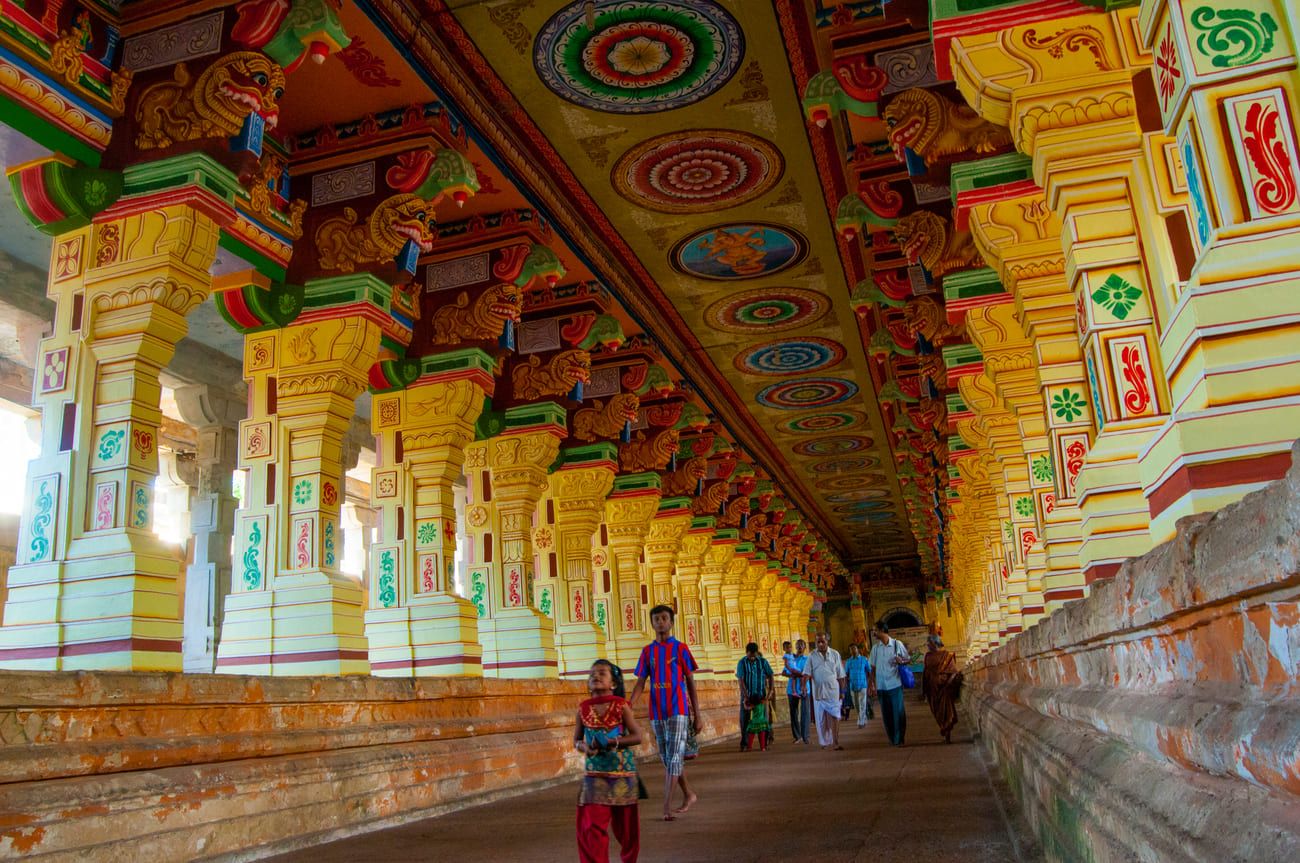
Rameshwaram Temple History: Complete Guide to Tamil Nadu's Sacred Jyotirlinga
Discover the rich history of Rameshwaram Temple, one of the 12 sacred Jyotirlingas. Explore its connection to Ramayana, magnificent architecture with the world's longest temple corridor, and spiritual significance in this complete guide.
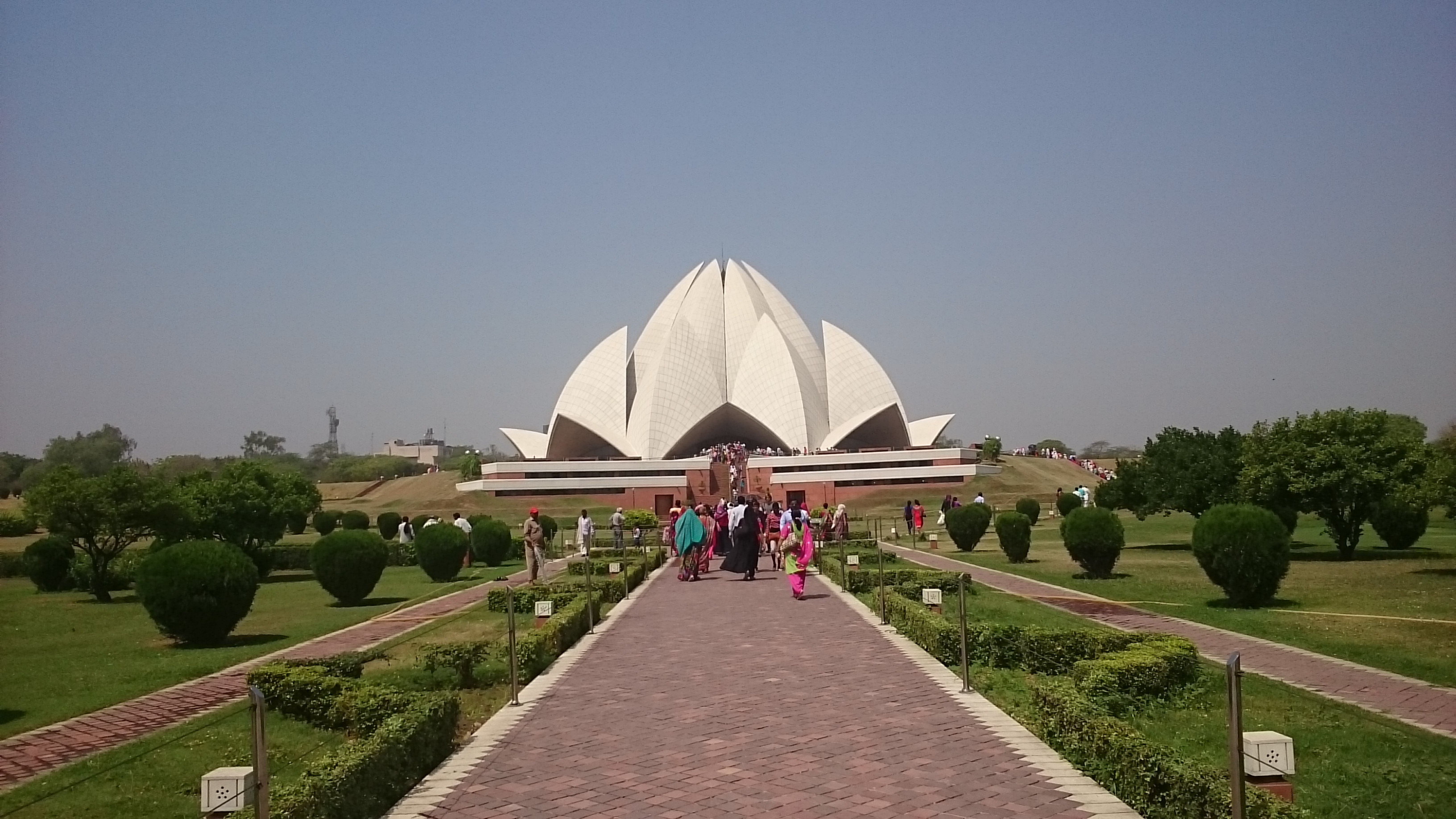
Lotus Temple Delhi: Timings, Entry Rules & Best Visiting Hours
Lotus Temple Delhi complete visitor guide: FREE entry, timings (9 AM-5:30 PM winter, 9 AM-7 PM summer), nearest metro (Kalkaji Mandir), photography rules, dress code, meditation tips & best time to visit. Plan your peaceful retreat.
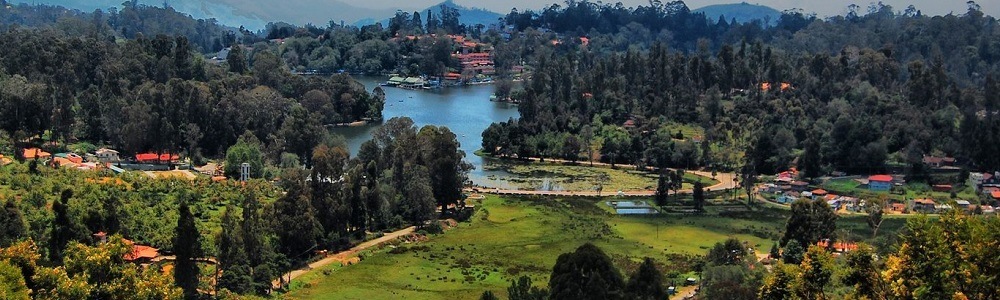
Places to Visit in Tamil Nadu: Region-Wise Attractions & Itinerary Ideas
Discover places to visit in Tamil Nadu with region-wise planning, season logic, and practical itinerary models for smoother travel.
Never Miss an Adventure
Get the latest trekking guides, travel tips, and exclusive offers delivered straight to your inbox.
