
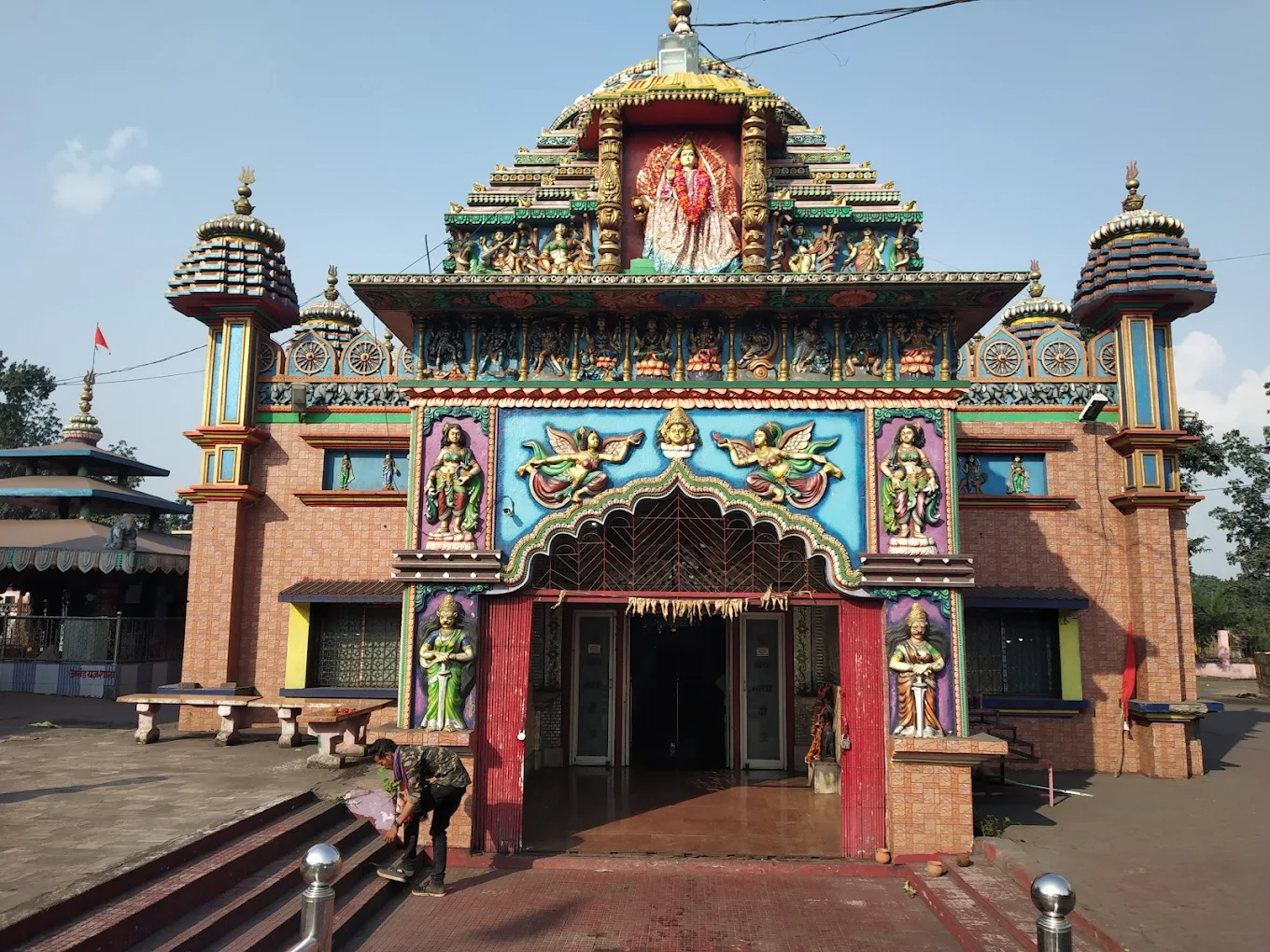
Banjari Mata Mandir Raipur: Darshan Timings, Route & Local Significance

Rahul Garg
November 29, 2025
Discover Banjari Mata Mandir Raipur - a sacred temple dedicated to Goddess Durga. Learn about history, timings, rituals, festivals, and practical travel tips for your spiritual visit.
Introduction to Banjari Mata Mandir
Nestled in the vibrant city of Raipur, Chhattisgarh, Banjari Mata Mandir stands as a revered Hindu temple dedicated to Goddess Durga. This sacred shrine has been a beacon of devotion for countless devotees who seek blessings from the divine mother. The temple's spiritual ambiance and religious significance make it one of the most important temples in Raipur, attracting pilgrims from across the region.The temple holds a special place in the hearts of devotees who believe in the power and grace of Banjari Mata, a manifestation of Goddess Durga. As you step into the temple premises, you're immediately greeted by an atmosphere of peace and devotion that transcends the mundane world. The temple's location in Raipur, the capital city of Chhattisgarh, makes it easily accessible to pilgrims and tourists alike.

Banjari Mata Mandir is not just a place of worship but a spiritual sanctuary where devotees find solace, peace, and divine blessings. The temple plays a significant role in the religious and cultural landscape of Chhattisgarh temples, serving as a testament to the rich spiritual heritage of the region. Throughout this comprehensive guide, we'll explore the history, architecture, religious significance, and practical information that will help you plan your visit to this sacred temple.
History & Legends
The origins of Banjari Mata Mandir are deeply rooted in the spiritual traditions of Chhattisgarh. While exact historical records about the temple's establishment are not extensively documented, local legends and oral traditions have kept the temple's history alive through generations of devotees.
According to local beliefs, the temple was established following divine interventions and miraculous events that led to the discovery of the goddess's presence in this sacred location. Devotees believe that Banjari Mata manifested herself at this site to bless and protect her followers. The name "Banjari" is associated with the local tribal and folk traditions of the region, reflecting the unique cultural synthesis that characterizes Chhattisgarh's spiritual landscape.
The temple has witnessed numerous renovations and expansions over the years, with each generation of devotees contributing to its development and maintenance. What started as a simple shrine has evolved into a magnificent temple complex that serves the spiritual needs of thousands of devotees. The temple's history is intertwined with the lives of local families who have preserved and propagated the worship of Banjari Mata through centuries.
Several miraculous stories and legends are associated with the temple. Devotees recount instances where prayers offered at this temple have been answered, and blessings sought from Banjari Mata have been granted. These stories of faith and devotion have contributed to the temple's growing reputation as a powerful center of worship in the region.
Temple Architecture
Banjari Mata Mandir showcases traditional Hindu temple architecture that has been adapted to reflect the local cultural influences of Chhattisgarh. The temple complex is designed to facilitate worship while creating an environment conducive to spiritual contemplation and devotion.
Architectural Style
The main temple structure features a sanctum sanctorum (garbhagriha) where the idol of Banjari Mata is installed. This inner chamber is the most sacred part of the temple, accessible only to the priests during special ceremonies. The sanctum is surrounded by a prayer hall where devotees gather to participate in rituals and offer prayers.

The temple's spire (shikhara) rises prominently above the main structure, symbolizing the connection between the earthly and divine realms. The architectural elements include intricate carvings and religious motifs that depict various aspects of Hindu mythology and the glory of Goddess Durga.
Temple Complex
The temple complex extends beyond the main shrine to include several auxiliary structures that support various religious and community activities. These include:
- Prayer Hall: A spacious area where devotees can sit and meditate, participate in bhajan sessions, and attend religious discourses.
- Yagna Shala: A designated space for conducting sacred fire rituals and homams during special occasions.
- Community Hall: Used for organizing religious ceremonies, cultural programs, and community gatherings.
- Prasad Distribution Counter: Where devotees can receive the blessed offering after worship.
The temple premises are maintained with great care, ensuring cleanliness and sanctity. The walls and pillars of the temple are adorned with paintings and sculptures that depict scenes from Hindu mythology, particularly those related to Goddess Durga and her various forms.
Religious Significance
Banjari Mata Mandir holds immense religious significance for devotees who worship Goddess Durga in her form as Banjari Mata. The temple is considered a powerful center where the divine presence of the goddess can be felt strongly by sincere devotees.
Goddess Worship
Goddess Durga, worshipped here as Banjari Mata, is revered as the supreme mother goddess who embodies power, protection, and maternal love. In Hindu theology, Goddess Durga is the destroyer of evil and the protector of righteousness. Devotees believe that worshipping Banjari Mata grants them courage, strength, and protection from negative forces.

The temple follows traditional Hindu worship practices that include daily puja, aarti, and special ceremonies on auspicious days. The priests at the temple are well-versed in Vedic rituals and ensure that all ceremonies are conducted according to prescribed guidelines.
Spiritual Importance
For the local community, Banjari Mata Mandir is more than just a place of worship—it is a spiritual anchor that connects them to their faith and traditions. Many families have been visiting this temple for generations, considering it their kuldevta (family deity) temple.
Devotees share experiences of having their prayers answered and wishes fulfilled after sincere worship at this temple. Such testimonials have strengthened the temple's reputation as a place where miracles occur and faith is rewarded. The temple serves as a spiritual refuge where people find peace during difficult times and express gratitude during moments of joy.
The temple also plays an important role in preserving and promoting Hindu religious traditions in the region. Religious festivals celebrated here attract large gatherings, fostering a sense of community among devotees and keeping religious traditions alive for future generations.
Darshan & Rituals
Understanding the darshan timings and ritual schedule is essential for planning your visit to Banjari Mata Mandir. The temple follows a structured schedule that allows devotees to participate in various religious ceremonies throughout the day.
Daily Opening Hours
The temple opens its doors to devotees early in the morning and remains open until evening, with a brief closure during the afternoon. While exact timings may vary slightly depending on the season and special occasions, typical darshan timings are as follows:
| Session | Timings | Duration |
|---|---|---|
| Morning Darshan | 5:00 AM - 12:00 PM | 7 hours |
| Afternoon Break | 12:00 PM - 4:00 PM | Temple Closed |
| Evening Darshan | 4:00 PM - 9:00 PM | 5 hours |
Note: Timings may vary during festivals and special occasions. It's advisable to check the temple office for the most current schedule.
Aarti Schedule
The aarti ceremony is one of the most important rituals performed at the temple. During aarti, lamps are lit and offered to the deity accompanied by chanting of mantras and devotional songs. The main aarti timings are:
- Morning Aarti: 5:30 AM
- Evening Aarti: 7:00 PM
- Shayan Aarti: 8:30 PM

Attending the aarti is considered highly auspicious, and many devotees make it a point to be present for at least one aarti ceremony during their visit. The atmosphere during aarti is charged with spiritual energy as the collective prayers and chants create a powerful devotional experience.
Rituals and Ceremonies
The temple conducts various rituals throughout the day to maintain the sanctity of the worship and ensure the well-being of devotees. These include:
- Mangala Aarti: The first ritual of the day, performed before dawn to awaken the deity.
- Sringar Darshan: The deity is adorned with ornaments and beautiful attire.
- Bhog Offering: Food offerings are made to the deity at specific times during the day.
- Sandhya Aarti: The evening prayers that mark the transition from day to night.
Devotees can also participate in special pujas by booking them at the temple office. Special pujas such as Abhishekam (ritual bathing of the deity), Archana (recitation of sacred names), and Sahasranama Archana (chanting of 1008 names) are available for those seeking more elaborate worship.
Festivals
Festivals at Banjari Mata Mandir are celebrated with great enthusiasm and devotion, attracting large numbers of devotees from Raipur and surrounding areas. These festivals provide an opportunity for devotees to participate in special celebrations and receive the blessings of Banjari Mata.
Navratri Celebrations
Navratri, the nine-day festival dedicated to Goddess Durga, is the most important festival celebrated at Banjari Mata Mandir. During this period, the temple is beautifully decorated with flowers, lights, and religious ornaments. The entire temple complex wears a festive look, creating a divine atmosphere that enhances the devotional experience.
Special pujas and rituals are conducted each day during Navratri, following the specific traditions associated with each of the nine forms of Goddess Durga. Devotees observe fasts, participate in the daily aarti ceremonies, and offer special prayers to seek the goddess's blessings. The temple witnesses a huge influx of devotees during these nine days, with thousands visiting daily to pay their respects.

Cultural programs including bhajan sandhyas, religious discourses, and community meals (bhandara) are organized during Navratri. The eighth day (Ashtami) and ninth day (Navami) are particularly significant, with special ceremonies attracting the largest crowds.
Durga Puja
Durga Puja, another major festival dedicated to Goddess Durga, is celebrated with equal fervor at Banjari Mata Mandir. While Navratri is observed across India, Durga Puja has special significance in eastern and central India, including Chhattisgarh. The temple organizes elaborate ceremonies during this festival, including special decorations, additional aarti sessions, and community feasting.
Devotees dress in traditional attire and visit the temple with their families to offer prayers. The atmosphere is filled with the sound of devotional songs, chants, and the fragrance of incense and flowers offered to the deity.
Other Major Festivals
In addition to Navratri and Durga Puja, the temple celebrates other Hindu festivals with great devotion:
- Diwali: The festival of lights is celebrated by illuminating the entire temple complex. Special Lakshmi Puja is conducted, and devotees flock to the temple to seek blessings for prosperity and well-being.
- Maha Shivaratri: Though primarily dedicated to Lord Shiva, this festival is also observed at the temple with special prayers, as Goddess Durga and Lord Shiva are considered divine consorts in Hindu theology.
- Ram Navami and Janmashtami: The birthdays of Lord Rama and Lord Krishna are observed with special pujas and distribution of prasad.
- Temple Anniversary: The temple celebrates its establishment day with special programs, free meals distribution, and religious ceremonies.
These festivals not only have religious significance but also serve as occasions for community bonding and cultural preservation. The temple management ensures that all festivals are celebrated in an organized manner, maintaining the sanctity of traditions while accommodating the needs of devotees.
How to Reach
Reaching Banjari Mata Mandir in Raipur is convenient as the city is well-connected by various modes of transportation. Here's a comprehensive guide on how to reach the temple from different points:
From Raipur City Center
Banjari Mata Mandir is located within Raipur city limits, making it easily accessible from the city center. The temple is approximately 5-7 kilometers from the main city area, and you can reach it by:
- Auto-rickshaw: The most convenient and economical option for local travel. Auto-rickshaws are readily available throughout Raipur.
- Taxi/Cab: For a more comfortable journey, you can hire a taxi or use app-based cab services like Ola and Uber.
- Private Vehicle: If you're driving your own vehicle or renting one, the temple has parking facilities available.
- City Bus: Local buses connect various parts of Raipur, and you can check if there's a route that passes near the temple.
From Railway Station
Raipur Junction railway station is a major railhead on the Mumbai-Howrah main line, well-connected to major cities across India. The distance from Raipur Junction to Banjari Mata Mandir is approximately 6-8 kilometers.
| Transport Mode | Distance | Time Required | Approximate Cost |
|---|---|---|---|
| Auto-rickshaw | 6-8 km | 20-25 minutes | Rs. 80-120 |
| Taxi | 6-8 km | 15-20 minutes | Rs. 150-200 |
| Bus | 6-8 km | 30-40 minutes | Rs. 20-30 |
From Airport
Swami Vivekananda Airport in Raipur is the nearest airport to Banjari Mata Mandir, located approximately 12-15 kilometers away. The airport has regular flights connecting Raipur to major Indian cities including Delhi, Mumbai, Kolkata, Hyderabad, and Bhopal.
From the airport, you can reach the temple by:
- Pre-paid Taxi: Available at the airport terminal. This is the most reliable option.
- App-based Cabs: Ola and Uber operate from the airport and can be booked through their apps.
- Airport Shuttle: Some hotels offer shuttle services—check if your accommodation provides this facility.
The journey from the airport typically takes 25-35 minutes depending on traffic conditions.
Local Transport
Once in Raipur, getting around to visit the temple and other attractions is relatively easy. The city has a well-developed local transportation system that includes:
- City Buses: Raipur City Bus Service operates routes covering most parts of the city.
- Auto-rickshaws: The most common mode of transport for short distances.
- Cabs: App-based cab services are available and can be booked for point-to-point travel.
- Rental Vehicles: Cars and two-wheelers can be rented if you prefer to explore at your own pace.

Temple Facilities
Banjari Mata Mandir offers various facilities to ensure a comfortable and convenient experience for devotees and visitors. The temple management has taken care to provide amenities that cater to the practical needs of visitors while maintaining the sanctity of the temple environment.
Visitor Amenities
- Parking Area: The temple has a dedicated parking space for two-wheelers and four-wheelers. During festivals and special occasions, additional arrangements are made to accommodate the increased number of vehicles.
- Shoe Stand: A facility is available outside the temple premises where devotees can leave their footwear before entering. This service is usually free, though donations are accepted.
- Drinking Water: Clean drinking water is available on the temple premises. Water coolers are installed at convenient locations.
- Restroom Facilities: Clean and well-maintained restrooms are available for devotees. Separate facilities for men and women are provided.
- Seating Areas: Covered seating areas are available where elderly devotees and others can rest during their visit.
Religious Services
- Prasad Distribution: After completing darshan, devotees receive prasad (blessed food offering). The prasad typically includes sweets or dry fruits that have been offered to the deity.
- Puja Booking Counter: Devotees can book special pujas and rituals at the designated counter. The temple staff provides information about the various pujas available and their costs.
- Priest Services: Trained priests are available to perform pujas on behalf of devotees. You can request the priest to perform specific rituals or offer prayers on special occasions.
- Offerings Counter: Devotees can purchase puja materials, offerings, and religious items from the temple counter. This includes flowers, incense, coconuts, and other items needed for worship.
- Donation Facilities: For those who wish to contribute to the temple's maintenance and charitable activities, donation boxes are placed at various locations. The temple also accepts donations through cheque and digital payment methods.
Special Facilities
- Special Entry for Elderly/Disabled: During peak hours and festivals, special arrangements are made to ensure that elderly and differently-abled devotees can have darshan without having to wait in long queues.
- Wheelchair Accessibility: Ramps and wheelchair-accessible pathways are provided to ensure that the temple is accessible to all devotees.
- First Aid: Basic first aid facilities are available on the temple premises for emergencies.
- Lost and Found: A lost and found counter helps devotees retrieve any items they may have misplaced during their visit.
Nearby Attractions
If you're planning to visit Banjari Mata Mandir, consider exploring other attractions in Raipur to make the most of your trip. The city offers several interesting places that cater to different interests, from religious sites to recreational spots.
Other Temples in Raipur
Raipur is home to several famous temples in Raipur that you can visit along with Banjari Mata Mandir:
- Jatmai Temple: Located approximately 20 kilometers from Raipur, this temple dedicated to Goddess Jatmai is another popular pilgrimage site. It's known for its beautiful architecture and peaceful surroundings.
- Mahant Ghasidas Memorial Museum: While not a temple, this museum houses an impressive collection of artifacts related to the region's history and culture, including religious artifacts.
- Hatkeshwar Mahadev Temple: An ancient Shiva temple that attracts devotees, especially during the month of Shravan.
- Champaran: Located about 30 kilometers from Raipur, this village has historical and religious significance and is worth a visit for those interested in spirituality and history.
Tourist Places Nearby
- Purkhouti Muktangan: An open-air museum that showcases the art, culture, and traditions of Chhattisgarh through replicas and exhibits. It's an excellent place to learn about the state's rich heritage.
- MM Fun City: If you're traveling with family, this amusement and water park offers entertainment options for children and adults alike.
- Gandhi Udyan Park: A well-maintained park ideal for relaxation and evening strolls. It's a popular spot among locals and tourists alike.
- Naya Raipur: The new capital city of Chhattisgarh, located about 25 kilometers from Raipur, features modern architecture, wide roads, and planned urban development. It's interesting to see the contrast between old and new Raipur.
Combined Visit Suggestions
For those planning to explore multiple attractions, here are some suggested itineraries:
Half-Day Temple Tour: Start your day with morning darshan at Banjari Mata Mandir, followed by visits to Hatkeshwar Mahadev Temple and Jatmai Temple. This tour gives you a comprehensive spiritual experience and allows you to seek blessings from multiple deities.
Full-Day Raipur Experience: Begin with early morning darshan at Banjari Mata Mandir, spend the afternoon exploring Purkhouti Muktangan to understand Chhattisgarh's culture, and end your day with a relaxing evening at Gandhi Udyan Park. This itinerary combines spirituality, culture, and recreation.
Weekend Getaway: If you have more time, consider combining your temple visit with trips to nearby attractions like the Barnawapara Wildlife Sanctuary or the stunning Chitrakote Waterfalls, often called the Niagara Falls of India. These destinations are within driving distance of Raipur and offer a different experience altogether.

Tips for Devotees
To make your visit to Banjari Mata Mandir a fulfilling and spiritually enriching experience, here are some practical tips and guidelines:
Dress Code and Etiquette
When visiting a Hindu temple, it's important to dress modestly and respectfully. Traditional Indian attire is preferred—men can wear dhoti, kurta, or pants with a shirt, while women can wear saree, salwar kameez, or modest western clothing. Avoid wearing shorts, miniskirts, sleeveless tops, or revealing clothing.
Remove your footwear before entering the temple premises. There are designated areas where you can leave your shoes. It's also customary to wash your hands and feet before entering the main temple area.
Maintain silence within the temple premises and avoid loud conversations. The temple is a place of worship, and devotees come here to pray and meditate. Switch off or silence your mobile phone to avoid disturbing others.
Best Time for Darshan
For a peaceful darshan experience, visit the temple early in the morning when it opens. The morning hours are less crowded, and the cool weather makes the visit more comfortable. The temple atmosphere in the early morning is particularly serene, enhancing the spiritual experience.
If you prefer evening visits, try to reach the temple around 6 PM when the evening aarti begins. While it may be more crowded than the morning, participating in the aarti is a deeply moving experience.
Weekdays generally see fewer devotees compared to weekends. If your schedule is flexible, plan your visit on a weekday to avoid the weekend rush. Festival days, especially during Navratri, witness huge crowds, and darshan may take longer than usual.
Offerings and Donations
Devotees can bring various offerings for the deity, including flowers, fruits, coconuts, and sweets. These can be offered during the puja. If you're unsure about the proper procedure, the temple staff or priests will guide you.
For special pujas, it's advisable to book them in advance, especially if you're visiting during festivals or auspicious occasions. The temple office provides information about the various pujas and their costs.
Donations to the temple are used for maintenance, charitable activities, and organizing religious events. If you wish to contribute, donation boxes are available, or you can donate at the temple office. The temple also accepts digital payments for donations.
Photography Rules
Photography rules may vary, so it's best to inquire at the temple office before taking photographs. Generally, photography is prohibited inside the sanctum sanctorum and during certain rituals. However, you may be allowed to take photographs of the temple exterior and architecture.
Always seek permission before photographing priests or other devotees. Be respectful of others' privacy and religious sentiments. Remember that the primary purpose of your visit is worship, so don't let photography distract from your spiritual experience.
Additional Tips
- Carover a small bag to keep your belongings safe, especially during crowded times.
- Keep some cash in small denominations for offerings, donations, and small purchases.
- If you're visiting during summer, carry water to stay hydrated, as queues can be long.
- Elderly devotees and those with health conditions should avoid peak hours and consider bringing someone along for assistance.
- Respect the local customs and traditions, and follow the instructions given by temple staff and priests.
By following these guidelines, you can ensure a smooth and spiritually rewarding visit to Banjari Mata Mandir. The temple is not just a tourist attraction but a sacred space where faith and devotion converge, creating an environment that nourishes the soul and strengthens one's connection with the divine.
Location
Frequently Asked Questions
Q1.What is Banjari Mata Mandir famous for?
Q2.What are the darshan timings of Banjari Mata Mandir?
Q3.Where is Banjari Mata Mandir located?
Q4.How to reach Banjari Mata Mandir from Raipur city center?
Q5.Which festivals are celebrated at Banjari Mata Mandir?
Q6.Is Navratri celebrated at Banjari Mata Mandir?
Q7.What is the best time to visit Banjari Mata Mandir?
Q8.Is parking available at Banjari Mata Mandir?
Recommended For You
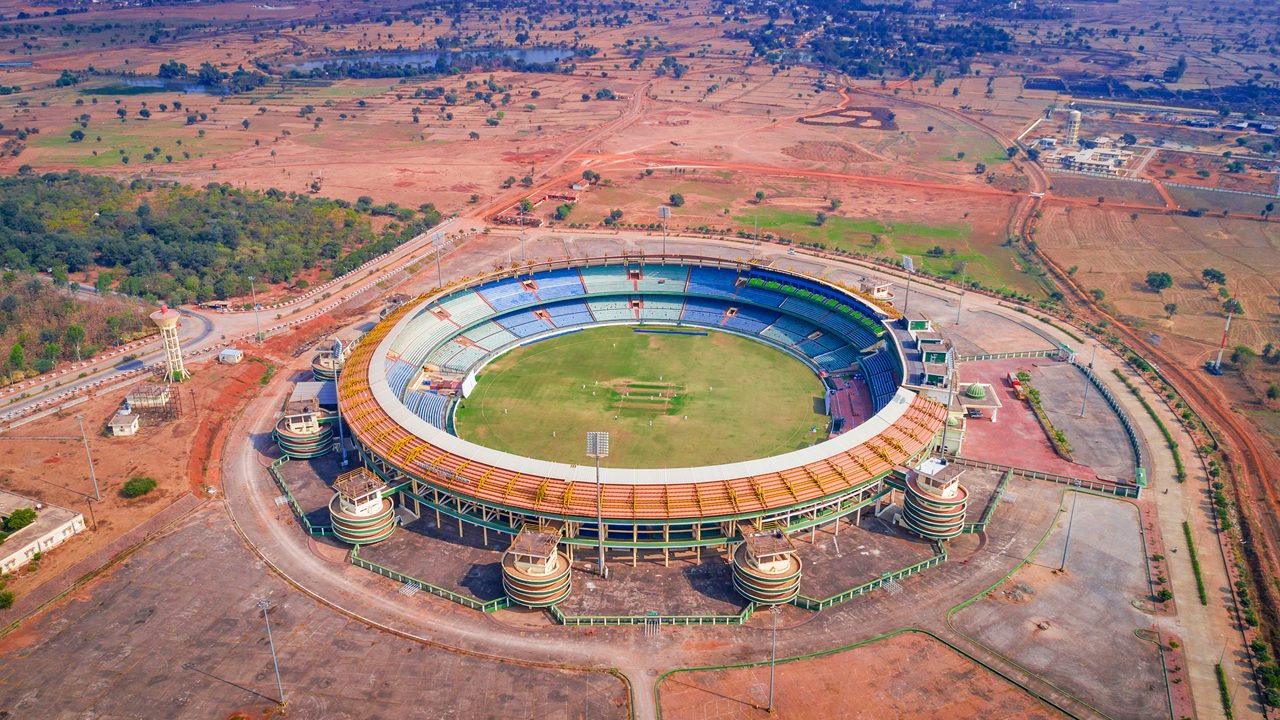
15 Best Raipur Tourist Places: City Attractions & Day Routes
Explore top 15 Raipur tourist places - temples, lakes, museums & parks. Complete Chhattisgarh capital travel guide with 1-day itinerary, timings, entry fees & tips.
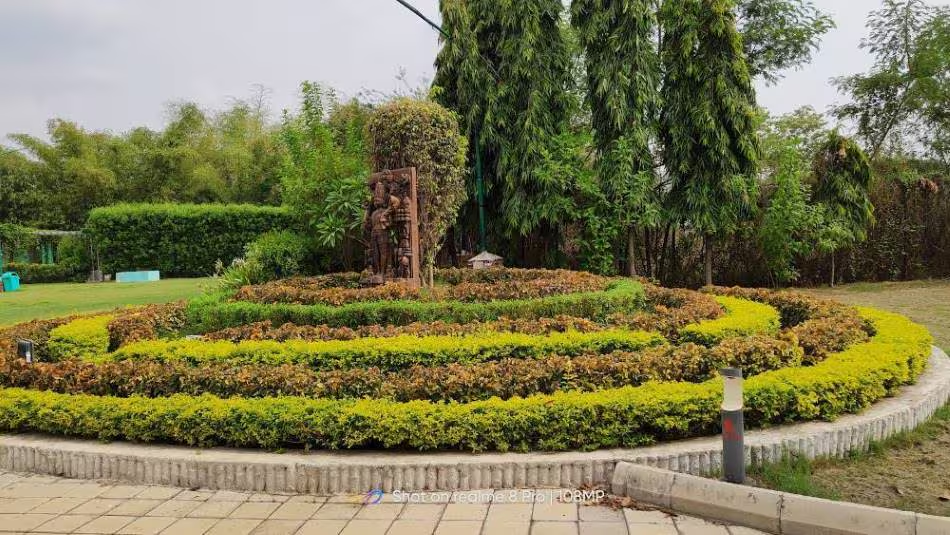
Gandhi Udyan Park Raipur: Timings, Activities & Family Visit Tips
Plan your Gandhi Udyan Park Raipur visit with timings, activity ideas, nearby attractions, and practical city-itinerary combinations.
Mahant Ghasidas Museum Raipur: Timings, Entry Fee & Gallery Highlights
Complete guide to Mahant Ghasidas Memorial Museum Raipur: timings, entry fee, history, exhibits, and how to reach this Chhattisgarh heritage museum.
Never Miss an Adventure
Get the latest trekking guides, travel tips, and exclusive offers delivered straight to your inbox.
