
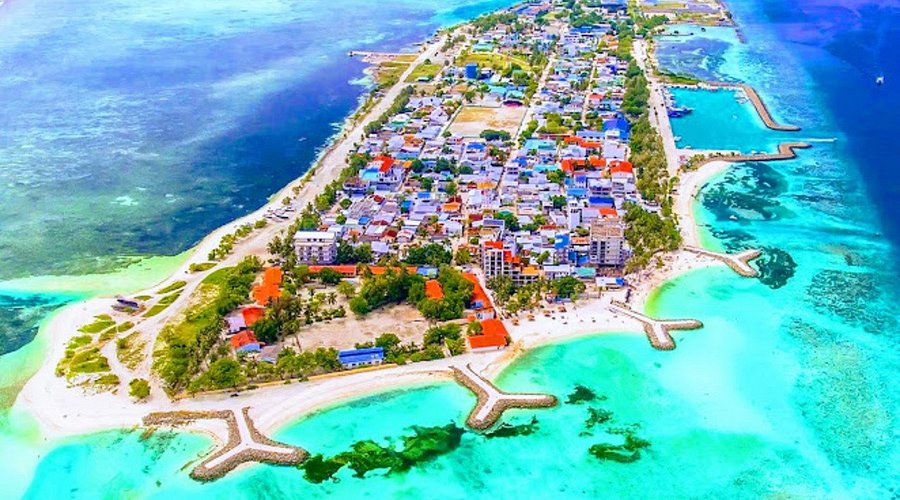
Maafushi Island Maldives: Budget Stay, Activities & Transfer Options
Priya Mehta
February 20, 2026
Discover Maafushi Island in Maldives, the perfect budget destination. Guide to beaches, hotels, activities, ferry & travel tips for.
Introduction: Maldives on a Budget
Maafushi Island shatters the myth that the Maldives is exclusively for luxury travelers. This vibrant local island in Kaafu Atoll offers pristine beaches, crystal-clear waters, and authentic Maldivian culture at a fraction of the cost of private resort islands. Just 27 kilometers from Male, Maafushi has become the gateway for budget-conscious travelers who dream of experiencing the Maldives without spending thousands per night on overwater villas.
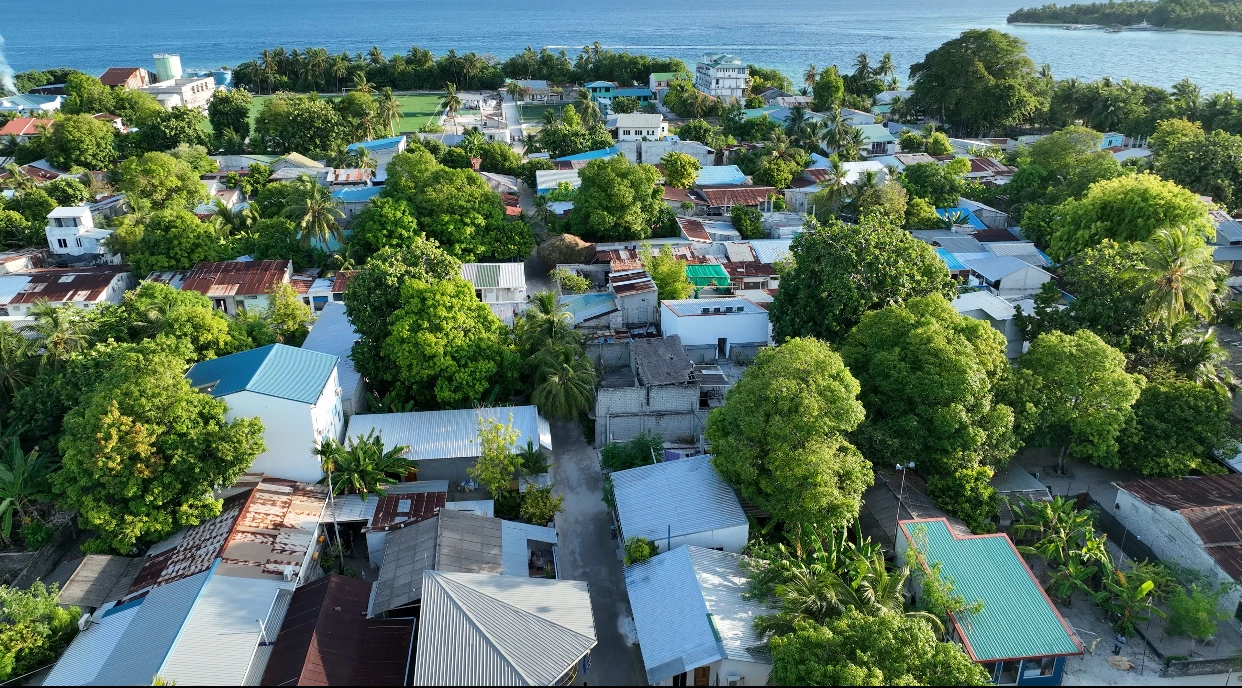
What makes Maafushi special is its perfect balance between tourist facilities and local island life. Unlike uninhabited resort islands where everything is staged and expensive, Maafushi is a living community with restaurants, shops, mosques, and friendly locals going about their daily lives. Visitors here don't just see the Maldives—they experience it authentically, walking past traditional houses, watching fishermen bring in their catch, and observing island routines that have continued for generations.
The island's development as a tourist destination has been careful and measured. Guesthouses and boutique hotels have sprung up along the beachfront, but they blend respectfully with the local architecture. A designated "Bikini Beach" allows tourists to swim and sunbathe in swimwear without offending local customs, while the rest of the island maintains traditional Maldivian modesty standards. This thoughtful approach makes Maafushi work both for visitors seeking tropical paradise and for the local community preserving their cultural identity.
For travelers who've dismissed the Maldives as too expensive, Maafushi is the answer. Here you can snorkel vibrant reefs, dine on fresh seafood, and fall asleep to the sound of waves for a fraction of resort prices. This guide covers everything you need to plan your Maafushi adventure—from getting there from Male International Airport to finding the perfect guesthouse, choosing activities, and understanding local customs that ensure respectful, enjoyable travel.
About Maafushi Island
Maafushi is located in South Male Atoll (Kaafu Atoll), one of the 26 natural atolls that form the Maldives. The island is relatively small—approximately 1.5 kilometers long and 500 meters wide—making it perfectly walkable. You can cross from one side to the other in 10-15 minutes, exploring the entire island in an hour or two of leisurely walking. This compact size means everything is close: beaches, guesthouses, restaurants, and the ferry terminal are all within easy walking distance.
The island has a permanent population of approximately 1,500-2,000 people, most of whom are employed in fishing, tourism, or related services. Unlike purpose-built resort islands that are evacuated when the last tourist leaves, Maafushi is a living community. Children walk to school, fishermen head out at dawn, families gather at the harbor in the evenings, and the call to prayer echoes from the island's mosque five times daily. This authentic local atmosphere is precisely what sets Maafushi apart from artificial resort experiences.
Maafushi's development has been guided by an island council that balances tourism growth with community needs. The infrastructure includes reliable electricity, fresh water (desalination plant), good internet connectivity, and proper waste management. Tourism facilities are concentrated along the beachfront, leaving the island's interior primarily residential. This thoughtful zoning preserves community integrity while providing tourists with convenient access to beaches and activities.
Culturally, Maafushi follows conservative Islamic traditions, which is typical throughout the Maldives. However, the island has adapted to accommodate international visitors while maintaining religious and cultural values. This adaptation is most visible at the designated Bikini Beach where tourists can enjoy beach activities in swimwear. Elsewhere on the island, modest dress is expected—this means covering shoulders and knees when away from the designated tourist beach.
Best Time to Visit Maafushi
November to April (Dry Season): This period offers the best weather for visiting Maafushi and the Maldives in general. Skies are generally clear, rainfall is minimal, and humidity is comfortable. December through March represents peak season when visitor numbers are highest and prices are at their premium. Sea conditions are calmest during these months, making it ideal for boat trips, snorkeling excursions, and diving. Visibility for underwater activities is at its best, often exceeding 30 meters.
November and April: These shoulder season months provide excellent value. Weather is generally good—November sees the tail end of the monsoon with occasional rain, while April begins the transition to the wet season but still offers plenty of sunshine. Prices are lower than peak December-February period, and the island feels less crowded. For budget travelers, November and April are strategic months to visit—great weather with better rates.
May to October (Wet Season): The southwest monsoon brings more frequent rain, rougher seas, and higher humidity. However, "wet season" doesn't mean continuous rain—most days still see sunshine interrupted by intense tropical showers. The real advantage of visiting during these months is significantly lower prices. Guesthouses offer substantial discounts, activities cost less, and the island has fewer tourists. Water sports are still possible most days, though some excursions might be canceled in rough conditions.
Water Activities: Snorkeling and diving are year-round activities in the Maldives, though conditions vary seasonally. During dry season, calm seas and excellent visibility make for superior underwater experiences. Wet season brings rougher surface conditions but can still offer good diving—some divers actually prefer wet season for different marine life encounters and fewer dive boats at popular sites.

How to Reach Maafushi
From Male International Airport
Your journey to Maafushi begins at Velana International Airport (MLE), located on Hulhule Island near Male. The airport is well-connected with direct flights from major cities across Asia, the Middle East, and Europe. After clearing immigration and collecting luggage, you'll need to reach Male's ferry terminal (Villingili Ferry Terminal) for the transfer to Maafushi.
Airport to Male Ferry Terminal: Take the airport ferry (free, runs every 10-15 minutes, 15-minute crossing) from the airport jetty to Male. Alternatively, use the speedboat ferry (costs approximately $1, runs every 20 minutes, 5-minute crossing). Both arrive at Male's main jetty in the city center. From there, it's a short walk (5-7 minutes) or quick taxi ride to the Villingili Ferry Terminal where Maafushi ferries depart.
Public Ferry to Maafushi
The most economical way to reach Maafushi is the public ferry operated by the Maldives Transport and Contracting Company (MTCC). Ferries depart from Male's Villingili Terminal daily except Fridays. Schedule: Typically 3:00 PM from Male to Maafushi, and 7:30 AM from Maafushi to Male. However, schedules can change—verify current timings before planning. Duration: Approximately 1.5 hours. Cost: Around $3-5 per person, very budget-friendly.
The public ferry is a large vessel carrying both passengers and cargo. It's basic but functional—outdoor seating with some covered areas. The ride is pleasant when seas are calm but can be uncomfortable in rough weather. Ferries can fill up, especially during peak season, so arrive at the terminal 30-45 minutes early to secure seats. Luggage space is available but not guaranteed if the ferry is full.
Speedboat Transfer
For flexibility and comfort, private speedboats transfer between Male and Maafushi. These are faster (30-45 minutes) and run on more flexible schedules, often multiple times per day. Cost: $25-50 per person each way, significantly more expensive than the ferry. Advantages: Faster journey, more comfortable seating, air conditioning on some boats, schedule flexibility, and some services include hotel drop-off in Maafushi.
Speedboats can be booked through your guesthouse (recommended—they often have arrangements and better rates) or directly at the ferry terminal. If you're arriving at Male on a late flight and miss the public ferry, the speedboat is your only option for reaching Maafushi the same day. Some speedboat operators offer after-hours transfers at premium rates.
Day Trips from Male
Some visitors based in Male take day trips to Maafushi, returning the same evening. This is possible using the speedboat (ferry timing doesn't allow same-day return). Day trips work if you're short on time or want to sample Maafushi before committing to an overnight stay. However, Maafushi deserves at least 2-3 nights to properly experience the island atmosphere, enjoy activities at a relaxed pace, and appreciate the sunset and early morning calm that day-trippers miss.
Planning Tips
Coordinate your international flight arrival with ferry departures to avoid waiting overnight in Male. If you arrive late afternoon or evening, consider staying one night in Male or Male city and taking the ferry the next morning. Conversely, don't book your international departure too early in the morning—the first ferry from Maafushi arrives in Male at 9:00 AM, which doesn't leave enough buffer time for international check-in. Plan to stay your final night in Male if you have an early morning flight.
Beaches & Attractions
Bikini Beach (Tourist Beach)
Maafushi's Bikini Beach is the designated area where tourists can swim and sunbathe in swimwear without violating local customs. Located on the island's southeastern side, this beach has white sand, calm turquoise water, and basic facilities including showers and beach chairs. The name "Bikini Beach" is used across Maldivian local islands to identify tourist-designated swimming areas where normal swimwear is acceptable.
The beach is well-maintained with shade structures, sun loungers, and picnic tables. Water depth is gradual, making it safe for casual swimming. Snorkeling directly off Bikini Beach reveals some coral and fish, though the best snorkeling spots are accessed by boat. The beach faces east, making it perfect for sunrise watching. Come early morning for the calmest water and best chance of having the beach to yourself.
Public Beach Areas
Maafushi's other beaches are public areas used by both locals and tourists. Here, modest swimwear is expected—women should wear t-shirts over swimwear, and men should avoid going shirtless. Despite the dress code, these beaches are equally beautiful with pristine sand and clear water. The western side of the island offers spectacular sunset views—this is where locals gather in the evenings to swim, socialize, and enjoy the cooler temperatures after sunset.
Respecting local customs at public beaches is crucial. The Maldives is a conservative Muslim country, and failing to dress modestly causes genuine offense. However, this doesn't mean you can't enjoy the beach—wear a rash guard or t-shirt over swimwear, and remove it only when you're in the water. Locals appreciate when visitors make the effort to respect cultural norms.
Island Walking Tour
Walking the perimeter of Maafushi takes approximately 45-60 minutes and reveals different aspects of island life. Start from the ferry terminal and walk clockwise: you'll pass the harbor with fishing boats, the school, residential neighborhoods, the mosque, beaches, and back to the tourist area. This walk costs nothing and provides authentic insight into how Maldivian island communities function.
Along the way, you'll see traditional houses with colorful exteriors, women drying fish in the sun, children playing, and cats roaming freely (cats are everywhere in the Maldives, generally friendly and well-cared for by the community). The island's interior is lush with vegetation—coconut palms, breadfruit trees, and flowering plants provide shade and fragrance. Photography is generally fine, but always ask permission before photographing people, especially women and children.
Fishing Harbor
The harbor on Maafushi's northern side is the island's commercial heart. Fishing boats return here with their catch, and the activity is fascinating to observe. Traditional dhoni boats (Maldivian sailing vessels, now mostly motorized) bob in the water, and fishermen sort their haul on the dock. Much of this fresh fish ends up in local restaurants that evening—tuna, red snapper, barracuda, and reef fish are common catches.

Early morning (around 7:00-8:00 AM) is the best time to visit the harbor when fishing boats return. The activity is bustling, and you might get to see impressive tuna being unloaded. Late afternoon and sunset are also atmospheric—fishermen prepare for evening trips, and the harbor takes on a golden glow in the fading light. The harbor area has several cafes and tea shops where locals gather—order a maslaahi (sweet milk tea) and soak in the authentic atmosphere.
Things to Do in Maafushi
Water Sports & Activities
Snorkeling: Maafushi serves as an excellent base for snorkeling. Guesthouses and tour operators arrange daily trips to nearby reefs and snorkeling spots. Popular destinations include snorkeling with manta rays (seasonal), reef sharks at shallow sites, and vibrant coral gardens. Half-day snorkeling trips typically cost $25-50 per person including equipment, guide, and boat transfer. Some excellent snorkeling is accessible directly from the shore, especially around the island's corners where currents bring nutrient-rich water and diverse fish life.
Scuba Diving: Several dive centers on Maafushi offer PADI certification courses and fun dives for experienced divers. The Maldives is world-renowned for diving, and sites around South Male Atoll deliver impressive encounters with reef sharks, rays, turtles, and prolific fish life. Discovery dives for beginners cost approximately $70-90, while certified divers pay $50-80 per dive depending on the site and equipment rental. Night dives offer a completely different underwater experience—look for sleeping parrotfish, hunting moray eels, and bioluminescent organisms.
Jet Skiing: For adrenaline seekers, jet skis are available for rental at the beach. Rates are approximately $80-120 per hour for a single jet ski or $100-150 for double riders. Operators provide brief instruction and safety gear. The area around Maafushi is designated for jet skiing—stay within the marked zones and follow the guide's instructions. Jet skiing is particularly fun in the early morning when the sea is calmest.
Banana Boat & Fun Rides: Banana boat rides (inflatable boat towed behind a speedboat) are a fun group activity. Cost is approximately $15-25 per person for a 15-20 minute ride. Other fun rides include donut boats, sofa rides, and water tubing. These activities are perfect for families or groups of friends looking for excitement on the water.
Kayaking & Paddleboarding: For a more peaceful water experience, rent a kayak or stand-up paddleboard (SUP). Hourly rentals cost approximately $15-25. Paddling around Maafushi gives you a unique perspective of the island from the water. Early morning is ideal—the sea is calm, and you might spot turtles or reef sharks from your board. Some guesthouses include free kayak rental for guests, so inquire when booking.
Island Hopping Excursions
Resort Island Day Trips: Many visitors to Maafushi take day trips to nearby private resort islands. These trips allow you to experience luxury resort facilities for the day at a fraction of overnight costs. Typical day trip packages cost $80-150 per person and include speedboat transfers, lunch buffet, and use of resort facilities (pool, beach, non-motorized water sports). Resorts often restrict access to certain areas, but you'll get to experience the famous Maldives resort atmosphere.
Picnic Islands: Several tiny uninhabited islands near Maafushi can be visited as picnic destinations. Tour operators arrange day trips to these islands where you'll have the entire island to yourself—set up chairs, barbecue lunch, snorkel the surrounding reef, and relax in total privacy. Picnic island trips cost approximately $50-100 per person depending on group size and inclusions.
Sandbank Visits: Sandbanks are temporary islands of pure sand that appear at low tide and disappear at high tide. Visiting a sandbank is a uniquely Maldivian experience—you're surrounded by turquoise water in every direction with nothing but sand beneath your feet. Tour operators combine sandbank visits with snorkeling stops and sometimes a picnic lunch. Cost is approximately $40-60 per person for a half-day excursion.
Cultural Experiences
Local Island Tour: Many guesthouses offer guided island tours that provide insights into Maldivian culture and daily life. These tours typically include visits to the mosque, the school, the harbor, residential areas, and craft workshops. Your guide explains Maldivian customs, architecture, fishing traditions, and island governance. Tours cost approximately $20-40 per person and last 1-2 hours. It's an excellent way to move beyond surface tourism and understand the community that hosts you.
Fishing Trips: Experience traditional Maldivian fishing with a sunset fishing trip. Local fishermen take you out to their favorite fishing spots, teach you traditional hand-line fishing techniques, and help you catch dinner. If you're lucky, your catch becomes dinner at the guesthouse restaurant that evening. Cost is approximately $30-60 per person depending on boat size and duration. Sunset fishing combines cultural experience with the spectacular beauty of Maldivian sunsets from the water.
Maldivian Cooking Class: Some guesthouses and restaurants offer cooking classes where you learn to prepare traditional Maldivian dishes. Typical dishes include mas huni (tuna and coconut salad), curry dishes, and seafood preparations. Classes cost approximately $40-80 per person and usually include a meal where you eat what you've prepared. It's a hands-on way to engage with Maldivian culture and take home recipes that'll remind you of your trip.
Relaxation
Sometimes the best activity is doing nothing at all. Maafushi's beaches are perfect for simply lounging—read a book, nap in the shade, take occasional dips in the warm water, and watch the day unfold. The island has several spas offering massage and beauty treatments if you want pampering. Some guesthouses offer yoga sessions, especially in the early morning or at sunset—practicing yoga to the sound of waves is a memorable experience.
Where to Stay in Maafushi
Guesthouses
Maafushi's accommodation is primarily guesthouses—small, family-run properties that offer basic but comfortable rooms. Guesthouses typically have 5-20 rooms and are owned by local families who often live on-site. This setup creates a personal atmosphere—hosts get to know guests, provide local tips, and sometimes invite guests to family events or celebrations.
Amenities: Most guesthouses offer air-conditioned rooms, attached bathrooms with hot water, free Wi-Fi, and daily housekeeping. Some have swimming pools, rooftop terraces, or in-house restaurants. Breakfast is usually included and features traditional Maldivian items like mas huni, roti, and tropical fruits along with Western options like eggs and toast.
Price Range: Budget guesthouses cost $50-80 per night double occupancy. Mid-range options with better locations and facilities cost $80-120 per night. Boutique guesthouses with pools or special features cost $120-150 per night. Rates fluctuate seasonally—wet season (May-October) sees discounts of 20-40%, while peak season (December-February) commands premium rates.
Recommended Areas: Beachfront guesthouses along the eastern side of the island offer direct beach access and sea views. Properties near Bikini Beach are convenient for swimming but can be slightly noisier with beach activity. The western side of the island offers spectacular sunset views but is farther from the designated tourist beach. Guesthouses near the ferry terminal are convenient for arrivals and departures but lack the privacy and atmosphere of beachfront properties.

Boutique Hotels
For travelers wanting more luxury than a guesthouse but not resort prices, several boutique hotels operate on Maafushi. These properties offer larger rooms, more amenities, and higher service standards. Features might include pools, multiple restaurants, spa facilities, and organized activities. Boutique hotels cost $150-300 per night and provide a resort-like experience while remaining on the local island.
What to Expect
Accommodation on Maafushi is not luxury in the Maldives private resort sense. You won't find butlers, private pools, or overwater villas. However, what you lose in luxury you gain in authenticity and value. Guesthouses are clean, safe, and comfortable—perfect if you spend most of your time exploring, doing activities, or simply enjoying the beach and don't need five-star facilities.
Book well in advance for peak season (December-February, July-August) when guesthouses fill up. For the rest of the year, booking a few weeks ahead is usually sufficient. Many properties offer free cancellation up to a certain date—book this way if your plans might change, then lock in non-refundable rates closer to your travel date for better prices.
Budget & Cost Guide
| Category | Budget Daily | Mid-Range Daily |
|---|---|---|
| Accommodation | $50-80 | $100-150 |
| Meals | $20-30 | $40-60 |
| Activities | $20-40 | $60-100 |
| Transport (from Male) | $10-20 (ferry) | $50-100 (speedboat) |
| Total Per Day | $100-170 | $250-410 |
Budget Breakdown: Budget travelers spending $100-170 per day stay in simple guesthouses ($50-80/night), eat at local cafes and guesthouse restaurants ($20-30/day), do one activity daily or explore independently ($20-40), and use public ferries for transport. This represents excellent value for experiencing the Maldives—prices are comparable to or lower than many tropical destinations worldwide.
Mid-Range Breakdown: Mid-range travelers spending $250-410 per day choose nicer guesthouses or boutique hotels ($100-150/night), dine at better restaurants including occasional resort lunches ($40-60/day), do multiple activities ($60-100), and use speedboat transfers. This approach provides more comfort and convenience while still being vastly cheaper than staying at private resorts.
Money-Saving Tips
Eat at Local Cafes: Guesthouse restaurants cater to tourists and charge accordingly. Local cafes (often unmarked, look where locals eat) serve authentic Maldivian food at lower prices. Try mas huni (tuna and coconut), curry dishes, and seafood. A meal at a local cafe costs $5-10 versus $15-25 at tourist restaurants.
Book Activities in Groups: Many boat trips and excursions have fixed boat costs that are divided among participants. Organizing a group (through your guesthouse or by asking other guests) reduces per-person costs. This is particularly effective for private sandbank visits or picnic island trips.
Visit During Shoulder Season: November and April offer good weather with lower prices than peak season. Guesthouses discount rates by 20-30%, and activities are sometimes cheaper with fewer tourists competing for spots.
Stay Longer: Many guesthouses offer better rates for longer stays—3, 5, or 7 nights often come with discounts of 10-20%. Plus, staying longer allows you to settle into island rhythm and discover aspects that short-term visitors miss.
Compare Activity Prices: Tour operators on Maafushi offer similar activities at varying prices. Shop around before booking, but remember cheapest isn't always best—consider equipment quality, group size, guide experience, and inclusions when comparing.
Conclusion
Maafushi Island delivers the Maldives dream at a fraction of the cost of private resorts. Here you'll find the same turquoise waters, white sand beaches, and incredible underwater beauty that the Maldives is famous for, combined with authentic local island life that resort visitors never experience. The island proves that you don't need to spend thousands per night to enjoy paradise—you just need to choose the right island.
The magic of Maafushi lies in its authenticity. This isn't a manufactured tourist destination—it's a real Maldivian community that welcomes visitors respectfully. You'll hear the call to prayer, watch fishermen unload their catch, see children walking to school, and observe daily routines that have continued for generations. This cultural immersion, combined with natural beauty and affordable prices, creates a travel experience that's both memorable and meaningful.
Whether you're snorkeling vibrant reefs, lounging on perfect beaches, exploring the island by foot, or simply watching spectacular sunsets, Maafushi delivers the tropical paradise experience at prices that make it accessible. The island has grown in popularity over the past decade as word spreads about budget Maldives travel, yet it retains its local character and welcoming atmosphere.
For travelers who've dismissed the Maldives as too expensive, Maafushi is the answer. For travelers seeking authentic cultural experiences alongside natural beauty, Maafushi delivers. And for anyone dreaming of turquoise waters, white sand, and tropical island vibes, Maafushi provides the perfect introduction to the magical Maldives. Pack your swimsuit, respect local customs, and prepare for island time—Maafushi awaits with open arms. For more travel inspiration, see our guide on Addu Atoll. For more travel inspiration, see our guide on Veligandu Island. For more travel inspiration, see our guide on our complete Maldives travel guide.
Location
Frequently Asked Questions
Q1.Where is Maafushi Island located in Maldives?
Q2.How far is Maafushi from Male?
Q3.Is Maafushi worth visiting?
Q4.Is alcohol allowed in Maafushi?
Q5.What can you do in Maafushi?
Q6.Are there good beaches in Maafushi?
Q7.How to reach Maafushi from Male airport?
Q8.How much does a trip to Maafushi cost?
Q9.What is the ferry schedule to Maafushi?
Q10.Is Maafushi cheaper than resort islands?
Recommended For You
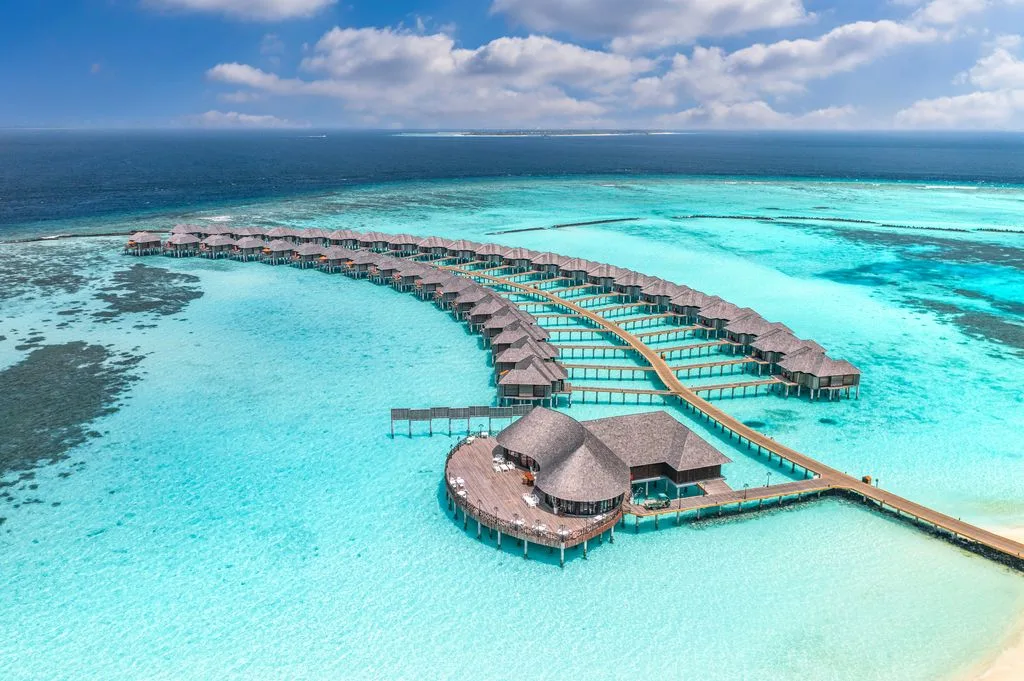
Maldives: Complete Travel Plan Beaches And Weather
A practical Maldives travel guide covering island selection, itinerary templates, transfer strategy, weather planning, and budget-vs-luxury trip design.
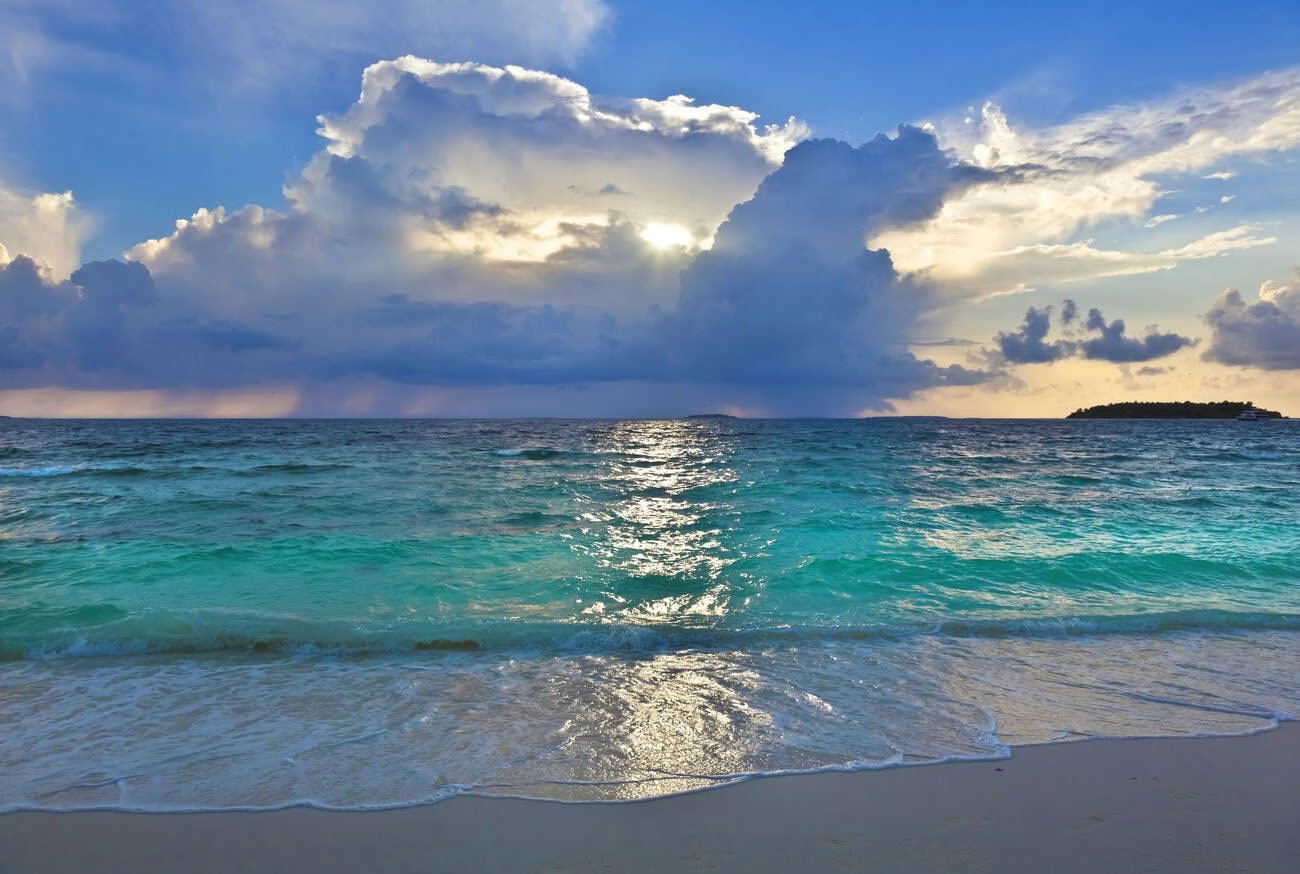
Maldives in July: Weather, Prices & Activities
Planning Maldives in July? Learn real monsoon weather, resort deals, diving conditions, what to pack, and practical tips for a smooth, value-first island trip.
Maldives in September: Weather Conditions, Resort Prices & Travel Tips
Visit Maldives in September! End of monsoon, great deals, improving weather, fewer crowds & complete travel tips for September trip.
Never Miss an Adventure
Get the latest trekking guides, travel tips, and exclusive offers delivered straight to your inbox.
