
Male City Maldives: Travel Guide & Attractions
Ananya Sharma
January 10, 2026
Explore Male City, the vibrant capital of Maldives. Discover historic mosques, bustling markets, local food, shopping, and essential travel tips for Male.
The Capital of Paradise: Exploring Male City
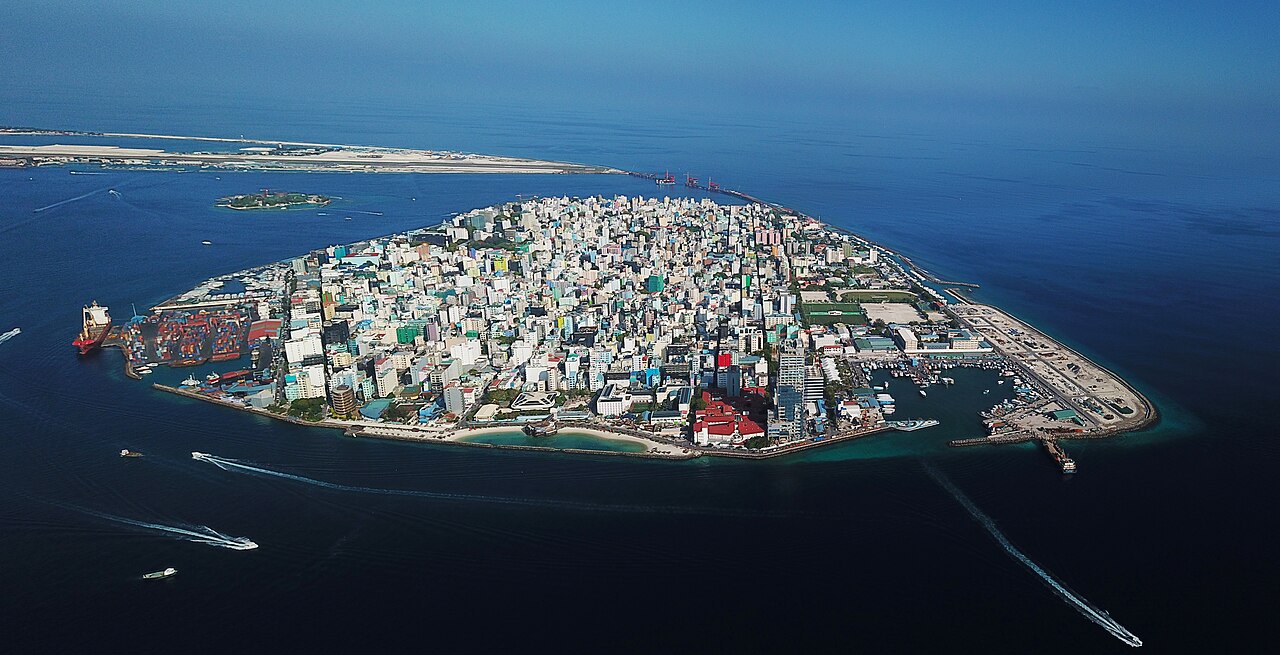
Male City, the capital of the Maldives, defies expectations in fascinating ways. Unlike the scattered resort islands that most tourists associate with this tropical nation, Male is a densely packed urban island bustling with commerce, culture, and local life. As one of the world's smallest capital cities (measuring just 2.2 square miles), it packs an incredible amount of character into a compact space.
Most travelers rush through Male on their way to resort islands, missing out on one of the most authentic cultural experiences the Maldives offers. This vibrant city serves as the country's commercial, political, and cultural heart—a place where modern high-rises stand beside historic mosques, where scooters and motorcycles navigate narrow streets, and where the aroma of fresh mackerel from the fish market mingles with the scent of tropical flowers.
Whether you have a few hours between flights or a full day to explore, Male rewards curious travelers with colorful markets, stunning Islamic architecture, excellent local food, and genuine Maldivian hospitality. This guide will help you discover the best attractions, navigate like a local, and experience Male beyond the airport transfer.

About Male City
Male occupies a unique position in global geography—it's not just a small capital, but one of the most densely populated cities on Earth. Approximately 150,000 people live on this tiny island, creating a vertical city where buildings rise upward to accommodate the population. The city's boundaries are absolute—surrounded by the Indian Ocean, there's literally nowhere else to build but up.
Geography and Layout
The island is roughly rectangular, about 2km long and 1km wide. You can walk across the entire city in under an hour, making Male perfectly explorable on foot. The northern shore faces the airport island (Hulhule), while the eastern side features the harbor where ferries and cargo ships arrive. The western and southern coasts are lined with seawalls protecting the island from ocean swells.
Street layout can be confusing for visitors—addresses often don't follow sequential numbering, and many buildings lack visible street numbers. The best navigation strategy is to use landmarks: the grand Friday Mosque, the presidential palace area, the fish market, and the main shopping streets.
History and Culture
Male has served as the Maldives' capital for centuries, chosen by royalty for its protected harbor and central location within the atoll chain. The island was traditionally the home of sultans, and remnants of this royal heritage remain in the form of Sultan Park and the former palace grounds.
The city transformed dramatically in the late 20th century as tourism brought prosperity and modernization. What was once a collection of low-rise wooden buildings became a modern city of concrete and glass. Yet despite this development, Male maintains strong cultural roots. Islam shapes daily life—you'll hear the call to prayer five times daily, and during Ramadan, the city's rhythm shifts dramatically.
Economy and Daily Life
Male functions as the Maldives' economic hub. Government buildings dominate the city center, while the waterfront buzzes with commercial activity. Fishing remains economically important, and the fish market provides a glimpse into an industry that has sustained Maldivians for generations. Tourism, while based primarily on resort islands, has its administrative and logistical headquarters in Male.
Walking Male's streets reveals a city in constant motion. Men in traditional sarongs and shirts, women in hijab and modern dress, businessmen in suits—all navigate the crowded sidewalks. Motorcycles and scooters fill every available space, creating a chaotic but functional traffic system. It's intimate, bustling, and utterly unlike the resort islands that most tourists experience.
Top Attractions in Male City
| Attraction | Best Time to Visit | Duration Needed | Entry Fee |
|---|---|---|---|
| Male Friday Mosque | Morning (before 11 AM) | 30-45 minutes | Free |
| National Museum | Afternoon (after 2 PM) | 1 hour | $10 USD |
| Male Fish Market | Early morning (7-9 AM) | 30 minutes | Free |
| Sultan Park | Late afternoon (4-6 PM) | 30-45 minutes | Free |
| Local Market | Morning (8-11 AM) | 30 minutes | Free |
| Artificial Beach | Sunset (5:30-6:30 PM) | 30 minutes | Free |
Male Friday Mosque (Hukuru Miskiiy)
The Male Friday Mosque, also known as Hukuru Miskiiy or Old Friday Mosque, stands as the city's crown jewel. Built in 1658 during the reign of Sultan Ibrahim Iskandar, this coral stone mosque represents Maldivian craftsmanship at its finest. The exterior appears deceptively simple—white-washed walls, a sloping roof, and a modest minaret. Step inside, and you're surrounded by incredible detail.
The mosque's interior features intricate coral carvings, Quranic verses inscribed in beautiful Arabic calligraphy, and lacquered woodwork that has survived centuries. The prayer hall feels peaceful and timeless, despite being just steps away from busy city streets. The mosque compound includes the historic cemetery and minaret, where past sultans and nobles are buried.
Visitor Guidelines: Non-Muslims can visit outside prayer times. Dress modestly—women should cover their heads, arms, and legs; men should wear long pants. Remove shoes before entering. The mosque is particularly beautiful in the morning light, making early visits rewarding.
Grand Friday Mosque and Islamic Center
In contrast to the historic Old Friday Mosque, the Grand Friday Mosque represents modern Islamic architecture. Completed in 1984 with funding from Gulf nations, this massive mosque dominates Male's skyline with its golden dome and towering minaret. The building can accommodate 5,000 worshippers, making it the largest mosque in the Maldives.
The Islamic Center complex includes a conference hall, library, and classrooms. The mosque's interior features sweeping arches, a massive chandelier, and carpeting that can accommodate thousands of worshippers. Non-Muslims can visit outside prayer hours, and the building is particularly impressive when illuminated at night.

National Museum
Housed in the former Sultan's Palace (now part of Sultan Park), the National Museum offers a comprehensive overview of Maldivian history and culture. The museum's collection spans centuries, from ancient Buddhist artifacts (predating Islam's arrival in the 12th century) to royal artifacts from the sultanate period.
Highlights include the elaborate coral stone headstones from the medieval period, weapons and armor used by Maldivian sultans, and the fascinating royal costumes—including an impressive collection of ceremonial dresses. The museum provides essential context for understanding the Maldives beyond its resort image, revealing a nation with a complex history of kingdoms, trade, and cultural exchange.
Practical Note: The museum is small—expect to spend 45 minutes to an hour. Photography is restricted in some galleries. Visit during the hottest part of the day for air-conditioned comfort.
Sultan Park and Presidential Palace
Sultan Park occupies what was once the royal palace grounds. While the original palace was demolished, the remaining grounds have been transformed into a pleasant green space where locals relax under trees and children play. The park provides a peaceful escape from Male's busy streets.
Adjacent to the park stands the Presidential Palace (Theemuge), an impressive white building that serves as the official residence of the Maldivian president. While you can't enter the palace, the exterior is worth viewing—the architecture blends traditional Islamic design with modern grandeur. Security guards permit photos from outside the gates.
Male Fish Market
For authentic local life, nothing beats the Male Fish Market. Located on the northern waterfront, this market operates in overdrive every morning as fishing boats return with their catches. The scene is chaotic, colorful, and utterly captivating.
Watch as fishermen unload skipjack tuna by the hundreds, auctioning them to restaurant buyers and street vendors. The fish are cleaned on-site, with the market's floor constantly wet with seawater and fish scales. The energy is electric—shouts, laughter, and the rhythmic thud of knives cutting through fresh tuna create a symphony of commerce.
The best time to visit is early morning (7-9 AM) when activity peaks. Don't wear your best shoes—the floor is wet and fishy. Photography is generally welcomed, but be respectful and ask before taking close-up photos of individuals.
The Local Market
Next to the fish market, the Local Market sells fresh produce, spices, and handicrafts. This covered market is where Male residents shop for daily needs, making it far more authentic than souvenir shops targeting tourists. You'll find piles of tropical fruits—bananas, papayas, mangoes—along with vegetables, chilies, and fragrant herbs.
The market also features stalls selling local crafts, including traditional wooden masks, woven mats, and lacquer work. Prices are reasonable, and bargaining is expected for handicrafts (but not for produce). The market is busiest in the morning and relatively quiet by afternoon.
Artificial Beach
Despite being surrounded by ocean, Male lacks natural sandy beaches. The solution? Artificial Beach, a man-made swimming area created by building a breakwater and filling the enclosed space with sand. It's not the pristine white sand you'll find on resort islands, but it serves an important social function.
Local families come here to swim, especially on weekends and Friday afternoons (Friday is the Muslim holy day, equivalent to Sunday in Western countries). Men and women typically swim in separate areas out of modesty. The beach area includes a small park and children's playground. Sunset brings crowds gathering to watch the sky turn brilliant colors over the ocean.
Rasrani Bageecha (President's Park)
Formerly known as the President's Official Park, this newly renovated green space offers one of Male's best sunset views. Located on the southern waterfront, the park features walking paths, seating areas, and unobstructed ocean views. It's less crowded than Artificial Beach and more landscaped—a peaceful spot to rest after sightseeing.
Tsunami Monument
This moving memorial commemorates the victims of the 2004 Indian Ocean tsunami, which devastated parts of the Maldives. The monument consists of a series of vertical steel rods representing each island in the Maldives, with their heights corresponding to actual island heights. Bronze plates list the names of Maldivians who perished. It's a sobering reminder of the country's vulnerability and a testament to the resilience of its people.
Medhu Ziyaarath
This small shrine honors Abu al-Barakat Yusuf al-Barbari, the North African scholar credited with converting the Maldives to Islam in the 12th century. Located facing the Friday Mosque, the shrine is an important pilgrimage site. Non-Muslims can view the exterior and appreciate its significance in Maldivian religious history.
Religious Sites and Mosques
Islam permeates every aspect of life in Male, and the city's mosques are central to both religious practice and community identity. While the Friday mosques draw the most attention, smaller neighborhood mosques dot the city, each serving its local community.
Historic Mosques: Beyond the famous Friday Mosque, seek out smaller historic mosques like Kalhu Vakaru Mosque and Mulee-aage Mosque. These smaller places of worship offer intimate glimpses into local religious life and feature beautiful traditional architecture.
Islamic Center Mosque: As mentioned, this modern masterpiece is worth visiting for its scale and contemporary Islamic architecture. The golden dome glitters in the sun, visible from much of the city.
Visitor Etiquette at Religious Sites
Respect is paramount when visiting mosques:
- Dress conservatively: Both men and women should cover legs and arms. Women need a headscarf.
- Remove shoes: Always remove footwear before entering prayer halls.
- Timing: Visit outside prayer times—the noon prayer (around 12:30-1 PM) and Friday midday prayer are particularly busy.
- Photography: Ask permission before taking photos, especially during prayer. Avoid photographing worshippers directly.
- Volume: Speak quietly; avoid loud conversations.
Markets and Shopping in Male
Shopping in Male offers a completely different experience from the duty-free shops at resorts. This is where locals shop, where goods arrive on cargo ships, and where bargaining is part of the culture.
Majeedhee Magu
Majeedhee Magu is Male's main shopping street, running north-south through the city center. This narrow, busy street is lined with shops selling everything from electronics and clothing to hardware and groceries. It's chaotic, crowded, and utterly fascinating.
Look for:
- Electronics: Smartphones, cameras, and gadgets at competitive prices
- Clothing: Casual wear, traditional clothes, and sarongs
- Gifts: Souvenirs and handicrafts
The street is particularly busy in the late afternoon and evening as locals finish work and shop for dinner.
Chaandhanee Magu
Running east-west near the waterfront, Chaandhanee Magu specializes in souvenirs and tourist-oriented shops. You'll find t-shirts, magnets, postcards, and handicrafts. Prices are higher than local markets but reasonable compared to resort shops. Bargaining is expected—start at 50% of the asking price and negotiate from there.
What to Buy in Male
For authentic souvenirs that actually support local artisans:
- Lacquer work: Wooden boxes and bowls decorated with traditional patterns
- Mats (Thundu Kunaa): Woven from dried reeds, these traditional mats make practical souvenirs
- Wooden carvings: Traditional dhoni boats and marine life figurines
- Sarongs: Worn by both men and women throughout the Maldives
- Spices: Curry powder blends, dried chilies, and tropical spices
Supermarkets and Essentials
If you're traveling to nearby islands or guesthouses, stock up on essentials at Male's supermarkets. chains like AGORA and Lifestyle offer Western products alongside local goods. You'll find snacks, drinks, toiletries, and basic supplies at reasonable prices.

Food and Restaurants
Male's food scene mixes traditional Maldivian cuisine with international influences, particularly from India, Sri Lanka, and Thailand. While alcohol is prohibited throughout Male (the Maldives is a Muslim nation), the restaurant scene is surprisingly diverse and excellent.
Traditional Maldivian Food
To taste authentic Maldivian cuisine, seek out local eateries (called 'hotaa' in Dhivehi). Signature dishes include:
- Mas huni: The Maldivian breakfast staple—smoked tuna, coconut, onion, and chili mixed together, eaten with flatbread
- Mas riha: Fish curry made with fresh tuna and coconut milk
- Gulha: Fried pastry balls filled with tuna and spices
- Boshi mashuni: Banana flower salad with tuna
Seafood Specialties
As an island nation, the Maldives excels at seafood. Fresh tuna appears in countless forms—grilled, curried, dried, and raw. Don't miss mas fry (fried fish with rice), a simple but delicious lunch staple found in local cafes.
Popular Restaurants
Symphony Restaurant: A local favorite serving Maldivian, Indian, and Chinese cuisine. The seafood curries are excellent, and prices are reasonable by local standards.
Royal Garden Cafe: Popular with both locals and tourists, this spot offers good coffee, cakes, and light meals. Perfect for a break from sightseeing.
Seagull Cafe House: Located on the waterfront, offering ocean views along with international and local dishes. Popular for dinner.
Budget Options: Small local eateries along Chaandhanee Magu serve meals for $3-5. Look for places crowded with locals—this is always a good sign.
Alcohol Policy
It cannot be overstated: alcohol is completely prohibited in Male. You will not find beer, wine, or cocktails anywhere in the city. This includes restaurants, hotels, and shops. The only places serving alcohol in the entire Maldives are resort islands and liveaboard boats catering to international tourists.
If you want a drink with dinner, you'll need to visit a resort or head to Hulhulemale island (near the airport), which has some alcohol-serving establishments catering to transit passengers.
How to Reach Male City
Getting to Male from Velana International Airport is straightforward:
Ferry Service
The public ferry runs continuously between the airport island and Male, departing every 15-30 minutes depending on time of day. The 15-minute journey costs approximately $1-2 USD and offers excellent views of Male's skyline as you approach. Ferries operate 24 hours, though service is less frequent late at night.
The ferry terminal at the airport is clearly marked—just exit the arrivals area and follow signs for the ferry. Boats are crowded during peak hours (early morning and late afternoon) with workers commuting to and from Male.
Speedboat Transfer
Private speedboats offer faster but more expensive transfers ($10-15 per person). These can be arranged through hotels or hired directly at the waterfront. Speedboats make sense if you're traveling with a group and have lots of luggage.
From Male to Resort Islands
Most resorts are located on outer islands, requiring transfer from Male via seaplane or speedboat. Seaplanes operate only during daylight hours and must be booked in advance through your resort. Speedboat transfers can be arranged day or night, though journeys can be rough in high seas.
Where to Stay in Male
While most visitors transit through Male without stopping overnight, the city offers accommodation options for those wanting to explore in depth or arriving on late flights.
City Center Hotels
Hotels in central Male put you walking distance from attractions, markets, and restaurants. Expect small rooms—space is at a premium on the crowded island. Rates range from $80-200 per night depending on quality and location.
Guesthouses
Budget guesthouses offer basic rooms for $40-80 per night. These are often family-run and provide an authentic experience, but don't expect luxury. Some guesthouses have excellent rooftop views of the city.
Hulhulemale Island
For more space and lower prices, consider staying on Hulhulemale, the reclaimed island adjacent to the airport. Frequent ferries connect Hulhulemale to Male, making it a convenient base. Guesthouses here cost $30-70 per night and offer significantly larger rooms than in central Male.
Practical Travel Tips for Male
Dress Modestly
The Maldives is a conservative Muslim nation. Both men and women should dress modestly in public—cover shoulders and knees. Swimwear is only appropriate at designated beaches (like Artificial Beach) and should be covered when leaving the water. Women should carry a light scarf for entering religious sites.
Remove Shoes Before Entering
It's customary to remove shoes before entering homes, mosques, and some shops. Watch what locals do and follow their lead. Many mosques have shoe storage areas at entrances.
Ramadan Considerations
During Ramadan (dates shift annually each year), respect fasting Muslims by not eating, drinking, or smoking in public during daylight hours. Some restaurants close during the day, opening only for evening meals. Business hours may be shorter.
Cash and Currency
The local currency is the Maldivian Rufiyaa (MVR). While some businesses accept US dollars, you'll get better prices paying in local currency. ATMs are available throughout the city. Credit cards are accepted at hotels and larger restaurants, but cash is king in markets and small eateries.
Language
The local language is Dhivehi, but English is widely spoken, especially in business settings. You'll have no trouble communicating in restaurants, hotels, and shops.
Transportation
Male is small enough to explore entirely on foot. For longer distances or when tired, taxis are plentiful and inexpensive—short rides within the city cost $2-3. Taxis can be hailed on the street or found at stands near the ferry terminal.
Safety
Male is very safe for tourists. Violent crime is rare, and the city feels welcoming to visitors. Normal precautions apply—watch valuables in crowded markets, avoid unlit areas at night—but most travelers report feeling completely comfortable exploring Male day or night.
Final Thoughts
Male City offers a fascinating counterpoint to the resort-island experience that defines most Maldives holidays. This compact, bustling capital provides genuine insight into Maldivian culture, history, and daily life. Whether you're marveling at ancient coral mosques, bargaining for handicrafts in chaotic markets, or savoring spicy fish curry at a local cafe, Male rewards visitors who look beyond the tourist brochures.
The city won't appeal to travelers seeking luxury and seclusion—there are no infinity pools or overwater villas here. But for those interested in authentic cultural experiences, Male delivers in spades. The Maldives is more than just pretty beaches and luxury resorts, and Male is the perfect place to discover this richer, more complex reality.
For more information on exploring the Maldives beyond Male, check out our guide on local island experiences and learn about traditional Maldivian cuisine.
Location
Frequently Asked Questions
Q1.Is Male City worth visiting?
Q2.How many days needed in Male City?
Q3.What is there to do in Male Maldives?
Q4.What are the top attractions in Male City?
Q5.Can you drink alcohol in Male City?
Q6.What mosques are in Male City?
Q7.How to reach Male City from airport?
Q8.Where to stay in Male City?
Recommended For You
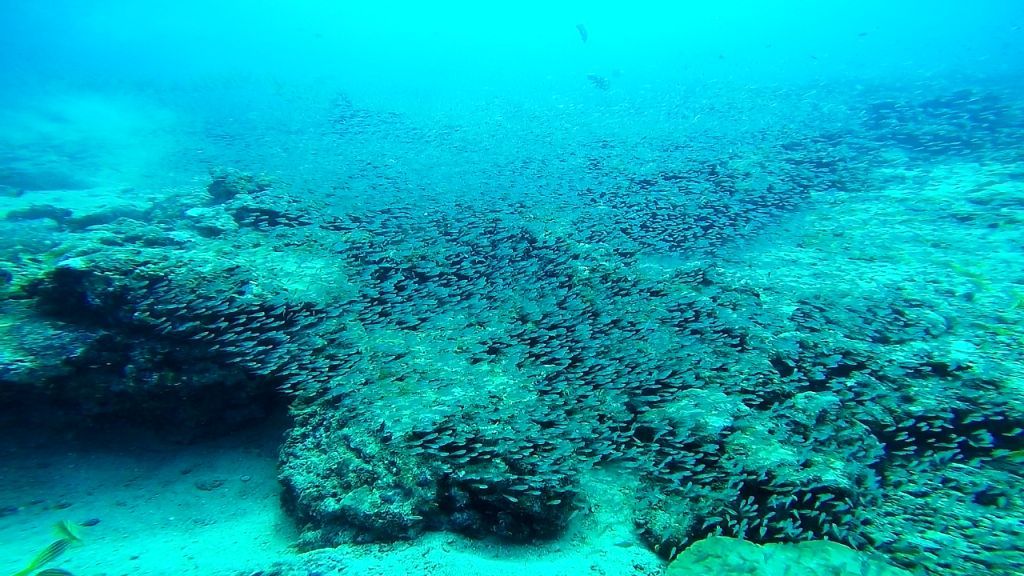
Scuba Diving in Andaman: Best Spots & Prices
Scuba diving in Andaman guide with best dive spots, price ranges, beginner safety rules, no-fly timing, and practical planning tips for Havelock and Neil.
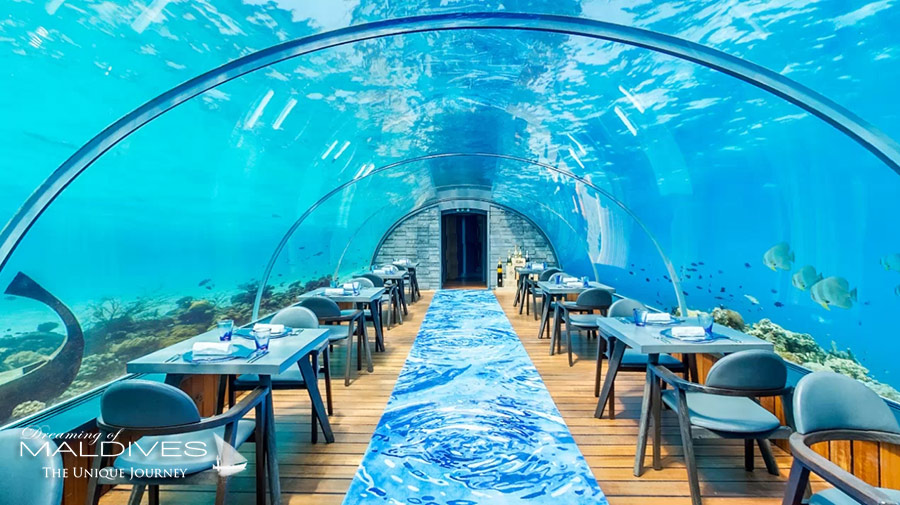
Underwater Restaurants in Maldives: Booking, Prices & Best Picks
Discover the best underwater restaurants in Maldives with verified options, pricing logic, booking strategy, and practical tips for an unforgettable ocean dining experience.
Maldives in May: Weather Trends, Resort Prices & Travel Tips
Visit Maldives in May! Enjoy shoulder season deals, excellent weather with occasional rain, fewer crowds, great diving, and complete travel tips for your May trip.
Never Miss an Adventure
Get the latest trekking guides, travel tips, and exclusive offers delivered straight to your inbox.
