
Mohammed Ali Road Mumbai: Street Food Trail, Timings & Best Stalls

Rohan Malhotra
December 26, 2025
Complete guide to Mohammed Ali Road Mumbai's legendary food street. Best Ramadan street food, famous restaurants, must-try dishes, timings & practical tips.
Mumbai's Legendary Food Paradise
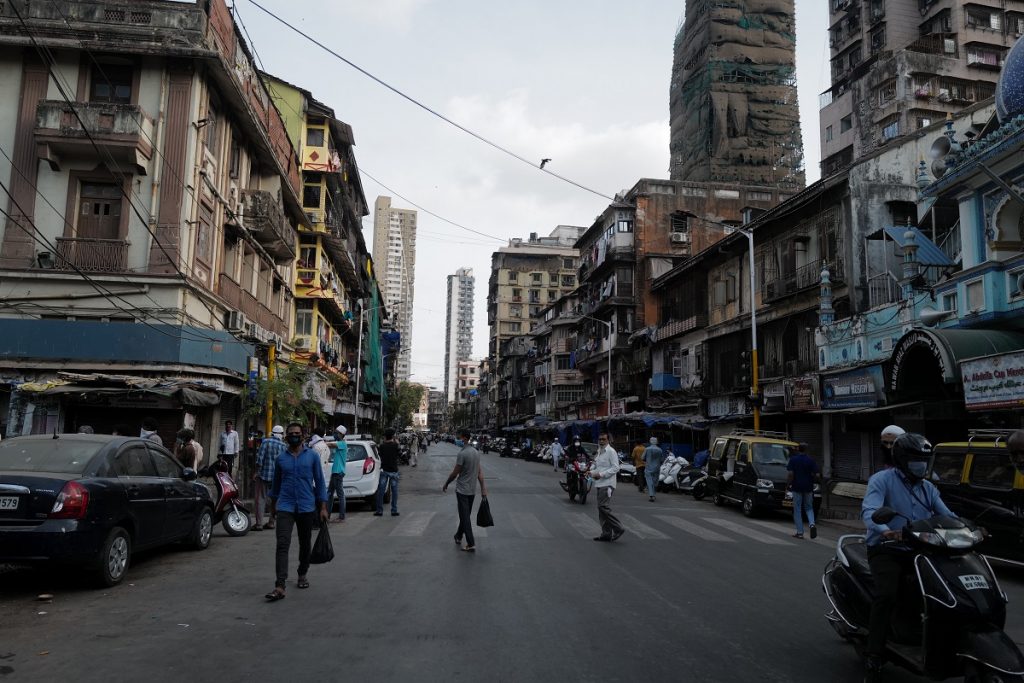
Mohammed Ali Road stands as Mumbai's most iconic food destination, a culinary paradise that transforms into a vibrant street food festival especially during the holy month of Ramadan. Located in the heart of South Mumbai, this bustling street food haven has been serving authentic Mughlai and Bohra cuisine for generations, earning its reputation as the go-to destination for food lovers across the city and beyond.
What makes Mohammed Ali Road truly special is its incredible energy and atmosphere. The narrow lanes come alive after sunset, especially during Ramadan, when hundreds of stalls and restaurants serve mouth-watering delicacies until dawn. The aroma of grilled kebabs, the sight of chefs flipping malpuas, and the sound of sizzling tavas create an sensory experience that captures the essence of Mumbai's legendary street food culture. Whether you're a serious foodie or casual explorer, Mohammed Ali Road offers an unforgettable culinary journey through Mumbai's Muslim heritage and gastronomic traditions.
About Mohammed Ali Road
Mohammed Ali Road, named after the Pakistani political leader Muhammad Ali Jinnah, is a historic street in South Mumbai that runs from the Crawford Market area to Minara Masjid. The area has been a center of Mumbai's Muslim culinary culture for over a century, with many establishments operating for generations and passing down secret recipes through family lines. What started as a convenient eating place for traders and workers has evolved into one of India's most famous food destinations.
The area's culinary identity reflects Mumbai's diverse Muslim communities, particularly the Bohra Muslim community known for their distinctive cuisine. The streets around Minara Masjid form the epicenter of the food scene, with restaurants and stalls spilling onto pavements and side lanes. Unlike restaurant dining, Mohammed Ali Road offers street food at its most authentic - prepared in full view of customers, cooked fresh, and served immediately with no pretension.
Beyond food, the area represents a cultural experience. The mix of old-world establishments, family-run eateries, and seasonal stalls creates layers of history and tradition. Many shops date back to the pre-independence era, maintaining the same recipes and cooking methods that made them famous generations ago. This continuity of tradition gives Mohammed Ali Road an authenticity that's increasingly rare in rapidly modernizing Mumbai.
Best Time to Visit
While Mohammed Ali Road operates year-round, the experience varies dramatically depending on when you visit. Understanding these differences helps plan your visit according to your interests and tolerance for crowds.
| Season/Period | Experience | Best For |
|---|---|---|
| Ramadan (Ramzan) | Peak festival atmosphere, maximum variety | Complete cultural and culinary experience |
| Eid Celebrations | Festive specials, family crowds | Celebratory dining, traditional sweets |
| Regular Months | Quieter, established restaurants only | Focused dining, less overwhelming |
| Monsoon | Challenging weather, reduced outdoor stalls | Die-hard foodies only |
Ramadan Season - The Ultimate Experience
Ramadan transforms Mohammed Ali Road into India's most spectacular street food festival. During this holy month, the area becomes a magical wonderland of food that operates from iftar (breaking of fast at sunset) until sehri (pre-dawn meal before fasting begins). The entire area gets decked with lights, hundreds of temporary stalls appear, and the atmosphere reaches fever pitch with thousands of food lovers descending nightly.
The Ramadan experience centers on iftar time, typically around 7:00-7:30 PM, when stalls simultaneously begin serving after the day's fast ends. This is when the famous kebab grills fire up, tawa cooking reaches maximum intensity, and sweet vendors start preparing fresh malpuas. The energy is electric, with crowds navigating narrow lanes, vendors calling out specialties, and the incredible aroma of grilled meat and fried sweets filling every corner.
Eid Celebrations
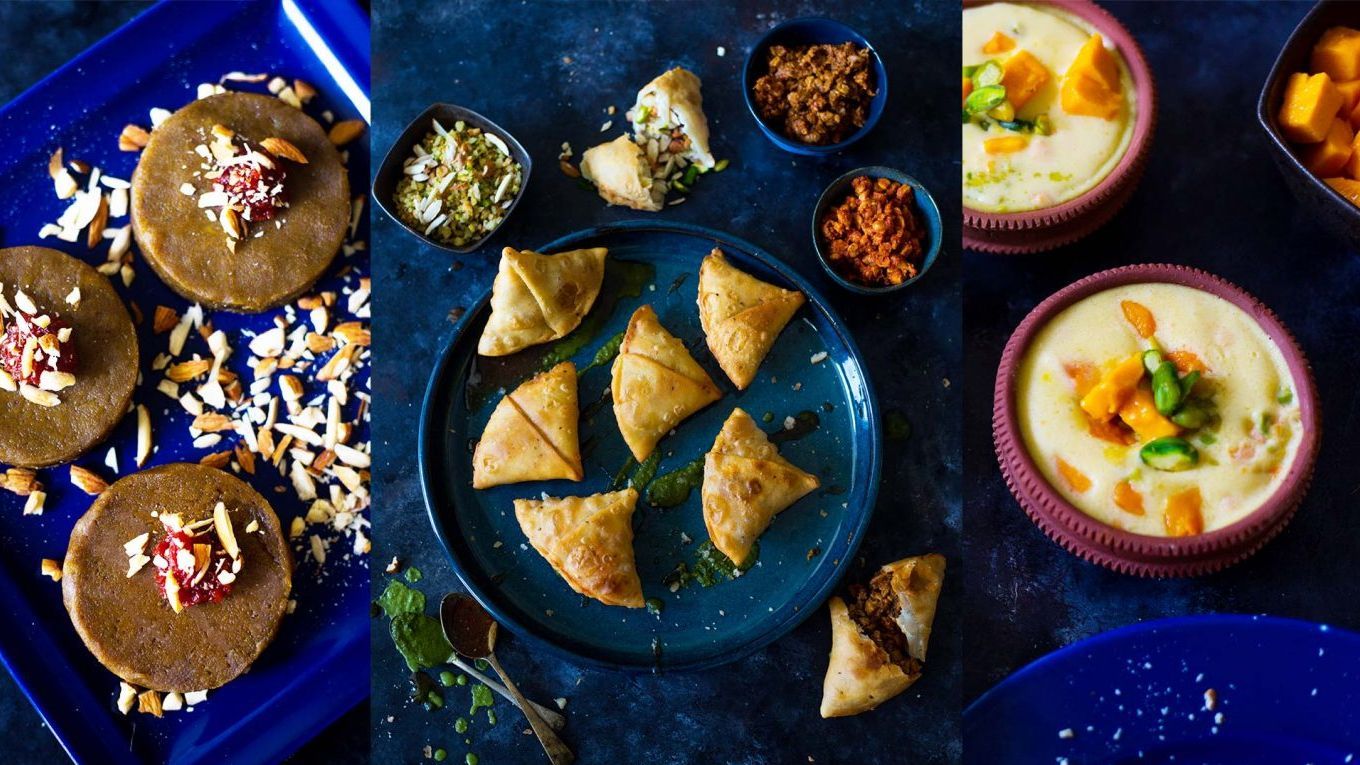
Eid, especially Eid al-Fitr marking Ramadan's end, brings a different but equally special atmosphere. The focus shifts to celebratory dining, family gatherings, and special sweet dishes. Many restaurants offer elaborate Eid specials, and the streets have a festive, joyous vibe. If Ramadan is about energy and variety, Eid is about tradition and celebration with dishes like biryani, korma, and sheer khurma taking center stage.
Regular Months
Outside Ramadan and Eid, Mohammed Ali Road operates at a calmer pace. Most temporary stalls disappear, and the focus shifts to established restaurants and permanent eateries. This is actually an excellent time for those who find Ramadan crowds overwhelming. You can enjoy the same quality food at established restaurants without navigating massive crowds or waiting in long lines. Many famous restaurants like Noorani, Suleman, and Shalimar serve their specialties year-round.
Daily Timing
Timing your visit matters regardless of season. Most food stalls and restaurants open around 6:30 PM during Ramadan, hitting peak activity between 8:00-11:00 PM. Late-night visitors will find activity continuing until 2:00-3:00 AM, especially on weekends. During sehri time (approximately 4:00-5:00 AM), a second wave of activity occurs as early risers grab pre-fast meals. Regular months see more standard restaurant hours, typically 7:00 PM to midnight, though some places stay open later on weekends.
Must-Try Dishes at Mohammed Ali Road
Mohammed Ali Road's culinary landscape spans multiple categories from grilled meats to sweet delicacies. Knowing what to order helps navigate the overwhelming options and ensure you experience the best each category offers.
Kebabs and Grills
Kebabs are Mohammed Ali Road's crown jewel, and the variety is staggering. Boti kebab features tender mutton pieces marinated in yogurt and spices, grilled over charcoal until perfectly charred. Seekh kebab presents spiced minced meat molded onto skewers and grilled to smoky perfection. The famous burra kebab uses larger meat chunks, often from the raan (leg), delivering more intense flavor and texture.
Chicken kebabs offer lighter alternatives, with varieties like malai (cream) kebab featuring mild, creamy marinades perfect for those avoiding heavy spices. Fish kebabs and prawn tandoori showcase seafood options, particularly good at coastal-cuisine influenced stalls. The universal appeal of these kebabs lies in their freshness - grilled continuously throughout the night, they're served hot and perfectly cooked with that signature charcoal flavor.
Tawa Dishes
The tawa (large flat griddle) creates some of Mohammed Ali Road's most spectacular dishes. Tawa chicken and tawa mutton feature meat stir-fried with peppers, onions, and spices on massive griddles, creating caramelization and flavor development that's impossible to achieve at home. The theatrical sight of chefs managing multiple orders on sizzling tawas is part of the experience.
Brain masala and kidney fry represent adventurous organ meat options beloved by enthusiasts. These items, while not for everyone, represent authentic Indo-Islamic culinary traditions and showcase the community's nose-to-tail cooking philosophy. When properly prepared by skilled chefs, these dishes achieve sophistication and flavor depth that converts many skeptics.
Biryani and Rice Dishes
While not as famous as the kebabs, Mohammed Ali Road's biryani deserves serious attention. Mutton biryani features aromatic rice layered with tender meat, cooked in the dum style that allows flavors to meld perfectly. The bohra biryani variant, specific to the local Bohra community, often includes potatoes and has distinctive spice profiling that sets it apart from more common Awadhi or Hyderabadi styles.
Kheema pav (minced meat with bread) offers a simpler but deeply satisfying option, essentially Mumbai's answer to the burger but with spiced minced meat instead of a patty. It's comfort food at its finest - rich, flavorful, and perfect for soaking up gravies and curries.
Popular Dish Guide
| Dish | Description | Must-Try At |
|---|---|---|
| Boti Kebab | Tender mutton pieces, charcoal-grilled | Tawakkal, Suleman |
| Tawa Chicken | Chicken stir-fried on massive griddle | Noorani, Shalimar |
| Malpua | Sweet pancake with sugar syrup | Javaid, various stalls |
| Phirni | Rice pudding with cardamom | Traditional sweet shops |
| Bheja Fry | Spiced brain masala | Specialized stalls |
Sweets and Desserts
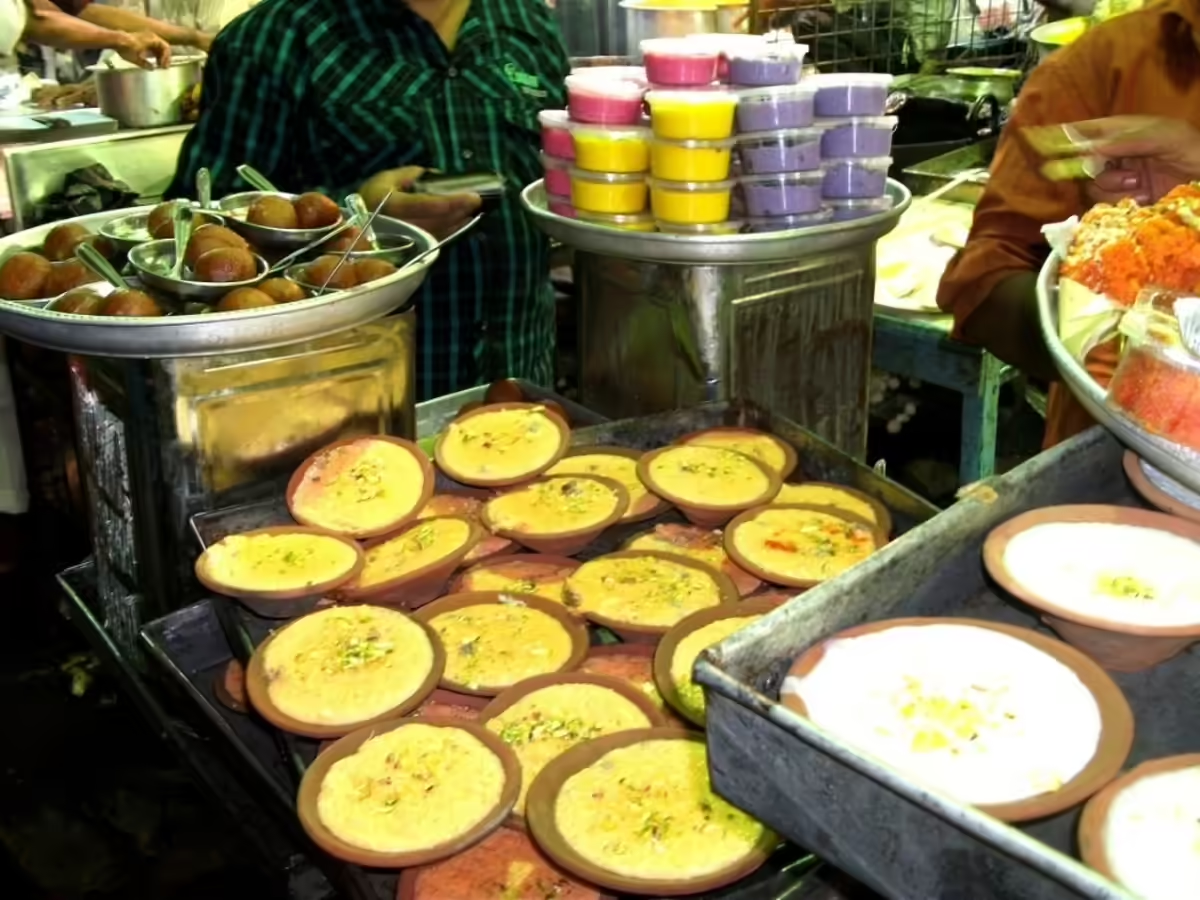
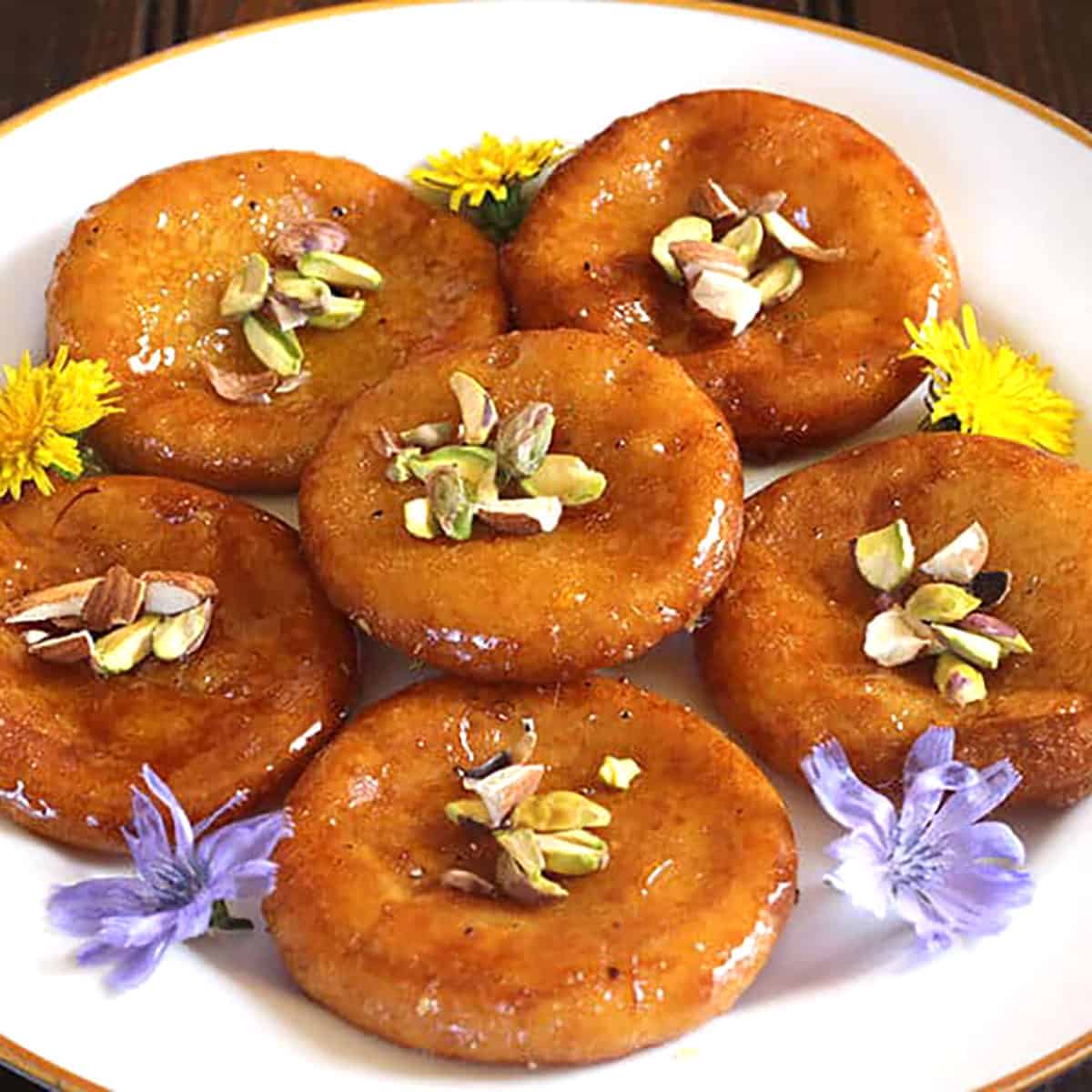
The dessert scene is equally impressive, with many establishments specializing only in sweet preparations. Malpua reigns supreme - these deep-fried pancakes soaked in sugar syrup are prepared fresh continuously during Ramadan, with vendors often visible making dozens at a time on massive griddles. The contrast between crispy edges and syrup-soaked centers creates irresistible texture and flavor.
Phirni, a rice pudding flavored with cardamom and saffron, represents sophistication in simplicity. Served chilled in earthen bowls that impart subtle earthiness, it's the perfect counterpoint to rich, spicy main courses. Shahi tukda (bread slices fried in ghee, soaked in sugar syrup, and topped with cream) offers indulgence on a plate - rich, sweet, and absolutely delicious despite the sweetness overload.
Specialties and Seasonal Items
Ramadan brings specific specialties that aren't available year-round. Haleem, a slow-cooked wheat and meat porridge, becomes wildly popular during the holy month. The dish requires hours of cooking to achieve the right consistency - wheat, lentils, and meat break down into a smooth, creamy texture that's both nourishing and incredibly flavorful.
Doodh ki lauzi (milk fudge), falooda (rose-scented milk drink with vermicelli), and various sherbets represent lighter options perfect for breaking fast. These items balance sweetness with refreshment, providing much-needed hydration after long fasting hours. During Eid, specific sweets like sheer khurma (vermicelli pudding with milk and dates) take precedence, representing celebratory traditions passed down through generations.
Famous Eateries and Restaurants
While street stalls capture most attention, Mohammed Ali Road's established restaurants deserve equal consideration. These institutions have been serving their specialties for decades, perfecting recipes and building loyal followings.
Noorani
One of the area's oldest and most respected restaurants, Noorani has been a Mohammed Ali Road institution for generations. Famous for their consistency across all categories - kebabs, biryani, tawa items, and Chinese - Noorani represents reliable quality in chaotic surroundings. The no-frills atmosphere focuses entirely on food, with families and regulars filling tables night after night. Their chicken tikka and mutton biryani are particularly recommended.
Shalimar
Shalimar has built a reputation on excellence in specific categories rather than trying to do everything. Their kebabs, particularly the boti and seekh varieties, are considered among the best on Mohammed Ali Road. The restaurant's tawa section produces excellent chicken and mutton preparations that showcase the chefs' skill with massive griddles. The atmosphere is always bustling, reflecting Shalimar's status as both local favorite and tourist destination.
Suleman Usman Mithaiwala
While many places do sweets well, Suleman has achieved legendary status specifically for desserts. Their malpuas during Ramadan are the stuff of legend - crispy edges, syrup-soaked centers, perfectly sized portions that justify the inevitable wait. The shop also produces excellent phirni, shahi tukda, and various traditional mithai. During Ramadan, the queue here rivals any food stall, a testament to their consistently superior quality.
Javaid Sweet Shop
Javaid represents the sweet shop tradition at its finest. Beyond excellent malpuas and phirni, they're known for angoori rabdi (cheese balls in thickened milk), amarti (fermented lentil fritters), and various barfis. The shop's display cases showcase dozens of varieties, making selection difficult but exciting. Staff are generally helpful if you can't decide, offering samples and recommendations based on preferences.
Other Notable Mentions
Al-Bahar and Cafe Noorani offer excellent alternatives to the bigger names, often with shorter queues. Haji Ali Juice Center provides fresh fruit juices that make perfect accompaniments to heavy meals. Tawakkal Sweets competes seriously with the biggest sweet shops, especially for seasonal specialties. Exploring smaller, less famous places often yields hidden gems and authentic family-run experiences.
Food Walk Tips
Navigating Mohammed Ali Road effectively requires strategy and preparation. The area's size and variety can overwhelm first-timers, so these tips help maximize enjoyment and minimize frustration.
Timing Strategy
Arrive Early - During Ramadan, reaching by 6:30 PM ensures you find parking easily and beat the initial iftar rush. The 30-45 minutes before iftar actually build anticipation beautifully as stalls finish preparations and aromas intensify.
Late Night Advantage - Post-midnight visits (after 1:00 AM) see thinner crowds as many families leave. This is when serious foodies and younger crowds dominate, creating a different but equally vibrant atmosphere. Many stalls are still fully operational, and some even prepare fresh batches for late-night customers.
Avoid Peak Hours - If possible, avoid the 8:00-10:00 PM peak when crowds are thickest. The experience can become frustrating with long waits everywhere. 7:00-8:00 PM or after 11:00 PM typically offers better balance between atmosphere and manageability.
Navigating Crowds
Go With the Flow - The lanes become one-way during peak times. Don't fight crowd movement - move with flow and circle back if you miss something. Physical contact is inevitable in packed lanes, so dress appropriately and keep valuables secure.
Group Strategy - Large groups struggle in narrow lanes. Split into smaller teams (2-3 people max) that can reconvene at designated spots. One person can order while another finds table space at restaurants. For street food, take-away works better than trying to eat standing in crowded lanes.
Cash Preparation - Many stalls don't accept digital payments. Carry small denomination notes - Rs 10, 20, 50, 100. Breaking larger notes becomes difficult during peak hours. Budget roughly Rs 300-500 per person for substantial tasting across multiple stalls.
Eating Strategy
Start Light - Begin with kebabs and lighter items before progressing to heavier curries and rice dishes. This approach prevents getting full too quickly. Remember that biryani and heavy curries are meal-ending items, not starters.
Share Everything - Order multiple dishes and share portions among your group. This approach maximizes variety and prevents food waste. Most stalls will easily split portions or provide extra plates.
Sweet Finish - Save dessert for last, but don't skip it. The sweetness provides perfect balance after spicy, rich main courses. Plus, sweets keep longest if you need to take some home.
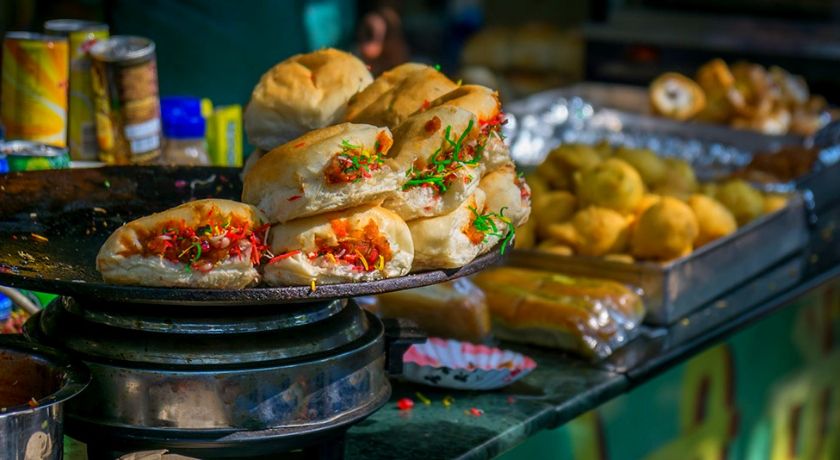
Hygiene and Safety
Look for Fresh - The beauty of Mohammed Ali Road is seeing food cooked fresh in front of you. Prefer stalls where you can see cooking happening continuously. Avoid pre-cooked items that have been sitting out.
Hot is Good - Freshly cooked, piping hot food is generally safest. The heat kills bacteria, and fresh preparation means less time for contamination. Be wary of lukewarm items.
Crowded Indicator - Surprisingly, longer queues often indicate better, safer food. Popular stalls with high turnover don't keep food sitting around. The crowds aren't always wrong - they know who's doing it right.
Carry Hand Sanitizer - Finding places to wash hands between stalls is difficult. A small sanitizer bottle lets you eat hygienically anywhere.
Vegetarian Options
While Mohammed Ali Road is overwhelmingly meat-focused, vegetarians need not despair. Paneer tikka and paneer tawa offer vegetarian takes on popular meat dishes. Veg biryani and paneer butter masala are available at many restaurants. The sweet section is entirely vegetarian with countless options. However, strict vegetarians should note that most kitchens handle both meat and vegetarian items, so cross-contamination is possible.
Nearby Attractions
Mohammed Ali Road's location in South Mumbai makes it easy to combine with other attractions for a fuller Mumbai experience.
Minara Masjid
The beautiful mosque that gives the area its informal name (Mohammed Ali Road/Minara Masjid area) is worth viewing from outside at least. During Ramadan, the mosque becomes the focal point for prayers and creates a stunning sight illuminated against the night sky. Non-Muslims generally cannot enter during prayer times but the exterior and surrounding atmosphere provide cultural context to the food experience.
Crawford Market
Just a short walk away, Crawford Market (officially Mahatma Jyotiba Phule Market) represents Mumbai's historic wholesale market. The market's stunning Victorian architecture contrasts fascinatingly with the Muslim area's traditional character. It's particularly interesting to visit in the evening when the market transitions from wholesale to retail and food vendors set up around the perimeter.
Chor Bazaar
One of Mumbai's most famous markets, Chor Bazaar (literally "Thieves Market") sells everything from antiques to vintage items to second-hand goods. The Saturday market is especially extensive. While overwhelming for some, it offers a fascinating glimpse into Mumbai's informal economy and the perfect counterpoint to an organized food walk. Chor Bazaar deserves dedicated exploration time if you enjoy markets.
Other Mumbai Night Experiences
For those enjoying Mumbai's nighttime offerings, Mohammed Ali Road pairs well with other evening attractions. Colaba Causeway offers a different shopping and street food vibe in South Mumbai. Marine Drive provides the perfect post-dinner walk to digest a heavy meal. Exploring Mumbai at night reveals why this city truly comes alive after dark.
Gateway of India and Colaba
For tourists, combining an evening at Mohammed Ali Road with earlier sightseeing at Gateway of India makes logistical sense. The area around Gateway and Colaba offers numerous restaurants, cafes, and street shopping that creates a full South Mumbai day. The contrast between heritage monuments and chaotic food streets perfectly captures Mumbai's dual identity.
Practical Information
How to Reach
By Local Train - The closest railway stations are Masjid Bunder (on Central Line) and Charni Road (on Western Line), both approximately 1-1.5 km away. From there, auto-rickshaws or short walks reach the food area. Marine Lines station is also walkable for those comfortable walking 2 km.
By Taxi/Rideshare - Uber and Ola work well, though GPS may direct you to slightly wrong locations. Ask for "Minara Masjid" or "Mohammed Ali Road near Crawford Market" for more accurate drop-off. During Ramadan peak hours, vehicles may not reach directly due to street closures - be prepared to walk the final stretch.
Parking - Extremely limited during Ramadan. Some paid parking lots exist in surrounding areas, but spaces fill quickly. Public transport or rideshare is strongly recommended during peak season.
Best Season
Winter (November-February) offers the most pleasant weather for outdoor eating. The mild temperatures make standing and eating comfortable even during crowded periods.
Monsoon (June-September) creates challenges - rain disrupts outdoor stalls, and humidity makes standing uncomfortable. Many stalls set up temporary covers, but the experience is less ideal.
Summer (March-May) brings heat but also ensures cold drinks and kulfi sell briskly. Evening temperatures are generally bearable, though humidity can be high.
Budget Considerations
Mohammed Ali Road accommodates various budgets, though it's not the cheapest street food destination in Mumbai.
| Eating Style | Approximate Cost Per Person |
|---|---|
| Light Snacking (kebabs, rolls) | Rs 200-300 |
| Moderate Meal (kebabs + mains) | Rs 400-600 |
| Full Experience (multiple categories + sweets) | Rs 600-1000 |
| Restaurant Dining | Rs 500-800 |
Conclusion
Mohammed Ali Road represents street food at its most authentic and exciting - a place where food, culture, and community intersect in spectacular fashion. The narrow lanes bursting with aromas, sounds, and flavors offer an experience that cannot be replicated in any restaurant, no matter how excellent. Whether you visit during Ramadan's magical nights or a quiet weekday evening, Mohammed Ali Road delivers Mumbai's legendary street food culture in its purest form.
The beauty of Mohammed Ali Road lies in its democratic nature - everyone from taxi drivers to Bollywood celebrities to international tourists navigates the same lanes, eats at the same stalls, and experiences the same sensory overload. This accessibility and authenticity have made it a Mumbai institution that continues to thrive even as the city transforms around it.
Come hungry, bring cash, embrace the chaos, and prepare for one of India's most rewarding food experiences. Mohammed Ali Road isn't just about eating - it's about participating in a living tradition that represents Mumbai at its vibrant, delicious, and unapologetically chaotic best.
Location
Frequently Asked Questions
Q1.Where is Mohammed Ali Road located?
Q2.What is the best time to visit Mohammed Ali Road?
Q3.Is Mohammed Ali Road only open during Ramadan?
Q4.What are the must-try dishes at Mohammed Ali Road?
Q5.Is the food at Mohammed Ali Road hygienic?
Q6.What is the average cost at Mohammed Ali Road?
Q7.How do I reach Mohammed Ali Road?
Q8.Is there parking available at Mohammed Ali Road?
Q9.Is Mohammed Ali Road vegetarian-friendly?
Q10.What are the opening hours of Mohammed Ali Road food stalls?
Recommended For You
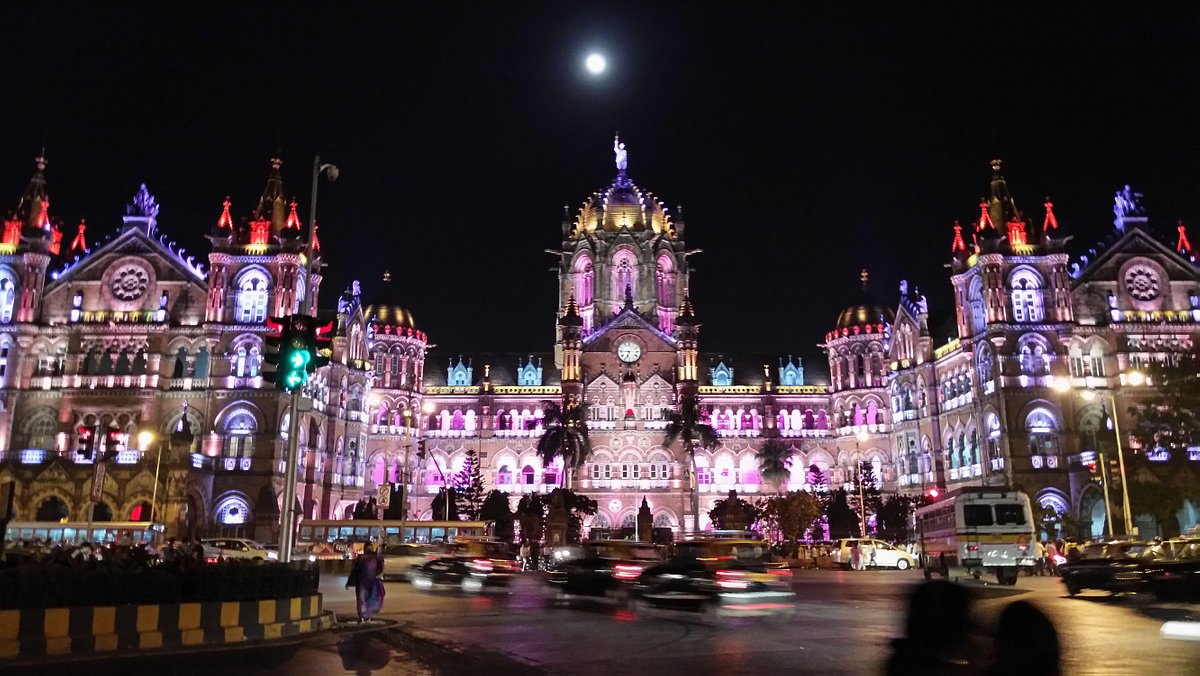
Places to Visit in Mumbai at Night: Marine Drive, Food & Lights
Explore the best places to visit in Mumbai at night with practical routes for Marine Drive, Gateway, Colaba, Bandra, Juhu, nightlife spots, and safety tips.
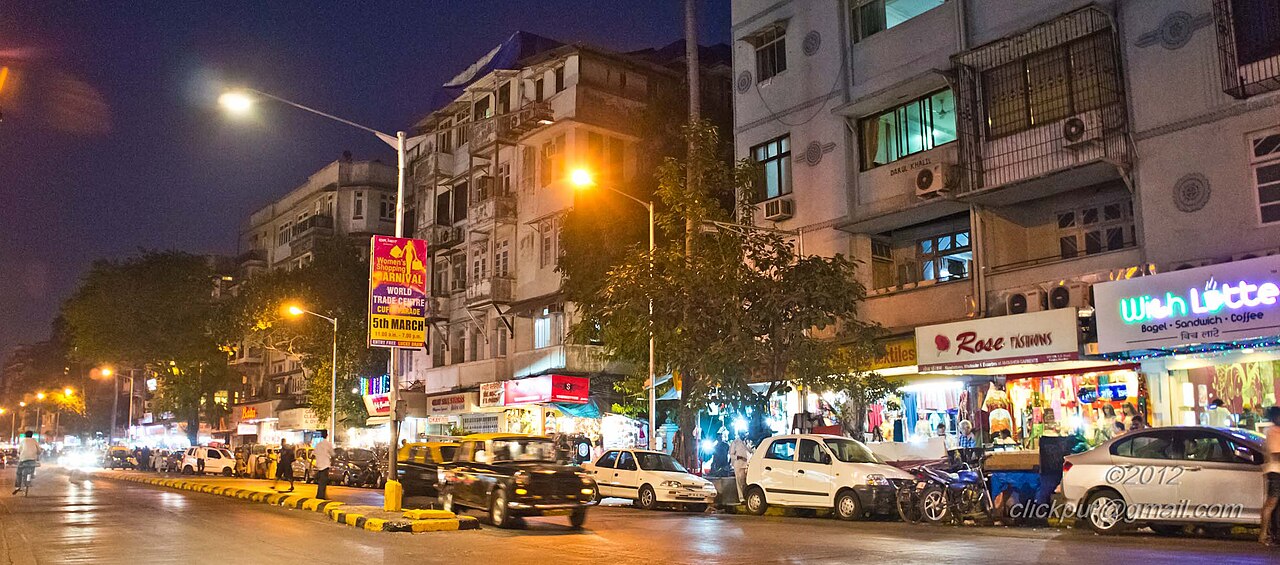
Colaba Causeway Mumbai: Shopping Guide with Tips & Timings
Discover Mumbai's iconic Colaba Causeway shopping destination. Learn what to buy, bargaining strategies, best times to visit, nearby cafes, and practical tips for budget shopping in South Mumbai.
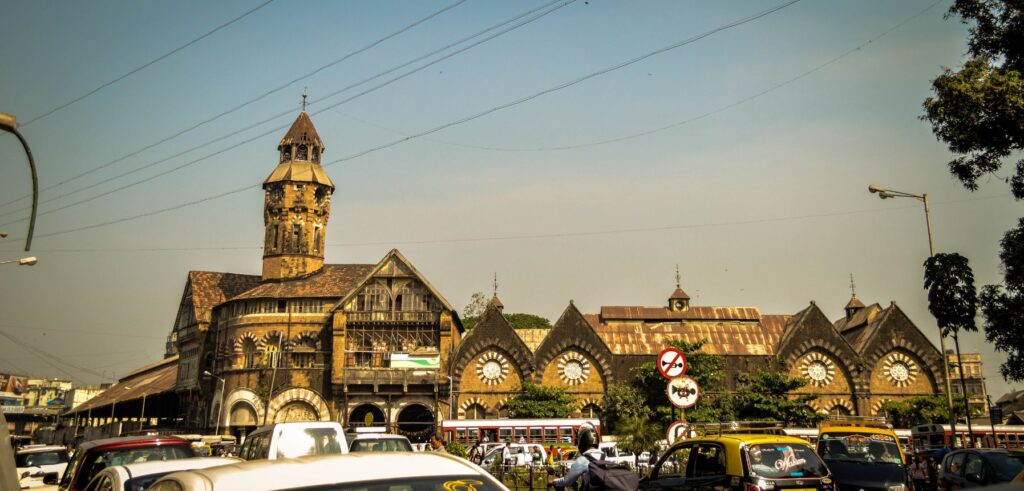
Crawford Market Mumbai: Heritage Shopping, Timings & Product Sections
Plan your Crawford Market Mumbai visit with what-to-buy lists, wholesale vs retail tips, timing strategy, transport guidance, and South Mumbai add-on routes.
Never Miss an Adventure
Get the latest trekking guides, travel tips, and exclusive offers delivered straight to your inbox.
