
Colaba Causeway Mumbai: Shopping Guide with Tips & Timings

Rahul Garg
December 14, 2025
Discover Mumbai's iconic Colaba Causeway shopping destination. Learn what to buy, bargaining strategies, best times to visit, nearby cafes, and practical tips for budget shopping in South Mumbai.
Mumbai's Most Iconic Shopping Street
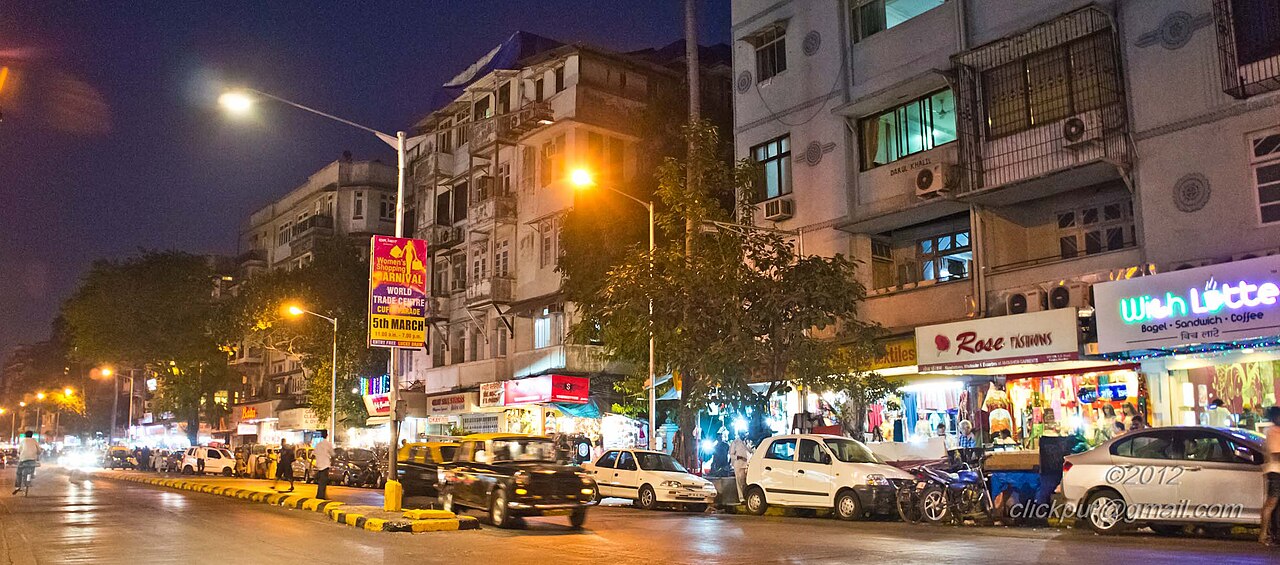
Colaba Causeway stands as Mumbai's most famous street shopping destination, drawing locals and tourists alike into its vibrant chaos of stalls, shops, and cafes. Located in the historic heart of South Mumbai, this bustling thoroughfare offers everything from trendy fashion and accessories to antique curios and Mumbai memorabilia. What makes Colaba Causeway special is its ability to blend old-world charm with contemporary fashion sensibilities, all at prices that won't break the bank.
The causeway, officially known as Shahid Bhagat Singh Road, connects Colaba with the rest of Mumbai. But beyond its geographical function, it serves as a cultural melting pot where shoppers from all walks of life navigate crowded pavements, haggle with vendors, and discover unexpected treasures. Whether you're a budget-conscious traveler, a fashion enthusiast looking for unique pieces, or simply someone who wants to experience Mumbai's street culture, Colaba Causeway delivers an unforgettable shopping adventure.
Unlike Mumbai's upscale malls or designer boutiques, Colaba Causeway celebrates the art of street shopping. Here, luxury brands give way to stalls piled high with colorful merchandise, shopkeepers become your personal stylists, and bargaining transforms from negotiation to entertainment. The energy is infectious, the variety overwhelming, and the satisfaction of finding hidden gems at bargain prices keeps shoppers returning again and again.
This guide will help you navigate Colaba Causeway like a pro, covering everything from what to buy and when to visit to bargaining strategies and the best food stops along the way. Get ready for one of Mumbai's most authentic urban experiences.
About Colaba Causeway
Colaba Causeway stretches through South Mumbai's Colaba neighborhood, one of the city's oldest and most prestigious areas. Historically, Colaba was a separate island connected to Mumbai by a causeway—hence the name. Today, this causeway refers to the commercial street that has evolved into Mumbai's premier street shopping destination over several decades.
The street's location adds to its appeal. Situated at the southern tip of Mumbai, Colaba represents the city's colonial heritage and cosmopolitan present. Walking here means passing heritage buildings, art deco structures, and the magnificent Taj Mahal Palace Hotel. The causeway itself spans approximately 1.5 kilometers, lined with shops on both sides and additional stalls that appear on sidewalks during peak shopping hours.
What sets Colaba Causeway apart from other Mumbai markets is its unique character. Unlike Crawford Market's wholesale focus or Linking Road's fashion concentration, Colaba Causeway offers diverse merchandise catering to various needs. The area attracts college students seeking trendy accessories, tourists looking for souvenirs, fashionistas hunting for unique pieces, and locals shopping for everyday items. This diverse customer base creates an atmosphere that's both commercial and cultural, transactional and social.
The causeway transforms throughout the day. Mornings see relatively fewer crowds as shops open and organize displays. Afternoons bring office-goers on lunch breaks and serious shoppers. Evenings create peak chaos when the area comes alive with maximum stalls, brightest lights, and densest crowds. This rhythm means your experience can vary dramatically based on when you visit—early afternoons offer relaxed browsing, while evening visits provide full energy but require patience and persistence.
What You Can Buy at Colaba Causeway
Fashion and Clothing
Colaba Causeway's fashion offerings range from trendy western wear to traditional Indian clothes, catering to diverse tastes and budgets. The street fashion scene here moves fast—what's trendy today might be gone tomorrow, replaced by new styles reflecting the latest Instagram and Pinterest trends.
Women's Clothing: You'll find an overwhelming variety of dresses, tops, kurtas, and jeans at prices that make indulging easy. Trendy dresses typically cost ₹300-800, while basic tops start at ₹200. Look for cotton kurtas in summer prints, boho-style dresses with embroidery, and Indo-western fusion wear. Quality varies considerably, so check seams, fabric feel, and stitching before purchasing. Many stalls carry sizes XS to XL, though finding XS or 3XL can be challenging. Some stalls specialize in ethnic wear featuring mirror work, bandhani prints, and block prints from various Indian regions.
Men's Clothing: While smaller than the women's section, men's options include casual shirts, t-shirts with graphic prints, jeans, and shorts. Prices start at ₹250 for basic t-shirts and go up to ₹1,000 for branded-looking pieces. You'll also find traditional kurtas and pathani suits, particularly during festival seasons. The quality is generally decent for casual wear, though serious shoppers might prefer branded stores for better fabrics and fits.
Shoes and Footwear: From kolhapuri chappals to trendy sneakers, Colaba's footwear stalls offer variety. Prices start at ₹300 for basic sandals and go up to ₹1,200 for fancier designs. Be cautious with synthetic materials—test comfort before buying. Sneakers often mimic popular brands but aren't always comfortable for extended wear. Traditional Indian footwear like jootis and mojris make excellent gifts and souvenirs, typically costing ₹400-800 per pair.
Jewelry and Accessories
This category represents Colaba Causeway's strength, with options ranging from costume jewelry to semi-precious pieces. The variety is astounding, and new designs appear regularly following fashion trends.
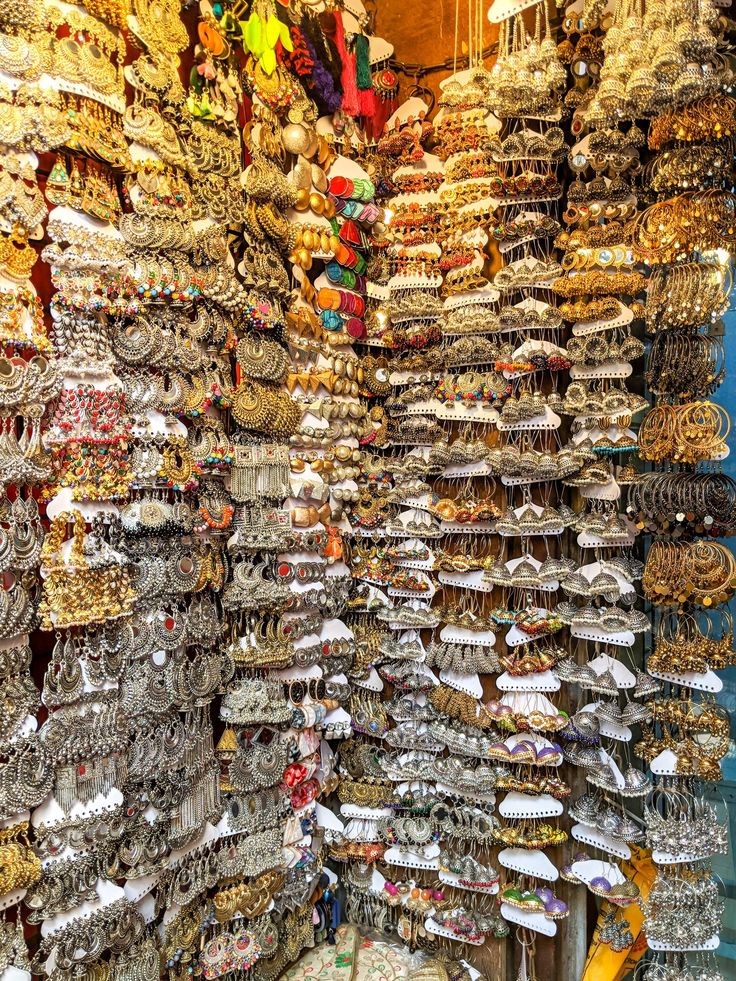
Costume Jewelry: Earrings, necklaces, bracelets, and rings in every style imaginable—minimalist, bohemian, statement pieces, traditional Indian designs. Prices start at ₹50 for basic earrings and go up to ₹500 for elaborate sets. Look for oxidized silver jewelry, which is trendy and reasonably priced (₹150-400). Be cautious with plated jewelry that might tarnish quickly—ask about metal content if wearing jewelry daily. Semi-precious stone jewelry is also available, though authenticity claims from street vendors should be taken with skepticism.
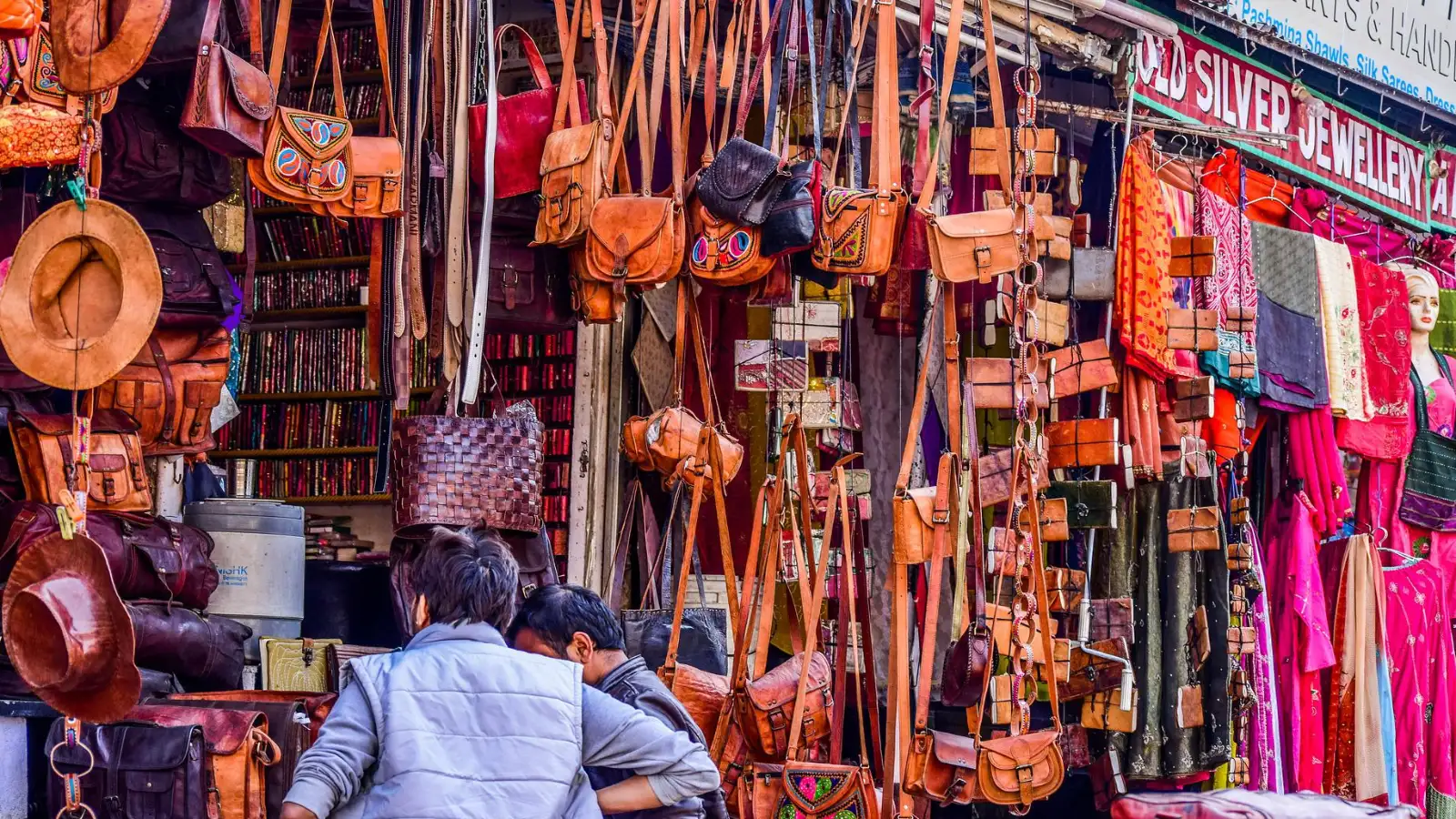
Bags: From clutches and sling bags to backpacks and handbags, Colaba's bag stalls offer trendy styles at budget prices. Prices range from ₹250 for basic sling bags to ₹1,200 for larger bags with more elaborate designs. Leather-look bags are popular, but check material quality—some crack or peel quickly. Backpacks with trendy prints and designs appeal to college students. Clutches featuring embroidery, mirror work, or sequins make excellent gifts and typically cost ₹400-700.
Sunglasses and Watches: Trendy sunglasses priced ₹200-500 mimic designer styles. UV protection claims vary, so don't expect premium quality. For occasional fashion wear, they're perfectly adequate. Watches range from ₹300-800, with digital and analog options available. Again, these are fashion accessories rather than serious timepieces—water resistance claims should be treated skeptically.
Belts and Scarves: Leather belts cost ₹200-400, while synthetic versions start at ₹100. Scarves and stoles in various prints and fabrics (cotton, silk blends, viscose) cost ₹150-400. These make excellent gifts as they're lightweight, easy to pack, and available in beautiful colors and patterns.
Home Decor and Handicrafts
For those wanting to take home Indian aesthetics, Colaba Causeway offers handicrafts from various Indian states. This section combines cultural authenticity with tourist appeal.
Decorative Items: Brass figurines, wooden carvings, marble artifacts, and ceramic pieces represent Indian craftsmanship. Prices vary dramatically based on size, material, and claimed antiquity. Small brass figurines start at ₹300, while larger pieces can cost several thousand rupees. Be cautious with claims of antiques—most are reproductions regardless of what vendors claim. These items make beautiful home decor and conversation pieces.
Textiles: Cushion covers, bedspreads, table runners, and tapestries feature embroidery, block prints, and appliqué work. Prices start at ₹200 for small cushion covers and go up to ₹2,000 for elaborate bedspreads. Quality varies—check stitching and fabric feel. Gujarat and Rajasthan's textile traditions are well-represented with bandhani, mirror work, and block prints.
Aromatic Items: Incense, essential oils, brass incense holders, and aroma diffusers appeal to those seeking Indian spiritual traditions. Incense packets cost ₹50-150, while essential oils (sandalwood, rose, lavender) range from ₹100-500 per small bottle. Authenticity varies, particularly for oils—test scents before purchasing and be realistic about prices.
Books and Antiques
Colaba Causeway's book scene deserves special mention. Several shops and pavement stalls sell secondhand books at bargain prices, making it a paradise for readers.
Books: Fiction, non-fiction, travel guides, and academic books line shelves and piles. Prices start at ₹50 for paperbacks and ₹150-300 for hardcovers. Condition varies but is generally acceptable for casual reading. You'll find recent bestsellers alongside classics and obscure titles. Some stalls specialize in rare and out-of-print books, though these command higher prices. Bargaining is minimal on books—typically 10-20% at most.
Antiques and Curios: Several shops along the causeway sell what they claim are antiques—old coins, maps, photographs, stamps, and collectibles. Authenticity is questionable, so buy for aesthetic appeal rather than investment value. An old map reprint might cost ₹300-800, while coin collections range from ₹500-2,000. These items make interesting display pieces and conversation starters regardless of age.
Souvenirs and Mumbai Memorabilia
Tourists love taking home Mumbai-themed souvenirs, and Colaba Causeway delivers with options ranging from tacky to tasteful.
Mumbai-Themed Items: T-shirts featuring Mumbai skyline, taxi art, or Hindi phrases cost ₹200-400. Coffee mugs, keychains, magnets, and posters with Mumbai themes range from ₹50-300. These make inexpensive gifts and keepsakes. Quality is generally decent for the price point.
Indian Souvenirs: Miniature Taj Mahals, brass statues of Indian deities, puppets from Rajasthan, and other quintessentially Indian items cost ₹100-1,000 depending on size and complexity. These appeal to tourists wanting to take home something recognizably Indian. Quality and authenticity vary—examine items carefully before purchasing.
Electronics and Gadgets
A section of Colaba Causeway sells electronic items—earphones, chargers, power banks, and small gadgets. Prices are attractive but quality is often questionable.
Earphones start at ₹100, power banks at ₹400, and various phone accessories at similar price points. While tempting, these items often don't meet quality standards. If buying, test immediately and understand that you likely get what you pay for. For important electronics, stick to authorized retailers even if prices are higher.
Bargaining Strategies and Shopping Tips
Bargaining at Colaba Causeway is expected, but successful haggling requires strategy. Vendors quote higher prices expecting customers to negotiate. Your goal is finding a fair price that leaves both parties satisfied.
The Art of Bargaining
Start Low but Reasonable: Begin negotiations at 40-50% of the quoted price. Starting too low might offend the vendor, while starting too high reduces your bargaining room. For example, if a vendor asks ₹500 for earrings, counter with ₹200-250. The final price typically settles around 60-70% of the original quote. Some items have less flexibility—books and fixed-price items typically allow only 10-15% bargaining room.
Know When to Walk Away: Walking away is your strongest negotiating tool. Vendors will often call you back with a better price as you leave. If they don't, you've likely reached their absolute bottom price. This strategy works particularly well with higher-priced items like bags or home decor. Be prepared to actually walk away if the price doesn't meet your budget—the same item might be available at another stall.
Buy Multiple Items: Vendors are more willing to negotiate when you're buying multiple items. Instead of bargaining hard on one piece, ask for a package deal. "If I buy earrings, a necklace, and a bag, what's the best price?" This approach often yields better overall prices than negotiating each item individually.
Be Friendly but Firm: Aggressive bargaining creates tension. Smile, joke, and keep conversations light even during negotiations. Compliment the product, express genuine interest, then explain your budget constraints. "I love this bag but only have ₹600 to spend" works better than angrily demanding a lower price. Building rapport often results in better deals.
Cash is King: While digital payments are increasingly accepted, vendors prefer cash and may offer better prices for cash transactions. Carry sufficient cash in smaller denominations—₹10, ₹20, ₹50, ₹100 notes make bargaining easier as vendors don't need to find change for larger notes.
Quality Check Before Paying
Inspect Thoroughly: Street shopping doesn't have return policies, so examine items carefully before purchasing. Check clothing for loose threads, missing buttons, or stains. Inspect jewelry for clasps that work and stones that are secure. Test zippers on bags and wallets. Look for proper stitching on footwear. Once you've paid and left, returns are virtually impossible.
Compare Multiple Stalls: Similar items appear at multiple stalls with varying prices and quality. Before buying, browse several stalls to compare quality and pricing. What seems like a great deal might be available for less elsewhere. Conversely, a slightly higher price might mean significantly better quality.
Ask About Materials: For jewelry, ask whether it's plated or solid metal. For clothing, check fabric composition. For leather goods, ask whether it's genuine leather or synthetic. Vendors might not always be truthful, but asking shows you're knowledgeable and makes false claims riskier.
Shopping Smart
Carry a Lightweight Bag: You'll accumulate purchases. Bring a foldable tote or backpack to carry items comfortably. Some stalls provide plastic bags, but these tear easily under weight. A sturdy bag makes shopping more comfortable.
Dress Comfortably: Colaba Causeway requires walking, often in crowded conditions. Wear comfortable shoes—avoid heels or new shoes that might cause blisters. Dress modestly but comfortably, keeping in mind that you might need to try on clothes in cramped spaces or non-air-conditioned environments.
Shop During Less Busy Hours: Late mornings (11 AM-1 PM) offer fewer crowds than evenings. Vendors are also more willing to bargain when business is slower. Evening shopping (after 4 PM) provides the full experience with maximum stalls and energy but requires patience due to crowds.
Keep Valuables Secure: Crowded shopping areas attract pickpockets. Use bags that zip close, carry wallets in front pockets, and stay aware of surroundings. Don't carry excessive cash or unnecessary valuables. Mobile phones should be secured when not in use.
Don't Get Overwhelmed: Colaba Causeway's variety can be overwhelming. If unsure where to start, pick one section and focus on it rather than trying to see everything in one visit. Multiple shorter trips often prove more enjoyable than one exhausting marathon shopping session.
Food and Cafes on Colaba Causeway
Shopping works up an appetite, and Colaba Causeway's food scene is as legendary as its shopping. From historic cafes to street food vendors, the area offers options for every budget and craving.
Iconic Cafes
Leopold Cafe: One of Mumbai's most famous cafes, Leopold has been serving customers since 1871. The bustling atmosphere, colonial-era charm, and reasonably priced food make it a Mumbai institution. Choose from Indian, Chinese, and Continental cuisine. The cafe gained international attention after being featured in Gregory David Roberts' novel "Shantaram." Prices are moderate by Mumbai standards (main courses ₹250-400), and the people-watching is unmatched. Arrive early or be prepared to wait for a table during peak hours.
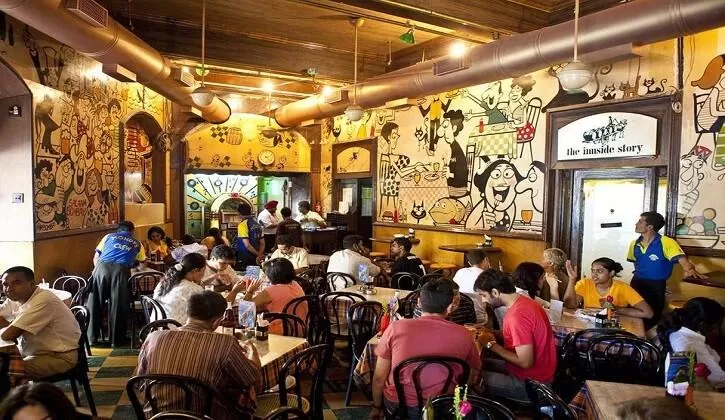
Mondegar Cafe (Mondegar's): Another historic establishment (since 1933), Mondegar offers similar colonial charm with a more laid-back atmosphere than Leopold. Famous for its jukebox and neon signage, the cafe serves good Continental and Indian food. The samosas here are legendary, and the milkshakes rank among Mumbai's best. Prices are comparable to Leopold (₹250-400 for main courses). The cartoon murals on walls add unique character.
Cafe Churchill: A slightly more upscale option, Cafe Churchill is known for excellent desserts, particularly its caramel custard and mousse. The food quality is generally higher than at Leopold and Mondegar, with prices slightly elevated to match (₹300-500 for main courses). It's a good option when you want a break from street chaos in a more refined setting while remaining in the Colaba spirit.
Street Food and Eateries
Bademiya: While technically just off the causeway, Bademiya's kebabs are so legendary they deserve mention. Operating late into the night, this street food stall serves some of Mumbai's best seekh kebabs, chicken tikka, and rolls. Prices are reasonable (₹150-300 for a filling meal), and the food quality justifies the fame. It's particularly popular after midnight when other options are closed.
Natural Ice Cream: Mumbai's favorite ice cream chain has an outlet on Colaba Causeway serving Indian-style ice creams in flavors like sitaphal (custard apple), kesar pista (saffron pistachio), and chikoo. Prices start at ₹80 per scoop. The ice cream is denser and less sweet than Western-style ice cream, making it perfect for hot Mumbai afternoons.
Pav Bhaji and Bhel Purri Stalls: Several street vendors sell Mumbai's iconic snacks. Pav bhaji (spicy mashed vegetables eaten with bread) costs ₹80-150 per plate. Bhel purri (puffed rice with chutneys and vegetables) costs ₹50-100. These make excellent quick, budget-friendly meals between shopping sessions. Look for stalls with high turnover for fresher food.
Bun Maska and Chai: Several small tea stalls serve Mumbai's favorite breakfast combination—bun (bread) with maska (butter) and sweet milky chai. This simple, satisfying breakfast costs ₹40-80 and provides energy for a shopping marathon. It's also an opportunity to experience Mumbai's beloved tea culture.
Budget-Friendly Options
Colaba Causeway offers numerous options for budget-conscious shoppers. Small eateries serve thalis (platter meals) for ₹150-250, offering good value. Sandwich walls, juice centers, and falafel stalls provide quick meals under ₹150. For the tightest budgets, fruit vendors offer fresh fruit cups for ₹30-60, and roasted corn (bhutta) sells for ₹20-40 per ear during monsoon.
Timings and Best Days to Visit
Understanding Colaba Causeway's schedule helps optimize your shopping experience. The market operates differently from malls and has specific rhythms that affect what's available and how crowded it feels.
General Timings
Most shops on Colaba Causeway open between 10:00 AM and 11:00 AM, though some open as early as 9:30 AM. Closing times vary—permanent shops typically close around 9:00 PM to 10:00 PM, while street stalls and pavement vendors might pack up earlier (around 8:00 PM) or stay later depending on crowd flow and police regulations. The causeway is closed on Mondays, and several permanent shops also observe Monday closures.
Best Days to Shop
Tuesday to Friday: These weekdays offer the most comfortable shopping experience with manageable crowds. Vendors are also more willing to bargain when business is slower. If possible, visit during Tuesday-Thursday for the most relaxed shopping environment.
Saturday: Saturdays are busy with weekend shoppers, but the causeway comes alive with maximum energy. If you enjoy vibrant chaos and want the full Colaba Causeway experience, Saturday delivers. However, patience is required, and bargaining becomes more competitive as vendors know they can sell to someone else.
Sunday: Sundays are special at Colaba Causeway. The street transforms into a pedestrian-only zone with additional stalls and maximum energy. Many stores remain closed, but street vendors make up for it with expanded offerings. Sunday shopping feels festive, with performers, musicians, and a carnival-like atmosphere. If you only have one day to visit, make it Sunday—but arrive with patience and energy.
Monday: Avoid Mondays. Many permanent shops close, and street vendors might not set up stalls. The causeway feels quieter, with limited shopping options. Plan your Colaba Causeway visit for any day except Monday.
Seasonal Considerations
Monsoon (June-September): Mumbai's monsoon brings heavy rainfall that can disrupt street shopping. Some vendors don't set up stalls during heavy rain. However, the causeway remains open during lighter rain, with vendors and shoppers adapted to wet conditions. Carry umbrellas and wear water-resistant footwear. Monsoon shopping can be fun—the rains reduce crowds, and the wet streets add to Mumbai's atmospheric charm. However, avoid the causeway during extremely heavy rain when waterlogging makes walking difficult.
Winter (November-February): Pleasant weather makes these months ideal for shopping. The causeway is busiest during this period, particularly December when tourists flock to Mumbai. Evenings are delightful without the humidity and heat that characterize other seasons. This is also when festive collections—Diwali lights, Christmas decorations—appear, adding to the shopping experience.
Summer (March-May): Heat and humidity make shopping challenging, particularly during afternoons. Early morning or late evening shopping becomes necessary for comfort. Heat also means you'll tire faster—plan shorter shopping sessions with breaks in air-conditioned cafes. On the positive side, crowds are thinner than in peak season, and vendors might be more willing to bargain to maintain sales.
Time of Day Strategy
Morning (11 AM - 1 PM): Ideal for relaxed browsing with fewer crowds. Vendors are freshly set up with full stock, and you'll have first pick of new items. Bargaining can be more successful as vendors are willing to make early sales. This timing works particularly well for serious shoppers who want to examine items carefully without feeling rushed.
Afternoon (2 PM - 4 PM): Some vendors take lunch breaks during these hours, so you might find fewer stalls. However, the area is less crowded than evenings, making it easier to shop. Use this time for cafe breaks and relaxed browsing. Quality-focused shoppers often prefer afternoon timing.
Evening (5 PM - 8 PM): Peak energy and maximum stalls. This is when Colaba Causeway feels most vibrant and chaotic. All vendors are present, pavement displays are maximum, and the area buzzes with energy. Come now for the full experience, but bring patience and prepare for crowds. Bargaining becomes more competitive as vendors know demand is high.
How to Reach Colaba Causeway
Colaba Causeway's South Mumbai location is well-connected by public transport, though reaching it requires some navigation, particularly for first-time visitors.
By Local Train
Churchgate Station (Western Line): The closest major railway station, approximately 3 kilometers from Colaba Causeway. From Churchgate, take a taxi (auto-rickshaws don't operate in South Mumbai island city) or public bus. Taxis take 15-20 minutes depending on traffic and cost approximately ₹60-80. Walking is possible (30-35 minutes) if you enjoy urban walking and the weather is pleasant.
Chhatrapati Shivaji Terminus (CST) (Central Line): Approximately 4 kilometers from Colaba Causeway. Taxis take 20-25 minutes and cost ₹70-90. CST is more convenient for those coming from Central and Harbour lines. Both Churchgate and CST are major railway stations well-connected to Mumbai's suburbs.
By Bus
Several BEST (Brihanmumbai Electric Supply and Transport) buses serve Colaba. From Churchgate, buses 124, 125, and 131 connect to Colaba. From CST, buses 11, 11A, and 124 serve the area. Bus fares range from ₹15-25 depending on distance. Buses are economical but can be crowded during peak hours. Use Mumbai's public bus apps or Google Maps to check real-time bus information.
By Taxi or Ride-Hailing
Taxis and ride-hailing services (Uber, Ola) provide the most convenient access to Colaba Causeway. Metered taxis are readily available throughout Mumbai. For ride-hailing, input specific landmarks like "Leopold Cafe" or "Colaba Causeway" as your destination. From South Mumbai areas (Nariman Point, Marine Drive), expect 10-15 minute rides and ₹50-80 fares. From Bandra (suburbs), allow 45-60 minutes and ₹250-350 depending on traffic.
During peak hours (8-11 AM, 5-8 PM), traffic significantly increases journey times. Plan accordingly if you have time commitments. Parking is extremely limited and expensive in Colaba—driving your own vehicle is not recommended unless absolutely necessary.
Walking from Nearby Attractions
If you're visiting Gateway of India, Colaba Causeway is an easy 10-15 minute walk. This combination works perfectly—explore the Gateway in the morning, then walk to Colaba Causeway for shopping and lunch. The walk takes you past the Taj Mahal Palace Hotel and through heritage Colaba architecture, making it a pleasant urban stroll.
Nearby Attractions in South Mumbai
Colaba Causeway sits in South Mumbai's most historic and attraction-rich area, making it easy to combine shopping with sightseeing for a full day exploring Mumbai's heritage.
Gateway of India
Mumbai's most iconic monument stands just 1 kilometer from Colaba Causeway. Built in 1924, this arch monument overlooking the Arabian Sea represents Mumbai's colonial history and enduring spirit. Arrive early (before 9 AM) to avoid crowds and heat. Boat rides to Elephanta Caves depart from here, though those require 3-4 hours for a complete visit. The area around the Gateway offers excellent photo opportunities and views of the Taj Mahal Palace Hotel. Combine the Gateway and Colaba Causeway for a perfect South Mumbai morning-afternoon itinerary.
Taj Mahal Palace Hotel
Even if you're not staying there, the Taj Mahal Palace is worth admiring from outside. This architectural marvel has hosted royalty, celebrities, and heads of state since 1903. The hotel's wing features Islamic domes while the tower displays distinct Victorian Gothic elements. High tea at the Sea Lounge offers luxury experiences with harbor views, though reservations are required and dress codes apply.
Chhatrapati Shivaji Maharaj Vastu Sangrahalaya (Prince of Wales Museum)
Located near the Gateway of India, this museum houses excellent collections of Indian art, sculpture, and decorative arts. The building itself is a masterpiece of Indo-Saracenic architecture. Plan 1-2 hours for a quick visit or longer for art enthusiasts. Entry fees are ₹100 for Indians and ₹500 for foreign nationals. The museum provides air-conditioned relief from Mumbai's heat and offers cultural enrichment to complement your Colaba Causeway shopping adventure.
Marine Drive
Mumbai's iconic waterfront promenade is approximately 3 kilometers from Colaba Causeway—a short taxi ride or pleasant 30-minute walk along the coast. Marine Drive's curved bay, lined with Art Deco buildings, comes alive in the evening when streetlights create a "Queen's Necklace" effect. It's the perfect place to unwind after shopping, watch the sunset, and enjoy Mumbai's sea breeze. Street food vendors along Marine Drive offer bhel purri, corn, and other snacks.
Making a Day of South Mumbai
For a complete South Mumbai experience, start with breakfast at a Colaba cafe, visit the Gateway of India and museum in the morning, shop at Colaba Causeway in the afternoon, and end with sunset at Marine Drive followed by dinner at a South Mumbai restaurant. This itinerary captures Mumbai's history, culture, commerce, and contemporary energy in one perfectly planned day.
For more places to visit in Mumbai and Mumbai street food recommendations, explore our detailed guides to make the most of your Mumbai visit.
Colaba Causeway remains Mumbai's quintessential shopping experience—chaotic, colorful, affordable, and unforgettable. Whether you're hunting for fashion finds, picking up souvenirs, or simply soaking in Mumbai's street culture, the causeway delivers an authentic urban adventure that no mall can match. Shop smart, bargain hard, stay energized with cafe breaks, and enjoy one of India's most vibrant shopping destinations.
Location
Frequently Asked Questions
Q1.What are Colaba Causeway's opening and closing timings?
Q2.Which is the best day to visit Colaba Causeway for shopping?
Q3.How do I reach Colaba Causeway using public transport?
Q4.What items can I buy at Colaba Causeway and what's the price range?
Q5.Is bargaining allowed at Colaba Causeway, and what are the best bargaining tips?
Q6.Are there good food options and cafes on Colaba Causeway?
Q7.Is Colaba Causeway open on Sundays, and what's special about Sunday shopping?
Q8.Are ATMs and payment facilities available near Colaba Causeway?
Recommended For You
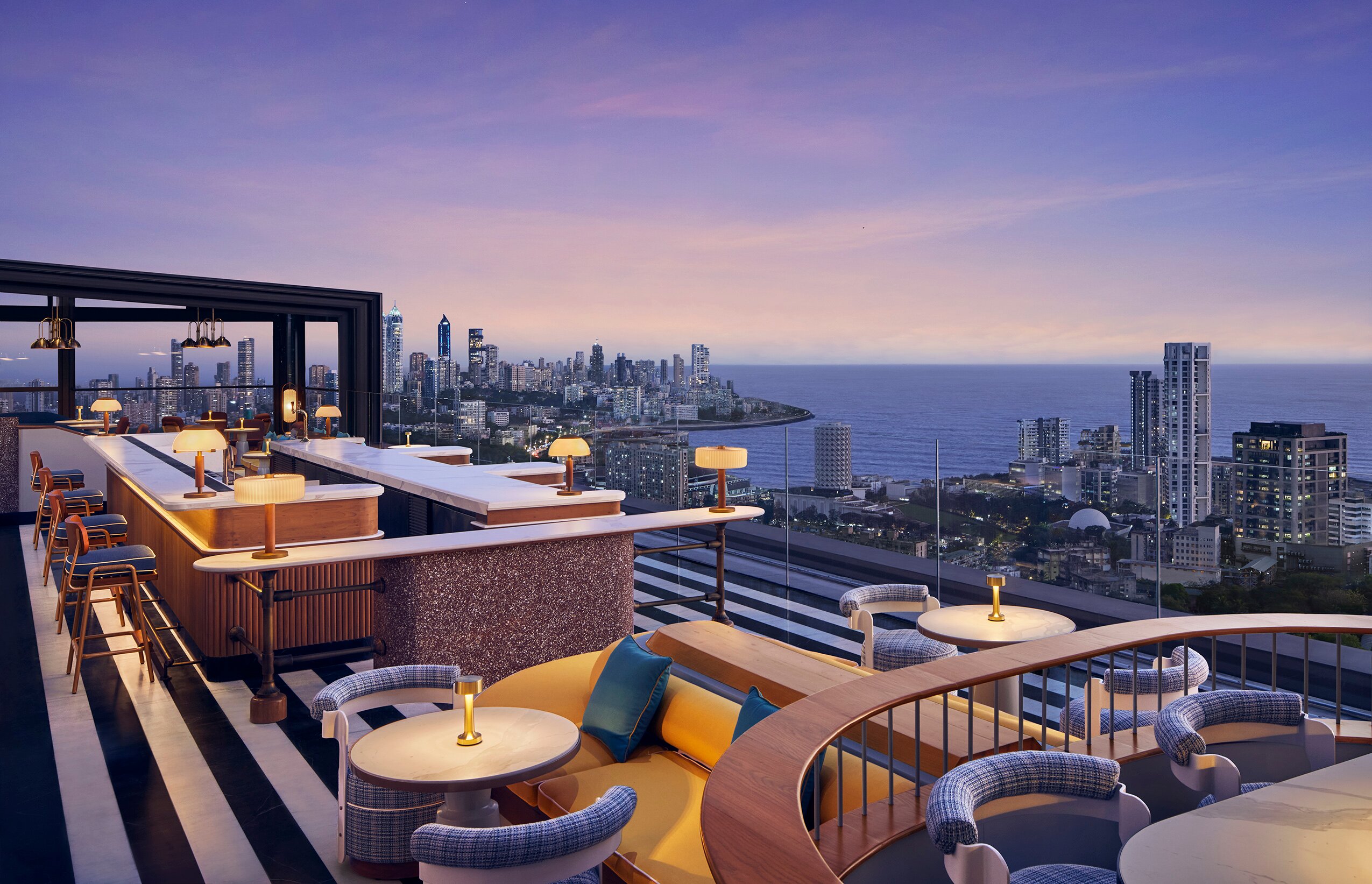
Best Restaurants in Mumbai: Street Eats, Fine Dining & New Hotspots
Best restaurants in Mumbai guide with district clustering, reservation timing, and practical route strategy for high-quality food days.
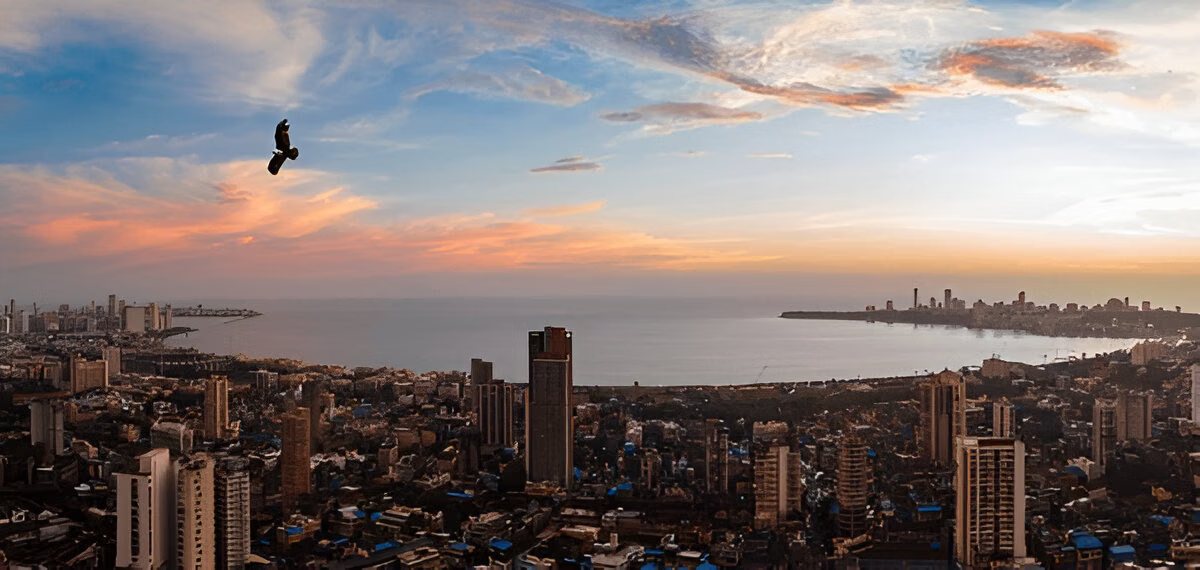
Places to Visit Mumbai in One Day: Itinerary
Complete Mumbai one-day itinerary covering Gateway of India, Elephanta Caves, Marine Drive, Siddhivinayak Temple, and Bandra Worli Sea Link.
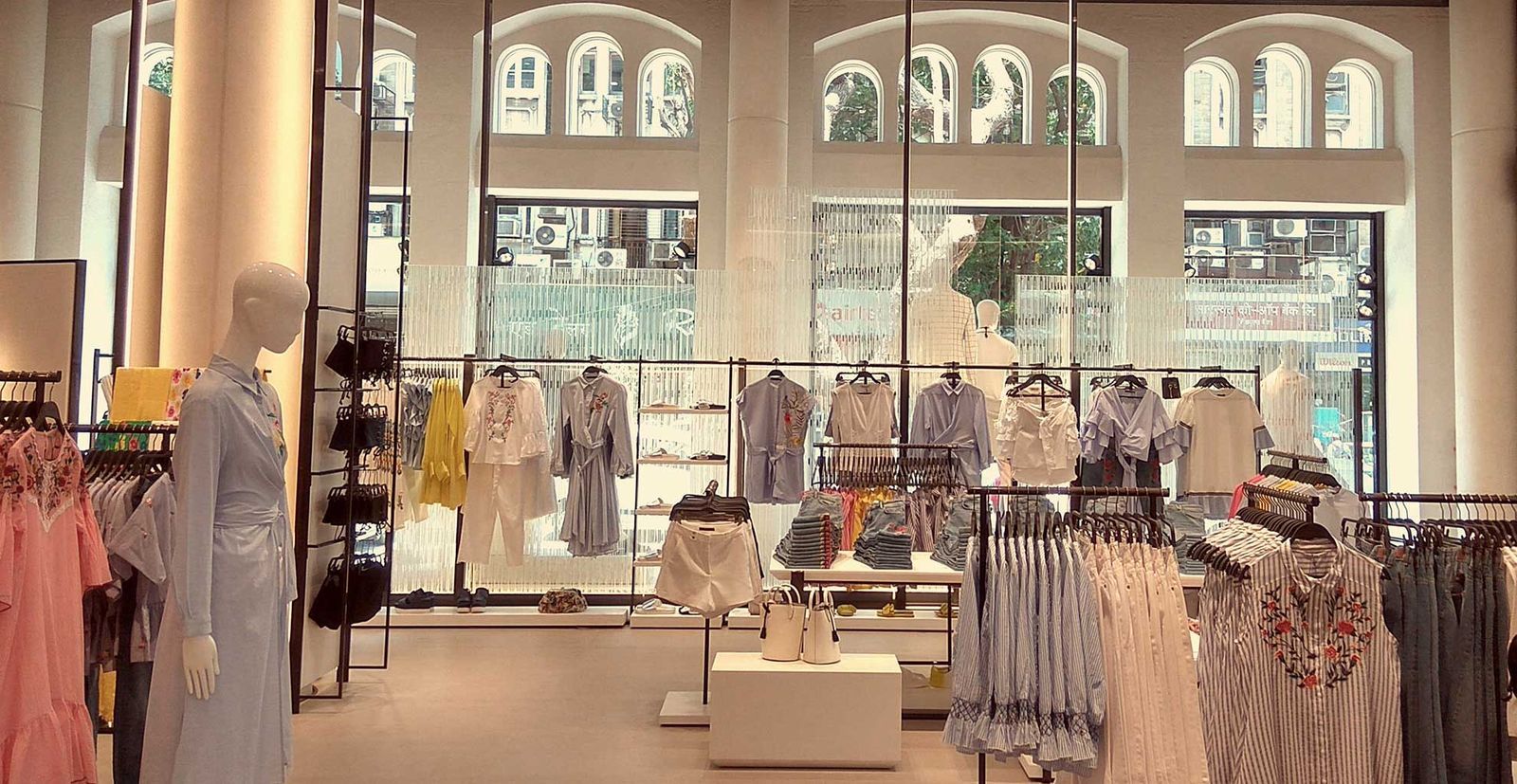
Shopping Places Mumbai: 30 Best Markets & Malls
Discover the best shopping places in Mumbai from Colaba Causeway street market to High Street Phoenix mall. Complete guide to 30 markets, malls, and bazaars with prices and tips.
Never Miss an Adventure
Get the latest trekking guides, travel tips, and exclusive offers delivered straight to your inbox.
