
Chor Bazaar Mumbai: Timings, Vintage Finds & Bargaining Tips

Rohit Verma
February 19, 2026
Explore Chor Bazaar Mumbai with timing guidance, shopping categories, bargaining tips, and route planning for a safer and better-value market visit.
Introduction
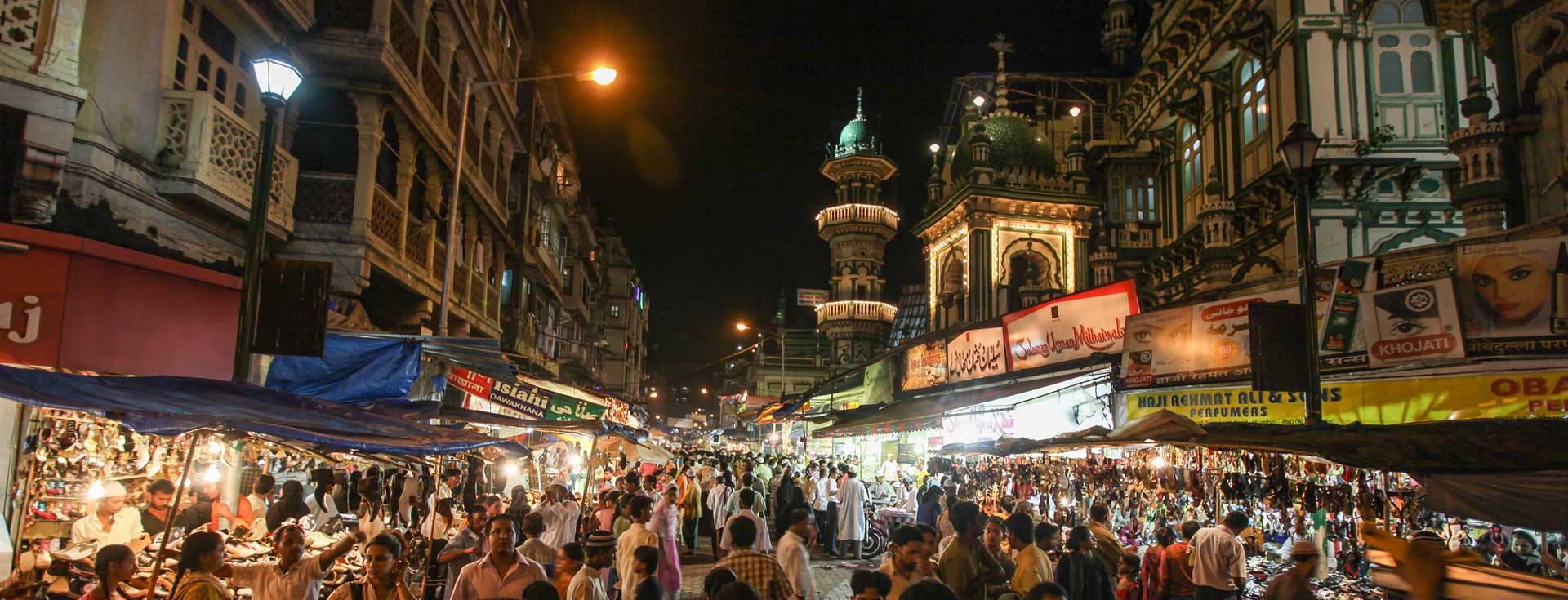
Chor Bazaar Mumbai is one of the city’s most iconic old markets, known for antiques, vintage collectibles, used goods, restoration workshops, and intense bargaining culture. Located around Mutton Street near Bhendi Bazaar, this market is less about polished retail and more about discovery. You walk through narrow lanes, inspect unique pieces, negotiate hard, and occasionally find items that are difficult to source anywhere else in the city.
If your search intent is practical planning, this guide covers opening-hour patterns, nearest stations, what to buy, how to bargain safely, market history, best time slots, and nearby places to combine in South Mumbai. Timing references across sources differ slightly, but as of February 19, 2026, most listings still indicate a regular daytime schedule (commonly around 11:00 AM to evening) and special Friday/Jumma market context in nearby lanes. Always verify same-day status locally. You can pair this visit with Crawford Market, CSMT heritage stop, and Mohammed Ali Road food trail.
Where Is Chor Bazaar in Mumbai?
Chor Bazaar is in South Mumbai, centered around Mutton Street in the Bhendi Bazaar zone. It is accessible from major city points by local train, taxi, or bus. Travel guides commonly mention Grant Road, Mumbai Central, Masjid, and CSMT as practical railway anchors depending on your route and line preference.
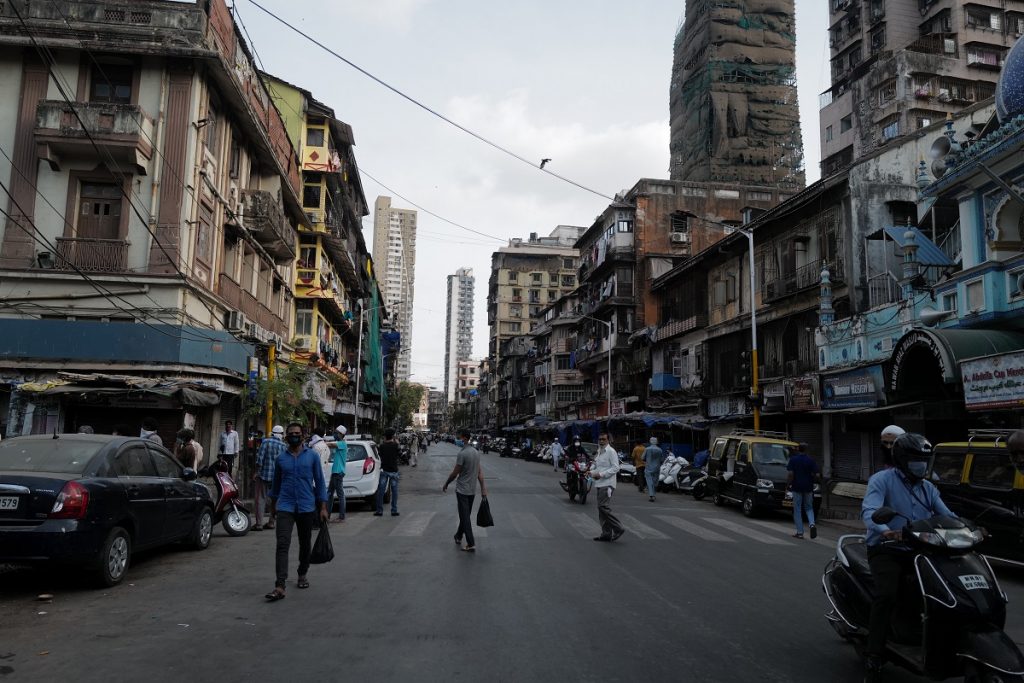
The location is dense and lane-based, so the final few minutes usually involve walking through crowded stretches. If you are visiting for serious buying, wear comfortable footwear and carry only essentials.
| Location Detail | Visitor Use |
|---|---|
| Mutton Street / Bhendi Bazaar area | Main Chor Bazaar shopping zone |
| South Mumbai position | Easy to combine with heritage landmarks |
| Lane-format market layout | Requires walking and patient exploration |
Why Chor Bazaar Is Famous
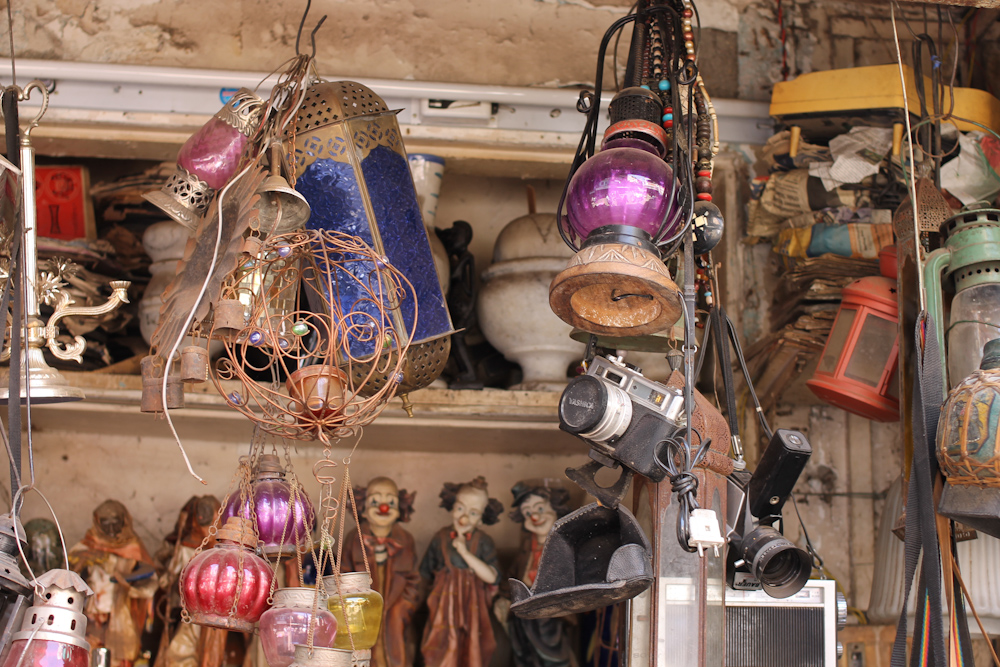
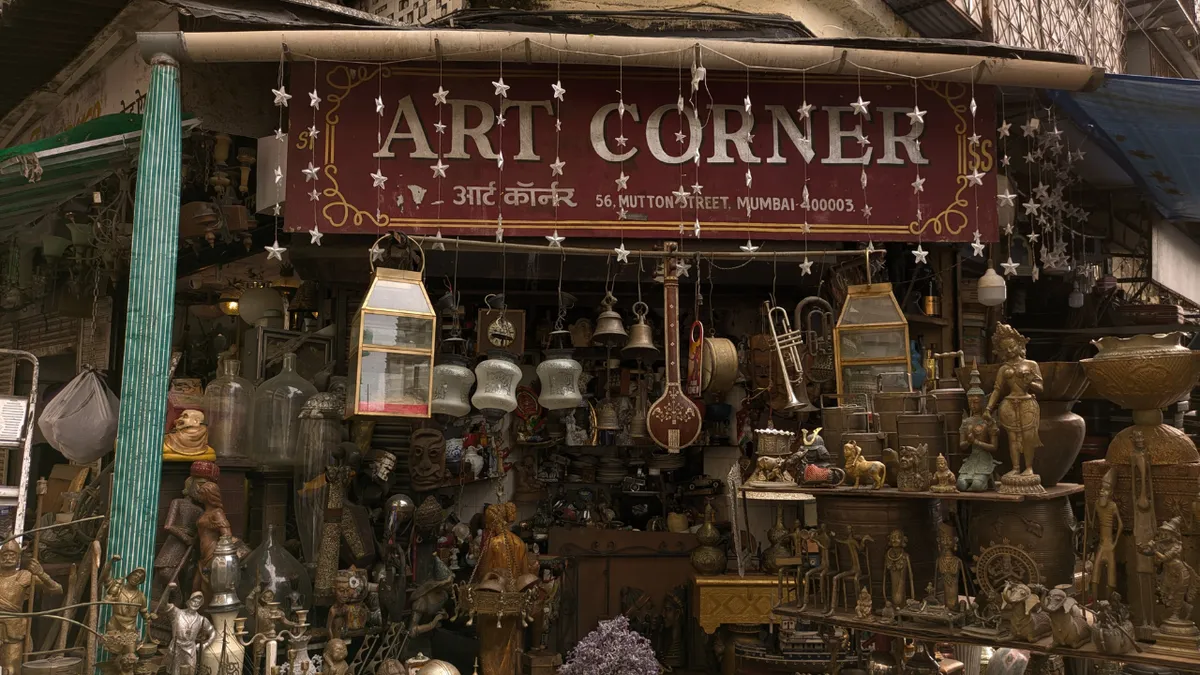
Chor Bazaar is famous for variety and unpredictability. You can find antique furniture, brassware, old clocks, film posters, vintage cameras, gramophones, decorative pieces, automotive components, and repairable second-hand items. Some shops specialize deeply; others work as mixed-curio spaces where inventory changes often.
The market is also famous for bargaining tradition. First quotes are rarely final, and shoppers who compare multiple stores usually get better value. It is a market where product knowledge matters as much as negotiation skill.
History: From Shor to Chor
A widely repeated story says the market was originally called “Shor Bazaar” (noisy market), and British pronunciation turned it into “Chor Bazaar.” Over time, the thieves-market nickname became culturally fixed. Historic references also describe the area as an old second-hand trade hub where reused and repaired goods circulated long before modern recycling discussions.
Today, Chor Bazaar is better understood as a legacy resale and restoration ecosystem rather than a place defined by myths. Many traders run long-standing businesses with specialized knowledge in old objects and restoration work.
| Historical Theme | Current Relevance |
|---|---|
| “Shor” to “Chor” naming narrative | Part of market identity and tourism curiosity |
| Second-hand goods economy | Still central to trade model |
| Repair and restoration culture | Keeps vintage objects usable and collectible |
What to Buy at Chor Bazaar Mumbai
Buy strategy should match your purpose: decor, collectibles, practical reuse, or nostalgia items. Not every stall offers true antiques, and condition varies widely. Inspect carefully before buying, especially for electronics, clocks, instruments, and wood furniture.
Popular Categories
- Antique-look decor: lamps, mirrors, brass accents, carved items.
- Vintage media and posters: old Bollywood prints and memorabilia.
- Furniture pieces: restored or restorable chairs, trunks, cabinets.
- Mechanical objects: clocks, instruments, old cameras (condition-sensitive).
- Automotive and hardware parts: niche sourcing for enthusiasts.
| Buyer Type | Best Purchase Focus | Risk Level |
|---|---|---|
| Home decor shopper | Brass, lighting, carved items | Low to moderate |
| Collector | Verified vintage objects | Moderate (authenticity check needed) |
| DIY restorer | Repairable furniture/mechanical goods | Moderate to high |
| Souvenir hunter | Small curio and poster pieces | Low |
Bargaining Tips That Actually Work
Bargaining is expected here, but effective negotiation is calm and informed. Start by scanning similar items across at least three shops. Ask condition questions before discussing final price. If you are uncertain about authenticity, do not pay premium rates just because the object looks old.
Avoid aggressive bargaining behavior. Respectful negotiation often gets better results, especially with experienced traders who can quickly identify serious buyers.
- Compare price and condition before first offer.
- Offer lower but realistic counter-prices.
- Bundle multiple items for better rates.
- Carry cash and digital options for flexibility.
- Walk away politely if pricing feels inflated.
Chor Bazaar Timings and Best Day to Visit
Published timings across travel websites commonly mention roughly late-morning to evening windows on regular days, with Friday-specific market behavior in nearby lanes (often referenced as early Jumma market activity and partial closures in some sections). Because this is an old market ecosystem with shop-level variation, exact open/close can differ by lane and trader.
For first-time visitors, weekday late morning is usually easiest for comfortable browsing. Fridays can be culturally interesting but need better local confirmation due to variable operating patterns.
| Visit Slot | Typical Experience | Recommendation |
|---|---|---|
| Weekday late morning | Steady shop opening, lower rush | Best for serious browsing |
| Weekday afternoon | Moderate crowd, active bargaining | Good for general shopping |
| Friday early market context | Lane-specific variation | Go only with updated local info |
| Weekend peak | Heavier crowd and slower movement | Arrive earlier for better pace |
How to Reach Chor Bazaar
Local train plus short walk/taxi remains the most practical option. Travel sources generally reference Grant Road and nearby South Mumbai stations as convenient drop points. Driving is possible but parking and lane navigation can be difficult, especially in peak market hours.
If you are visiting with family or carrying purchased items, book a return cab in advance. This avoids last-minute pickup stress in congested lanes.
| Mode | Best For | Limitation |
|---|---|---|
| Local train + short transfer | Fastest city access | Crowded in peak commute hours |
| Taxi/ride-hailing | Doorstep convenience | Traffic and pickup delays |
| Self-drive | Flexible schedule | Parking difficulty in market zone |
Is Chor Bazaar Safe for Tourists?
Yes, it is generally manageable for visitors who follow basic urban market precautions. The area is crowded and lane-dense, so keep valuables secure and avoid displaying expensive gadgets while negotiating. If you are shopping high-value antiques, ask for written contact details and basic purchase notes from the seller.
Solo travelers can visit safely in daytime with normal awareness. For first visits, avoid very late hours and prefer active market windows.
Nearby Places to Combine in One Route
Chor Bazaar is ideal as part of a South Mumbai old-city circuit. You can combine shopping, food, and heritage stops in one structured route without long cross-city travel.
| Nearby Place | Why Combine | Trip Flow |
|---|---|---|
| Crawford Market | Classic market contrast and produce trade vibe | Morning Crawford, then Chor Bazaar |
| CSMT | UNESCO architecture and easy transit anchor | Heritage stop before market visit |
| Mohammed Ali Road | Strong food experience after shopping | Evening food closeout |
| Marine Drive | Calm sunset wind-down after crowded lanes | Late evening relaxation |
Sample 5-Hour Chor Bazaar Plan
| Time | Suggested Plan |
|---|---|
| 10:30 to 11:00 | Arrival, lane orientation, shortlist categories |
| 11:00 to 13:00 | Primary shopping and price comparison |
| 13:00 to 14:00 | Lunch break and purchase review |
| 14:00 to 15:30 | Final negotiations and selected buys |
| 15:30 onward | Exit to nearby food/heritage stop |
Authenticity Check and Budget Control Framework
Chor Bazaar rewards informed buyers. If you are purchasing high-value items like vintage clocks, brass pieces, furniture, or rare collectibles, do not rely only on verbal claims. Ask practical questions: age estimate, restoration done, replaced parts, working condition, and whether any proof of origin is available. Not every seller will provide documentation, but serious questions often reveal how confident a vendor is about the item.
Set a two-layer budget before entering: one fixed budget for planned purchases and a smaller “discovery budget” for unexpected finds. This prevents overspending in impulse-heavy lanes. For high-ticket buys, photograph the item, compare nearby shops, and return after a second look instead of paying immediately.
| Item Type | What to Verify | Decision Rule |
|---|---|---|
| Furniture | Wood condition, repairs, transport feasibility | Buy only after structural check |
| Mechanical/vintage devices | Working status and part replacement history | Prefer tested pieces or lower your offer |
| Decor and curios | Material quality and finish consistency | Compare across 2-3 shops first |
| Collectibles | Rarity claim versus market availability | Avoid premium price without confidence |
Family and First-Time Visitor Tips
If you are visiting with family, especially elders or children, keep walking distance and heat tolerance in mind. Market lanes can become crowded and slow-moving. Plan short breaks, hydrate regularly, and avoid carrying too many bags while navigating narrow streets.
First-time visitors should focus on one or two purchase categories instead of trying to inspect everything. A narrow objective saves time and reduces decision fatigue. If you want only the experience, do a 2-hour walk, take photos in permitted zones, and exit toward food and heritage spots in South Mumbai.
- Wear closed, comfortable shoes for uneven lane surfaces.
- Keep hands free by using one compact crossbody bag.
- Visit before peak afternoon heat where possible.
- Use digital notes to track quoted prices by shop.
Common Mistakes to Avoid
- Buying without checking item condition thoroughly.
- Assuming every old-looking object is a true antique.
- Skipping comparison and paying first quoted price.
- Arriving with no cash or no transport exit plan.
- Visiting peak time without hydration or comfort prep.
Small planning habits can significantly improve both value and safety.
Conclusion
Chor Bazaar Mumbai remains one of India’s most distinctive urban markets for collectors, curious travelers, and bargain-focused shoppers. Its strength is variety, character, and the thrill of finding unusual objects in a living old-city trade environment.
Go with realistic expectations, verify timings locally, bargain respectfully, and combine nearby South Mumbai stops for a complete experience. With the right approach, Chor Bazaar can be one of the most memorable market visits in Mumbai.
Location
Frequently Asked Questions
Q1.What are the opening timings of Chor Bazaar Mumbai?
Q2.What is the best day to visit Chor Bazaar?
Q3.Where is Chor Bazaar located in Mumbai?
Q4.How far is Chor Bazaar from CSMT?
Q5.What can I buy at Chor Bazaar Mumbai?
Q6.Is bargaining allowed at Chor Bazaar?
Q7.Is Chor Bazaar safe for tourists?
Q8.What should I be careful of at Chor Bazaar?
Recommended For You

Marine Drive Mumbai: Best Time, Walk Route & Night View
Plan your Marine Drive Mumbai visit with Queen's Necklace views, best timings, things to do, nearby attractions, and practical transport tips.
Mohammed Ali Road Mumbai: Street Food Trail, Timings & Best Stalls
Complete guide to Mohammed Ali Road Mumbai's legendary food street. Best Ramadan street food, famous restaurants, must-try dishes, timings & practical tips.
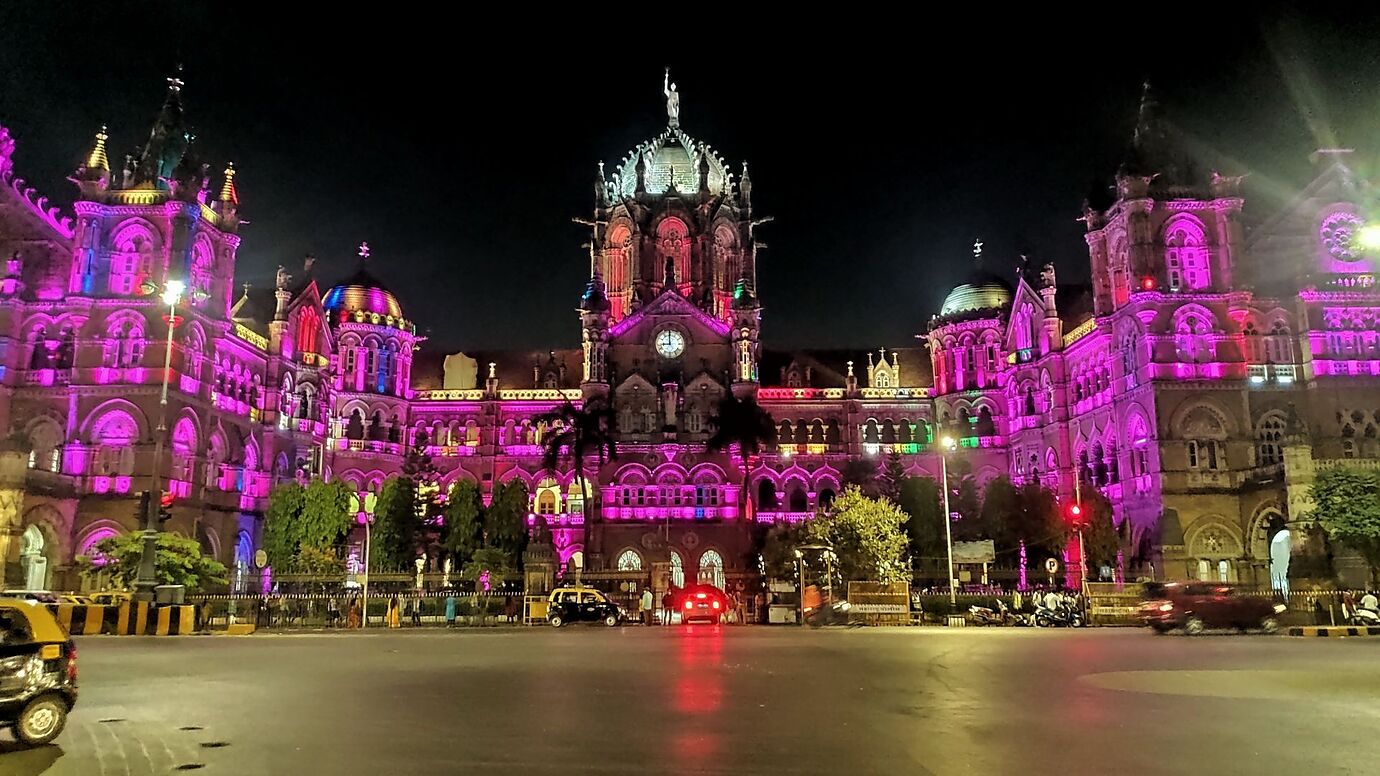
CSMT Mumbai: Complete Guide to Victoria Terminus Heritage Site
Discover Chhatrapati Shivaji Maharaj Terminus (CSMT), Mumbai's UNESCO World Heritage Site. Explore Victorian Gothic architecture & heritage gallery guide.
Never Miss an Adventure
Get the latest trekking guides, travel tips, and exclusive offers delivered straight to your inbox.
