
Mughal Gardens Kashmir: Complete Guide to 5 Gardens

Priya Mehta
December 26, 2025
Explore Mughal Gardens in Srinagar - Shalimar, Nishat, Chashme Shahi & more. Timings, entry fee, best time & travel guide.
Introduction: Kashmir's Persian Paradise
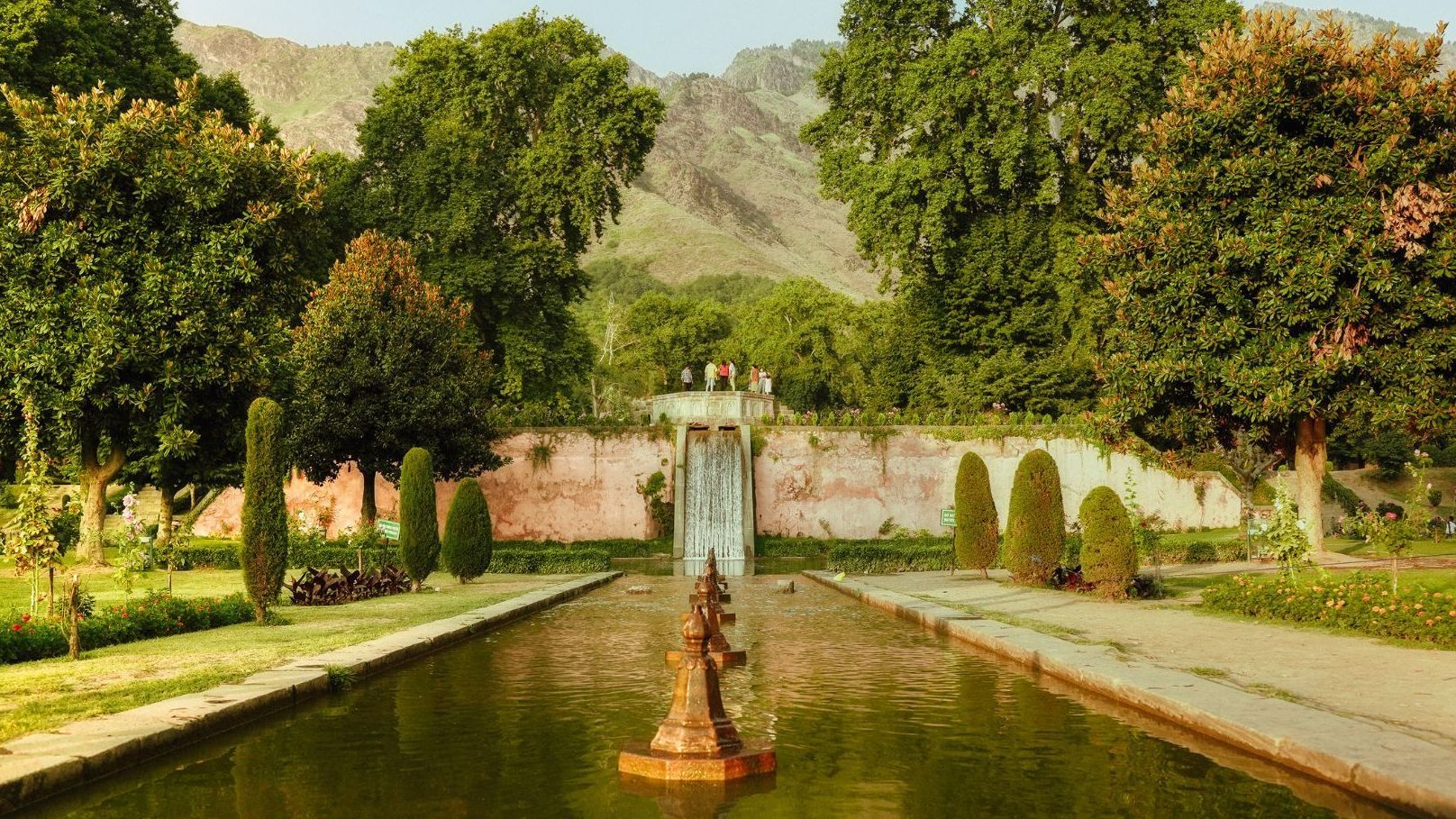
Nestled in the lap of the Himalayas, Kashmir is famously called Paradise on Earth, and nowhere is this more evident than in its magnificent Mughal Gardens. Built by the Mughal emperors between the 16th and 17th centuries, these gardens are a testament to Persian architectural elegance blended with Kashmir's natural beauty. With their terraced layouts, cascading fountains, vibrant flower beds, and stunning views of Dal Lake, the Mughal Gardens of Srinagar offer an experience unlike anywhere else in India.
The Mughals, known for their love of gardens and water features, found in Kashmir the perfect canvas for their horticultural artistry. Unlike the gardens in Agra or Delhi, which were built in the plains, Kashmir's Mughal Gardens were carved into hillsides and designed to embrace the valley's natural topography. The result is a series of gardens that seem to flow with the landscape, each with its own character and charm.
For travelers visiting Srinagar, the Mughal Gardens are not just attractions—they're an essential part of understanding Kashmir's cultural and historical heritage. Walking through these gardens, you're walking in the footsteps of emperors who once ruled this land, experiencing the same peace and beauty that captivated them centuries ago.
About Mughal Gardens
The Mughal Gardens of Kashmir represent the pinnacle of Persian garden design adapted to the Himalayan landscape. These gardens follow the traditional charbagh (four gardens) layout, divided into four parts by water channels representing the four rivers of Paradise described in the Quran. The symmetry, geometry, and balance of this design are hallmarks of Mughal aesthetics.
What makes Kashmir's Mughal Gardens unique is their terraced structure. Unlike the flat gardens of other Mughal capitals, Kashmir's gardens are built on multiple levels, each connected by stone staircases and flowing water. This terracing allows for spectacular views and creates a sense of unfolding discovery as you ascend from one level to the next.
The gardens are built around three essential elements: water, stone, and plants. Elaborate fountains, waterfalls, and channels provide constant movement and soothing sound. Stone pathways, pavilions, and walls create structure and permanence. And the plants—seasonal flowers, fruit trees, majestic chinar trees—provide color, fragrance, and seasonal variety.
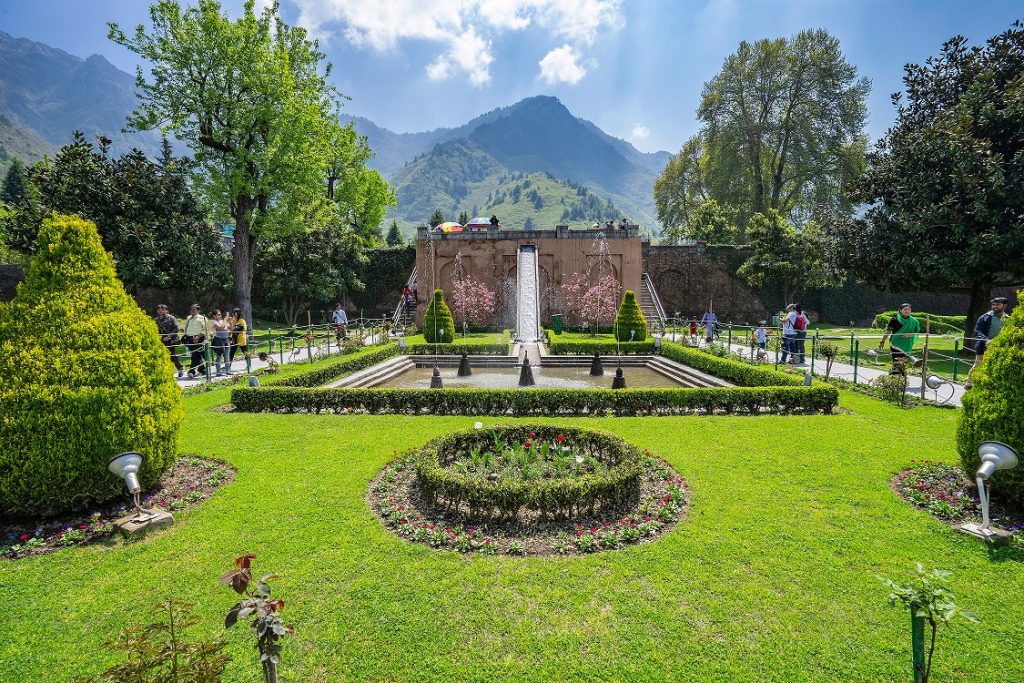
While there were once over 20 Mughal Gardens in the Kashmir Valley, five major ones remain today and are open to visitors: Shalimar Bagh, Nishat Bagh, Chashme Shahi, Pari Mahal, and Achabal Garden. Each has its own history, design, and atmosphere, making them collectively a rich destination for garden enthusiasts, history buffs, and anyone seeking beauty and tranquility.
Best Time to Visit
The beauty of Mughal Gardens changes with the seasons, each offering a different experience. The best time to visit depends on what you want to see and how comfortable you are with different weather conditions.
Spring (March-May): This is arguably the most beautiful time to visit the Mughal Gardens. Spring brings a riot of color as tulips, roses, and other seasonal flowers burst into bloom. The famous tulip garden (Indira Gandhi Memorial Tulip Garden) nearby is at its peak, adding to the floral splendor. The weather is pleasant, with daytime temperatures in the 15-20°C range, making it ideal for leisurely walks and photography.
Summer (June-August): Summer sees the gardens at their greenest. The chinar trees are lush, lawns are carpeted in green, and water features provide refreshing relief from the heat. While daytime temperatures can reach 30°C, the gardens remain relatively cool due to the shade from trees and the cooling effect of fountains. This is peak tourist season, so expect more visitors.
Autumn (September-November): Autumn transforms the gardens as the iconic chinar trees turn golden and crimson. The contrast of the red leaves against the blue sky and green lawns creates a stunning visual display. The weather is again pleasant, similar to spring, and crowds are thinner than in summer. This is the photographer's favorite season, with the golden light of October creating magical scenes.
Winter (December-February): Winter is the quietest season for the gardens. Many plants are dormant, and snowfall often blankets the gardens in white. While not the best time for floral displays, the gardens have a serene, almost mystical quality in winter. The bare branches of chinar trees against the snow create stark, beautiful patterns. Visit if you want to experience the gardens in solitude and appreciate their structural beauty.
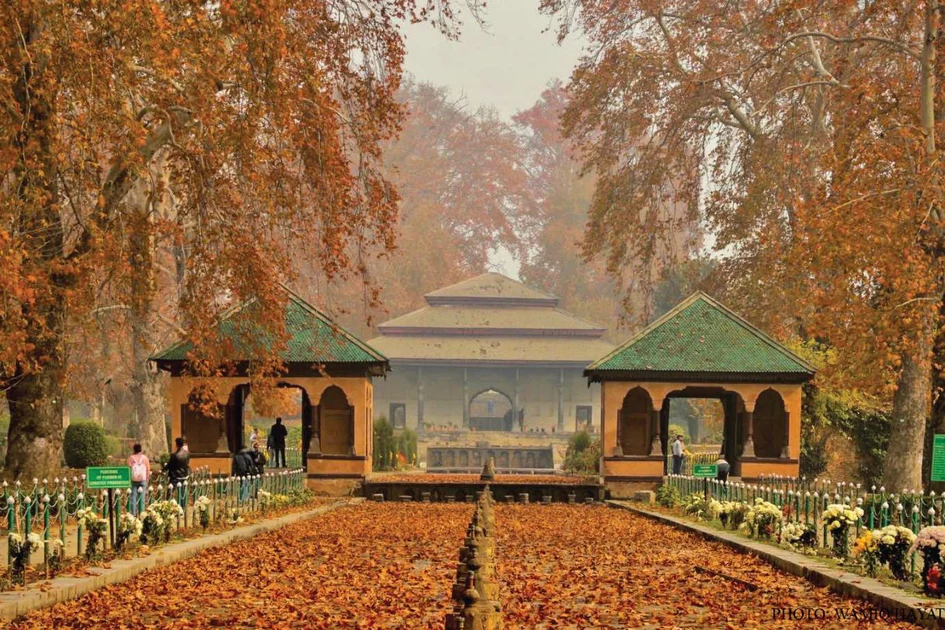
For most travelers, April-May (for flowers) and October (for chinar colors) are the optimal months. These periods offer the best combination of visual beauty, comfortable weather, and manageable crowd levels.
How to Reach & Timings
The Mughal Gardens are all located in and around Srinagar, making them easily accessible from anywhere in the city. The gardens are spread across the eastern and northeastern parts of Srinagar, with Shalimar and Nishat on the banks of Dal Lake, and Chashme Shahi on the foothills of the Zabarwan Range.
By Taxi: The most convenient way to visit the gardens is by hiring a taxi or auto-rickshaw for the day. Drivers know all the gardens well and can help you plan an efficient route to visit multiple gardens in one trip. Most gardens are 15-30 minutes from the city center by taxi.
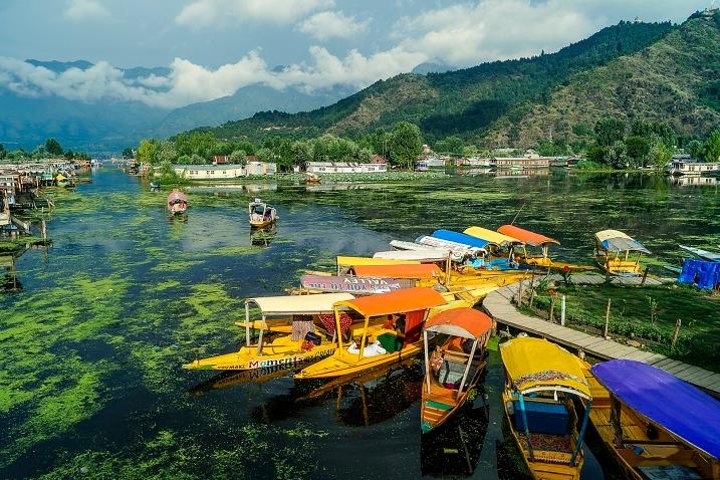
By Shikara: For a unique experience, you can visit Shalimar Bagh and Nishat Bagh by shikara (traditional Kashmiri boat). Arriving at the garden's lake gate by boat, stepping onto the stone landing, and walking up into the garden is a memorable approach. This is particularly beautiful at sunrise or sunset.
Walking: For those staying near Dal Lake, it's possible to walk to Shalimar and Nishat, though the distance is about 5-6 kilometers from the city center. The walk is pleasant along the lake shore but can be tiring in summer heat.
Timings: The Mughal Gardens are generally open from 9:00 AM to 7:00 PM in summer (April-October) and from 9:00 AM to 5:00 PM in winter (November-March). Friday is the weekly holiday for most gardens, so plan accordingly.
Entry Fee: The entry fee is nominal, typically ₹10-25 per garden for Indian adults and higher for foreign tourists. Children and senior citizens often have discounted or free entry. Fees can change, so check current rates at the ticket counter.
Best Visiting Time: Early morning (9:00-11:00 AM) and late afternoon (4:00-7:00 PM) are the best times to visit. The lighting is softer, the temperature is cooler, and the gardens are less crowded. Midday can be uncomfortably hot and crowded in summer.
Shalimar Bagh - The Abode of Love
Shalimar Bagh is the largest and perhaps the most famous of Kashmir's Mughal Gardens. Located on the right bank of Dal Lake, this garden was built by Emperor Jahangir in 1619 for his beloved wife, Nur Jahan. The name "Shalimar" means "Abode of Love," reflecting its romantic purpose.
The garden is built on three terraces, each with its own character and function. The first terrace, the Diwan-i-Aam (Public Hall), was where Jahangir held court for common people. The second terrace, the Diwan-i-Khas (Private Hall), was reserved for private meetings. The third terrace, the most elevated, was the women's quarters, reserved for the emperor's family and court ladies.
Water is the soul of Shalimar Bagh. A central channel with fountains runs through all three terraces, connecting them in a continuous flow. The sound of water—the gentle splashing of fountains, the murmur of channels—is constant and soothing. The highest terrace features a black stone pavilion, which offers stunning views of Dal Lake and the surrounding mountains.
Shalimar Bagh is famous for its chinar trees, which were planted by Nur Jahan herself. These massive trees, some centuries old, create a canopy of shade and turn magnificent shades of red and gold in autumn. The garden's flower beds, arranged in geometric patterns, burst with seasonal blooms including roses, lilies, and tulips in spring.
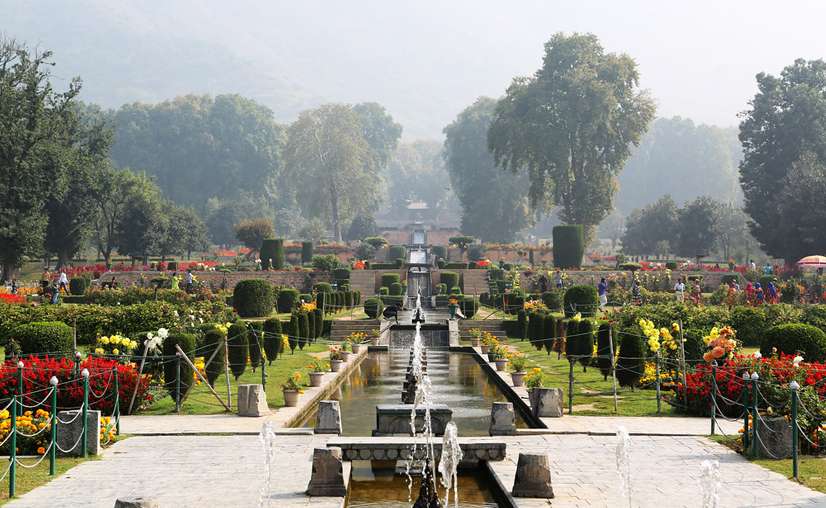
Visiting Shalimar Bagh is like stepping into a Mughal miniature painting. The symmetry, the water features, the flowers, and the pavilions create a scene that has changed little in four centuries. It's not hard to imagine the emperor and his court walking these same pathways, admiring the same views, seeking the same peace and beauty.
Highlights: Three terraces, Diwan-i-Aam, Diwan-i-Khas, black stone pavilion, chinar trees, Dal Lake views, night lighting.
Best For: History enthusiasts, couples, sunset views, photography.
Nishat Bagh - The Garden of Bliss
Nishat Bagh, meaning "Garden of Joy" or "Garden of Bliss," is the second largest Mughal Garden in Srinagar. Located on the eastern shore of Dal Lake, opposite the mountain range, it was built by Asaf Khan, Nur Jahan's brother, in 1633. The garden offers some of the best views of the Dal Lake and the surrounding Zabarwan Range.
Unlike Shalimar Bagh, which has a central pavilion, Nishat Bagh has no central structure. This is said to be because Asaf Khan, despite being the emperor's brother-in-law, was not allowed to build a pavilion that might rival the emperor's. Instead, the garden's layout is more open, with the focus being the terraces and the lake views.
Nishat Bagh has twelve terraces, each representing one of the signs of the zodiac. The terraces descend from the main gate to the lake, connected by stone staircases and central water channel. Each level offers a different perspective—looking up at the higher terraces, or looking down toward the shimmering Dal Lake.
The water features at Nishat Bagh are elaborate. A central channel with hundreds of fountains runs the length of the garden. At night, these fountains are sometimes illuminated, creating a magical display of water and light. The water channels feed smaller pools and cascades, adding variety to the water experience.
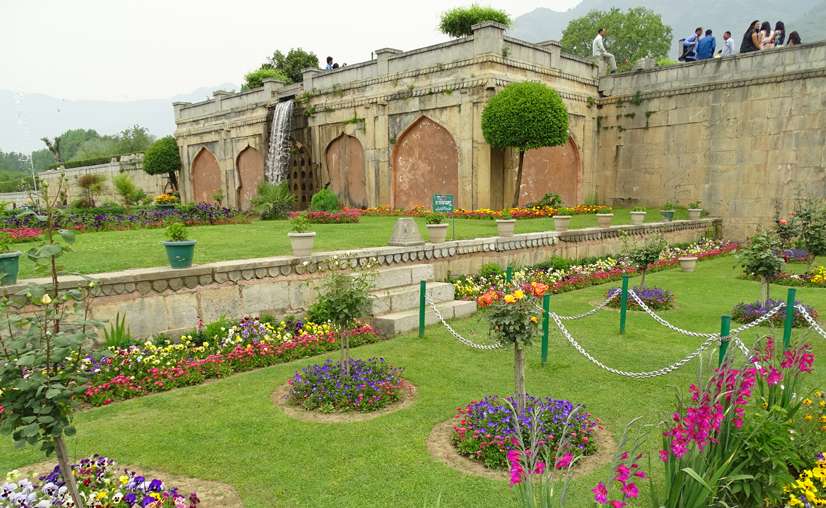
The flower beds at Nishat Bagh are particularly extensive, covering large areas in colorful arrangements. The garden is famous for its roses, which bloom profusely in summer, filling the air with fragrance. The Persian lilac, another specialty, adds purple clusters to the spring display.
What makes Nishat Bagh special is its setting. The garden seems to spill into Dal Lake, with the lowest terrace ending at the water's edge. From the upper terraces, the view encompasses the entire lake, with shikaras gliding and houseboats floating—a living scene that changes with the light.
Highlights: Twelve terraces, Dal Lake views, extensive flower beds, hundreds of fountains, Persian lilac, roses, no central pavilion.
Best For: Photography, lake views, flower enthusiasts, sunrise visits.
Chashme Shahi - The Royal Spring
Chashme Shahi, meaning "Royal Spring," is the smallest of the three main Mughal Gardens but perhaps the most elegant. Located at the foothills of the Zabarwan Range, it was built in 1632 by Shah Jahan, Jahangir's son and builder of the Taj Mahal.
The garden's name comes from a natural spring that feeds its water channels. Legend says that the water from this spring was so pure and refreshing that Shah Jahan, when visiting Kashmir, would drink from it. The spring's water is believed to have medicinal properties, and locals still collect it for drinking.
Chashme Shahi is built on three terraces, each ascending from the spring source. The garden is more intimate than Shalimar or Nishat, with narrower pathways and a more enclosed feeling. The stone work and water features here are particularly refined, reflecting the architectural sophistication of Shah Jahan's reign.
The garden's centerpiece is a beautiful aqueduct that carries water from the spring to the terraces below. The sound of flowing water is constant, and the channels feed several pools and fountains. The upper terrace features a small pavilion with excellent views of the garden below and Dal Lake beyond.
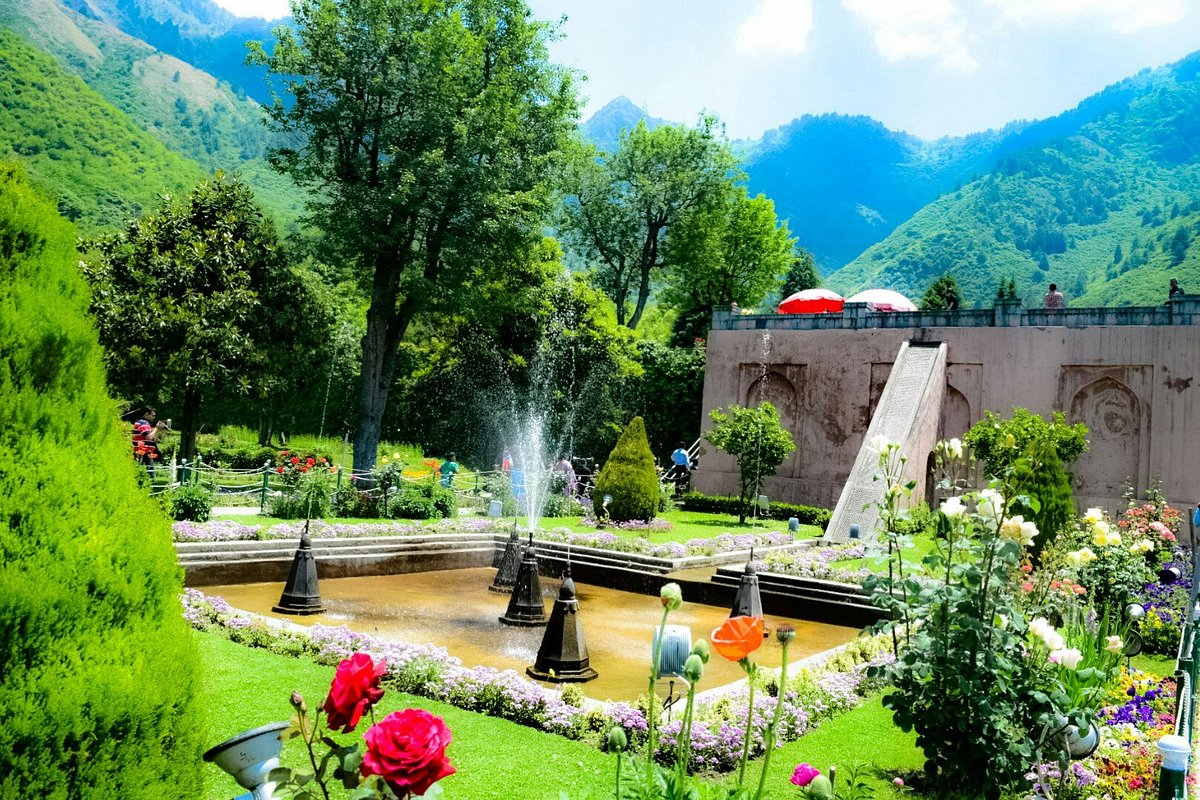
Chashme Shahi is also notable for its proximity to Pari Mahal (Fairies' Palace), the ruins of a Mughal garden perched on a hill above. Many visitors combine both attractions in one trip, walking up from Chashme Shahi to the Pari Mahal ruins for panoramic views of Srinagar.
The garden's smaller size makes it perfect for a quick visit—you can explore all three terraces in 30-45 minutes. It's also less crowded than the larger gardens, offering a more peaceful experience. The natural spring, combined with the elegant design, creates a tranquil atmosphere that's perfect for relaxation.
Highlights: Royal spring, three terraces, aqueduct, Shah Jahan's construction, Pari Mahal proximity, Dal Lake views.
Best For: Quick visits, spring water, intimate garden experience, combined with Pari Mahal visit.
Pari Mahal - Palace of Fairies
While not technically a Mughal Garden, Pari Mahal deserves mention in any guide to Mughal-era gardens in Kashmir. Located on a hill overlooking Chashme Shahi and Dal Lake, this was once a beautiful garden built by Dara Shikoh, Shah Jahan's eldest son.
The name "Pari Mahal" means "Palace of Fairies," derived from the belief that fairies (paris) once inhabited this place. According to legend, the garden was destroyed by Aurangzeb, who was jealous of his brother Dara Shikoh's beauty and learning. What remains today are ruins—stone walls, broken arches, and terraces—but the views are spectacular.
To reach Pari Mahal, you must climb a set of stone steps from Chashme Shahi. The walk takes about 15-20 minutes and is moderately steep. The effort is rewarded with 360-degree views of Srinagar, Dal Lake, and the surrounding mountains. At sunset, the view is particularly magical as the light casts golden hues over the lake and city.
The ruins themselves are atmospheric. Stone platforms that once held pavilions, terraces that cascaded down the hill, and the remains of water channels all hint at the garden's former grandeur. Photographers love the contrast between the ancient stone ruins and the vibrant modern city below.
Pari Mahal is also a peaceful retreat, away from the crowds of the main Mughal Gardens. Many locals come here in the evening to relax and enjoy the view. It's particularly popular with young people and couples who appreciate the romantic setting and solitude.
Highlights: Hilltop location, 360-degree views, sunset viewing, ancient ruins, connection to Dara Shikoh, romantic setting.
Best For: Views, photography, sunset, history, couples.
Achabal Garden - The Terrace Garden
Achabal Garden, located about 60 kilometers from Srinagar in the Anantnag district, is one of Kashmir's lesser-known Mughal gardens but deserves mention for its unique features. Built in 1620 by Nur Jahan's father, Itmad-ud-Daulah, it's famous for its natural spring source and terraced design.
The garden is built around a massive spring that feeds a series of channels, pools, and fountains. The water volume from this spring is impressive, creating powerful fountains and cascading waterfalls that flow through the garden. The sound of water is continuous and thunderous in places, creating a unique sensory experience.
Achabal Garden has seven terraces, each with its own character. The terraces descend from the spring source at the top, with beautifully designed water features at each level. The garden's architecture includes several pavilions and stone benches, perfect for sitting and enjoying the view.
What sets Achabal apart is its remote location. Being further from Srinagar, it receives fewer tourists, offering a more authentic and peaceful experience. The surrounding countryside is beautiful, with orchards, fields, and mountains providing a scenic backdrop.
For travelers with extra time in Kashmir, Achabal Garden makes for an excellent day trip. The journey there itself is scenic, passing through rural Kashmir and offering glimpses of village life. The garden's tranquility and powerful water features make it worth the drive.
Highlights: Natural spring, seven terraces, powerful fountains, remote location, rural scenery, fewer crowds.
Best For: Day trip from Srinagar, nature lovers, water feature enthusiasts, avoiding crowds.
Conclusion
The Mughal Gardens of Kashmir are more than just tourist attractions—they're living museums of a glorious past, testaments to the intersection of Persian artistry and Kashmir's natural beauty, and havens of peace in a busy world. Whether you're a history buff, a garden enthusiast, a photographer, or simply someone who appreciates beauty, these gardens offer something meaningful.
From the imperial grandeur of Shalimar Bagh to the elegant simplicity of Chashme Shahi, from the lake-view terraces of Nishat Bagh to the hilltop ruins of Pari Mahal, each garden has its own story and atmosphere. Together, they provide a comprehensive experience of Kashmir's Mughal heritage.
For visitors to Srinagar, the Mughal Gardens should be a priority. They complement other attractions like Dal Lake houseboat stays, the hilltop views at Pari Mahal, and the best seasons to explore Kashmir. The gardens provide a cultural and historical dimension to a trip that might otherwise focus on lakes, mountains, and adventure.
So the next time you're in Srinagar, take a day to explore these gardens. Walk the pathways where emperors once walked. Sit by the fountains that have soothed centuries of visitors. Admire the chinar trees that have stood witness to history. And let the peace and beauty of the Mughal Gardens restore your spirit.
The Paradise on Earth has its most beautiful corners, and the Mughal Gardens are certainly among them.
Location
Frequently Asked Questions
Q1.What are Mughal Gardens timings?
Q2.What is Mughal Gardens entry fee?
Q3.How many Mughal Gardens are in Srinagar?
Q4.Which is the best Mughal Garden in Srinagar?
Q5.Can we visit Mughal Gardens in winter?
Q6.How much time to spend at each garden?
Q7.How do I reach Mughal Gardens?
Q8.Are Mughal Gardens open on Friday?
Recommended For You
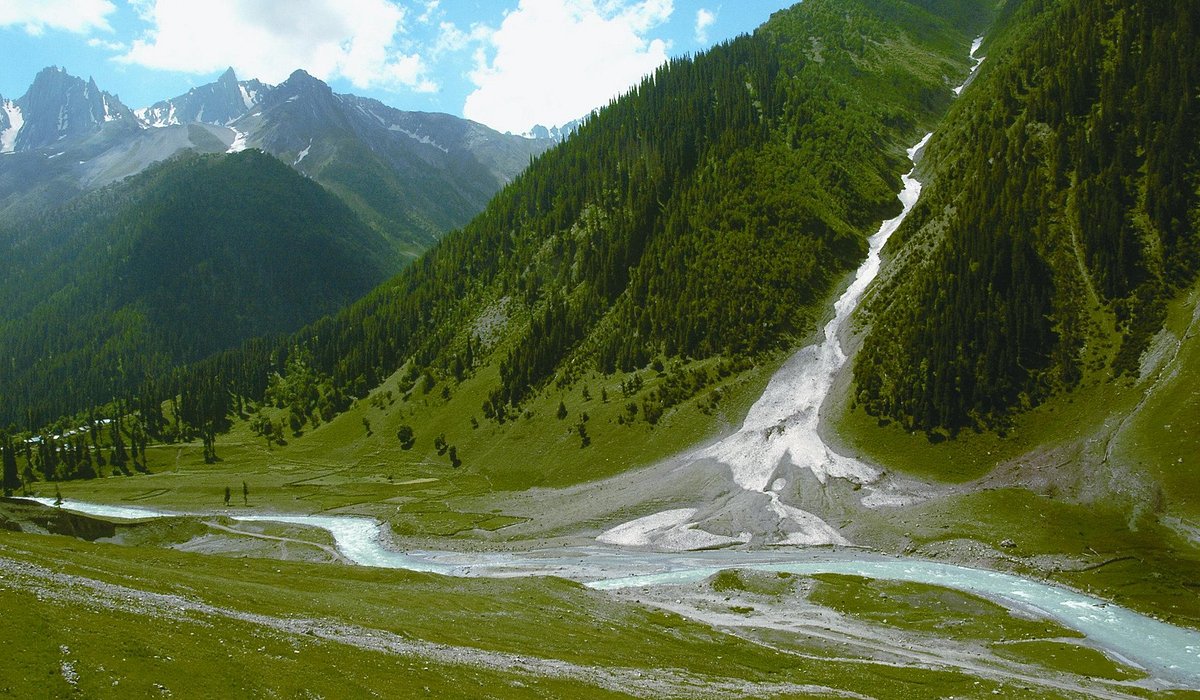
Best Places to Visit Kashmir: Complete Travel Guide 2026
Explore the best places to visit Kashmir including Srinagar Dal Lake, Gulmarg skiing, Pahalgam valleys, and complete travel guide.
Best Time to Visit Kashmir: Month-by-Month Weather & Activities
Plan the best time to visit Kashmir with month-by-month weather, snow and bloom seasons, and practical guidance for sightseeing, honeymoon, and family travel.
Dal Lake Srinagar: Shikara Rides, Houseboats & Stay Planning
Plan your Dal Lake Srinagar visit with practical shikara timing, houseboat stay tips, nearby attractions, and route-smart travel advice. Experience the jewel of Kashmir with our comprehensive guide.
Never Miss an Adventure
Get the latest trekking guides, travel tips, and exclusive offers delivered straight to your inbox.
