
Munda Pahad Beach Andaman: Trek Route, Sunset Spot & Safety Notes

Ananya Sharma
February 18, 2026
Plan Munda Pahad Beach Andaman with trek basics, sunset timing strategy, and practical coastal safety tips.
Munda Pahad Beach Andaman: Trek, Sunset, and Safety Planning
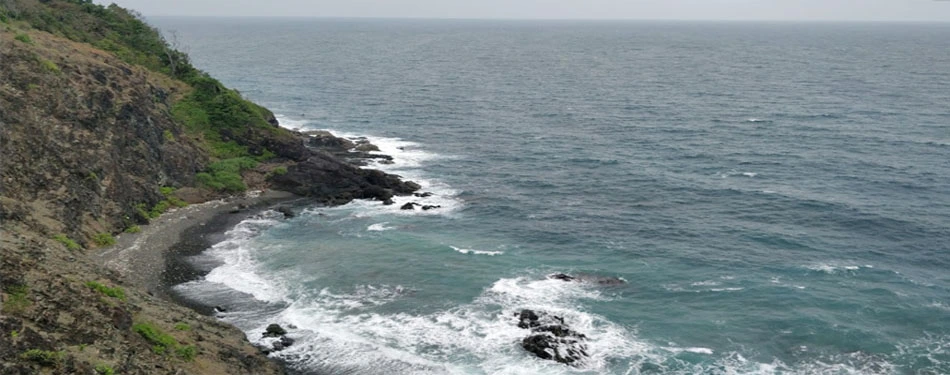
Munda Pahad near Chidiya Tapu is one of the most rewarding nature-side coastal experiences around Port Blair for travelers who like a mix of trail movement and sea-view payoff. It is not a conventional swimming-first beach destination. Instead, it is valued for dramatic evening light, forest-to-coast transitions, and a viewpoint-oriented atmosphere. If you arrive with that expectation, the place delivers. If you expect a standard leisure beach with full facilities, you may feel unprepared.
The route is popular but still needs planning. Daylight timing, trail pacing, and return logistics are critical because the best visuals happen around sunset, when movement conditions also become riskier. For broader route building, combine this page with Chidiya Tapu Andaman, Wandoor Beach Andaman, and Andaman travel tips.
Why Munda Pahad Is Different from Other Andaman Beaches
Many Andaman beaches are chosen for soft sand relaxation and water activity. Munda Pahad is different because the main attraction is the combined land-and-sea landscape. Forest path sections, rocky edges, and elevated sea views create a more adventurous format. This is ideal for travelers who enjoy short exploration with a strong visual finish.
Because of this terrain profile, Munda Pahad should be treated as a nature trail destination with coastal scenery, not as a casual late-evening walk spot. The area rewards careful timing and route awareness. The goal is to reach key viewpoints safely, enjoy the light window, and return without rushing through dark segments.
Best Time to Visit and Day Structure
Late afternoon is usually preferred because sunset is the strongest highlight. However, this does not mean arriving late. Plan to reach the area with enough daylight to settle, assess trail conditions, and move at a calm pace. A rushed arrival close to sunset increases risk and reduces experience quality.
Morning visits can work for lower heat and easier trail movement, but you will miss the signature evening glow. If sunset is your target, keep the full second half of your day light and avoid exhausting activities beforehand. Energy management matters for safe trail and return movement.
| Visit Goal | Best Window | Planning Priority |
|---|---|---|
| Sunset viewpoint | Late afternoon | Arrive early and lock return transport |
| Trail walk | Morning/afternoon | Footwear, hydration, and daylight |
| Photography | Golden hour | Stay in safe, stable sections |
Munda Pahad Trek Snapshot
The trail is usually manageable for fit travelers, but surface condition changes with weather and season. Humidity, slippery patches, and uneven ground can slow movement significantly. Do not estimate timing based on ideal-condition videos. Use local same-day input from drivers or guides before starting.
A useful trekking approach is steady pace with planned pauses instead of speed. Carry water, avoid heavy luggage, and keep your group close in lower-visibility sections. If anyone in your group is uncomfortable with uneven terrain, shorten the route rather than forcing a full stretch. Safety should always override destination pressure.
- Start with adequate daylight, not at last-minute sunset rush.
- Wear shoes with grip suitable for mixed trail texture.
- Avoid unstable cliff edges for photos.
- Keep a clear turnaround time before darkness deepens.
- Coordinate regroup points if your group separates briefly.
Sunset Experience and Photo Planning
Munda Pahad sunset sessions are popular because the sky and sea horizon often create deep contrast with surrounding forest silhouette. The best experience usually comes from one stable viewing point rather than hopping constantly for angles. Choose your frame area early and let the light evolve.
For photos, prioritize stability and safety over risky compositions near edges. The memory quality of the visit comes from the setting itself, not from extreme angle attempts. If conditions look uncertain, step back and shoot wider. Responsible photography protects both your trip and other visitors around you.

Wildlife and Coastal Safety Notes
Chidiya Tapu-side routes can include advisories related to wildlife and tidal caution in some sections. Always respect local notices and do not treat warnings as optional. Munda Pahad is not the place for uninformed swimming attempts, especially in unfamiliar or rocky stretches.
Even if the sea looks calm, entry decisions should follow official safety context, not visual guesswork. Families and mixed groups should keep children under direct supervision throughout the visit. The area is rewarding when approached as a controlled nature experience.
How to Reach from Port Blair
Most travelers approach via the Chidiya Tapu side from Port Blair by cab, two-wheeler, or arranged vehicle. Travel time varies with traffic and weather, so keep a buffer. If sunset is the goal, do not schedule tightly. Late departure from Port Blair can compromise both trail and viewpoint quality.
Fix your return plan before sunset viewing starts. Post-sunset transport decisions often become rushed and stressful, especially if multiple groups leave simultaneously. A pre-agreed pickup point and time can prevent confusion and support safer movement.
What to Carry
- Water and light snacks for the trail session.
- Grip footwear and breathable clothing.
- Insect protection and basic first-aid essentials.
- Phone torch or small backup light.
- Minimal bag setup for easy movement.
- Cash and phone protection for coastal humidity.

Common Mistakes to Avoid
- Treating Munda Pahad like a casual no-planning beach stop.
- Starting too late and rushing through trail sections.
- Ignoring local advisories about terrain or wildlife.
- Taking risky photos from unstable edges.
- Leaving return transport unconfirmed.
- Combining too many attractions before the trek.
Pre-Trek Checklist
Before starting, confirm weather, set a turnaround time, and keep one emergency contact informed about your route. This checklist takes only a minute but significantly improves safety for sunset-focused visits where visibility changes quickly.
Best Use of Limited Time
If you have only a short window, skip long detours and focus on one safe viewpoint plus a calm return. This gives you the strongest Munda Pahad experience with lower risk.
Final Takeaway
Munda Pahad Beach Andaman is a high-value scenic destination when approached with trek discipline and sunset timing clarity. Plan for daylight, respect safety notices, and keep return logistics fixed before you begin. With that approach, Munda Pahad becomes one of the most memorable and balanced adventure-coastal experiences around Port Blair. For the full list of South Andaman stops worth combining with Munda Pahad, see our our Andaman places-to-visit guide.
Location
Frequently Asked Questions
Q1.Where is Munda Pahad Beach located?
Q2.Is Munda Pahad trek difficult?
Q3.Can I swim at Munda Pahad Beach?
Q4.What is best time to visit?
Q5.How far is it from Port Blair?
Q6.Is it safe to stay until dark?
Q7.Can I combine Chidiya Tapu with Munda Pahad?
Q8.What should I carry?
Recommended For You
Places to Visit in Andaman: Islands, Beaches & Planning Tips
Explore the best places to visit in Andaman with island-wise highlights, beach picks, activity ideas, and practical route planning tips.
Andaman Islands: Best Time To Visit And Things To Do
Planning your dream Andaman Islands vacation? This comprehensive guide covers essential Andaman travel tips for first-timers including best time to visit, how many days required, permits, packing list, budget breakdown, ferry booking, safety guidelines, and practical advice. Get ready for the perfect island paradise getaway with our expert tips on Port Blair, Havelock, Neil Island, water activities, and more.
Aberdeen Bazaar Port Blair: Shopping Streets, Best Buys & Timings
Discover Aberdeen Bazaar Port Blair Andaman—the ultimate shopping destination featuring pearls, handicrafts, local cuisine & more. Complete guide with timing, tips & what to buy.
Never Miss an Adventure
Get the latest trekking guides, travel tips, and exclusive offers delivered straight to your inbox.
