
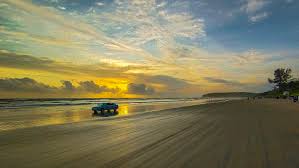
Muzhappilangad Beach Guide: India’s Drive-In Beach Route, Timing, and Local Tips

Priya Mehta
February 25, 2026
Use this practical Muzhappilangad Beach guide to plan timing, safe drive-in sections, food stops, and a smooth one-day Kerala coastal route.
Why Muzhappilangad Beach Is Different from Typical Kerala Beach Stops
Muzhappilangad Beach in Kannur district is known as India's longest drive-in beach, and that one feature changes how you plan the entire day. Instead of parking once and walking only the shoreline, you can map multiple activity pockets across a longer stretch with less backtracking. For families and mixed-age groups, this is especially useful because you can relocate quickly if one zone becomes crowded, windy, or less suitable for kids. If you are building a broader coastal circuit, pair this with Kerala beach planning, add a calmer sunset stop from Kovalam travel tips, and compare backwater pacing with Alleppey beach routes.
This beach works best when you treat it as a full experience block rather than a short photo halt. The coastline supports driving, swimming zones, quick water activities, and local food pauses. But like every open beach corridor, quality depends on timing, tide awareness, and simple safety decisions. Arrive with a route plan and you get a far better day than random weekend crowd navigation.

Best Time to Visit and How Timing Changes the Experience
Early morning and late afternoon are the most practical windows. Morning gives firmer sand in many sections, lower temperatures, and better driving comfort. Late afternoon offers softer light and a stronger atmosphere for leisure stays, but crowd levels usually increase on weekends and holidays. Midday visits can still work, but heat, glare, and lower walking comfort reduce the quality of long stays.
Seasonally, post-monsoon to winter is generally the most visitor-friendly period. During heavy rain phases, beach conditions can shift quickly and driving confidence drops for first-time visitors. Always prioritize local conditions over generic internet timing advice. A 20-minute check with nearby operators or locals before entering the main stretch can save both time and risk.
Driving on the Beach: Rules, Practical Safety, and Mistakes to Avoid
The drive-in label attracts many first-time visitors who overestimate what is safe on wet or uneven sand. The right approach is controlled speed, straight-line movement in stable sections, and no abrupt turns near water-soaked patches. Keep a steady lane logic and avoid showing off with sharp acceleration; this protects pedestrians and prevents tire sink issues.
If you are driving with children or elders, park first and scout the next section on foot before moving deeper. Identify where swimmers are concentrated and where activity providers are operating so you do not enter mixed-use lanes blindly. Leave enough gap from wave lines even during calm intervals because shoreline patterns can change quickly. These basic habits make beach driving smooth and responsible.

Swimming and Water Activity Planning
Muzhappilangad can be enjoyable for casual sea entry, but conditions vary by section and weather. Choose areas where local lifeguards or active crowd clusters indicate relatively safer movement. Avoid isolated entry points if you are unfamiliar with local currents. For children, keep play near shallow edges and rotate supervision actively instead of assuming one static watch is enough.
Water activities are often available seasonally, and pricing may vary by crowd and operator. Compare quickly, ask duration clearly, and confirm whether life jackets are included before paying. Do not compress every activity into one hour. A better day design uses shorter activity bursts with rest, hydration, and shade breaks in between.
Food Stops, Local Flavors, and Budget Strategy
One strength of this coastline is easy access to local stalls and small eateries around beach approaches. Instead of loading your itinerary with distant restaurant hops, you can structure meals around the beach day itself. Keep breakfast light, lunch functional, and one stronger evening meal in Kannur town if needed. This avoids travel fatigue and keeps the day flexible for weather changes.
Budgeting here is straightforward if planned by category: entry/parking, driving buffer fuel, activity spend, snacks, and one meal upgrade. Families usually overspend on scattered snacks because they skip meal anchors. Define fixed meal windows and use stalls for selective tasting, not continuous random ordering.

How to Reach Muzhappilangad and Build an Efficient Day Plan
Muzhappilangad is accessible from Kannur and nearby transport hubs by road. Most travelers use private vehicles or cabs for convenience, especially when carrying beach gear. If you are arriving by train into Kannur, plan transfer timing in advance during peak holiday windows. Last-mile wait times can increase if you arrive without a pre-booked ride.
For an efficient one-day structure, split your plan into three blocks: morning exploration and drive-in experience, midday rest and food, evening relaxation and sunset. This reduces decision fatigue and gives each segment a clear purpose. If your Kerala itinerary includes multiple coasts, sequence your days by travel direction to avoid repeated long transfers.
What to Pack for Comfort and Safety
Carry minimal but practical essentials: quick-dry clothing, sandals with grip, a change set, waterproof pouch for phones, and sufficient drinking water. Add sunscreen and a light cover-up because sea breeze can hide sun exposure intensity. If you plan to stay through sunset, keep a towel and dry layer ready so return travel is comfortable.
For photography, wide-angle shots work well here because of the shoreline breadth and vehicle lines. However, do not stand in active driving paths for low-angle frames. Use side positions and predictable movement zones. Beach safety and courtesy always come before content capture.

Sample One-Day Itinerary
08:00-09:00: Arrive, scan surface conditions, start short drive-in segment.
09:00-10:30: Park and beach walk with family-friendly photo stops.
10:30-11:30: Controlled swimming or light activity zone visit.
11:30-13:00: Food break and shade rest.
13:00-15:00: Flexible block for second drive section or relaxed downtime.
15:00-17:30: Sunset prep, final shoreline walk, evening photos.
After 17:30: Exit before heavy congestion and continue to city dinner.
Detailed Family and Group Planning Notes
If you are traveling as a family, break the beach day into predictable comfort cycles. Start with exploration while energy is high, then schedule shade and hydration before the midday heat builds. Children enjoy the beach more when activity windows are shorter and supervised actively rather than continuously. For mixed-age groups, designate one clear meeting point near your parked vehicle so members can regroup quickly if shoreline movement spreads out.
For friend groups, assign roles before arrival: one person handles parking and vehicle movement decisions, one tracks activity bookings, and one keeps water and first-aid essentials. This prevents small coordination delays that often waste the best low-crowd windows. If weather changes quickly, switch from water activities to a food-and-walk format rather than forcing original plans. Flexibility is the key difference between a stressful and a smooth coastal day at Muzhappilangad.
Parking, Cleanup, and Exit Strategy
Before leaving, spend ten minutes on an organized wrap-up. Repack wet and dry items separately, clear food waste responsibly, and check tire zones for loose sand before pulling out. This small routine prevents messy return travel and keeps the beach environment cleaner for the next visitors. If the exit lane looks crowded, wait briefly and leave in a smoother wave instead of forcing quick merges. A calm exit often saves more time than aggressive lane changes near peak evening flow.
Conclusion
Muzhappilangad Beach is one of those destinations where practical planning improves experience more than spending. Arrive early, drive responsibly, choose swim zones carefully, and structure meals and breaks with intent. That approach turns a crowded beach possibility into a balanced coastal day that works for solo travelers, couples, and families alike. If you are exploring broader India beach circuits, compare this drive-in format with destinations from Andaman winter travel to build a diverse and efficient beach itinerary.
Location
Frequently Asked Questions
Q1.Why is Muzhappilangad Beach famous?
Q2.What is the best time to visit Muzhappilangad?
Q3.Is driving on the beach safe for beginners?
Q4.Can families with children enjoy this beach?
Q5.How much time should I allocate?
Recommended For You

Goa: Complete Travel Plan Beaches And Weather
Complete Goa travel guide featuring beaches, North vs South Goa, water sports, Portuguese heritage, nightlife & practical tips.
Andaman in Winters: Weather, Island Planning, Activities, and Complete Trip Strategy
Plan Andaman in winters with practical island sequencing, ferry discipline, activity timing, and weather-aware buffers for a smoother trip.
Best Places to Visit in Karnataka: 2026 Travel Plan by Region
A practical Karnataka planning guide with top destination clusters, season-based strategy, route logic, itinerary frameworks, and travel execution tips.
Never Miss an Adventure
Get the latest trekking guides, travel tips, and exclusive offers delivered straight to your inbox.
