
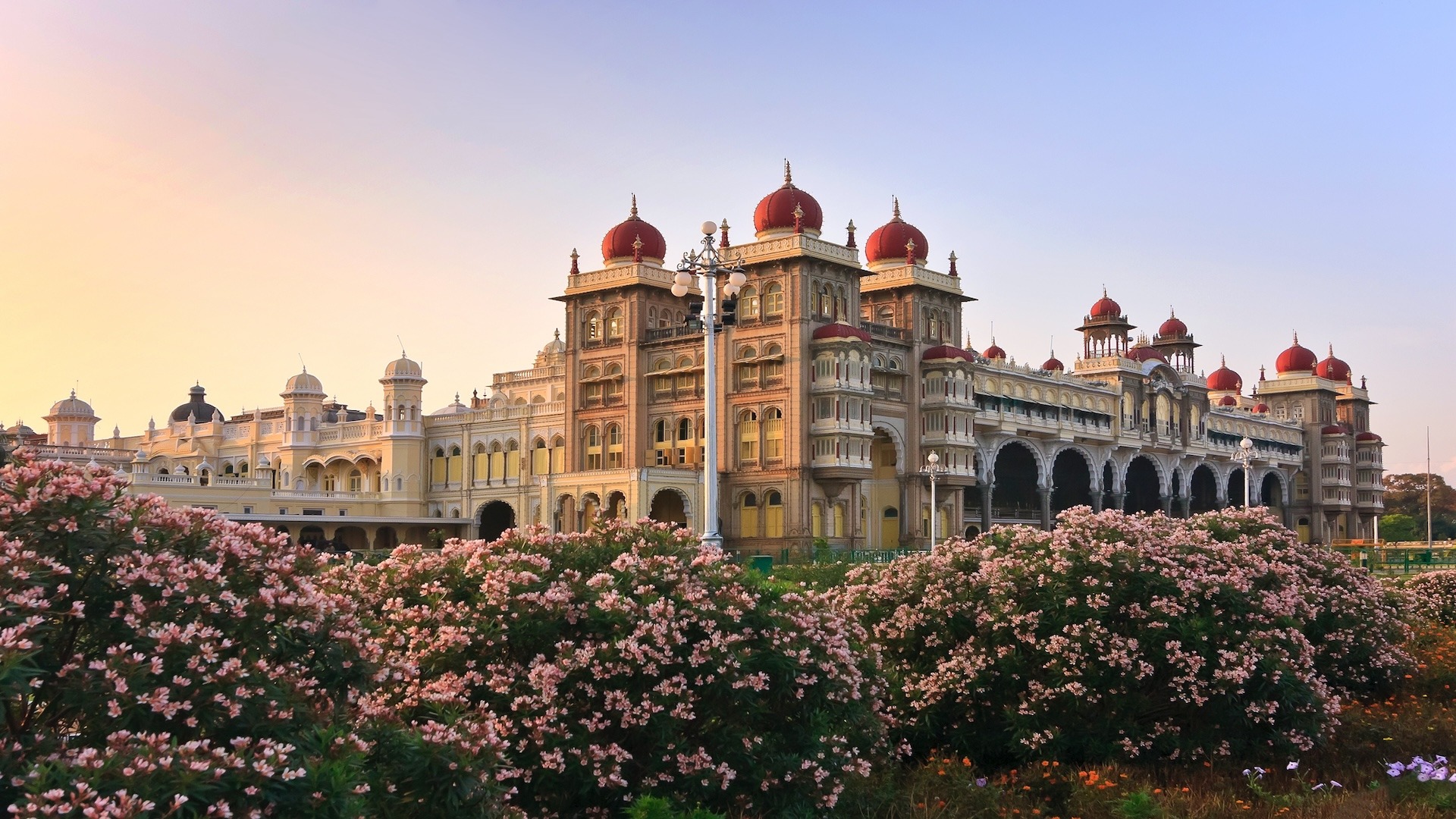
Mysore: Complete Travel Plan Places And Weather
Rohit Verma
February 20, 2026
Complete Mysore travel guide featuring Mysore Palace, Chamundi Hills, Brindavan Gardens, Dasara festival, silk & practical tips.
Introduction to Mysore
Mysore (officially Mysuru), the cultural capital of Karnataka and former capital of the Mysore Kingdom, is one of South India's most elegant and well-planned cities. Known as the "City of Palaces" for its grand royal buildings, Mysore offers a perfect blend of heritage, architecture, gardens, silk, sandalwood, and a distinctly more relaxed pace than India's tech capital Bangalore located just 145 kilometers away. The city's cleanliness, wide boulevards, and polite, cultured residents have earned it a reputation as one of India's most livable cities.
What makes Mysore truly special is its remarkable royal heritage combined with a thriving contemporary culture. The Mysore Palace, one of India's most visited attractions, is the centerpiece but just one of many grand structures commissioned by the Wodeyar dynasty who ruled Mysore for nearly 600 years. Beyond palaces, Mysore offers beautiful gardens (Brindavan Gardens is legendary), excellent cuisine (Mysore's filter coffee, masala dosa, and Mysore pak are famous), silk sarees, sandalwood products, and the spectacular Dasara festival that attracts millions.
Mysore's location at the foothills of Chamundi Hills, with the sacred Chamundeshwari Temple atop, adds spiritual significance. The city is also an excellent base for exploring nearby attractions including Srirangapatna (Tipu Sultan's capital), Somnathpur's exquisite temples, and the wildlife sanctuaries of Bandipur and Nagarhole. Whether you're a history buff, architecture enthusiast, foodie, or simply seeking a cultural experience, Mysore delivers with refinement that few Indian cities can match.
Best Time to Visit Mysore
Mysore enjoys a pleasant climate for most of the year, though the best time to visit depends on your interests.
October to February is the best time weather-wise with daytime temperatures 20-30°C and cool, pleasant evenings. This period is ideal for sightseeing, exploring outdoor attractions like Chamundi Hills and Brindavan Gardens, and walking through the city's markets. This is peak tourist season, so expect larger crowds and higher prices for accommodations. Within this period, September-October is particularly special due to Dasara (also called Dussehra or Navratri) - Mysore's most important festival lasting 10 days and culminating in spectacular processions. Dasara (dates vary annually based on the lunar calendar, usually September-October) sees the entire city decorated and illuminated, cultural performances, and the famous Vijayadashami procession. Book accommodations months in advance for Dasara.
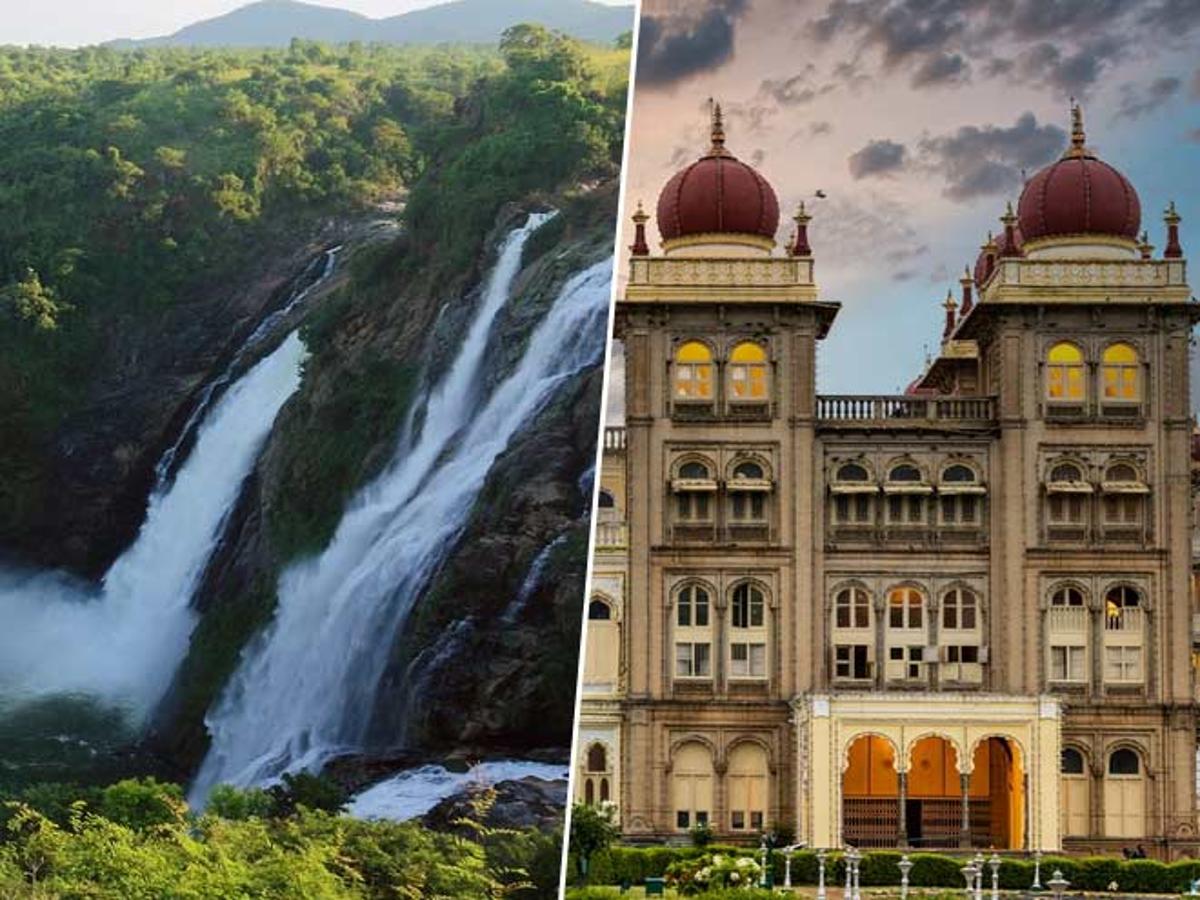
March to May is summer with temperatures 30-38°C. The heat can be intense during afternoons, especially April and May, making outdoor sightseeing uncomfortable. However, Mysore's evenings are pleasant even in summer, and early mornings (6-9 AM) are good for sightseeing. This is off-season with fewer tourists and lower prices (30-50% less than peak season). If visiting in summer, plan indoor activities like the palace during afternoons, outdoor attractions in mornings, and carry sun protection and water.
June to September is monsoon when Mysore receives moderate rainfall. The temperatures drop slightly (28-34°C) but humidity makes it feel equally uncomfortable. The rains bring relief from heat and the surrounding countryside turns lush green. Brindavan Gardens is particularly beautiful after rain with all fountains operating. Some outdoor activities may be disrupted by rain. This is the least popular time to visit, though some travelers appreciate the greenery, fewer crowds, and lower prices. Carry an umbrella or rain gear.
Top Attractions in Mysore
Mysore Palace (Amba Vilas Palace)
The magnificent Mysore Palace, also called Amba Vilas Palace, is undoubtedly Mysore's crown jewel and one of India's most visited attractions. Built in 1912, this Indo-Saracenic masterpiece blends Hindu, Muslim, Rajput, and Gothic architectural elements into a harmonious whole. The palace replaced the old wooden palace that burned down in 1897.
The palace's exterior features gray granite domes, pink marble domes, and stunning arches. But it's the interior that truly dazzles. The Durbar Hall with its ornate ceiling, stained glass, and chandeliers is breathtaking. The Kalyana Mantapa (marriage hall) with glazed tile flooring depicting peacocks and floral patterns, Belgian stained glass, and oil paintings is spectacular. The Doll's Pavilion houses an impressive collection of traditional dolls. The Maharaja's and Maharani's quarters offer insight into royal life with their artifacts, portraits, and furnishings.
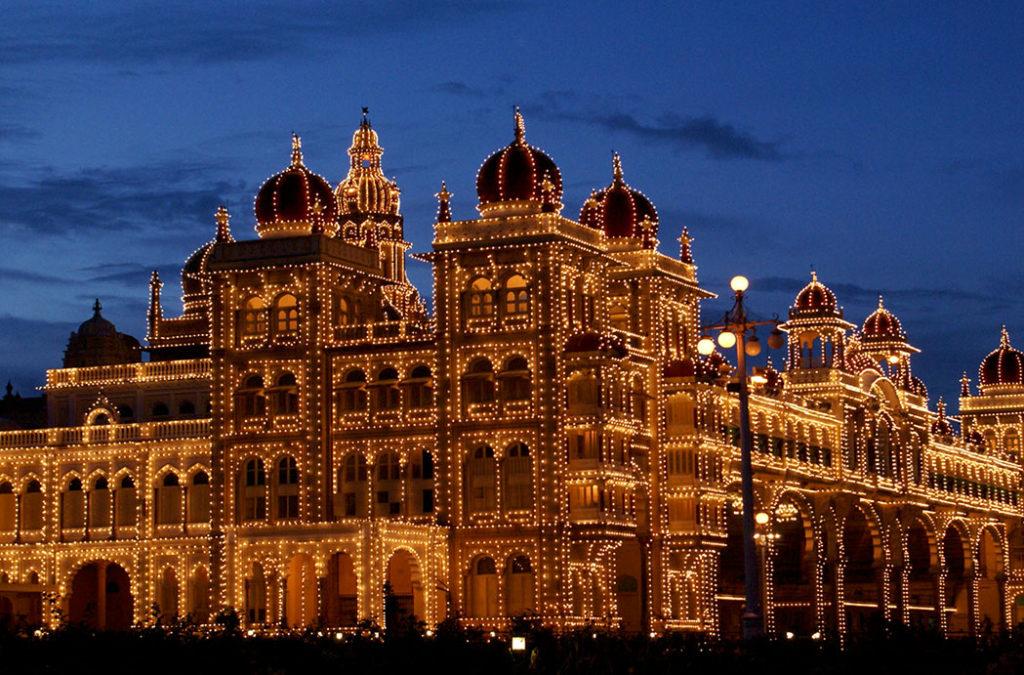
The palace is particularly spectacular on Sundays and public holidays when it's illuminated with nearly 100,000 light bulbs, creating a fairy-tale spectacle. The illumination (7-7:30 PM) is free and worth seeing even if you've toured the palace during the day. Photography is prohibited inside the palace but allowed outside. Allow 2-3 hours for a thorough palace tour. Hire an official guide or use the audio guide to understand the palace's history and significance.
Chamundi Hills
Rising 1,000 meters above sea level, Chamundi Hills dominate Mysore's skyline and are sacred to Hindus. Atop sits the Chamundeshwari Temple, dedicated to the goddess Durga who killed the demon Mahishasura here according to mythology - the city's name Mysuru derives from Mahishuru (Mahisha's abode).
The temple, originally built in the 12th century and renovated over the centuries, features a beautiful seven-story tower (gopuram) and intricate carvings. Devotees climb the 1,008 steps to the temple, though a road also leads to the top for those who prefer driving. The halfway point features a massive Nandi (Shiva's bull) statue carved from a single black rock, standing 5 meters tall - one of India's largest Nandi statues.
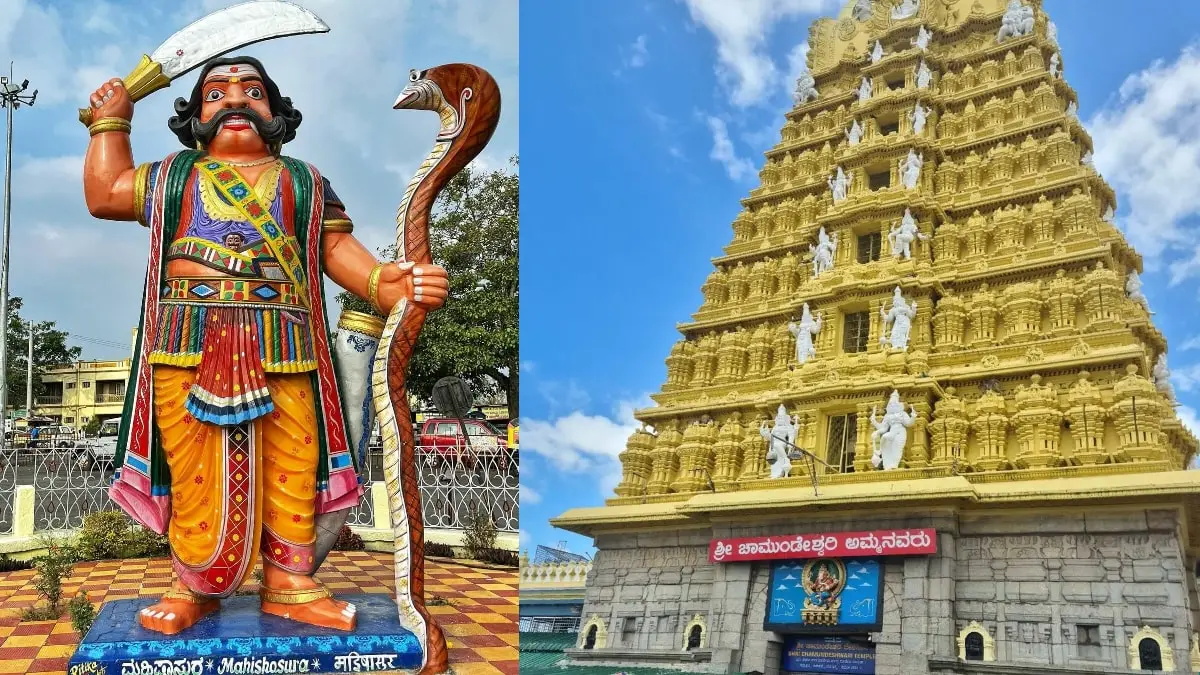
The drive to the top (approximately 30 minutes from the city center) is scenic, and the summit offers panoramic views of Mysore and the surrounding countryside. On clear days, you can see the Mysore Palace and even the Karanji Lake. Visit early morning (8-9 AM) for pleasant weather and fewer crowds, or late afternoon to catch sunset views over the city. The temple is particularly busy during Navratri (September-October) when thousands of devotees visit daily.
Brindavan Gardens
Located approximately 20 kilometers from Mysore city, Brindavan Gardens is a beautifully landscaped garden adjoining the Krishnarajasagara Dam across the Cauvery River. Built in 1932, the garden spreads over 60 acres and is modeled after the Shalimar Gardens in Kashmir. Brindavan Gardens is famous for its symmetric design, terraced lawns, fountains, and musical fountain shows.
The garden features numerous fountains, running water channels, and topiary. The highlight is the musical fountain show (typically 6:30-7:30 PM on weekdays, additional shows on weekends) when fountains dance to music with colorful lighting creating a magical spectacle. The garden is beautifully illuminated after sunset, creating a romantic atmosphere.
The garden is particularly beautiful after the monsoon when all fountains are operating and the landscaping is lush. Weekends and holidays are crowded. Weekday evenings offer a more peaceful experience. Combine the garden with a visit to the dam and the Cauvery River. The drive from Mysore takes approximately 45 minutes. There's a small entry fee and separate fee for cameras.
Srirangapatna
Located approximately 15 kilometers from Mysore, Srirangapatna is an island town formed by the Cauvery River and was the capital of Tipu Sultan's kingdom. The town's historic significance, religious importance, and pleasant riverside setting make it an excellent half-day trip from Mysore.
The Ranganathaswamy Temple, dedicated to Lord Vishnu, is one of South India's most important Vaishnavite temples. Originally built in the 9th century and expanded over centuries, the temple features beautiful Dravidian architecture with a massive gopuram and intricate carvings. The temple attracts thousands of devotees, especially during festivals.
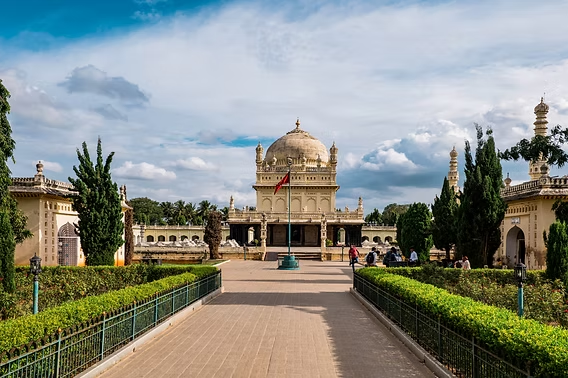
Tipu Sultan's Summer Palace (Daria Daulat Bagh) is a beautiful teak palace built in 1784. The palace features elegant wooden architecture, frescoes, and paintings depicting Tipu's battles against the British. The nearby Gumbaz (mausoleum) houses the tombs of Tipu Sultan, his father Hyder Ali, and mother Fatima Begum. The Gumbaz features an elegant dome with ebony inlay work and beautifully landscaped gardens.
The Srirangapatna Fort, built by Tipu Sultan, offers impressive ramparts and views. The dungeon where British officers were imprisoned is evocative. The town has several other temples and is surrounded by the Cauvery River, creating beautiful scenery. Srirangapatna can be reached by auto-rickshaw, taxi, or local bus from Mysore (30-45 minutes depending on traffic).
Mysore Zoo (Sri Chamarajendra Zoological Gardens)
One of India's oldest and best-maintained zoos, Mysore Zoo was established in 1892 and covers 157 acres near the palace. The zoo is known for its spacious enclosures, lush greenery, and diverse animal collection including tigers, lions, elephants, giraffes, zebras, rhinos, and various primates and birds.
Unlike many Indian zoos, Mysore Zoo emphasizes animal welfare and naturalistic habitats. The zoo's setting amidst manicured gardens makes the visit pleasant even beyond just seeing animals. The zoo is particularly popular with families and children. Allow 2-3 hours for a thorough visit.
The zoo is closed on Mondays. Carry water and wear comfortable walking shoes as there's considerable walking. The zoo can get crowded on weekends and holidays. Combine the zoo with a visit to the nearby Karanji Lake and Park or the palace.
Karanji Lake
Located near the zoo and palace, Karanji Lake is a beautiful 90-acre lake that's been developed into a recreational area. The lake features India's largest walk-through aviary, home to numerous bird species including peacocks, pheasants, and various exotic birds. A butterfly park on the premises is also worth visiting.
The lake offers boating facilities (pedal and row boats). A children's play area, a fountain, and well-maintained gardens make it popular with families. The lake attracts numerous migratory birds during winter, making it excellent for birdwatching. The sunset views over the lake are beautiful. Entry is inexpensive, and it's a peaceful place to spend a few hours, especially early morning or late afternoon when birds are most active.
Jaganmohan Palace and Art Gallery
Built in 1861, Jaganmohan Palace was the royal family's home before the main palace was built. Today, it houses an excellent art gallery displaying an impressive collection of paintings, sculptures, and artifacts. The palace features beautiful Hindu architectural elements.
The art gallery's collection includes paintings by Raja Ravi Varma, the famous 19th-century Indian painter, and works by other notable Indian artists. The gallery also displays an impressive collection of clocks, musical instruments, and royal artifacts. The building itself is beautiful with its intricate carvings and stained glass.
Allow 1-1.5 hours for your visit. Photography may be restricted in some sections. Combine with a visit to the main palace as they're located close to each other.
St. Philomena's Church
One of India's largest churches, St. Philomena's Church was built in 1956 in Neo-Gothic style. The church's twin spires rise 175 feet, making it a Mysore landmark. Inspired by Germany's Cologne Cathedral, the church features beautiful stained glass windows depicting scenes from Christ's life, a crypt with a relic of St. Philomena, and impressive vaulted ceilings.
The church is particularly beautiful when illuminated at night. The church is active and holds regular services. Visitors are welcome outside of service times. The church's European architecture contrasts with Mysore's predominantly Hindu and Islamic heritage, showcasing the city's diverse cultural influences.
Folklore Museum (Janapada Loka)
Located in the University of Mysore campus, the Folklore Museum houses an impressive collection of folk art, crafts, and artifacts from Karnataka's rural communities. The collection includes traditional costumes, masks, puppets, musical instruments, tools, and household items that offer insight into Karnataka's rural heritage.
The museum is particularly interesting for those interested in anthropology, folk culture, and traditional arts. It's less visited than the main attractions, offering a quieter, more scholarly experience. Allow 1 hour for your visit. Combine with a visit to the nearby Central Food Technological Research Institute (CFTRI) museum if interested in food science.
Shopping in Mysore
Mysore offers excellent shopping opportunities, particularly for silk, sandalwood, and handicrafts.
Mysore Silk is legendary. Mysore silk sarees, known for their pure silk, gold zari (gold thread work), and vibrant colors, are coveted across India. The Karnataka Silk Industries Corporation (KSIC) showroom near the palace sells authentic Mysore silk sarees with hologram markings guaranteeing authenticity. Expect to pay ₹8,000-25,000+ for a pure silk saree depending on quality and workmanship. Mysore silk is also available as fabric, shirts, and stoles.
Sandalwood products are Mysore's other specialty. Mysore has the world's largest sandalwood oil factory, and sandalwood products are excellent souvenirs. Buy sandalwood oil, sandalwood soap (Mysore Sandal Soap is famous), sandalwood carvings (figurines, boxes, and decorative items), and incense. The Government Sandalwood Oil Factory showroom and Cauvery Handicrafts emporium sell quality products. Be cautious of fake sandalwood - buy from government or reputable stores.
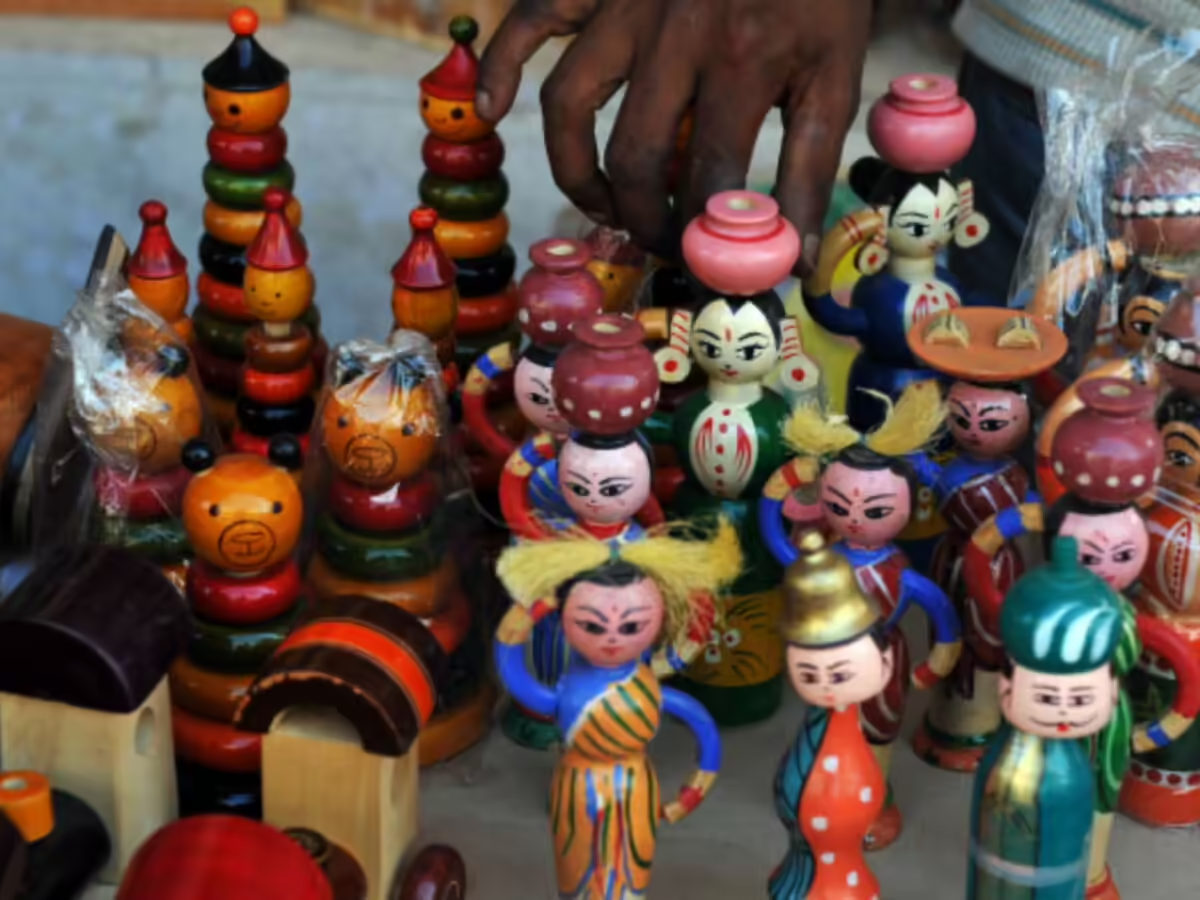
Mysore paintings, a traditional style featuring gods and goddesses with characteristic gold foil work, make excellent souvenirs. These are available at various art galleries and handicrafts emporiums. Inlay work (using ivory, sandalwood, and rosewood) produces beautiful boxes, tabletops, and decorative items.
For handicrafts, visit Cauvery Handicrafts Emporium (government-run with fixed prices and guaranteed quality) or various private handicrafts stores around the palace area. Popular items include rosewood furniture, brass ware, and wooden toys.
For spices and coffee, Mysore's markets offer excellent quality. Mysore is particularly known for its coffee (from nearby Coorg), and various spices. The Devaraja Market, near the palace, is a bustling market selling everything from vegetables and fruits to spices and flowers. It's worth a visit even if not buying anything.
Bargaining is expected in private shops but not in government emporiums. For silk, ask for certificates of authenticity.
Mysore Cuisine
Mysore cuisine is part of the broader Karnataka cuisine but has several distinctive dishes and food experiences.
Mysore Masala Dosa is a variation of the traditional dosa with a spicy red chutney spread inside. The crispy dosa, served with potato filling, chutneys, and sambar, is a breakfast staple. Try it at Mylari Hotel (legendary for dosas), Dasaprakash, or numerous restaurants across the city.
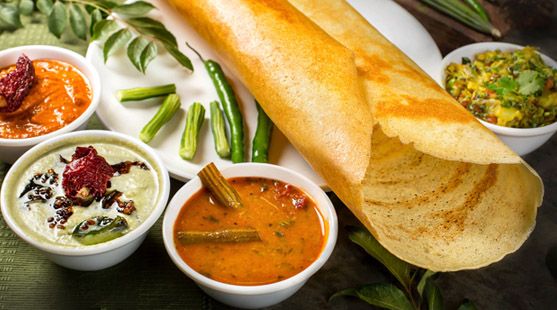
Mysore Pak is a famous sweet made from generous amounts of ghee (clarified butter), sugar, and gram flour. The result is a rich, melt-in-your-mouth sweet that's uniquely Mysore. The original Guru Sweets (near the palace) claims to have invented Mysore Pak. Their version is legendary and worth trying despite being quite sweet. Other good sweet shops include Bombay Tuck Shop.
Mysore Filter Coffee is legendary. The coffee, made from coffee beans grown in nearby Coorg and Chikmagalur, is brewed in a traditional metal filter and served with frothed milk. The result is strong, aromatic coffee that's perfect with breakfast or an afternoon pick-me-up. Traditional Brahmin cafes like Vidhyarthi Bhavan (near the bus stand) serve excellent filter coffee in a classic setting.
Traditional Karnataka thali meals are available at numerous restaurants. These typically include rice, sambar (lentil curry), rasam (tamarind soup), various vegetable preparations (palya), curd (yogurt), and sweet. Try these at Dasaprakash, RRR Restaurant, or Nalpak Restaurant.
For a unique experience, try the "Mysore Bonda" - a fried snack made from maida (flour), yogurt, and spices, usually served with chutney. It's a popular evening snack.
Non-vegetarian options include "Bheemli" (mutton dish) and various biryanis. The Muslim influence from Tipu Sultan's reign is visible in Mysore's non-vegetarian cuisine.
Getting Around Mysore
Mysore's city center is relatively compact and can be explored on foot. However, attractions like Chamundi Hills, Brindavan Gardens, and Srirangapatna require transportation.
Auto-rickshaws are the most common way to get around for short distances. They're readily available and relatively inexpensive. Always negotiate the fare before starting your journey. As a rough guide, short rides within the city center cost ₹50-80, while longer rides to Chamundi Hills or the zoo cost ₹100-150.
Taxis can be hired for specific trips or full-day sightseeing (approximately ₹2000-2500 for 8 hours/80 km). This is the most convenient option for visiting multiple attractions including Srirangapatna or Brindavan Gardens. Most hotels can arrange taxis. App-based services like Uber and Ola operate in Mysore.
For those comfortable riding scooters or motorcycles, rentals are available (₹400-600 per day). This gives you flexibility to explore at your own pace. However, Mysore's traffic can be chaotic during peak hours.
Local buses connect major attractions but are infrequent and not tourist-friendly. The city has a well-developed bus network, but figuring routes can be challenging for non-locals.
Where to Stay in Mysore
Mysore offers accommodation options for every budget.
For budget travelers, numerous guesthouses and budget hotels (₹600-1000 per night) are available near the palace and bus stand. Popular areas include near the zoo and railway station. These offer basic rooms and are adequate for short stays.
For mid-range travelers, several good hotels (₹2000-4000 per night) offer comfortable rooms with amenities. Properties like The Royal Orchid Metropole, Sandesh The Prince, and similar fall in this category. Many are heritage properties with beautiful architecture and gardens.
Luxury travelers have excellent options including the Radisson Blu (₹6000-10000 per night), Hotel Grand Mercure (₹5000-8000), and similar upscale hotels. These offer luxurious rooms, excellent service, pools, and restaurants. Many luxury hotels are converted palaces or heritage buildings.
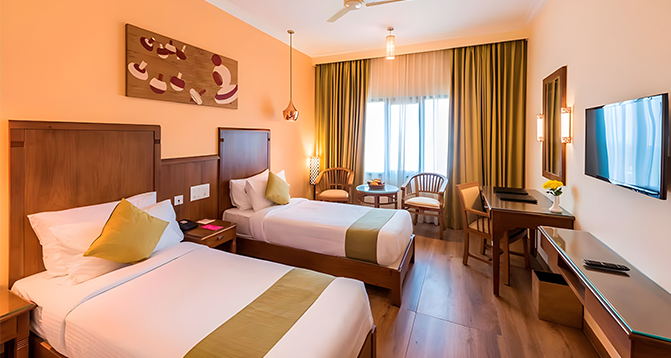
For a unique experience, consider staying at one of Mysore's heritage properties - converted royal buildings or traditional houses that offer an authentic Mysore experience with traditional architecture and hospitality.
Travel Tips for Mysore
Mysore is generally safe for tourists, including solo female travelers. The city is relatively conservative by Western standards - dress modestly, especially when visiting religious sites. Public displays of affection are frowned upon.
The weather in Mysore is generally pleasant but can get hot in summer. Carry sun protection and stay hydrated. Evenings are pleasant year-round.
Mysore is famous for its cleanliness and civic sense - don't litter and help maintain the city's standards.
When visiting religious sites (Chamundeshwari Temple, Ranganathaswamy Temple), dress modestly (cover shoulders and knees), remove footwear before entering, and maintain silence and respect. Non-Hindus are welcome but should respect religious customs.
Photography rules vary - some attractions like Mysore Palace prohibit interior photography. Always check and respect rules.
Mysore's pace is relaxed compared to Bangalore or other Indian metros. Embrace this slower pace - don't expect everything to happen quickly. Enjoy the city's courteous, cultured atmosphere.
Conclusion
Mysore, with its royal heritage, beautiful architecture, refined culture, and pleasant atmosphere, offers one of South India's most rewarding travel experiences. The city's centerpiece, the magnificent Mysore Palace, is worth the trip alone - one of India's most beautiful royal residences. But beyond the palace, Mysore offers sacred temples, serene gardens, fascinating history, excellent cuisine, and world-famous silk and sandalwood.
What makes Mysore special is its character - a city that maintains elegance, cleanliness, and cultural continuity while embracing modernity. The city's wide boulevards, polite residents, and rich cultural life create an atmosphere that's distinctly more refined than most Indian cities. Mysore is where heritage is not just preserved in museums but lived - in continuing traditions like Dasara, in crafts like silk weaving and sandalwood carving, and in cuisine that maintains authentic flavors.
Whether you're seeking history, architecture, culture, cuisine, or simply a pleasant, cultured city to explore, Mysore delivers with a grace that few destinations can match. Many who visit Mysore find themselves returning, drawn back by the palace's splendor, the hills' spirituality at Chamundi Hills, the gardens' beauty, and the city's unique charm.
Location
Frequently Asked Questions
Q1.What is the best time to visit Mysore?
Q2.How many days are enough for Mysore?
Q3.Why is Mysore Palace famous?
Q4.Is Mysore worth visiting?
Q5.What should I buy in Mysore?
Q6.How do I reach Mysore from Bangalore?
Q7.What is Mysore famous for?
Q8.Is Mysore safe for solo female travelers?
Recommended For You
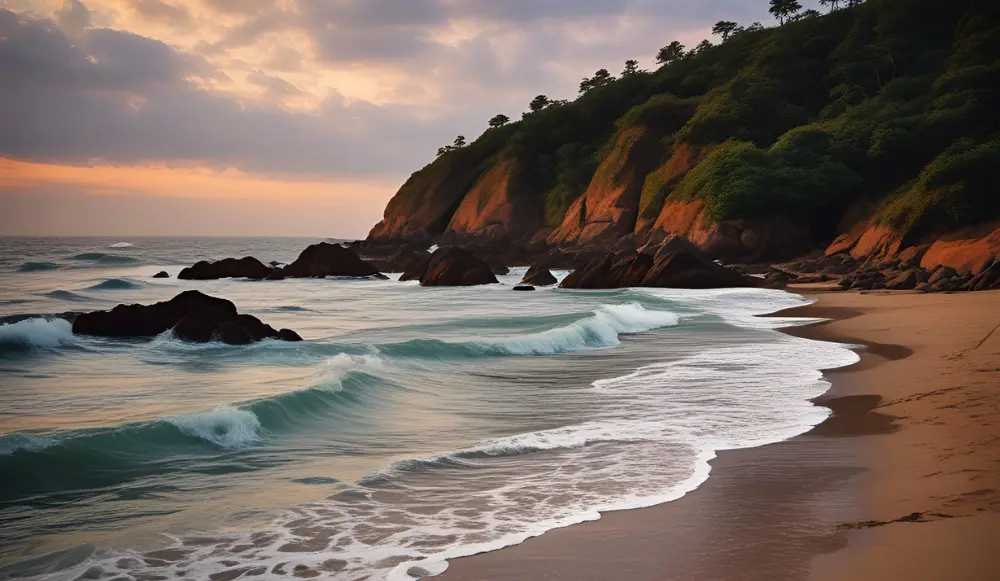
Gokarna: Complete Travel Plan Beaches And Weather
Complete Gokarna travel guide featuring Mahabaleshwar Temple, Om Beach, Kudle Beach, Paradise Beach, trekking & practical tips.
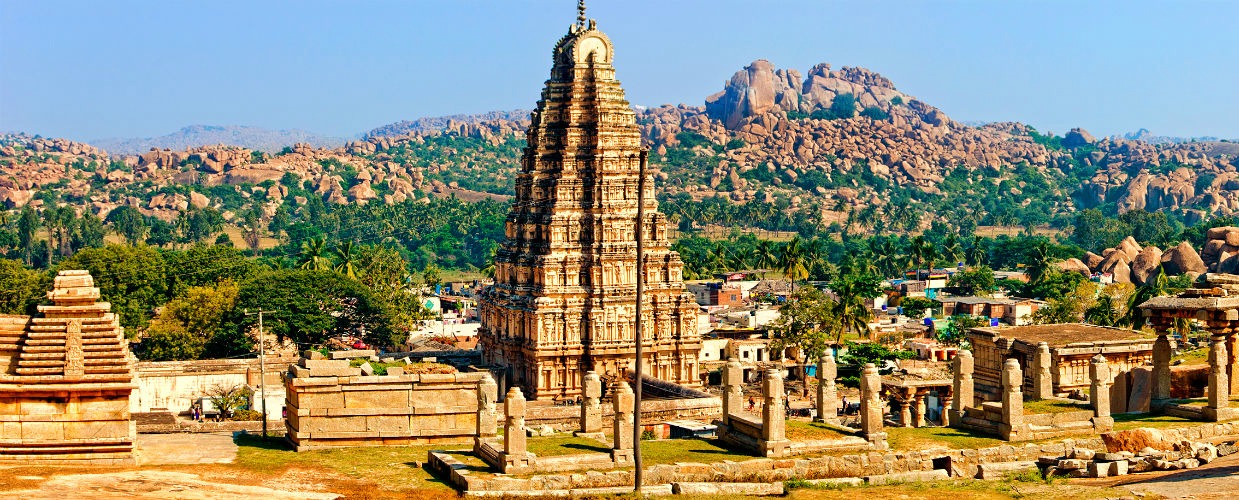
Hampi: Complete Travel Plan Temples And History
Complete Hampi travel guide featuring Vijayanagara ruins, Virupaksha Temple, Vittala Temple, Royal Enclosure, best time to visit & practical tips.
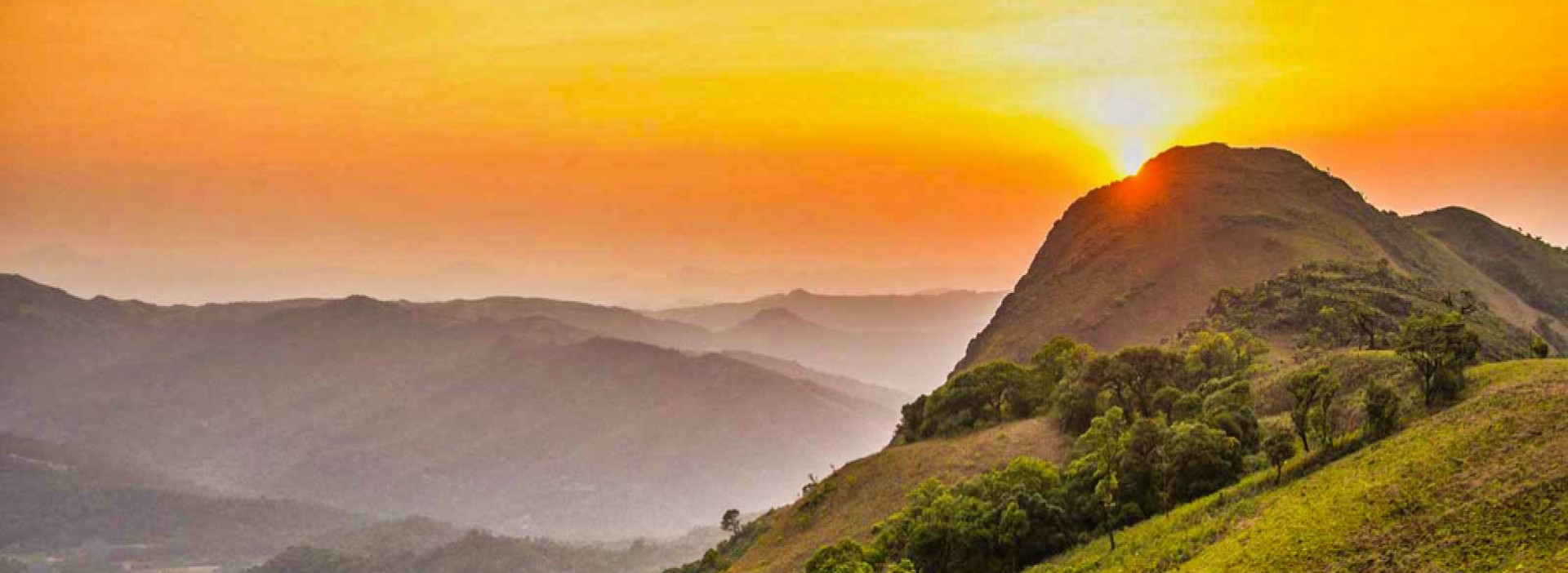
Chikmagalur: Complete Travel Plan Places And Weather
Complete Chikmagalur travel guide with best time to visit, coffee plantations, Mullayanagiri, waterfalls, trekking, how to reach and travel tips.
Never Miss an Adventure
Get the latest trekking guides, travel tips, and exclusive offers delivered straight to your inbox.
