
Hampi: Complete Travel Plan Temples And History

Rahul Garg
February 20, 2026
Complete Hampi travel guide featuring Vijayanagara ruins, Virupaksha Temple, Vittala Temple, Royal Enclosure, best time to visit & practical tips.
Introduction to Hampi
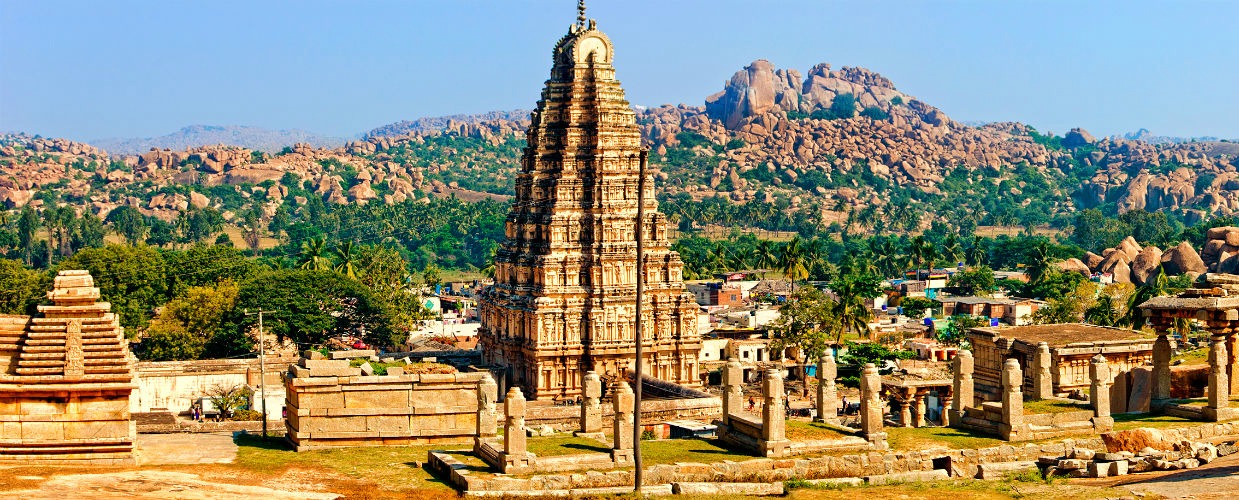
Hampi, a UNESCO World Heritage Site located in Karnataka, is one of India's most extraordinary historical destinations. The ruins of the once-magnificent Vijayanagara Empire, which flourished from the 14th to 16th centuries, spread across approximately 4,100 hectares, creating an open-air museum of temples, palaces, markets, and fortifications. For those interested in exploring more of Karnataka's temple heritage, the Aiholed temples and Belur Halebidu temples are also worth visiting.
What makes Hampi truly remarkable is not just the scale of the ruins but their setting - a surreal landscape of giant boulders, palm groves, agricultural fields, and the Tungabhadra River winding through it all.The Vijayanagara Empire was one of the greatest Hindu empires in Indian history, at its time rivaling the might of the Mughal Empire. Hampi, its capital, was described by contemporary travelers as one of the most magnificent cities in the world, with fabulous wealth, impressive architecture, and a thriving population of nearly 500,000 people. The city was sacked and destroyed by a confederation of Deccan sultanates in 1565, leaving behind the stunning ruins we see today.
The ruins at Hampi are remarkably well-preserved and offer insight into the architectural, artistic, and cultural achievements of the Vijayanagara period. The site includes numerous temples (the Virupaksha Temple is still active), royal enclosures, market areas, aquatic structures, fortifications, and more. The setting, with its otherworldly boulder formations, creates a unique atmosphere that transports visitors back in time.
Beyond the historical ruins, Hampi has a vibrant contemporary culture. The small village that has grown in and around the ruins attracts travelers from around the world, many who stay for extended periods soaking in the unique atmosphere. The area around Hampi Bazaar is particularly lively with numerous guesthouses, cafes, and restaurants. Whether you're a history buff, architecture enthusiast, spiritual seeker, or simply a curious traveler, Hampi offers experiences that are truly unmatched.
Best Time to Visit Hampi
Hampi experiences a tropical climate with hot summers, a monsoon season, and pleasant winters. The timing of your visit significantly impacts your experience, especially for exploring the open-air ruins which offer very little shade.
October to February is the best time to visit Hampi when the weather is pleasant and suitable for exploring the ruins. During this period, daytime temperatures range from 20°C to 30°C, making it comfortable to walk through the extensive ruins. The post-monsoon period (October-November) sees the landscape lush green and the Tungabhadra River flowing full. This is the peak tourist season, so expect more visitors, though Hampi rarely feels crowded due to the vastness of the site.
December and January are the busiest months with the best weather and maximum visitors. The famous Hampi Festival (also known as Vijaya Utsav) is typically held in November, featuring cultural programs, dance performances, and fireworks. This is a particularly vibrant time to visit but also the most crowded.
March to May brings severe summer with temperatures routinely reaching 40°C-45°C. The heat is intense, and exploring the ruins, which offer minimal shade, becomes challenging between late morning and late afternoon. This is the off-season with significantly fewer visitors and lower prices on accommodations. However, if you can handle the heat and plan activities for early morning and late afternoon, summer offers the ruins virtually to yourself.
June to September is the monsoon season when Hampi receives moderate to heavy rainfall. The rains cool temperatures but can make exploring the ruins challenging. Some pathways become slippery, and the occasional heavy downpour can disrupt sightseeing. However, monsoon brings its own beauty - the boulders take on dramatic hues when wet, and the surrounding landscape turns lush green. This is the least crowded time to visit.
Top Attractions in Hampi
Virupaksha Temple
Located in Hampi Bazaar, the Virupaksha Temple is dedicated to Lord Shiva (as Virupaksha) and is the only temple at Hampi that has been in continuous worship since it was built in the 7th century, long before the Vijayanagara Empire. The temple complex is extensive, featuring numerous shrines, courtyards, and the famous 50-meter tall eastern gopuram (gateway tower) that dominates the Hampi skyline.
The temple's main shrine houses the sacred lingam of Virupaksha. The temple complex includes the shrine of Pampa, the goddess consort of Virupaksha, and various other shrines dedicated to different deities. The temple is particularly active during the annual chariot festival in February/March when the temple's chariot is taken out in procession. The temple elephants, which have been part of the temple for centuries, are a unique feature - they bless devotees in exchange for offerings.
Vittala Temple Complex
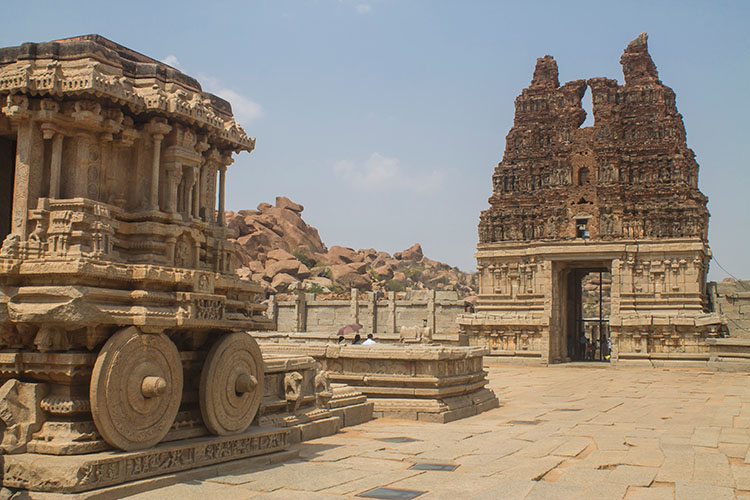
The Vittala Temple, located approximately 2 kilometers from Hampi Bazaar, is perhaps Hampi's most magnificent monument and a masterpiece of Vijayanagara architecture. Dedicated to Lord Vishnu as Vittala, the temple complex was built in the 15th century but was never completed. The complex is extensive and includes numerous halls, shrines, and pavilions.
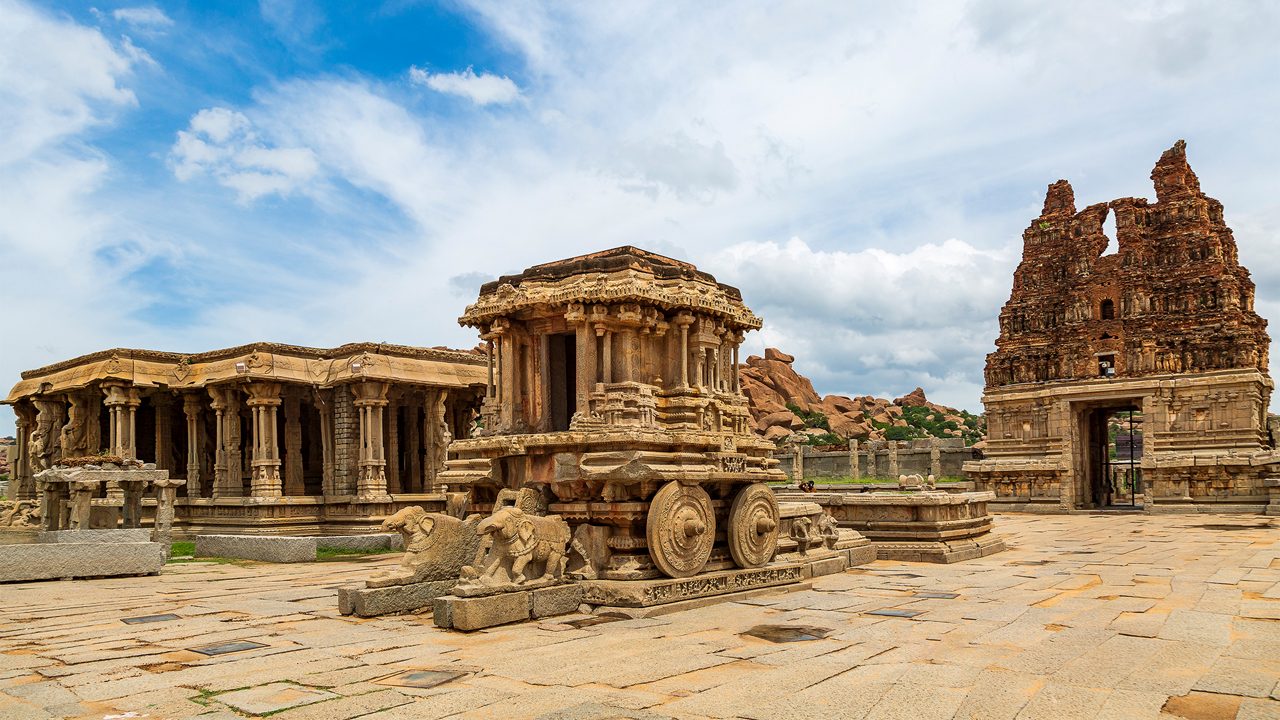
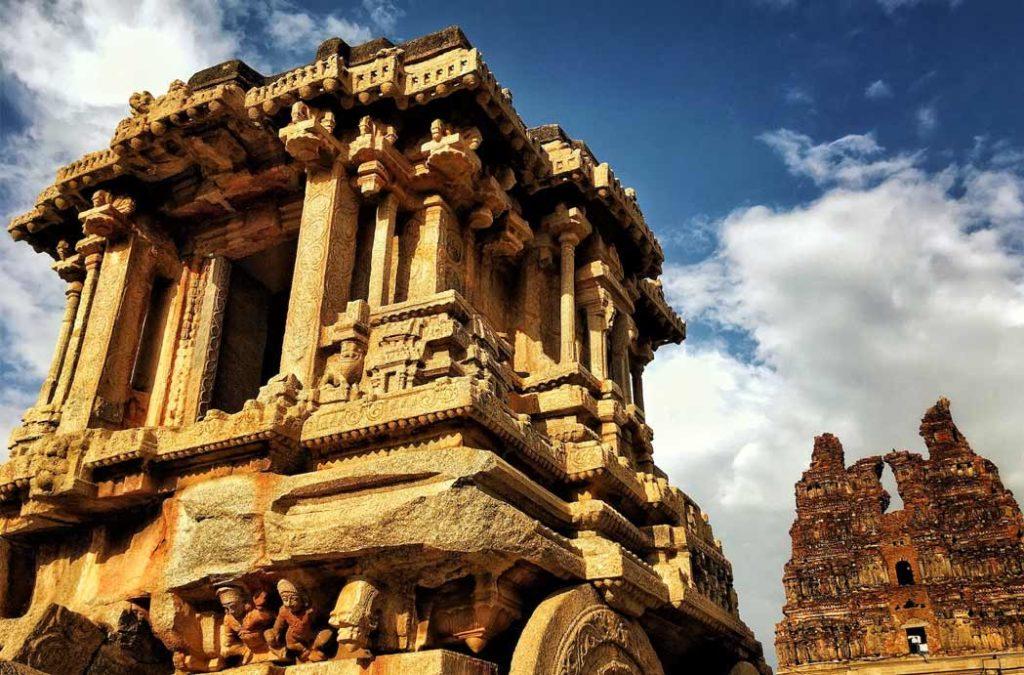
The most famous feature of the Vittala Temple is the stone chariot located in the courtyard - an iconic representation of Hampi that appears on the ₹50 currency note. The chariot, with its stone wheels that actually rotate, is dedicated to Garuda, the vehicle of Lord Vishnu. Another remarkable feature is the musical pillars in the main hall - pillars that produce musical notes when tapped. The temple's outer walls are covered with exquisite carvings depicting various deities, celestial beings, and scenes from mythology.
Royal Enclosure
The Royal Enclosure, located approximately 1.5 kilometers from Hampi Bazaar, was the seat of power of the Vijayanagara Empire. The vast walled complex (approximately 500 meters by 300 meters) housed the royal residences, administrative buildings, and various ceremonial structures. While most buildings are now in ruins, their scale gives insight into the grandeur of the Vijayanagara court.
Notable structures within the Royal Enclosure include the Mahanavami Dibba (a massive elevated platform used for celebrations), various underground chambers, step wells, and numerous bases for pillars and columns. The Hazara Rama Temple, located just outside the Royal Enclosure, was the private temple of the royal family and features exquisite carvings depicting scenes from the Ramayana.
Hemakuta Hill
Hemakuta Hill, rising above Hampi Bazaar, offers excellent views of the surrounding area and is dotted with numerous temples and shrines. The hill is particularly beautiful at sunrise and sunset when the light creates dramatic effects on the boulder formations and temple spires. The climb to the top of the hill involves numerous steps but is manageable for most people.
The hill features numerous temples from the pre-Vijayanagara period (9th-14th centuries) built in a simpler architectural style compared to the grand temples of the Vijayanagara period. The cluster of temples on Hemakuta Hill offers insight into the religious landscape before the rise of the Vijayanagara Empire. The hill also offers excellent vantage points for photography of the Virupaksha Temple below and the surrounding landscape.
Achyutaraya Temple
Located on the southern bank of the Tungabhadra River, the Achyutaraya Temple is dedicated to Lord Vishnu. The temple, built in 1534 AD during the reign of King Achyuta Raya, is one of the last major temples built before the Vijayanagara Empire's destruction. The temple is less visited than others but offers excellent architectural examples and a peaceful atmosphere.
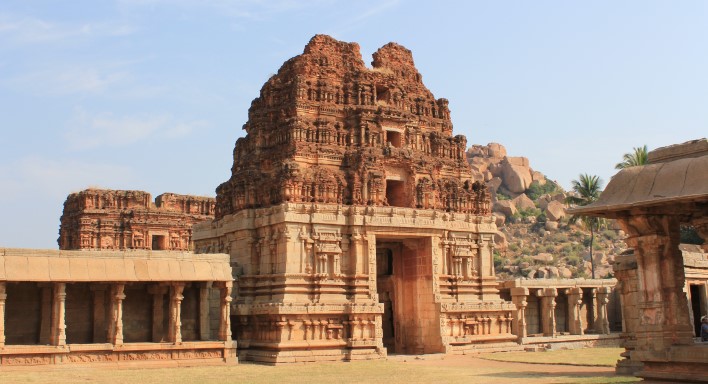
The temple complex is surrounded by two courtyards and features numerous small shrines. The main street leading to the temple, once the bustling Courtesan Street, is lined with the remains of pavilions that once housed the temple's numerous offerings and activities. The temple can be reached via a scenic walk from Hampi Bazaar, crossing the Tungabhadra River and passing through various ruins along the way.
Lotus Mahal
Located within the Zenana Enclosure (the women's quarter), the Lotus Mahal (Lotus Palace) is a two-story structure that blends Islamic and Hindu architectural styles. The palace features an elegant lotus-shaped dome and numerous arched openings. The palace was used by the royal women for watching performances and other entertainment.
The Zenana Enclosure also includes the Queen's Bath, a well-preserved structure with an ornate exterior and an indoor pool that was once filled with perfumed water. The enclosure also housed various other structures for the royal women, though most are now in ruins. The Lotus Mahal is particularly beautiful when illuminated in the evenings during the Hampi Festival.
Other Attractions
Anegundi
Located across the Tungabhadra River from Hampi Bazaar, Anegundi is believed to be the mythical Kishkindha, the monkey kingdom from the Ramayana epic. The area is older than Hampi and features numerous pre-Vijayanagara sites including rock shelters with Neolithic paintings. Anegundi offers a more rustic, village-like atmosphere compared to the touristy Hampi Bazaar.
Attractions in Anegundi include the Hanuman Temple on Anjaneya Hill (believed to be the birthplace of Lord Hanuman), the ancient forts, and various temples. Anegundi can be reached via a coracle ride (a traditional round boat) across the river or via a road bridge located a few kilometers downstream. The area is less developed and offers a glimpse into rural life in the region.
Sanapur Lake
Located approximately 4 kilometers from Hampi Bazaar, Sanapur Lake is a serene reservoir surrounded by boulder hills. The lake is a popular spot for relaxation, with cafes nearby serving refreshments. Activities at the lake include coracle rides, swimming (for confident swimmers), and simply enjoying the peaceful atmosphere and views.
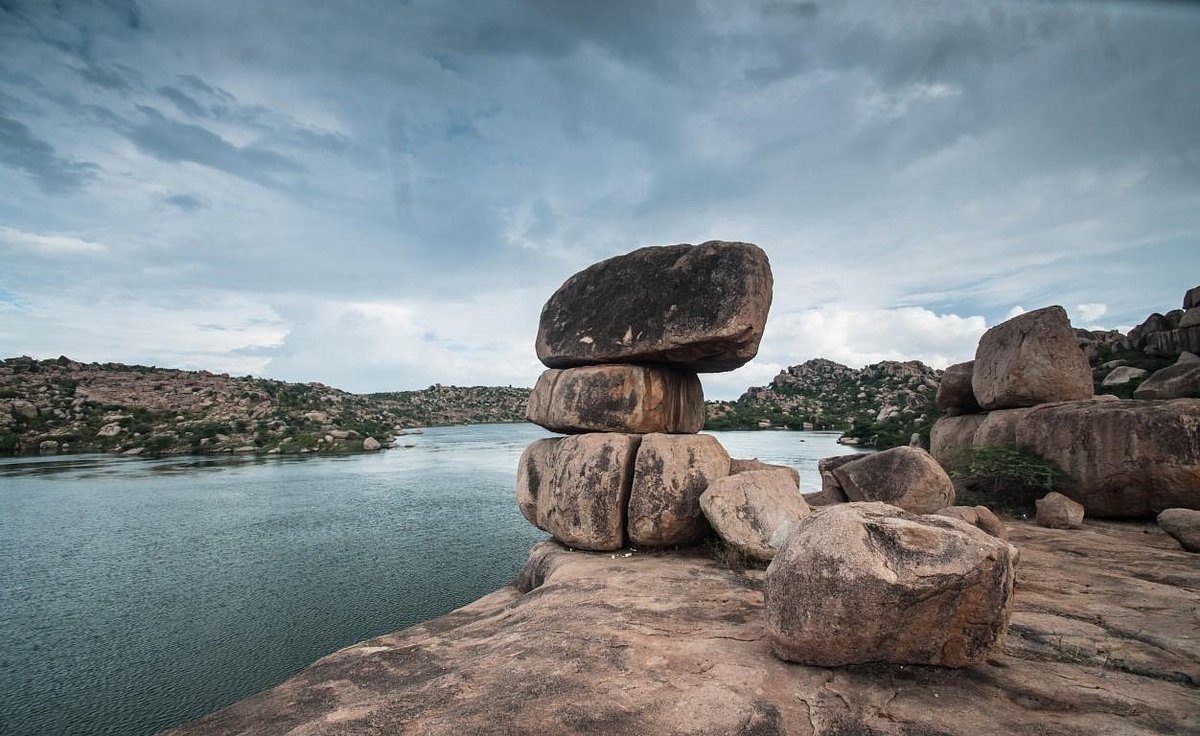
The area around Sanapur Lake is dotted with numerous boulders, creating a unique landscape. The lake is particularly beautiful at sunset when the boulder formations are silhouetted against the colorful sky. The road to Sanapur passes through various ruins and agricultural fields, offering a scenic journey.
Experiences in Hampi
Exploring by Bicycle or Motorcycle
The ruins at Hampi are spread over a large area, and the most enjoyable way to explore them is by bicycle or motorcycle. Bicycles can be rented in Hampi Bazaar for approximately ₹100-150 per day, while motorcycles cost approximately ₹300-500 per day. Having your own transportation gives you the flexibility to explore at your own pace, visit offbeat locations, and escape the heat between attractions.
Riding through the surreal landscape of boulders, palm groves, and ruins is an experience in itself. The terrain is relatively flat except for a few hills, making cycling manageable for most people. Stop at various ruins, explore at your own pace, and discover hidden corners that many tourists miss. Early morning exploration by bicycle is particularly rewarding as the light is soft, the temperature is pleasant, and the ruins have a mystical atmosphere.
Coracle Ride
A coracle ride on the Tungabhadra River is a unique Hampi experience. Coracles are traditional round boats made of bamboo and tar (or plastic in modern times). They've been used in the region for centuries and are still used for fishing and river crossing. Taking a coracle ride, especially at sunset, is a memorable experience.
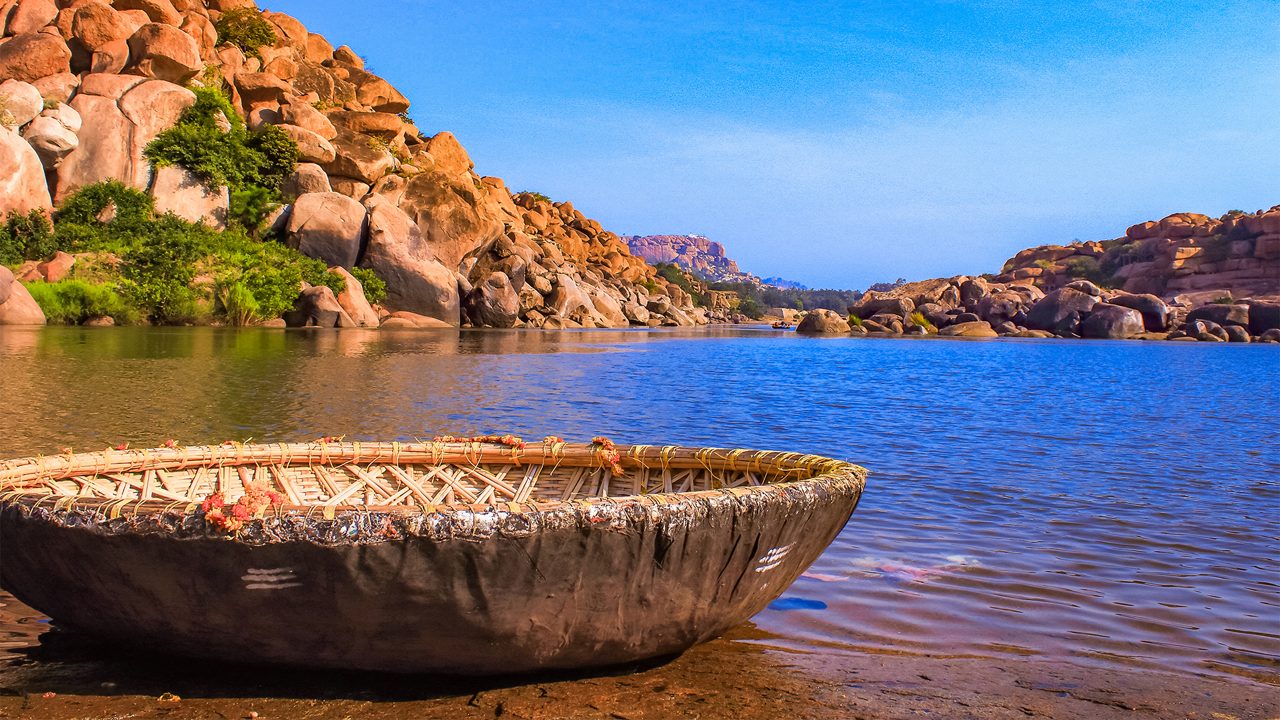
Coracles can be hired near the river crossing point to Anegundi or at various points along the river. The ride takes you close to various ruins along the riverbank, offering unique perspectives. The coracle men are skilled at navigating these seemingly unstable boats. The ride is particularly beautiful at sunset when the ruins along the river are illuminated by golden light.
Sunset at Matanga Hill
Matanga Hill, located near Hampi Bazaar, offers spectacular sunset views. The climb to the top involves numerous steps but is manageable for most people. From the summit, you get panoramic views of the surrounding ruins, the Tungabhadra River winding through the landscape, and the boulder formations stretching to the horizon.
Sunset at Matanga Hill is a daily ritual for many visitors to Hampi. As the sun begins to set, the sky transforms into brilliant shades of orange and pink, the boulders take on dramatic colors, and the ruins below are bathed in golden light. It's a peaceful, magical moment that captures the essence of Hampi's unique beauty. Arrive at least 30-45 minutes before sunset to claim a good spot.
Hippie Island
The area across the river from Hampi Bazaar, often referred to as 'Hippie Island,' has developed a distinct culture of its own. This area, centered around Virupapur Gaddi, has numerous guesthouses, cafes, and restaurants catering to long-term travelers and backpackers. The vibe is relaxed, bohemian, and very different from the more traditional Hampi Bazaar side.
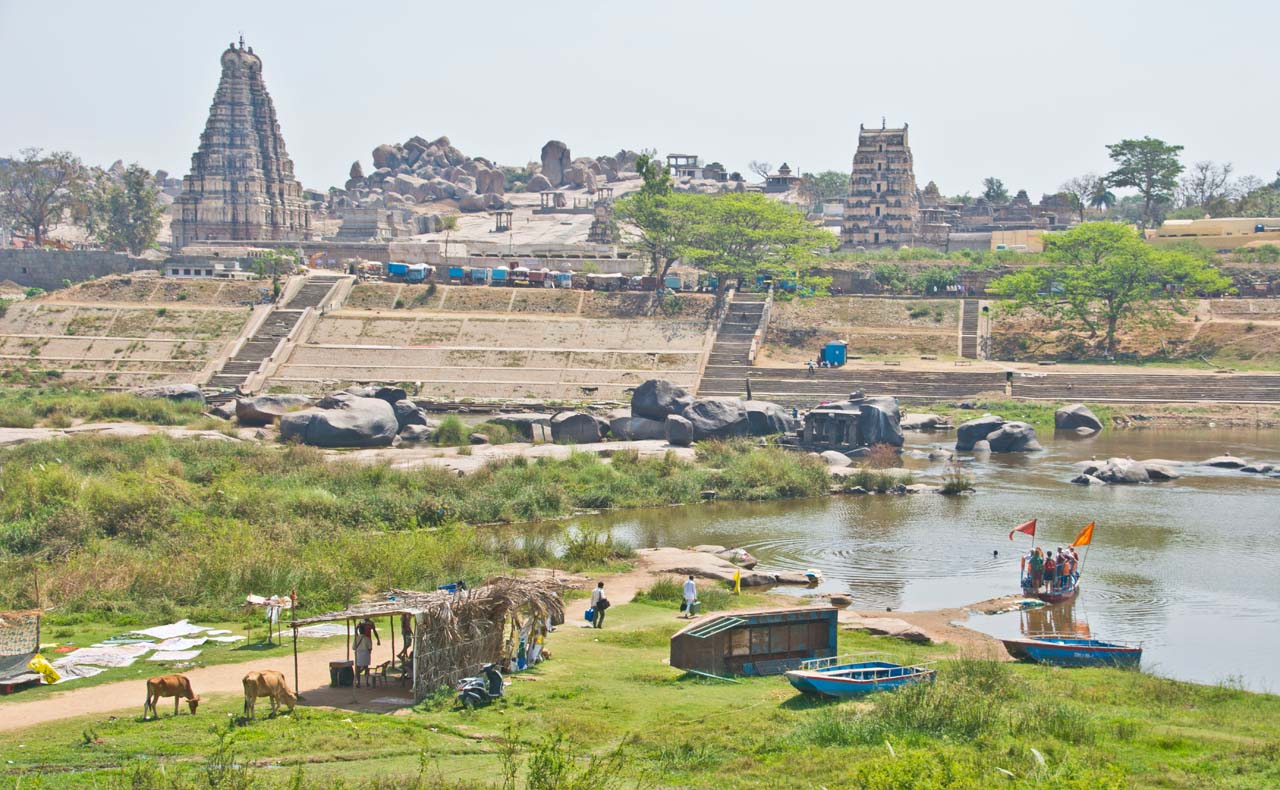
The Hippie Island area is known for its laid-back atmosphere, beautiful rice paddies, boulder formations, and numerous cafes serving Israeli, Continental, and Indian food. Many travelers end up staying here for weeks or even months, enjoying the relaxed pace, affordable living, and unique community. The area can be reached via coracle crossing or the road bridge.
Where to Stay in Hampi
Hampi offers accommodation options primarily in two areas - Hampi Bazaar (on the main ruins side) and Virupapur Gaddi (Hippie Island across the river). The two areas have very different vibes.
Hampi Bazaar has numerous guesthouses and budget hotels offering rooms for ₹300-1000 per night. These guesthouses are located within or near the ruins, offering easy access to the main attractions. Many have rooftop restaurants with excellent views. The downside is that this area is more touristy and lacks the relaxed vibe of Hippie Island.
Virupapur Gaddi (Hippie Island) has numerous guesthouses and homestays, many with a more relaxed, bohemian atmosphere. Prices range from ₹300-800 per night for basic rooms. Many places here have cafes serving excellent food, creating a social atmosphere where travelers meet and exchange stories. This area is particularly popular with long-term visitors.
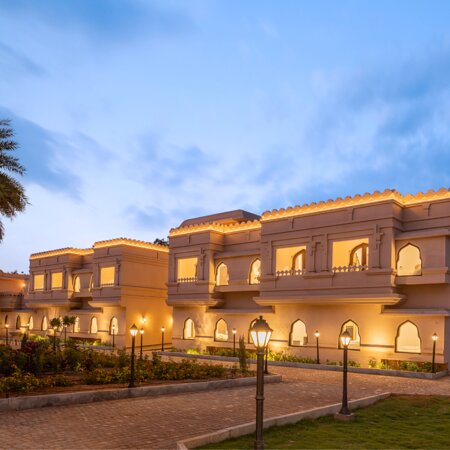
For those seeking more comfort, a few mid-range and luxury options are available in nearby Hospet (approximately 13 kilometers from Hampi). These include hotels with swimming pools, air conditioning, and modern amenities. However, staying in Hospet means commuting to Hampi daily.
Food in Hampi
Hampi's food scene reflects its diverse visitor population. You'll find everything from traditional South Indian and North Indian food to Israeli, Continental, and Chinese cuisine.
In Hampi Bazaar, numerous restaurants serve South Indian dishes like dosa, idli, vada, and various thalis (platter meals). North Indian food is also widely available. The Mango Tree Restaurant, located near the Virupaksha Temple, is famous for its thali and rooftop seating area with views of the temple gopuram.
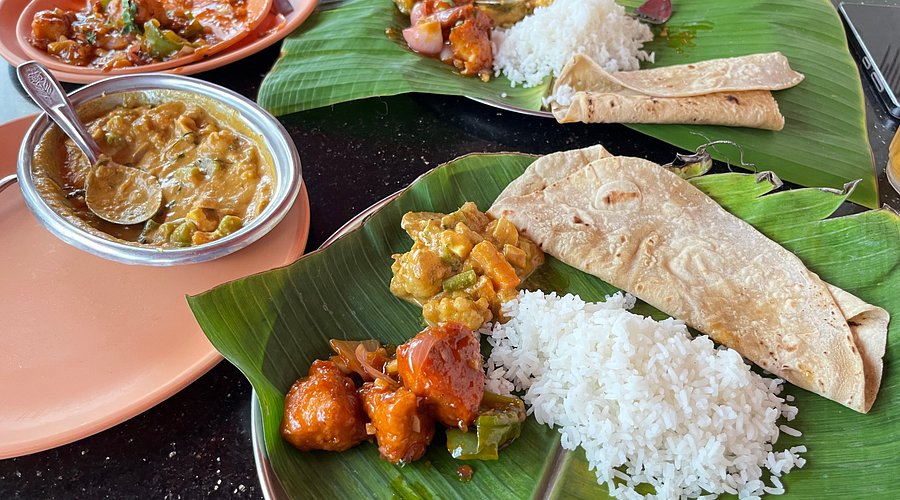
The Hippie Island area is famous for its cafes serving Israeli, Continental, and various fusion cuisines. Popular items include shakshuka, hummus, falafel, and various breakfast options. Many cafes here have beautiful settings, some overlooking rice paddies or with views of the boulder formations. The food is generally inexpensive - a meal typically costs ₹100-300.
How to Reach Hampi
By Air
The nearest airport to Hampi is Jindal Vijaynagar Airport in Toranagallu, approximately 40 kilometers away. However, this airport has very limited commercial connectivity. The most practical option is to fly to Hubli Airport (approximately 160 kilometers) or Bellary Airport (approximately 60 kilometers), though these also have limited connections. Many travelers also choose to fly via Bangalore, which is approximately 350 kilometers away.
From these airports, taxis and buses are available to reach Hampi.Another option is to fly to Bangalore (approximately 350 kilometers) and then travel by road or train to Hampi. Bangalore has much better flight connectivity from major Indian cities.
By Train
Hospet Junction Railway Station, located approximately 13 kilometers from Hampi, is the nearest railhead. Hospet is well connected to major cities including Bangalore, Hyderabad, and Hubli. The Hampi Express connects Hospet to Bangalore (approximately 10 hours journey). While visiting Karnataka, you might also want to explore Mysore's Chamundi Hills Temple or Brindavan Gardens.
From Hospet, auto-rickshaws, taxis, and local buses are available to reach Hampi.By Road
Hampi is well connected by road to major cities in Karnataka and neighboring states. The distance from Bangalore is approximately 350 kilometers and the journey takes approximately 7-8 hours by road. For travelers exploring heritage sites in Karnataka, don't miss the historic Belgaum Fort.
State-run KSRTC buses and private operators run regular services to Hampi and Hospet from Bangalore, Hyderabad, and other cities. Self-driving is an option, and the roads are generally in good condition.Travel Tips for Hampi
The sun in Hampi can be harsh, especially when exploring the ruins which offer minimal shade. Carry sunscreen, wear a hat or cap, and stay hydrated. Start your exploration early in the morning when the temperature is pleasant and the light is soft for photography. Take a break during the hottest part of the day (12-3 PM) and resume exploration in the late afternoon.
Respect the religious nature of the temples. Dress modestly - shoulders and knees should be covered. Remove shoes before entering temple sanctums. Photography may be restricted in certain areas of temples - always ask permission. The Virupaksha Temple is an active place of worship - maintain silence and respect during rituals.
Hire a certified guide for at least one day to learn about the history and significance of various ruins. The ruins are spread over a large area and have a complex history that's difficult to appreciate without context. Guides can be hired at Hampi Bazaar or through your accommodation. A good guide brings the ruins to life with stories and historical context.
Carry sufficient cash as ATMs are limited in Hampi Bazaar and non-existent on Hippie Island. The nearest ATMs with reliable cash are in Hospet. Mobile connectivity is generally good for most networks but can be patchy in some areas. Download offline maps for navigation.
Conclusion
Hampi is truly one of India's most extraordinary destinations - a place where history, architecture, mythology, and natural beauty converge to create an experience unlike anywhere else. The ruins of the once-great Vijayanagara Empire, set amidst a surreal landscape of boulders, palm groves, and the Tungabhadra River, offer a journey through time that's both educational and profoundly moving.
Whether you're exploring the magnificent temples, wandering through the royal enclosures, taking a coracle ride at sunset, or simply soaking in the unique atmosphere, Hampi touches something deep within the traveler. The site's UNESCO World Heritage status is well-deserved - these ruins are not just old stones but testament to human creativity, devotion, and the transience of even the greatest empires.
What makes Hampi special is not just its historical significance but the way it continues to live - in the active worship at the Virupaksha Temple, in the village that has grown among the ruins, in the travelers who come and often stay longer than planned, captivated by the Hampi vibe. Hampi is not just a destination to visit - it's a place to experience, to contemplate, and to return to.
Location
Frequently Asked Questions
Q1.What is the best time to visit Hampi?
Q2.How many days are enough for Hampi?
Q3.Is Hampi safe for solo female travelers?
Q4.Do I need a guide for Hampi?
Q5.What is the story behind Hampi's destruction?
Q6.Can I stay at the Virupaksha Temple area?
Q7.Is Hampi worth visiting?
Q8.What is Hippie Island in Hampi?
Recommended For You

Gokarna: Complete Travel Plan Beaches And Weather
Complete Gokarna travel guide featuring Mahabaleshwar Temple, Om Beach, Kudle Beach, Paradise Beach, trekking & practical tips.
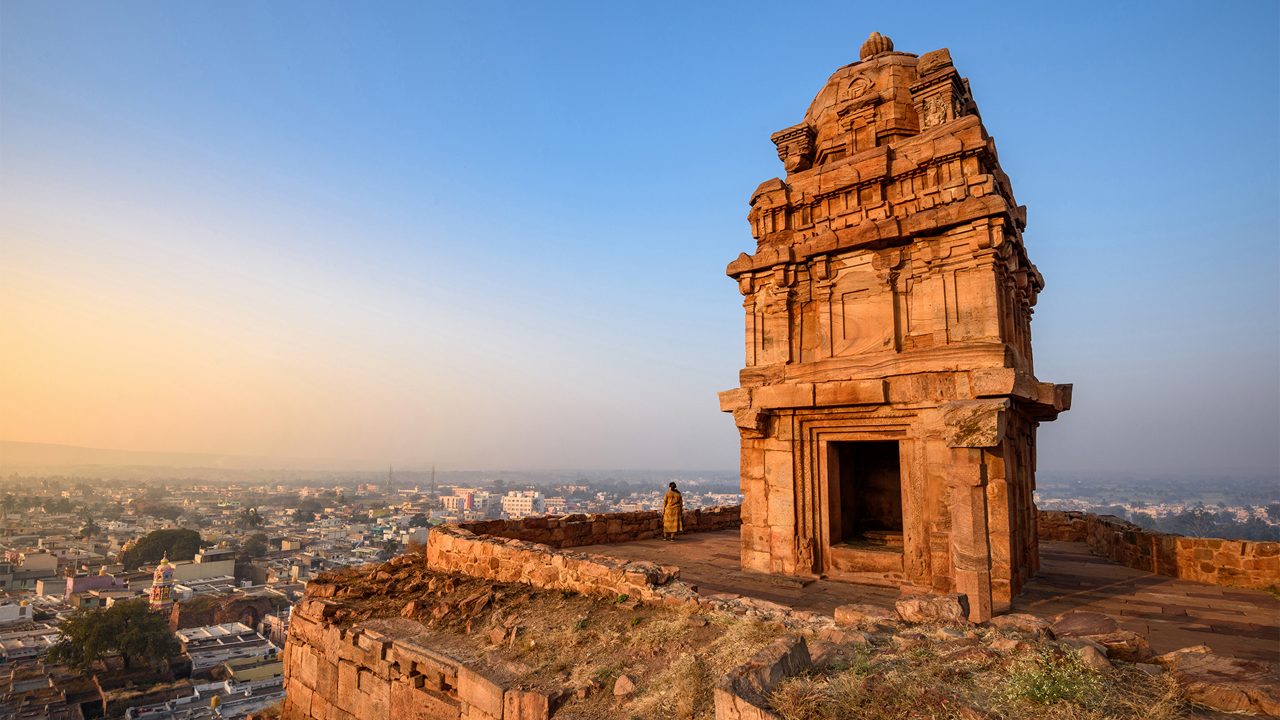
Badami Caves Karnataka: Rock-Cut Temples, Timings & Route
Explore Badami caves, magnificent rock-cut temples from 6th century. Discover Chalukya architecture, sculptures, timings & travel guide.
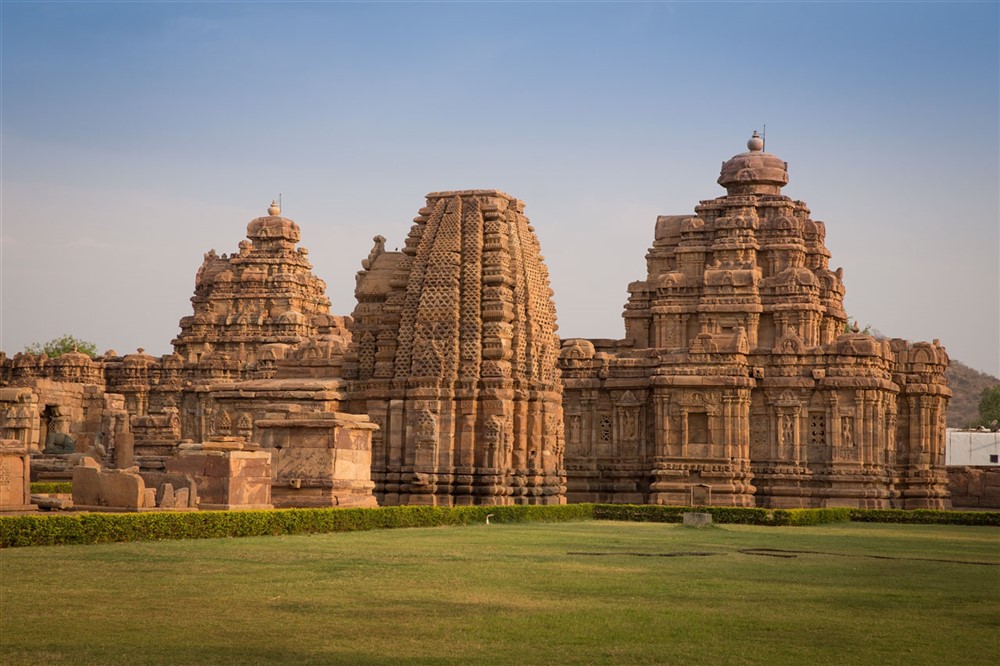
Pattadakal Temples Karnataka: UNESCO Site Highlights, Timings & Route
Visit Pattadakal temples, UNESCO World Heritage Site. Discover Chalukya architecture, Virupaksha Temple, history & travel guide.
Never Miss an Adventure
Get the latest trekking guides, travel tips, and exclusive offers delivered straight to your inbox.
