
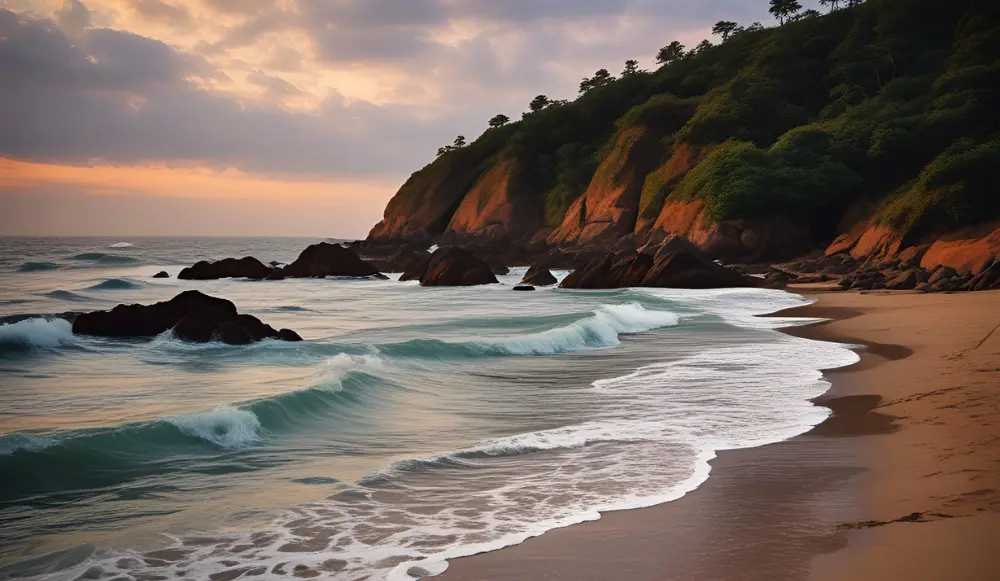
Gokarna: Complete Travel Plan Beaches And Weather

Rohan Malhotra
February 20, 2026
Complete Gokarna travel guide featuring Mahabaleshwar Temple, Om Beach, Kudle Beach, Paradise Beach, trekking & practical tips.
Introduction to Gokarna
Gokarna, a small temple town on Karnataka's coast, offers a unique blend of spirituality and relaxed beach vibes that's distinctly different from its more famous neighbor Goa. Located approximately 180 kilometers from Mangalore and 600 kilometers from Bangalore, Gokarna has been an important pilgrimage site for centuries due to the Mahabaleshwar Temple, one of the most sacred Shiva temples in India.
What makes Gokarna truly special is its remarkable duality - on one hand, it's a holy town where devout Hindus come to pray and perform rituals for their ancestors. On the other hand, it's a laid-back beach destination with pristine beaches, chilled-out cafes, and a backpacker culture that attracts visitors from around the world. Unlike many other pilgrimage towns in India, Gokarna manages to balance these seemingly contrasting identities harmoniously. For travelers comparing coastal destinations, our guide on places to visit in Gokarna provides detailed insights.
The town's name literally means 'cow's ear' in Sanskrit - derived from the legend that Lord Shiva emerged from a cow's ear here. According to Hindu mythology, Gokarna is where Lord Shiva was reborn after being cursed by Ravana. The town is one of the seven important Hindu pilgrimage centers (the others being Ayodhya, Mathura, Haridwar, Varanasi, Kanchipuram, and Ujjain) and is believed to grant moksha (liberation from the cycle of rebirth) to those who die here.
Beyond its religious significance, Gokarna's coastline features four main beaches - Gokarna Beach, Kudle Beach, Om Beach, and Paradise Beach. Each has its own character, from the pilgrim-friendly Gokarna Beach near the temples to the more secluded and pristine Paradise Beach accessible only by trekking or boat. Whether you're seeking spiritual experiences, beach relaxation, or a mix of both, Gokarna offers an authentic Indian experience without the commercialization of Goa.
Best Time to Visit Gokarna
Gokarna enjoys a tropical climate with hot summers, a monsoon season, and pleasant winters. The timing of your visit depends on whether you prefer beach weather, fewer crowds, or spiritual festivals.
October to March is the best time to visit Gokarna when the weather is pleasant and suitable for both temple visits and beach activities. During this period, daytime temperatures range from 20°C to 32°C, humidity is lower, and the sea is calm. This is peak season, so expect more visitors, especially during December and January when the town is at its liveliest.
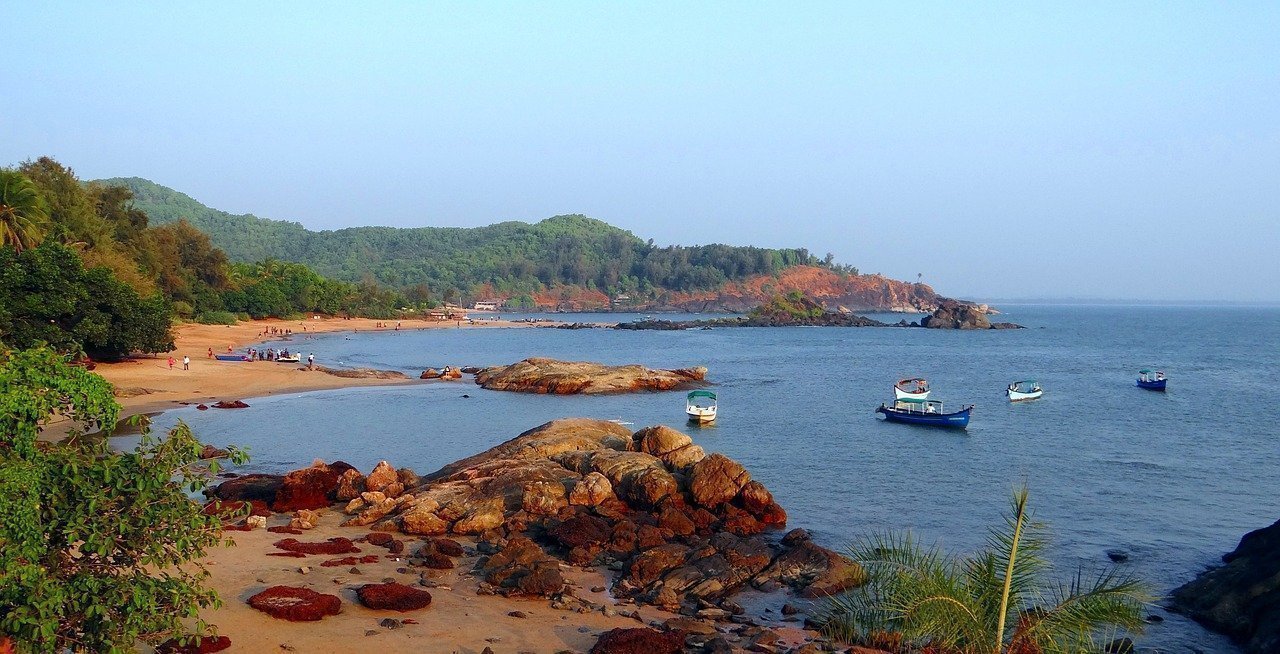
November to February are particularly pleasant with excellent weather for trekking between beaches and exploring. The Shivratri festival (typically February or March) is a major celebration in Gokarna, attracting thousands of devotees. During this time, the town takes on a distinctly spiritual atmosphere, and you can witness elaborate rituals and processions.
April to May brings summer with temperatures reaching 35°C-40°C and high humidity. The heat is intense, especially for those not used to tropical conditions. However, this is the off-season with significantly fewer tourists and lower prices on accommodations. If you don't mind the heat and want to escape the crowds, summer can be a peaceful time to visit, though beach activities during midday are challenging.
June to September is the monsoon season when Gokarna receives heavy rainfall. The town turns lush green, and the sea becomes rough with strong currents making swimming unsafe. Many beach shacks and restaurants close during monsoon, and trekking paths become slippery. However, the monsoon atmosphere has its own beauty - watching the rain over the Arabian Sea from a cafe can be magical. This is the least crowded time to visit, but facilities are limited.
Top Beaches in Gokarna
Gokarna Beach
Gokarna Beach, also known as Main Beach, is located closest to the town center and the Mahabaleshwar Temple. This is where most pilgrims take a ritual dip in the sea before visiting the temple. The beach is relatively short compared to the other beaches in Gokarna and can get crowded, especially during festivals and pilgrimage season.
The beach has numerous small cafes and guesthouses nearby. While not as pristine as the other beaches, Gokarna Beach has a local flavor and offers opportunities to watch fishing boats and observe daily life. The beach is particularly active during early morning when pilgrims take ritual baths, and during sunset when the sky and sea transform into brilliant colors.
Kudle Beach
Kudle Beach, located approximately 1.5 kilometers from Gokarna town, is a beautiful crescent-shaped beach lined with coconut palms. The beach can be reached by a short walk from the main road or by auto-rickshaw. Kudle is more relaxed than Gokarna Beach but more developed than the more remote beaches.
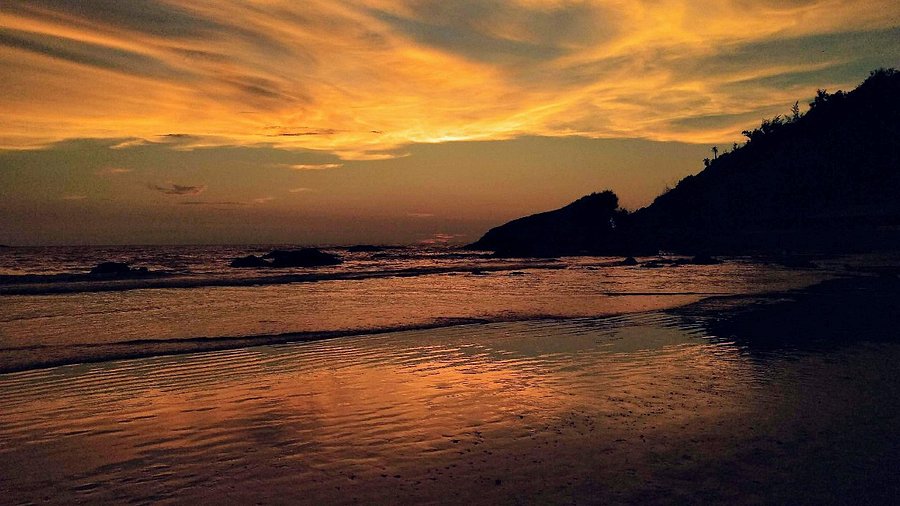
The beach has numerous beach shacks, cafes, and guesthouses, making it a popular base for travelers. The vibe is laid-back, with many visitors spending days here relaxing, reading, and watching sunsets. The beach is relatively safe for swimming when the sea is calm, though always check conditions. The sunsets from Kudle Beach are spectacular, with the sun dipping into the Arabian Sea behind the horizon. After exploring Gokarna's beaches, you might also enjoy discovering Alleppey's beautiful backwaters in Kerala, another serene coastal destination.
Om Beach
Om Beach, named for its distinctive shape that resembles the Hindu sacred symbol Om (ॐ), is Gokarna's most famous beach. Located approximately 2.5 kilometers from town, Om Beach can be reached by a scenic coastal walk or by auto-rickshaw. The beach is lined with numerous shacks, cafes, and guesthouses, creating a vibrant traveler scene.
The beach is divided into two sections - the main area near the entrance and the more secluded northern section. The water is generally calm, making it safe for swimming when conditions are good. Numerous cafes serve seafood, Indian, and Continental cuisine. Om Beach is particularly popular with backpackers and has a lively, social atmosphere. It's an excellent place to meet fellow travelers, enjoy the beach, and soak in the relaxed vibe.
Paradise Beach
Paradise Beach (also known as Full Moon Beach or Half Moon Beach depending on the section) is the most secluded and pristine of Gokarna's beaches. Located approximately 3.5 kilometers from town, Paradise Beach can only be reached by trekking along the coastal path from Om Beach or by boat. The beach offers pristine white sand, clear turquoise water, and a tranquil atmosphere.
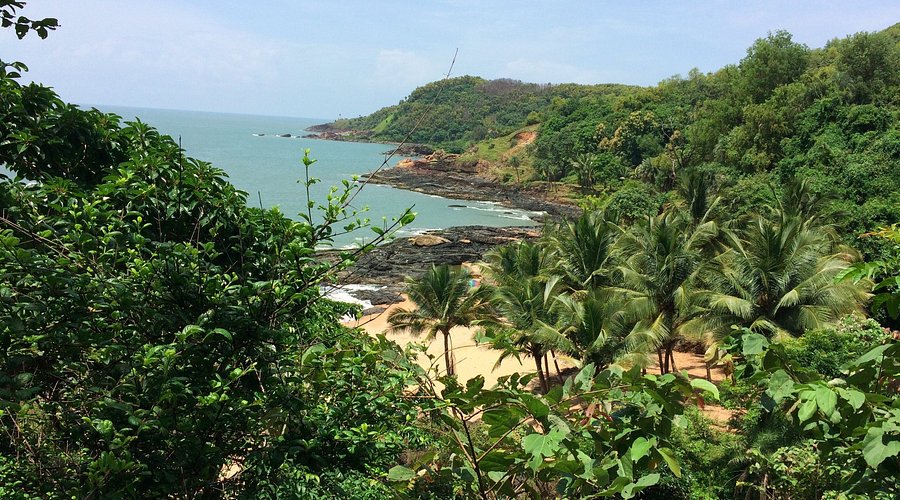
The beach has a few basic shacks and camping options, but facilities are limited. Most visitors come during the day and return to other beaches for accommodation. The beach is particularly beautiful in the morning when it's virtually empty. The trek to Paradise Beach offers spectacular coastal views and is an experience in itself.
Temples and Spiritual Sites
Mahabaleshwar Temple
The Mahabaleshwar Temple, dedicated to Lord Shiva, is Gokarna's most important temple and one of the most sacred Shiva temples in India. According to legend, this is where the Atmalinga (manifestation of Shiva) that Ravana had obtained through penance was firmly planted on the ground by Ganesha in the guise of a Brahmin boy, preventing Ravana from taking it to Lanka. For those interested in exploring more temple towns along India's western coast, Murudeshwar Temple is another significant Shiva temple worth visiting.
The temple's main shrine houses a six-foot tall lingam (representation of Shiva) that can be worshipped only once every 40 years. However, devotees can view the lingam through a small window. The temple complex includes several smaller shrines and a 1500-year-old stone statue of Lord Shiva in a standing posture. The temple's architecture features Dravidian style elements and has been renovated and expanded over the centuries.
Maha Ganapati Temple
Located near the Mahabaleshwar Temple, the Maha Ganapati Temple is dedicated to Lord Ganesha. According to the legend mentioned above, this is where Ganesha tricked Ravana and established the Atmalinga at Gokarna. The temple features a large stone idol of Ganesha in a standing posture.
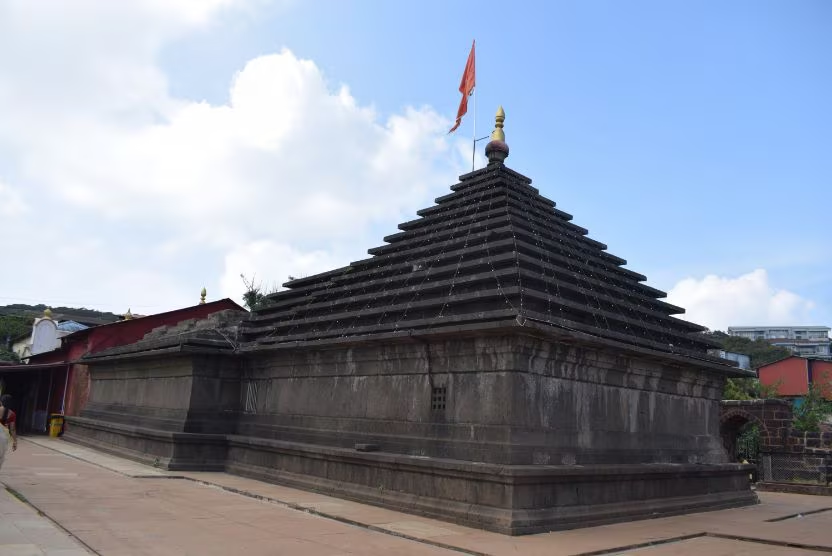
Devotees typically visit the Maha Ganapati Temple before proceeding to the Mahabaleshwar Temple. The temple is particularly busy during Ganesh Chaturthi festival. The temple's location near the main temple makes it easily accessible on foot from anywhere in Gokarna town.
Activities in Gokarna
Beach Trek
The coastal trek connecting Gokarna's four beaches is one of the most popular activities in the region. The trek typically starts from Kudle Beach and continues to Om Beach and then to Paradise Beach. The trail winds along the coastline, offering spectacular views of the Arabian Sea, rocky cliffs, and pristine beaches.
The trek from Kudle to Om Beach takes approximately 30-45 minutes and is relatively easy. The section from Om to Paradise Beach is slightly more challenging but manageable for most people with basic fitness. The best time for the trek is early morning when the light is soft and the temperature is pleasant. Carry water and wear good walking shoes as the trail can be rocky and slippery in sections.
Water Sports
While not as developed as Goa, Gokarna offers various water sports including banana boat rides, jet skiing, bumper rides, and surfing. The calm waters at Om Beach and Kudle Beach are suitable for these activities when conditions are good. Several operators along these beaches offer water sports.
Surfing is gaining popularity in Gokarna, with Om Beach offering decent waves for beginners and intermediate surfers. Surfboards can be rented from some shacks, and occasionally, surfing instructors offer lessons. The best season for water sports is from October to May when the sea is calm.
Where to Stay in Gokarna
Gokarna offers accommodation options primarily along its beaches, with each beach having a different vibe.
Kudle Beach and Om Beach have the most accommodation options, ranging from basic huts and guesthouses (₹300-800 per night) to slightly more upscale hotels (₹1000-2000 per night). Most properties are beach shacks or simple guesthouses with basic amenities. The rooms typically have attached bathrooms (some with Western toilets), mosquito nets, and occasionally air conditioning or fans.
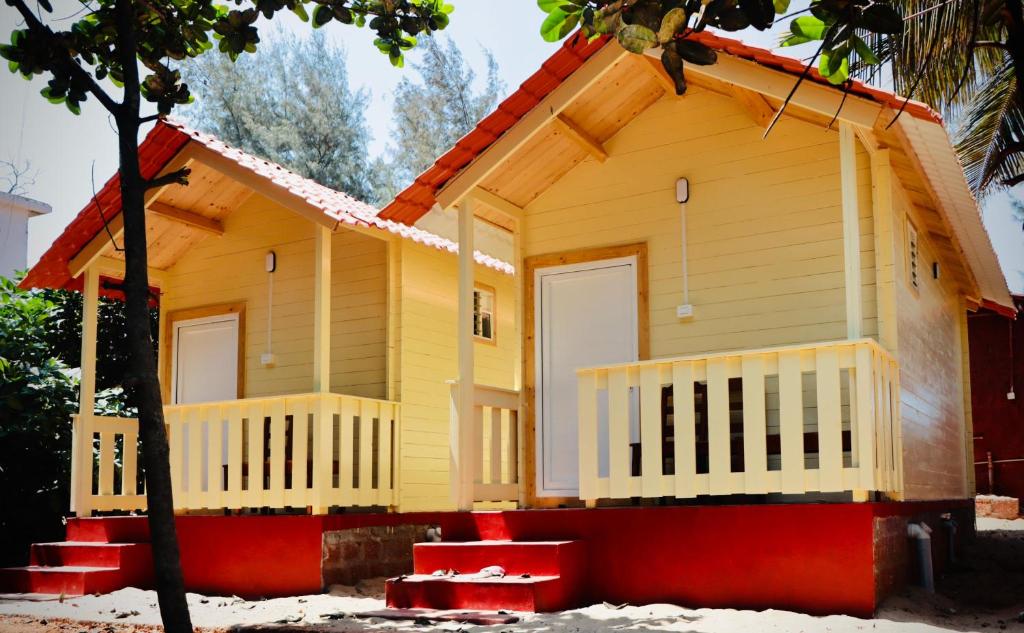
Paradise Beach has very basic accommodation options, mainly camping facilities with tents. This is for those seeking a more rustic beach experience. For those seeking more comfort, a few mid-range hotels are available in Gokarna town, though these lack the beachfront locations.
Food in Gokarna
Gokarna's food scene caters to both pilgrims (serving vegetarian food) and beach-going travelers (serving both vegetarian and non-vegetarian food, including seafood). If you want to compare Gokarna's quieter charm with a livelier coastal circuit, Goa's beach scene offers a useful contrast in pace and crowd levels.
For pilgrims and those seeking vegetarian food, numerous restaurants in Gokarna town serve South Indian and North Indian vegetarian cuisine. Dosas, idlis, thalis, and various snacks are widely available. Most of these restaurants are vegetarian and don't serve alcohol, respecting the town's religious nature.
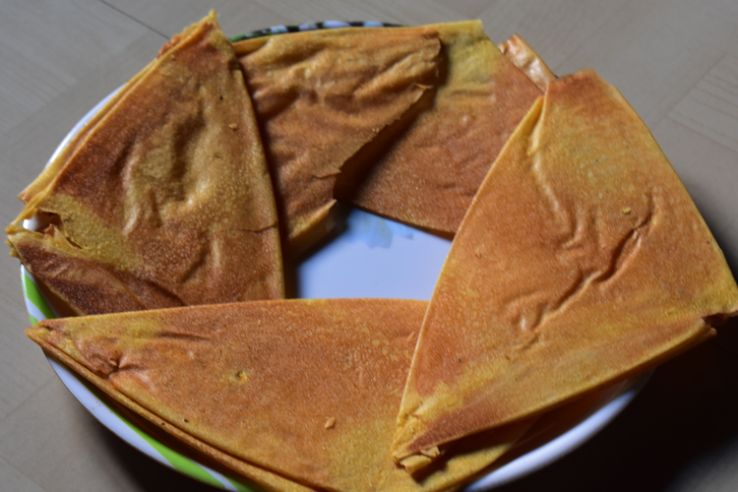
The beach shacks at Kudle and Om Beach serve a diverse menu including seafood (fresh catch of the day), Indian, Israeli, Continental, and various fusion cuisines. Seafood is excellent - try the fish curry, fish fry, and prawns. Many cafes serve excellent breakfast including eggs, pancakes, and various coffee preparations. The food is generally inexpensive - a meal typically costs ₹150-400.
How to Reach Gokarna
By Air
The nearest airport to Gokarna is Goa's Dabolim Airport, located approximately 140 kilometers away. The airport has good domestic connectivity and some international flights. From the airport, you can hire a taxi (approximately ₹2500-3500) or take a bus to Gokarna. The journey takes approximately 3-4 hours by road.
By Train
Gokarna has its own railway station (Gokarna Road) on the Konkan Railway line. However, not many trains stop here. More convenient is to take a train to Ankola Railway Station (approximately 20 kilometers from Gokarna) or to Karwar (approximately 50 kilometers), both of which have better connectivity. From these stations, taxis and buses are available to reach Gokarna.
By Road
Gokarna is well connected by road to major cities in Karnataka and Goa. The distance from Bangalore is approximately 600 kilometers and the journey takes approximately 10-12 hours by road. State-run KSRTC buses and private operators run regular services to Gokarna from Bangalore, Mangalore, Goa, and other cities.
Travel Tips for Gokarna
Respect the religious nature of Gokarna town. The temples are sacred sites - dress modestly (shoulders and knees covered), remove shoes before entering, and maintain silence during rituals. Non-Hindus may not be allowed in certain parts of the temples. Photography may be restricted - always ask permission.
The beaches can have strong currents, especially during monsoon and immediately after. Always check local conditions before swimming and swim only in designated safe areas. Never swim alone or under the influence of alcohol. Paradise Beach, in particular, has no lifeguards, so swim with caution.
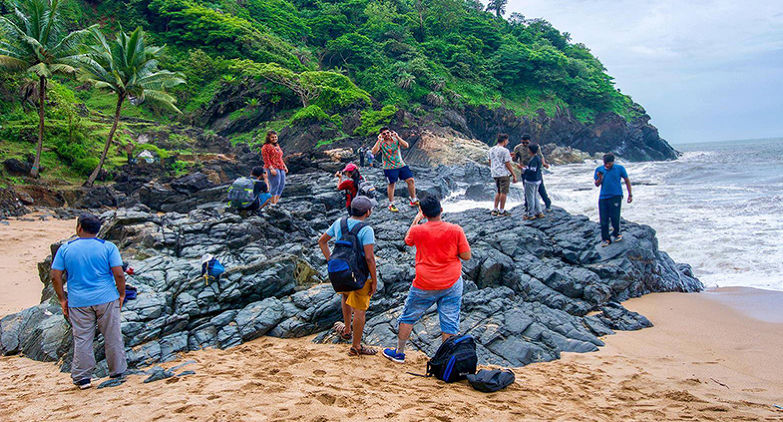
Carry sufficient cash as ATMs are limited and often out of cash. Mobile connectivity is generally good for major networks but can be patchy on the beaches. Download offline maps for navigation. The coastal trek can be done independently, but going in a small group is safer, especially if you're unfamiliar with the trail.
Conclusion
Gokarna offers a unique blend of spirituality and beach culture that's increasingly rare in India. Unlike many pilgrimage towns that are purely religious, or beach destinations that are purely commercial, Gokarna maintains a balance between these contrasting identities. Whether you're seeking spiritual experiences at the ancient temples, relaxing on pristine beaches, trekking along scenic coastal paths, or simply escaping the crowds, Gokarna delivers experiences that are both authentic and memorable.
The town's relaxed pace, friendly locals, and diverse visitor population create a welcoming atmosphere. It's the kind of place where you might arrive planning to stay a few days and end up staying weeks. The combination of sacred temples and beautiful beaches, pilgrims and backpackers, traditional culture and traveler cafes - all coexisting harmoniously - makes Gokarna special.
For those seeking an alternative to Goa's commercialization, Gokarna offers pristine beaches without the crowds. For those seeking spiritual experiences without the intensity of Varanasi or other pilgrimage centers, Gokarna provides a peaceful, accessible setting. For those simply wanting to unwind, Gokarna's beaches and cafes offer the perfect escape. This temple town by the sea has something for everyone and rewards those who take the time to discover its many facets.
Location
Frequently Asked Questions
Q1.What is the best time to visit Gokarna?
Q2.How many days are enough for Gokarna?
Q3.Is Gokarna better than Goa?
Q4.Is Gokarna safe for solo female travelers?
Q5.Can I drink alcohol in Gokarna?
Q6.How do I reach Paradise Beach in Gokarna?
Q7.What should I pack for Gokarna?
Q8.Is the Gokarna beach trek difficult?
Recommended For You
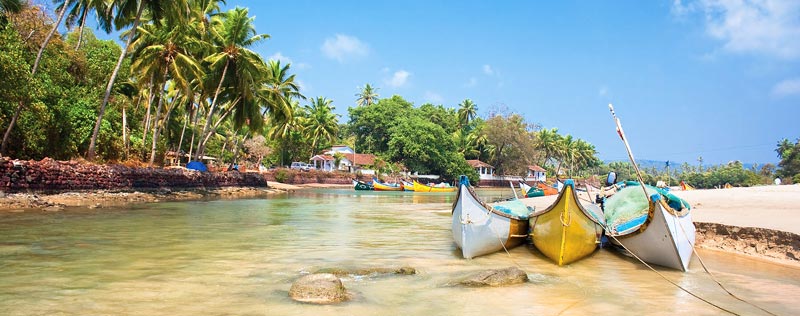
Goa Complete: Plan Beaches Weather And Activities
Complete Goa travel guide featuring beaches, nightlife, water sports, churches, cuisine, markets, North vs South Goa, and practical travel tips.
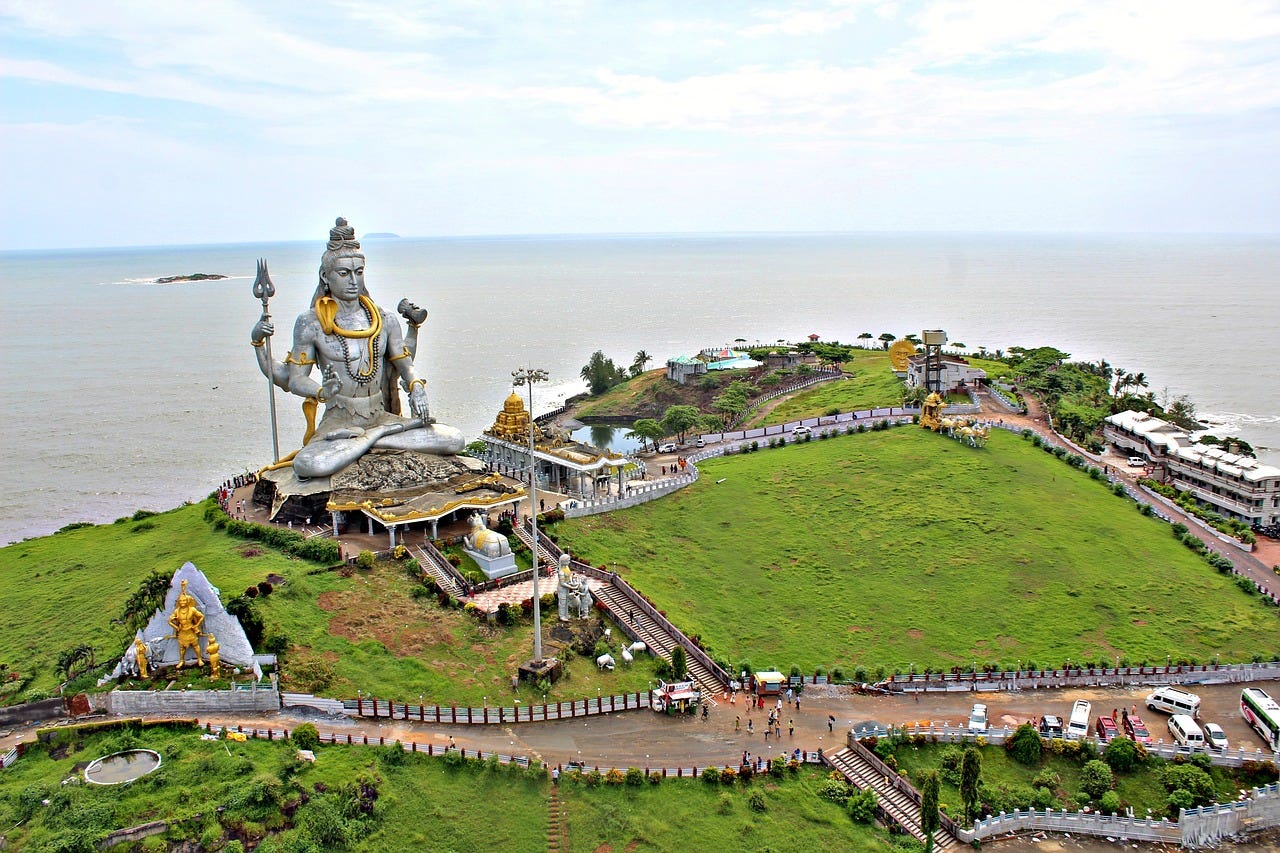
Murudeshwar Temple: Complete Guide to Lord Shiva's Abode
Visit Murudeshwar Temple, home to the world's second tallest Shiva statue. Discover timings, history, architecture, and travel guide for this coastal Karnataka shrine.
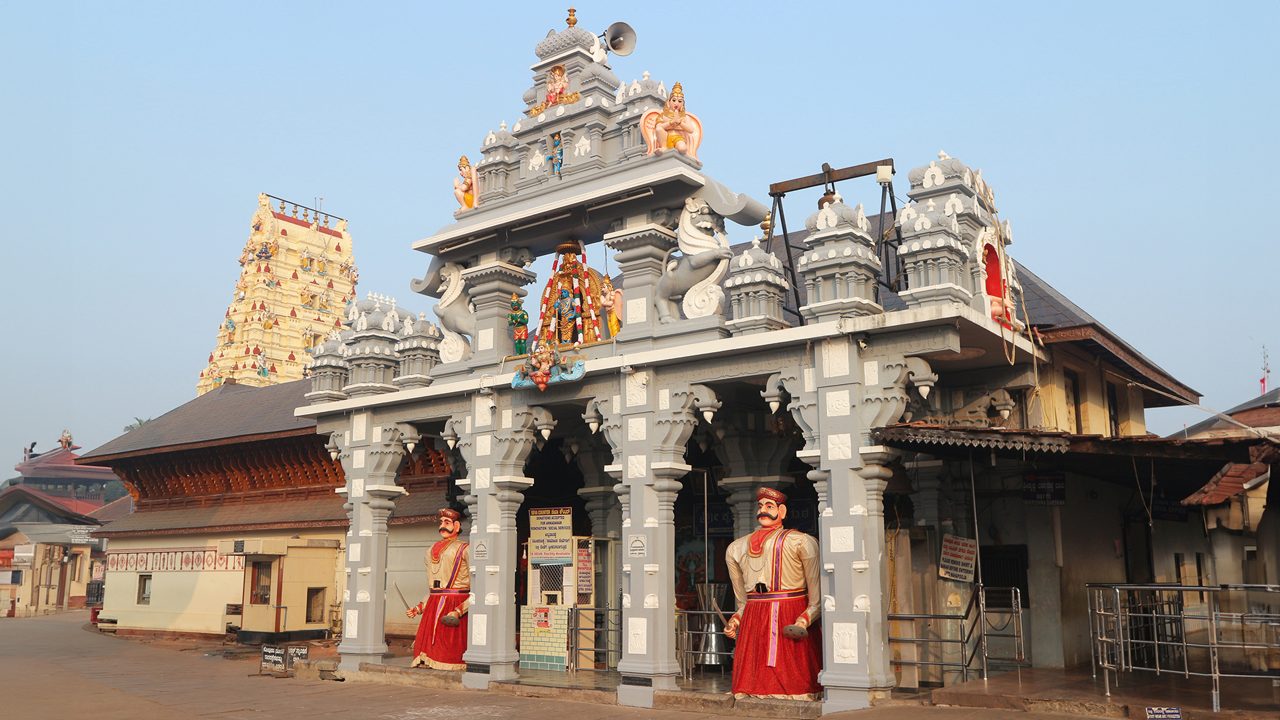
Udupi Krishna Temple: Darshan Timings, Sevas & Pilgrimage Tips
Visit Udupi Sri Krishna Temple, one of South India's most revered shrines. Discover the Kanakana Kindi, Ashta Mathas, Paryaya festival & travel guide.
Never Miss an Adventure
Get the latest trekking guides, travel tips, and exclusive offers delivered straight to your inbox.
