
Festivals
30 New Year Traditions Around the World You Should Know

Rohan Malhotra
February 18, 2026
5 min read2,177 views
Explore 30 New Year traditions around the world, from Spain and Scotland to Japan, Brazil, and beyond, with meanings, customs, and travel context.
Introduction
New Year traditions around the world prove one simple point: people begin a new year with symbols of hope. Some cultures eat specific foods, some make loud noise to push away bad luck, and some perform cleansing rituals connected to fire or water. The details are different, but the intention is shared.
This guide covers practical, well-known customs by region so you can understand what they mean and where they come from. If you are planning seasonal travel, pair this with new year events around the world and new year in Japan.
Europe Traditions
Europe has some of the most searched New Year customs, especially food and first-visitor beliefs.Spain: Eating 12 Grapes at Midnight
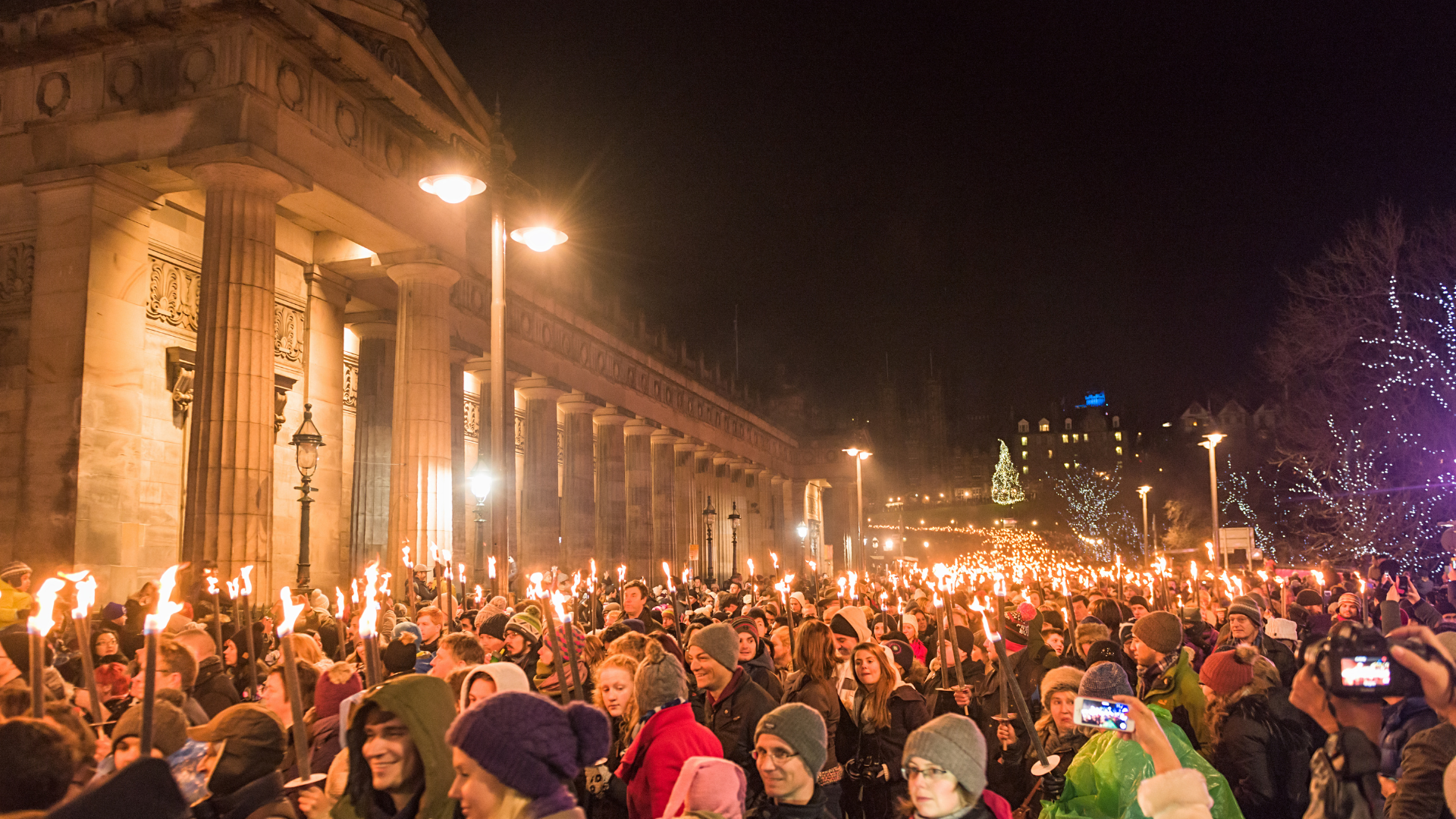
In Spain, people eat one grape at each bell stroke at midnight. The idea is luck for all 12 months. It is one of the most recognized new year traditions by country and is now followed in parts of Latin America too.Scotland: Hogmanay and First-Footing
Hogmanay is Scotland’s New Year celebration period. A key ritual is first-footing: the first person entering a house after midnight is believed to influence luck for the coming year.Italy: Red Underwear and Old-Year Let-Go
Italian customs include wearing red for luck and love. Some regions historically had "out with the old" actions, though dramatic versions like throwing objects from windows are mostly symbolic in modern travel guidance.Denmark: Plate-Smashing Tradition
Friends may save old plates and break them at each other’s doors as a playful sign of friendship and luck. Another custom is standing on chairs and jumping down at midnight.Greece: Onion and Luck Rituals
In parts of Greece, an onion is hung at the door as a rebirth symbol. Families also do first-step rituals for children to invite prosperity.Asia Traditions
 Asia includes both January 1 customs and traditional new-year calendars.
Japan: Joya no Kane (108 Bells)
On New Year’s Eve, Buddhist temples ring bells 108 times to represent cleansing worldly desires. Many Japanese families also eat soba noodles for longevity and resilience.Philippines: Round Shapes for Prosperity
Round fruits, polka dots, and coin-like shapes are common because circles symbolize wealth and abundance. This is a top example of unique new year traditions with strong visual symbolism.China: Lunar New Year Context
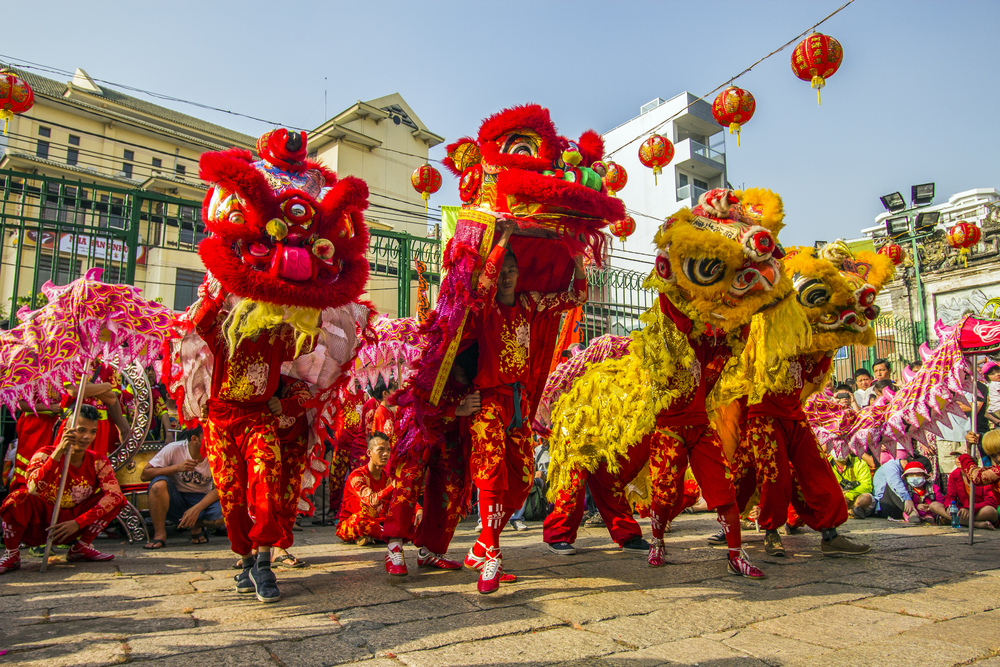
China’s biggest New Year celebration follows the lunar calendar, not January 1. Still, global readers compare it when learning how different countries celebrate new year through red envelopes, family reunions, and lion/dragon performances.Thailand: Songkran as Traditional New Year
Thailand’s traditional New Year is Songkran, famous for water rituals linked to cleansing and renewal. It happens later in the year but belongs in any global tradition overview.India: Regional New-Year Calendars
India marks New Year at multiple times across states and calendars. That diversity is why a single date does not capture all local New Year practices in South Asia.Americas Traditions

United States: Times Square Ball Drop
Dropping the ball in New York is one of the world’s most broadcast New Year moments. Midnight countdown kisses and toasts are common social rituals across the country.Brazil: Wearing White and Jumping Waves
On beaches like Copacabana, many people wear white for peace and jump seven waves for blessings. Offerings to Yemanja are also part of Afro-Brazilian spiritual traditions.Colombia: Suitcase Walk for Travel Luck
A popular custom is walking with an empty suitcase after midnight to invite travel in the coming year.Ecuador: Burning Effigies
Families burn effigies called "Años Viejos" to symbolize leaving behind the old year’s problems.Mexico: Grapes, Colors, and Wishes
Like Spain, people eat 12 grapes. Colored underwear traditions are also common in public conversation: yellow for money, red for love.Africa and Oceania Traditions
South Africa: Urban New-Year Practices
Some neighborhoods historically marked New Year by discarding old household items. Today, official safety messaging strongly discourages dangerous behavior, but the theme of "clearing the old" remains culturally relevant.Australia: Fireworks and Outdoor Gatherings
Sydney Harbour fireworks are among the earliest major New Year spectacles seen globally due to timezone advantage. Public parks and waterfront gatherings shape the celebration style.Common Themes Across Countries
| Theme | Examples | Meaning |
|---|---|---|
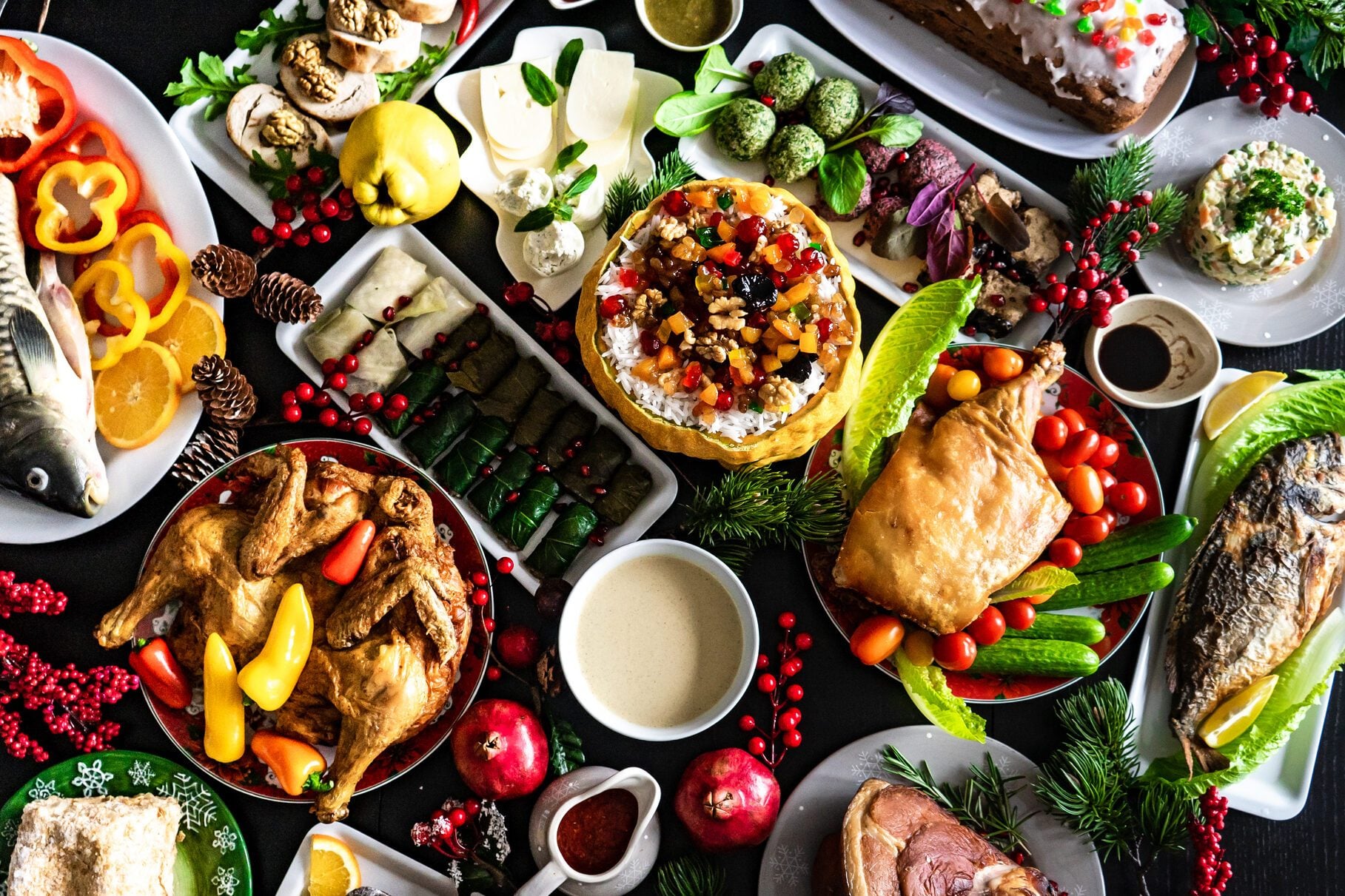
| Food rituals | 12 grapes, soba noodles, lentils | Luck, long life, prosperity |
| Noise rituals | Bells, fireworks, shouting countdowns | Drive away negativity |
| Fire rituals | Effigies, bonfires, light displays | Purification and renewal |
| Color symbols | White in Brazil, red garments in parts of Europe/Latin America | Peace, love, fortune |
Travel Tips for Experiencing New Year Traditions
- Check local timing and cultural etiquette before joining public rituals
- Expect crowd-control zones in major city events
- Book transport and hotels early for year-end peak demand
- Respect sacred spaces when traditions involve temples or churches
 If your trip is India-focused, see New Year party options in Kochi and New Year events in India for city-level planning.
Conclusion
From eating grapes in Spain to bell-ringing in Japan and wave-jumping in Brazil, New Year traditions around the world show how culture turns hope into action. The symbols vary, but they all express the same human wish: a better, luckier, healthier year ahead.Location
Frequently Asked Questions
Q1.Why do people eat 12 grapes in Spain on New Year's Eve?
It symbolizes luck for each month of the coming year, with one grape eaten at each midnight bell stroke.
Q2.What is Hogmanay in Scotland?
Hogmanay is Scotland's New Year celebration, known for fire events, gatherings, and first-footing customs.
Q3.Why do many people wear white in Brazil on New Year?
White is associated with peace and purification, and beach rituals often include wave-jumping for blessings.
Q4.Which country celebrates New Year first?
Pacific island nations such as Kiribati, Samoa, and Tonga are among the first to enter the new year due to timezone position.
Q5.Are all New Year traditions tied to January 1?
No. Many cultures follow lunar or regional calendars, so traditional New Year dates vary by country.
Recommended For You
Festivals
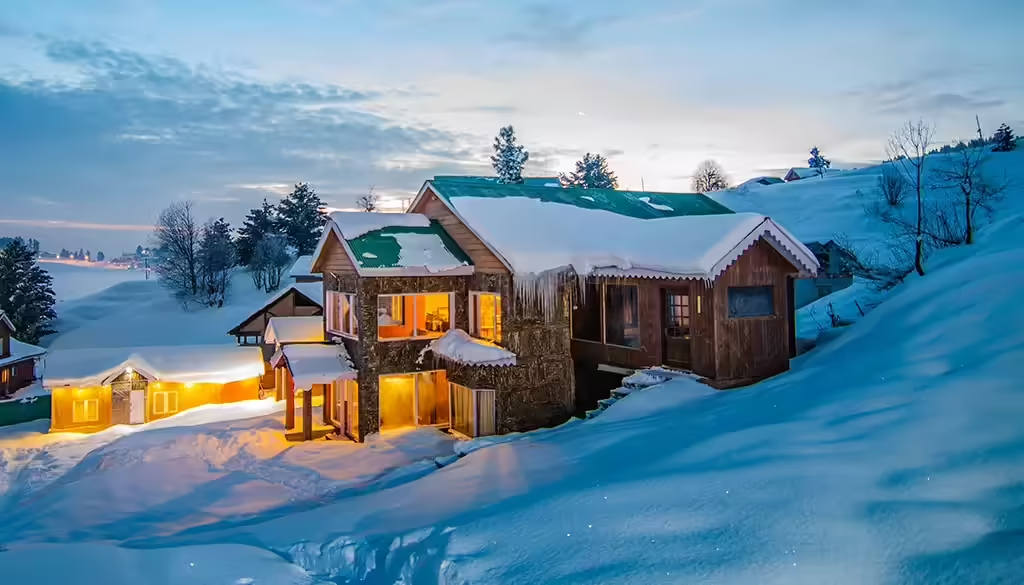
Best Snow Destinations India for Christmas and New Year
Discover India’s best snow destinations for Christmas and New Year with route planning, timing strategy, and practical winter-travel tips.
Feb 18Read More
Festivals
New Year Events India: Best Cities, Parties and Travel Tips
Discover the best New Year events in India with city-wise celebration formats, booking strategy, safety tips, and practical travel planning advice.
Nov 18Read More
Festivals
New Year Party Kochi: Best Events and Beach Parties
Plan New Year party Kochi with Fort Kochi carnival, beach and cruise events, ticket ranges, safety tips, and practical 31st December transport planning.
Dec 9Read More
Never Miss an Adventure
Get the latest trekking guides, travel tips, and exclusive offers delivered straight to your inbox.
