
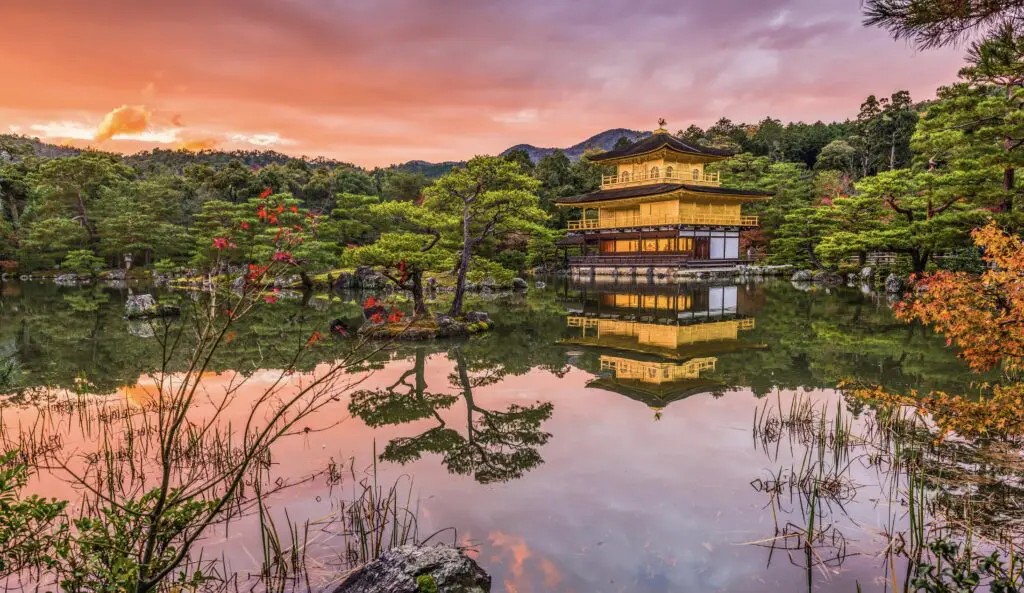
New Year in Japan: Traditions, Temple Visits, Foods & Travel Tips

Rohan Malhotra
February 18, 2026
A practical guide to New Year in Japan covering hatsumode, osechi food, temple-bell traditions, best cities, and travel planning tips.
Oshogatsu: Why New Year in Japan Feels Different
New Year in Japan is not only a countdown event. It is a cultural reset called Oshogatsu, centered on family, reflection, shrine visits, and symbolic food. In many countries, New Year is mostly nightlife. In Japan, the first days of January focus on rituals believed to shape luck, health, and prosperity for the year ahead.
Search intent around this topic usually falls into three buckets: tradition (what locals do), logistics (what is open or closed), and travel planning (where to experience celebrations respectfully). This guide combines all three so you can plan confidently and avoid common mistakes, especially if you are visiting Japan for the first time during late December and early January.
For itinerary planning, pair this with Meiji Jingu Shrine Tokyo, Shibuya Crossing Tokyo, and Ueno Park Tokyo.
Japanese New Year Traditions You Should Know
Japanese New Year traditions begin before midnight on December 31 and continue through January 1-3, sometimes longer depending on region and family practices. Most rituals are simple in form but deeply symbolic in meaning.
- Osouji (year-end cleaning): homes are cleaned to remove old-year clutter and start fresh.
- Kadomatsu and shimenawa: traditional decorations that invite good fortune and protect homes.
- Nengajo cards: New Year postcards exchanged with family, friends, and colleagues.
- Otoshidama: gift money given to children in decorative envelopes.
- Toshikoshi soba: buckwheat noodles eaten on New Year’s Eve for long life and resilience.
These customs are not tourist performances. They are part of daily Japanese social life. Observing respectfully gives a much richer experience than only attending countdown parties.
Hatsumode: The First Shrine Visit of the Year
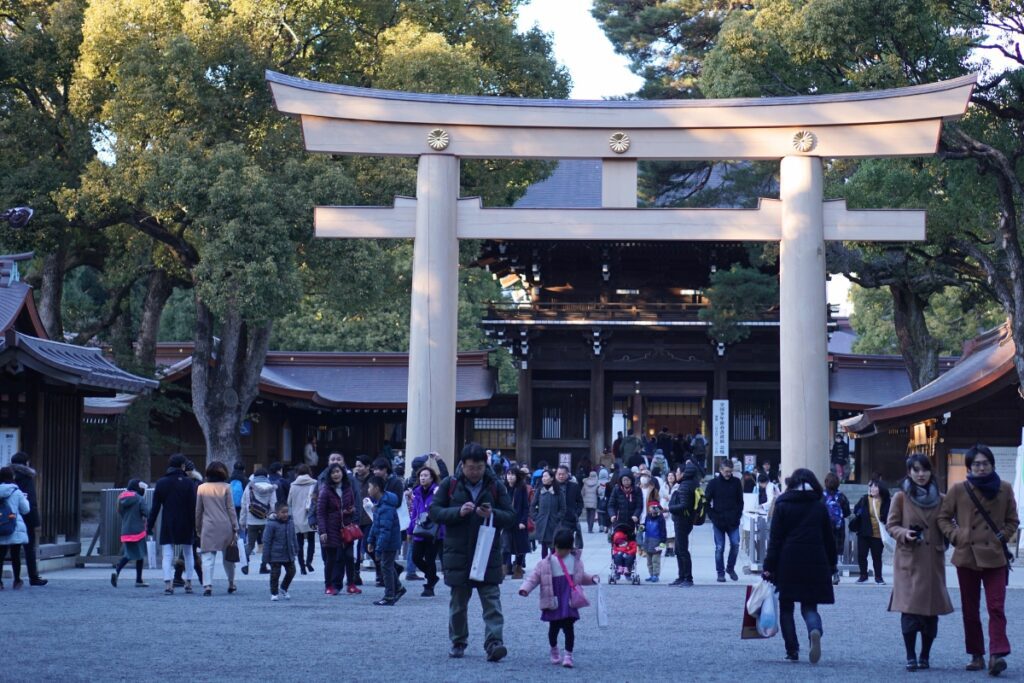
Hatsumode means the first shrine or temple visit of the new year. Many people go just after midnight, while others visit during the first three days of January. Popular shrines can become very crowded, but the atmosphere remains orderly and reflective.
| Hatsumode Element | What Happens | Visitor Tip |
|---|---|---|
| Prayer | People offer coins and pray for health, work, study, and family well-being | Watch locals first, then follow the same flow |
| Omikuji | Fortune slips are drawn at shrine counters | If fortune is unlucky, tie it at designated spots |
| Ema plaques | Visitors write wishes on wooden plaques | Keep messages brief and respectful |
| Amulets | Protective charms are bought for different goals | Choose based on intent, not just design |
In Tokyo, Meiji Jingu is one of the best-known hatsumode sites. In Kyoto and Osaka, major temples and shrines also draw large early-January crowds.
Osechi Ryori: The Symbolic New Year Meal
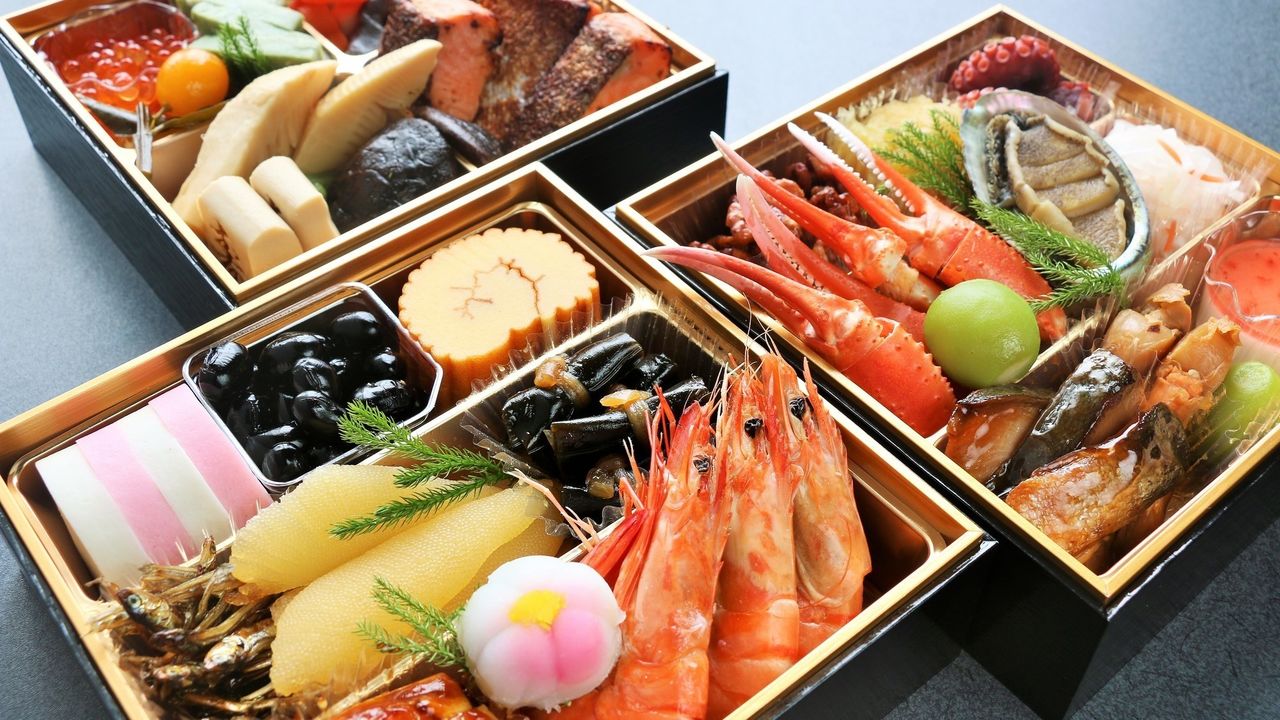
Japanese New Year food is led by Osechi Ryori, a boxed meal with multiple small dishes, each tied to a meaning. This is one of the most searched New Year topics because visitors see the boxes but often miss the symbolism behind each item.
- Kuromame (black soybeans): health and hard work.
- Kazunoko (herring roe): fertility and family growth.
- Tazukuri (candied sardines): good harvest and prosperity.
- Datemaki (sweet omelet roll): culture and learning.
- Kurikinton (sweet chestnut mash): wealth and financial luck.
Modern households may buy ready-made osechi sets from department stores, hotels, or online preorders. Traditional homes still prepare some items themselves. Travelers can experience osechi through hotels, ryokan stays, and select restaurants with special New Year menus.
Joya no Kane: Why Bells Ring 108 Times
On New Year’s Eve, many Buddhist temples in Japan ring a bell 108 times. This ritual is called Joya no Kane. The number 108 represents human worldly desires in Buddhist thought, and the ringing symbolizes purification before entering the new year.
For visitors, this is one of the most meaningful experiences because it combines sound, silence, ritual, and community. Some temples let attendees participate in ringing under controlled conditions. Others maintain a priest-led ceremony while visitors observe.
If you attend, arrive early, dress warmly, and stay patient with crowd management. Ceremony spaces are spiritual environments, so avoid loud behavior and disruptive filming.
Best Places in Japan for New Year Experiences
Where to celebrate depends on your travel style. Some travelers want shrine-centered tradition. Others want urban countdown energy plus cultural visits the next morning.
| Destination | Best For | Typical New Year Experience |
|---|---|---|
| Tokyo | Mixed modern + traditional | Urban countdown, then hatsumode at major shrines |
| Kyoto | Classic temple atmosphere | Temple bell ceremonies and heritage streets |
| Osaka | Food + lively city vibe | Festive districts and shrine visits |
| Nara | Quiet cultural pace | Spiritual visits with lower city pressure |
Tokyo remains the most practical base for first-time visitors due to transport links and accommodation variety, but Kyoto offers stronger traditional ambiance if that is your main goal.
What Is Open and Closed During New Year in Japan
This is the biggest logistics concern for travelers. Around January 1-3, many businesses run reduced hours or close temporarily. Exact schedules vary by city and year, so always verify directly before moving across town.
- Many local restaurants and small shops close on January 1.
- Large department stores often reopen with New Year sales and lucky bags.
- Some museums and attractions follow holiday closure schedules.
- Convenience stores usually remain available, but peak lines can be longer.
- ATMs may have limited service windows in specific bank branches.
Plan your food and cash access ahead of time, especially if your hotel is not in a central district.
Travel Tips for New Year in Japan
Japan is efficient, but New Year travel requires extra planning because millions of people move for family visits and shrine trips in a short window.
- Book hotels and key train routes early for late December and first-week January travel.
- Expect queue time at major shrines and temples, especially from midnight to noon.
- Use layered winter clothing; nights can be cold in most regions.
- Keep a flexible meal plan in case preferred restaurants are closed.
- Respect shrine etiquette: quiet behavior, modest clothing, and no obstruction at prayer lines.
Families with children should avoid overpacked countdown + shrine schedules in a single night. A split plan (countdown one day, hatsumode next morning) is more comfortable.
2-Day New Year Sample Itinerary (First-Time Visitors)
Day 1 (Dec 31): light sightseeing, early dinner, move to countdown area, then attend a temple or shrine zone if you want a spiritual transition experience.
Day 2 (Jan 1): hatsumode in the morning, relaxed lunch near your base, evening walk in a major district with seasonal lighting or winter streetscapes.
This pacing avoids fatigue and keeps logistics manageable during peak holiday crowd movement.
Cultural Etiquette for Respectful Participation
Japan’s New Year rituals are deeply personal for local families. Respectful behavior matters more than perfect ritual knowledge.
- Avoid loud conversation in prayer lines and temple zones.
- Do not block entrances for photos.
- Follow signs for purification, offering, and queue flow.
- Ask before taking close-up photos of worshippers.
- Keep your travel group coordinated so you do not disrupt movement.
Visitors who follow these basics generally have a smoother and more meaningful experience.
Transport Planning During New Year Rush
Rail and intercity movement around the New Year window can be dense because many residents travel to hometowns or family regions. If your itinerary includes shinkansen sectors or long-distance transfers, book key legs early and keep one backup timing option in mind. Even with Japan's efficiency, holiday crowd volume changes queue behavior at major stations.
Within cities, metro networks remain useful, but station crowding can rise near large shrines after midnight and early morning rituals. Keep one alternate station exit mapped before arrival. This small step helps you avoid bottlenecks and saves walking time in cold weather.
Where to Stay for Better New Year Access
Accommodation selection influences your entire New Year experience in Japan. If rituals are your priority, stay near major shrine-connected transit lines. If countdown atmosphere is your priority, stay near a central urban district and visit a shrine the next morning. Trying to do both from a distant suburb often creates fatigue.
| Stay Strategy | Best For | Main Trade-Off |
|---|---|---|
| Central city hotel | Countown + easy dining access | Higher nightly cost |
| Shrine-adjacent district | Early hatsumode convenience | Nightlife options may be limited |
| Budget outer area | Lower accommodation spend | Longer transit in peak windows |
A practical compromise is a central hotel with direct transit to one major shrine and one backup shrine with lower footfall.
Food Planning: Beyond Osechi
Many visitors focus only on osechi and miss other New Year foods. In addition to Toshikoshi soba and boxed holiday meals, winter street snacks, regional soups, and convenience-store seasonal items can shape your trip experience. The key is to plan one intentional cultural meal and keep remaining food slots flexible around opening hours.
- Book one festive meal in advance if your hotel provides holiday service.
- Keep emergency backup food options for January 1 closures.
- Try local sweets and tea pairings in daytime cultural districts.
- Avoid overcommitting restaurant plans in one evening.
This approach prevents frustration when your first-choice venue is closed and helps maintain a relaxed celebration pace.
Common New Year Mistakes Travelers Make in Japan
- Assuming all restaurants stay open on January 1.
- Reaching major shrines without queue-time expectations.
- Skipping winter layering and waiting outdoors for long periods.
- Booking intercity travel too late in a high-demand period.
- Treating sacred spaces as only social-media locations.
Most of these issues are easy to avoid with one extra day of planning. New Year in Japan rewards organized, culturally respectful travel more than spontaneous rush itineraries.
Budgeting for New Year Travel in Japan
Year-end travel in Japan can cost more than regular weeks due to demand. A practical approach is to lock transport and stay first, then build experiences around those anchors. Keep a small contingency for holiday surcharges and last-minute plan shifts.
| Cost Area | Risk During New Year | Control Strategy |
|---|---|---|
| Hotels | Higher rates and fast sell-outs | Book early with clear cancellation terms |
| Intercity trains | High-demand seats | Reserve key legs in advance |
| Dining | Limited open options | Pre-select fallback meal zones |
This budget-first structure makes the rest of your celebration choices easier and less stressful.
Final Take
New Year in Japan is best approached as a cultural journey, not only a party event. If you combine hatsumode, osechi food exploration, and practical transport planning, you get both authenticity and convenience. Travel with respect, verify opening hours in advance, and keep your itinerary flexible for holiday crowd dynamics. That balance is the key to enjoying Oshogatsu well.
Location
Frequently Asked Questions
Q1.When is New Year celebrated in Japan?
Q2.What is hatsumode in Japan?
Q3.What is osechi ryori?
Q4.Why do Japanese temples ring bells 108 times?
Q5.Are shops and restaurants open during New Year in Japan?
Q6.Is New Year a good time to visit Japan?
Q7.Where can I experience hatsumode in Tokyo?
Q8.What should travelers wear for New Year shrine visits?
Recommended For You

30 New Year Traditions Around the World You Should Know
Explore 30 New Year traditions around the world, from Spain and Scotland to Japan, Brazil, and beyond, with meanings, customs, and travel context.
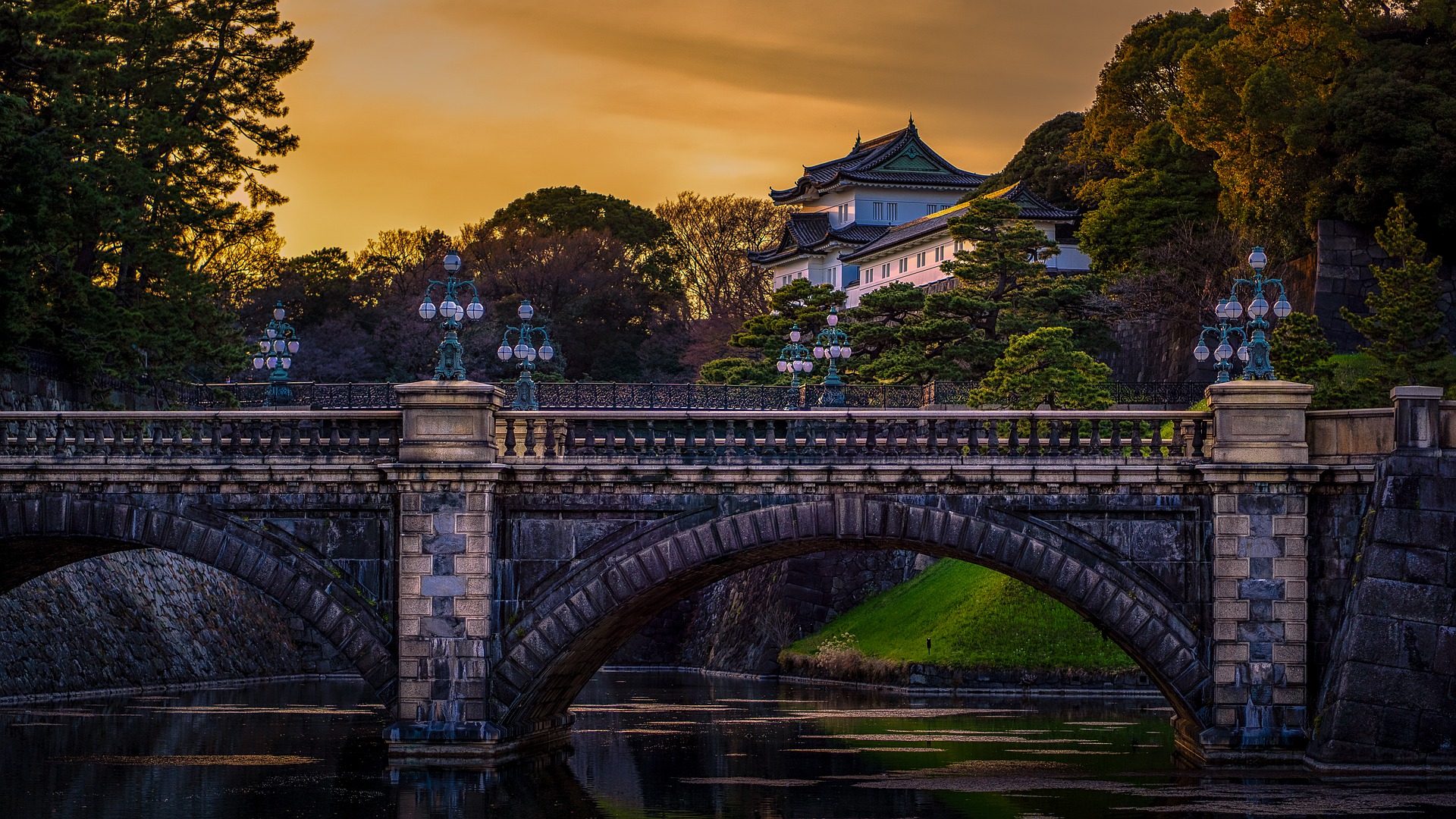
Imperial Palace Tokyo: Tour Options, Timings & Entry Information
Visit Imperial Palace Tokyo! Get tour details, timings, East Garden access, how to visit, & complete travel guide to Japan's Imperial residence.
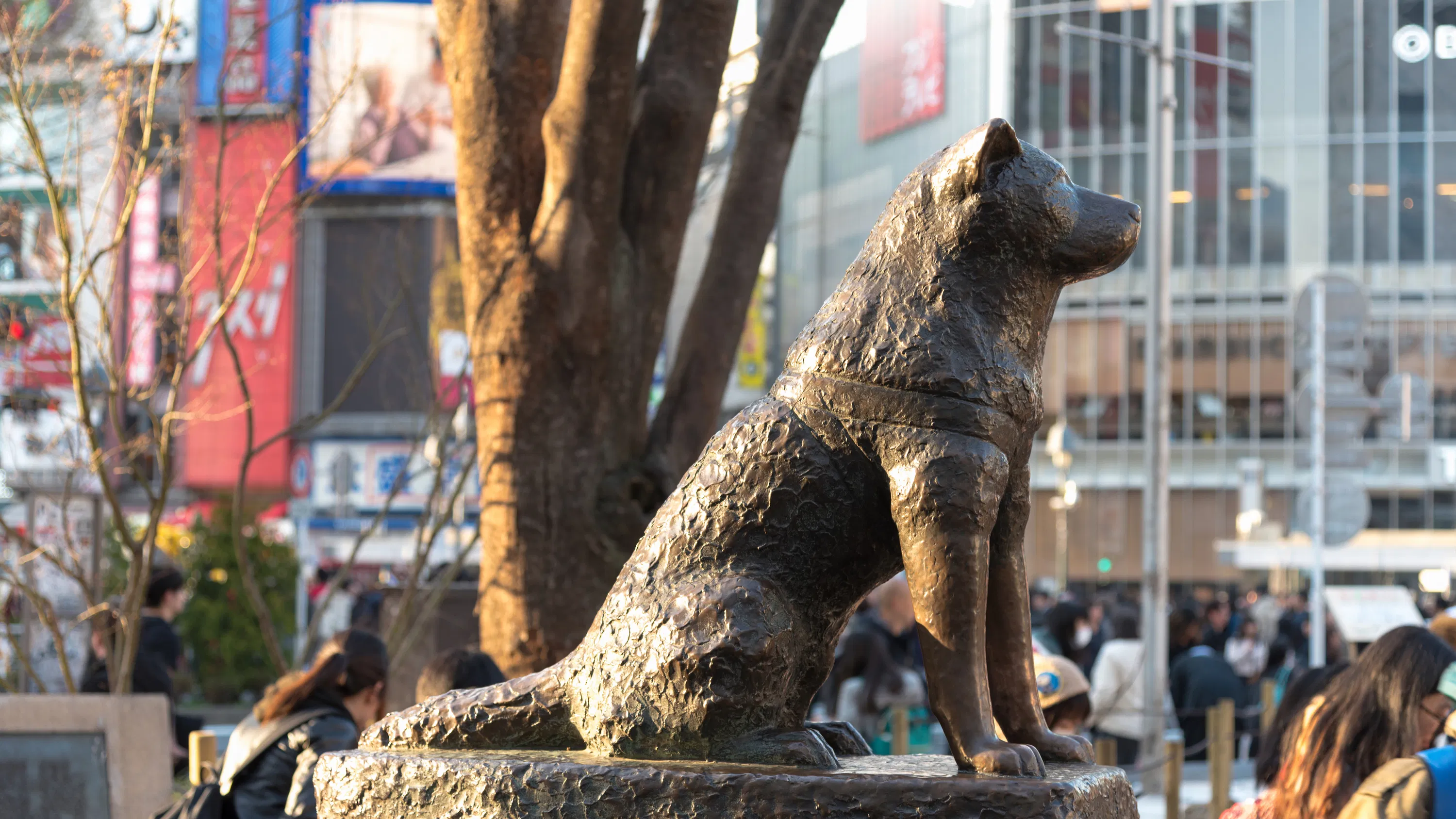
Hachiko Statue Tokyo: Location, Story & Best Visit Time
Visit Hachiko Statue Tokyo with exact location guidance, story context, best time to visit, route tips, crowd strategy, and nearby Shibuya attractions.
Never Miss an Adventure
Get the latest trekking guides, travel tips, and exclusive offers delivered straight to your inbox.
