
Nusa Penida Island: East-West Itinerary, Transport & Stay Areas

Rohit Verma
December 23, 2025
Discover Nusa Penida Island, Bali's rugged paradise. Explore Kelingking Beach, swim with manta rays, and discover hidden beaches in this complete travel guide.
Introduction: Bali's Rugged Paradise
Nusa Penida, the largest of three islands off Bali's southeast coast, has emerged as Indonesia's most Instagrammable destination. This rugged island paradise offers dramatic cliffs, pristine beaches, crystal-clear waters, and some of the best snorkeling and diving experiences in Southeast Asia. Unlike its more developed neighbor Bali, Nusa Penida retains a raw, untamed beauty that adventurous travelers find irresistible.
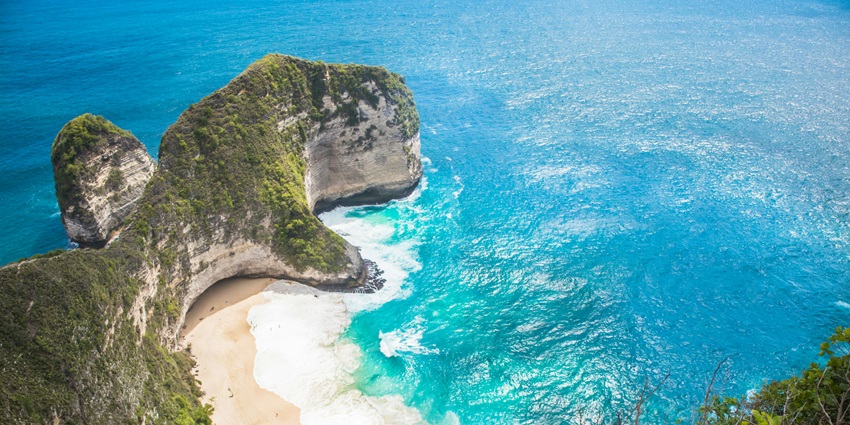
Located just 45 minutes by fast boat from Sanur, Nusa Penida feels worlds away from Bali's crowded beaches and commercialized tourist areas. The island's stunning landscapes have made it famous on social media - particularly the T-Rex shaped cliff at Kelingking Beach, which has become one of the most photographed spots in Indonesia. But beyond the Instagram-worthy viewpoints, Nusa Penida offers genuine adventure opportunities, from swimming with manta rays to exploring hidden beaches accessible only by steep hikes.
This comprehensive guide covers everything you need to know about visiting Nusa Penida, including the best attractions, activities, accommodation, transportation, and practical travel tips to make the most of your island adventure.
About Nusa Penida Island
Location and Geography
Nusa Penida is part of the Klungkung Regency of Bali and sits across the Badung Strait from mainland Bali. The island measures approximately 200 square kilometers and features dramatic limestone cliffs, white sand beaches, and lush inland areas. The terrain is hilly and rugged, with roads that can be challenging to navigate - part of the island's adventurous appeal.
The island includes two smaller neighboring islands: Nusa Lembongan and Nusa Ceningan. While Nusa Lembongan has developed into a more tourist-friendly destination with accommodations and restaurants, Nusa Penida remains less developed, preserving its natural beauty and traditional way of life.
Climate and Best Time to Visit
Dry Season (April - October): The best time to visit Nusa Penida is during the dry season when seas are calm, making boat travel more comfortable and snorkeling/diving conditions optimal. July and August are peak months with the best weather but also the most crowds.
Wet Season (November - March): The rainy season brings more frequent showers and rougher seas. Some boat crossings may be cancelled due to high waves. However, visiting during this period means fewer tourists and lower prices. If you do visit during wet season, be flexible with your travel plans.
Local Culture
Nusa Penida's population is primarily Hindu, like the rest of Bali, but the island's culture has remained more traditional due to its isolation. You'll find numerous temples (puras) across the island, and locals are known for their warm hospitality. The island is also home to unique religious traditions and ceremonies that visitors may witness if they're lucky.
Top Attractions & Things to Do
Kelingking Beach (T-Rex Bay)
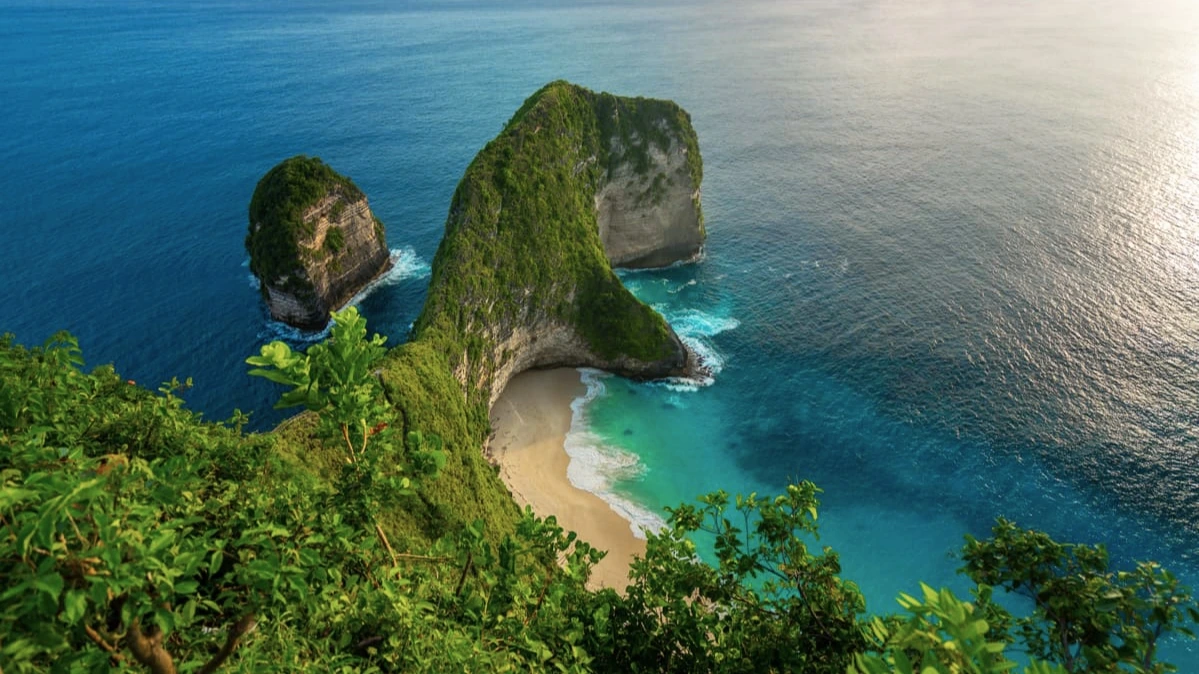
Nusa Penida's most iconic attraction needs no introduction. The cliff viewpoint resembles a T-Rex dinosaur dipping into the turquoise ocean below. The view is absolutely breathtaking and worth the journey alone.
The Viewpoint: Accessible by motorbike/taxi, the main viewpoint offers spectacular photo opportunities. Arrive early (before 9 AM) to avoid crowds and get the best light for photos.
The Beach: A steep, challenging hike down to the beach takes about 30-45 minutes each way. The trail is rocky and often muddy. Only attempt if you're reasonably fit and wear proper shoes. The beach itself is beautiful but swimming can be dangerous due to strong currents.
Tip: Even if you don't hike down, the viewpoint alone is worth the visit. For the best experience, combine Kelingking with nearby Angel's Billabong and Broken Beach in one trip.
Angel's Billabong
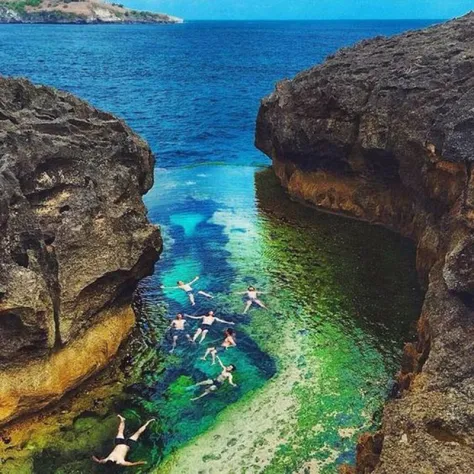
This natural infinity pool is formed by rock formations creating a picturesque swimming spot. The clear waters surrounded by limestone cliffs make for incredible photos and a unique swimming experience.
Swimming: The pool is generally safe for swimming during calm conditions. However, check water conditions first - during high tide or rough seas, the area can be dangerous.
Best Time to Visit: Visit during low tide when the pool is calmest and most photogenic. Early morning offers the best light and fewer crowds.
Broken Beach (Pasih Uug)
Just a short walk from Angel's Billabong, Broken Beach features a stunning circular cove with a natural archway. The unique geological formation was created when a cave collapsed, leaving a beautiful natural bridge.
Viewing: There's no access to the beach below - it's purely a viewpoint. The surrounding cliffs provide excellent photo opportunities.
Facilities: Small warungs (local food stalls) sell snacks and drinks. The parking area can get crowded with tour groups.
Diamond Beach
Located on the eastern side of the island, Diamond Beach has become one of Nusa Penida's most spectacular attractions. The beach features pristine white sand, turquoise waters, and dramatic limestone cliffs.
Access: A newly constructed staircase with hundreds of steps leads down to the beach. The climb back up is challenging but manageable for most visitors.
Activities: Swimming is possible when conditions are calm, but be cautious of currents. The beach is more about enjoying the scenery and taking photos.
Combine With: Visit Atuh Beach nearby, which is equally stunning but less crowded.
Manta Point - Swim with Manta Rays
This is one of Nusa Penida's most unique and popular experiences. Manta Point is a cleaning station where manta rays congregate, allowing snorkelers and divers to observe these magnificent creatures up close.
Snorkeling: Even beginners can snorkel with manta rays. You'll float on the surface while mantas swim beneath you. Most tour operators provide snorkeling gear and guides.
Diving: Certified divers can have even more intimate encounters. Manta rays are known to be curious and often approach divers closely.
Best Time: Early morning tours (7-8 AM) offer the best conditions and highest chance of manta sightings. The site can get crowded with tour boats by mid-morning.
Cost: Snorkeling tours cost approximately IDR 350,000-500,000 per person. Diving is more expensive but worth it for certified divers.
Crystal Bay
Crystal Bay lives up to its name with incredibly clear water and excellent snorkeling. It's also one of the best spots on Nusa Penida to watch the sunset.
Snorkeling & Diving: The bay features healthy coral reefs and diverse marine life. It's suitable for all skill levels.
Relaxation: The beach is perfect for lounging and swimming. Several restaurants and cafes are nearby for meals and drinks.
Sunset: Stay until sunset for spectacular views as the sun dips below the horizon, painting the sky in brilliant colors.
Atuh Beach
This hidden gem on the island's east coast offers stunning scenery without the crowds of Kelingking or Diamond Beach. The beach is surrounded by dramatic rock formations and features white sand and turquoise water.
Access: A dirt road leads to a parking area, then it's a moderate hike down to the beach. The trail is less developed than Diamond Beach but still manageable.
Why Visit: Atuh Beach offers a more secluded experience. It's perfect if you want to escape the crowds and enjoy a pristine beach environment.
Other Notable Attractions
Pura Paluang (Car Temple): A unique temple featuring a car shrine, built into cliffs overlooking the ocean. The juxtaposition of traditional Balinese temple architecture with a modern car makes for an interesting sight.
Tembeling Forest & Natural Pool: A hidden oasis with a freshwater swimming hole surrounded by forest. The journey there involves a scenic drive through rural Nusa Penida.
Gamat Bay: A quieter snorkeling spot with excellent coral reefs. Less crowded than Crystal Bay with equally good marine life.
Toyapakeh: Another fantastic snorkeling and diving site known for its healthy coral gardens and diverse fish populations.
Snorkeling & Diving Guide
Best Snorkeling Spots
Manta Point: The undisputed highlight. Swimming with mantas is a bucket-list experience. Even non-swimmers can participate with life jackets.
Crystal Bay: Excellent coral reefs and abundant fish. Good for beginners and experienced snorkelers alike.
Gamat Bay & Toyapakeh: Both offer superb snorkeling with clear water and vibrant coral. Toyapakeh is particularly known for its coral garden.
Gamat Bay Wall: A coral wall drop-off that offers a different snorkeling experience with deeper water and larger marine species.
Diving Sites
Nusa Penida offers some of Indonesia's best diving. Popular sites include Manta Point, Crystal Bay, SD Point, and PED Point. The island is known for drift diving due to strong currents, making it suitable for experienced divers. Many dive shops operate on the island offering PADI courses and guided dives.
Tour Operators
Multiple tour operators offer snorkeling and diving trips. Choose reputable operators with good safety records and well-maintained equipment. Most snorkeling tours include multiple sites and cost IDR 350,000-500,000 per person. Diving is more expensive but offers a superior experience for certified divers.
How to Get to Nusa Penida
From Bali (Sanur Beach)
The most common route to Nusa Penida is from Sanur Beach on mainland Bali. Multiple fast boat operators run daily services.
Boat Operators: Popular companies include Angel Billabong Fast Cruise, Golden Queen Fast Boat, and D'Camel Fast Ferry. All offer similar services and prices.
Duration: Fast boats take 40-45 minutes each way. Slow boats take 1-1.5 hours but are rarely used by tourists.
Cost: Approximately IDR 250,000-400,000 round trip. Prices include pickup from your hotel in southern Bali (Kuta, Seminyak, Ubud, etc.) and transfer to Sanur.
Schedule: Boats typically depart Sanur at 8:00 AM, 9:00 AM, and 10:30 AM. Return boats from Nusa Penida depart at 2:00 PM, 3:30 PM, and 4:30 PM. Schedules can change due to weather conditions.
Booking: Book in advance during peak season (July-August). Your hotel or hostel can usually arrange tickets, or book online through operator websites.
From Nusa Lembongan
If you're already on Nusa Lembongan, public boats and private transfers connect to Nusa Penida. Public boats are cheap (approximately IDR 50,000) but run on irregular schedules. Private transfers cost more but are more convenient and reliable.
Getting Around Nusa Penida
Renting a Scooter: The most popular and flexible option. Costs approximately IDR 75,000-100,000 per day. However, roads are in poor condition with steep inclines and sharp turns. Only rent if you're an experienced rider confident in challenging conditions.
Hiring a Private Driver: Highly recommended, especially for first-time visitors. Drivers know the roads well and can take you to all attractions in one day. Expect to pay IDR 600,000-800,000 for a full-day tour (8-10 hours).
Joining a Group Tour: Many operators offer group tours visiting the main attractions. More affordable (approximately IDR 350,000-500,000 per person) but less flexible. You'll share the car with strangers and follow a fixed schedule.
Where to Stay
Accommodation Options
Nusa Penida offers accommodation options for all budgets, from basic homestays to luxury resorts.
Budget: Homestays and guesthouses cost IDR 150,000-300,000 per night. Basic but clean rooms with fan or AC. Popular areas include Toyapakeh and Sampalan.
Mid-Range: Hotels and villas cost IDR 400,000-800,000 per night. Better amenities including pools, restaurants, and more comfortable rooms. Look in Crystal Bay or on the island's west coast.
Luxury: High-end resorts like The Dawan Nusa Penida offer luxury accommodation with stunning views. Expect to pay IDR 1,500,000+ per night.
Best Areas to Stay
Toyapakeh: The main port area with the most accommodation, restaurants, and shops. Convenient but lacks the scenic beauty of other areas.
Crystal Bay: Beautiful beach area with good accommodation options and restaurants. More scenic than Toyapakeh and close to excellent snorkeling.
West Coast: Closer to the main attractions like Kelingking, Angel's Billabong, and Broken Beach. More remote but offers stunning sunsets.
Food & Dining
Nusa Penida's dining scene is basic compared to mainland Bali but offers decent options. Local warungs serve Indonesian and Balinese food at affordable prices. Expect to pay IDR 30,000-70,000 for a meal.
Local Dishes to Try: Nasi campur (mixed rice), satay (grilled skewers), mie goreng (fried noodles), and fresh seafood grilled Indonesian-style.
Restaurants: Most accommodations have on-site restaurants. Crystal Bay area has several beachfront restaurants with sunset views.
What to Bring: Snacks and drinks are available but selection is limited. Bring any specific items you need from Bali.
Sample Itineraries
One Day Trip from Bali
If you're short on time, a day trip is possible but will be rushed:
- 6:00 AM: Hotel pickup and transfer to Sanur (check out beaches near Bali airport if you have time)
- 8:00 AM: Fast boat to Nusa Penida
- 9:00 AM - 12:00 PM: Visit Kelingking Beach, Angel's Billabong, and Broken Beach
- 12:00 - 1:00 PM: Lunch break
- 1:00 - 3:00 PM: Visit Crystal Bay or Diamond Beach
- 3:30 PM: Return boat to Sanur
- 5:00 PM: Back at your Bali hotel
Two Days / One Night
A more relaxed pace allowing you to see more:
Day 1: Morning boat to Nusa Penida. Check into accommodation. Visit west coast attractions (Kelingking, Angel's Billabong, Broken Beach). Sunset at Crystal Bay.
Day 2: Early morning snorkeling tour to Manta Point. Visit Diamond Beach and Atuh Beach. Afternoon boat back to Bali.
Three Days / Two Nights
The ideal duration to thoroughly explore Nusa Penida:
Day 1: Arrive and settle in. Visit west coast attractions. Sunset at Crystal Bay.
Day 2: Early morning Manta Point snorkeling. Visit east coast attractions (Diamond Beach, Atuh Beach). Explore inland areas.
Day 3: Morning snorkeling at Crystal Bay or Gamat Bay. Relax before afternoon departure.
Practical Travel Tips
Money & ATMs
ATMs are available on Nusa Penida but can run out of cash during peak periods. Bring enough Indonesian Rupiah from Bali. Credit cards are accepted at some hotels and restaurants but not everywhere.
Internet & Connectivity
Internet is available but can be spotty. Most accommodations offer WiFi. Buy a local SIM card (Telkomsel has the best coverage) if you need reliable data.
Health & Safety
Travel Insurance: Highly recommended, especially if you plan to snorkel, dive, or ride a scooter. Make sure your policy covers water sports and motorbike accidents.
Sea Safety: Always follow safety instructions during boat trips and water activities. Currents can be strong - never swim alone and always assess conditions before entering the water.
Road Safety: If renting a scooter, wear a helmet, drive slowly, and be extra cautious on the poor roads. Consider hiring a driver instead.
Sun Protection: The tropical sun is strong. Wear sunscreen, a hat, and sunglasses. Stay hydrated.
What to Pack
- Light, breathable clothing
- Swimwear and quick-dry towel
- Sunscreen, hat, and sunglasses
- Comfortable walking shoes for hikes
- Waterproof phone case or GoPro for photos
- Cash in Indonesian Rupiah
- Personal medications
- Snorkeling gear (optional - tours provide equipment)
Environmental Responsibility
Help preserve Nusa Penida's natural beauty:
- Don't litter - take your trash with you
- Don't touch or stand on coral reefs
- Maintain distance from marine life including mantas
- Use reef-safe sunscreen
- Respect local customs and dress modestly when visiting temples
Conclusion: Is Nusa Penida Worth It?
Absolutely. Nusa Penida offers one of Southeast Asia's most spectacular coastal landscapes. The island's dramatic cliffs, pristine beaches, and unique wildlife experiences (especially swimming with manta rays) make it a must-visit destination for anyone traveling to Bali.
Yes, the roads are rough and the facilities basic compared to mainland Bali. But that's part of Nusa Penida's appeal - it feels like a real adventure in an unspoiled paradise. Whether you're chasing Instagram-worthy photos, seeking underwater encounters with manta rays, or simply want to escape Bali's crowds, Nusa Penida delivers an unforgettable experience.
The key is to come prepared: book accommodation and transport in advance during peak season, be flexible with your plans due to weather conditions, and consider hiring a local driver rather than braving the challenging roads yourself. Do this, and you'll discover why Nusa Penida has become one of Indonesia's most beloved island destinations. For more travel inspiration, see our guide on Kelingking Beach. For more travel inspiration, see our guide on Angel's Billabong.
Location
Frequently Asked Questions
Q1.How do I get to Nusa Penida from Bali?
Q2.How many days should I spend in Nusa Penida?
Q3.Is it safe to swim with manta rays at Manta Point?
Q4.Can I drive around Nusa Penida myself?
Q5.What is the best time of year to visit Nusa Penida?
Q6.Are there ATMs on Nusa Penida?
Q7.Should I hike down to Kelingking Beach?
Recommended For You
Bali Indonesia: Best Time To Visit And Things To Do
Essential Bali travel tips covering visa, transport, SIM cards, currency, temple etiquette, bargaining, safety, best areas, beach safety, scooter rental, food safety and cultural respect.
Best Time to Visit Bali: Season Guide and Travel Tips
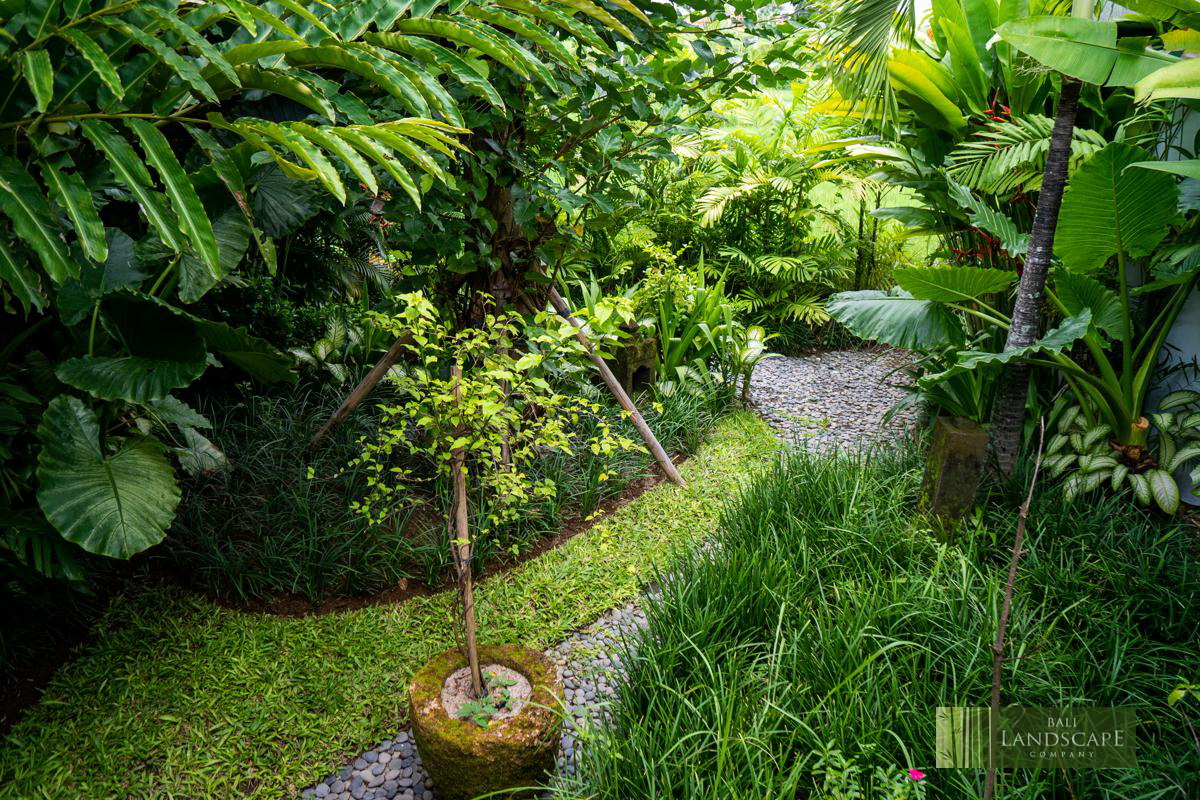
Plan the best time to visit Bali with weather-wise strategy, route planning, and practical tips for smoother island travel.
Uluwatu Temple Bali: Sunset Viewpoints, Kecak Show & Entry Tips
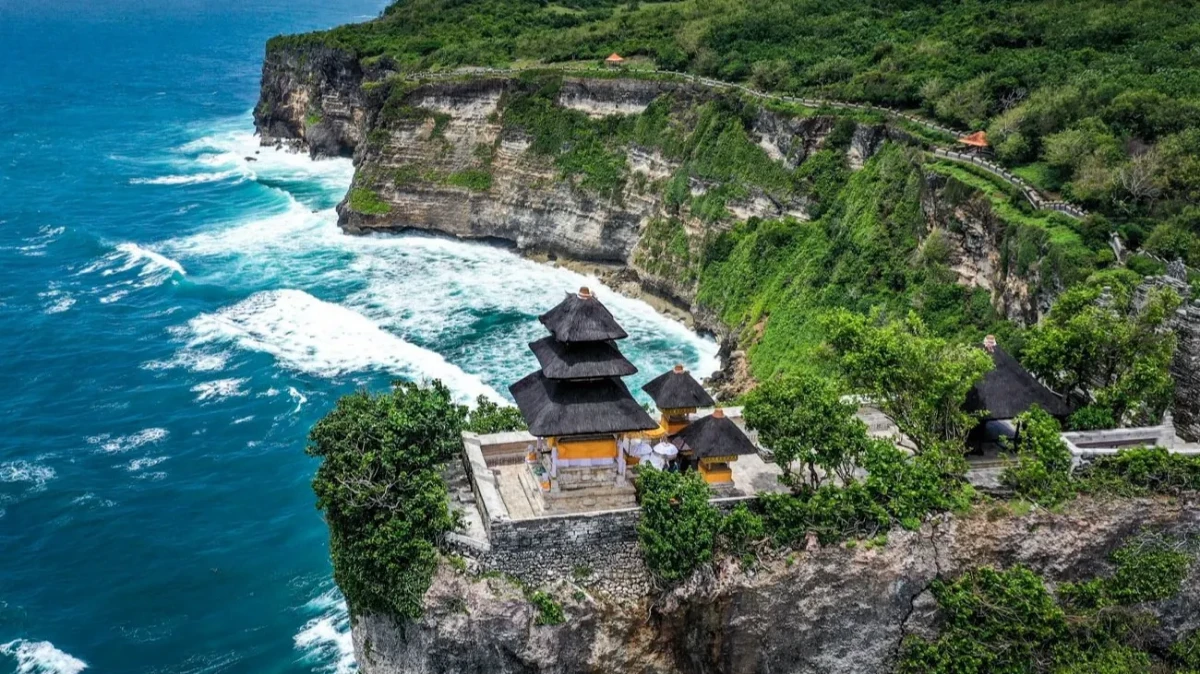
Visit Uluwatu Temple (Pura Luhur) perched on a 70m cliff in Bali. Complete guide to Kecak Fire Dance, sunset views, entrance fees, dress code, monkeys, and practical tips for this spectacular cliffside temple.
Never Miss an Adventure
Get the latest trekking guides, travel tips, and exclusive offers delivered straight to your inbox.
