
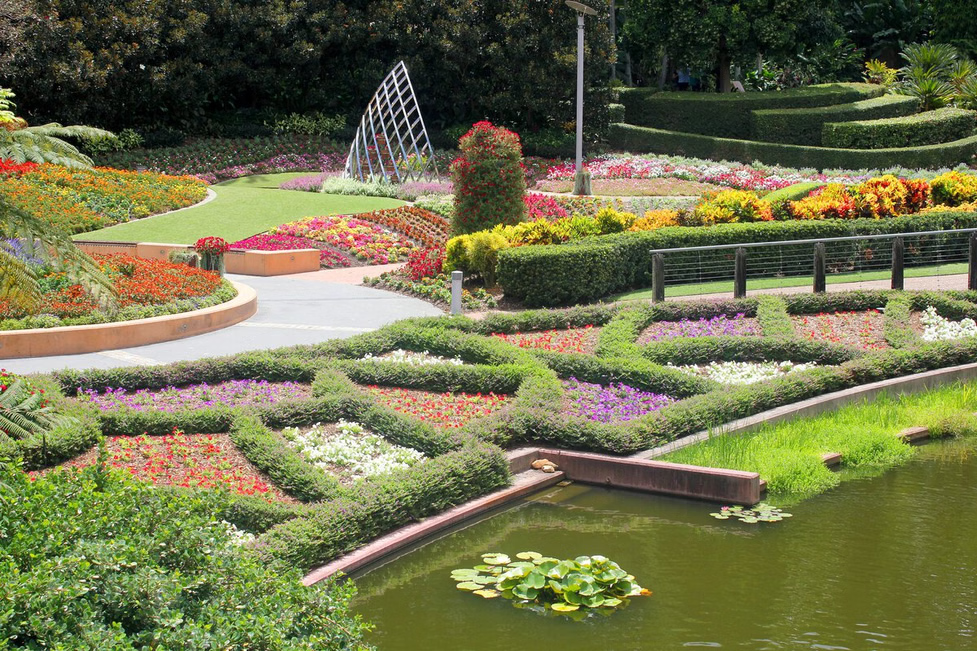
Ooty Summer Festival: Dates, Flower Show & Event Highlights

Ananya Sharma
February 18, 2026
Ooty Summer Festival planning guide with event priorities, crowd timing strategy, itinerary templates, and practical stay and transport tips.
Ooty Summer Festival: How to Plan Events, Crowds, and Stay Like a Pro
Ooty Summer Festival is one of the Nilgiris’ highest-demand seasonal experiences, especially for travelers who want cool-weather holidays with structured public events. The festival is not just one flower show; it is a collection of activity blocks across different venues, often including horticulture displays, cultural programs, and tourism-oriented experiences. Visitors who treat it as a single-attraction trip usually miss the best parts. Visitors who plan event sequence, timing windows, and transport buffers get a much stronger outcome.
This guide focuses on practical planning: how to prioritize events, avoid queue-heavy mistakes, and build one-day or two-day itineraries that stay comfortable. If you are extending your Tamil Nadu route, combine this with nearby planning resources like places to visit in Coimbatore, district add-ons from places to visit in Erode, and cultural combinations through temples in Erode.
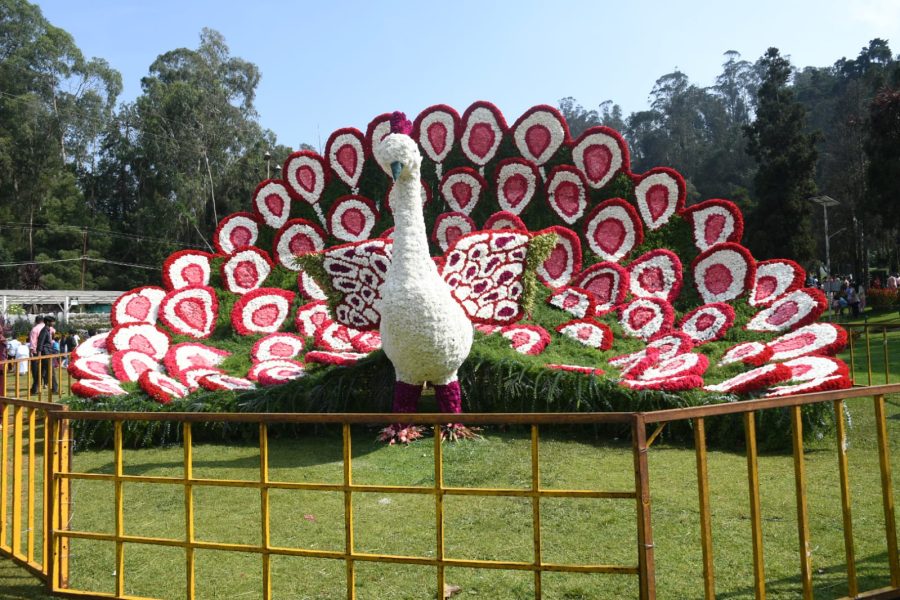
What the Ooty Summer Festival Includes
Festival programming can vary by year, but usually includes a flower-centric core event and related tourism-cultural activities. That means your best plan is to define one must-do event and two supporting events instead of trying to attend everything. Distances between venues, crowd build-up, and hill-road movement can reduce your effective time quickly if you over-plan.
The flower show remains the headline draw for most travelers and photographers. Supporting events, however, are where families and slower travelers often find better comfort and less congestion. A balanced schedule gives you both visual highlights and relaxed exploration.
Festival Timing Strategy and Crowd Patterns
Dates usually fall in late summer windows and often draw strong weekend footfall. Weekday entry is generally smoother for visitors who prioritize photos, garden viewing, and low-stress movement. Morning slots are better for queue control, while late afternoons can become crowded near key display areas.
| Time/Day Choice | Likely Experience | Best Use |
|---|---|---|
| Weekday mornings | Lower queue pressure | Flower show and detailed viewing |
| Weekend afternoons | Peak crowd density | Only if you prefer festival buzz |
| Early evening | Relaxed pace in some zones | Short cultural and market blocks |
The smartest method is to start early, finish your most important venue first, and keep one flexible slot for traffic or weather changes. This single buffer prevents itinerary collapse.
Top Event Priorities for First-Time Visitors
The flower show is the primary attraction for a reason: scale, variety, and visual design all come together in one place. But many first-time visitors spend too much time in one crowded section and lose the rest of the day. Set a time cap for each segment and move forward with a route plan.
Tea and tourism activity blocks are useful if you want regional context beyond photo points. Cultural programs, local product sections, and family-friendly displays can make the trip more meaningful for mixed-age groups. Children and senior travelers often enjoy these blocks more than long standing queues in peak floral zones.

One-Day and Two-Day Itineraries
One-day practical plan: Start with the flower show in early hours, take a late-morning rest and meal break, then shift to one tourism/cultural block in the afternoon. End with a short market or viewpoint stop. This route works for weekend travelers with limited time.
Two-day balanced plan: Day one for headline events and town-side movement. Day two for slower experiences, secondary venues, and scenic drive segments. Two days significantly reduce fatigue and help you enjoy the hill-station pace instead of rushing between crowded points.
- Keep at least 30-45 minutes transit buffer between major venue changes.
- Avoid committing to more than three fixed event blocks in one day.
- Use early entry for photo-focused sessions.
- Schedule meal breaks away from the biggest queue windows.
How to Reach and Where to Stay During Festival Season
Ooty access is typically via road and rail-road combinations through nearby hubs. During festival windows, central stays offer access convenience but may have higher prices and noise. Slightly off-center stays can offer better rest quality while still keeping event venues reachable with planned transfers.
Book accommodation early if your travel dates overlap festival weekends. Last-minute bookings are where most visitors lose budget control. Also confirm parking availability if you are self-driving, because vehicle density increases during event peaks.
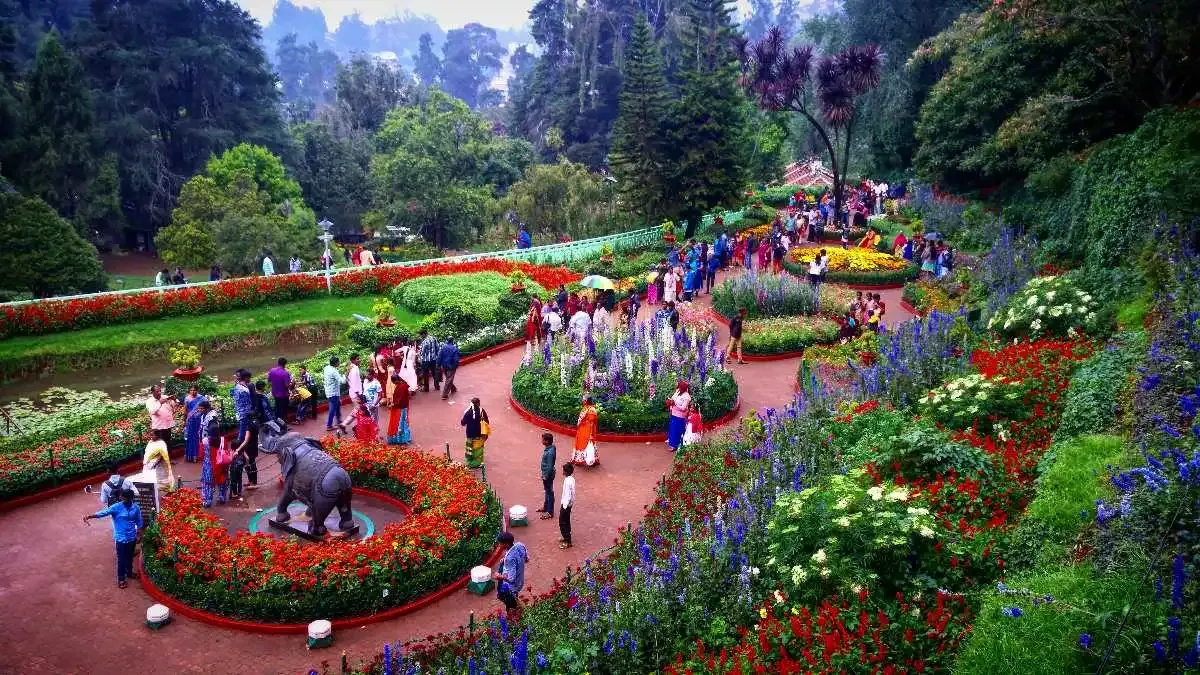
Budget Planning and On-Ground Costs
Your total spend depends mostly on stay category and transport style. Event entry fees are only one part of the budget. Food at peak locations, local taxi movement, and short-notice changes can increase costs quickly. Keep a contingency reserve for delay-related changes and weather adjustments.
| Cost Area | Budget-Friendly Approach | Comfort Approach |
|---|---|---|
| Stay | Book early, off-center options | Venue-near premium stays |
| Transport | Shared/local movement where possible | Dedicated vehicle flexibility |
| Food | Pre-planned local meal stops | Cafe and hotel dining mix |
A controlled schedule with realistic movement estimates saves more money than aggressive last-minute optimization.
What to Carry and Common Mistakes
Weather can shift quickly in hill stations, so layered clothing helps through morning and evening transitions. Comfortable shoes are essential because venue exploration involves long walking periods. Keep rain protection for camera and phone, plus hydration for queue hours.
Common mistakes include booking too late, planning only weekend peak slots, skipping transport buffer, and overloading each day with too many venues. Festival success comes from curation, not volume. Pick fewer events, do them well, and keep room for local spontaneity.
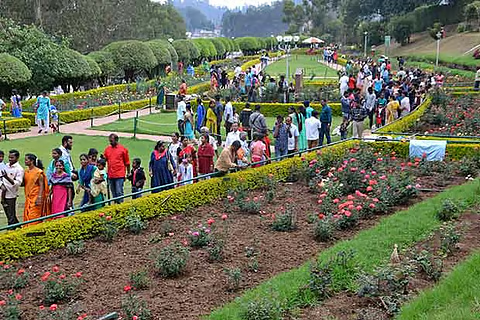
Conclusion
Ooty Summer Festival is most rewarding when you combine event priorities with crowd-aware timing and simple route discipline. You do not need to attend every program to have a complete experience. Focus on one major floral block, one cultural block, and one relaxed local segment per day. With that structure, you get the beauty of the festival without the usual peak-season stress.
Family and Photography Optimization
If you are traveling with family, divide your day into short thematic blocks: one high-interest event, one relaxed walk segment, and one food/rest segment. This reduces burnout and keeps children engaged. Photographers should visit key floral zones early, then return in softer late light only if crowd levels remain manageable. Carry lens wipes and rain protection because hill weather can shift fast.
For better results, avoid spending the entire day waiting at one crowded installation. Wider festival coverage with controlled stops creates stronger memories and better photo variety. If parking or traffic looks heavy, switch to nearby walkable segments and complete your next venue in off-peak hours. Flexibility is the biggest advantage during Ooty festival travel.
Location
Frequently Asked Questions
Q1.What is the best time related to Ooty Summer Festival: Dates, Events & Guide?
Q2.How many days are enough?
Q3.Is this destination suitable for families?
Q4.Are there budget-friendly options?
Q5.What should I carry?
Q6.Can I combine nearby attractions?
Q7.Is advance booking needed?
Q8.Any safety tips?
Recommended For You
15 Best Hill Stations in Himachal Pradesh
Explore the best hill stations in Himachal Pradesh with practical route planning, traveler-type recommendations, and season-wise travel tips.

Best Time to Visit London: Weather, Events & Money-Saving Tips
Complete month-by-month guide to the best time to visit London UK. Learn about weather patterns, events, crowds, costs & insider tips for each season to plan your perfect London trip.
Places to Visit in Ooty: Gardens, Lakes & Hill Viewpoints
Discover top places to visit in Ooty with practical itinerary planning, best-time advice, and must-cover attractions for families and couples.
Never Miss an Adventure
Get the latest trekking guides, travel tips, and exclusive offers delivered straight to your inbox.
