
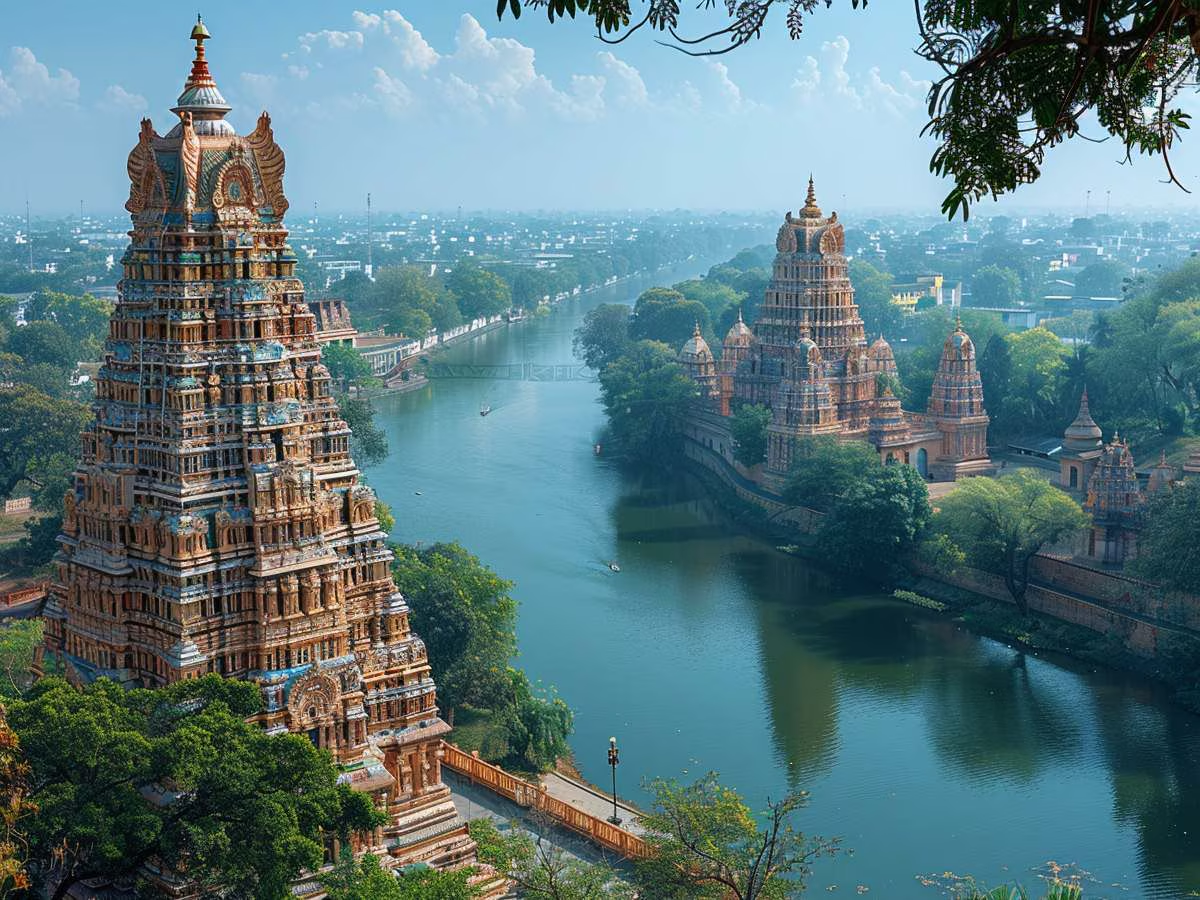
Temples in Erode: 12 Sacred Sites
Rohit Verma
November 27, 2025
Explore 12 famous temples in Erode, Tamil Nadu. From Thindal Murugan to historic Shiva temples, discover spiritual heritage.
Introduction: Temple Heritage of Kongu Nadu
\nErode, known as the Turmeric City of India, offers more than just agricultural abundance and textile heritage. Located in the Kongu Nadu region of Tamil Nadu, Erode district hosts a rich collection of temples that represent the Dravidian architectural tradition and the spiritual heritage of South India. From ancient Chola and Pandya period shrines to modern temple complexes, Erode's temples provide visitors with a comprehensive journey through Tamil religious history and artistic evolution.
\n\nThe Kongu Nadu region, encompassing parts of western Tamil Nadu including Erode, has been a significant center of temple architecture since ancient times. The temples here showcase distinctive features of Kongu style architecture, characterized by smaller but intricately carved structures that emphasize artistic detail over monumental size. The region's temples are particularly known for their beautiful stone carvings, bronze idols, and traditional murals that depict scenes from Hindu mythology.
\n\nFor travelers exploring the broader region, understanding places to visit near Erode provides insights into the area's diverse attractions beyond temples. Similarly, comparing temple traditions with temples in Chittoor offers an appreciation of how temple architecture varies across South Indian regions.
\n\n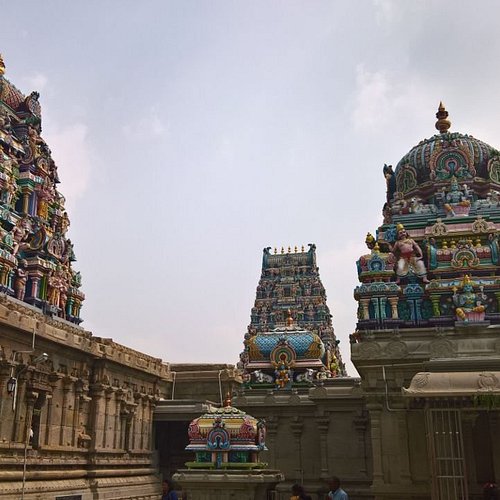 \n\n\n
Thindal Murugan Temple
\nThindal Murugan Temple, located 8 km from Erode city in Thindal, is the most famous temple dedicated to Lord Murugan (Subramanya) in the Erode district. Built by Kongu chieftains in traditional Tamil temple style, this temple has been a center of Murugan worship for centuries, drawing devotees from across Tamil Nadu, especially during festivals.
\n\nThe temple's hilltop location provides panoramic views of the surrounding countryside, making the journey to the temple as spiritually rewarding as the darshan itself. The main sanctum houses Lord Murugan in his standing posture, believed to bless devotees with strength, courage, and success in endeavors. The temple features beautiful stone carvings depicting stories from the Skanda Purana, highlighting Murugan's heroic deeds and divine mission.
\n\nTemple timings are from 6 AM to 12:30 PM and 4 PM to 8 PM. The temple is especially crowded during Skanda Shashti (sixth day of lunar fortnight dedicated to Murugan), Thaipusam (January-February), and monthly Krithikai star days. Allow 1-2 hours for temple visit including time to climb the hill and enjoy the panoramic views. Auto-rickshaws, taxis, and buses are available from Erode city to reach Thindal.
\n\n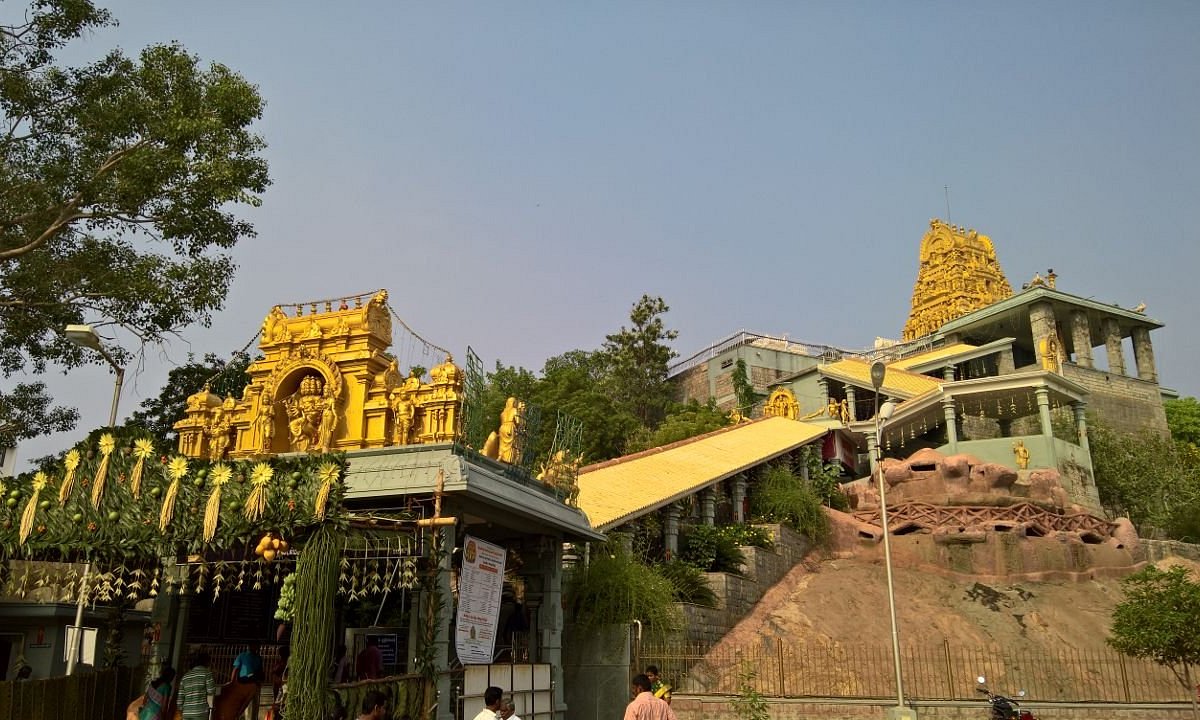 \n\n\n
Sangameswarar Temple Bhavani
\nThe Sangameswarar Temple in Bhavani, approximately 15 km from Erode, is a sacred Shiva temple renowned for its location at the confluence (sangam) of the Kaveri and Bhavani rivers. The name Sangameswarar literally means "Lord of the Confluence," referring to Lord Shiva who resides at this sacred meeting point of rivers. Ancient Chola period inscriptions reference this temple, attesting to its historical significance.
\n\nThe temple's location at the river confluence makes it one of the most spiritually potent sites in Tamil Nadu, with devotees believing that a ritual bath at the sangam washes away sins and purifies the soul. The Mukkoodal (confluence of three rivers, including the invisible Saraswathi) bath is particularly sacred during the Aadi festival month (July-August) and Mahashivratri.
\n\nTemple timings are from 6 AM to 12 PM and 4 PM to 8 PM. Allow 2-3 hours for temple visit and ritual bath at the sangam. The temple follows Dravidian architectural style with beautiful gopurams and intricate stone work. The Aadi festival in July-August and Mahashivratri in February-March see elaborate celebrations with special ceremonies and larger gatherings.
\n\n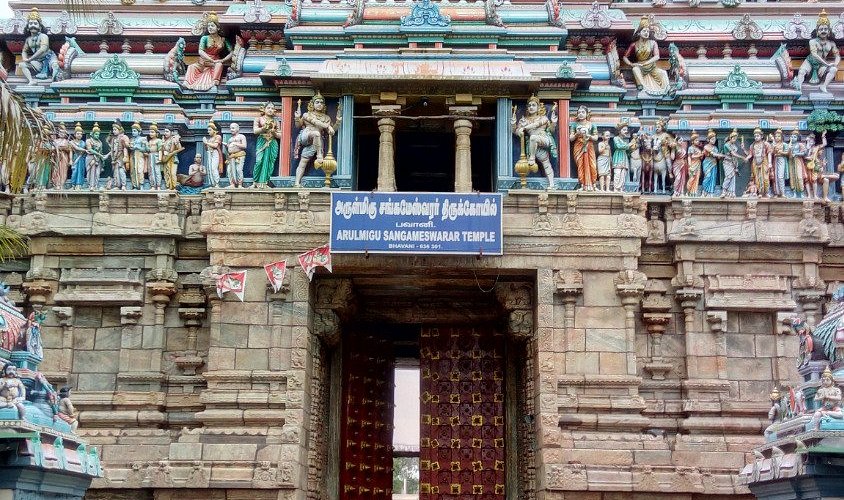 \n\n\n
Kodiveri Dam Temple
\nKodiveri Dam, located approximately 40 km from Erode, features a temple complex that combines spiritual experience with natural beauty. The dam's backwaters create a scenic landscape that enhances the temple visit, making it a popular destination for both devotees and picnickers. Multiple shrines within the complex are dedicated to various deities, accommodating different spiritual traditions.
\n\nThe dam-side location provides a peaceful atmosphere conducive to meditation and prayer. The temple's proximity to water adds to its spiritual significance, with water being considered sacred in Hindu tradition. The scenic beauty, especially during monsoon when the backwaters are full, makes Kodiveri an ideal spot for combining spiritual visit with nature appreciation.
\n\nTemple visit typically takes 2-3 hours, with additional time for enjoying the scenic surroundings. Access is possible via Bhavani or Gobichettipalayam. The best time to visit is weekends when the area is lively with visitors, and during monsoon when the backwaters are at their fullest. Plan for a combined temple visit and picnic experience.
\n\nFor those interested in exploring temple traditions across South India, temples in Kerala provide insights into how temple culture varies across regions while maintaining core spiritual traditions.
\n\n\nErode City Temples
\nErode city itself hosts several important temples that serve the local community and attract visitors. The Kasturi Aranganathar Temple, located in central Erode, is dedicated to Lord Vishnu and serves as an important Vishnu worship site in the city. The temple's traditional Dravidian architecture features beautiful sculptures and a peaceful atmosphere conducive to devotion.
\n\nThe Arulmigu Mariamman Temple, dedicated to Goddess Mariamman, represents the Shakta tradition prevalent in Tamil Nadu. Mariamman, the rain goddess, is particularly worshipped during times of drought and epidemic. The Kaliamman Temple, dedicated to Goddess Kali, and Periya Mariamman Temple are other important Goddess worship sites in the city, serving as community spiritual centers.
\n\nThese city temples typically open during morning and evening hours, with darshan lasting approximately 30 minutes each. They are especially vibrant during festival seasons when elaborate decorations, special pujas, and community celebrations take place. The temples serve as important community gathering spaces, preserving local traditions and cultural practices.
\n\n\nPerumal Temples in Erode
\nErode district has a significant Vaishnava heritage, represented by several Perumal (Vishnu) temples. The Veeranarayana Perumal Temple, located within Erode city, is the main Vishnu temple in the area. The temple follows Vijayanagara architectural style, characterized by its ornate pillars and beautiful sculptures depicting scenes from Vaishnava mythology.
\n\nPerumal temples in the region maintain traditional Vaishnava worship practices with elaborate aarti ceremonies, distribution of prasadam, and celebration of Vaishnava festivals. Vaikunta Ekadashi, the day when the gates to Vaikunta (Vishnu's abode) are believed to open, is celebrated with special prayers and temple visits.
\n\nTemple timings are from 6:30 AM to 12 PM and 5 PM to 8:30 PM. Allow approximately 1 hour for darshan and participation in temple rituals. The temples provide insights into Vaishnava traditions and offer a different spiritual experience from the more common Shiva and Murugan temples in the region.
\n\n\nHistoric Shiva Temples
\nErode district is home to several historic Shiva temples dating back to the Chola and Pandya periods. The Chennai Thiruvaiyaru Shiva Temple, Vellode Shiva shrine, and Modachur heritage temple represent the Shaivite tradition that has flourished in this region for over a millennium.
\n\nThese temples feature classic Dravidian architecture with vimanas (temple towers), mandapams (pillared halls), and intricately carved stone pillars depicting scenes from Shiva mythology. The temples are particularly active during Pradosham (twilight on the 13th lunar day of each fortnight) and Mahashivratri, when special abhishekam rituals and night-long prayers take place.
\n\nAllow approximately 1 hour for temple visits at each site. These temples are scattered around Erode district, requiring private vehicle or organized tour to visit multiple sites efficiently. Each temple offers insights into different periods of Tamil temple architecture and varying artistic styles.
\n\n\nTemple Circuit Planning Tips
\nThe best time to visit Erode temples is between October and March, when the weather is pleasant and ideal for temple visits. A comprehensive temple circuit covering major sites typically requires 2-3 days, starting from Erode city center as the base.
\n\nThe recommended route is: Day 1 - Erode city temples (Kasturi Aranganathar, Mariamman, Kali temples); Day 2 - Thindal Murugan Temple (morning) and Bhavani Sangameswarar Temple (afternoon); Day 3 - Kodiveri Dam Temple or other historic Shiva temples in the district.
\n\nTransport within the region is best arranged via taxi or auto-rickshaw. Accommodation options in Erode city range from budget hotels to mid-range properties, providing convenient access to all temples. Dress codes mandate traditional, modest clothing—men should wear veshti (dhoti) or pants with shirts, women should wear saree or churidhar.
\n\nFootwear must be removed before entering temple premises. Photography permissions vary by temple—always ask before taking photographs. Most temples offer prasadam (sacred food offerings) free or at nominal cost. Local restaurants serve delicious Tamil cuisine for those seeking meals outside temple prasadam.
\n\n\nConclusion
\nErode's temples offer a profound spiritual journey through Kongu Nadu's rich temple heritage. From the hilltop Thindal Murugan Temple to the sacred Sangameswarar Temple at river confluence, from the scenic Kodiveri Dam complex to the historic Shiva temples scattered across the district, each site contributes uniquely to Erode's spiritual landscape.
\n\nThe temples showcase distinctive Kongu style architecture, characterized by artistic detail, intricate carvings, and traditional Dravidian elements adapted to the region's culture. Whether seeking blessings, participating in special rituals, or simply appreciating ancient temple architecture and Tamil religious traditions, Erode's temples provide diverse opportunities for spiritual exploration and cultural understanding.
\n\nPlan your temple circuit thoughtfully, allowing sufficient time at each site without rushing. Respect temple customs and dress codes. Approach each sacred space with reverence and an open mind to fully appreciate the spiritual energy and cultural traditions that have sustained these sites for centuries. The devotional atmosphere and artistic heritage of Erode's temples offer solace, inspiration, and connection to Tamil Nadu's ancient spiritual traditions.
Location
Frequently Asked Questions
Q1.What are the famous temples in Erode?
Q2.How far is Thindal Murugan Temple from Erode?
Q3.Can we cover all temples in one day?
Q4.What is special about Sangameswarar Temple?
Q5.How much time needed at Thindal Murugan?
Q6.Are there accommodations near temples?
Q7.What is the best time to visit Erode temples?
Q8.How to reach Bhavani from Erode?
Recommended For You
Places to Visit Near Erode: 20 Best Spots
Discover top 20 places to visit near Erode. From hill stations to temples, explore perfect weekend getaways within 150 km.
Temples in Chittoor: 12 Sacred Sites
Explore 12 famous temples in Chittoor district. From Tirupati to Srikalahasti, discover sacred Hindu temples.
Temples in Kerala: God's Own Country's Sacred Heritage
Explore sacred temples in Kerala. Discover Sabarimala, Guruvayur, Padmanabhaswamy & more with complete travel guide.
Never Miss an Adventure
Get the latest trekking guides, travel tips, and exclusive offers delivered straight to your inbox.
