
Places to Visit in Erode: Temples, Parks & Local Highlights

Priya Mehta
January 18, 2026
Explore Erode's temples, dams, markets & culture. Complete Tamil Nadu travel guide with timings & travel tips.
Places to Visit in Erode: Complete Turmeric City Travel Guide
Erode is often introduced as the Turmeric City of India, but reducing it to only a trade identity misses its real travel value. This city in Tamil Nadu combines temple traditions, dam-side landscapes, local markets, regional cuisine, and practical connectivity that makes it ideal for short cultural trips. If you plan your route with clarity, Erode works very well as a one-day intensive visit or a relaxed two-day regional itinerary.
Most travelers pass through Erode on the way to bigger destinations, but a focused stop here offers a more grounded South India experience. The city rewards people who enjoy local markets, temple heritage, and food-led exploration rather than only major tourist monuments. If you are designing a larger India route, you can compare pacing with places to visit in Delhi and city-structure planning from places to visit in Hyderabad.
Why Erode Is Worth Visiting
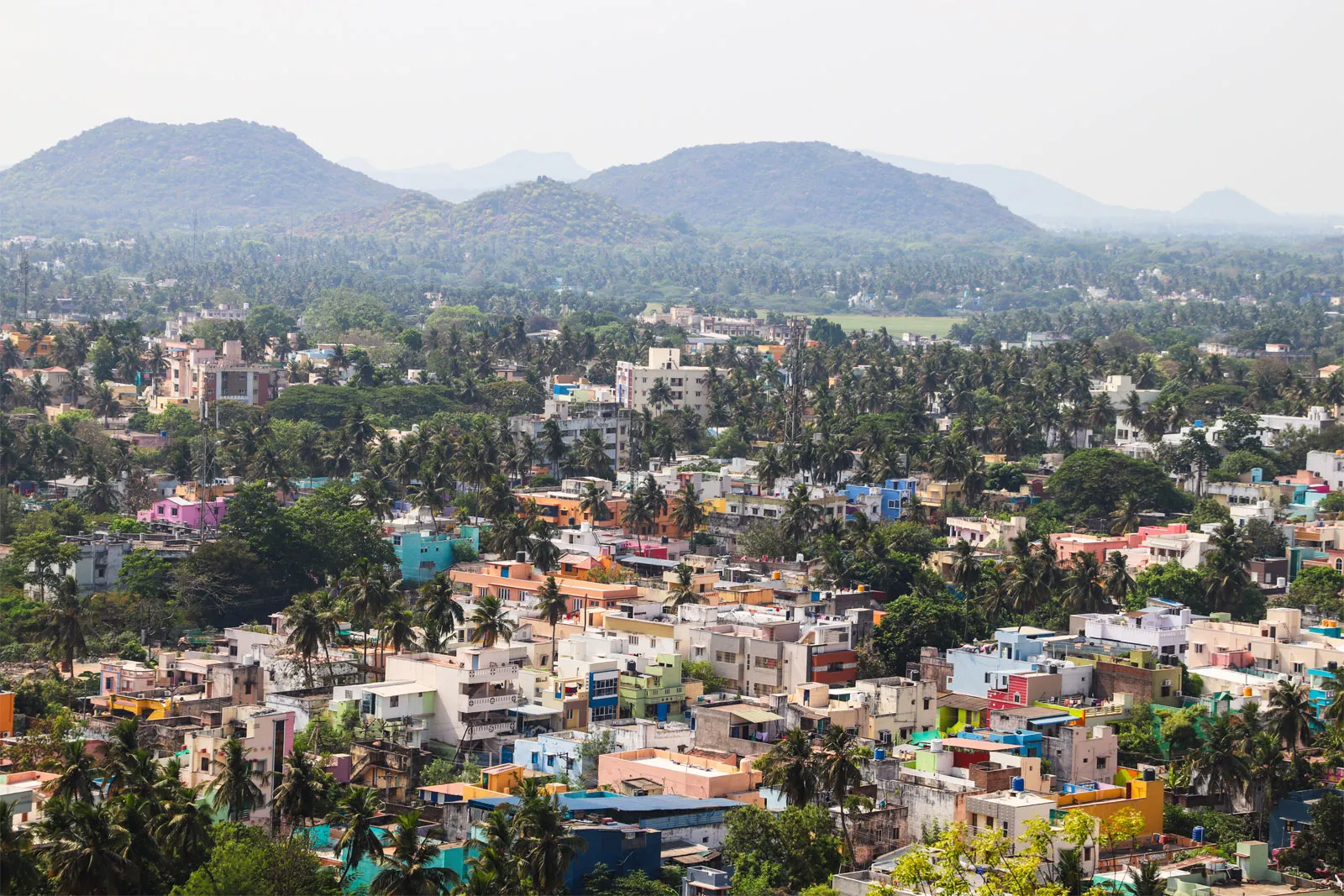
Erode offers something many bigger cities lose: a manageable pace with strong local identity. Distances are practical, food is regionally distinctive, and key attractions can be grouped without excessive travel fatigue. For family travelers, this means less transit stress. For solo travelers, it means easier day structuring and better time efficiency.
The city is also a strong cultural connector. You can move from spiritual sites to market environments and then to local food spaces in one day, getting a complete sense of how heritage and daily commerce coexist. This balance makes Erode more memorable than many checklist-only stops.
Top Places to Visit in Erode
1. Thindal Murugan Temple and Local Spiritual Circuit
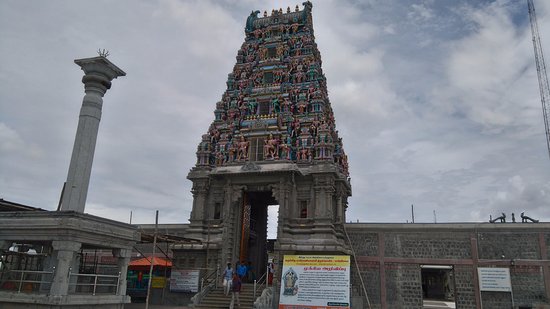
Temple visits are among the most important things to do in Erode. Thindal Murugan Temple is known for devotional significance and hilltop perspective. Visit early morning for calmer surroundings and better weather. Keep attire modest, respect local ritual timing, and avoid obstructive photography near active prayer areas.
If your journey includes multiple heritage cities, you can compare architecture-first routes with historical places in Delhi to understand how sacred and civic spaces are preserved differently across regions.
2. Kodiveri Dam and Water-Edge Relaxation
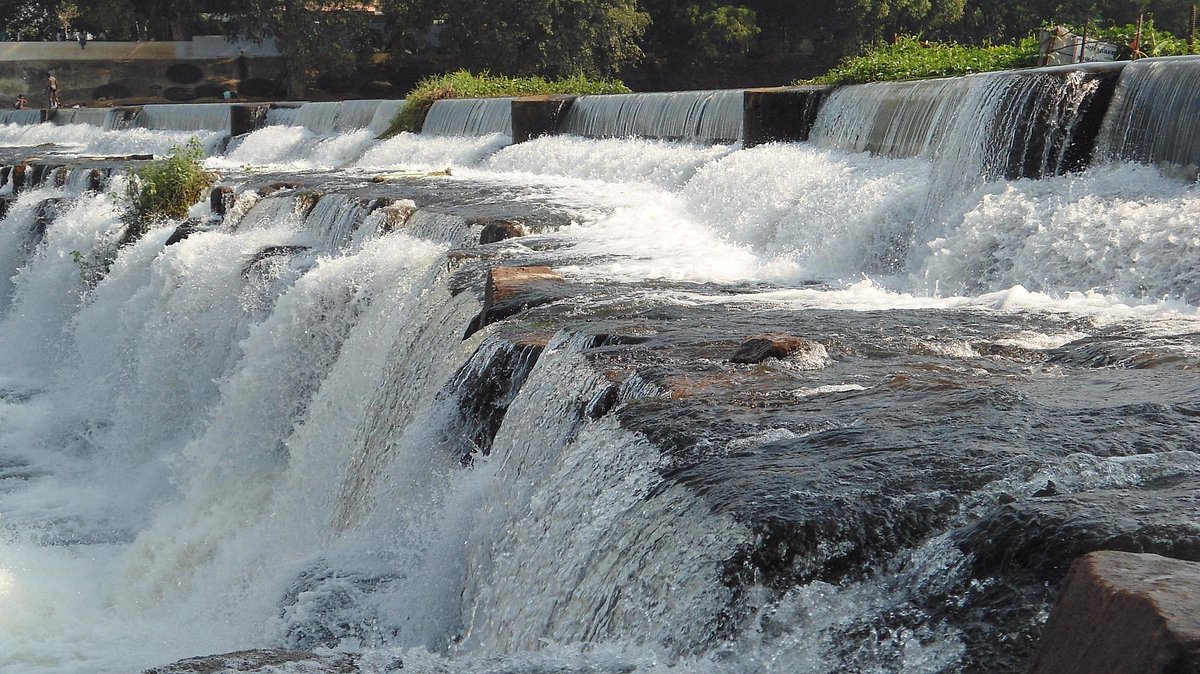
Kodiveri Dam is one of the most popular excursion-style attractions near Erode for travelers who want open-air relief and scenic movement. It works best in the morning or late afternoon when temperatures are easier. Use this stop as a slower nature segment between urban visits. Carry water, keep footwear practical, and follow local safety guidance around water edges.
Do not rush this location. Even a 60 to 90 minute relaxed session can improve your full-day itinerary quality significantly.
3. Erode Museum and Cultural Context
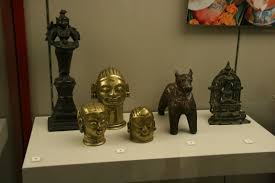
Travelers often skip museums in smaller cities, but Erode’s museum and artifact spaces add depth to the trip. They help connect the region’s trade history, social evolution, and local cultural symbols. If you prefer meaningful travel over photo-only tourism, include at least one cultural stop like this in your plan.
Museum visits also work well during midday heat when outdoor movement becomes less comfortable. This makes them useful from both educational and practical route-planning perspectives.
4. Turmeric Market and Local Commerce Streets
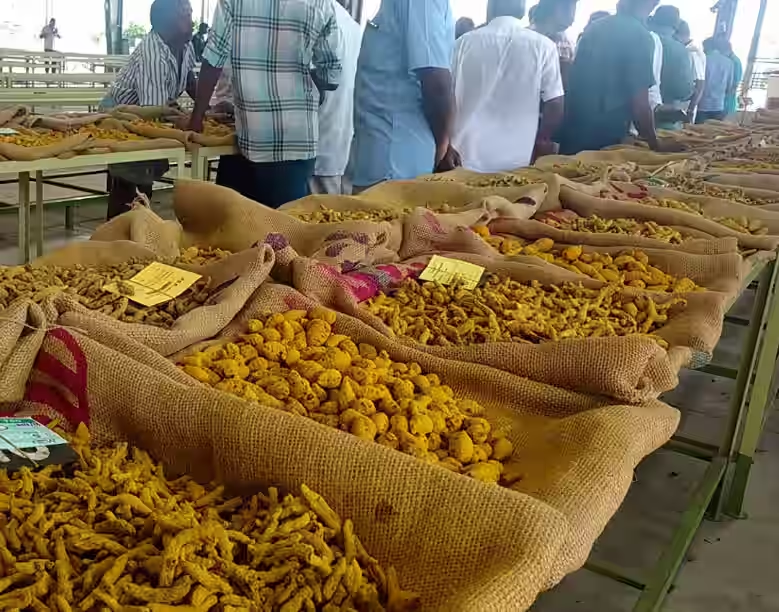
Erode’s market identity is central to its character. The turmeric market and surrounding trade areas are where the city’s economic energy becomes visible. Walk slowly, observe trading rhythms, and speak to shopkeepers when possible. This is one of the strongest ways to understand why Erode is regionally important beyond tourism.
For travel comparison, market-led experiences here feel very different from metro shopping circuits. If you are continuing your trip, this contrast is useful before visiting denser commercial cities like places to visit in Mumbai.
5. Food Spots and Local Tamil Cuisine
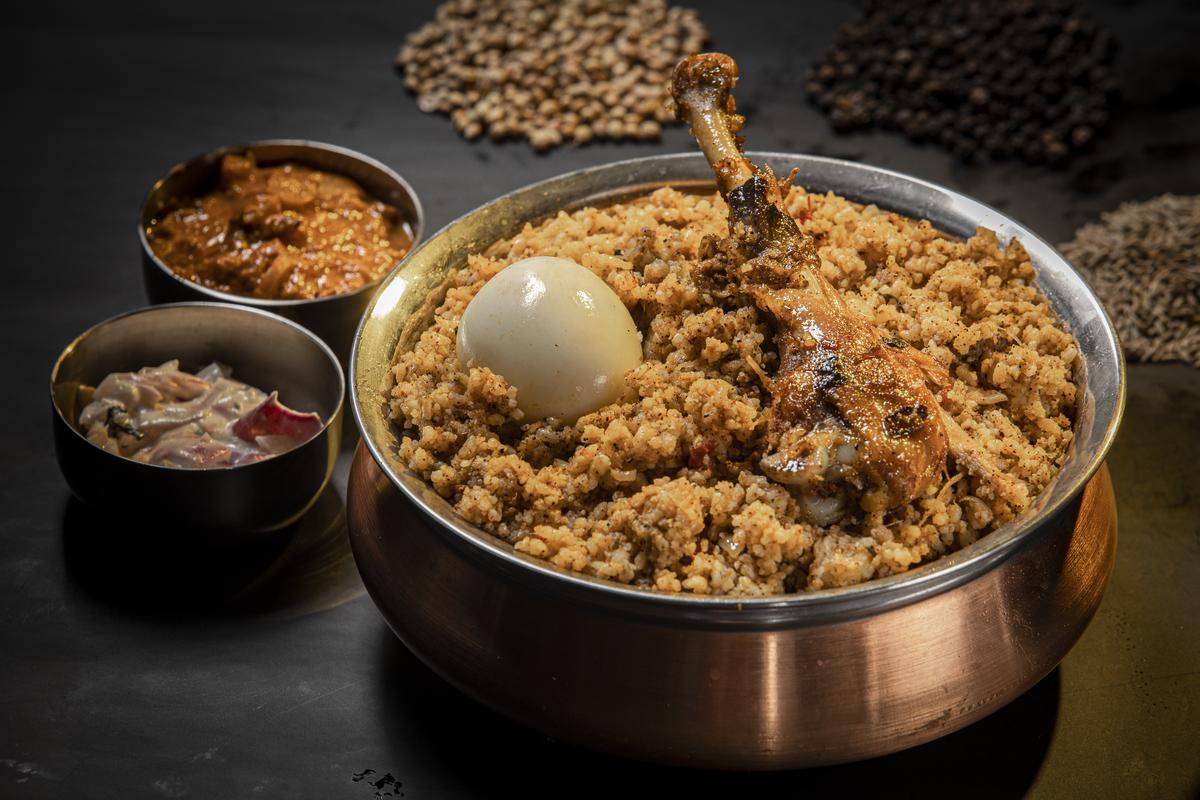
Erode’s food scene is simple, flavorful, and closely tied to local routines. Prioritize freshly prepared meals and ask for regional recommendations instead of only relying on generic online ratings. Shortlisted local eateries near market and temple routes often offer better cultural value than purely convenience-focused chain options.
Plan meal timing intentionally. A strong lunch stop in the middle of your itinerary helps maintain energy and avoids rushed, low-quality food choices later in the day.
Best Time to Visit Erode
Cooler months generally provide the most comfortable sightseeing conditions for full-day movement. Summer travel is still possible with early starts and midday indoor breaks. If your trip falls in warmer periods, reduce attraction density and maintain hydration discipline. For most travelers, comfort-based planning produces better results than trying to maximize stop count.
Daily timing matters too: temples and markets are usually best in early and late slots, while museum and food breaks fit naturally into midday windows.
How to Reach and Move Around Erode
Erode is well-connected by rail and road networks, making it easy to include in broader Tamil Nadu routes. Inside the city, app-based cabs, autos, and short local transfers can handle most movement efficiently. Keep route clusters tight and avoid crossing the city repeatedly for isolated attractions. This single change can save substantial time.
If you are planning onward travel, consider keeping departure on the following morning rather than immediately after a full sightseeing day. This reduces fatigue and schedule risk.
Suggested 2-Day Erode Itinerary
Day 1: Spiritual + Market Core
Start with temple visits, continue to market exploration, then include a curated food session in the evening.
Day 2: Dam + Museum + Flexible Local Stops
Begin early with Kodiveri Dam, return for a museum visit during warmer hours, and close with a light shopping or food stop before departure.
Quick Execution Checklist
Before you start the day, save all key stops offline, keep one backup indoor location, and fix meal windows in advance. This simple checklist prevents timing drift and keeps your itinerary realistic. Erode becomes far more enjoyable when movement is planned in clear clusters rather than reactive detours between distant points. Even a small morning planning session can improve the entire day significantly.
Budget and Practical Travel Tips
Erode can be a cost-efficient destination if you keep the plan structured. Most spending goes toward transport and food rather than high-ticket entries. Carry essentials: water, sun protection, comfortable footwear, and a small day bag for market and temple movement.
If traveling with family, pre-plan rest breaks every two to three hours. For solo travelers, keep emergency contacts and route pins saved offline in case of low connectivity pockets.
Common Mistakes to Avoid
- Treating Erode as only a transit halt with no dedicated exploration time.
- Planning scattered attractions without zone-based sequencing.
- Skipping market and food experiences, which are core to city identity.
- Traveling through peak heat with no indoor buffer stops.
- Overpacking one day and losing depth at each location.
Final Take
Places to visit in Erode are best experienced through a practical mix of spirituality, commerce, food, and local culture. This city is not about dramatic one-stop tourism. It is about meaningful regional travel with real texture and manageable pace. Plan with route clarity, keep your day balanced, and allow time for markets and food. Done right, Erode becomes a highly rewarding stop in Tamil Nadu rather than a pass-through point. It is a strong regional destination when handled thoughtfully and consistently for first-time visitors. Smart pacing delivers the best overall experience and long-term trip satisfaction for everyone.
Location
Frequently Asked Questions
Q1.How many days are needed for Erode?
Q2.What is Erode famous for?
Q3.What is the best time to visit Erode?
Q4.What are the main temples in Erode?
Q5.Which dams are near Erode?
Q6.What are the best shopping places in Erode?
Q7.How to reach Erode from Coimbatore?
Q8.Is Erode safe for tourists?
Q9.What is famous food in Erode?
Recommended For You
Best Airbnbs in Manali: Complete Stay Guide for Mountain Lovers
Find the best Airbnbs in Manali with area-wise stay advice, seasonal pricing, accommodation types, and practical booking tips for mountain lovers.
Best Airbnbs in Shimla: Heritage Stays & Modern Accommodations
Discover best Airbnbs in Shimla - from heritage colonial bungalows to modern mountain apartments. Complete guide with locations, prices, amenities & seasonal tips.
Spiti Valley 8 Days: Complete Itinerary And Route Plan
Plan perfect 8 days Spiti Valley trip from Delhi/Manali. Discover complete itinerary, best time to visit, budget & essential travel tips.
Never Miss an Adventure
Get the latest trekking guides, travel tips, and exclusive offers delivered straight to your inbox.
