
Heritage
Panikota Fort Daman: History, Boat Access & Visit Timings

Rohit Verma
December 25, 2025
20 min read1,959 views
Explore Panikota Fort in Daman, a unique Portuguese island fortress in the Arabian Sea offering maritime history, stunning architecture, and boat adventure.
Introduction: A Fort in the Middle of the Sea
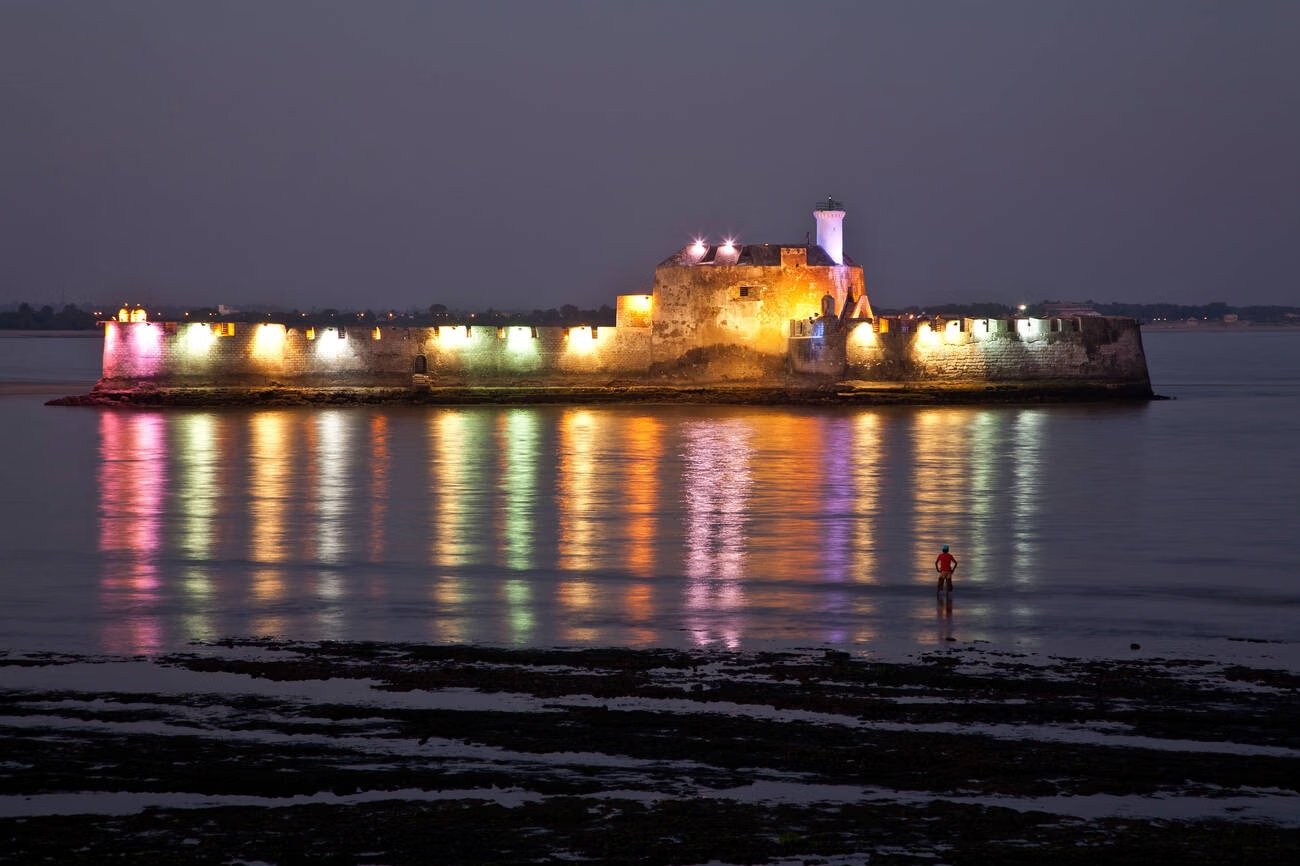
Imagine standing on the shores of Daman, gazing out at the Arabian Sea, and spotting a magnificent fortress rising from the waters like a sentinel from another era. This is Panikota Fort, also known as the Fort of St. Jerome, a unique island fortress that stands as one of India's most distinctive historical monuments. Unlike typical forts perched on hills or nestled in cities, Panikota Fort sits on a small island in the mouth of the Daman Ganga River, accessible only by boat—a fact that makes visiting it an adventure in itself. Built during the Portuguese colonial era, this sea fort has witnessed centuries of maritime history, defending the coast against invaders and serving as a crucial strategic outpost. Today, it stands as a testament to Portuguese military architecture and engineering prowess, attracting history enthusiasts, architecture lovers, and curious travelers who venture across the water to explore its weathered walls and soak in its storied past.
What sets Panikota Fort apart is not just its location but the journey to reach it. As your boat cuts through the waters of the Arabian Sea, approaching this fortress island, you'll feel transported back in time to an era when maritime defenses determined the fate of coastal territories. The fort's stone walls, battered by sea winds and waves for centuries, tell tales of battles, sieges, and the maritime history of India's western coast.
For travelers exploring Daman and Diu, Panikota Fort offers a unique blend of historical exploration and maritime adventure. Whether you're a history buff eager to learn about Portuguese colonial history, a photographer seeking dramatic seascapes and heritage architecture, or simply a traveler looking for an offbeat experience, this fortress island promises an unforgettable addition to your Daman itinerary.
Built during the Portuguese colonial era, this sea fort has witnessed centuries of maritime history, defending the coast against invaders and serving as a crucial strategic outpost. Today, it stands as a testament to Portuguese military architecture and engineering prowess, attracting history enthusiasts, architecture lovers, and curious travelers who venture across the water to explore its weathered walls and soak in its storied past.
What sets Panikota Fort apart is not just its location but the journey to reach it. As your boat cuts through the waters of the Arabian Sea, approaching this fortress island, you'll feel transported back in time to an era when maritime defenses determined the fate of coastal territories. The fort's stone walls, battered by sea winds and waves for centuries, tell tales of battles, sieges, and the maritime history of India's western coast.
For travelers exploring Daman and Diu, Panikota Fort offers a unique blend of historical exploration and maritime adventure. Whether you're a history buff eager to learn about Portuguese colonial history, a photographer seeking dramatic seascapes and heritage architecture, or simply a traveler looking for an offbeat experience, this fortress island promises an unforgettable addition to your Daman itinerary.
The Fascinating History of Panikota Fort
Portuguese Origins and Strategic Importance
The story of Panikota Fort begins in the 16th century when the Portuguese, having established their presence along India's western coast, recognized the strategic importance of controlling the Daman Ganga River's mouth. The river served as a crucial trade route, and controlling it meant dominance over the region's commerce and maritime access. In response to this strategic need, the Portuguese constructed Panikota Fort on a small island at the river's mouth, creating an imposing defensive structure that could monitor and control all naval traffic entering the river.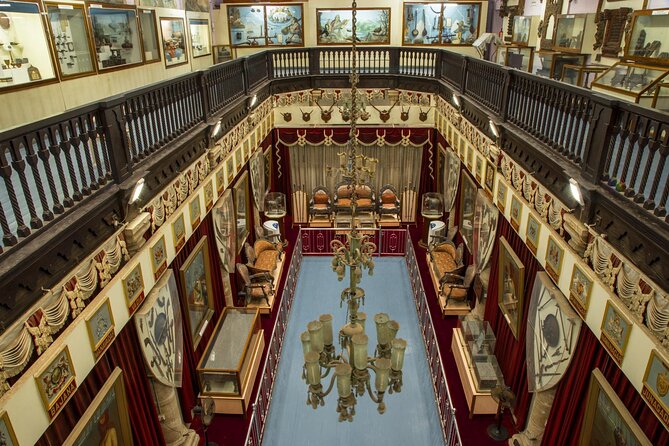 The fort was named after St. Jerome (São Jerónimo in Portuguese), reflecting the strong religious influence that characterized Portuguese colonial architecture. The construction began in the early 1600s, though exact dates vary among historical accounts. What's clear, however, is that the fort was built with military precision and designed to withstand both naval attacks and the relentless assault of sea elements.
Maritime Defense and Naval Battles
Throughout its operational history, Panikota Fort served as a crucial maritime defense installation. Its position at the mouth of the Daman Ganga River allowed Portuguese forces to monitor and control access to the river, which was a vital waterway for trade and military movements. The fort's cannon placements were strategically oriented to cover all approaches to the river, making it extremely difficult for enemy ships to pass without coming under fire. The fort witnessed numerous naval engagements and played a significant role in defending Portuguese territories in Daman against various challengers, including local rulers, other European colonial powers, and pirate vessels that plagued the Arabian Sea during the colonial era. The thick stone walls were designed to absorb cannon fire, and the fort's elevated position gave defenders a clear advantage in targeting approaching ships.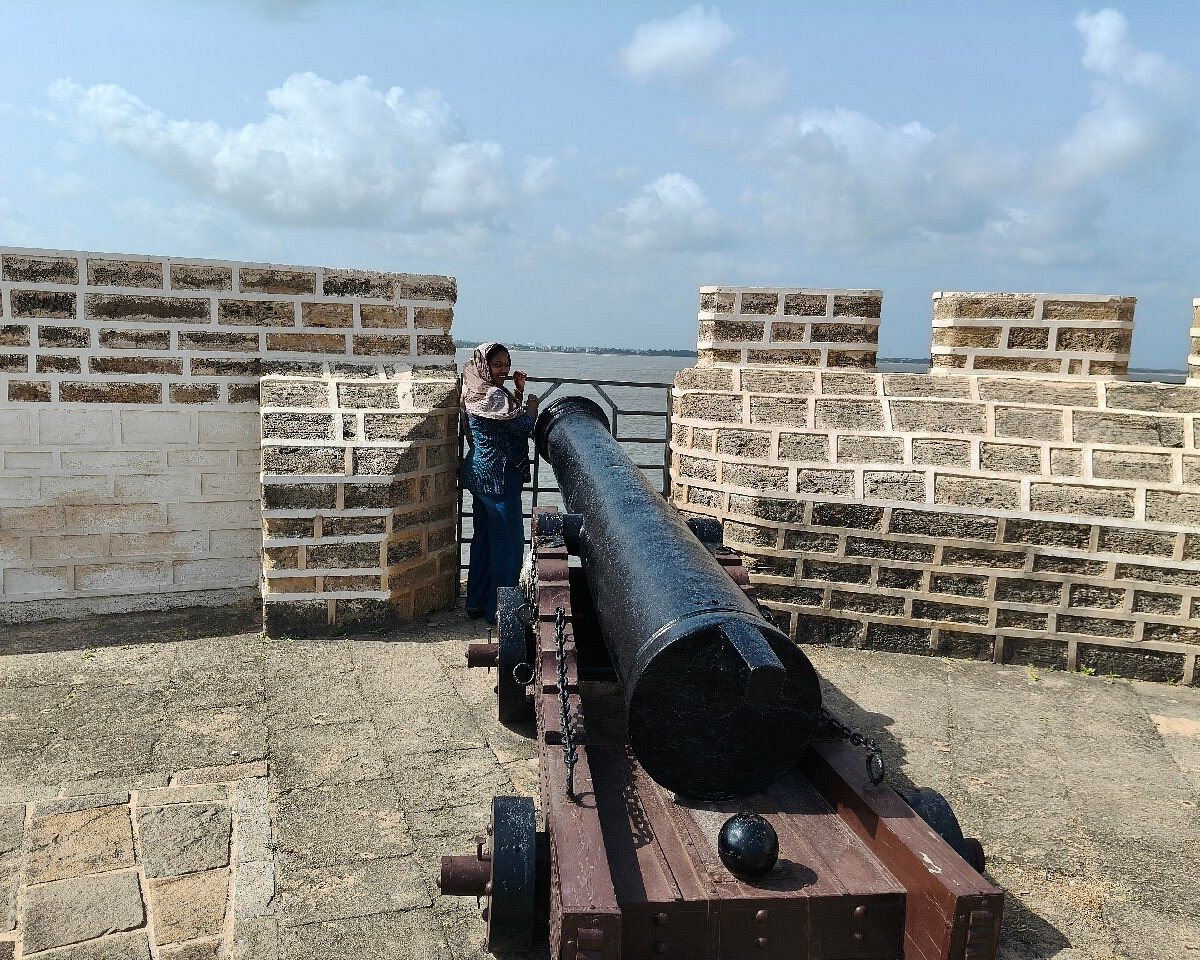
Decline and Archaeological Significance
As military technology evolved and naval warfare changed, the strategic importance of forts like Panikota diminished. By the late 19th century, the fort was no longer an active military installation. However, its historical significance was recognized, and efforts were made to preserve it as an archaeological monument. Today, the fort is protected under the Archaeological Survey of India (ASI), ensuring that this unique piece of India's maritime heritage is preserved for future generations. The fort's current state—weathered but standing strong—offers visitors a glimpse into the challenges of building and maintaining structures in a maritime environment. The constant exposure to saltwater, sea winds, and monsoons has taken its toll, yet the fort's basic structure remains intact, a testament to the quality of Portuguese construction techniques.Architecture and Unique Features
Strategic Island Location
Panikota Fort's most distinctive feature is undoubtedly its location. Built on a small island, the fort is surrounded by water on all sides, with the Arabian Sea on one side and the Daman Ganga River on the other. This island location made it virtually impregnable to land-based attacks and extremely challenging for naval forces to capture. The island itself is small, meaning the fort had to be designed efficiently to maximize defensive capabilities within a limited space. The fort's design reflects the constraints and advantages of its island location. The compact structure uses every available square foot strategically, with living quarters, ammunition storage, cannon placements, and observation areas all integrated into a cohesive defensive system. The elevation of the island provides natural height, which the fort's builders augmented with constructed walls and bastions to create an elevated firing platform.
Stone Walls and Bastions
The fort's architecture is characteristic of Portuguese military construction from the colonial period. The walls are built from massive stone blocks, carefully fitted together without the use of modern binding materials. The stones were likely sourced locally, chosen for their durability and ability to withstand the harsh coastal environment. The walls are thick enough to absorb cannon fire, and their angled design helped deflect cannonballs rather than taking direct hits. At strategic corners, bastions project outward, allowing defenders to fire along the walls and protect the fort's perimeter. These bastions housed the fort's heaviest cannons and provided overlapping fields of fire, ensuring that any approach to the fort could be covered by multiple guns. The precision with which these bastions were positioned demonstrates sophisticated understanding of military engineering.Lighthouse and Maritime Infrastructure
One of the fort's most interesting features is the lighthouse that stands within its premises. This lighthouse has guided ships safely through the treacherous waters at the mouth of the Daman Ganga River for generations. While the original lighthouse structure has been modified and updated over the years, its presence within the fort highlights the dual role this fortress played—as both a defensive military installation and a maritime navigation aid. The lighthouse offers spectacular views of the surrounding sea and coastline, and climbing to the top provides a unique perspective on the fort's strategic location. From this vantage point, visitors can appreciate why this particular spot was chosen for the fort—the commanding view of the Arabian Sea and the river mouth makes the strategic advantage immediately clear.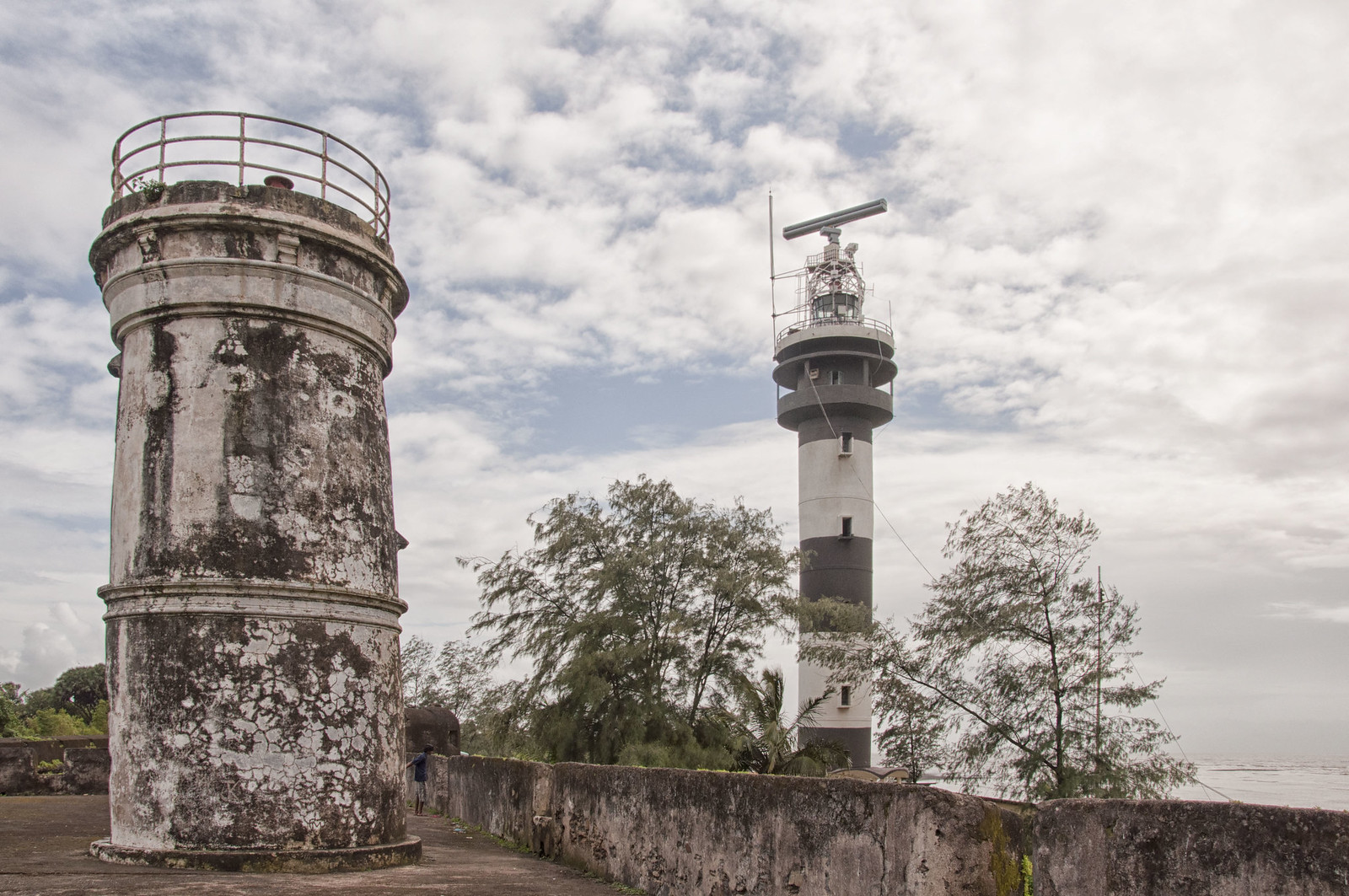
Underground Passages and Chambers
Beneath the fort's visible structures lie underground passages and chambers that served various purposes—storage for ammunition and supplies, emergency shelters during bombardments, and possibly secret escape routes. While many of these underground areas are not accessible to visitors due to safety concerns, they add to the fort's mystique and historical significance. These underground spaces would have been crucial during prolonged sieges, allowing defenders to survive even when the fort was cut off from supplies. The ventilation systems, rainwater harvesting structures, and storage facilities found in these subterranean areas reflect the sophisticated planning that went into making the fort self-sufficient.Best Time to Visit Panikota Fort
Choosing the right time to visit Panikota Fort is crucial for a comfortable and enjoyable experience. Being located in the open sea, the fort is highly susceptible to weather conditions, and your visit can be significantly affected by the season, time of day, and current weather patterns.| Season | Months | Weather | Boat Access | Experience |
|---|---|---|---|---|
| Winter | Oct - Mar | 22°C - 30°C | Regular service | Most pleasant, clear views |
| Summer | Apr - Jun | 30°C - 38°C | Morning only | Hot but less crowded |
| Monsoon | Jul - Sep | Heavy rain | Limited or suspended | Rough seas, atmospheric |
Winter Season (October to March)
The winter months offer the best conditions for visiting Panikota Fort. The weather is pleasant, with temperatures ranging from 22°C to 30°C, and the humidity is relatively low. The sea is generally calm during these months, making boat rides comfortable and safe. Clear skies provide excellent visibility for photography and sightseeing. This is also the peak tourist season in Daman, so while you'll have the best weather conditions, you might also encounter more crowds. The advantage is that boat services operate regularly during winter, giving you flexibility in planning your visit.Summer Season (April to June)
Summer in Daman is hot and humid, with temperatures often exceeding 35°C. However, if you can handle the heat, this season has its advantages. The fort is less crowded, and the morning light can be beautiful for photography. It's essential to visit early in the morning during summer, both to avoid the worst of the heat and because boat services may be limited or suspended during the afternoon when the sea gets rough. Carry plenty of water, wear a hat or cap, and use sunscreen liberally if you're visiting in summer. The sea breeze provides some relief, but the sun can be intense, especially on the fort's open walls.Monsoon Season (July to September)
The monsoon season brings heavy rainfall to the region, and the Arabian Sea becomes rough and unpredictable. During this period, boat services to the fort are frequently suspended due to safety concerns. Even when boats are operating, the experience can be uncomfortable and potentially dangerous for those not accustomed to rough seas. However, for adventure seekers and photographers, the monsoon offers a dramatic experience. The fort takes on a moody, atmospheric appearance against stormy skies, and the crashing waves create a powerful spectacle. If you choose to visit during monsoon, check with local authorities about sea conditions and boat availability, and be prepared for last-minute cancellations.Best Time of Day
Early Morning (8 AM to 10 AM): The morning hours are ideal for visiting Panikota Fort. The sea is typically calmest in the morning, making the boat ride pleasant. The light is soft and golden, perfect for photography. The temperatures are cooler, especially in summer, and you'll likely encounter fewer crowds. Late Afternoon (3 PM to 5 PM): The afternoon can be good too, particularly in winter when the weather is mild. The afternoon light can create beautiful contrasts on the stone walls, and the golden hour approaching sunset offers excellent photographic opportunities. However, the sea can be choppier in the afternoon, so consider this if you're prone to seasickness.How to Reach Panikota Fort
Reaching Panikota Fort is an adventure in itself, as it requires a boat journey across the Arabian Sea. Here's a comprehensive guide on how to get to this unique island fortress:By Boat from Moti Daman
The primary way to reach Panikota Fort is by taking a boat from the jetty near Moti Daman. Regular ferry services operate between the mainland and the fort, weather permitting. The boat journey takes approximately 15-20 minutes each way and offers beautiful views of the Daman coastline and the fort growing larger as you approach. Boats are typically small fishing vessels or dedicated tourist boats that can carry 8-15 passengers at a time. The journey is generally safe, but the boats can rock with the waves, so hold on to the rails and follow the boat operator's safety instructions.
Boat Charges and Timings
Boat charges are typically charged on a per-person basis, and rates can vary depending on the season, boat type, and whether you're hiring a private boat or sharing with others. On average, expect to pay between ₹100-200 per person for a round trip. Private boat hires will cost more but offer the advantage of setting your own schedule and having the boat to yourself for photography. Boat services usually operate from around 8 AM to 5 PM, weather permitting. During monsoon or rough sea conditions, services may be suspended with little notice. It's advisable to reach the jetty early, especially on weekends and holidays, to avoid disappointment.Reaching the Moti Daman Jetty
From Daman Town: The Moti Daman jetty is easily accessible from anywhere in Daman town. Auto-rickshaws and taxis are readily available and inexpensive. The jetty is located near the Moti Daman Fort, another historical attraction that you can combine with your Panikota Fort visit. Parking: There's limited parking available near the jetty. If you're driving, arrive early to secure a spot, or consider parking in Daman town and taking an auto-rickshaw to the jetty.Access Restrictions and Safety
It's important to understand that access to Panikota Fort is entirely weather-dependent. The authorities responsible for boat operations prioritize passenger safety and will cancel services if sea conditions are deemed unsafe. This is particularly common during the monsoon season and on windy days. Children, elderly visitors, and those with mobility issues should exercise caution when visiting. The boat ride can be physically demanding, and once at the fort, there are stairs, uneven surfaces, and areas without railings. Life jackets are usually provided and should be worn, especially if you're not a strong swimmer.Things to See and Do at Panikota Fort
Explore the Fort Walls and Bastions
Walking along the fort's perimeter walls is one of the best ways to experience Panikota Fort. The walls offer spectacular views of the Arabian Sea on one side and the Daman Ganga River on the other. As you walk, imagine the Portuguese soldiers who once stood guard here, watching for enemy ships and protecting the territory under their charge. The bastions at the corners of the fort are particularly interesting. Each bastion housed cannons, and you can still see the cannon placements and the angles of fire that the fort's designers calculated. The strategic positioning becomes immediately apparent when you stand at a bastion and see how it provides commanding views of all approaches to the fort.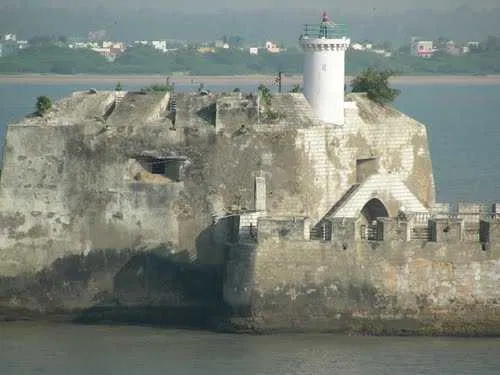
Visit the Lighthouse
The lighthouse within the fort complex is a must-visit. While access may be restricted at times, when open, climbing to the top offers panoramic views of the coastline, the open sea, and the river mouth. The lighthouse has been guiding ships for generations, and seeing its powerful beam up close is fascinating. From the lighthouse, you can appreciate the full extent of the fort's island location and understand why this spot was chosen for such an important defensive structure. The views are particularly photogenic, so bring your camera.Photography Opportunities
Panikota Fort is a photographer's paradise. The combination of heritage architecture, sea views, and dramatic lighting conditions offers endless creative possibilities. Some photographic highlights include:- Sunset Shots: The fort silhouette against the setting sun is magical
- Architectural Details: Weathered stone walls, cannon placements, and doorways
- Seascapes: Panoramic views of the Arabian Sea and Daman coastline
- Boat Approaches: The fort growing larger as your boat approaches
- Textures: The weathered stone, rusted ironwork, and sea-sprayed surfaces
Bird Watching and Nature
The area around Panikota Fort is home to various seabirds, and birdwatchers will enjoy spotting species adapted to marine environments. The fort's island location makes it a resting spot for migratory birds, particularly during winter months. Bring binoculars if you're interested in birdwatching. The marine life around the fort is also worth noting. While you won't typically see much from the fort walls, the clear waters sometimes reveal fish swimming near the shore. If you're lucky, you might spot dolphins in the distance during your boat ride to or from the fort.Picnic and Relaxation
While there are no formal picnic facilities or food stalls at the fort, many visitors bring snacks and enjoy a meal with a view. The sea breeze and the sound of waves create a relaxing atmosphere perfect for a break from sightseeing. Just remember to carry all your trash back with you—there are no trash cans on the island, and littering is strictly prohibited.Nearby Attractions in Daman
Moti Daman Fort
Located on the mainland, Moti Daman Fort is the larger counterpart to Panikota Fort and is often visited in combination with it. This massive fortification surrounded by a moat houses several historic buildings, including the Church of Bom Jesus and the old Portuguese cemetery. Unlike Panikota Fort's island location, Moti Daman Fort is easily accessible by road and can be explored at leisure. The fort's massive walls, some dating back to the 16th century, enclose an area of approximately 30,000 square meters. Walking along the ramparts offers views of the sea and the town, and within the fort complex, you'll find colonial-era buildings that have been remarkably well preserved.Jampore Beach
Located on the southern side of Daman, Jampore Beach is a popular destination known for its golden sands and casuarina groves. The beach is less crowded than some of Daman's other beaches, making it perfect for relaxation. The casuarina trees along the shore provide natural shade, creating a pleasant environment for picnics and beach games. Jampore Beach is particularly beautiful during sunset, and many visitors combine a morning trip to Panikota Fort with an evening at Jampore Beach. The beach also offers water sports activities during the tourist season.Devka Beach
On the northern side of Daman lies Devka Beach, known for its rocky shoreline and amusement park. While not ideal for swimming due to the rocky bottom, the beach is popular for walks and offers beautiful views, especially during low tide when you can explore the rocky pools and marine life trapped in them. The Devka Beach Amusement Park is a major attraction, particularly for families visiting Daman. The park features rides, food stalls, and entertainment options, making it a lively spot in the evenings.Church of Bom Jesus
Located within Moti Daman Fort, the Church of Bom Jesus is a beautiful example of Portuguese colonial architecture. Built in the 17th century, the church features an ornate altar, wooden carvings, and statues of saints. The church is still active and holds regular services, but visitors are welcome outside of service hours. The church's architecture is typical of Portuguese religious buildings in India, with elements of both European and Indian design. The peaceful atmosphere inside offers a contrast to the fort's military history.Daman Ganga Bridge
The Daman Ganga Bridge is a modern architectural marvel that connects the two parts of Daman—Nani Daman and Moti Daman. While not a historical site like the forts, the bridge offers beautiful views of the river and is particularly photogenic at night when it's illuminated. Walking across the bridge provides a nice perspective of the Daman Ganga River flowing into the Arabian Sea—the same river mouth that Panikota Fort was built to defend.Travel Tips for Visiting Panikota Fort
Planning Your Visit
Check Weather Conditions: Before heading to the jetty, check the weather forecast and sea conditions. Rough seas can result in canceled boat services, wasting your time and causing disappointment. The morning is generally calmer than the afternoon, so plan accordingly. Start Early: Arrive at the jetty early in the day, especially on weekends and holidays. This gives you the best chance of getting a boat, allows you to avoid the worst of the heat, and provides better photographic conditions with softer morning light. Combine Attractions: Plan to visit nearby attractions like Moti Daman Fort or Jampore Beach on the same day to make the most of your trip to Daman. This maximizes your time and gives you a more comprehensive experience of the region.What to Carry
- Water: At least 1 liter per person—there are no facilities on the island
- Sun Protection: Sunscreen, hat, and sunglasses—the fort offers little shade
- Camera: With extra batteries and memory cards for the numerous photo opportunities
- Snacks: Light snacks if you plan to spend time relaxing at the fort
- Cash: For boat charges—digital payments may not be accepted
- Trash Bag: To carry your waste back to the mainland
- Medication: If prone to seasickness, take appropriate medication before the boat ride
Safety Precautions
Wear Appropriate Footwear: The fort has uneven surfaces, stairs, and areas without railings. Wear comfortable, closed-toe shoes with good grip. Avoid flip-flops or high heels. Watch Your Step: The fort's walls have no railings in many areas, and some sections can be slippery, especially when wet. Keep children close and supervise them at all times. Stay Hydrated: The combination of sun and sea breeze can dehydrate you quickly. Drink water regularly and take breaks in shaded areas if available. Respect Boundaries: Some areas of the fort may be unsafe or restricted for conservation. Respect signage and don't enter areas that are off-limits.Food and Accommodation
Food: There are no food stalls or facilities on Panikota Fort or its island. Carry all the food and water you'll need during your visit. After your fort visit, you'll find plenty of dining options in Daman town, ranging from local seafood to multi-cuisine restaurants. Accommodation: Daman offers a range of accommodation options to suit various budgets. From luxury resorts to budget guesthouses and homestays, you'll find something that fits your needs. Many hotels are located near the beaches, offering easy access to both the fort and other attractions.Responsible Tourism
As a historical monument and fragile island ecosystem, Panikota Fort deserves our respect and care. Help preserve this heritage site by following responsible tourism practices:- Don't carve or write on the fort's walls
- Carry all your trash back to the mainland
- Don't disturb wildlife or remove natural specimens
- Respect any restricted areas
- Follow all safety instructions from boat operators and authorities
Conclusion: Why Panikota Fort Should Be on Your Daman Itinerary
Panikota Fort is more than just a historical monument—it's an experience that combines maritime adventure, historical exploration, and natural beauty. Its unique island location sets it apart from virtually any other fort in India, making it a must-visit destination for travelers seeking something beyond the typical tourist trail. The journey to the fort, across the sparkling waters of the Arabian Sea, is an adventure in itself. As the fort grows larger on the horizon, you'll feel like you're approaching a different world, stepping back into an era when maritime defenses shaped the destiny of coastal territories. Exploring the weathered walls, climbing to the lighthouse, and gazing out at the endless sea from the bastions offers a perspective that's both historically enriching and personally rejuvenating. Whether you're a history enthusiast eager to walk in the footsteps of Portuguese soldiers, a photographer seeking dramatic seascapes and heritage architecture, or simply a traveler looking for an offbeat adventure, Panikota Fort delivers an experience that's both unique and unforgettable. The fort's accessibility makes it suitable for various types of travelers, though it does require some physical effort and comfort with boat travel. The fact that it's less crowded than many other heritage sites adds to its appeal, allowing for a more personal and contemplative exploration experience. When planning your Daman trip, set aside at least half a day for Panikota Fort. Combine it with visits to Moti Daman Fort and one of Daman's beautiful beaches for a full day of exploration, and if time allows, extend the trip to compare it with the Portuguese-era Diu Fort a short distance away. Bring your camera, carry water and snacks, wear comfortable shoes, and prepare yourself for an adventure that combines the best of India's maritime heritage with the natural beauty of the Arabian Sea coast. Panikota Fort is a reminder of India's rich colonial history and the strategic importance of maritime defenses in shaping the subcontinent's past. Visiting this fortress island is not just about seeing a historical site—it's about experiencing a unique piece of history that continues to stand strong against the tides of time and the relentless waves of the Arabian Sea.Location
Frequently Asked Questions
Q1.Where is Panikota Fort located in Daman?
Panikota Fort is located on a small island at the mouth of the Daman Ganga River where it meets the Arabian Sea. It's approximately 1 kilometer from the Moti Daman coast and is accessible only by boat. The fort sits between the Arabian Sea and the Daman Ganga River, making it a strategically positioned island fortress.
Q2.What is the history of Panikota Fort?
Panikota Fort, also known as the Fort of St. Jerome, was built by the Portuguese in the early 17th century (around the 1600s). It was constructed as a maritime defense installation to control access to the Daman Ganga River and protect Portuguese territories from naval invasions. The fort witnessed numerous battles and served as a crucial strategic outpost until the late 19th century when it was decommissioned as a military installation.
Q3.What is the best time to visit Panikota Fort?
The best time to visit Panikota Fort is during the winter months from October to March when temperatures are pleasant (22°C to 30°C) and the sea is calm. Early morning visits (8 AM to 10 AM) are ideal as the sea is typically calmest, boat services operate regularly, and you'll avoid the worst of the heat. Monsoon season (July to September) should be avoided as boat services are frequently suspended due to rough seas.
Q4.What are the timings of Panikota Fort?
Panikota Fort itself doesn't have strict timings as it's an open monument, but access is entirely dependent on boat service availability. Boats typically operate from 8 AM to 5 PM, weather permitting. During monsoon or rough sea conditions, services may be suspended with little notice. It's advisable to reach the Moti Daman jetty early in the day to ensure availability.
Q5.Is there an entry fee for Panikota Fort?
There is no specific entry fee for Panikota Fort itself, but visitors must pay for the boat transfer to reach the island. Boat charges typically range from ₹100-200 per person for a round trip, depending on the season, boat type, and whether it's a shared or private boat. These rates can vary, so it's best to check current prices at the Moti Daman jetty.
Q6.How do you reach Panikota Fort?
Panikota Fort is accessible only by boat from the Moti Daman jetty. The boat journey takes approximately 15-20 minutes each way. To reach the jetty, you can take an auto-rickshaw or taxi from anywhere in Daman town. There's limited parking available near the jetty if you're driving. Boat services operate weather permitting, and it's recommended to start early in the day for the best experience.
Q7.What can you see at Panikota Fort?
At Panikota Fort, you can explore the historic stone walls and bastions with cannon placements, visit the lighthouse within the fort complex, enjoy panoramic views of the Arabian Sea and Daman Ganga River, photograph the unique island fortress architecture, and observe seabirds and marine life. The fort offers a glimpse into Portuguese military engineering and maritime history.
Q8.How much time is needed to explore Panikota Fort?
A typical visit to Panikota Fort takes about 2-3 hours, including the boat journey to and from the island. The boat ride takes 15-20 minutes each way, leaving approximately 1.5-2 hours to explore the fort. However, if you're interested in photography or want to spend more time soaking in the atmosphere, you might want to allow 3-4 hours for the complete experience.
Q9.Is photography allowed at Panikota Fort?
Yes, photography is allowed at Panikota Fort and is actually highly encouraged. The fort offers spectacular photographic opportunities with its heritage architecture, sea views, dramatic lighting, and unique island location. Whether you're a professional photographer or casual smartphone shooter, you'll find endless subjects to capture, from architectural details and textures to panoramic seascapes and sunset silhouettes.
Q10.Is Panikota Fort safe to visit?
Panikota Fort is generally safe to visit, but certain precautions should be taken. The boat ride can be rough if seas are choppy. The fort has uneven surfaces, stairs without railings, and areas with steep drops, so wear appropriate footwear and watch your step. Children should be supervised at all times. The visit is weather-dependent—services will be canceled if conditions are unsafe. Carry water as there are no facilities on the island.
Recommended For You
Adventure
Water Sports in Daman and Diu: Activities, Prices & Beaches
Best water sports in Daman and Diu with prices, timing, locations & activities. Scuba diving, jet ski, parasailing & adventure water activities guide.
Feb 20Read More
Beaches
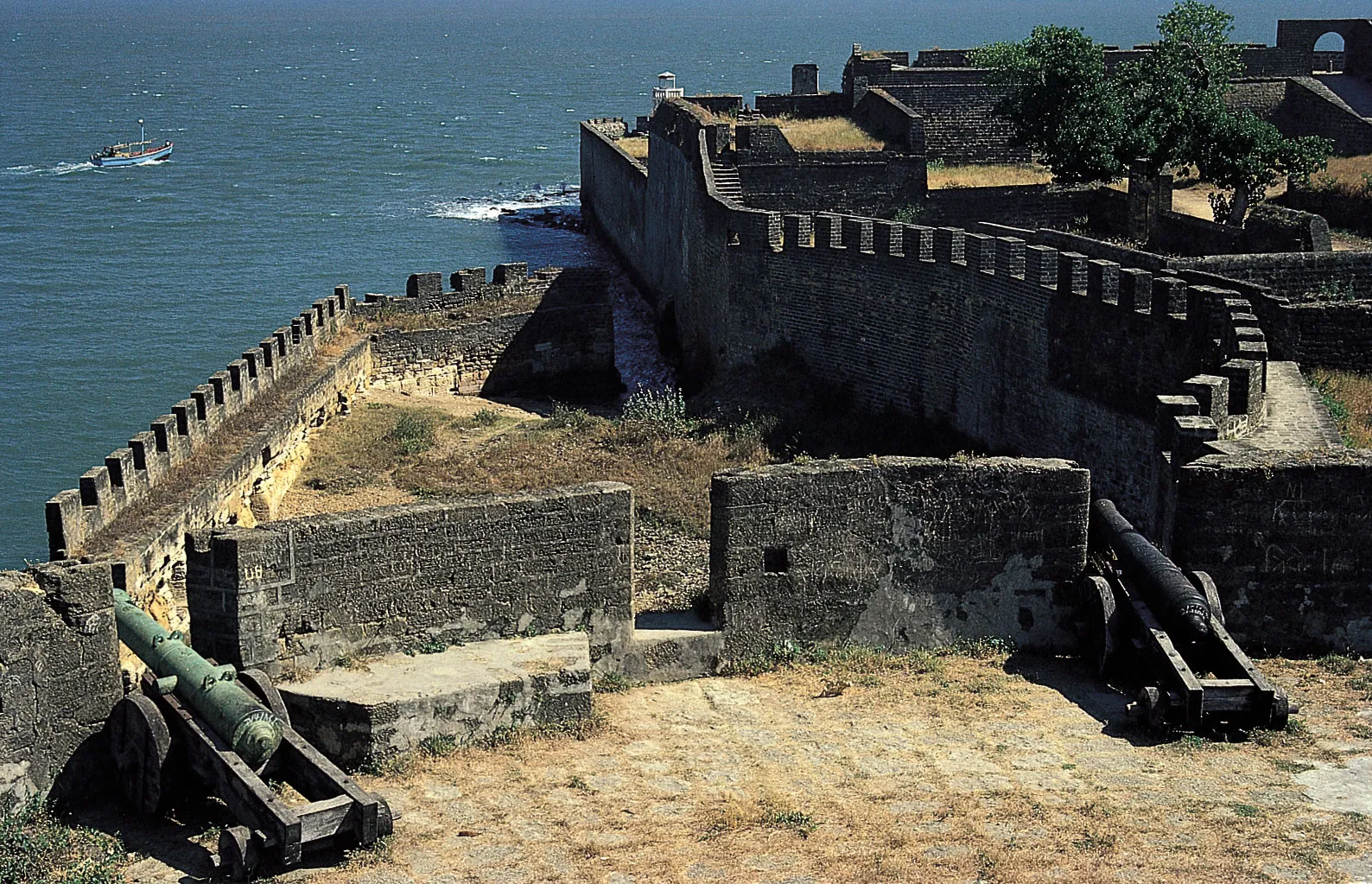
Places to Visit in Daman and Diu: Beaches & More
Discover the best places to visit in Daman and Diu, including beaches, forts, churches, and practical route planning for a complete coastal trip.
Feb 16Read More
Nightlife
Nightlife in Daman and Diu: Complete Nightlife Guide 2026
Complete nightlife guide to Daman and Diu - beaches, bars, parties, casino, beach dining & practical tips. Compare Daman vs Diu nightlife scenes.
Jan 23Read More
Never Miss an Adventure
Get the latest trekking guides, travel tips, and exclusive offers delivered straight to your inbox.
