
Nani Daman: Fort Walks, Beach Time & Local Attractions

Rohit Verma
January 22, 2026
Explore Nani Daman's historic fort, beach & attractions. Complete travel guide with best places to visit, how to reach & weekend trip tips.
Nani Daman: Where History Meets the Coast
Along Gujarat's coast, where the Arabian Sea meets India's western frontier, lies Nani Daman - the smaller but equally charming counterpart to the better-known Daman (Moti Daman). This laid-back coastal town, part of the union territory of Daman and Diu, offers a perfect blend of Portuguese colonial heritage, serene beaches, and relaxed Portuguese-influenced atmosphere. For travelers seeking an offbeat coastal getaway that combines history with beach vibes, Nani Daman delivers an experience far removed from crowded tourist hotspots.
What sets Nani Daman apart is its authentic character. While popular tourist destinations have embraced mass tourism, Nani Daman maintains its peaceful pace, colonial charm, and local way of life. The town's Portuguese architecture, with whitewashed buildings and colorful facades, creates a picturesque setting that feels transported to European coastal towns. The nearby beach, though smaller than other Daman beaches, offers pristine waters and stunning sunsets without overwhelming crowds.
Strategically located near major cities like Surat and Mumbai, Nani Daman serves as an accessible weekend getaway. The town's compact size means everything is within walking or short auto-rickshaw distance. Whether you're a history enthusiast exploring colonial forts, a beach lover seeking quiet shores, or simply wanting to relax by the Arabian Sea, Nani Daman provides a refreshing coastal retreat.
Nani Daman Fort
Historical Significance
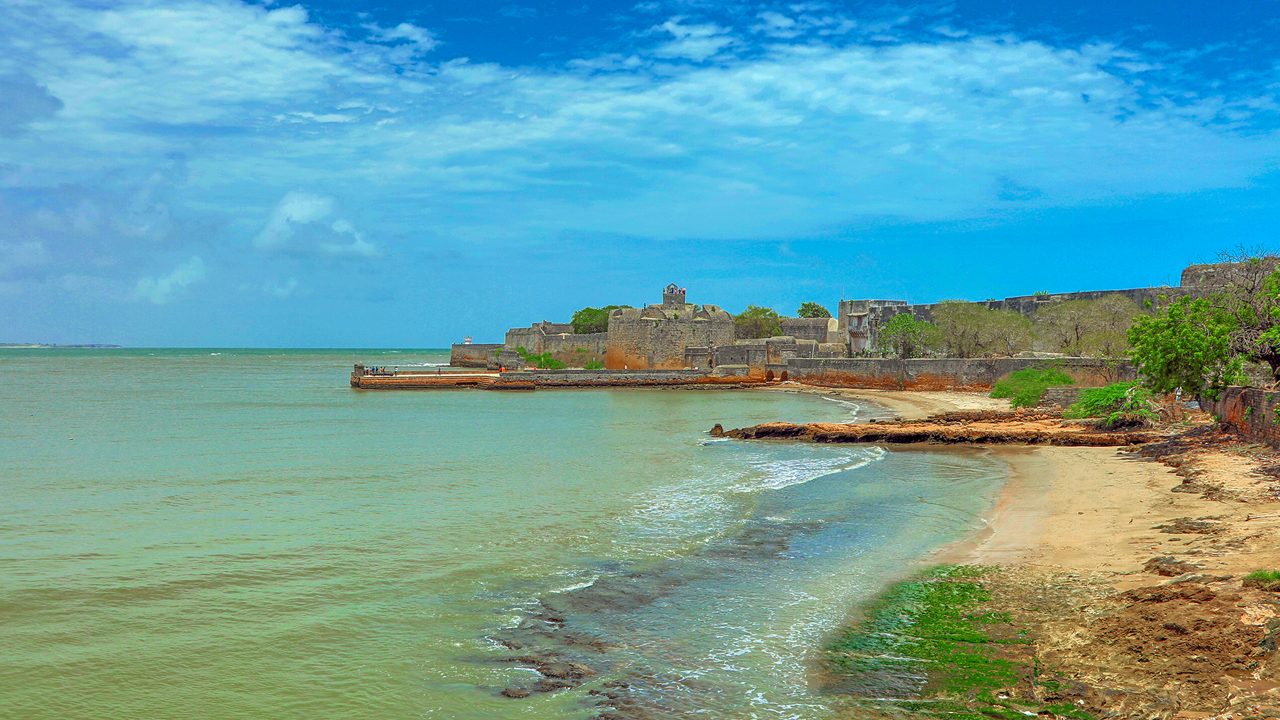
The crowning jewel of Nani Daman is its historic fort, a testament to Portuguese colonial presence that lasted over 450 years in this region. The Portuguese established their control over Daman in the 16th century, and the fort was constructed as a defensive structure protecting their coastal territories. Today, this well-preserved fort stands as one of the finest examples of Portuguese military architecture on India's western coast.
The fort's strategic location commanding views of the Arabian Sea made it crucial for Portuguese trade and defense. Over centuries, the fort witnessed numerous battles, changes in control, and evolution from military outpost to administrative center. Walking through its walls today, you're walking through layers of history - from Portuguese soldiers patrolling these ramparts to Indian forces eventually liberating the territory.
Architecture and Features
Nani Daman Fort showcases classic Portuguese military architecture with thick stone walls, bastions at strategic corners, and a commanding gate. The fort's design reflects European military engineering adapted to local conditions. The walls, built from laterite stone quarried locally, have withstood centuries of coastal weather including monsoons and sea spray.
Within the fort complex, visitors can explore old barracks, administrative buildings, and the former governor's residence. Several cannons still positioned along the walls offer insights into military technology of the era. The fort's layout, designed for defense, creates interesting patterns for exploration - narrow passages, elevated positions, and strategic viewpoints that once monitored approaching ships.
Views and Exploration
One of the fort's major attractions is the panoramic views it offers of the Arabian Sea and surrounding coastline. Walking along the ramparts provides spectacular vistas, particularly during sunrise and sunset. The fort's elevated position means you can see ships passing on the horizon, waves crashing against the coast, and the interplay of light on the water.
Exploring the fort takes 1-2 hours at a leisurely pace. The walls are accessible and safe for walking, with several viewpoints offering excellent photo opportunities. The interior buildings, some in ruins while others remarkably preserved, provide insights into colonial life. Information plaques explain historical events and architectural features, enhancing the educational value of your visit.
Nani Daman Beach
Beach Characteristics
Nani Daman Beach, though smaller than the main Daman beach at Devka, offers a serene and less crowded alternative for those seeking tranquility. The beach features golden-brown sand characteristic of this coastal region, with gentle waves making it safe for swimming most of the year. The relatively shallow waters near shore make it family-friendly, though visitors should always exercise normal beach caution.
What the beach lacks in size, it compensates in charm. The absence of overwhelming commercialization means you can enjoy peaceful moments watching waves, collecting shells, or simply relaxing under the sun. The beach's orientation means spectacular sunsets are visible most evenings - the setting sun painting the sky in oranges, pinks, and purples before dipping below the horizon.
Beach Activities
Nani Daman Beach offers several activities for visitors. Swimming is the most popular, with waters generally calm during winter months. The gentle slope into the sea makes it accessible for swimmers of various skill levels. Lifeguards are typically present during peak times, though ocean conditions can change.
The beach is also excellent for long walks in either direction, exploring the coastline at your own pace. Early morning walks offer solitude and cool temperatures, while evening strolls provide atmospheric settings as fishing boats return and lights appear along the shore. The beach is increasingly becoming popular for photography, with photographers capturing its serene beauty and changing moods throughout the day.
Beach Facilities
Being the quieter alternative to main Daman beaches, Nani Daman Beach has basic but adequate facilities. Public restrooms are available near the beach approach. A few small vendors setup during peak times offering snacks, water, and sometimes basic beach gear. Parking is available nearby, filling up during weekends.
The beach lacks the extensive commercial infrastructure of busier coastal areas - this is part of its charm. You won't find beach clubs, water sports rentals, or restaurants directly on the beach (except during special events). Instead, you'll find a natural, unspoiled coastal experience. Bring your own snacks, water, and beach gear for the most comfortable experience.

Top Attractions in Nani Daman
Portuguese Heritage Walk
Beyond the fort, Nani Daman offers several examples of Portuguese colonial architecture scattered throughout the town. The Portuguese ruled Daman from 1531 to 1961, leaving a lasting architectural legacy. Whitewashed buildings with colorful facades, distinctive windows, and wrought-iron balconies create a picturesque townscape that feels European in character.
Notable buildings include old churches, colonial residences, and administrative structures from the Portuguese era. Many of these buildings are still in use, some as private homes and others repurposed for government functions. Walking through Nani Daman's streets is like moving through an open-air museum of Portuguese architecture - each corner reveals another glimpse into the colonial past.
Churches and Religious Sites
Nani Daman contains several historic churches that played crucial roles in Portuguese administration and local life. These churches showcase Portuguese religious architecture with their distinctive facades, bell towers, and interior designs. Some churches remain active places of worship, while others serve as historical monuments.
The Church of Our Lady of the Sea (Nossa Senhora do Mar) is particularly noteworthy, located near the beach with stunning views. Its colonial architecture, centuries-old history, and serene atmosphere make it worth visiting. Other smaller chapels and religious sites dot the town, reflecting the deep Catholic influence that Portuguese rule brought to the region.
Coastal Promenade
Nani Daman has developed a pleasant coastal promenade that connects the fort area to the beach. This walkway, lined with trees and benches, offers a relaxing space for strolling while enjoying sea views. The promenade is particularly popular during evenings when locals and visitors gather to watch sunsets.
The walkway provides excellent vantage points for photographing both the fort and beach. It's also ideal for morning walks when temperatures are cooler. The promenade development shows thoughtful urban planning that enhances public access to the coast without overwhelming natural beauty with concrete structures. Several small stalls along the promenade offer snacks and refreshments.
Local Markets
Exploring Nani Daman's markets provides insights into local life and commerce. The main market area offers everything from fresh produce and seafood to textiles and household goods. These markets are where locals shop daily, creating authentic experiences rather than tourist-oriented shopping.
Seafood is particularly notable - the coastal location means fresh fish arrives daily. Local vendors sell various fish varieties, often prepared in local cooking styles. The markets also offer Portuguese-influenced items like baked goods and certain confections that trace their origins to colonial times. Browsing these markets, even if not shopping, offers cultural immersion.
Best Time to Visit
Winter (November-February) - Best Season
Winter offers the most pleasant conditions for visiting Nani Daman. Daytime temperatures range from 20-28°C, comfortable for exploring and beach activities. The sea is calmest during these months, making it ideal for swimming and water activities. Skies are generally clear, providing beautiful sunsets and good conditions for photography.
This is peak tourist season, so expect more visitors than other months, but Nani Daman remains quieter than main Daman beaches. Accommodation options are fully operational, and all tourist facilities function at capacity. Winter days are sunny but not uncomfortably hot, making it perfect for extended outdoor exploration including fort visits and beach walks.
Summer (March-May)
Summer sees temperatures rising to 30-35°C during day, making outdoor activities challenging during peak heat. However, the sea provides relief, and morning/evening beach visits remain comfortable. The sea breeze moderates temperatures somewhat, but afternoons can be oppressively hot.
Despite heat, summer offers advantages - fewer crowds and more accommodation availability. Beach activities are best enjoyed early morning (before 10:00 AM) or late afternoon (after 4:00 PM). The fort exploration is manageable with adequate sun protection and hydration. If visiting during summer, plan indoor activities during hottest afternoon hours and focus on outdoor exploration in cooler periods.
Monsoon (June-October)
Monsoon transforms Nani Daman dramatically. The region receives substantial rainfall, the sea becomes rough, and beach activities are largely suspended. However, the landscape turns lush green, and the fort takes on dramatic appearance against stormy skies. Monsoon visits are adventurous but require different expectations.
Many hotels and restaurants close or operate with reduced services during monsoon. However, this is the quietest time to visit if you don't mind rain. The coastal storms are powerful and impressive to observe from the fort's ramparts. Photography enthusiasts may find unique atmospheric conditions during monsoon. Only experienced monsoon travelers should attempt visits during this season.
| Season | Temperature | Beach Conditions | Best For |
|---|---|---|---|
| Winter (Nov-Feb) | 20-28°C | Calm, swimming possible | All activities, peak season |
| Summer (Mar-May) | 30-35°C | Moderate, avoid mid-day | Beach morning/evening, fewer crowds |
| Monsoon (Jun-Oct) | 25-30°C | Rough, swimming not advised | Fort views, lush greenery |
How to Reach
From Mumbai
Nani Daman is approximately 180 kilometers from Mumbai, making it an accessible weekend getaway. The most common route is via NH48 connecting Mumbai to Surat, then continuing to Vapi and finally Daman. The journey takes 4-5 hours by road depending on traffic conditions, particularly heavy at Mumbai exits.
State transport buses operate regularly between Mumbai and Daman. Private bus services are also available and generally more comfortable. Hiring a private taxi or driving yourself offers flexibility to stop en route. The road is generally in good condition, though traffic can be congested near urban areas. The scenic route passes through agricultural landscapes and small towns, providing insights into regional life.
From Surat
Surat, located approximately 130 kilometers from Nani Daman, is the closest major city and common departure point. The journey takes 2-3 hours by road. Surat to Daman is a popular route with good connectivity by both public and private transport.
State transport buses run frequently between Surat and Daman. Private buses offer more comfort options including AC coaches. The route passes through Vapi, a significant industrial town that serves as a transport hub. From Vapi to Daman, the distance is short (approximately 30 kilometers), with the final stretch crossing into the union territory.
From Vadodara
Vadodara, approximately 300 kilometers from Nani Daman, is another departure point, particularly for travelers from central Gujarat. The journey takes 5-6 hours by road. The route typically connects Vadodara to Surat, then follows the same Surat-Daman route.
Transport options from Vadodara include trains to Vapi (if timing works) and connecting road transport, or direct buses if available. Driving from Vadodara offers flexibility to explore Gujarat en route. The longer distance makes Vadodara less common as a departure point than Mumbai or Surat, but it's certainly viable with proper planning.
Public Transport
Daman is well-connected by state transport buses from major Gujarat cities. Regular bus services operate from Mumbai, Surat, Vadodara, and other regional centers. Buses are economical and generally reliable, though travel times extend due to multiple stops.
The train option involves taking a train to Vapi (the nearest major railhead on Mumbai-Ahmedabad line), then continuing to Daman by road (approximately 30 kilometers). This combination of train plus road transport can be convenient depending on your starting point and schedule preferences. From Vapi to Daman, shared taxis and buses are readily available.

Where to Stay and Eat
Accommodation Options
Nani Daman offers accommodation ranging from budget guesthouses to mid-range hotels. As the quieter alternative to main Daman, accommodation options are fewer but generally good value. Most hotels are family-run properties offering personalized service and local insights.
Guesthouses provide basic rooms at economical prices, suitable for budget travelers. These properties typically have shared bathrooms and limited amenities. Mid-range hotels offer private rooms with attached bathrooms, sometimes AC, and occasionally sea views from balconies. Hotels in Nani Daman are generally smaller and more intimate than the larger resorts in main Daman, contributing to the town's relaxed atmosphere.
Dining Options
Nani Daman's dining scene reflects its coastal location and Portuguese heritage. Seafood restaurants are prominent, serving fresh catch prepared in local styles with Portuguese influences. Fish curries, fried fish, and coastal specialties feature prominently on menus.
Portuguese-influenced bakeries offer baked goods and sweets that trace their origins to colonial recipes. These items make excellent snacks or souvenirs. Several small restaurants serve Gujarati vegetarian food alongside coastal specialties. The dining scene is relatively uncommercialized compared to major tourist destinations, offering authentic experiences rather than tourist-oriented menus.
Local Specialties
Try local specialties that represent Nani Daman's unique fusion of Portuguese and Gujarati influences. Portuguese baked items, including certain breads and confections, are distinct from typical Indian offerings. Seafood prepared with local spices and cooking styles provides flavors you won't find elsewhere.
The coastal location means seafood is particularly fresh. Local fish varieties, cooked in traditional styles, are must-try items. The region also produces cashew products - nuts, fenny (cashew alcohol), and processed cashew items that make excellent souvenirs. Fenny, Daman's famous cashew-based alcoholic beverage, is particularly associated with the region's Portuguese heritage.
Travel Tips
Packing Essentials
For beach activities, carry swimwear, towels, and sunscreen. The Arabian Sea sun can be intense, especially in summer. Comfortable walking shoes are essential for exploring the fort and town. Light, breathable clothing is recommended for coastal humidity.
During monsoon, rain gear including umbrellas and waterproof jackets is necessary. Insect repellent is useful during and immediately after monsoon when mosquitoes proliferate. A camera is essential - Nani Daman offers excellent photography opportunities between the fort, beach, colonial architecture, and coastal scenes.
Responsible Travel
Nani Daman's charm partly lies in its unspoiled character. Help maintain this by respecting the environment - don't litter on beaches, and carry your trash back. Be mindful of noise levels, especially near residential areas. Respect local customs, particularly at religious sites.
Purchase from local businesses to support the community. The region has artisan communities producing crafts and food products. When photographing people, especially during religious activities or in markets, ask permission first. Nani Daman welcomes visitors who respect its culture, environment, and community.
Safety Considerations
Nani Daman is generally safe for visitors, but normal precautions apply. Beach safety includes understanding sea conditions, swimming within your abilities, and heeding lifeguard warnings when present. The fort walls are generally safe but exercise caution near edges, especially with children.
The town has basic medical facilities, but serious conditions require transfer to larger hospitals in Vapi or Surat. Carry basic medications and a small first-aid kit. During monsoon, be cautious of slippery surfaces and changing weather. Emergency contact information for local police and medical services should be noted if staying multiple days.
Conclusion
Nani Daman represents everything appealing about offbeat coastal destinations - Portuguese colonial history, relaxed atmosphere, beautiful beaches without overwhelming crowds, and authentic local culture. While it may lack the extensive tourist infrastructure of better-known coastal towns, this very quality makes Nani Daman special for those seeking genuine coastal experiences.
Whether you're a history enthusiast exploring centuries-old forts, a beach lover seeking tranquil shores, a cultural traveler interested in Portuguese heritage, or simply someone wanting a relaxing coastal weekend away from cities, Nani Daman delivers value. The town's accessibility from Mumbai and Gujarat makes it a practical getaway that doesn't require extensive travel planning.
Extend your Daman experience by exploring Dominican Monastery in Daman, discover adventure at the Dinosaur Park, or visit beaches in Diu for a different coastal experience in the same union territory. Travelers wanting a longer, more private stay near Nani Daman often look at villa stays in Daman instead of standard hotels.
Location
Frequently Asked Questions
Q1.Where is Nani Daman located?
Q2.What is Nani Daman famous for?
Q3.How many days needed for Nani Daman?
Q4.What are the main attractions in Nani Daman?
Q5.Is there an entry fee for Nani Daman Fort?
Q6.Can we visit Nani Daman beach?
Q7.Who built Nani Daman Fort?
Q8.What is the history of Nani Daman?
Q9.Is Nani Daman worth visiting?
Q10.How to reach Nani Daman from Mumbai?
Recommended For You
Ahmedpur Mandvi Beach Diu: Water Sports, Stay & Best Time
Discover Ahmedpur Mandvi Beach in Diu – a 6km white sand paradise. Complete guide with water sports, best resorts, nearby attractions & travel tips.

Azzaro Resort Daman: Price Range, Amenities & Stay Experience
Explore Azzaro Resort Daman with practical insights on rooms, pricing, amenities, beach access, dining, and booking tips for a perfect coastal stay.
Beaches Goa: North vs South Guide and Easy Itineraries
Choose the best Goa beaches by vibe, crowd, and activities with practical North vs South comparisons plus route-ready 2-day and 3-day plans.
Never Miss an Adventure
Get the latest trekking guides, travel tips, and exclusive offers delivered straight to your inbox.
