Select date
Pari Mahal Srinagar: History, Timings & Sunset Viewpoints
Heritage

Pari Mahal Srinagar: History, Timings & Sunset Viewpoints

Rohan Malhotra

Rohan Malhotra

February 19, 2026

5 min read1,993 views

Visit Pari Mahal Kashmir - the 7-terraced Palace of Fairies overlooking Dal Lake. Complete guide with timings, entry fee, history & travel tips.

Pari Mahal is one of Srinagar’s most elegant heritage viewpoints, known for terraced Mughal-era architecture and sweeping views of Dal Lake. Many travelers include it as a short stop, but with the right timing it becomes one of the most photogenic and peaceful experiences in Kashmir. This guide covers history, best visit hours, transport, and practical tips for a smoother visit. If you are building a full Kashmir route, combine this with Kongdori in Kashmir and How to Reach Pahalgam from Delhi.

What Is Pari Mahal?

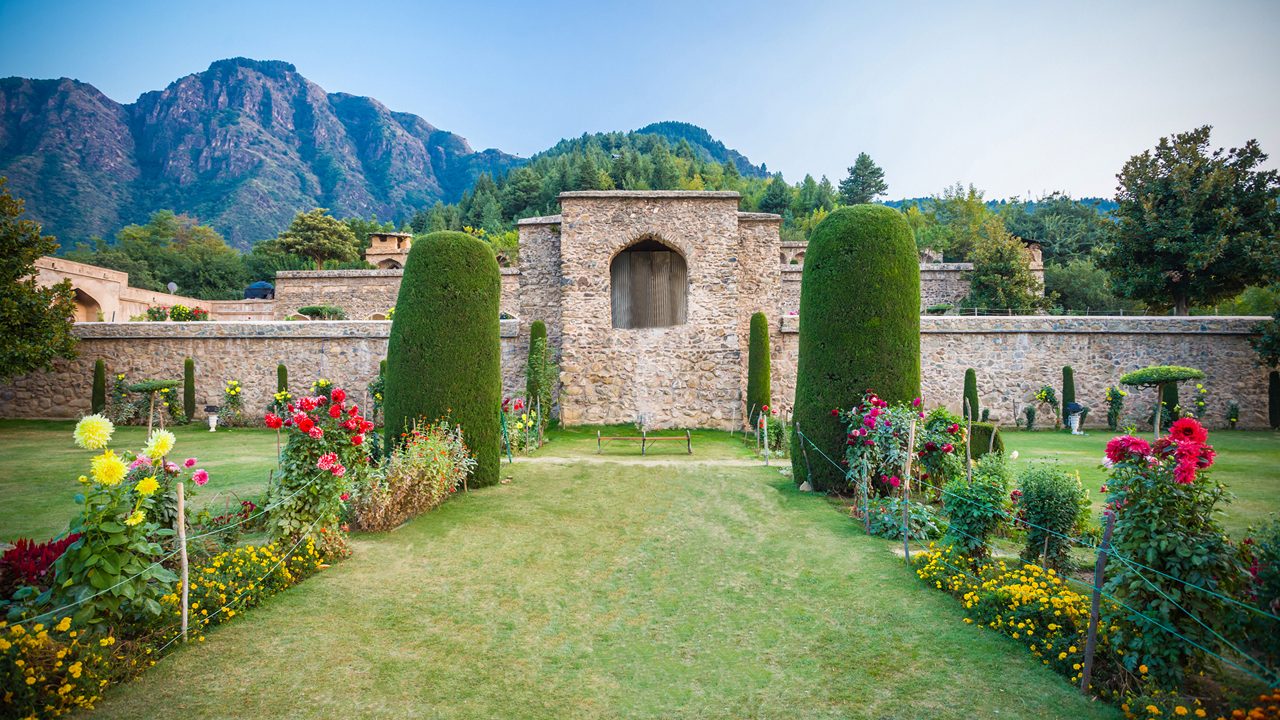
Pari Mahal, often called the Palace of Fairies, is a seven-terraced historic structure overlooking Srinagar. It is linked with the Mughal period and is believed to have served scholarly and cultural purposes. Today, it remains a major viewpoint destination where architecture and landscape combine beautifully, especially during golden-hour light.

Best Time to Visit Pari Mahal

Late afternoon to sunset is ideal for both visuals and weather comfort. Morning visits are quieter, while evening slots often provide better light over Dal Lake. Seasonal visibility can shift with cloud cover, so avoid rigid expectations and keep your itinerary flexible.

How to Reach Pari Mahal

Pari Mahal is accessible by road from central Srinagar. Private cabs are the easiest option for families and time-bound itineraries. Auto/taxi combinations may be possible depending on your stay location, but confirming round-trip transport in advance helps avoid return delays during busy hours.

Entry, Timing, and Visit Duration

Timing and entry conditions can change seasonally or due to local administration updates, so verify locally before departure. Most visitors spend 45-90 minutes on site, though photographers often stay longer. If combined with nearby gardens or lakefront stops, keep at least half a day for this section.

What to Carry

Carry water, light snacks, layered clothing for evening temperature dips, and a charged phone/camera. Comfortable walking shoes help on stepped terrace movement. During peak season, sunglasses and sunscreen are useful, especially for afternoon visits.

Photography Tips

For the best composition, frame terrace lines with valley backdrop and include changing sky colors near sunset. Avoid rushing through all levels; wait for lower crowd moments and capture broader frames first, then architectural details. In cloudy weather, textures and contrast can still produce strong images even without direct sunlight.

Suggested Pairings in the Same Day

Pari Mahal pairs well with Dal Lake sections, Mughal gardens, and old-city cultural walks if your transfers are planned efficiently. Keep travel buffers because city traffic can expand short map distances. For mountain-focused add-ons outside Srinagar, compare pace and logistics through Delhi to Spiti Valley and airport-transfer strategies in Pantnagar Airport.

Final Advice for First-Time Visitors

Visit Pari Mahal with enough breathing room rather than as a rushed checkbox stop. Arrive before peak sunset rush, keep return transport arranged, and prioritize on-site experience over rapid location hopping. If you enjoy heritage comparisons across regions, also explore Junagadh Gujarat for a very different architectural context and Jaipur vs Udaipur for city-style decision planning.

Location

Frequently Asked Questions

Q1.What is Pari Mahal and where is it located?

Pari Mahal (Palace of Fairies) is a historic seven-terraced Mughal garden monument located in Srinagar, Kashmir. Built in 1650 AD by Dara Shikoh (eldest son of Mughal Emperor Shah Jahan), it was originally a school for astrology and Sufi philosophy. The monument is situated approximately 10 kilometers from Srinagar city center on the Zabarwan Range, overlooking Dal Lake. Its name means "Palace of Fairies" due to local legends about fairies descending to the monument at night.

Q2.What are Pari Mahal timings?

Pari Mahal is typically open from 9:00 AM to 7:00 PM during summer (April-October) and from 10:00 AM to 5:00 PM during winter (November-March). The monument is open all days of the week. However, timings may change based on security conditions and daylight hours. It's recommended to check current timings before visiting. The best times to visit are early morning (for sunrise and fewer crowds) or late afternoon (for sunset views).

Q3.What is the entry fee for Pari Mahal?

The entry fee for Pari Mahal is approximately ₹20 per person for Indian citizens and ₹100-200 per person for foreign nationals. Children under 15 years typically enter free. Additional charges may apply for photography and videography. Entry fees are subject to change, so check current rates when planning your visit. Carry cash as card payment facilities are not available at the ticket counter.

Q4.How do I reach Pari Mahal from Srinagar?

Pari Mahal is approximately 10 kilometers from Srinagar city center. The most convenient way is by taxi or cab (₹300-500 one way from Lal Chowk). Auto-rickshaws can take you to the base of the monument, from where it's a 5-10 minute uphill walk. If you have a private vehicle or hired car, there's limited parking near the monument. Pari Mahal is close to Chashme Shahi garden, and both can be easily visited together. The final approach to the monument requires a short uphill walk.

Q5.What is the best time to visit Pari Mahal?

The best time to visit Pari Mahal is from April to October when the weather is pleasant (15-30°C) and the gardens are in bloom. Spring (April-June) offers blooming flowers and lush greenery. Autumn (September-October) is particularly beautiful when chinar trees turn red and gold. Summer can be crowded but the monument's elevation provides a pleasant climate. Winter (November-March) brings snow, making it look magical but potentially slippery. Visit early morning or late afternoon to avoid crowds and heat.

Q6.Why is Pari Mahal called the Palace of Fairies?

The name "Pari Mahal" (Palace of Fairies) comes from local folklore and legends rather than historical records. According to popular myths, the monument was so beautiful that it seemed to belong to fairies. One legend claims that fairies would descend from the heavens at night to dance in the gardens under moonlight. Another story suggests the monument was associated with magic and astrology, giving it a mystical quality. While these stories are mythical, they've given the monument its romantic name that fits its enchanting beauty perfectly.

Q7.Who built Pari Mahal and when?

Pari Mahal was built around 1650 AD by Dara Shikoh, the eldest son of Mughal Emperor Shah Jahan (who built the Taj Mahal). Dara Shikoh was known for his interest in Sufism, philosophy, astrology, and learning. He built Pari Mahal not as a pleasure palace but as a center for learning - specifically for the study of astrology and Sufi philosophy. It was designed as a place where scholars, philosophers, and Sufi saints could gather for discussions and spiritual contemplation. Dara Shikoh was later executed by his brother Aurangzef after losing the war of succession in 1659.

Q8.What can I see at Pari Mahal?

At Pari Mahal, you can explore seven terraced levels built into the mountainside, each with unique features: well-maintained gardens on lower terraces, arched niches and chambers on middle terraces, and spectacular viewing platforms on upper terraces. Key attractions include the original Mughal stone architecture, arched chambers that once held oil lamps, geometric Islamic designs, water channels, and panoramic views of Dal Lake, Srinagar city, and the Zabarwan Range. The monument combines historical architecture with some of Kashmir's best views, making it perfect for photography and sightseeing.

Q9.Is Pari Mahal worth visiting?

Yes, Pari Mahal is definitely worth visiting, especially for its historical significance and stunning views. Unlike other Mughal gardens in Kashmir, Pari Mahal offers unique architecture (seven terraces built into a mountain), fascinating history (built by Dara Shikoh as a center of learning), and arguably the best panoramic views of Dal Lake and Srinagar. It's less crowded than some other attractions, offers excellent photography opportunities, and provides insight into Kashmir's Mughal heritage. Combine it with nearby Chashme Shahi garden for a complete experience. The romantic legends surrounding it add to its charm.

Q10.How much time should I spend at Pari Mahal?

Plan 1-2 hours for a thorough visit to Pari Mahal. This includes time to explore all seven terraces, admire the architecture, take photographs, and enjoy the panoramic views. If you're a photographer or history enthusiast, you might spend 2-3 hours. Most visitors combine Pari Mahal with Chashme Shahi garden (located just 700 meters away), making it a half-day excursion from Srinagar. If you're visiting multiple Mughal gardens (Nishat Bagh, Shalimar Bagh) in one day, budget 4-6 hours for the complete Mughal gardens tour.

Q11.What are the nearby attractions to Pari Mahal?

Pari Mahal has several nearby attractions that can be combined in a single day: Chashme Shahi Garden (700 meters away - a beautiful Mughal garden with a natural spring), Kashmir Botanical Garden (nearby - featuring Himalayan plants and flowers), Shankaracharya Temple (visible from Pari Mahal - ancient Hindu temple with great views), Dal Lake (visible from Pari Mahal - take a shikara ride or stay in a houseboat), Nishat Bagh and Shalimar Bagh (Mughal gardens on Dal Lake's eastern shore), and Hazratbal Shrine (important Muslim shrine on Dal Lake's shores). These attractions form Srinagar's Mughal heritage circuit.

Q12.Is photography allowed at Pari Mahal?

Yes, photography is generally allowed at Pari Mahal. The monument is a photographer's paradise with its historic architecture, seven terraces, and panoramic views of Dal Lake and Srinagar. However, there may be a nominal fee for photography/videography. Always check current rules at the ticket counter. The best times for photography are early morning (sunrise light) and late afternoon (golden hour). Winter snowfall transforms the monument into a magical setting. The upper terraces offer the most dramatic views and photo opportunities. Remember to be respectful and don't damage the monument while taking photos.

Q13.What should I wear when visiting Pari Mahal?

Wear comfortable clothing suitable for walking and the season. In summer (April-October), light cotton clothes with comfortable walking shoes are ideal. Carry a light jacket as it can get cool at the higher elevation, especially in the evening. In winter, wear warm layers, including a jacket, gloves, and a hat - Kashmir winters are cold and the monument receives snow. Wear shoes with good grip as terraces can be slippery, especially when wet or snowy. Kashmir is conservative, so avoid revealing clothing. Modest dress is recommended out of respect for local culture.

Q14.Can I combine Pari Mahal with other Mughal gardens?

Absolutely! Pari Mahal is part of Srinagar's famous Mughal gardens circuit. You can easily combine it with Chashme Shahi Garden (just 700 meters away), Nishat Bagh, and Shalimar Bagh (both located on Dal Lake's eastern shore). A full-day Mughal gardens tour is a popular itinerary: start with Chashme Shahi and Pari Mahal in the morning (they're close to each other), then visit Nishat Bagh and Shalimar Bagh in the afternoon, ending with a shikara ride on Dal Lake. All four gardens were built during the Mughal era but each has unique features and charm.

Q15.Is Pari Mahal safe to visit?

Pari Mahal is generally safe to visit, though security situations in Kashmir can change. Check current security conditions before planning your visit. The monument has security personnel, and ID proof may be required at checkpoints. Follow advice from local authorities and your hotel regarding safe areas. During peak tourist season (April-October), many tourists visit without issues. Avoid venturing into areas advised against by local authorities. Travel with a registered guide or through a reputable tour operator if uncertain. Always carry valid ID proof when visiting tourist sites in Kashmir.

Q16.What is the difference between Pari Mahal and other Mughal gardens?

While other famous Mughal gardens in Kashmir (Shalimar Bagh, Nishat Bagh, Chashme Shahi) are primarily gardens with water features and pavilions, Pari Mahal is unique because it's an architectural monument built on seven terraces on a mountainside, originally designed as a center of learning rather than a pleasure garden. Pari Mahal was built by Dara Shikoh as a school for astrology and Sufi philosophy, whereas other gardens were built as royal retreats for pleasure. Pari Mahal's architecture (arched niches, stone chambers) is different from the typical Mughal garden layout. It also offers arguably the best elevated views of Dal Lake compared to other gardens that are at lake level.

Never Miss an Adventure

Get the latest trekking guides, travel tips, and exclusive offers delivered straight to your inbox.

WhatsAppSay Hi on WhatsApp
Pari Mahal Kashmir: The Palace of Fairies Complete Guide