
Shankaracharya Temple Srinagar: Timings, Steps & Darshan Information

Priya Mehta
February 2, 2026
Visit Shankaracharya Temple in Srinagar, Kashmir - ancient Shiva temple with panoramic Dal Lake views. Complete guide with history, trek & timings.
Shankaracharya Temple Kashmir: Complete Pilgrimage and Heritage Guide
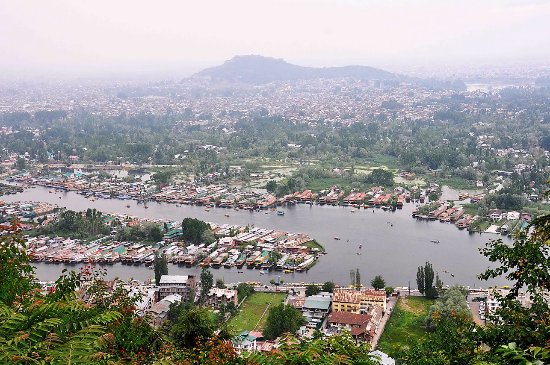
Shankaracharya Temple is one of Srinagar’s most significant spiritual landmarks, located on a hilltop that offers sweeping views of Dal Lake and the city. Revered for its sacred association and historical depth, the temple attracts pilgrims, history enthusiasts, and travelers seeking a quieter cultural dimension of Kashmir beyond gardens and markets.
The site combines devotion, landscape, and memory in a compact but powerful experience. If you are planning a Srinagar route, place this temple in a morning slot and pair it with pari mahal kashmir or zero bridge srinagar for balanced heritage pacing.
Spiritual and Historical Significance
The temple is associated with ancient Shaivite traditions and has long been considered an important pilgrimage point in Kashmir. Over centuries, it has also been referenced in regional chronicles and travel narratives, making it a key site in discussions of Kashmir’s layered religious history.
Because of its elevated position, the temple also carried strategic visibility in historical times. This intersection of sacred and geographic importance adds depth to the visit.
What to Expect During the Visit
- Hill ascent with security checks and controlled entry process.
- Compact temple zone focused on darshan and prayer.
- Strong panoramic views over Dal Lake and Srinagar basin.
- Atmosphere of quiet devotion, especially in early hours.
- Short visit duration but high emotional and visual impact.
Carry minimal baggage and follow local protocols for smooth entry.
Architecture and Site Character
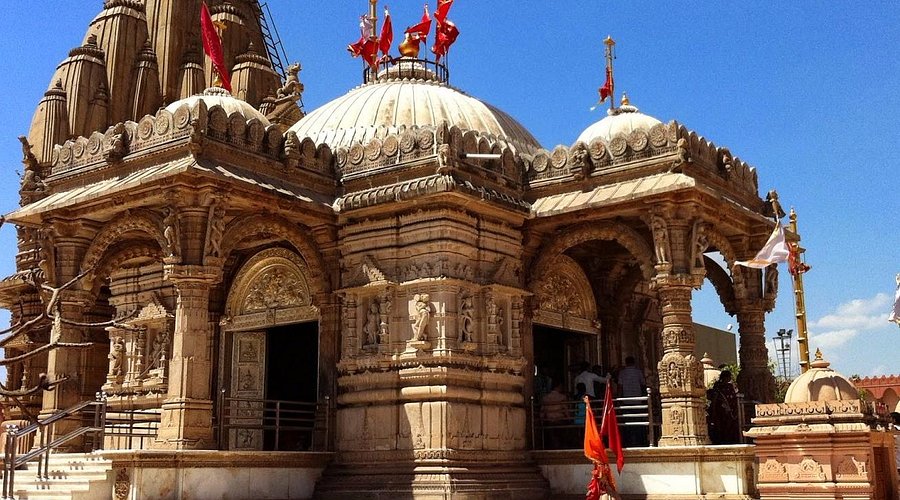
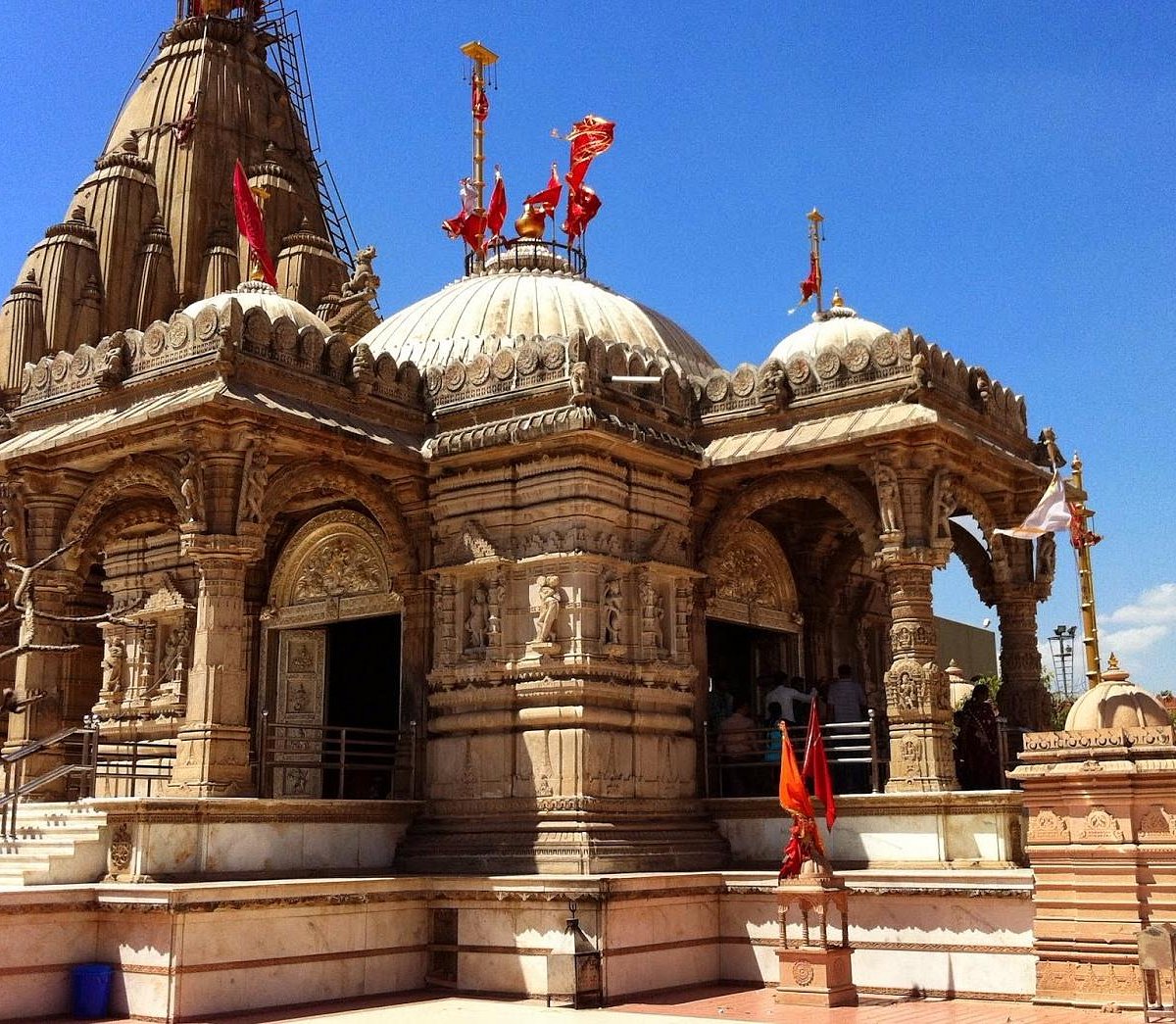
The temple structure reflects old stone-based sacred architecture with restrained form and symbolic centrality rather than monumental spread. The visual power comes from setting and continuity of worship, not from excessive ornamentation. Visitors should observe stonework, platform composition, and spatial relationship between the shrine and surrounding terrain.
For broader Kashmir temple context, connect this with avantiswami temple kashmir and sun temple kashmir in longer regional plans.
Best Time to Visit
April to October is generally favorable for comfortable city movement in Srinagar, though seasonal preference depends on weather and travel style. Early morning is ideal for clearer views, calmer darshan flow, and lower crowd density. Winter visits can be atmospheric but may require extra planning for temperature and road conditions.
Always check local advisories and timing windows before departure.
How to Reach Shankaracharya Temple
The temple is accessible by road up to a point, followed by controlled pedestrian movement and steps depending on current access rules. Most travelers reach via cab from central Srinagar zones. Because security procedures can vary, keep sufficient buffer time and carry valid identification.
If you are building a multi-stop city plan, use hidden places srinagar kashmir to avoid unnecessary backtracking and preserve energy.
Suggested Half-Day Srinagar Plan
| Time Block | Recommended Focus |
|---|---|
| 07:00-08:00 AM | Temple access, darshan, and reflection |
| 08:00-08:30 AM | Viewpoint observation and photography |
| 08:30-09:30 AM | Return and transit to next heritage stop |
| Late Morning | Add city walk or garden segment |
This sequence works well for both pilgrims and general travelers.
Visitor Etiquette and Practical Tips
- Dress modestly and respect temple customs.
- Follow queue discipline and security instructions.
- Avoid loud conversation in prayer spaces.
- Carry water but keep site clean at all times.
- Use respectful photography practices around worship zones.
These basics help preserve the sanctity and flow of the site.
Common Mistakes to Avoid
- Arriving late and facing avoidable crowd delays.
- Ignoring security timing buffers.
- Treating the temple as only a viewpoint stop.
- Skipping related heritage context in Kashmir circuits.
- Planning without weather and access awareness.
For wider pilgrimage planning, famous temples in jammu and kashmir can support route design.
Why Shankaracharya Temple Is a Must-Visit
Shankaracharya Temple offers a rare fusion of devotion, historical continuity, and panoramic geography in one concise visit. It adds spiritual depth to Srinagar itineraries and provides an essential lens on Kashmir’s sacred heritage.
Visit early, move respectfully, and allow time for reflection. That approach turns a short stop into one of the most meaningful moments in your Kashmir journey.
Before departure, take one final silent pause facing Dal Lake. It is often the moment travelers remember most.
Temple Visit with Reflection and Context
Shankaracharya Temple is best experienced with a quiet, focused mindset. Unlike large complexes with many sub-sites, this temple offers concentrated spiritual energy in a compact setting. Visitors who arrive early, move respectfully, and allow time for stillness often find the experience far more meaningful than those who treat it as a quick viewpoint stop.
For culturally curious travelers, the temple also opens a larger conversation about continuity of worship in Kashmir’s layered religious history. Reading this site alongside other regional temples helps reveal how sacred landscapes evolved over centuries despite political and social change.
Planning Better Srinagar Heritage Days
Avoid overloading your day with too many hill and garden transfers. A better plan is one morning sacred site, one midday cultural segment, and one evening lake or market walk. This keeps energy stable and improves appreciation. If weather changes, keep one flexible buffer hour so darshan and transit are not rushed.
Carry minimal belongings for easier security movement, and verify current access advisories before departure. Small planning choices can save significant time and reduce stress at entry points.
Why This Site Stays Memorable
Shankaracharya Temple remains memorable because it combines spiritual gravity and landscape clarity in a single frame. You leave with both devotion and perspective: the shrine behind you and the valley spread below.
Before descending, take a final moment of silence. That pause often becomes the emotional anchor of the entire Kashmir trip.
History and Architecture of the Hilltop Shrine
The temple sits atop what is locally known as the Takht-e-Sulaiman hill, a site with layered historical associations spanning multiple centuries and religious traditions. While popular tradition links the temple's founding to the philosopher Adi Shankaracharya, the structure visible today reflects renovation and reconstruction work carried out over different periods, including significant additions during the Dogra era. The temple's octagonal base, stone platform, and steep flight of steps leading to the sanctum are characteristic of the hill-shrine architecture found across the region.
Inside, the central sanctum houses a Shiva lingam, and the compact interior creates an intimate, quiet contrast to the expansive valley views outside. The surrounding stone walls and narrow circumambulatory path add to the sense of a space built for focused devotion rather than large congregational gatherings.
Getting There and Entry Process
The temple is reached via a winding hill road followed by a steep staircase of a few hundred steps, so reasonable fitness helps, though the pace can be adjusted with rest stops along the way. Vehicles are typically required to park at a designated point below the summit, with the final stretch covered on foot. Security screening is standard at hill-shrine sites in the region, and visitors should expect a checkpoint before the climb begins.
Comfortable walking shoes make a noticeable difference on the stone steps, particularly during or after rain when surfaces can become slippery. Elderly visitors or those with mobility concerns should factor in extra time and rest breaks for the ascent.
Best Time of Day and Season to Visit
Early morning visits offer the clearest atmospheric conditions, with softer light for photography and typically thinner crowds compared to midday. Late afternoon before sunset is the second-best window, when the temple's elevated position captures warm light over Dal Lake and the surrounding hills. Spring through early autumn generally offers the most comfortable climbing conditions, while winter visits can be rewarding for snow-dusted valley views but require extra caution on potentially icy steps.
Location
Frequently Asked Questions
Q1.Where is Shankaracharya Temple located?
Q2.Who built the Shankaracharya Temple?
Q3.What is the historical significance of this temple?
Q4.What are the temple timings?
Q5.Is there a trek to reach the temple?
Q6.How long does it take to climb to the temple?
Q7.What are the views from the temple?
Q8.Is photography allowed inside the temple?
Recommended For You
Hidden Places in Srinagar: Offbeat Gems & Local Experiences
Discover hidden places in Srinagar Kashmir with offbeat gardens, quiet lake corners, heritage sites, and practical tips for a calm local-style visit.
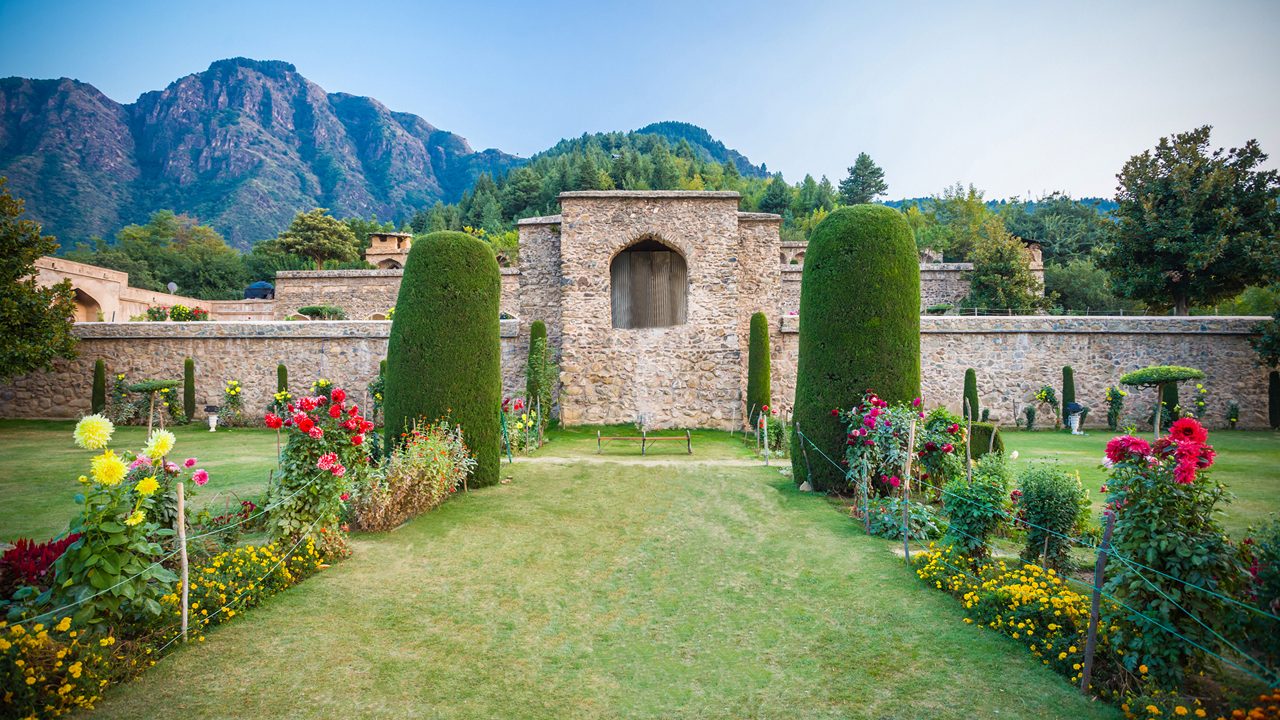
Pari Mahal Srinagar: History, Timings & Sunset Viewpoints
Visit Pari Mahal Kashmir - the 7-terraced Palace of Fairies overlooking Dal Lake. Complete guide with timings, entry fee, history & travel tips.

Zero Bridge Srinagar: History, Walk Route & Best Visiting Hours
Discover Zero Bridge Srinagar – the historic wooden bridge over Jhelum River. History, architecture, best time to visit, nearby attractions & complete travel guide.
Never Miss an Adventure
Get the latest trekking guides, travel tips, and exclusive offers delivered straight to your inbox.
