
Patalpani Waterfall Indore: Trek Guide and Safety Tips

Rohan Malhotra
February 20, 2026
Patalpani Waterfall Indore guide with best time, route, trek details, timings, and strict safety tips for a safe monsoon day trip.
Introduction
Patalpani Waterfall Indore is one of the most searched monsoon escapes near the city, known for its dramatic drop, rocky valley setting, and short adventure-friendly approach route. Located in the Mhow side region of Indore district, it becomes most powerful in rainy months when water flow rises and the landscape turns deep green. For local travelers, it is a classic weekend nature spot. For first-time visitors, it is a high-risk natural site that must be planned with strict safety discipline.
The waterfall is scenic, but it is not a casual swimming destination. Historical incident reports and frequent safety advisories around slippery rocks, flash-flow risk, and edge exposure make one rule clear: enjoy from safe viewpoints, avoid unsafe water contact, and follow local barricades. This guide covers distance, route options, season-by-season planning, trek reality, safety protocols, and nearby add-ons to build a practical one-day or two-day nature itinerary from Indore.

About Patalpani Waterfall
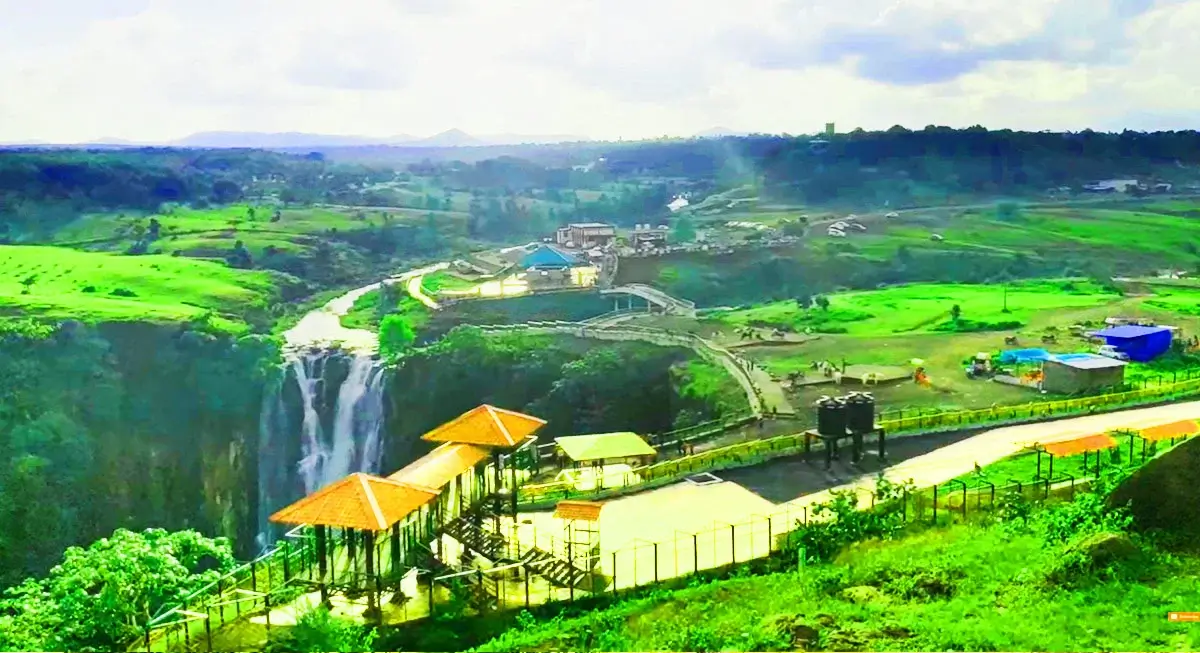
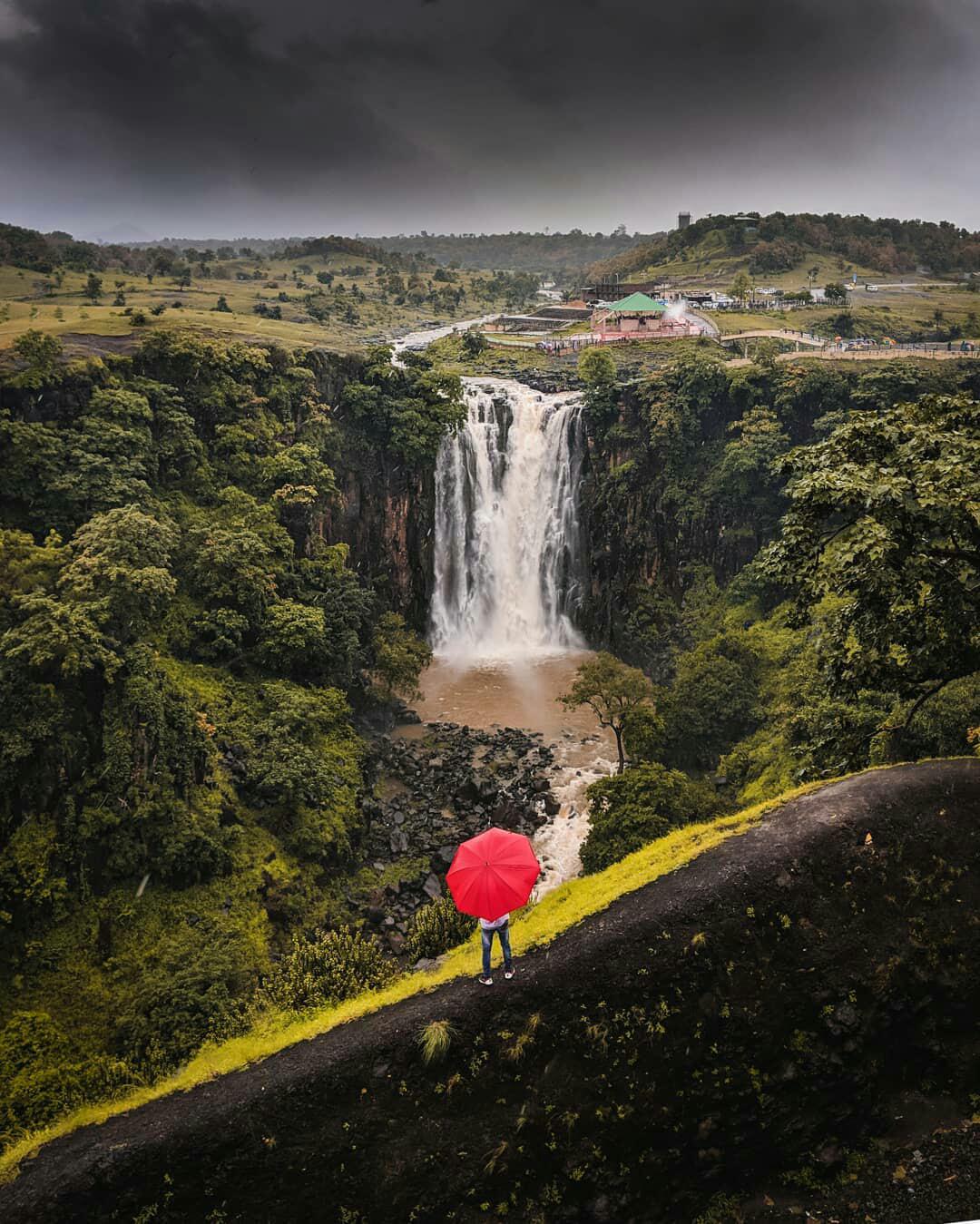
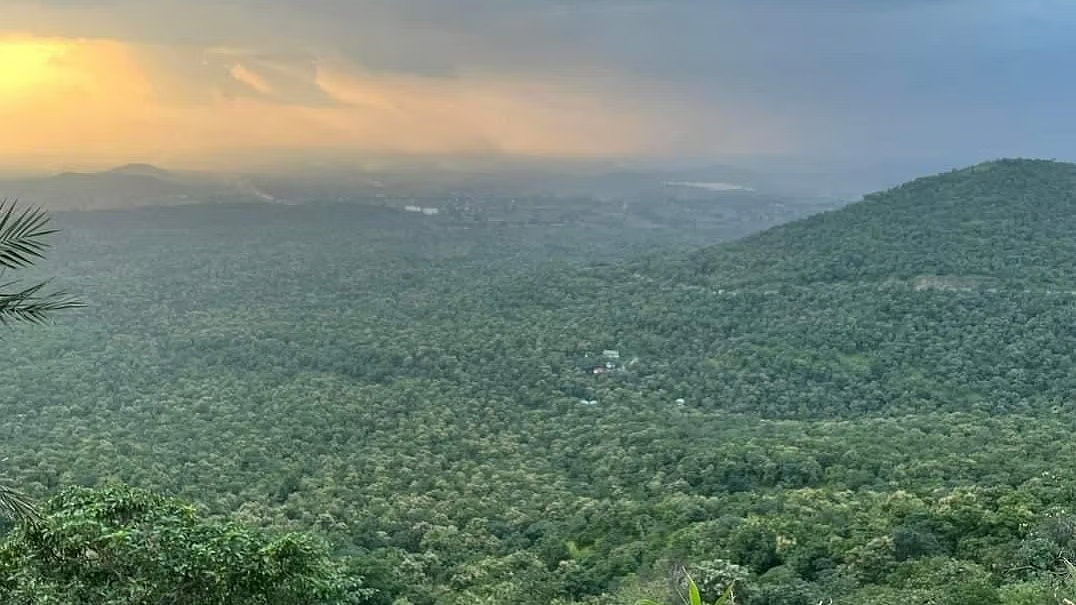
Patalpani Falls is situated in the Mhow side region of Indore district and is commonly referenced at around 300 feet height in local tourism descriptions. The waterfall is seasonal and strongly monsoon-fed, so the visual experience changes sharply across months. During peak rainy weeks, flow is forceful and mist-heavy; in dry months, water levels are much lower.
The name Patalpani is often explained through local lore linked to great depth and underworld-like imagery. Whether you treat it as folklore or landscape metaphor, the site has a clear identity: deep valley drop, rocky gradient, and high monsoon energy. That is why timing and caution matter more here than at regular urban viewpoints.
| Patalpani Snapshot | Why It Matters |
|---|---|
| Near Mhow, Indore district | Easy day-trip planning from Indore |
| Approx 300 ft waterfall profile | Strong visual impact in monsoon |
| Seasonal flow pattern | Best experience depends heavily on month |
| Rocky terrain and valley edges | High safety awareness required |
Best Time to Visit Patalpani Waterfall
The best time for visual impact is usually monsoon and immediate post-monsoon, broadly July to October. This is when water flow, greenery, and photography quality are strongest. However, this is also when rock surfaces are most slippery and flood-like surges are possible. For safer walking conditions with moderate scenery, late monsoon exit and early winter are preferred by many family groups.
| Season | Waterfall Condition | Travel Advice |
|---|---|---|
| July to September | Peak flow and lush surroundings | Most scenic, highest caution required |
| October to November | Good residual flow, cleaner trails | Balanced season for viewing and short treks |
| December to February | Reduced flow | Better for calm walks, lower waterfall drama |
| March to June | Low water levels, hot conditions | Not ideal if waterfall experience is main goal |
Weekdays are usually easier for parking and safer movement because crowd density is lower. If you visit on weekends, start early and avoid late overcrowded edge zones.
Patalpani Waterfall Timing and Entry Information
Visitors frequently search for patalpani waterfall timing and entry fee. Publicly listed hours can vary by season and management updates, but daylight-to-evening windows are commonly observed in travel listings. Treat exact opening and access control as dynamic, especially in heavy rain periods.
Entry may be free in some periods, while parking or local facility charges can apply. Activity-related extras, local transport, or food-side costs are separate. The best approach is to confirm on-ground status before departure and carry small cash for variable local payments.
How to Reach Patalpani Waterfall From Indore
Patalpani is roughly in the 35 to 40 km range from core Indore city depending on your start point and route. Road travel is the primary mode and usually takes around 1 to 1.5 hours, traffic and weather permitting. The common approach is via Mhow side corridors.
By private vehicle or cab
This is the most practical option for families and groups. You can control timing, carry essentials, and return before dark. In monsoon, drive slower on final approach stretches where road edges and visibility can change.
By public transport
Public options are available in stages but may need route changes and local last-mile support. This works for flexible travelers, but fixed-time family plans are easier with direct private transport.
Navigation tips
- Download offline maps before leaving city network zones.
- Keep one alternate route in case of rain-related diversions.
- Do not plan tight return deadlines in active monsoon periods.
The Trek and Viewpoint Experience
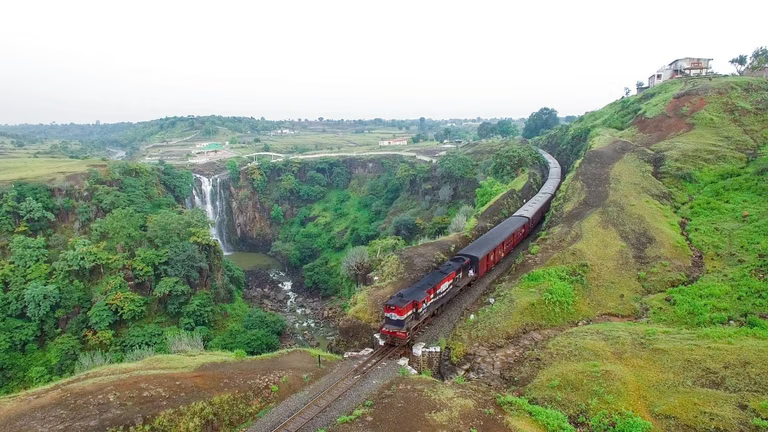
The site offers short hiking and viewpoint movement rather than a long expedition trek. Difficulty is usually moderate, but monsoon can increase risk sharply due to mud, loose rock, and slippery gradient changes. Good footwear is mandatory. Flat urban shoes are unsafe for wet-rock sections.
Travelers usually cover one to three viewpoint levels depending on weather and confidence. The safest experience is a controlled viewpoint plan with no edge-risk behavior and no off-trail movement. If the surface feels unstable, stop and return. The waterfall will still be visually rewarding from safer distances.
| View Segment | Difficulty | Recommendation |
|---|---|---|
| Primary viewpoint zone | Easy to moderate | Best for families and first-time visitors |
| Intermediate rocky approach | Moderate | Only with proper footwear and stable weather |
| Edge-facing unofficial spots | High risk | Avoid completely |
Safety Precautions You Must Follow
Patalpani has a known history of accidents in unsafe zones. This is not a location where risk-taking is acceptable. Many incidents happen due to overconfidence, barrier crossing, selfie movement near edges, and entering water during high flow. Your first planning goal should be safe return, not maximum proximity to the falls.
Critical safety rules
- Never enter deep or fast-moving water sections.
- Do not cross barricades, ropes, or warning boards.
- Avoid edge poses and unstable wet-rock photography angles.
- Keep children under direct supervision at all times.
- Visit in groups and inform one contact about your route.
- Leave immediately if rain intensity rises suddenly.
What to carry
- Trekking shoes with grip
- Water and light snacks
- Basic first aid and essential medicines
- Rain layer in monsoon
- Charged phone and backup power
Swimming at Patalpani is unsafe and should be avoided, especially in monsoon and post-rain flow spikes.
Nearby Attractions You Can Combine
A Patalpani plan is stronger when combined with one or two nearby attractions rather than many rushed stops. Good combinations from Indore-side travel include Tincha Falls, Janapav Hills, and Choral Dam. For city-side coverage, use places to visit in Indore and nearby monsoon places.
| Combination Route | Best For | Time Needed |
|---|---|---|
| Patalpani + Tincha Falls | Waterfall-focused monsoon day | Full day |
| Patalpani + Janapav Hills | Nature and viewpoint mix | Full day with early start |
| Patalpani + Indore city evening | Balanced short trip | Half to full day |
Sample One-Day Itinerary From Indore
- 7:00 AM: Depart Indore
- 8:30 AM: Reach Patalpani, safe viewpoint and short walk
- 11:00 AM: Controlled photography and break
- 12:30 PM: Exit before peak crowd period
- 1:30 PM onward: Add one nearby stop or return to city
This structure helps avoid afternoon weather shifts and crowd-led edge congestion.
Family Visit Planning and Child Safety
Families can enjoy Patalpani safely if the visit is treated as a viewpoint outing, not a risky adventure activity. Keep children away from wet-rock edges, avoid running near steps, and choose stable standing points for photos. Carry an extra clothing layer because mist and wind near the falls can make children uncomfortable quickly even in warm months. Senior travelers should avoid steeper trail cuts in rain and stay near main viewing zones.
For family groups, the best pattern is a short morning visit of 60 to 90 minutes at the waterfall zone, followed by a calmer nearby attraction or lunch break. This prevents fatigue and reduces exposure during high-crowd hours.
Common Mistakes To Avoid at Patalpani
- Arriving late and entering crowded slippery zones in the afternoon.
- Wearing smooth-sole shoes with poor grip on wet terrain.
- Crossing caution barriers for selfies.
- Assuming water depth and flow are predictable in monsoon.
- Skipping weather checks and local advisories before departure.
- Overpacking itinerary with too many stops in one rainy-day schedule.
Final Checklist Before Departure
- Weather check done for Indore and Mhow-side corridor.
- Early departure confirmed.
- Trekking footwear and backup clothing packed.
- Water, snacks, first aid, and power backup ready.
- Local emergency contacts saved offline.
- One flexible backup plan if rainfall intensity increases.
Conclusion
Patalpani Waterfall Indore is one of the strongest monsoon nature experiences near the city when visited with discipline. It offers dramatic scenery, quick-access adventure feel, and strong day-trip value. But it is a high-alert natural site, not a casual swim point.
Plan with the right season, reach early, stay within safe zones, and keep your route flexible for weather changes. If you follow safety-first movement, Patalpani can be a memorable and responsible waterfall visit in the Indore region.
Weather Alert Strategy for Monsoon Days
Monsoon travel to Patalpani should include a clear stop-rule. If rain turns continuous or visibility drops sharply, end the viewpoint session and move to a safer lower zone. Do not wait for conditions to worsen before deciding. Keep your driver informed about fallback routes and avoid remote detours when waterlogging starts building on approach roads. A conservative exit is always the right call at waterfalls with steep rock channels. This strategy protects families, reduces panic decisions, and keeps your trip safe even when the main viewpoint window becomes shorter than planned.
Location
Frequently Asked Questions
Q1.Where is Patalpani Waterfall located?
Q2.What is the best time to visit Patalpani Waterfall?
Q3.How far is Patalpani from Indore?
Q4.What are the timings of Patalpani Waterfall?
Q5.Is there an entry fee for Patalpani?
Q6.Is Patalpani Waterfall safe to visit?
Q7.Can we swim at Patalpani Waterfall?
Q8.What should I carry for Patalpani trek and visit?
Recommended For You
Choral Dam Indore: Timings, Boating & Weekend Trip Planning
Plan Choral Dam Indore with timing details, boating info, entry guidance, route from city, and practical tips for a weekend nature outing for families.
Janapav Hills Indore: Trek Route, Sunset View & Weekend Plan
Discover Janapav Hills, the highest point in Malwa Plateau at 881m. This complete guide covers trekking, best time to visit, sunset views, and how to reach from Indore.

Ralamandal Wildlife Sanctuary Indore: Timings, Safari & Route
Explore Ralamandal Wildlife Sanctuary in Indore - a pristine wilderness just 20km from the city. Home to deer, nilgai, diverse birdlife, and offering exciting jeep safaris, trekking trails, and nature experiences perfect for weekend getaways.
Never Miss an Adventure
Get the latest trekking guides, travel tips, and exclusive offers delivered straight to your inbox.
