
Ralamandal Wildlife Sanctuary Indore: Timings, Safari & Route
Rohit Verma
December 10, 2025
Explore Ralamandal Wildlife Sanctuary in Indore - a pristine wilderness just 20km from the city. Home to deer, nilgai, diverse birdlife, and offering exciting jeep safaris, trekking trails, and nature experiences perfect for weekend getaways.
Introduction: Wildlife Haven Near Indore
Nestled just 20 kilometers from the bustling city of Indore, Ralamandal Wildlife Sanctuary offers a refreshing escape into nature's embrace. This pristine wilderness spread across approximately 5 square kilometers serves as a crucial habitat for diverse flora and fauna, making it a perfect weekend getaway for wildlife enthusiasts, nature lovers, and families seeking tranquility away from urban chaos. The sanctuary's strategic location in the Malwa region provides it with unique ecological significance. Once serving as the royal hunting ground for the Holkar rulers, this protected area has transformed into a vital conservation site that plays an essential role in preserving the region's biodiversity. The gentle hills, dense forests, and serene valleys create an ideal environment for various species to thrive, offering visitors a chance to witness nature at its finest. What makes Ralamandal particularly special is its accessibility combined with authentic wilderness experiences. Unlike many remote sanctuaries that require extensive travel, this natural haven can be reached within an hour from Indore city center, making it perfect for quick nature retreats, educational trips, and photography expeditions. The sanctuary's well-maintained trails and guided safari options ensure that visitors of all ages can explore and appreciate its natural treasures comfortably and safely.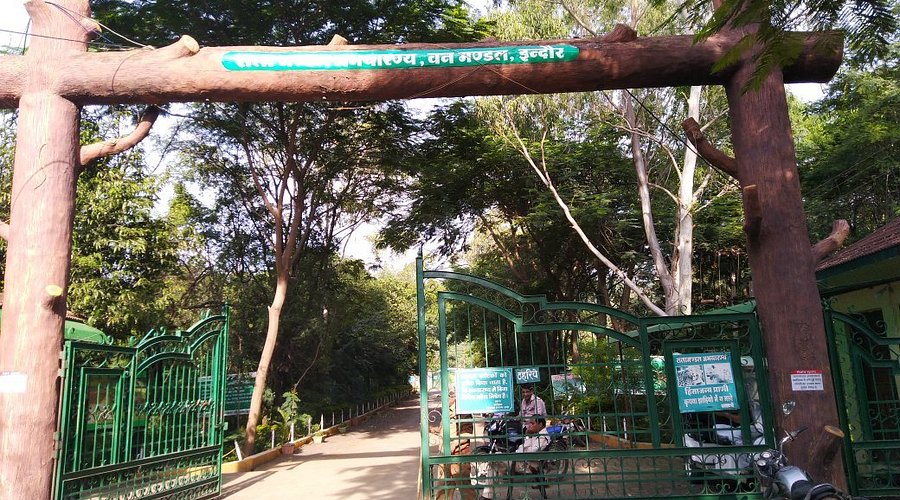
About the Sanctuary
Ralamandal Wildlife Sanctuary holds a fascinating history that dates back several centuries. Established in 1989, the sanctuary was officially notified to protect the region's unique ecosystem and wildlife populations. However, its significance extends far beyond its recent conservation status – the area served as the prestigious hunting reserve for the Holkar dynasty, who ruled the region from their capital in Indore. The sanctuary spans approximately 5 square kilometers of diverse terrain, featuring undulating hills, dense dry deciduous forests, and open grasslands. The elevation ranges from approximately 550 to 600 meters above sea level, creating varied microhabitats that support different species throughout the year. The forest department manages the sanctuary with great care, implementing various conservation programs to protect its ecological balance while promoting sustainable eco-tourism. Geographically, Ralamandal represents the typical landscape of the Malwa plateau, characterized by rocky outcrops, seasonal streams, and fertile valleys. The terrain varies from gentle slopes to steeper inclines, making it an interesting destination for trekking enthusiasts and nature walkers. The sanctuary's vegetation consists primarily of dry deciduous forest species, with teak, bamboo, and various medicinal plants forming the canopy. During the monsoon season, the entire region transforms into a lush green paradise, while winter brings its own unique charm with misty mornings and pleasant weather.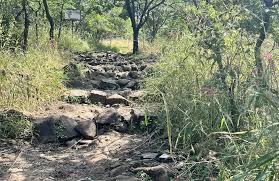 The conservation efforts at Ralamandal focus on habitat preservation, wildlife protection, and environmental education. The forest department conducts regular patrols, maintains water holes for animals during dry seasons, and organizes awareness programs for local communities and visitors. These initiatives have helped maintain healthy populations of various species while minimizing human-wildlife conflict in the surrounding areas.
Flora & Fauna
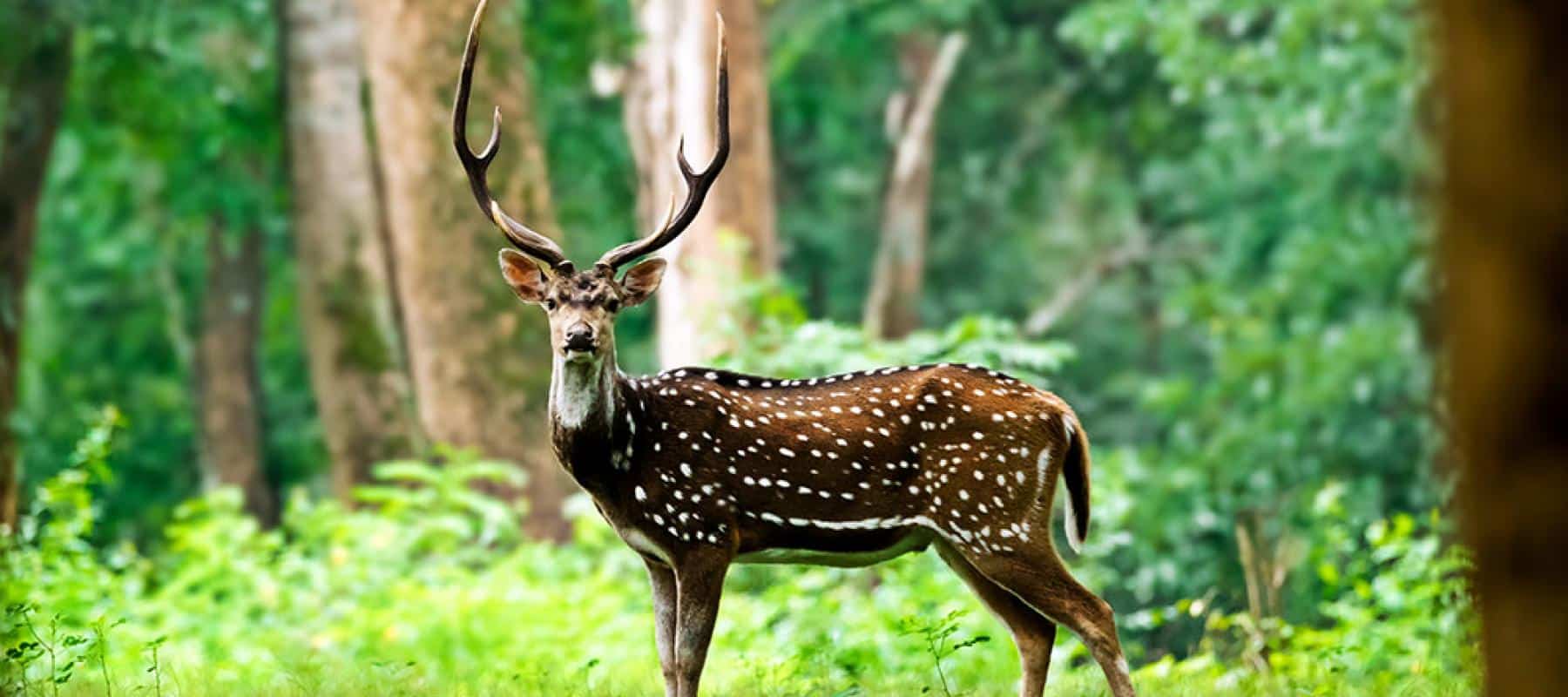
Ralamandal Wildlife Sanctuary boasts an impressive diversity of wildlife that makes every visit an exciting adventure. The sanctuary is home to several mammal species, with the spotted deer (chital) being the most commonly sighted animal. These graceful creatures can often be seen grazing in the open grasslands or moving through the forest in small herds. The sambar deer, larger and more solitary, prefers the denser forest areas and can occasionally be spotted near water sources. The nilgai, or blue bull, is another magnificent mammal that inhabits the sanctuary. As India's largest antelope, these impressive animals are a sight to behold, especially the males with their distinctive blue-grey coloration and straight horns. Wild boars roam the forest floor, foraging for roots, tubers, and insects, while foxes and jackals can sometimes be spotted during early morning or late evening safaris. The sanctuary also supports populations of various small mammals, including mongooses, hares, and civets.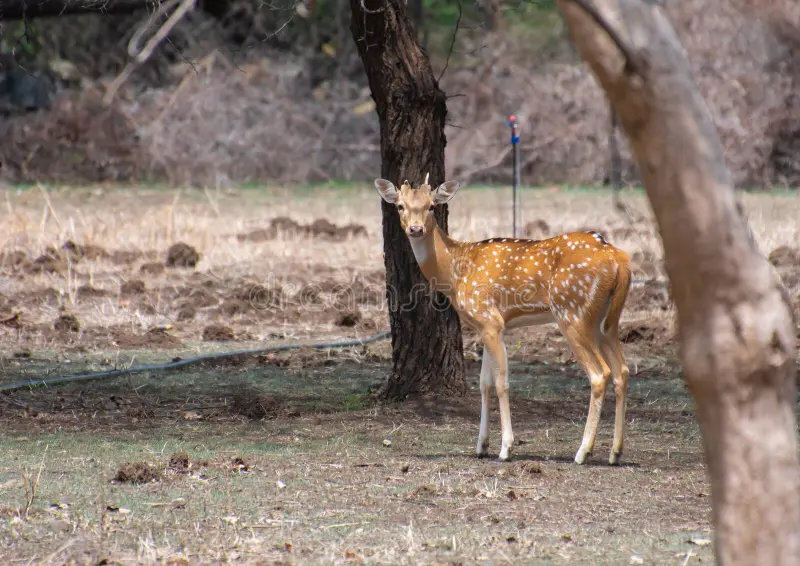 Birdlife at Ralamandal is equally diverse and rewarding for birdwatchers. The sanctuary hosts both resident and migratory species, making it a year-round destination for avian enthusiasts. During winter months, several migratory bird species arrive from northern regions, adding to the already rich bird population. Commonly sighted birds include various species of drongos, barbets, bee-eaters, woodpeckers, and owls. The sanctuary's diverse habitats – from forest canopy to grasslands to water bodies – support different bird species, each adapted to their preferred niche.
Reptiles find refuge in the rocky crevices and leaf litter of the sanctuary floor. Various snake species, including non-venomous rat snakes and rock pythons, inhabit the area, playing crucial roles in the ecosystem's balance. Lizards, geckos, and turtles can also be found, particularly near the water bodies. The monsoon season brings out a variety of frogs and toads, whose calls create a natural symphony in the evenings.
Birdlife at Ralamandal is equally diverse and rewarding for birdwatchers. The sanctuary hosts both resident and migratory species, making it a year-round destination for avian enthusiasts. During winter months, several migratory bird species arrive from northern regions, adding to the already rich bird population. Commonly sighted birds include various species of drongos, barbets, bee-eaters, woodpeckers, and owls. The sanctuary's diverse habitats – from forest canopy to grasslands to water bodies – support different bird species, each adapted to their preferred niche.
Reptiles find refuge in the rocky crevices and leaf litter of the sanctuary floor. Various snake species, including non-venomous rat snakes and rock pythons, inhabit the area, playing crucial roles in the ecosystem's balance. Lizards, geckos, and turtles can also be found, particularly near the water bodies. The monsoon season brings out a variety of frogs and toads, whose calls create a natural symphony in the evenings.
Notable Wildlife at Ralamandal:
| Category | Species | Best Sighting Time |
|---|---|---|
| Mammals | Spotted Deer, Sambar, Nilgai, Wild Boar | Early Morning (6-8 AM) |
| Birds | Drongos, Barbets, Bee-eaters, Woodpeckers | Winter Mornings |
| Reptiles | Rock Pythons, Monitor Lizards, Garden Lizards | Afternoon (2-4 PM) |
| Butterflies | Common Jezebel, Lemon Pansy, Plain Tiger | Post-Monsoon |
Safari & Activities
One of the most exciting ways to explore Ralamandal Wildlife Sanctuary is through the guided jeep safari, which takes visitors deep into the heart of this wilderness. The safari experience typically lasts 2-3 hours, covering various habitats and increasing your chances of wildlife sightings. Jeep safaris are conducted early morning and late afternoon, when animals are most active and the lighting is perfect for photography. The safari route winds through different terrain types, from dense forest sections to open grasslands where deer herds can often be seen grazing. Experienced naturalists accompany most safari vehicles, sharing their knowledge about the sanctuary's ecology, animal behavior, and conservation efforts. These guides are experts at spotting wildlife that untrained eyes might miss and can help identify various bird calls and animal tracks along the way.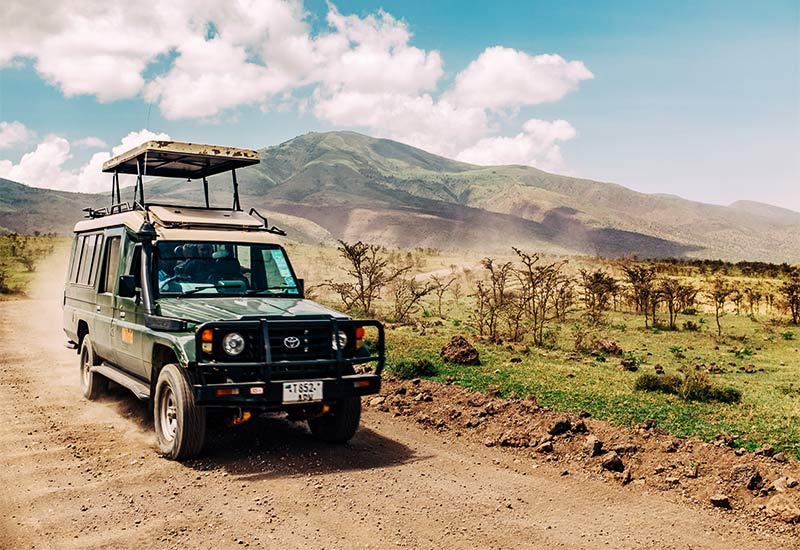 Safari vehicles are open-top jeeps that provide 360-degree visibility and excellent opportunities for wildlife photography. The safari experience varies with seasons – winter mornings often reveal animals sunning themselves on rocks, while monsoon brings out different species and vibrant greenery throughout the sanctuary. Each safari offers a unique experience, and no two visits are ever the same.
Safari Options & Pricing:
| Safari Type | Duration | Timing | Approximate Cost |
|---|---|---|---|
| Jeep Safari | 2-3 hours | 6:00-9:00 AM, 3:00-6:00 PM | ₹800-1200 per vehicle |
| Group Safari | 2 hours | Fixed schedule | ₹200-300 per person |
| Nature Walk | 1-2 hours | 7:00-10:00 AM | ₹150 per person |
Trekking & Trails
Ralamandal Wildlife Sanctuary offers excellent trekking opportunities for adventurers of all experience levels. The sanctuary's terrain features several well-defined trails that wind through different habitats, each offering unique experiences and scenic viewpoints. These trails range from easy nature walks suitable for families to more challenging routes that reward trekkers with panoramic views of the surrounding landscape. The most popular trekking trail leads to the sanctuary's highest point, which offers breathtaking views of the Malwa plateau and distant hills. This moderate trek takes approximately 1-2 hours to complete, depending on your pace and how often you stop for wildlife viewing and photography. The trail passes through dense forest sections, open clearings, and rocky outcrops, each offering different attractions and photo opportunities.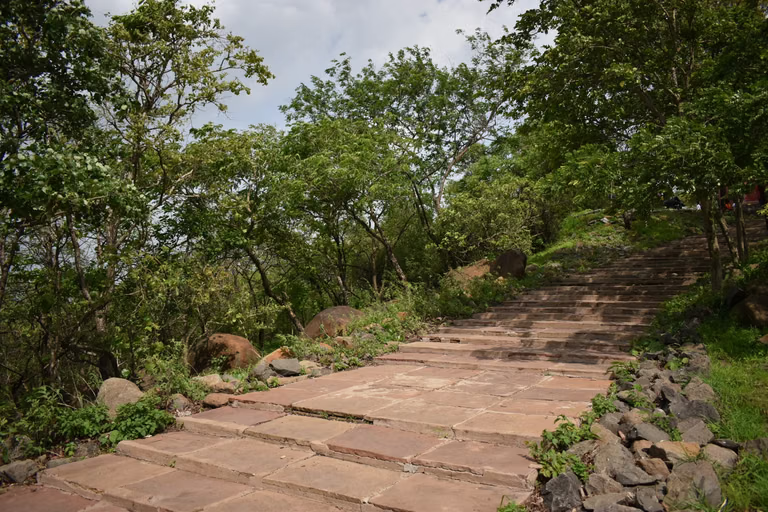 For beginners and families with children, the sanctuary offers easier trails that stay relatively flat and focus on nature education rather than physical challenge. These trails are perfect for introducing children to nature and teaching them about forest ecology, animal tracking, and bird identification. The forest department has marked several nature interpretation trails with information boards about the local flora and fauna.
More experienced trekkers can explore trails that venture into the sanctuary's interior areas, requiring navigation through steeper terrain and denser vegetation. These routes offer chances to spot more elusive wildlife and visit less-explored parts of the sanctuary. It's always recommended to take a local guide when attempting these more challenging trails, as they know the best routes, wildlife patterns, and safety considerations.
For beginners and families with children, the sanctuary offers easier trails that stay relatively flat and focus on nature education rather than physical challenge. These trails are perfect for introducing children to nature and teaching them about forest ecology, animal tracking, and bird identification. The forest department has marked several nature interpretation trails with information boards about the local flora and fauna.
More experienced trekkers can explore trails that venture into the sanctuary's interior areas, requiring navigation through steeper terrain and denser vegetation. These routes offer chances to spot more elusive wildlife and visit less-explored parts of the sanctuary. It's always recommended to take a local guide when attempting these more challenging trails, as they know the best routes, wildlife patterns, and safety considerations.
Popular Trekking Routes:
| Trail Name | Difficulty | Distance | Duration | Highlights |
|---|---|---|---|---|
| Viewpoint Trail | Moderate | 3 km | 1.5-2 hours | Panoramic views, deer sightings |
| Nature Walk Trail | Easy | 1.5 km | 45 min - 1 hour | Bird watching, plant identification |
| Forest Loop Trail | Moderate | 4 km | 2-2.5 hours | Dense forest, butterfly spotting |
| Rock Trail | Challenging | 5 km | 2.5-3 hours | Rock formations, remote areas |
Timings & Entry Fee
Planning your visit to Ralamandal Wildlife Sanctuary requires understanding the timing and fee structure to make the most of your experience. The sanctuary is open to visitors throughout the week, including weekends, making it accessible for working professionals planning weekend getaways and families looking for weekday excursions.Sanctuary Timings:
| Season | Opening Time | Closing Time | Best Visiting Hours |
|---|---|---|---|
| Summer (Apr-Jun) | 6:00 AM | 6:00 PM | 6:00-9:00 AM, 4:00-6:00 PM |
| Winter (Oct-Mar) | 6:30 AM | 5:30 PM | 7:00-10:00 AM, 3:00-5:00 PM |
| Monsoon (Jul-Sep) | 7:00 AM | 5:00 PM | 8:00-11:00 AM |
Entry Fee Structure:
| Category | Indian Nationals | Foreign Nationals |
|---|---|---|
| Adults | ₹50 per person | ₹200 per person |
| Children (5-12 years) | ₹25 per child | ₹100 per child |
| Camera (Still) | ₹100 | ₹200 |
| Video Camera | ₹200 | ₹500 |
| Vehicle Parking | ₹50 for two-wheelers, ₹100 for four-wheelers | Same as domestic visitors |
Best Time to Visit
Choosing the right time to visit Ralamandal Wildlife Sanctuary can significantly enhance your experience and wildlife sightings. The sanctuary offers different attractions throughout the year, each season bringing its own unique charm and opportunities for nature enthusiasts. The winter months from October to March are widely considered the best time to visit Ralamandal. During this period, the weather is pleasant with temperatures ranging from 10°C to 25°C, making outdoor activities comfortable and enjoyable. The dry winter season also means vegetation is less dense, improving visibility for wildlife spotting. Early morning safaris during winter are particularly rewarding as animals emerge to sun themselves after the cold night, and the chances of sightings are highest during these golden hours.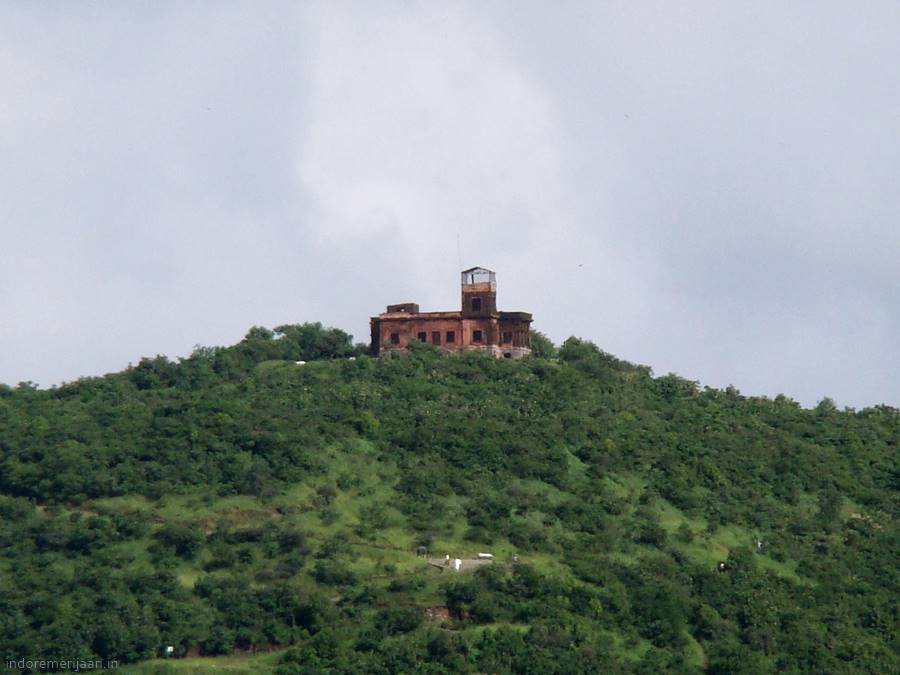 Birdwatchers should plan their visits between November and February when migratory bird species join the resident population, creating spectacular birding opportunities. The sanctuary's water bodies attract various waterfowl and waders during this period, while the forest echoes with the calls of countless bird species. Winter mornings with mist hanging over the forest create magical photographic opportunities, especially when combined with the soft golden light of sunrise.
The post-monsoon period from October to early November transforms the sanctuary into a lush green paradise. The rains bring fresh foliage, fill the water bodies, and rejuvenate the entire ecosystem. This is an excellent time for butterfly watching, as numerous species can be seen fluttering around flowering plants and mud-puddling on damp trails. The forest looks vibrant and alive, making it a favorite season for nature photographers and those who appreciate lush landscapes.
Summer months (April to June) can be challenging due to high temperatures that sometimes reach 40°C. However, this season offers unique advantages – water sources become scarce, concentrating wildlife around remaining water holes and improving sighting chances. Early morning summer safaris can be surprisingly productive, though visitors must carry adequate water and protect themselves from the sun. The sanctuary receives fewer visitors during summer, making it perfect for those seeking solitude and undisturbed wildlife experiences.
The monsoon season (July to September) brings heavy rainfall to the region, making some trails slippery and limiting safari operations. However, the forest looks its most magnificent during this time, with every shade of green visible and streams flowing at their fullest. Hardy visitors who brave the rains are rewarded with sightings of amphibians, reptiles, and unique monsoon flora. Some areas may remain closed during heavy rainfall for safety reasons, so it's advisable to check current conditions before planning a monsoon visit.
Birdwatchers should plan their visits between November and February when migratory bird species join the resident population, creating spectacular birding opportunities. The sanctuary's water bodies attract various waterfowl and waders during this period, while the forest echoes with the calls of countless bird species. Winter mornings with mist hanging over the forest create magical photographic opportunities, especially when combined with the soft golden light of sunrise.
The post-monsoon period from October to early November transforms the sanctuary into a lush green paradise. The rains bring fresh foliage, fill the water bodies, and rejuvenate the entire ecosystem. This is an excellent time for butterfly watching, as numerous species can be seen fluttering around flowering plants and mud-puddling on damp trails. The forest looks vibrant and alive, making it a favorite season for nature photographers and those who appreciate lush landscapes.
Summer months (April to June) can be challenging due to high temperatures that sometimes reach 40°C. However, this season offers unique advantages – water sources become scarce, concentrating wildlife around remaining water holes and improving sighting chances. Early morning summer safaris can be surprisingly productive, though visitors must carry adequate water and protect themselves from the sun. The sanctuary receives fewer visitors during summer, making it perfect for those seeking solitude and undisturbed wildlife experiences.
The monsoon season (July to September) brings heavy rainfall to the region, making some trails slippery and limiting safari operations. However, the forest looks its most magnificent during this time, with every shade of green visible and streams flowing at their fullest. Hardy visitors who brave the rains are rewarded with sightings of amphibians, reptiles, and unique monsoon flora. Some areas may remain closed during heavy rainfall for safety reasons, so it's advisable to check current conditions before planning a monsoon visit.
How to Reach & Essential Tips
Reaching Ralamandal Wildlife Sanctuary is straightforward, with the sanctuary well-connected to Indore city by road. The sanctuary is approximately 20 kilometers from Indore's city center, and the journey typically takes 45-60 minutes by private vehicle, depending on traffic conditions and the specific route taken.Transport Options:
| Mode of Transport | Distance from Indore | Travel Time | Approximate Cost |
|---|---|---|---|
| Private Car/Taxi | 20 km | 45-60 minutes | ₹800-1200 for round trip |
| Auto-rickshaw | 20 km | 60-75 minutes | ₹400-600 one way |
| Bus (public) | 22 km | 75-90 minutes | ₹30-50 per person |
Essential Tips for Visitors:
- Carry adequate water – At least 2 liters per person, especially during summer
- Wear appropriate clothing – Earth colors (greens, browns) for better wildlife viewing, comfortable walking shoes, and a hat for sun protection
- Apply insect repellent – Mosquitoes and other insects are common, especially in monsoon and post-monsoon seasons
- Bring binoculars – Essential for bird watching and distant wildlife observation
- Carry a camera – With zoom lens for wildlife photography, extra batteries, and memory cards
- Maintain silence – Keep voices low to avoid disturbing wildlife and improve sighting chances
- Follow designated trails – Venturing off marked paths is dangerous and harmful to the ecosystem
- Respect wildlife – Maintain safe distance, do not feed animals, and never attempt to touch or provoke them
- Carry basic first aid – Including band-aids, antiseptic, and any personal medications
- Check weather forecast – Avoid visiting during heavy rain or extreme heat
Nearby Attractions:
- Places to Visit in Indore – Combine your sanctuary visit with exploring Indore's cultural attractions
- Rajwada Palace – Historic palace showcasing Holkar dynasty architecture and heritage
- Patalpani Waterfall – Scenic waterfall located approximately 35 km from Indore
- Tincha Falls – Beautiful waterfall perfect for monsoon visits
Location
Frequently Asked Questions
Q1.What are Ralamandal Wildlife Sanctuary timings?
Q2.What is the entry fee for Ralamandal Sanctuary?
Q3.Where is Ralamandal Wildlife Sanctuary located?
Q4.Which animals can be seen at Ralamandal?
Q5.What is the best time to visit Ralamandal?
Q6.How to reach Ralamandal Wildlife Sanctuary?
Q7.Is food available inside the sanctuary?
Q8.Is parking available at Ralamandal?
Recommended For You

Rajwada Palace Indore: History, Timings & Visitor Information
Discover Rajwada Palace, the historic seven-storey Holkar palace in Indore. Explore its Maratha architecture, royal history, light show timings, and practical visitor guide.
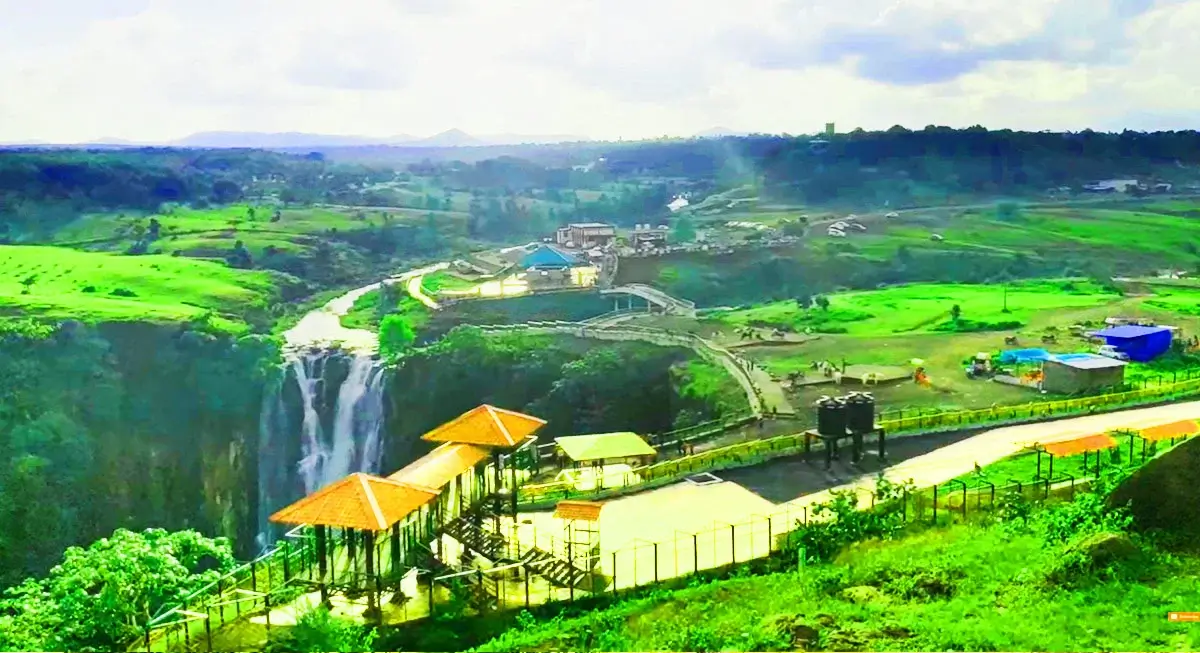
Patalpani Waterfall Indore: Trek Guide and Safety Tips
Patalpani Waterfall Indore guide with best time, route, trek details, timings, and strict safety tips for a safe monsoon day trip.
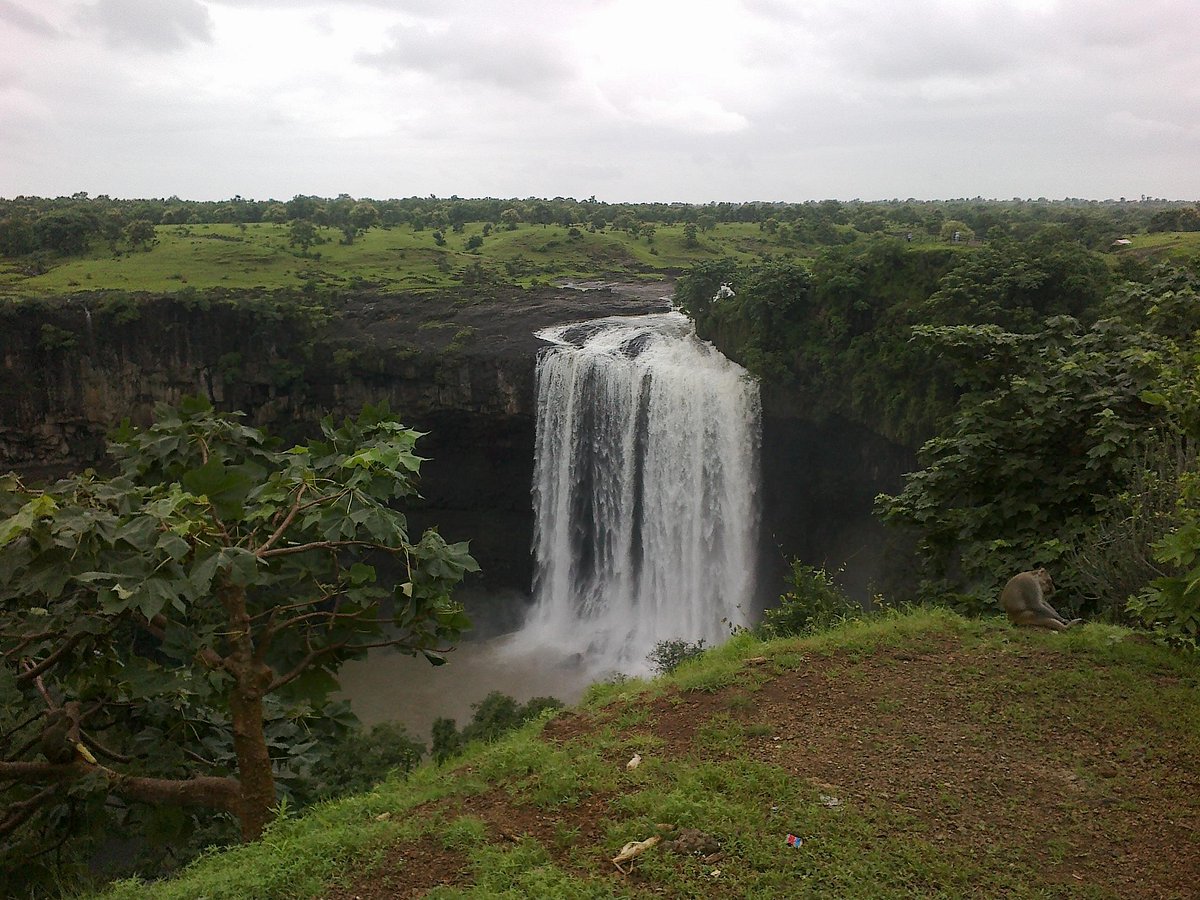
Tincha Falls Indore: Trek, Route, Safety and Best Time
Plan Tincha Falls Indore with best season, route details, trek difficulty, safety tips, and nearby attraction combos for a practical monsoon day trip.
Never Miss an Adventure
Get the latest trekking guides, travel tips, and exclusive offers delivered straight to your inbox.
