
Janapav Hills Indore: Trek Route, Sunset View & Weekend Plan

Rohan Malhotra
January 28, 2026
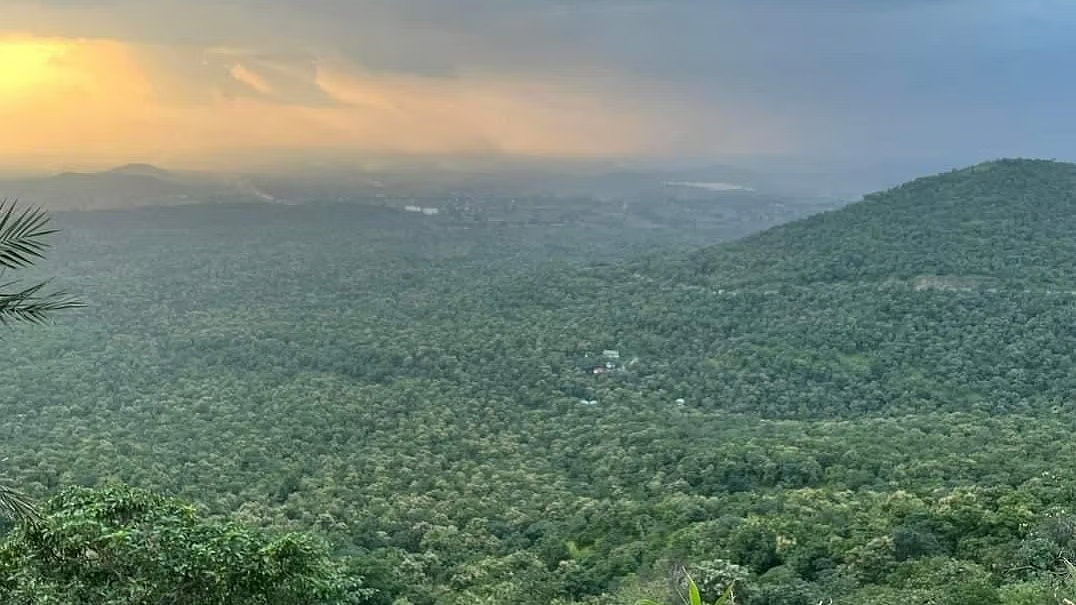
Discover Janapav Hills, the highest point in Malwa Plateau at 881m. This complete guide covers trekking, best time to visit, sunset views, and how to reach from Indore.
Introduction to Janapav Hills
Standing tall at 881 meters above sea level, Janapav Hills is the highest point in the Malwa Plateau and one of the most captivating weekend getaways near Indore. Located approximately 45 kilometers from the city, this scenic destination offers much more than just panoramic views of the Vindhyachal range. It is a place where nature, mythology, and adventure converge, making it a perfect escape for trekkers, spiritual seekers, and photography enthusiasts alike.
The hills hold immense religious significance as the birthplace of Lord Parashuram, the sixth avatar of Lord Vishnu. Ancient temples, pristine natural surroundings, and the source of seven rivers including the Chambal make Janapav a site of both ecological and mythological importance. Whether you're seeking a challenging trek, a peaceful sunset, or a spiritual retreat, Janapav Hills delivers an experience that feels far removed from the bustling city life of Indore.
This comprehensive guide covers everything you need to know about visiting Janapav Hills, from trekking details and best time to visit to practical travel tips and nearby attractions that you can combine for a perfect weekend trip.
Historical & Mythological Significance
Birthplace of Lord Parashuram
Janapav Hills is revered as the birthplace of Lord Parashuram, one of the most powerful incarnations of Lord Vishnu. According to Hindu mythology, Parashuram was born here to Rishi Jamadagni and his wife Renuka. The hill derives its name from this divine association, making it a significant pilgrimage site for devotees who visit to pay respects at the ancient temples scattered across the summit.
Ancient Jamadagni Ashram
The hills are believed to be the site of the ancient ashram of Rishi Jamadagni, Parashuram's father. Archaeological remains and temple structures on the hill suggest this was once a thriving center of meditation and spiritual practice. The ashram complex includes shrines dedicated to Lord Shiva and various deities, along with a sacred kund (pond) that is believed to have healing properties.
Source of Sacred Rivers
One of the most remarkable aspects of Janapav Hills is its role as the origin point of seven rivers, including the Chambal, one of India's major rivers. This unique hydrological feature adds to the hill's ecological importance and makes it a vital water catchment area for the region. During monsoon, numerous seasonal waterfalls cascade down the hillsides, feeding these river systems.
Janapav Hills Trek Details
Trekking to Janapav Hills is a rewarding experience that takes you through changing landscapes, from scrub forests at the base to dense vegetation at higher elevations. The trek is accessible to most fitness levels and can be completed in approximately 45-60 minutes one way.
Trekking Route and Difficulty
The trek begins from the base of the hill near the Mumbai-Agra National Highway (NH-52). The initial section consists of well-paved steps that make the ascent relatively easy. As you progress, the path transitions into forest trails with natural terrain, including some rocky sections that require careful footing. The total trekking distance is approximately 3-4 kilometers round trip.
Difficulty Level: Easy to Moderate. The trek is suitable for beginners, families with children, and senior citizens with basic fitness levels. However, during monsoon, the path can become slippery, requiring extra caution.
Trekking Experience
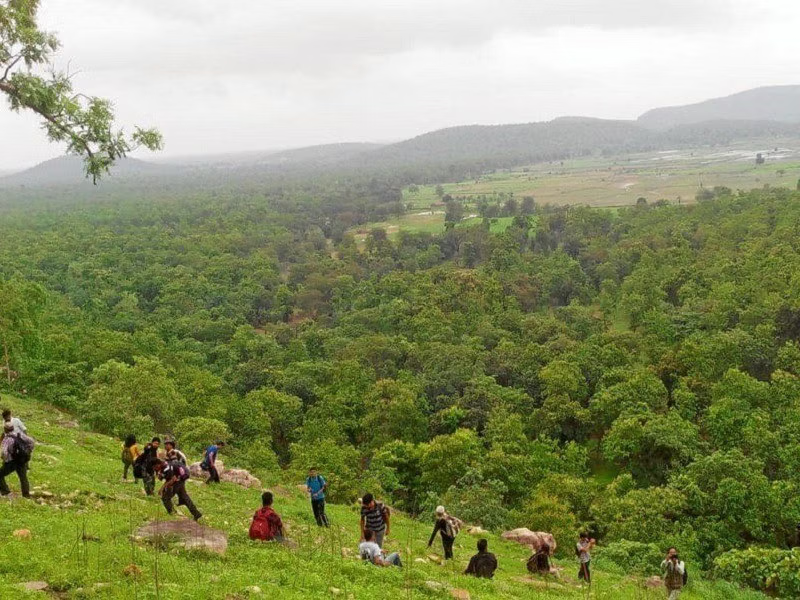
As you ascend, you'll walk through lush greenery, especially vibrant during the monsoon season when the entire region is carpeted in various shades of green. The trail offers occasional glimpses of the surrounding plains through gaps in the vegetation, building anticipation for the panoramic views awaiting at the summit.
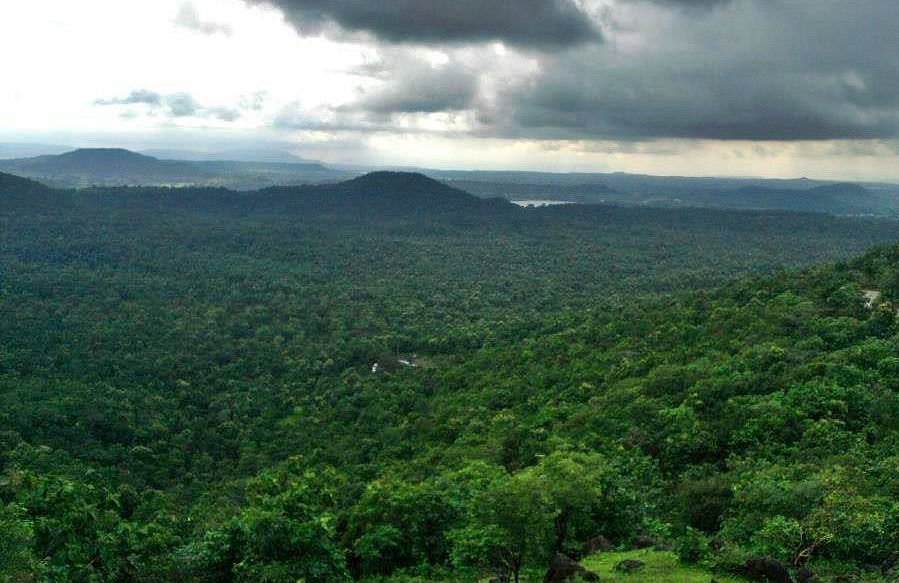
The sound of birdsong and the rustling of leaves create a peaceful atmosphere that makes the trek enjoyable beyond just the physical exercise. Along the way, you'll encounter small shrines and resting spots where you can catch your breath and hydrate.
Best Time to Visit Janapav Hills
Choosing the right time to visit Janapav Hills significantly impacts your experience, as weather conditions vary dramatically across seasons.
| Season | Months | Weather | Rating |
|---|---|---|---|
| Monsoon | July - September | Lush greenery, misty clouds, waterfalls | 10/10 (Best) |
| Winter | October - February | Pleasant days, cool nights, clear views | 8/10 |
| Summer | March - June | Hot afternoons, good for sunsets only | 5/10 |
Monsoon Season (July-September) - Best Time
The monsoon season is undoubtedly the best time to visit Janapav Hills. The entire landscape transforms into a vibrant green paradise. The hills are often shrouded in mist and clouds, creating a mystical atmosphere that feels like stepping into another world. Small seasonal waterfalls cascade down the slopes, and the air is fresh and laden with the scent of wet earth and vegetation.
This is also when the region's biodiversity is at its peak. The forests come alive with the sounds of insects, birds, and frogs. Photographers will find endless opportunities to capture dramatic cloud formations, rain-drenched landscapes, and the interplay of light and shadow through the mist.
Winter Season (October-February)
Winter offers pleasant weather with comfortable daytime temperatures perfect for trekking. The skies are generally clear, providing unobstructed views of the surrounding plains and distant hills. Early mornings can be chilly at the summit, so carrying a light jacket is advisable.
How to Reach Janapav Hills
From Indore
Janapav Hills is located approximately 45 kilometers from Indore city center. The most direct route is via the Mumbai-Agra National Highway (NH-52). The drive takes about 1-1.5 hours, depending on traffic and road conditions. The route is scenic and well-maintained, making the journey part of the experience.
From Mhow
Mhow (now officially known as Dr. Ambedkar Nagar) is the closest town to Janapav Hills, located just 15 kilometers away. If you're staying in or near Mhow, the drive to Janapav is quick and convenient. Many visitors prefer to base themselves in Mhow and visit Janapav as a half-day excursion.
By Car or Bike
Driving your own vehicle or hiring a taxi/cab is the best way to reach Janapav Hills. The roads are motorable and the scenic drive enhances the overall experience. Two-wheelers are also popular, especially among young travelers who enjoy the winding ghat section leading to the hills.
Nearest Airport and Railway Station
Nearest Airport: Devi Ahilya Bai Holkar Airport, Indore (approximately 50 km from Janapav Hills).
Nearest Railway Station: Mhow Railway Station (Dr. Ambedkar Nagar) is just 15 kilometers away. Indore Junction is the major railway station approximately 45 km away.
Scenic Views and Sunset Point
The primary attraction of Janapav Hills is undoubtedly the breathtaking panoramic views from the summit. On a clear day, you can see for miles across the Malwa Plateau, with the plains stretching to the horizon in all directions.
360-Degree Panoramic Vista
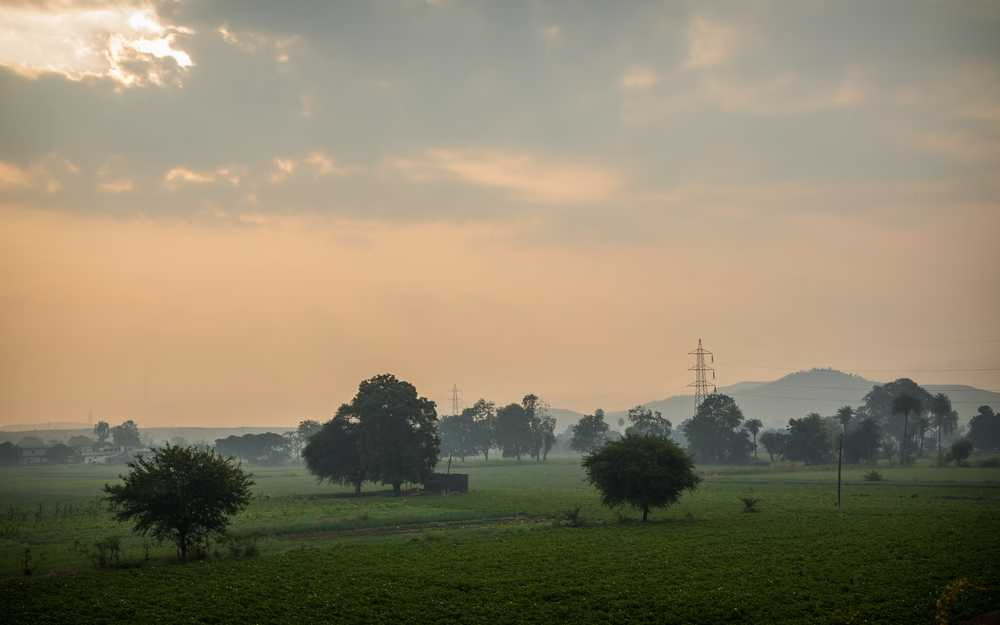
The viewing deck near the temple offers a complete 360-degree view of the surrounding landscape. To the north, you can see the distant outlines of more hills. In every direction, the patchwork of agricultural fields, small villages, and water bodies creates a mesmerizing pattern that is especially beautiful in the golden light of early morning or late afternoon.
Sunset Experience
Sunset is arguably the best time to be at Janapav Hills. As the sun begins its descent, the entire landscape is bathed in golden light. Watching the sun dip below the Vindhyachal ranges is a mesmerizing experience. The changing colors of the sky—from orange and pink to purple and deep blue—reflect beautifully on the landscape below.
Cloud Beds During Monsoon
If you visit during the monsoon, you might experience the unique phenomenon of being above the clouds. When the hills are covered in mist while the plains below are clear, it feels like you're standing on an island in a sea of clouds.
Janapav Temple and Ashram Complex
The summit of Janapav Hills is home to an ancient temple complex that is the spiritual heart of the destination. This cluster of shrines and religious structures adds a layer of cultural significance to your visit.
Main Shrine
The central temple is dedicated to Lord Shiva and Lord Parashuram. The architecture is simple and ancient, reflecting the traditional style of the region. The temple complex includes several smaller shrines dedicated to various deities, creating a sacred space that has been a site of worship for centuries.
Ancient Kund (Sacred Pond)
Near the temple is an ancient kund or pond, which is believed to have sacred properties. The water in this kund is considered holy, and devotees often take a dip or sprinkle the water on themselves as part of their visit.
Nearby Attractions
If you're planning a full day or weekend trip, consider combining your visit to Janapav Hills with these nearby attractions:
Patalpani Waterfalls
Located approximately 25 kilometers from Janapav Hills, Patalpani is one of the most spectacular waterfalls in the region. The falls cascade from a height of about 300 feet and are particularly impressive during the monsoon. You can visit Patalpani Waterfall as part of the same trip.
Choral Dam
About 35 kilometers from Janapav, Choral Dam is a popular picnic spot and boating destination. The reservoir created by the dam offers serene views and is a great place to relax after your trek to Janapav.
Travel Tips & Safety Guidelines
Essentials to Carry
Water and Hydration: Carry sufficient water, especially if you're trekking. There are limited options to purchase water at the summit.
Footwear: Wear comfortable shoes with good grip, especially during monsoon when the path can be slippery.
Weather Protection: Carry rain gear during monsoon, sun protection during summer, and a light jacket during winter.
Driving Safety
The ghat section leading to Janapav Hills has some sharp curves and steep gradients. Drive carefully, especially during monsoon when the roads can be slippery.
Environmental Responsibility
Janapav Hills is a plastic-free zone, and visitors are requested not to litter. Carry your trash back with you and dispose of it properly.
Conclusion
Janapav Hills offers a perfect blend of natural beauty, spiritual significance, and outdoor adventure that makes it a must-visit destination for anyone in or around Indore. Whether you're seeking a challenging trek, a peaceful sunset, or a spiritual retreat at an ancient temple, Janapav delivers on all fronts.
Plan your visit during the monsoon for the most spectacular scenery, or choose winter for comfortable trekking conditions and clear views. Either way, Janapav Hills promises a refreshing escape from the ordinary and memories that will last long after you've descended back to the plains, especially when shared with family and friends.
Location
Frequently Asked Questions
Q1.Where is Janapav Hills located?
Q2.What is Janapav Hills famous for?
Q3.How long is the Janapav Hills trek?
Q4.What is the best time to visit Janapav Hills?
Q5.What is the distance from Indore to Janapav Hills?
Q6.How can I reach Janapav from Indore?
Q7.What is the height of Janapav Hills?
Q8.Is Janapav the birthplace of Lord Parashuram?
Recommended For You
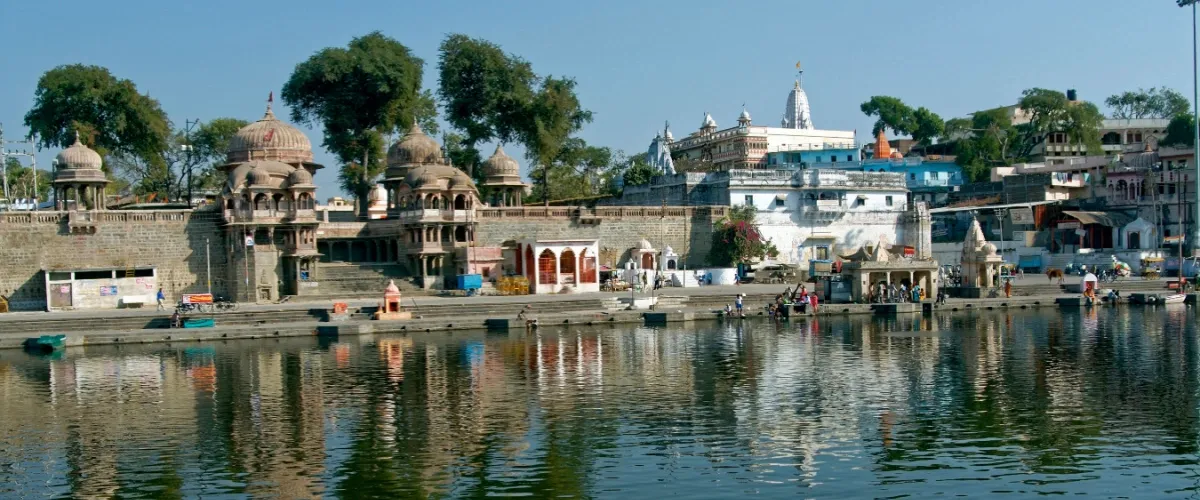
Best Places to Visit in Ujjain: Mahakal Temple & Attractions
Explore the best places to visit in Ujjain - from the sacred Mahakaleshwar Jyotirlinga to the spiritual Ram Ghat. Discover ancient temples, sacred ghats, and the rich cultural heritage of one of India's seven sacred cities.

Pipliyapala Regional Park Indore: Timings, Boating & Family Activities
Pipliyapala Regional Park Indore: boating, activities, timings, entry fee, location & attractions. Complete guide for families.
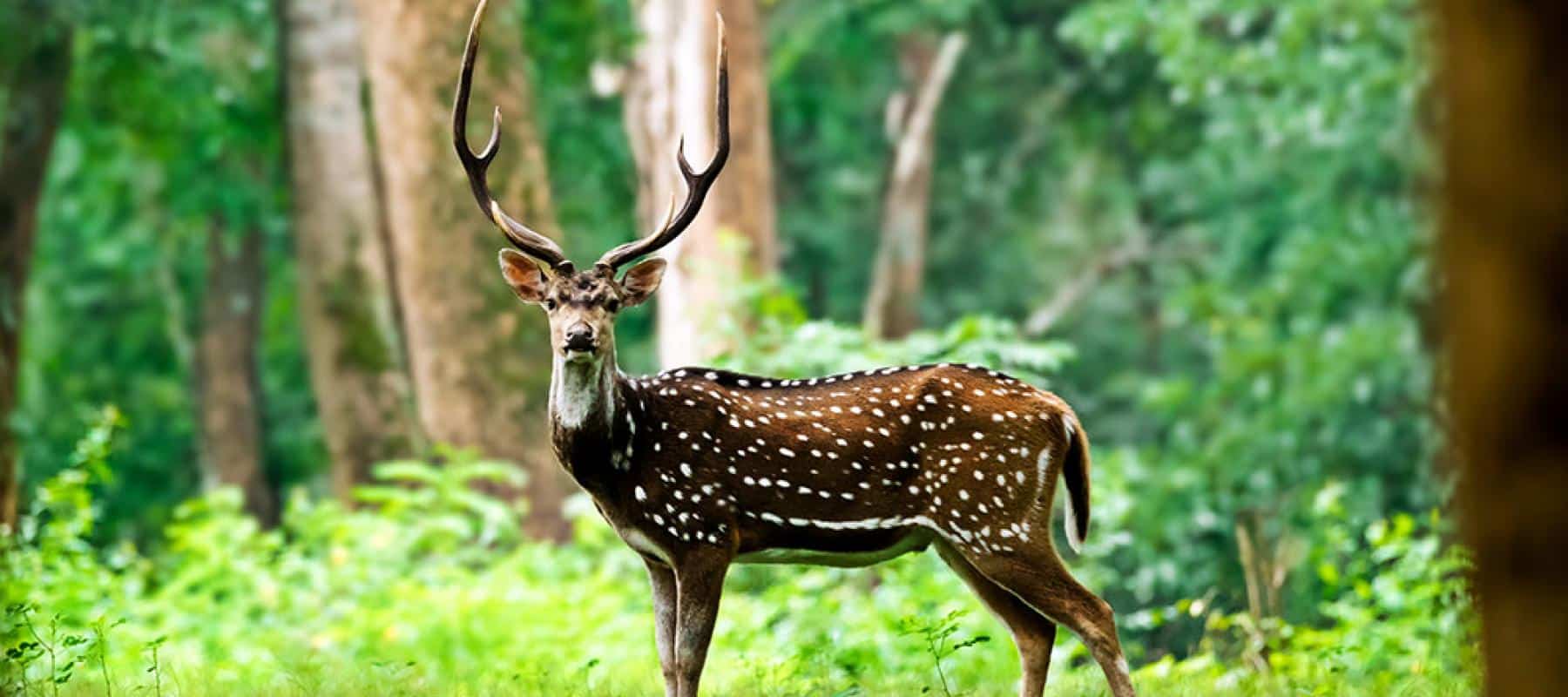
Ralamandal Wildlife Sanctuary Indore: Timings, Safari & Route
Explore Ralamandal Wildlife Sanctuary in Indore - a pristine wilderness just 20km from the city. Home to deer, nilgai, diverse birdlife, and offering exciting jeep safaris, trekking trails, and nature experiences perfect for weekend getaways.
Never Miss an Adventure
Get the latest trekking guides, travel tips, and exclusive offers delivered straight to your inbox.
