
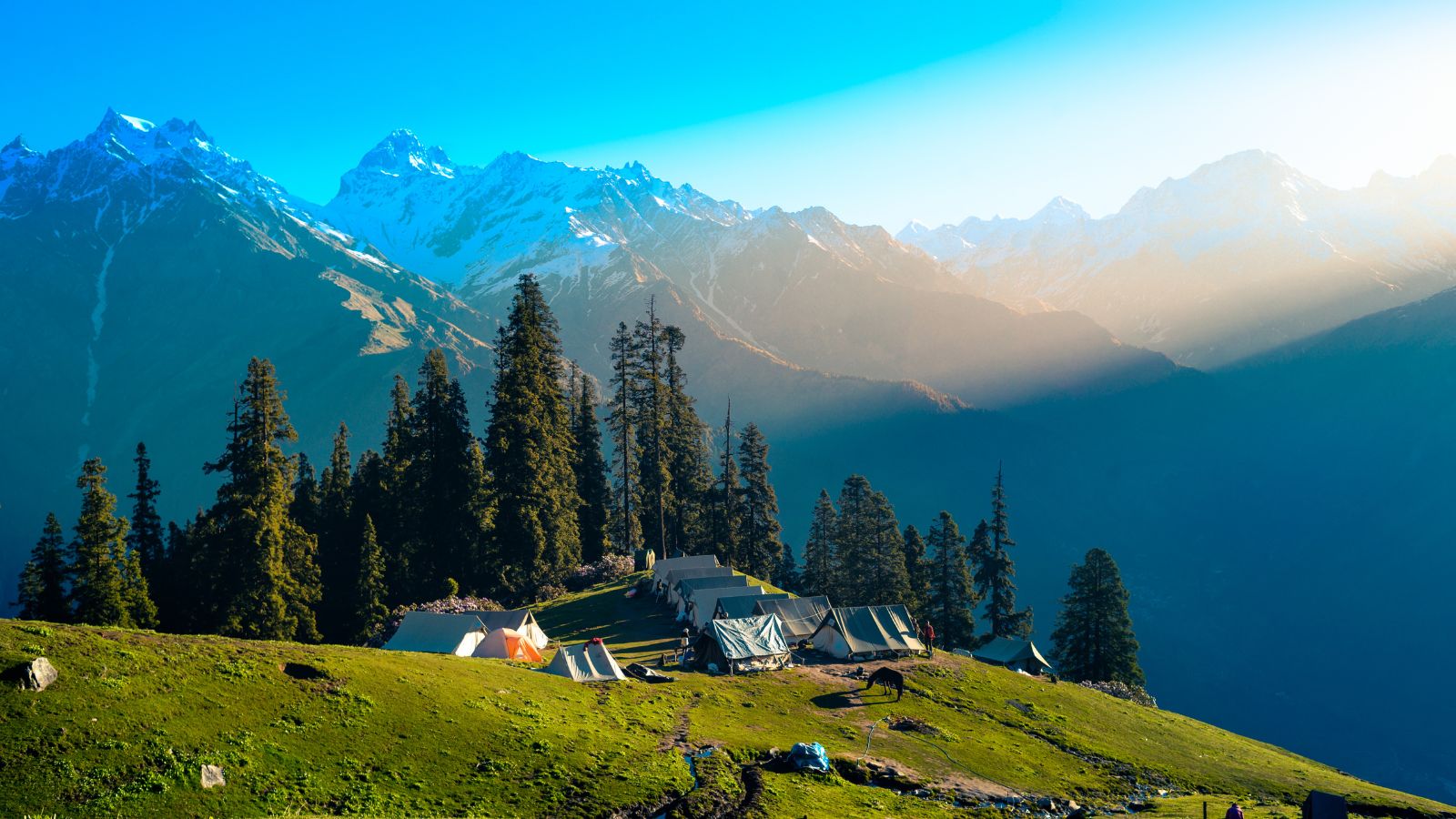
Photography Spots in Kasol: Valley Views, River Shots & Treks
Rahul Garg
February 20, 2026
Best photography spots in Kasol Himachal with Parvati Valley viewpoints, river frames, trek routes, and practical camera and timing guidance.
Kasol Through a Lens: Why Photographers Keep Returning
Kasol is one of those rare Himalayan destinations where nearly every direction offers a useful frame. The Parvati River cuts through the valley with textured rock edges, pine forests rise behind village lanes, and surrounding trails open to elevated mountain perspectives within short trekking distance. That combination makes photography spots in Kasol ideal for both quick weekend creators and serious landscape storytellers.
The town also gives visual contrast. You can shoot moody river long exposures in the morning, documentary street life by noon, forest-and-trail narratives by afternoon, and atmospheric cafe or bridge shots during blue hour. Unlike many destinations that depend on one flagship viewpoint, Kasol supports a full visual sequence across nature, culture, and adventure. If your route and timing are planned well, two days are enough for a high-quality portfolio.
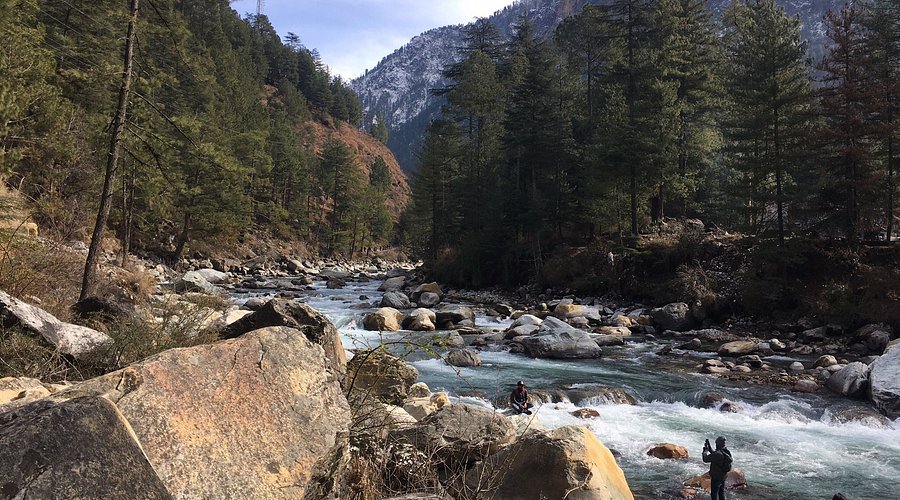
This guide covers the best locations, seasonal strategy, trek-specific photo spots, sunrise/sunset planning, and camera workflow for Kasol and nearby valleys.
Parvati River View Points: The Core Visual Identity of Kasol
The Parvati River is the visual spine of Kasol. It gives movement, sound, atmosphere, and natural leading lines that work in almost every composition style. River photography here can be approached in three ways: wide scenic frames, motion-focused water shots, and portrait storytelling with river context.
Best River Access Angles
- Main Kasol stretch: Easy access and broad river views with mountain background.
- Bridge points: Strong linear compositions and depth through railings/river curves.
- Chalal trail sections: Mixed forest + river perspective with fewer crowds in early hours.
- Rock-side pockets: Useful foreground texture for long-exposure frames.
For silky water effects, use tripod support and ND filters where needed. For dynamic texture, increase shutter speed and freeze water patterns around rocks. Early morning is usually best for mist and soft contrast, while late afternoon gives richer warm tones on valley walls.
Mountain and Valley Landscapes: Layered Himalayan Compositions
Kasol's mountain photography is less about single iconic peaks and more about layered valley geometry. Pine ridges, stepped elevations, cloud movement, and changing light create natural depth. This is where wide-angle and short telephoto combinations become especially useful.
| Scene Type | Lens Preference | Best Time |
|---|---|---|
| Valley-wide establishing frame | 16-24mm equivalent | Morning and golden hour |
| Ridge compression and haze layers | 70-200mm equivalent | Late afternoon |
| Forest texture and detail | 35-50mm equivalent | Overcast or diffuse light |
| Cloud-shadow landscapes | Flexible zoom | Post-rain windows |
In clear weather, expose for highlights and preserve sky detail. On hazy days, prioritize mood and silhouette rather than chasing maximum clarity. Kasol valley landscapes perform well when you include a human-scale subject for depth reference.
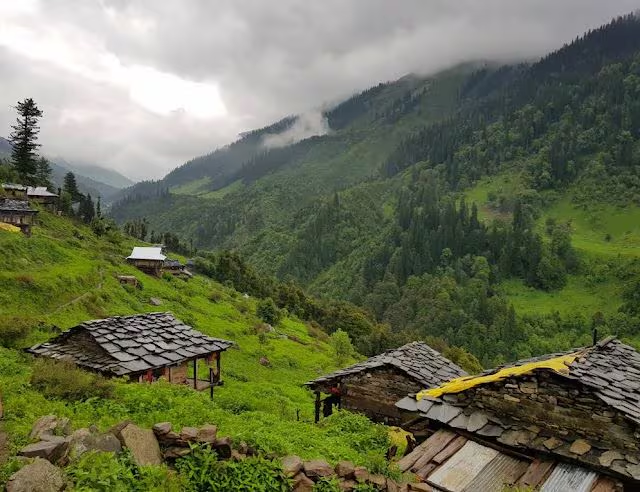
Village Photography: Kasol and Chalal Lifestyle Frames
Village-side photography adds story depth that pure landscapes often miss. Kasol and nearby Chalal offer wooden homes, painted walls, hanging balconies, local cafés, and narrow walking paths that naturally support narrative travel sets.
Kasol Village Frame Ideas
- Street intersections with layered signage and mountain backdrop.
- Cafe-front storytelling with candid movement.
- Close-detail shots: doors, wood textures, handwritten boards, and market objects.
Chalal Village Add-On
The short trek toward Chalal offers excellent transitions from town energy to quieter forest-river mood. For photographers, this route is useful because it combines trail documentation with village character in one compact sequence.
If you are planning a wider Kasol itinerary, pair your shooting route with Kasol Travel Guide and local stay options like Airbnbs Kasol so you can position yourself near morning and evening light zones.
Trek Photography Locations Near Kasol
Kasol is also a trekking base, and trail photography here can produce your strongest visual outcomes. Routes toward Kheerganga, Tosh-side valleys, and other Parvati belt trails offer changing elevation perspectives, river crossings, forests, and open ridges.
What Makes Trek Routes Photogenic
- Natural progression of scenes from dense forest to open mountain views.
- Strong subject movement opportunities (walkers, bridges, campsites).
- Changing weather that adds atmosphere and visual drama.
Carry lightweight gear and keep at least one weatherproof layer accessible. Trek photos often fail when gear is too heavy to deploy quickly. Use shorter bursts instead of constant shooting so you preserve battery and maintain rhythm on ascent sections.
For route choices and trail planning, align with Best Treks in Kasol Himachal before finalizing your shooting schedule.
Sunrise and Sunset Points in Kasol
Light timing decides the quality of your Kasol portfolio more than any single location. Prioritize two fixed windows each day: sunrise for cleaner air and soft gradients, sunset for contrast, silhouettes, and warm valley tones.
Sunrise Plan
- Reach river-edge or elevated path points before first light.
- Capture mist and low-angle light before crowd movement starts.
- Use tripod for stable low-ISO scenic frames.
Sunset Plan
- Use bridge or terrace points for backlit mountain silhouettes.
- Shoot full transition: pre-golden, golden, post-sunset blue hour.
- Capture ambient lights in town for night mood continuity.
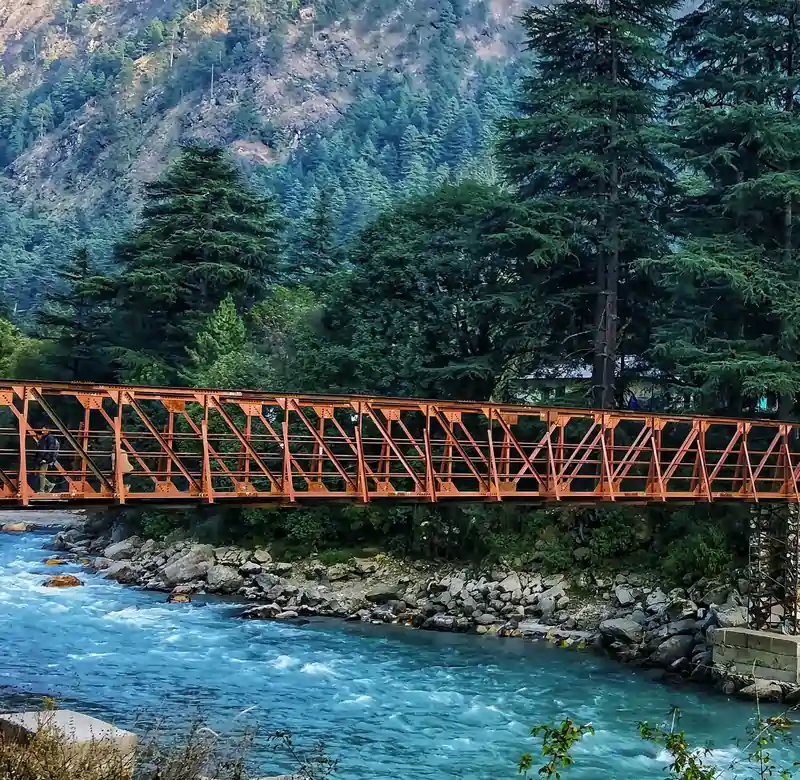
Riverside Photography Techniques for Kasol
Riverside photography in Kasol can quickly become repetitive if every frame is a wide scenic shot. Build variation intentionally by mixing perspective, shutter styles, and subject distance.
- Long exposure: Smooth water texture with fixed rock foreground.
- Fast shutter: Freeze water turbulence for detail-rich natural patterns.
- Portrait + environment: Use river as context, not as background blur only.
- Low-angle compositions: Increase depth and foreground engagement.
Safety matters near fast flow. Avoid unstable rocks in wet conditions and keep equipment straps secured while composing near edges.
Camera Tips and Best Time for Kasol Photography
The strongest travel window is generally April-June and September-November, when access is manageable and weather often supports clear visibility. Monsoon months can still produce dramatic results, but they require flexible plans and full rain protection.
Recommended Practical Kit
- Wide-angle lens for valley and riverside landscapes.
- Short telephoto for ridge compression and subject isolation.
- Tripod for long exposures and blue-hour stability.
- CPL and ND filters for glare and water control.
- Weather cover, lens cloths, and spare batteries.
Workflow Tips That Improve Output
- Set one clear shot goal per location (landscape, portrait, detail, or action).
- Review histogram after hero frames to avoid clipped highlights.
- Keep a backup location ready in case weather blocks mountain visibility.
- Document culture respectfully; ask before close portraits in village lanes.
For food-and-rest breaks between sessions, integrate stops from Best Cafes in Kasol so your shoot schedule remains sustainable.
Nearby Photography Spots to Extend Your Kasol Shoot
Kasol works well as a hub, but nearby locations can add variety to your final set.
- Manikaran: Religious architecture, steam textures, and river context.
- Tosh-side routes: Elevated village and mountain mood frames.
- Kheerganga approach sections: Trail narratives and forest openings.
- Parvati Valley villages: Cultural and lifestyle documentation.
If you want a broader Himachal route after Kasol, combine with adjacent circuits like Manali-side landscapes and valley road itineraries, while keeping travel-time buffers for weather uncertainty.
Sample Two-Day Kasol Photography Plan
Day 1: Sunrise at Parvati riverside, village and market details by noon, Chalal trail in afternoon, sunset bridge frames, blue-hour cafe street storytelling.
Day 2: Early valley landscape point, half-day trek segment for elevation shots, return for late golden-hour river sequence, night ambient frames.
This plan balances nature, culture, and technical variety without overloading movement. Keep one spare window each day for reshoots and weather adaptation.
Field Logistics: Access, Power, and Workflow
Kasol photography gets easier when small logistics are handled in advance. Keep offline maps downloaded because some trail segments can have unstable connectivity. Carry two charged batteries minimum per day if you plan sunrise-to-blue-hour coverage. In colder months, battery drain is faster, so keep spares in an inner pocket for warmth.
Start each session with a simple checklist: lens clean, memory card space, filter setup, and one primary shot objective for the location. This avoids missing hero frames in changing light. If you are combining trek and town in one day, pack gear in a weather-resistant sling for quick access instead of deep-backpack storage. Faster deployment usually means better real-time photography in shifting Kasol mountain conditions.
When weather shifts fast, switch from wide scenic shots to detail storytelling so the session still delivers value. Capture boots on wet trails, prayer flags in wind, water textures around stones, and cafe-window condensation against valley backgrounds. These smaller visual moments often become the strongest narrative connectors in a final gallery. Also keep one short lens-cleaning pause at every location; moisture and dust in Kasol can reduce contrast quickly, especially during river and forest movement.
For consistent results, review your files each night and list missing frame types for the next day: one hero landscape, one human-scale scene, one texture close-up, and one low-light mood image. This simple checklist prevents repetitive shooting and improves final storytelling quality.
Conclusion
Kasol is more than a scenic stop. It is a complete visual environment where river flow, village life, mountain layers, and trekking routes all contribute to a strong photography narrative. If you prioritize light windows, keep gear practical, and shoot with subject variety, photography spots in Kasol can produce a polished multi-style portfolio within two days.
Use Kasol as a base, not just a halt. The best frames usually come from returning to locations at different light phases and building a sequence instead of collecting isolated shots.
Location
Frequently Asked Questions
Q1.What are the best photography spots in Kasol?
Q2.Is Kasol good for photography?
Q3.What type of photography works best in Kasol?
Q4.Where are the best river views in Kasol?
Q5.Which mountain views are best from Kasol?
Q6.Are there trekking photography spots near Kasol?
Q7.What camera equipment should I bring to Kasol?
Q8.What is the best time for photography in Kasol?
Recommended For You
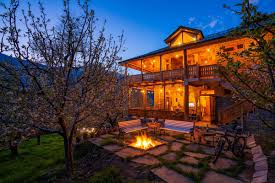
Best Airbnb in Kasol: Parvati Valley Stays & Reviews 2026
Browse the best Airbnb options in Kasol, from social stays to scenic cabins, with practical booking guidance.
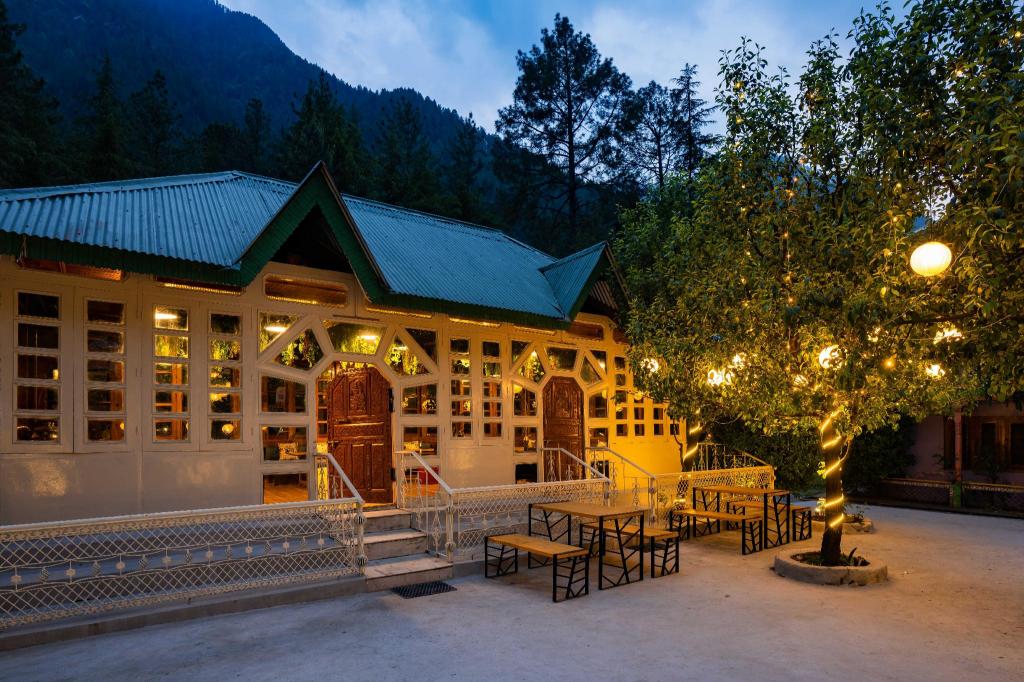
Best Restaurants in Kasol: Riverside Cafes, Israeli Food & Top Picks
Discover the best restaurants in Kasol with Israeli specialties, riverside cafes, local Himalayan meals, and practical budget and safety tips.
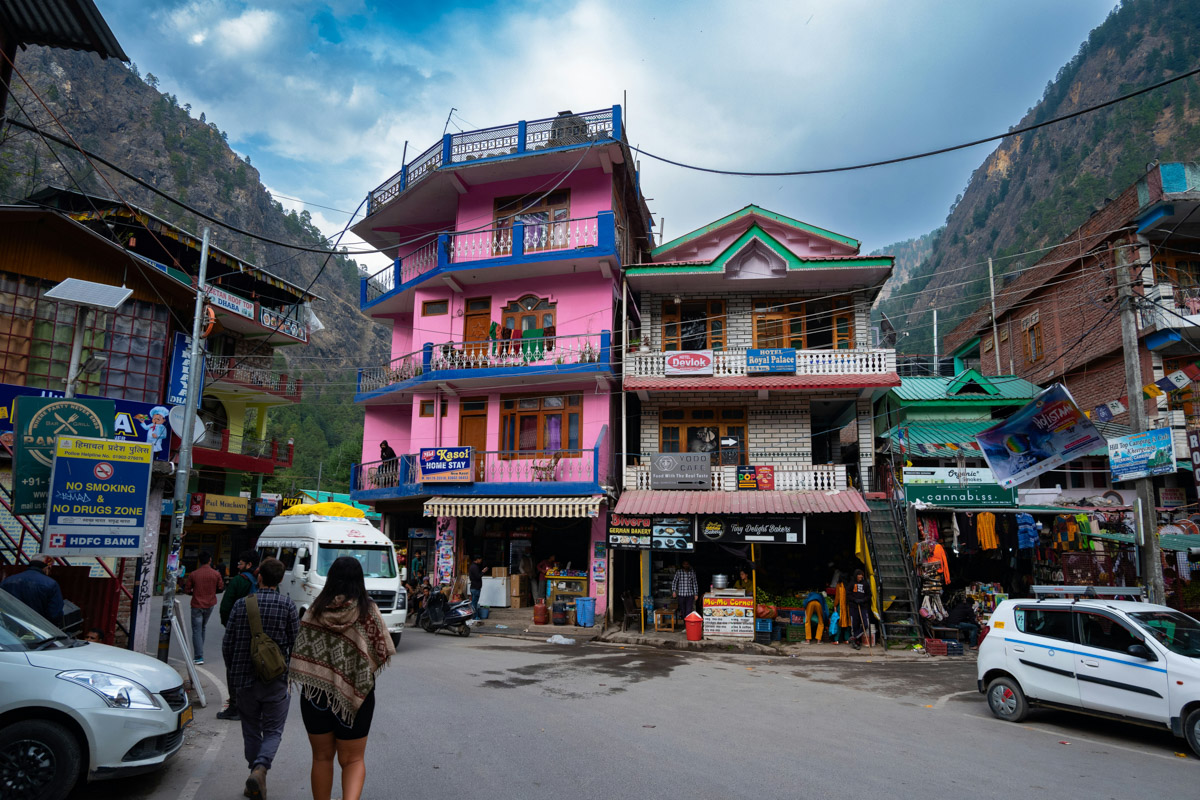
Shopping in Kasol: Flea Markets, Himalayan Crafts & Budget Buys
Plan shopping in Kasol with a practical market guide covering what to buy, price expectations, bargaining tips, and trek-friendly purchase advice.
Never Miss an Adventure
Get the latest trekking guides, travel tips, and exclusive offers delivered straight to your inbox.
